
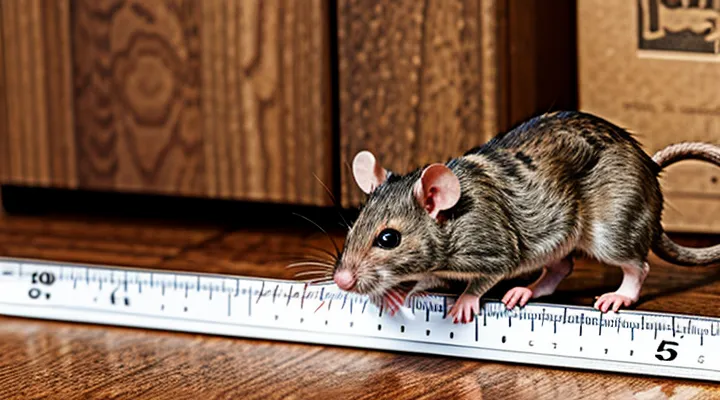
Why Rat Weight Matters for Health and Well-being
Health Indicators and Early Detection of Issues
Accurate assessment of rat health relies on regular measurement of body weight combined with specific physiological markers. Weight records reveal growth patterns, detect deviations from expected trajectories, and provide a quantitative basis for intervention.
Key health indicators include:
- Body condition score (BCS) assessed on a standardized 1‑5 scale.
- Coat texture and color; dull or patchy fur signals metabolic stress.
- Food and water consumption; abrupt reductions often precede illness.
- Activity level; decreased locomotion or reluctance to explore indicates discomfort.
- Respiratory rate and nasal discharge; changes may reflect infection.
Early detection strategies require systematic data collection and analysis. Establish a baseline weight range for each strain and age group, then monitor weekly fluctuations. Flag any weight loss exceeding 5 % of baseline within a 48‑hour window, or a sustained gain beyond 10 % without corresponding dietary increase. Cross‑reference weight trends with BCS and behavioral observations to differentiate normal growth from pathological conditions.
Implementing these practices enables prompt identification of nutritional deficiencies, disease onset, and environmental stressors, thereby supporting optimal growth and experimental reliability.
Impact on Longevity and Quality of Life
Optimal weight guidelines for laboratory rats directly influence lifespan and overall health status. Maintaining a body mass within species‑specific ranges reduces the incidence of metabolic disorders, cardiovascular strain, and musculoskeletal degeneration. Data from longitudinal studies indicate that rats weighing 250–300 g (adult male) and 200–250 g (adult female) experience a median survival increase of 12–15 % compared to individuals exceeding 350 g.
Key physiological outcomes linked to appropriate weight management include:
- Stabilized glucose tolerance, lowering the risk of diabetes‑like conditions.
- Decreased arterial pressure, mitigating hypertension‑related organ damage.
- Preservation of skeletal integrity, preventing age‑related fractures and mobility loss.
- Enhanced immune responsiveness, resulting in fewer infection‑related mortalities.
Behavioral metrics also improve under weight compliance. Rats that meet the recommended mass exhibit higher exploratory activity, more consistent nesting behavior, and reduced anxiety‑like responses in open‑field tests. These indicators correlate with better welfare scores and facilitate more reliable experimental results.
Implementing regular weight monitoring, dietary adjustments, and environmental enrichment constitutes a practical strategy to achieve and sustain the target mass range. Early detection of weight drift allows corrective measures before chronic pathology develops, thereby extending both the productive period and the quality of life for the animal.
Factors Influencing Rat Weight
Age and Developmental Stages
Rat weight criteria must be aligned with the animal’s chronological age and physiological development. Weight alone does not convey maturity; age determines organ development, hormonal status, and metabolic capacity, all of which influence experimental outcomes.
Typical developmental phases and associated weight ranges for laboratory‑bred Rattus norvegicus are:
- Neonate (0–7 days): 2–5 g. Rapid tissue growth, limited thermoregulation.
- Pre‑weaning (8–21 days): 5–20 g. Emergence of sensory functions, initiation of solid food intake.
- Weaning (22–28 days): 20–30 g. Complete transition to solid diet, increased locomotor activity.
- Juvenile (29–55 days): 30–100 g. Skeletal maturation, peak growth velocity.
- Adult (56–180 days): 150–300 g (male), 120–250 g (female). Stable body composition, reproductive competence.
- Aged (≥181 days): >300 g. Gradual loss of lean mass, altered pharmacokinetics.
Weight benchmarks derived from these stages reflect underlying growth curves documented in standard laboratory animal references. Applying stage‑specific limits reduces variability caused by mismatched physiological status and ensures reproducibility across studies.
When planning experiments, select weight windows that correspond to the intended developmental phase. For toxicology screens, juvenile rats (30–70 g) provide a sensitive model of organ development. For behavioral assays requiring mature cognition, adult males between 250–300 g are appropriate. Aging studies should employ rats exceeding 350 g to capture senescent physiology.
Consistent use of age‑aligned weight standards enhances data reliability, facilitates cross‑lab comparisons, and supports ethical stewardship of animal resources.
Sex Differences in Weight
Sex-specific growth patterns dictate distinct weight trajectories in laboratory rats. Males typically achieve greater body mass than females, with peak differences of 20‑30 % observed at sexual maturity. The divergence emerges after weaning, accelerates during puberty, and stabilizes once adult size is reached. Consequently, reference ranges must be stratified by sex to avoid misclassification of normal growth as abnormal.
Key implications for weight standards include:
- Separate baseline values for each sex at defined ages (e.g., 4 weeks, 8 weeks, 12 weeks).
- Adjustment of dosing calculations according to sex‑specific average weights.
- Application of sex‑specific outlier thresholds (e.g., ±2 SD) when screening for health issues.
Failure to account for these differences compromises experimental reproducibility and may bias pharmacological or toxicological outcomes. Implementing sex‑segregated weight criteria ensures accurate assessment of physiological status and enhances the reliability of research findings.
Breed and Genetic Predisposition
Breed differences produce predictable variations in adult rat mass, requiring separate reference values for each genetic line. Laboratory strains such as Sprague‑Dawley, Wistar and Long‑Evans display distinct growth curves; for example, mature Sprague‑Dawley males typically reach 300–350 g, while Long‑Evans females average 250–300 g. Wild‑type descendants retain broader weight ranges because natural selection favors adaptability rather than uniformity.
Genetic predisposition shapes body composition, metabolic rate and susceptibility to obesity. Mutations affecting leptin signaling or insulin regulation can shift the normative weight envelope upward or downward by 10–20 %. Selective breeding for traits like enhanced musculature or reduced adiposity produces lines that consistently fall outside generic averages, making breed‑specific standards indispensable.
Key considerations for applying weight criteria:
- Identify the strain or hybrid status of each animal.
- Reference documented mature weight intervals for the exact breed and sex.
- Adjust expectations for known genetic mutations that alter appetite or metabolism.
- Use longitudinal measurements to confirm that individual growth aligns with strain norms rather than generic targets.
Diet and Nutritional Intake
Dietary composition directly determines whether laboratory rats meet established weight guidelines. Precise control of caloric density, macronutrient balance, and micronutrient provision ensures that body mass reflects experimental variables rather than nutritional excess or deficiency.
Energy intake for adult rats typically ranges from 13 to 15 kcal per gram of body weight per day. Adjustments follow growth stage, strain, and sex. Maintaining this range prevents rapid weight gain that skews data and avoids under‑feeding that compromises health.
Macronutrient distribution should approximate:
- Protein: 18–20 % of total calories
- Fat: 5–7 % of total calories
- Carbohydrate: remainder (73–77 %)
Protein quality influences lean tissue development; casein or soy isolate provide reliable amino acid profiles. Fat sources must be low in saturated fatty acids to avoid hepatic lipid accumulation. Carbohydrate provision should derive from digestible starches, limiting simple sugars that provoke hyperglycemia.
Micronutrients require strict monitoring. Calcium and phosphorus must maintain a 1.2 : 1 ratio to support skeletal integrity. Vitamin E and selenium supplementation protect against oxidative stress, which can alter metabolism and body weight. Continuous access to clean water, at a minimum of 30 ml per day per 100 g body weight, prevents dehydration‑induced weight fluctuations.
Feeding protocols recommend daily portioning based on measured body weight, recorded at the same time each day. Automated dispensers reduce human error, while manual feeding schedules should include weight verification before and after each feeding cycle. Consistent dietary records enable correlation of weight measurements with experimental outcomes, reinforcing the reliability of rat weight standards.
Activity Level and Environment
Activity level directly influences the metabolic demand of laboratory rats and therefore shifts the weight range considered normal for a given strain. Rats that are continuously exercised on running wheels or provided with extensive maze access exhibit increased lean mass and higher daily caloric expenditure; their acceptable weight ceiling typically exceeds that of sedentary counterparts by 5–10 %. Conversely, rats kept in low‑stimulus cages maintain lower basal metabolism and reach the lower bound of the standard weight band sooner.
- Sedentary: weight range aligns with baseline standards.
- Moderately active (daily handling, limited enrichment): add ~3 % to upper limit.
- Highly active (continuous wheel access, complex enrichment): add ~5–10 % to upper limit.
Environmental conditions further modulate weight expectations. Ambient temperature below the thermoneutral zone (≈28 °C for rats) forces additional thermogenic activity, resulting in reduced body mass; temperatures above this zone can suppress appetite and cause weight loss. Cage density also matters: overcrowding elevates stress hormones, decreasing growth rates, while socially enriched groups promote normal development. Humidity extremes and poor ventilation similarly affect feed intake and hydration, producing measurable deviations from standard weight curves.
When applying weight criteria for health surveillance, adjust the reference interval to reflect the combined influence of activity and housing. For example, a rat housed at 22 °C, in a spacious cage with a running wheel, should be evaluated against a weight band shifted upward by approximately 7 % relative to the baseline for its strain and age. Monitoring protocols that incorporate these adjustments improve the accuracy of health assessments and reduce false‑positive alerts.
Establishing Healthy Weight Ranges
Average Weight by Age and Sex
Accurate body‑mass benchmarks are essential for laboratory rat management, health monitoring, and experimental reproducibility. Established reference values differentiate by developmental stage and by sex, reflecting physiological growth patterns and hormonal influences.
- Weanlings (3–4 weeks) – Males: 45–55 g; Females: 40–50 g.
- Juveniles (5–7 weeks) – Males: 90–110 g; Females: 80–100 g.
- Young adults (8–12 weeks) – Males: 250–300 g; Females: 200–250 g.
- Mature adults (13–20 weeks) – Males: 300–350 g; Females: 250–300 g.
- Aged rats (>20 weeks) – Males: 320–380 g; Females: 270–330 g.
Weight ranges represent mean values from multiple colonies under standard housing conditions; individual variation may arise from strain, diet, and environment. Consistent measurement techniques—using calibrated scales, removing bedding, and recording at the same time of day—minimize error and ensure data comparability across studies.
Applying these age‑ and sex‑specific averages supports precise dosing, accurate interpretation of physiological endpoints, and alignment with ethical standards for animal welfare. Deviations from expected values should trigger health assessments and potential protocol adjustments.
Recognizing Underweight Conditions
Recognizing underweight conditions in laboratory and pet rats requires precise assessment of body mass relative to species‑specific standards. An adult male rat typically weighs 250–300 g, while an adult female averages 200–250 g; deviations of more than 15 % below these ranges signal potential undernutrition.
Key indicators include:
- Visible rib prominence or spine outline when the animal is viewed from the side.
- Reduced abdominal girth with a sharp, concave flank profile.
- Diminished muscle tone, especially in the hind limbs and forearms.
- Decreased activity levels, lethargy, or reluctance to explore.
- Rapid weight loss exceeding 5 % of body weight within a week.
Objective measurement protocols reinforce visual evaluation. Record the rat’s weight daily using a calibrated scale, calculate the percentage difference from the expected median for its sex and age, and plot trends over a 7‑day interval. If the percentage deficit exceeds 15 % or the downward trend persists beyond three days, initiate nutritional intervention.
Intervention steps:
- Verify scale accuracy and reweigh the animal to rule out measurement error.
- Assess diet composition for adequate caloric density, protein content, and essential micronutrients.
- Provide supplemental high‑energy food items (e.g., condensed milk, fortified pellets) in measured portions.
- Monitor weight daily until the animal returns to within 5 % of the species‑specific median.
- Document all observations, interventions, and outcomes in the animal’s health record.
Consistent application of these criteria ensures early detection of underweight status, supports timely corrective measures, and maintains the integrity of experimental or breeding programs.
Identifying Overweight and Obesity Risks
Accurate assessment of rodent body condition requires clear criteria for distinguishing normal, overweight, and obese individuals. Overweight and obesity in laboratory rats are identified when body mass exceeds the upper limit of strain‑specific reference ranges, typically by 10–20 % for overweight and more than 20 % for obesity. Consistent measurement techniques—such as calibrated scales, repeated weighing at the same time of day, and accounting for food and water content—prevent misclassification.
Key indicators of excess adiposity include:
- Body mass surpassing established upper percentile for the specific strain and age.
- Visible abdominal distension and reduced mobility.
- Elevated body condition scores (BCS ≥ 4 on a 5‑point scale).
- Increased serum leptin and triglyceride concentrations relative to baseline values.
When these markers appear, investigators should verify weight trends over several days to rule out transient fluctuations caused by recent feeding or fluid retention. If persistent, corrective actions involve dietary restriction, adjustment of caloric density, or increased physical enrichment to stimulate activity.
Failure to recognize excess weight compromises experimental validity, as obesity alters metabolic pathways, pharmacokinetics, and disease susceptibility. Implementing routine weight monitoring, comparing each measurement against strain‑specific standards, and documenting BCS ensures early detection and mitigation of overweight and obesity risks.
Assessing Your Rat's Body Condition
The Body Condition Scoring (BCS) System
The Body Condition Scoring (BCS) system provides a visual and tactile framework for assessing the nutritional status of laboratory and pet rats. Scores range from 1 (severe emaciation) to 5 (obesity), each linked to specific anatomical landmarks such as the prominence of the rib cage, lumbar spine, and abdominal contour. Evaluators assign a score by palpating the dorsal musculature and observing the silhouette from lateral and dorsal viewpoints.
Implementation of BCS aligns with weight‑based guidelines by offering a rapid, non‑invasive complement to precise scale measurements. While weight alone cannot differentiate lean mass from fat accumulation, BCS captures body composition changes that precede measurable weight fluctuations. This dual approach enhances early detection of under‑ or over‑nutrition, supporting timely dietary adjustments.
Key elements of the BCS protocol include:
- Standardized lighting and positioning to ensure consistent visual assessment.
- Use of calibrated gloves to apply uniform pressure during palpation.
- Documentation of score alongside exact body weight, age, and strain for longitudinal tracking.
Integrating BCS into routine health checks reduces reliance on invasive procedures and improves welfare outcomes. Consistent scoring across facilities enables comparative analysis, facilitating the refinement of rat weight standards and the establishment of evidence‑based feeding regimens.
Palpation Techniques for Body Assessment
Accurate assessment of a rat’s body condition is essential for establishing appropriate weight benchmarks. Palpation provides direct information about muscle mass, fat deposits, and organ enlargement, complementing scale measurements and improving the reliability of weight standards.
Through systematic hand pressure, the examiner can evaluate:
- Muscle tone – firm, evenly distributed tissue indicates healthy development; soft or irregular areas suggest atrophy or injury.
- Subcutaneous fat – thin layers over the ribs and lumbar region reflect lean condition; thick deposits may signal overnutrition.
- Abdominal organs – gentle compression of the abdomen reveals enlargement of the liver, spleen, or gastrointestinal tract, which can affect body weight.
- Skeletal landmarks – palpating the scapulae, pelvis, and vertebral processes confirms proper growth and detects deformities that influence weight distribution.
Interpretation of these findings should be recorded alongside measured body mass. Consistent patterns—such as reduced muscle tone with elevated fat thickness—guide adjustments to the target weight range for specific strains, ages, and sexes. Integrating palpation data ensures that weight standards reflect true physiological status rather than mere numerical readings.
Visual Cues of Healthy Weight
Rats that meet established weight guidelines exhibit distinct external characteristics that allow rapid assessment of nutritional status. Evaluators rely on these visual signals to confirm that an animal falls within the optimal range for its strain, age, and sex.
Key indicators of appropriate body condition include:
- Silhouette: A smooth line from the shoulders to the hips without pronounced bulges or sharp depressions.
- Rib visibility: Ribs are palpable but not protruding; a light layer of flesh covers each rib.
- Spine and hips: The vertebral column and pelvic bones are discernible under a thin layer of tissue, indicating adequate muscle without excessive fat.
- Coat quality: Dense, glossy fur with uniform coloration reflects good health; thinning or dull patches suggest malnutrition or disease.
- Behavioral posture: Normal mobility, upright stance, and active exploration correspond with a balanced weight; lethargy or hunching may signal overweight or underweight conditions.
Regular monitoring of these attributes supports consistent application of rat weight standards and facilitates early intervention when deviations arise.
Maintaining an Ideal Weight
Dietary Management and Portion Control
Effective dietary management is essential for maintaining rats within target weight ranges. Precise portion control ensures that caloric intake aligns with the metabolic demands of each animal, preventing both undernutrition and excess gain.
Key elements of a balanced rat diet include:
- High‑quality protein source (e.g., soy, casein) at 18‑20 % of total calories.
- Complex carbohydrates such as whole grains, limited to 45‑55 % of calories.
- Fiber content of 5‑7 % to support gastrointestinal health.
- Essential fats providing 5‑10 % of energy, sourced from vegetable oil or fish oil.
- Micronutrients (vitamins A, D, E, K; minerals calcium, phosphorus, magnesium) at levels defined by the National Research Council for rodents.
Portion sizes should be calculated on a per‑animal basis using the following procedure:
- Determine the target body weight (e.g., 250 g for adult males, 200 g for adult females).
- Estimate daily energy requirement: 70 kcal · (Body Weight kg)^0.75.
- Convert energy requirement to gram weight of the complete feed, accounting for the diet’s caloric density (typically 3.5 kcal · g⁻¹).
- Divide the daily amount into two to three feedings to reduce binge eating and promote stable intake.
Monitoring protocols reinforce control:
- Weigh each rat weekly; adjust portions if weight deviates by more than 5 % from the target.
- Record food disappearance to detect spillage or hoarding.
- Conduct periodic body composition analysis (e.g., dual‑energy X‑ray absorptiometry) to verify lean‑mass maintenance.
Implementing these measures standardizes nutritional input, directly supporting the achievement of precise rat weight benchmarks required for experimental consistency.
Encouraging Exercise and Enrichment
Providing rats with regular physical activity and environmental stimulation directly influences body composition, metabolic rate, and the reliability of weight‑based assessments. Structured exercise reduces adipose accumulation, promotes lean mass development, and stabilizes daily weight fluctuations, yielding data that more accurately reflect genetic or dietary variables under investigation.
Implementing enrichment should follow a systematic protocol:
- Rotate wheel access for 30 minutes, three times daily, to prevent habituation and maintain cardiovascular load.
- Introduce climbing apparatus (e.g., ladders, platforms) for 15 minutes, twice daily, to engage hind‑limb musculature.
- Supply chewable objects and nesting material for 20 minutes, once daily, to stimulate natural foraging behavior and reduce stress‑induced weight gain.
- Schedule brief exploratory sessions in a novel cage layout, 10 minutes, once weekly, to encourage locomotor bursts and mental engagement.
Monitoring should include weekly body mass recordings taken at the same time of day, alongside activity logs documenting duration and intensity of each enrichment element. Correlating these metrics identifies optimal exercise‑enrichment combinations that produce consistent weight standards across cohorts.
Researchers must calibrate the intensity of each stimulus to the strain, age, and health status of the rats. Over‑stimulation can lead to hyperactivity and weight loss, while insufficient enrichment may mask underlying metabolic disorders. Adjustments are made by modifying session length or apparatus complexity, ensuring that weight measurements remain within the predetermined acceptable range for the study.
Regular Weight Monitoring Practices
Regular weight monitoring provides the primary data source for establishing reliable growth curves in laboratory rodents. Consistent measurements allow researchers to compare individual specimens against population benchmarks and to detect deviations that may indicate health issues or experimental variables.
Effective monitoring protocols include:
- Weighing animals at the same time each day to eliminate circadian fluctuations.
- Using calibrated digital balances with a precision of at least 0.01 g.
- Recording values in a centralized database that timestamps each entry.
- Applying gentle handling techniques to reduce stress‑induced weight loss.
Frequency of measurement should correspond to the developmental stage of the subjects. Neonatal rats require daily weighing until weaning, after which a three‑day interval typically suffices. Adult specimens involved in long‑term studies benefit from weekly checks, with additional assessments scheduled after interventions such as diet changes or drug administration.
Data analysis hinges on comparing recorded weights to established reference ranges. Deviations exceeding 10 % of the expected value warrant immediate health evaluation and may necessitate adjustment of experimental dosing or environmental conditions. Trend plots generated from the database help visualize growth trajectories and identify outliers quickly.
Integrating regular weight checks into routine husbandry ensures that weight standards remain accurate, supports reproducibility across studies, and safeguards animal welfare by providing early detection of physiological disturbances.
Consulting a Veterinarian for Concerns
When a rat’s body mass falls outside the accepted range for its age and strain, professional veterinary evaluation becomes necessary.
- Unexplained weight loss or gain
- Stunted growth in juveniles
- Signs of obesity, such as reduced mobility or respiratory strain
- Persistent lethargy, hair loss, or abnormal behavior
A veterinarian will conduct a systematic assessment. Precise weighing with calibrated scales provides a baseline. The clinician then applies a body condition scoring system, comparing rib visibility, spine prominence, and overall silhouette to established criteria. A full physical examination identifies underlying health issues, while a review of diet, enrichment, and cage conditions highlights environmental contributors.
Before the appointment, owners should compile recent weight measurements, a detailed feeding log, and notes on habitat temperature, humidity, and any observed symptoms. Presenting this information enables the veterinarian to pinpoint deviations from optimal weight guidelines quickly.
The veterinary consultation typically results in a tailored plan: dietary adjustments calibrated to caloric needs, recommendations for exercise enrichment, and, if required, medical interventions such as deworming or hormonal therapy. Follow‑up appointments schedule periodic re‑weighing to verify that the rat returns to, and maintains, the appropriate weight range.
Common Weight-Related Health Issues
Nutritional Deficiencies and Their Impact
Accurate assessment of rat body mass requires attention to dietary composition, because specific nutrient shortfalls directly alter growth trajectories and final weight. Deficiencies in protein, essential fatty acids, vitamins, and minerals disrupt metabolic pathways that regulate tissue accretion, leading to inconsistent measurements across experimental cohorts.
Key deficiencies and their effects include:
- Protein insufficiency – reduces lean muscle development, lowers overall body weight, and skews body‑condition indices.
- Essential fatty acid shortage – impairs membrane integrity, hampers energy storage, and produces erratic weight gain patterns.
- Vitamin A deficiency – compromises epithelial health, slows growth rates, and produces weight deviations unrelated to genetic factors.
- Vitamin D deficiency – diminishes calcium absorption, weakens bone mineralization, and results in lower body mass despite adequate caloric intake.
- Mineral deficits (e.g., zinc, magnesium) – interfere with enzymatic activity, reduce appetite, and cause fluctuating weight records.
Monitoring these nutritional parameters alongside weight measurements ensures that observed variations reflect true physiological differences rather than dietary artifacts. Implementing standardized feed formulations and periodic nutrient analyses stabilizes weight data, facilitating reliable comparisons across studies.
Obesity-Related Health Problems
Obesity in laboratory rats manifests as excess adipose tissue that surpasses established weight guidelines for a given strain, age, and sex. Persistent overnutrition elevates the risk of multiple physiological disturbances that compromise experimental validity and animal welfare.
- Impaired glucose tolerance and insulin resistance, leading to type 2‑like diabetes.
- Hypertension and left‑ventricular hypertrophy, reflecting cardiovascular strain.
- Reduced pulmonary compliance and increased apnea episodes during sleep.
- Degenerative joint disease and altered gait caused by excessive load on skeletal structures.
- Decreased reproductive efficiency, including lower sperm motility and estrous cycle irregularities.
Weight guidelines provide quantitative thresholds that differentiate normal growth trajectories from pathological gain. Regular measurement of body mass, combined with body‑condition scoring, enables researchers to identify deviations before clinical signs emerge. When a rat’s weight exceeds the upper confidence interval of the standard curve for its cohort, immediate adjustments to diet composition, caloric density, or feeding schedule are warranted.
Standardized monitoring protocols should include weekly weighing, recording of food intake, and periodic assessment of metabolic biomarkers such as fasting glucose and lipid panels. Intervention strategies—caloric restriction, increased physical activity, or pharmacologic agents—must be calibrated to restore weight within the defined range while preserving experimental endpoints. Consistent application of these practices minimizes obesity‑related morbidity and sustains the reliability of biomedical investigations.
Weight Fluctuations as a Sign of Illness
Accurate monitoring of rodent body mass provides a reliable indicator of physiological status. Consistent weight within the established range confirms normal growth and metabolic function; deviations frequently signal underlying pathology.
Typical adult laboratory rats maintain a stable weight that varies by strain, sex, and age, usually fluctuating less than 5 % over a two‑week period. A reduction exceeding this threshold, especially when sustained for more than three days, often precedes clinical signs of disease. Conversely, rapid weight gain may reflect fluid accumulation, endocrine imbalance, or excessive dietary intake.
Common patterns and associated conditions include:
- Gradual loss (5–15 %): Chronic infection, neoplasia, gastrointestinal disorders.
- Acute loss (>15 % within 48 h): Severe sepsis, toxin exposure, acute hemorrhage.
- Sudden gain: Edema from cardiac failure, renal insufficiency, or corticosteroid treatment.
- Weight oscillation: Stress‑induced anorexia, cyclical hormonal changes, or intermittent feeding errors.
Routine weighing should occur at least twice weekly for breeding colonies and daily for experimental cohorts undergoing health challenges. Recordings must be precise to the nearest gram; trends are evaluated using moving averages to filter short‑term fluctuations. When a deviation exceeds expected variability, initiate a clinical assessment, including physical examination, hematology, and imaging as appropriate.
Prompt identification of abnormal weight trajectories enables early intervention, reduces morbidity, and preserves data integrity in research settings.
Special Considerations for Pregnant and Lactating Rats
Increased Nutritional Needs
Rats that exceed the typical weight range demand proportionally greater caloric and nutrient intake to sustain metabolic function and prevent health decline.
Key drivers of elevated dietary requirements include rapid growth, gestation or lactation, heightened activity levels, and disease states that increase catabolism. Each factor raises the baseline energy demand by a measurable margin.
Typical adjustments are expressed per gram of body mass:
- Energy: 0.45–0.55 kcal g⁻¹ for adult maintenance; up to 0.70 kcal g⁻¹ during gestation.
- Protein: 0.20 g g⁻¹ for standard growth; 0.30 g g⁻¹ for lactating females.
- Fat: 0.05–0.07 g g⁻¹ for normal conditions; 0.10 g g⁻¹ when metabolic stress is present.
Implementing these values requires daily monitoring of feed consumption, periodic weight checks, and formulation of diets that meet the specified macro‑nutrient ratios. Commercial pellets can be supplemented with casein, soy, or whey protein, and with essential fatty acids to reach target levels.
Failure to match increased nutritional needs results in weight loss, impaired immune response, and reduced reproductive performance, ultimately compromising the validity of any weight‑based study. Continuous alignment of diet with the animal’s physiological state ensures accurate adherence to rat weight guidelines.
Monitoring Weight During Reproduction
Accurate weight tracking throughout the breeding cycle provides essential data for evaluating reproductive health and optimizing litter outcomes. Baseline measurements taken at sexual maturity establish reference points for each strain, allowing deviations to be identified promptly.
During gestation, weight gain follows a predictable pattern: modest increase in early weeks, accelerated accumulation in the second half, and a final surge preceding parturition. Recording body mass every 2–3 days captures this trajectory, highlights under‑ or over‑nutrition, and informs adjustments to diet composition or caloric density.
Post‑parturition monitoring focuses on dam recovery and pup development. Daily weigh‑ins for the first week, followed by every other day until weaning, reveal whether the mother regains pre‑pregnancy weight and whether nursing support is adequate.
Key practices for reliable data collection:
- Use calibrated electronic scales with a precision of ±0.1 g.
- Weigh animals at the same time of day, preferably after a short fasting period to reduce gastrointestinal variation.
- Record environmental conditions (temperature, humidity) that may influence metabolic rate.
- Maintain individual logs linking each weight datum to gestational day, litter size, and any interventions.
Interpretation of trends relies on established strain‑specific growth curves. Deviations exceeding ±10 % of expected gain signal potential issues such as placental insufficiency, metabolic disorders, or inadequate feed. Prompt corrective measures—dietary modification, supplemental feeding, or veterinary assessment—reduce morbidity and improve reproductive efficiency.
Consistent weight surveillance, integrated with breeding records, creates a quantitative framework for decision‑making, ensuring that reproductive performance aligns with defined standards for optimal rat husbandry.