
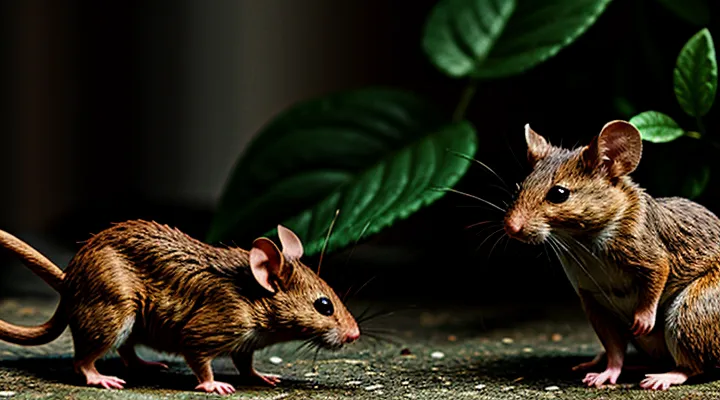
General Interpretations of Mice in Dreams
Common Associations
Brown mice appearing in nocturnal imagery frequently signal concrete psychological themes. Observers consistently link the creature to modest, often overlooked issues that demand attention.
- Scarcity or loss; the animal’s modest size mirrors perceived depletion of resources.
- Concealed worries; the mouse’s habit of hiding suggests repressed anxieties.
- Minor irritations; rapid movement reflects persistent, low‑level stress.
- Domestic environment; brown coloration aligns with familiar, home‑bound settings.
- Survival instincts; the creature’s foraging behavior points to basic self‑preservation drives.
Each association derives from the mouse’s biological traits and cultural symbolism. The sense of scarcity emerges because rodents are commonly associated with food gathering, prompting the mind to equate the dream figure with limited supplies. Concealed worries arise from the animal’s propensity to retreat into crevices, mirroring the subconscious’s tendency to tuck away uncomfortable thoughts. Minor irritations are inferred from the mouse’s quick, repetitive motions, which can translate into a perception of ongoing, nagging problems. The domestic link stems from the typical brown mouse’s presence in households, encouraging the dreamer to relate the image to personal living spaces. Finally, survival instincts are projected through the animal’s instinctual search for sustenance, prompting reflection on the dreamer’s own basic needs and coping mechanisms.
Cultural and Historical Perspectives
Dreams featuring brown rodents have surfaced repeatedly in folklore, religious symbolism, and literary tradition, offering a window into collective attitudes toward small mammals. In ancient Egyptian mythology, mice represented stealth and the unseen forces that could infiltrate households, often linked to protective deities who guarded grain stores. Classical Greek narratives portrayed mice as omens of scarcity, reflecting agrarian anxieties about pestilence and food security. Medieval European bestiaries assigned mice moral significance, depicting them as embodiments of humility and vulnerability, sometimes warning against neglect of the meek.
Across Asian cultures, brown mice appear in allegorical tales that emphasize adaptability and resourcefulness. Chinese folklore describes the mouse as a symbol of cleverness, occasionally appearing in dream accounts that foretell successful navigation of obstacles. Japanese Noh theater includes characters resembling mice to illustrate subtle influence within hierarchical structures, suggesting that subconscious visions of these creatures may echo societal pressures to remain inconspicuous while exerting impact.
Historical records reveal that interpretations of mouse-related dreams shifted with prevailing worldviews:
- Antiquity: Portents of famine or pestilence, tied to agricultural cycles.
- Renaissance: Moral lessons on modesty and the dangers of greed, reflecting humanist concerns.
- Enlightenment: Rational analyses linking mouse imagery to personal anxieties about loss of control, aligning with emerging psychological thought.
- Contemporary ethnography: Recognition of mice as cultural metaphors for marginalization, used to explore identity and belonging.
These cultural layers inform modern psychological frameworks, suggesting that the presence of brown mice in nocturnal imagery can signify inherited symbolic meanings, transformed by the dreamer’s cultural heritage and historical context.
The Specificity of «Brown» in Dream Symbolism
Color Psychology and its Application to Dreams
Brown mice in nocturnal imagery often carry a chromatic cue that shapes emotional resonance. The hue brown, linked to earth, stability, and nostalgia, activates neural pathways associated with safety and resourcefulness. When the mind projects a brown rodent, the color’s grounding effect can mask anxiety, presenting the animal as a familiar, non‑threatening figure.
Color psychology translates directly into dream content through three mechanisms:
- Associative memory: Past experiences with brown objects (e.g., wood, soil) trigger subconscious links that color the mouse’s symbolic meaning.
- Physiological response: Warm tones lower arousal levels, encouraging a calmer dream atmosphere and reducing perceived danger.
- Cultural imprint: Societal narratives often describe brown creatures as humble or industrious, reinforcing the dreamer’s interpretation of the mouse as a modest helper.
Consequently, the presence of a brown mouse signals an internal cue toward consolidation of routine concerns, rather than an alarm about looming threats. Recognizing the color’s influence enables precise decoding of the dream’s underlying message.
Shades of Brown: Nuance and Meaning
Brown mice in nocturnal visions often appear against a backdrop of earthy tones, inviting a closer look at the specific hues of brown that accompany them. Each shade carries distinct symbolic weight, influencing the emotional resonance of the dream and shaping the subconscious message.
- Light tan: Suggests innocence, early-stage ideas, or a gentle transition from uncertainty to clarity.
- Warm chestnut: Implies grounded ambition, resilience, and a practical approach to problem‑solving.
- Deep mahogany: Signals depth of feeling, hidden motivations, or the presence of suppressed memories.
- Muted taupe: Reflects ambiguity, indecision, or a need to reconcile conflicting aspects of the self.
The psychological impact of these colors aligns with established theories of chromatic meaning. Lighter browns ease tension, encouraging openness to new experiences. Darker tones intensify introspection, prompting the dreamer to confront concealed emotions. When a brown mouse traverses a scene dominated by a particular shade, the mouse’s behavior—scurrying, pausing, or interacting—mirrors the underlying tone’s influence on the psyche.
Interpretation benefits from matching the mouse’s activity to the hue’s connotation. A quick‑moving light‑tan mouse may herald the emergence of fresh ideas, whereas a lingering mahogany mouse can indicate unresolved issues demanding focused attention. By distinguishing the nuanced variations of brown, analysts can extract precise insights from dream narratives that feature these small rodents.
Psychological Perspectives on Dream Mice
Freudian Interpretations: Repressed Desires and Anxiety
The presence of brown mice in nocturnal imagery invites a Freudian reading that links the animal to concealed wishes and underlying tension. In Freud’s theory, small rodents symbolize suppressed sexual energy, serving as a safe conduit for urges that the conscious mind rejects. The brown coloration adds an element of earthiness, suggesting primal drives rooted in bodily instincts.
Repressed desires emerge when the dreamer avoids acknowledging erotic impulses tied to vulnerability and pursuit. The mouse’s evasive behavior mirrors the psyche’s attempt to hide these urges, while its capture or observation reflects a fleeting acknowledgment of the forbidden content. This dynamic reveals the unconscious’s strategy of disguising libidinal material as innocuous fauna.
Anxiety surfaces concurrently, because the suppressed urges threaten the ego’s stability. The dream’s emotional tone—often fear, irritation, or curiosity—signals the conflict between the id’s demands and the superego’s prohibitions. The mouse’s size underscores the perceived insignificance of the threat, yet the recurring motif amplifies the latent dread.
Key Freudian points:
- The mouse acts as a symbolic stand‑in for repressed sexual energy.
- Brown hue emphasizes primitive, bodily origins of desire.
- Interaction with the animal illustrates the ego’s defensive maneuvers.
- Emotional response in the dream marks anxiety generated by the id‑superego clash.
Jungian Archetypes: The Shadow and the Unconscious
The appearance of brown mice in nocturnal visions triggers a symbolic dialogue between the personal unconscious and the collective psyche. Jungian theory identifies the mouse as a modest animal that can embody repressed material, especially when its coloration and behavior align with the archetype of the Shadow. The Shadow represents aspects of the self that are denied, feared, or ignored; its emergence in dream content signals a need for integration rather than suppression.
In this context, the mouse functions as a concrete image through which the unconscious projects hidden impulses, anxieties, or forgotten memories. The dreamer's response—whether fear, curiosity, or indifference—offers a diagnostic cue about the current state of the Shadow’s influence. Recognizing the mouse as a messenger facilitates the gradual assimilation of disowned traits, thereby reducing internal conflict.
Key interpretive cues include:
- Color and texture: brown tones suggest earthbound, instinctual energies rooted in early developmental stages.
- Movement patterns: scurrying denotes evasive behavior, hinting at avoidance of confronting internal content.
- Interaction with the dreamer: direct contact may indicate an invitation to engage with suppressed material; passive observation often reflects passive resistance.
By treating the brown mouse as a symbolic conduit, the analyst can map the contours of the unconscious terrain, trace the activation of the Shadow, and guide the dreamer toward a more cohesive self‑structure. This approach aligns with Jung’s principle that confronting the Shadow through vivid imagery promotes psychological wholeness.
Gestalt Psychology: Unfinished Business
Dreams that contain brown mice often surface when the mind attempts to resolve incomplete emotional patterns. Within Gestalt theory, such patterns are described as “unfinished business,” meaning that a perceptual whole remains unresolved, compelling the psyche to revisit the material during sleep. The mouse, as a concrete symbol, embodies a fragment of an experience that has not been fully integrated; its coloration may echo the mundane or overlooked nature of the issue, prompting the unconscious to present it in a vivid, sensory form.
Gestalt analysis interprets the dream image as a figure‑ground relationship. The brown mouse emerges as the figure, standing out against the broader background of the dream narrative. This contrast signals that the mind isolates the unfinished element, allowing it to be examined without the interference of surrounding content. The process serves two functions:
- It isolates the unresolved segment, making it perceptually distinct.
- It creates a temporary closure, enabling the dreamer to experiment with possible resolutions.
When the mouse reappears across multiple nights, the pattern suggests that the underlying closure has not been achieved. Gestalt therapy would encourage the dreamer to reenact the scenario in waking life, seeking to complete the missing gesture, dialogue, or emotional acknowledgment. By doing so, the figure can dissolve back into the background, and the recurring mouse imagery loses its urgency.
In practice, the analyst asks the dreamer to describe the mouse’s behavior, location, and interaction with other dream elements. These details reveal the specific unfinished segment—whether it pertains to a neglected responsibility, an unexpressed feeling, or a suppressed memory. The analyst then guides the individual to re‑engage with the content, often through role‑play or imaginative completion, thereby allowing the Gestalt whole to form and the recurring mouse motif to fade.
Brown Mice as Harbingers of Change or Warning
Minor Annoyances and Everyday Stressors
Brown mice that surface in nocturnal imagery often function as symbols of the mind’s response to persistent, low‑level irritations. Empirical studies link such dream content to the brain’s effort to integrate minor stressors that have accumulated throughout waking hours.
Research indicates that everyday friction—such as delayed emails, misplaced keys, or brief interpersonal snubs—creates a background of physiological arousal. This arousal persists into REM sleep, where the brain consolidates fragmented experiences. The presence of a small, ubiquitous animal in dreams reflects the brain’s tendency to anthropomorphize trivial pressures, converting them into a single, manageable figure.
Typical triggers include:
- Unresolved minor disagreements at work or home
- Repeated interruptions during tasks
- Inconsistent routines (e.g., irregular meals, sleep schedule shifts)
- Minor physical discomforts (tight clothing, lingering aches)
- Frequent minor financial inconveniences (unexpected fees, small debts)
When these stressors remain unaddressed, the dream narrative may repeatedly feature the brown mouse motif, signaling that the subconscious is cataloguing unresolved irritations. Recognizing this pattern enables individuals to identify specific low‑level pressures and apply targeted coping strategies, such as brief mindfulness breaks, systematic task prioritization, or environmental adjustments, thereby reducing the frequency of the motif in subsequent sleep cycles.
Hidden Fears and Vulnerabilities
Dreams featuring brown mice frequently signal concealed anxieties and personal fragilities. The animal’s modest size and unobtrusive color evoke feelings of insignificance, prompting the mind to draw attention to areas where the dreamer feels unnoticed or powerless.
The imagery commonly encodes several specific fears:
- Perceived marginalization in social or professional settings.
- Apprehension about being preyed upon, reflecting vulnerability to criticism or exploitation.
- Anxiety over loss of control, symbolized by the mouse’s rapid, erratic movements.
- Concerns about contamination or disorder, associated with the creature’s habit of nesting in hidden corners.
Psychological mechanisms translate these concerns into the dream narrative through projection and metaphorical representation. The subconscious selects the brown mouse because its characteristics—small, furtive, adaptable—mirror the dreamer’s internal assessment of weakness.
Therapeutic work benefits from recognizing these symbols. Strategies include:
- Documenting recurring mouse imagery and associated emotions.
- Identifying real‑world situations that parallel the highlighted fears.
- Engaging in exposure techniques or assertiveness training to counteract feelings of powerlessness.
By interpreting the mouse as a marker of hidden dread, the individual gains insight into underlying vulnerabilities and can address them directly.
Opportunities for Growth and Self-Reflection
Dreams featuring brown mice often signal underlying concerns about scarcity, hidden anxieties, or unnoticed details in daily life. Their presence invites the dreamer to examine subtle patterns that may influence behavior, offering a clear pathway for personal development.
The imagery serves as a catalyst for self‑assessment in several ways:
- Identification of overlooked responsibilities that require attention.
- Recognition of feelings of vulnerability linked to perceived lack of resources.
- Exploration of instinctual coping mechanisms when faced with minor but persistent stressors.
- Encouragement to adopt a more meticulous approach to problem‑solving, reducing the likelihood of small issues escalating.
By confronting these themes, individuals can transform passive apprehension into proactive change. The process involves recording the dream, noting emotional tone, and mapping associated waking‑life situations. This systematic reflection reveals recurring motifs, allowing the dreamer to adjust habits, set realistic goals, and reinforce confidence in managing minor challenges.
Ultimately, the appearance of brown mice in nocturnal narratives provides a structured opportunity for growth. It directs attention to the minutiae that shape larger outcomes, prompting deliberate self‑evaluation and fostering adaptive strategies that enhance overall psychological resilience.
Contextual Factors Influencing Dream Interpretation
The Dreamer«s Personal Life Circumstances
Brown mice often surface in nocturnal imagery when the sleeper experiences specific personal conditions. Researchers link the appearance of these rodents to recent sensory encounters, such as handling pet mice, seeing rodents in media, or working in environments where small animals are present. Direct exposure creates vivid memory traces that the brain reactivates during REM cycles, producing realistic dream content.
Stressful circumstances also increase the likelihood of rodent imagery. Financial strain, job insecurity, or interpersonal conflict generate heightened arousal, which the dreaming mind translates into symbols of vulnerability and survival. Brown mice, as modest, adaptable creatures, embody the dreamer’s perception of limited resources and the need for cautious navigation.
Health-related factors contribute as well. Illnesses that affect metabolism or cause gastrointestinal discomfort can trigger animal motifs associated with nourishment and waste. Hormonal fluctuations, particularly during menstrual cycles or thyroid irregularities, modify dream vividness and thematic focus, often introducing small mammals.
Typical personal scenarios that precede brown‑mouse dreams include:
- Recent observation of rodents in household or workplace settings.
- Consumption of foods linked to mouse habitats (e.g., grain‑based products).
- Financial or occupational pressures that evoke feelings of scarcity.
- Relationship tensions where trust and safety feel compromised.
- Physical ailments involving digestion or hormonal imbalance.
Understanding these correlations enables clinicians to interpret the symbolism of brown mice as reflections of the dreamer’s current life context, rather than as isolated mythic signs.
Emotional State During the Dream
Dreams featuring brown mice often evoke a distinct emotional profile that reflects underlying psychological processes. The hue of the animal suggests familiarity and domesticity, while its small size can trigger feelings of vulnerability or insignificance. These emotions arise from associative networks linking rodents to childhood experiences, cultural symbolism, and personal memories.
Typical affective responses include:
- Anxiety about loss of control or unnoticed threats.
- Curiosity directed toward hidden aspects of the self.
- Nostalgia for childhood environments or past routines.
- Discomfort stemming from perceived impurity or disease.
- Calm acceptance when the mouse appears as a benign companion.
The intensity of these feelings varies with the dreamer's current stress level and recent life events. Elevated cortisol may amplify fear or dread, whereas a relaxed physiological state can transform the encounter into a neutral or even pleasant observation. Cognitive appraisal plays a central role: interpreting the mouse as a messenger of subconscious insight reduces negative affect, while perceiving it as an omen heightens alarm.
From a psychoanalytic perspective, the brown mouse serves as a symbol of repressed material that the mind attempts to integrate. When the dreamer acknowledges the creature without resistance, the emotional tone shifts toward insight and emotional regulation. Conversely, avoidance or suppression sustains heightened arousal and lingering unease after awakening.
In summary, the emotional state during a dream of brown mice oscillates between fear, curiosity, nostalgia, and acceptance, governed by personal history, physiological arousal, and the individual's interpretive stance toward the animal’s symbolic meaning.
Recurring Themes and Patterns in Dreams
Dreams featuring brown rodents often cluster around identifiable motifs that recur across individuals. These motifs reveal underlying emotional states, memory traces, and adaptive concerns, providing a framework for systematic interpretation.
Common patterns include:
- Hiding or pursuit – the mouse evades capture or is chased, reflecting anxiety about elusive problems.
- Food and storage – scenes of mice gnawing or hoarding suggest feelings of scarcity or resource management.
- Home intrusion – rodents entering personal spaces symbolize perceived violations of privacy or boundary loss.
- Transformation – mice changing size or shape indicate fluid self‑concepts and the mind’s attempt to reorganize identity.
Each pattern aligns with specific psychological mechanisms. The chase scenario activates threat‑response circuits, prompting the dreamer to confront avoidance behaviors. Food‑related imagery engages reward pathways, highlighting concerns about sustenance or emotional nourishment. Intrusion scenes trigger limbic responses tied to personal security, while transformation motifs engage neurocognitive flexibility, hinting at ongoing identity restructuring.
Research correlates the frequency of these motifs with stress markers, attachment styles, and coping strategies. Individuals reporting high stress levels tend to experience more chase‑oriented mouse dreams, whereas those with secure attachment display fewer intrusion scenes. Persistent transformation themes often appear in subjects undergoing major life transitions, such as career changes or relational shifts.
Understanding these recurring themes equips clinicians to trace the affective undercurrents that drive the appearance of brown rodents in sleep narratives, enabling targeted therapeutic interventions.
Practical Approaches to Understanding Your Dream
Dream Journaling and Reflection
Dream journaling provides a systematic record of nightly imagery, allowing the analyst to trace recurring motifs such as brown rodents. By documenting each occurrence, the sleeper creates a data set that reveals frequency, emotional tone, and situational triggers. The written account transforms fleeting impressions into observable patterns, which are essential for any rigorous psychological interpretation.
Effective reflection follows a three‑stage process:
- Capture – Write the dream immediately after waking, noting setting, characters, actions, and feelings. Include sensory details (color of the mouse, movement, sound) without editorializing.
- Contextualize – Compare the entry with previous records. Identify clusters (e.g., mouse appears during periods of stress, or when a specific life transition is underway). Note any concurrent waking events that may influence dream content.
- Interpret – Apply symbolic frameworks (e.g., archetypal analysis, personal associations) to the mouse motif. Evaluate whether the animal represents hidden concerns, resourcefulness, or a reminder of overlooked aspects of daily life.
Consistency enhances reliability. Aim for daily entries, even on nights without vivid content; a brief note of “no recall” maintains continuity. Periodic review—weekly or monthly—highlights trends that single dreams cannot reveal. This disciplined approach equips the individual with concrete evidence, supporting deeper insight into the subconscious messages conveyed by brown mice.
Seeking Professional Dream Analysis
Dreams featuring brown rodents often signal subconscious concerns about resource management, hidden anxieties, or feelings of vulnerability. When such imagery recurs, consulting a qualified analyst can transform vague impressions into actionable insight.
Professional interpretation offers several advantages:
- Objective assessment of recurring motifs, reducing personal bias.
- Integration of established symbolic frameworks with individual life history.
- Identification of underlying emotional patterns that may affect behavior or decision‑making.
- Structured feedback that can guide therapeutic or self‑development strategies.
To prepare for a session, gather concrete details:
- Date and context of each dream.
- Emotional tone during and after the dream.
- Notable actions of the mouse and surrounding environment.
- Recent life events that might relate to themes of scarcity, secrecy, or exposure.
During the consultation, the analyst will:
- Verify the consistency of the mouse symbol across multiple dreams.
- Correlate dream content with current stressors, relationships, and personal goals.
- Propose interpretations that align with psychological theories of archetype and affect regulation.
- Recommend practical steps, such as journaling, mindfulness exercises, or targeted behavioral changes, to address the identified issues.
Choosing a credentialed professional—such as a licensed psychologist with training in dream work or a certified Jungian analyst—ensures adherence to ethical standards and evidence‑based practices. The investment in expert analysis can clarify ambiguous symbolism, reduce distress, and foster personal growth.
Connecting Dream Symbolism to Waking Life
The presence of brown mice in nocturnal visions signals specific emotional and cognitive patterns that often surface during daily activities. These rodents embody concerns about scarcity, hidden threats, and the need for meticulous attention to minor details. When the mind reproduces this symbol, it mirrors a waking preoccupation with resource management, personal boundaries, or unresolved anxieties that operate beneath conscious awareness.
Linking the symbol to everyday experience reveals three primary associations:
- Resource vigilance: The brown hue suggests ordinary, everyday matter; the mouse’s scavenging behavior reflects an instinctual monitoring of supplies, finances, or energy reserves.
- Hidden intrusions: Small rodents navigate concealed spaces, paralleling subtle stressors or interpersonal dynamics that evade direct observation yet influence mood and performance.
- Adaptive caution: Mice exhibit rapid, evasive movements, indicating a subconscious urge to adopt flexible strategies when confronting unpredictable circumstances.
Interpretation benefits from contextualizing the dream image within recent life events. If recent circumstances involve budgeting pressures, workplace reorganization, or interpersonal negotiations, the mouse motif likely amplifies those themes. Conversely, recurring mouse imagery without overt external triggers may signal suppressed fears that require deliberate reflection or therapeutic exploration.
Professional assessment should integrate the symbol’s historical psychoanalytic meanings with individual narrative details. By mapping the dream content onto concrete waking scenarios, clinicians can pinpoint underlying stressors, reinforce adaptive coping mechanisms, and transform ambiguous nocturnal signals into actionable insight.