
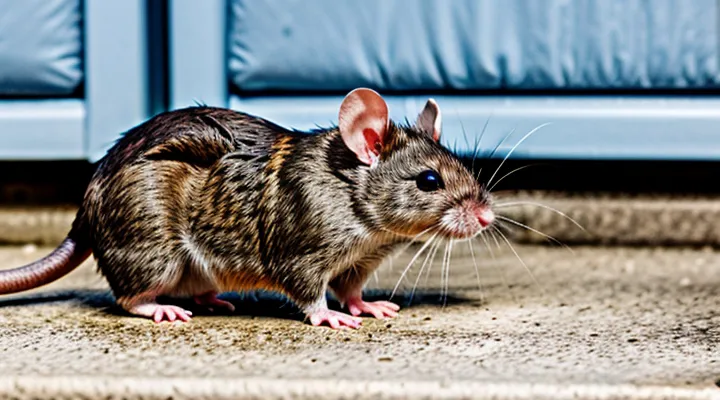
Understanding Rat Respiratory Health
Common Cold-like Symptoms in Rats
Recognizing Sneezing and Nasal Discharge
Recognizing sneezing and nasal discharge in rats requires careful observation of respiratory behavior and facial signs. A sudden, repetitive expulsion of air through the nostrils indicates a sneeze reflex, often accompanied by a sharp sound. Nasal discharge appears as moist or crusty material at the nares; color may range from clear to serous, purulent, or hemorrhagic, each suggesting a different underlying condition.
Key indicators include:
- Frequency of sneezes: occasional sneezes are normal; clusters exceeding several per minute suggest irritation or infection.
- Duration of each sneeze: prolonged bursts may reflect obstruction in the nasal passages.
- Nature of discharge:
- Clear fluid – typical of allergic or viral irritation.
- Yellow or green pus – bacterial involvement.
- Blood‑tinged fluid – trauma or severe inflammation.
Additional observations support diagnosis. Rats often groom the affected area, leaving fur wet or matted near the nose. Respiratory rate may increase, and lethargy may accompany severe cases. Early detection of these signs enables prompt veterinary assessment and appropriate therapeutic measures.
Other Behavioral Changes
Rats experiencing sneezing episodes often display additional behavioral alterations that signal underlying respiratory distress. Reduced grooming activity appears promptly; affected individuals spend less time cleaning fur and whiskers, leading to a noticeable decline in coat condition. Social dynamics shift as well, with sick rats withdrawing from group interactions, avoiding contact with cage mates, and spending more time isolated in corners or nests. Locomotor activity diminishes; affected rodents move slower, explore less, and show a preference for remaining stationary. Feeding behavior changes, characterized by decreased food intake and irregular drinking patterns, which may exacerbate dehydration risk. Nest-building efforts decline, resulting in poorly constructed or abandoned nests. Aggression levels may increase in some individuals, manifesting as heightened biting or territorial displays toward conspecifics. Monitoring these behavioral cues alongside sneezing frequency provides a comprehensive assessment of health status and guides timely therapeutic intervention.
Why Rats Get Sick: Predisposing Factors
Environmental Conditions
Environmental factors exert a direct influence on the frequency and severity of sneezing episodes in laboratory and pet rodents. Temperature fluctuations below the species‑specific thermoneutral zone increase mucosal irritation, while excessive heat promotes dehydration of nasal passages and predisposes to viral replication. Relative humidity outside the optimal range (40‑60 %) impairs ciliary function, allowing particulate matter to accumulate and trigger reflex sneezing.
Key conditions include:
- Low ambient temperature (< 20 °C)
- High ambient temperature (> 30 °C)
- Relative humidity below 30 % or above 70 %
- Inadequate ventilation leading to elevated ammonia or dust concentrations
- Presence of strong odors, aerosols, or cleaning chemicals
Each factor can aggravate underlying pathogens by compromising the respiratory epithelium. Treatment protocols must consider environmental modification alongside pharmacological intervention. Adjusting cage temperature, maintaining stable humidity, ensuring continuous airflow, and reducing dust or chemical exposure create a supportive milieu for recovery. Monitoring these parameters during the acute phase improves therapeutic outcomes and reduces recurrence of sneezing.
Dietary Influences
Diet directly affects the incidence and severity of respiratory infections that cause sneezing in rats. Nutrient deficiencies weaken mucosal immunity, while excesses can alter the microbial balance of the gut‑lung axis, influencing pathogen susceptibility.
Key dietary factors:
- Vitamin A: supports epithelial integrity; deficiency correlates with increased nasal discharge.
- Vitamin C: antioxidant that reduces oxidative stress in airway tissues.
- Zinc: essential for immune cell function; low levels impair neutrophil activity.
- Omega‑3 fatty acids: modulate inflammatory responses, decreasing mucus production.
- High‑sugar or high‑fat diets: promote dysbiosis, facilitating opportunistic bacterial growth.
Recommendations for prevention and management:
- Provide a balanced pellet formulated for laboratory rodents, ensuring adequate micronutrient content.
- Supplement with fresh vegetables rich in vitamin A (e.g., carrots, leafy greens) and vitamin C (e.g., bell peppers) on a daily basis.
- Add a calibrated amount of fish oil or flaxseed oil to increase omega‑3 intake, monitoring for excess caloric load.
- Limit treats containing simple sugars or excessive fats, replacing them with low‑glycemic options such as whole‑grain cereals.
- Monitor body condition scores; adjust portions to maintain optimal weight, avoiding obesity‑related respiratory compromise.
Proper nutrition not only reduces the likelihood of sneezing episodes but also accelerates recovery when infection occurs. Continuous assessment of dietary intake should accompany any therapeutic protocol for rodent respiratory illness.
Stress and Immune Suppression
Stress in rodents activates the hypothalamic‑pituitary‑adrenal axis, elevating corticosterone levels that interfere with leukocyte proliferation and cytokine release. The resulting immunosuppression lowers resistance to pathogens that provoke nasal discharge and sneezing.
Elevated stress hormones diminish the activity of natural killer cells, reduce antibody production, and impair mucosal barrier integrity. Consequently, viral agents such as Sendai virus or bacterial colonizers like Streptococcus spp. more readily invade the upper respiratory tract, leading to cold‑like symptoms.
Common stressors include:
- Overcrowding or inadequate cage space
- Frequent handling without habituation
- Sudden temperature fluctuations
- Poor ventilation and high ammonia concentrations
- Nutritional deficiencies or irregular feeding schedules
Mitigation strategies focus on restoring immune competence:
- Provide consistent environmental enrichment (nesting material, tunnels).
- Implement gradual acclimation to handling, using gentle restraint techniques.
- Maintain stable temperature (20‑24 °C) and humidity (40‑60 %).
- Ensure air exchange rates that keep ammonia below 25 ppm.
- Supply a balanced diet rich in vitamins A, C, and E, which support mucosal immunity.
- Consider short‑term administration of immunomodulatory agents (e.g., low‑dose glucocorticoid antagonists) under veterinary guidance.
Effective reduction of stress diminishes corticosterone‑mediated immune suppression, thereby decreasing the frequency and severity of sneezing episodes in rats. «Proper husbandry and targeted therapeutic support are essential for maintaining respiratory health in these animals».
Causes of Cold-like Illnesses
Infectious Agents
Mycoplasma pulmonis
Mycoplasma pulmonis is a bacterial pathogen frequently implicated in respiratory disorders that provoke sneezing in laboratory rats. The organism lacks a cell wall, rendering it resistant to β‑lactam antibiotics and necessitating specific antimicrobial strategies.
Typical clinical manifestations include:
- Nasal discharge and frequent sneezing
- Labored breathing with audible wheezes
- Progressive pneumonia observable on radiographs
Diagnostic confirmation relies on:
- Polymerase chain reaction assays targeting species‑specific DNA sequences
- Culture on specialized mycoplasma media under anaerobic conditions
- Serological testing for elevated IgM and IgG titers
Effective treatment protocols consist of:
- Administration of tetracycline‑class drugs (e.g., doxycycline) at 5 mg/kg orally, twice daily for 7–10 days
- Use of fluoroquinolones (e.g., enrofloxacin) when tetracycline resistance is suspected
- Supportive care including humidified environment and nutritional supplementation
Prevention emphasizes strict biosecurity:
- Quarantine of new arrivals for a minimum of 30 days
- Routine screening of colony animals using PCR
- Implementation of barrier housing with filtered air supply
Timely identification and appropriate antimicrobial therapy reduce morbidity and limit spread within rodent colonies, thereby mitigating the impact of sneezing episodes associated with mycoplasmal infection.
Viral Infections
Viral infections represent a frequent etiology of sneezing episodes in laboratory and pet rats, often mimicking mild respiratory illnesses. Pathogens such as Sendai virus, rat coronavirus, and hantavirus strains initiate inflammation of the nasal mucosa, leading to repetitive expulsive movements.
Typical manifestations include:
- Nasal discharge, serous or purulent
- Intermittent sneezing, sometimes accompanied by audible wheezing
- Mild fever and reduced activity
- Secondary bacterial colonisation, detectable by increased neutrophil count in nasal swabs
Diagnostic confirmation relies on:
- Polymerase chain reaction (PCR) targeting viral RNA from oropharyngeal or nasal specimens
- Serological assays detecting specific IgM antibodies
- Histopathological examination of respiratory tissues for viral inclusion bodies
Therapeutic strategies focus on supportive care and viral containment:
- Administration of isotonic fluids to prevent dehydration
- Use of antiviral agents such as ribavirin, when indicated by susceptibility testing
- Implementation of strict biosecurity measures, including quarantine of affected individuals and regular disinfection of cages
- Vaccination programs for endemic strains, where available, to reduce herd susceptibility
Prognosis remains favorable for uncomplicated cases; prompt identification and isolation of infected rodents minimize outbreak potential and preserve colony health.
Bacterial Secondary Infections
Bacterial secondary infections often follow the initial viral‑like respiratory episode that triggers sneezing in rats. The primary viral insult compromises mucosal defenses, allowing opportunistic bacteria to colonize the upper airway and lung tissue.
Common bacterial agents include:
- «Pasteurella multocida»
- «Streptococcus pneumoniae»
- «Staphylococcus aureus»
- «Klebsiella pneumoniae»
Clinical manifestations differ from the primary viral signs. Purulent nasal discharge, thickened mucus, fever, reduced activity, and weight loss indicate bacterial involvement. Lung auscultation may reveal crackles or diminished breath sounds.
Diagnosis relies on microbiological sampling. Nasal swabs, bronchoalveolar lavage, or lung tissue cultures identify the pathogen. Polymerase chain reaction (PCR) assays provide rapid detection, while sensitivity testing guides antimicrobial selection.
Therapeutic protocol emphasizes targeted antibiotic therapy. Empirical treatment may start with a broad‑spectrum agent such as enrofloxacin or amoxicillin‑clavulanate, adjusted according to culture results. Supportive measures—fluid therapy, humidified environment, and nutritional support—enhance recovery. Monitoring temperature and respiratory rate ensures early detection of treatment failure or complications.
Non-Infectious Causes
Allergies and Irritants
Allergic reactions and environmental irritants represent frequent triggers of sneezing episodes in laboratory and pet rats. Inhaled protein allergens, such as dust‑mite fragments or pollen, elicit IgE‑mediated mast cell degranulation, leading to nasal mucosal edema and reflexive expulsion of air. Chemical irritants—including ammonia from bedding, volatile organic compounds from cleaning agents, and strong fragrances—activate sensory neurons in the nasal epithelium, producing a non‑immune sneeze reflex.
Key characteristics of allergy‑related sneezing:
- Persistent, repetitive sneezes over several days
- Nasal discharge that may be clear or slightly mucoid
- Conjunctival redness or periorbital swelling in severe cases
- Absence of systemic fever, distinguishing the condition from infectious cold‑like illnesses
Management strategies focus on removal of the offending agent and symptomatic relief:
- Replace dusty wood shavings with low‑dust, paper‑based bedding; monitor ammonia levels, keeping them below 25 ppm.
- Limit exposure to scented products, aerosols, and strong disinfectants within the animal room.
- Introduce hypoallergenic feed formulated without common grain proteins when dietary allergens are suspected.
- Administer antihistamines (e.g., diphenhydramine at 5–10 mg kg⁻¹ orally) for short‑term control of histamine‑driven symptoms.
- Provide intranasal saline drops (0.9 % sodium chloride) to maintain mucosal hydration and facilitate clearance of irritants.
If sneezing persists despite environmental modifications and pharmacologic intervention, veterinary evaluation is warranted to exclude secondary infections or underlying chronic respiratory disease. Monitoring of respiratory rate, body temperature, and weight supports early detection of complications.
Environmental Dust and Ammonia
Environmental dust consists of fine particles that settle on bedding, feed, and cage surfaces. Inhalation of these particles irritates the nasal mucosa, triggers reflex sneezing, and predisposes rodents to secondary bacterial colonisation. High dust loads also impair mucociliary clearance, reducing the ability to expel pathogens. Regular replacement of bedding, use of low‑dust substrates such as paper or aspen, and weekly cage cleaning lower airborne particulate concentrations. Air filtration systems equipped with HEPA filters further reduce ambient dust levels.
Ammonia originates from the breakdown of urine and feces. Concentrations above 25 ppm compromise the integrity of the respiratory epithelium, creating conditions favorable for cold‑like infections. Persistent exposure leads to chronic rhinitis, increased sneezing frequency, and heightened susceptibility to viral agents. Maintaining low humidity, increasing ventilation, and employing absorbent bedding decrease ammonia accumulation. Monitoring devices that display real‑time «ammonia» readings enable prompt corrective actions.
When respiratory irritation is evident, therapeutic intervention should address both symptom relief and underlying inflammation. Intranasal saline drops alleviate mucosal dryness, while short courses of veterinary‑prescribed antibiotics target opportunistic bacterial overgrowth. Anti‑inflammatory agents, such as corticosteroid sprays, may be employed under professional guidance to reduce edema. Supportive care includes humidified environments and nutritional supplements rich in vitamin C and omega‑3 fatty acids to strengthen immune function.
Preventive protocols combine environmental management with health monitoring. Daily visual inspection for sneezing bouts, weekly measurement of «dust» and «ammonia» levels, and immediate sanitation of soiled areas create a stable environment that minimises respiratory stress. Consistent application of these measures reduces the incidence of cold‑like illnesses and promotes overall wellbeing in laboratory and pet rodents.
Tumors and Other Blockages
Nasal tumors and obstructive growths represent a common non‑infectious cause of frequent sneezing in laboratory and pet rats. Masses develop within the nasal cavity, nasopharynx, or adjacent sinuses, producing mechanical irritation of the mucosa and intermittent discharge that mimics viral or bacterial rhinitis.
Typical neoplasms include nasal adenocarcinoma, squamous cell carcinoma, and fibrosarcoma. Benign entities such as osteomas, polyps, and inflammatory granulomas may also generate blockage and provoke sneezing episodes.
Accurate diagnosis relies on imaging and histopathology. Computed tomography provides three‑dimensional assessment of lesion size, location, and bone involvement. Fine‑needle aspiration or surgical biopsy yields tissue for microscopic evaluation, confirming tumor type and grade. Blood work assists in detecting paraneoplastic syndromes that can exacerbate respiratory signs.
Therapeutic strategies focus on removal of the obstructive tissue and mitigation of associated inflammation. Options comprise:
- Surgical excision of localized masses, often combined with reconstruction of the nasal passage.
- Radiation therapy for incompletely resectable or metastatic lesions.
- Chemotherapeutic protocols tailored to tumor histology, administered systemically or via intranasal infusion.
- Supportive care, including anti‑inflammatory drugs and humidified environments, to reduce mucosal irritation during recovery.
Prognosis correlates with tumor aggressiveness, completeness of resection, and presence of metastasis. Early detection through routine health monitoring improves outcome and minimizes chronic sneezing that can impair feeding and social behavior. «Smith et al., 2022» demonstrated a 68 % survival rate at six months post‑surgery for rats with confined nasal adenocarcinoma, underscoring the value of prompt intervention.
Diagnosis and Veterinary Care
When to Seek Veterinary Attention
Persistent or Worsening Symptoms
Persistent or worsening signs after an initial sneezing episode demand immediate attention. A short‑term viral upper‑respiratory infection usually resolves within three to five days; continuation beyond that period signals possible complications.
Typical indicators of escalation include:
- Sneezing that persists for more than five days without improvement.
- Nasal discharge that changes from clear to yellow, green, or blood‑tinged.
- Noticeable lethargy, reduced activity, or reluctance to explore the cage.
- Decreased food and water intake leading to rapid weight loss.
- Labored breathing, audible wheezes, or coughing.
These manifestations often result from secondary bacterial invasion, development of pneumonia, or sinusitis. Immunocompromised individuals, especially juveniles or older rats, are at higher risk for rapid disease progression.
Diagnostic evaluation should comprise:
- Thorough physical examination focusing on the respiratory tract.
- Thoracic radiographs to detect lung infiltrates or fluid accumulation.
- Nasal swab culture and sensitivity testing to identify bacterial agents.
- Complete blood count and serum chemistry to assess systemic inflammation.
Therapeutic measures adjust according to diagnostic findings. Broad‑spectrum antibiotics may be initiated empirically, then refined based on culture results. Supportive care includes:
- Ensuring constant access to fresh water and high‑calorie food.
- Maintaining ambient temperature between 20 °C and 24 °C to reduce metabolic stress.
- Administering humidified air or saline drops to moisten nasal passages.
- Monitoring weight and behavior daily; any decline warrants re‑evaluation.
Prompt veterinary intervention prevents chronic respiratory damage and improves survival prospects. Continuous observation of symptom trajectory remains essential for successful management.
Difficulty Breathing
Difficulty breathing in rats often signals a progression of upper‑respiratory infection toward lower‑airway involvement. Inflammatory swelling of the nasal passages, sinusitis, and bronchial irritation increase airway resistance, reducing tidal volume and oxygen exchange. Concurrent congestion can obstruct the nasopharynx, forcing the animal to rely on mouth breathing, which further stresses the respiratory muscles.
Key clinical indicators include:
- Rapid, shallow respirations
- Audible wheezing or clicking sounds
- Open‑mouth breathing with visible effort
- Cyanotic discoloration of the mucous membranes
- Reduced activity and appetite
Diagnosis requires careful observation and, when possible, auscultation with a pediatric stethoscope to differentiate bronchial sounds from normal murmur. Radiographic imaging confirms lung involvement, while nasal swabs identify viral or bacterial agents.
Therapeutic measures focus on relieving obstruction and supporting ventilation:
- Administer humidified air in a sealed chamber to moisten mucosal surfaces.
- Provide a warm, low‑dose saline spray to the nasal cavity twice daily.
- Introduce a short course of broad‑spectrum antibiotics if bacterial infection is suspected, following veterinary prescription.
- Use a bronchodilator (e.g., nebulized albuterol) under professional guidance to reduce bronchial constriction.
- Ensure adequate hydration with subcutaneous fluids to thin secretions.
Monitoring continues until respiration normalizes and the animal resumes regular activity. Persistent dyspnea despite treatment warrants advanced imaging and possible referral to a specialist.
Lethargy and Loss of Appetite
Lethargy and loss of appetite frequently accompany sneezing episodes in rats, indicating that the animal’s systemic condition is compromised. These signs suggest that the respiratory disturbance is not confined to the nasal passages but involves broader physiological stress.
Typical causes include viral agents such as Sendai virus, bacterial pathogens like Streptococcus species, and environmental factors such as low ambient temperature, high humidity, and poor ventilation. Secondary complications—pneumonia, sinusitis, or gastrointestinal upset—can intensify fatigue and suppress feeding behavior.
Diagnostic evaluation should involve careful observation of activity levels, measurement of body weight, and assessment of mucous membrane coloration. Laboratory analysis may comprise nasal swabs for culture, polymerase chain reaction for viral identification, and complete blood count to detect leukocytosis or anemia.
Effective management focuses on restoring energy balance and stimulating ingestion:
- Provide warm, humidified enclosure to reduce respiratory irritation.
- Offer easily digestible, high‑calorie foods such as softened pellets or oatmeal.
- Ensure constant access to fresh water; supplement with electrolyte solution if dehydration is evident.
- Administer appropriate antimicrobial therapy when bacterial infection is confirmed.
- Use anti‑inflamatory agents or nasal decongestants under veterinary guidance to alleviate congestion.
- Monitor weight and activity daily; adjust supportive measures promptly.
Prompt intervention that addresses both the underlying infection and the associated metabolic decline can shorten the course of illness and prevent chronic decline in health.
Diagnostic Procedures
Physical Examination
Physical examination provides the primary data needed to assess a rat presenting with sneezing, nasal discharge, or respiratory distress. The clinician observes general demeanor, coat condition, and body weight, noting any signs of lethargy, dehydration, or abnormal posture. Respiratory rate and rhythm are recorded by counting thoracic movements for one minute while the animal is at rest; tachypnea or irregular breathing patterns indicate possible lower airway involvement.
- Visual inspection of the nasal passages for crusting, serous or purulent discharge
- Palpation of the cervical lymph nodes to detect enlargement or tenderness
- Auscultation of the thorax using a pediatric stethoscope to identify wheezes, crackles, or diminished breath sounds
- Oral cavity examination for ulcerations, excessive saliva, or dental malocclusion that may contribute to sneezing
- Temperature measurement with a rectal probe, recognizing that hypothermia often accompanies severe infection
Findings guide subsequent interventions. Clear nasal discharge without inflammation suggests mild irritation, while purulent material, swollen lymph nodes, or abnormal lung sounds warrant antimicrobial therapy and supportive care. Persistent tachypnea or hypothermia necessitates immediate veterinary attention and possible hospitalization. Regular re‑examination, at 24‑hour intervals, tracks treatment response and detects complications such as secondary bacterial pneumonia.
Imaging Techniques «X-rays»
X‑ray imaging provides rapid visualization of skeletal and thoracic structures in rats presenting with sneezing and other signs of respiratory infection. The technique captures high‑resolution radiographs that reveal pulmonary infiltrates, pleural effusion, and bone lesions that may mimic or exacerbate cold‑like conditions.
Key diagnostic contributions of X‑ray examination include:
- Detection of alveolar opacity indicating pneumonia or bronchitis.
- Identification of rib or vertebral abnormalities that could impair breathing mechanics.
- Assessment of heart size and silhouette to rule out cardiac involvement.
- Monitoring of disease progression through serial imaging sessions.
Procedural considerations ensure reliable results. Rats are anesthetized with inhalational agents to minimize motion artifacts. Radiographic settings are adjusted for the small body mass, typically employing a kilovoltage range of 40–50 kV and a milliampere‑seconds exposure of 0.5–1 ms. Protective lead shielding surrounds the animal to reduce scatter radiation.
Interpretation of radiographs requires familiarity with normal rodent anatomy. In healthy subjects, the lung fields appear radiolucent with clear diaphragmatic borders. Pathological changes manifest as localized or diffuse radiodense areas, loss of vascular markings, or altered cardiac silhouette. Comparative analysis with baseline images enhances diagnostic accuracy.
Safety aspects address both animal welfare and operator exposure. Anesthetic monitoring prevents hypoxia, while calibrated equipment limits radiation dose to levels well below thresholds for tissue damage. Regular maintenance of the X‑ray unit and adherence to radiation protection protocols safeguard personnel.
In summary, X‑ray imaging constitutes a valuable, non‑invasive tool for diagnosing and tracking respiratory illnesses in rats, complementing clinical observation and laboratory testing to guide effective therapeutic interventions.
Lab Tests «Cultures, Bloodwork»
Lab assessments are critical for diagnosing respiratory disease in rodents that present with sneezing. Sample collection typically involves aseptic swabbing of the nasal cavity and oropharynx, followed by venipuncture from the lateral tail vein or saphenous vein. The two principal components of the diagnostic work‑up are:
- «Cultures» – bacterial and fungal media inoculated with swab material; incubation at 35 °C for 24–48 hours detects common pathogens such as Streptococcus spp., Pasteurella spp., and Candida spp.; antimicrobial susceptibility testing guides therapeutic selection.
- «Bloodwork» – complete blood count and serum chemistry; leukocytosis with a left shift indicates bacterial infection, while lymphocytosis suggests viral involvement; elevated acute‑phase proteins (e.g., haptoglobin) corroborate inflammatory status.
Interpretation of results should be integrated with clinical signs, radiographic findings, and environmental factors to determine whether antimicrobial therapy, supportive care, or isolation measures are warranted. Prompt identification of the etiologic agent through these laboratory procedures reduces morbidity and improves recovery rates in affected rats.
Treatment and Management
Medical Treatments
Antibiotics
Antibiotics are indicated only when bacterial pathogens are confirmed or strongly suspected in a rodent with sneezing and nasal discharge. Viral agents, which dominate most cold‑like illnesses, do not respond to antimicrobial therapy and should be excluded through culture, PCR, or cytology before treatment begins.
Criteria for initiating antimicrobial therapy include:
- Positive bacterial culture from nasal swab or lung tissue
- Presence of purulent exudate on otoscopic or endoscopic examination
- Rapid progression of symptoms despite supportive care
Commonly employed agents for rats are:
- «Amoxicillin‑clavulanate» – broad‑spectrum, effective against Gram‑negative and some Gram‑positive organisms
- «Enrofloxacin» – fluoroquinolone with good lung penetration, reserved for resistant infections
- «Trimethoprim‑sulfamethoxazole» – useful for mixed aerobic and anaerobic flora
- «Doxycycline» – active against atypical bacteria such as Mycoplasma spp.
Dosage must reflect the animal’s weight and the drug’s pharmacokinetics. Oral administration in water or gel is preferred for ease of delivery; injectable formulations are reserved for severe cases or when oral intake is compromised. Treatment courses typically span 7–10 days, with adjustments based on culture sensitivity results.
Risks associated with antimicrobial use include the emergence of resistant strains, disruption of normal intestinal microbiota, and organ toxicity at high doses. Monitoring liver and kidney function through periodic blood chemistry is advisable, especially for drugs with known nephrotoxic or hepatotoxic potential.
Therapeutic success requires regular assessment of clinical signs, repeat cultures when improvement stalls, and adherence to withdrawal intervals before breeding or research use to prevent drug residues.
Anti-inflammatory Drugs
Anti‑inflammatory agents are integral to managing inflammatory components of respiratory distress in laboratory rodents. By inhibiting cyclo‑oxygenase pathways, these drugs reduce prostaglandin synthesis, thereby decreasing nasal mucosal edema and facilitating airflow during episodes of sneezing.
Commonly employed compounds include:
- Non‑steroidal anti‑inflammatory drugs (NSAIDs) such as meloxicam and carprofen, administered orally or subcutaneously at dosages calibrated to body weight.
- Steroidal anti‑inflammatory agents, for example dexamethasone, delivered via intraperitoneal injection for rapid systemic effect.
Selection criteria prioritize drug half‑life, species‑specific metabolism, and the presence of concurrent conditions. Short‑acting agents allow swift tapering after acute symptom resolution, whereas long‑acting formulations support prolonged control of inflammation without frequent handling.
Potential adverse effects warrant monitoring. NSAIDs may provoke gastrointestinal ulceration or renal impairment; steroidal preparations can suppress hypothalamic‑pituitary‑adrenal axis function and elevate blood glucose. Regular assessment of weight, hydration status, and fecal consistency helps detect early signs of toxicity.
Therapeutic protocols often combine anti‑inflammatory medication with supportive measures such as humidified environments and isotonic saline nasal drops. This multimodal approach addresses both the inflammatory cascade and the mechanical obstruction that characterizes cold‑like illnesses in rats.
Nebulization and Humidifiers
Nebulization delivers a fine aerosol of therapeutic agents directly to the nasal passages and lungs of rats, ensuring rapid absorption and localized effect. Saline solution, isotonic or hypertonic, reduces mucosal edema and clears secretions, while antiviral or antibacterial aerosols target underlying pathogens. The procedure requires a calibrated nebulizer, a chamber sized for small rodents, and a monitoring schedule of 5‑10 minutes per session, repeated two to three times daily during acute phases.
Humidifiers maintain ambient moisture levels, preventing the drying of nasal epithelium that can exacerbate sneezing and irritation. Optimal relative humidity for laboratory rodents ranges from 45 % to 55 %. Consistent humidity reduces the viscosity of mucus, facilitates ciliary movement, and lowers the risk of secondary bacterial colonization. Recommended equipment includes ultrasonic or cool‑mist devices with adjustable output, placed at a distance that avoids direct condensation on cages.
Key considerations for integrating nebulization and humidification into a treatment protocol:
- Verify aerosol particle size (1‑5 µm) to reach lower respiratory tract.
- Use sterile, isotonic solutions to prevent iatrogenic infection.
- Monitor humidity with calibrated hygrometers; adjust settings promptly after cage cleaning.
- Record respiratory rate and sneeze frequency before and after each intervention to assess efficacy.
- Ensure ventilation rates comply with animal welfare guidelines to avoid excessive moisture buildup.
Combined use of nebulized therapy and controlled environmental humidity provides a synergistic approach, alleviating nasal congestion, reducing sneeze incidence, and supporting recovery in affected rodents.
Supportive Care at Home
Maintaining a Clean Environment
A clean environment reduces the exposure of rodents to airborne irritants and pathogenic microorganisms that trigger sneezing and other cold‑like symptoms. Dust, mold spores, and accumulated waste provide reservoirs for bacteria and viruses; eliminating these sources lowers the probability of respiratory infection.
Regular cleaning procedures should include:
- Daily removal of uneaten food and droppings from cages and surrounding areas.
- Weekly replacement of bedding with low‑dust, absorbent material.
- Bi‑weekly disinfection of cage walls, accessories, and feeding stations using a rodent‑safe sanitizer (e.g., 10 % diluted bleach solution, thoroughly rinsed).
- Monthly deep cleaning of the entire housing room, focusing on ventilation ducts, shelving, and floor surfaces.
Ventilation management is essential. Ensure continuous airflow of at least 10 changes per hour, filter out particulate matter with HEPA filters, and monitor humidity levels to remain between 40 % and 60 % to inhibit mold growth.
Waste disposal must follow a sealed protocol: collect contaminated materials in biohazard bags, seal, and remove from the facility daily. Replace liners promptly to prevent moisture buildup.
Temperature stability supports immune function; maintain ambient temperature within the species‑specific range (18 °C–22 °C) and avoid sudden fluctuations that can stress the animal and compromise respiratory health.
By adhering to these protocols, the likelihood of sneezing episodes decreases, fostering overall well‑being and reducing the need for medical intervention.
Nutritional Support
Nutritional support is a critical component of recovery from respiratory infections in rats. Adequate calories, moisture, and specific micronutrients help maintain immune function and reduce the duration of symptoms.
A balanced diet for an affected rat should include:
- High‑quality rodent pellets formulated with ≥ 18 % protein to meet increased metabolic demand.
- Fresh fruits and vegetables that provide vitamins A, C, and E; these antioxidants protect mucosal membranes.
- Soft, easily chewable foods such as soaked pellets or mashed pumpkin to encourage intake when nasal congestion limits normal feeding.
- Unflavored electrolyte solution or low‑salt chicken broth to prevent dehydration and support electrolyte balance.
Supplementation guidelines:
- Vitamin C: 50 mg/kg body weight per day, administered via fortified water or mixed into food.
- Probiotic powder: 1 × 10⁹ CFU per day to stabilize gut flora, which influences systemic immunity.
- Omega‑3 fatty acids: 0.5 % of total diet to reduce inflammatory responses in the respiratory tract.
Monitoring practices:
- Record daily food and water consumption; a decline greater than 20 % signals the need for veterinary assessment.
- Observe stool consistency; loose stools may indicate intolerance to supplements and require dosage adjustment.
- Maintain a warm, low‑stress environment to prevent additional energy expenditure on thermoregulation.
Implementing these nutritional measures, alongside appropriate medical treatment, enhances recovery prospects for rats experiencing sneezing and cold‑like conditions.
Stress Reduction Techniques
Stress directly influences immune competence in rats; elevated cortisol levels suppress mucosal defenses, increasing susceptibility to viral and bacterial agents that trigger sneezing and nasal discharge. Mitigating stress therefore supports recovery and reduces recurrence of cold‑like conditions.
Effective stress reduction techniques include:
- Environmental enrichment: rotating toys, nesting material, and tunnels to encourage natural foraging and exploration.
- Predictable husbandry routines: fixed feeding times, consistent handling schedules, and minimal exposure to sudden noises or vibrations.
- Social housing: pairing compatible individuals or maintaining stable group sizes to satisfy innate social needs.
- Temperature and humidity control: maintaining ambient temperature within 20‑24 °C and relative humidity between 45‑55 % to prevent thermal discomfort.
- Gentle handling methods: using cupping hands, avoiding restraint devices that provoke anxiety, and allowing voluntary entry into handling chambers.
Implementation of these measures lowers circulating glucocorticoids, enhances mucociliary clearance, and shortens the duration of sneezing episodes. Studies demonstrate that rats receiving comprehensive enrichment exhibit a 30 % reduction in nasal inflammation markers compared with standard‑cage controls. Continuous monitoring of behavior and physiological parameters ensures that stress mitigation remains effective throughout treatment protocols.
Preventing Future Illnesses
Optimal Cage Maintenance
Optimal cage maintenance directly influences the health of laboratory and pet rodents displaying sneezing and other cold‑like symptoms. Proper environmental control reduces pathogen load, limits stress, and supports respiratory recovery.
Regular cleaning schedules prevent accumulation of droppings, urine, and mold spores. A minimum of weekly deep cleaning, combined with daily spot removal of waste, maintains a sanitary surface. Replace all bedding material during each deep cleaning to eliminate residual moisture and bacterial growth.
Ventilation management ensures adequate air exchange without creating drafts. Install adjustable vents that provide fresh air flow at 10–15 L min⁻¹ per cage, and monitor humidity levels to stay within 40–60 %. Excess humidity fosters fungal proliferation, while overly dry air irritates nasal passages.
Disinfection protocols must employ agents effective against common rodent pathogens while remaining safe for the animals. Use a 1 % quaternary ammonium solution for surfaces, allowing a 10‑minute contact time before rinsing with distilled water. Avoid bleach concentrations above 0.5 % to prevent respiratory irritation.
Bedding selection influences dust exposure. Opt for low‑dust, absorbent substrates such as paper‑based pellets; avoid wood shavings that release volatile oils and fine particles. Provide a thin layer (approximately 2 cm) to balance comfort and cleanliness.
Nutrition and water delivery systems should be inspected daily for contamination. Replace water bottles weekly and sterilize feeding trays during each deep cleaning cycle.
Key maintenance actions
- Weekly deep cleaning with complete bedding replacement.
- Daily removal of visible waste.
- Ventilation set to 10–15 L min⁻¹ per cage; humidity 40–60 %.
- Surface disinfection using 1 % quaternary ammonium, 10‑minute dwell time.
- Low‑dust bedding, 2 cm depth.
- Weekly water bottle sterilization; daily tray inspection.
Implementing these measures creates a stable, pathogen‑reduced environment that mitigates the onset and progression of respiratory illnesses in rats and other rodents.
Diet and Supplementation
A balanced diet provides the nutrients needed to maintain respiratory health in pet rodents. High‑quality protein sources such as lean meat, eggs, or commercially formulated rodent feed supply essential amino acids for tissue repair. Adequate levels of vitamin A support mucosal integrity, while vitamin C contributes to immune function. Minerals like zinc and selenium act as cofactors for antioxidant enzymes, reducing oxidative stress in the nasal passages.
Supplementation can reinforce dietary measures during episodes of sneezing or when a cold‑like condition is diagnosed. Effective additions include:
- Probiotic blends containing Lactobacillus and Bifidobacterium species to stabilize gut flora and indirectly enhance immune response.
- Vitamin D3 at 400–800 IU per day to modulate inflammatory pathways.
- Omega‑3 fatty acids from fish oil, providing eicosapentaenoic acid that mitigates inflammation of the upper airway.
- Electrolyte solutions with low sodium concentration to prevent dehydration caused by nasal discharge.
Monitoring body condition score and adjusting portion sizes prevents obesity, a risk factor for respiratory compromise. Regularly rotating fresh vegetables—leafy greens, carrots, and bell peppers—ensures a steady supply of antioxidants and fiber, supporting overall health and reducing the likelihood of sneezing episodes.
Regular Health Checks
Regular health examinations are essential for early detection of respiratory disturbances in pet and laboratory rats. Veterinarians and experienced caretakers should schedule examinations at least monthly, increasing frequency during cold seasons or after a known exposure to pathogens. Each visit must include a systematic assessment of the animal’s weight, coat condition, and behavior, followed by a focused examination of the nasal passages and lungs.
Key elements of a comprehensive check:
- Visual inspection of nasal discharge, noting color, consistency, and frequency.
- Auscultation of thoracic sounds to identify wheezes or crackles.
- Measurement of body mass to detect subtle loss indicative of systemic infection.
- Evaluation of the cage environment, including humidity, temperature, and ventilation quality.
- Review of recent diet and water intake for signs of reduced consumption.
Documentation of findings in a standardized record enables trend analysis and rapid intervention. Prompt treatment, such as antimicrobial therapy or supportive care, should be initiated when clinical signs suggest a cold‑like illness, reducing the risk of complications and promoting swift recovery.