
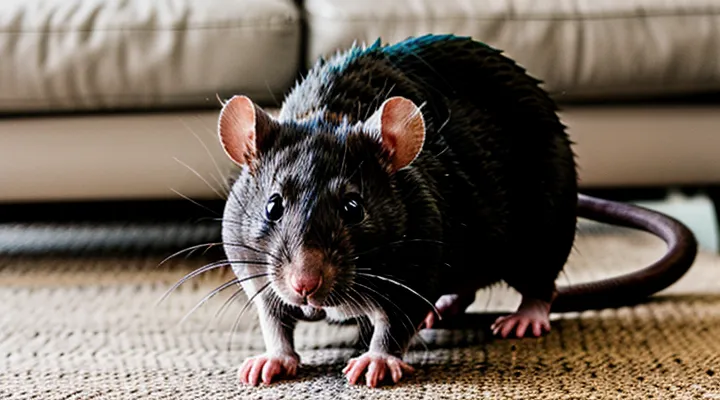
The Allure of Pet Rats: Why Choose One?
Understanding Rat Personalities and Social Needs
When adding a rat to your household, recognizing individual behavioral traits and group dynamics prevents stress and promotes health.
- Curious – explores new objects quickly, seeks interaction with owners.
- Cautious – approaches slowly, prefers familiar surroundings before engaging.
- Bold – confident in unfamiliar settings, often leads group activities.
- Social – thrives on contact with conspecifics, seeks constant companionship.
- Independent – tolerates solitary periods, may require less frequent handling.
Rats function as a tightly knit colony. Their welfare depends on several social requirements:
- Companionship – a minimum of two rats reduces loneliness and aggression.
- Hierarchy – clear pecking order minimizes conflicts; observe dominant and submissive cues.
- Allogrooming – mutual cleaning strengthens bonds and prevents skin issues.
- Play – shared tunnels, chew toys, and climbing structures sustain mental stimulation.
- Space – adequate cage size allows each rat to establish a personal zone within the group.
Owners should match personality types when forming pairs or groups, monitor interactions for signs of stress, and provide enrichment that satisfies both exploratory and social drives. Proper attention to these factors ensures a harmonious environment and a healthy, contented pet rat.
The Benefits of Owning a Rat
Owning a rat offers several practical advantages that often go unnoticed. Rats are highly intelligent, capable of learning tricks, navigating mazes, and responding to simple commands. Their cognitive abilities make them engaging companions for owners who enjoy interactive pet care.
Rats demonstrate strong social bonds, both with each other and with human caregivers. They seek attention, enjoy gentle handling, and can develop recognizable personalities. This social nature reduces feelings of isolation for owners who spend time interacting with them daily.
Health considerations also favor rats. Their small size requires minimal space, and regular cage cleaning prevents odor buildup. Rats are low‑maintenance compared to larger rodents, needing only a balanced diet of commercial pellets, occasional fresh produce, and clean water. Their short lifespan, typically 2–3 years, allows owners to experience the full cycle of pet ownership without long‑term commitment.
Key benefits include:
- Quick learning and problem‑solving abilities
- Affectionate behavior that promotes human‑animal bonding
- Compact housing requirements and easy grooming
- Affordable feeding and veterinary expenses
- Short lifespan that aligns with temporary living situations
These attributes make rats a suitable choice for individuals seeking an intelligent, sociable, and manageable pet.
Preparing for Your New Rodent Companion
Essential Supplies for Rat Ownership
Cage Requirements and Setup
A suitable cage is the foundation of a healthy rat environment. Minimum floor space should be at least 2 square feet per animal; larger enclosures prevent territorial stress and allow for exercise. Wire cages must have a bar spacing of ½ inch or less to avoid escapes, and the floor should be solid or feature a deep‑dish design to support appropriate bedding.
Key components for a functional setup include:
- Bedding: Unscented paper or aspen shavings provide absorbency and dust reduction. Avoid pine or cedar, which release harmful oils.
- Hideouts: Two small shelters per rat give safe retreat areas; ceramic hideouts are durable and easy to clean.
- Climbing structures: Wooden branches, ladders, or ropes encourage natural foraging behavior and muscle development.
- Food and water dispensers: Heavy‑base bowls prevent tipping; water bottles with stainless‑steel sippers reduce contamination risk.
- Cleaning tools: Dedicated scoop, mild enzyme cleaner, and a washable pad streamline routine sanitation.
Placement of the cage influences well‑being. Choose a quiet, low‑traffic area away from direct sunlight and drafts; maintain a temperature range of 65‑75 °F (18‑24 °C). Provide a stable power source for lighting if the enclosure lacks natural illumination, but avoid excessive brightness that can cause stress.
Regular maintenance sustains hygiene. Spot‑clean waste daily, replace soiled bedding weekly, and perform a full deep clean every two weeks. Inspect bars and fittings for sharp edges or rust before each cleaning cycle.
By adhering to these specifications, owners create a secure, stimulating habitat that supports the physical and behavioral health of pet rats.
Bedding and Substrate Options
Choosing the right bedding directly affects a rat’s health, hygiene, and comfort. The material must absorb moisture, control odor, and remain dust‑free to prevent respiratory problems. It should also be safe if the rat gnaws or ingests small pieces.
Common substrate options include:
- Aspen shavings – low in aromatic oils, absorbent, relatively dust‑free; replace weekly.
- Paper‑based bedding (e.g., shredded paper or cellulose pellets) – excellent absorbency, minimal dust, biodegradable; monitor for clumping when wet.
- Coconut fiber (coir) – high absorbency, neutral pH, low dust; may retain moisture longer, requiring more frequent changes.
- Hemp bedding – low dust, good odor control, renewable; slightly pricier than alternatives.
- Corncob bedding – inexpensive, decent absorbency, but higher dust levels; avoid if the rat shows signs of respiratory irritation.
Avoid pine or cedar shavings because their volatile oils can damage a rat’s respiratory system. Regardless of the choice, maintain a clean enclosure by spot‑cleaning daily and performing a full substrate change at least once a week.
Food and Water Essentials
A proper diet and reliable hydration are non‑negotiable for a healthy rat.
Rats require a balance of protein, fiber, fat, vitamins, and minerals. The simplest way to meet these needs is to provide a high‑quality, nutritionally complete pellet or block as the staple. Complement the staple with fresh items that add variety and essential nutrients:
- Small pieces of fresh vegetables (e.g., kale, carrot, broccoli) – 1–2 tablespoons per day.
- Limited fruit (e.g., apple, banana) – no more than a teaspoon, three times weekly.
- Cooked lean protein (e.g., boiled egg, plain chicken) – a few bites twice a week.
- Occasional treats formulated for rodents – no more than 5 % of total intake.
Avoid sugary, salty, or processed human foods; they can cause obesity, dental disease, and organ damage.
Water must be clean, fresh, and continuously available. Use a stainless‑steel sipper bottle with a chew‑proof nozzle to prevent contamination. Replace the water daily and sterilize the bottle weekly with hot, soapy water followed by a rinse. Monitor the bottle for leaks or clogs; a malfunction can quickly lead to dehydration.
Observe the rat’s consumption patterns. A sudden drop in food or water intake, changes in fecal consistency, or weight loss indicate a potential health issue and require prompt veterinary assessment. Maintaining consistent feeding schedules and regular bottle cleaning sustains optimal health and longevity.
Toys and Enrichment
When introducing a rat to a home environment, providing appropriate toys and enrichment is as critical as meeting basic care needs. Proper enrichment encourages natural foraging, climbing, and problem‑solving behaviors, reducing stress and preventing stereotypies.
Select items that withstand gnawing, are non‑toxic, and fit the cage dimensions. Common choices include:
- Solid wood blocks or chew sticks (apple, maple, untreated pine)
- Plastic tunnels and tubes with smooth interiors
- Hammocks or woven shelves for climbing
- Puzzle feeders that dispense treats when manipulated
- Shreddable paper products (plain newspaper, tissue) for nest building
Rotate objects weekly to maintain novelty. Remove damaged pieces promptly to avoid ingestion of splinters or sharp edges. Monitor interaction; if a rat shows disinterest, replace the item rather than forcing use.
Enrichment extends beyond physical toys. Schedule regular handling sessions, introduce scent trails using safe herbs, and occasionally rearrange cage layout. These practices stimulate mental activity and reinforce the bond between owner and pet.
Choosing Your Pet Rat
Reputable Breeders vs. Pet Stores
When deciding where to obtain a pet rat, evaluate the source carefully. Reputable breeders and pet store vendors differ in several critical aspects that affect the animal’s health, temperament, and long‑term welfare.
Breeders who follow ethical standards typically:
- Maintain detailed breeding records, including lineage, health screenings, and genetic background.
- Provide rats that have been socialized from a young age, reducing fear of handling.
- Offer veterinary certificates confirming freedom from common ailments such as respiratory infections and tumors.
- Allow prospective owners to meet the parents, observe living conditions, and ask specific questions about care.
- Supply guidance on diet, enrichment, and housing tailored to the individual’s needs.
Pet store suppliers often present:
- Rats sourced from large, anonymous breeding facilities, with limited visibility into health history.
- Animals that have experienced high‑traffic environments, leading to increased stress and potential behavioral issues.
- Minimal documentation of medical checks; health problems may emerge only after purchase.
- Limited post‑sale support; staff may lack specialized knowledge of rat-specific requirements.
- Lower upfront cost, but possible higher expenses later due to veterinary treatment and behavioral remediation.
Choosing a reputable breeder reduces the likelihood of hereditary disease, supports proper social development, and provides a reliable point of contact for ongoing advice. Opting for a pet store may be convenient but carries greater risk of undisclosed health problems and inadequate early socialization. Assess each option against the criteria above to ensure a healthy, well‑adjusted companion.
Health Assessment: What to Look For
When evaluating a prospective pet rat, focus on observable health indicators before finalizing the purchase. A sound assessment reduces the risk of future medical issues and ensures a longer, happier companionship.
- Clear, bright eyes without discharge or swelling.
- Clean, pink nose and whiskers; avoid rats with crusted or ulcerated nasal tissue.
- Smooth, glossy fur that lies flat against the body; patches of baldness, scabs, or excessive oil suggest dermatological problems.
- Responsive, alert behavior; lethargy, tremors, or unsteady gait signal neurological or systemic concerns.
- Normal respiration: steady, quiet breathing without audible wheezing or rapid panting.
Inspect the body for structural integrity. The abdomen should be firm, not distended. Check the tail for straightness and consistent coloration; bends, bruises, or discoloration may indicate injury. Palpate the limbs gently; joints must move freely, and there should be no swelling or heat in the paws.
A veterinarian experienced with rodents should perform a brief physical exam and, if possible, a fecal screening for parasites. Request documentation of any vaccinations, deworming, or prior health checks. If the rat exhibits any of the following, decline the transaction: persistent nasal discharge, eye opacity, severe weight loss, or aggressive biting that could mask pain.
Finally, quarantine the new rat for at least one week in a clean cage separate from existing pets. Observe for changes in appetite, stool consistency, and activity level. Early detection of illness during this period allows prompt veterinary intervention and protects the overall health of your rodent household.
Male vs. Female Rats: Behavioral Differences
Male and female rats display distinct behavioral patterns that affect housing, handling, and breeding decisions. Understanding these patterns helps owners create stable environments and avoid common conflicts.
- Males tend to be more territorial; they mark cages with urine and may exhibit dominant posture when introduced to unfamiliar rats.
- Females usually form tighter social groups, showing cooperative grooming and reduced aggression toward same‑sex companions.
- Male rats often display higher levels of exploratory activity, climbing, and curiosity, which may require additional enrichment to prevent destructive behavior.
- Female rats generally show stronger maternal instincts, even in the absence of offspring, leading to more nurturing interactions with littermates and humans.
- Both sexes can be aggressive during puberty, but males are more prone to fighting over dominance, whereas females may become aggressive when competing for resources or space.
- Scent marking differs: males release more pheromonal cues that can trigger stress in other males, while females rely on subtle chemical signals that reinforce group cohesion.
- Health monitoring should note that males are more susceptible to certain tumors, while females have a higher incidence of reproductive tract infections; regular veterinary checks are advisable for both.
Choosing a sex aligns with the owner’s goals: single‑rat households may favor females for lower aggression, whereas multi‑rat setups can accommodate males if ample space and enrichment are provided. Consistent observation and appropriate cage management mitigate sex‑related challenges and promote a harmonious pet rat experience.
Daily Care and Maintenance
Nutrition: A Balanced Diet
Commercial Rat Food
Commercial rat food is formulated to meet the specific nutritional requirements of domesticated rats, providing balanced protein, fat, fiber, vitamins, and minerals in a single product. High‑quality blends typically contain 18–20 % protein from animal or soy sources, 5–8 % fat, and sufficient fiber to support digestive health. Essential micronutrients such as vitamin A, B‑complex, D, and calcium‑phosphorus ratios are adjusted to prevent deficiencies common in captive rodents.
When selecting a commercial diet, consider the following factors:
- Ingredient list: prioritize whole grains, named protein sources, and limited artificial additives.
- Nutrient profile: ensure compliance with established rodent dietary standards (e.g., AAFCO guidelines).
- Palatability: observe whether the rat readily consumes the feed, as acceptance influences intake.
- Brand reputation: choose manufacturers with documented quality control and veterinary endorsement.
Proper storage preserves nutrient integrity. Keep the product in a sealed container, away from direct sunlight and moisture, and rotate stock to use older supplies first. Feeding guidelines recommend offering 1–2 % of the rat’s body weight per day, divided into two meals, with fresh water always available. Adjust portions based on age, activity level, and body condition; juvenile rats require slightly higher protein percentages, while seniors benefit from reduced fat content.
Common commercial options include grain‑based pellets, extruded kibble, and fortified biscuits. Pellets minimize waste and provide consistent intake, whereas kibble offers texture variation that may stimulate chewing behavior. Some brands incorporate supplemental seeds, dried insects, or prebiotic fibers to enhance gut health, but these should complement, not replace, the base diet.
Regular health monitoring—weight checks, coat quality, and stool consistency—helps determine whether the chosen food meets the rat’s needs. If deficiencies or excesses appear, adjust the diet by supplementing with fresh vegetables, small amounts of fruit, or a specialized treat formulated for rodents. Veterinary consultation is advisable when making significant dietary changes.
Safe Fruits and Vegetables
Pet rats thrive on a diet that includes fresh fruits and vegetables, provided the produce is safe and properly prepared. Offer a variety of items to ensure balanced nutrition, but limit portions to prevent digestive upset.
Safe fruits include:
- Apple (core removed, seeds discarded)
- Blueberries
- Strawberries (hull removed)
- Banana (small slices)
- Pear (core and seeds removed)
- Kiwi
- Mango (pitted)
- Melon (cantaloupe, honeydew)
Safe vegetables include:
- Carrot (shredded or diced)
- Broccoli (florets)
- Spinach (in moderation)
- Kale (chopped)
- Peas (fresh or frozen, thawed)
- Bell pepper (any color, seeded)
- Zucchini
- Cucumber (peeled if waxed)
- Sweet potato (cooked, unseasoned)
Avoid produce that contains toxic compounds or high sugar content. Exclude grapes, raisins, citrus peels, avocado, and raw potatoes. Remove all seeds, pits, and stems before serving. Wash each item thoroughly to eliminate pesticide residues. Introduce new foods gradually, observing the rat for signs of intolerance. Rotate selections regularly to maintain interest and nutritional completeness.
Prohibited Foods
Pet rats require a diet free of foods that can damage their delicate digestive system or introduce toxic substances. Feeding the wrong items may lead to gastrointestinal blockage, liver failure, or severe nutritional deficiencies.
Common foods that must never be offered to a rat include:
- Chocolate, candy, or any product containing caffeine or theobromine
- Citrus fruits and juices, which cause stomach irritation
- Raw or undercooked beans, especially kidney beans, due to lectin toxicity
- Avocado flesh and pit, which contain persin that is harmful to rodents
- Processed meats, cured sausages, and deli slices, which are high in salt and preservatives
- Dairy products, because many rats are lactose intolerant and can develop diarrhea
- Nuts with high fat content, such as macadamia or peanuts, which can cause pancreatitis
- Fruit seeds and pits (e.g., apple seeds, peach pits), which contain cyanogenic compounds
- Sugary snacks, soda, and sugary beverages, which disrupt blood sugar balance
Avoiding these items protects the rat’s health and supports a stable, long‑term relationship with the animal. Regularly review the diet and replace prohibited foods with safe alternatives such as fresh vegetables, whole grains, and specially formulated rodent pellets.
Hygiene and Health
Cage Cleaning Schedule
A reliable cage‑cleaning schedule prevents odor, disease, and stress for a new rat. Consistency reduces the time required for each cleaning session and maintains a stable environment.
- Daily: Remove uneaten food, spot‑clean wet spots, and replace the water bottle. Inspect bedding for dampness and discard clumps.
- Every 2–3 days: Replace a portion of the bedding (approximately 25 %). Clean food dishes with warm, soapy water and rinse thoroughly. Check tunnels and toys for debris.
- Weekly: Empty the entire cage, discard all bedding, and wash the cage interior with a mild, non‑abrasive detergent. Rinse well, then disinfect with a diluted white‑vinegar solution (1 part vinegar to 4 parts water) or a pet‑safe sanitizer. Dry the cage completely before adding fresh bedding and accessories.
- Monthly: Disassemble and deep‑clean all removable components (ladders, hideouts, wheels). Soak plastic parts in warm soapy water for 10 minutes, scrub any stubborn residue, and rinse. Inspect the cage frame for rust or wear; replace damaged parts promptly.
Adhering to this timetable ensures that a rat’s habitat remains hygienic, supports immune health, and reduces the likelihood of costly veterinary visits. Adjust intervals during extreme temperatures or if multiple rats share the cage, but never extend the weekly deep‑cleaning beyond seven days.
Common Rat Ailments and Prevention
Pet rats are prone to several health problems that can be managed with diligent care. Recognizing the most frequent conditions helps owners act quickly and keep their animals thriving.
Common ailments include:
- Respiratory infections such as Mycoplasma pneumonia, which cause sneezing, nasal discharge, and labored breathing.
- Skin infestations by mites or fleas, leading to hair loss, itching, and crusty lesions.
- Dental overgrowth, resulting from continuous incisor growth; signs are difficulty eating and visible tooth elongation.
- Gastrointestinal disturbances, including diarrhea and constipation, often linked to abrupt diet changes or bacterial imbalance.
- Tumors, particularly mammary and pituitary adenomas, that may appear as palpable masses or cause abnormal behavior.
Prevention strategies focus on environment, nutrition, and routine health monitoring:
- Clean the cage weekly with mild, non‑toxic disinfectant; replace bedding regularly to reduce bacterial load.
- Provide a balanced diet of high‑quality pellets, fresh vegetables, and occasional protein treats; avoid sugary or fatty foods.
- Offer chew toys and wooden blocks to promote natural tooth wear and prevent overgrowth.
- Quarantine any new rat for at least two weeks, observing for signs of illness before introduction to the existing colony.
- Schedule veterinary examinations at least twice a year; vaccinate against common viral agents when recommended.
- Practice hand hygiene before and after handling rats to limit pathogen transmission.
By addressing these risks systematically, prospective rat owners can maintain robust health in their pets and reduce the likelihood of costly medical interventions.
Finding a Rat-Savvy Veterinarian
Finding a veterinarian who understands rats is essential for maintaining a healthy companion. Rats have specific anatomical and physiological traits; a practitioner with small‑animal expertise and documented experience with rodents can diagnose and treat common conditions such as respiratory infections, skin lesions, and dental problems more effectively.
When evaluating a clinic, verify that the veterinarian holds a license for small‑animal practice and has completed continuing‑education courses focused on exotic pets or rodents. Ask directly about the number of rat patients treated annually and request examples of recent cases. Clinics that keep detailed medical records, perform regular health‑screening protocols, and offer preventive care plans demonstrate a higher standard of service.
Consider practical factors: proximity to your home reduces stress during transport, and extended office hours increase flexibility for emergency visits. Review online ratings and seek recommendations from reputable rat‑owner communities. A transparent fee schedule and clear communication about treatment options help avoid unexpected expenses.
Typical questions for a prospective vet include:
- What training have you received in rodent medicine?
- How many rat examinations have you performed in the past year?
- Do you offer sedation or anesthesia for procedures, and how is it managed for small patients?
- What protocols are in place for urgent care after regular hours?
- Can you provide references from other rat owners?
Selecting a vet with proven rat experience, clear communication, and accessible services ensures prompt attention to health issues and supports a long, thriving relationship with your pet.
Socialization and Training
Handling and Bonding Techniques
Handling a pet rat requires steady, gentle movements that respect the animal’s size and natural reflexes. Approach from the side rather than directly overhead to reduce instinctive flight responses. Support the rat’s hindquarters with one hand while the other hand cups the torso, allowing the animal to feel secure without restraint.
Establishing trust hinges on consistency and patience. Begin each interaction with a brief session of calm hand placement, gradually extending the duration as the rat relaxes. Offer small treats directly from the fingers to associate the hand with positive reinforcement. Repeat these steps daily; regular, predictable contact builds a reliable bond.
Practical techniques for effective bonding:
- Pre‑handout routine: Speak softly, pause, and allow the rat to sniff the hand before any touch.
- Gentle lifting: Lift only to the height needed for brief handling; place the rat back on a stable surface promptly.
- Playtime on a secure surface: Use a low‑sided enclosure or a padded tray where the rat can explore while staying within reach.
- Gradual exposure to new stimuli: Introduce novel objects one at a time, monitoring the rat’s reaction and rewarding calm behavior.
- Routine grooming: Lightly brush the fur with a soft fingertip or pet‑safe brush to reinforce physical contact.
Consistent application of these methods reduces stress, encourages sociability, and creates a foundation for a lasting companion relationship with a pet rat.
Basic Tricks and Enrichment
Training a pet rat enhances its confidence and strengthens the bond between animal and owner. Simple commands provide mental stimulation and make handling safer.
- Target: Teach the rat to touch a fingertip or a small stick with its nose. Use a clicker or a brief verbal cue, followed by a treat. Repeat in short sessions until the behavior occurs reliably.
- Come: Associate a distinct word with a reward, then call the rat from a short distance. Gradually increase the range as the response improves.
- Spin: Hold a treat near the rat’s nose and guide it in a circular motion. Reward when the rat completes a full turn. Practice a few repetitions each day.
- Sit: Position a treat just above the rat’s head, prompting it to lower its rear. Mark the action with a click and deliver the treat. Reinforce consistently.
Enrichment prevents boredom and supports natural instincts. Provide a rotating selection of items to keep the environment dynamic.
- Foraging tubes: Fill PVC or commercial tubes with small pieces of food, encouraging the rat to dig and extract treats.
- Climbing structures: Install wooden ladders, rope bridges, or hammocks to satisfy the rat’s need to ascend and explore vertical space.
- Nesting material: Offer shredded paper, tissue, or safe fabrics for building nests, which promotes comfort and natural behavior.
- Puzzle boxes: Use containers with hidden compartments that release food when manipulated, fostering problem‑solving skills.
- Sensory toys: Include chewable wood blocks, textured tunnels, and mirrors to stimulate tactile and visual curiosity.
Rotate tricks and enrichment items weekly to maintain interest and encourage continuous learning. Consistent, positive reinforcement yields a confident, engaged pet rat.
Long-Term Commitment and Considerations
Understanding Rat Lifespan
Pet rats typically live between two and three years, with some individuals reaching four years when provided optimal care. The average lifespan reflects a combination of genetics, environment, and health management.
Key elements that influence longevity include:
- Genetic strain (e.g., fancy, dumbo, hooded) – certain lines show slightly longer life expectancy.
- Diet quality – balanced nutrition with appropriate protein, fiber, and vitamins reduces disease risk.
- Housing conditions – spacious cages, regular cleaning, and safe bedding prevent infections and injuries.
- Veterinary oversight – routine health checks, prompt treatment of respiratory or skin issues, and vaccination where applicable extend life span.
Signs of aging appear gradually: reduced activity, slower weight gain, graying fur, and occasional joint stiffness. Monitoring these changes enables early intervention, such as adjusting diet, providing softer bedding, or consulting a veterinarian for pain management.
Implementing preventive measures—consistent grooming, enrichment to stimulate mental health, and minimizing stressors like loud noises—maximizes the period a rat remains healthy and active, ensuring a rewarding companionship throughout its full lifespan.
Financial Responsibilities
Owning a rat involves several predictable expenses that must be accounted for before bringing the animal home.
The initial outlay includes the price of the rat itself, which varies by breed and source, and the cost of a secure cage sized for at least two rats, complete with a solid floor, proper ventilation, and a lockable door. A suitable bedding material, such as paper-based or aspen shavings, should be purchased in sufficient quantity to maintain cleanliness. Essential accessories—water bottle, food dish, hideout, and chew toys—add to the startup cost.
Ongoing financial commitments consist of:
- Food: Commercial rat pellets supplemented with fresh fruits, vegetables, and occasional protein treats; expect a monthly budget of $10–$20.
- Bedding replacement: Regular changes to prevent odor and health issues; typically $5–$10 per week.
- Veterinary care: Annual health check-ups, vaccinations if recommended, and emergency treatment; allocate $50–$150 per year, with higher amounts for unforeseen illnesses.
- Enrichment: Periodic replacement of toys and hideouts to prevent boredom; $5–$15 each month.
- Cleaning supplies: Cage disinfectants, scrub brushes, and waste disposal bags; $5–$10 monthly.
Budgeting for these items ensures the rat receives proper nutrition, a clean environment, and timely medical attention, thereby reducing the risk of costly health complications later. Planning a realistic financial schedule before acquisition safeguards both the pet’s welfare and the owner’s economic stability.
Ethical Considerations and Responsible Ownership
Acquiring a rat as a companion demands a clear ethical framework and a commitment to responsible care. The animal’s welfare depends on the owner’s decisions from the moment the rat enters the home.
- Provide a cage that meets size standards: minimum 2 sq ft floor space per rat, solid flooring, and secure ventilation.
- Offer a balanced diet: commercial rat pellets supplemented with fresh vegetables, limited fruit, and occasional protein sources.
- Schedule regular health checks: monitor weight, coat condition, and signs of respiratory or dental issues; seek veterinary care from a practitioner experienced with small mammals.
- Ensure social interaction: rats are highly gregarious; keep them in compatible pairs or groups, and allocate daily handling time to foster trust.
- Supply enrichment: tunnels, climbing structures, chew toys, and puzzle feeders prevent boredom and promote natural behaviors.
Ethical considerations begin with sourcing. Choose rats from reputable breeders who prioritize health, avoid inbreeding, and provide documentation of genetic background, or adopt from rescues that rehome unwanted pets. Reject vendors that capture wild rats or sell animals without health guarantees.
Maintain humane living conditions throughout the rat’s lifespan, which typically spans two to three years. Replace worn bedding promptly, prevent exposure to extreme temperatures, and eliminate hazards such as toxic plants or small objects that could be ingested.
Document all care practices, track veterinary visits, and stay informed about updated guidelines from rodent welfare organizations. Consistent, transparent record‑keeping supports both the animal’s health and the owner’s accountability.
By adhering to these standards, owners uphold ethical responsibility and provide rats with a quality of life that reflects informed, compassionate stewardship.