
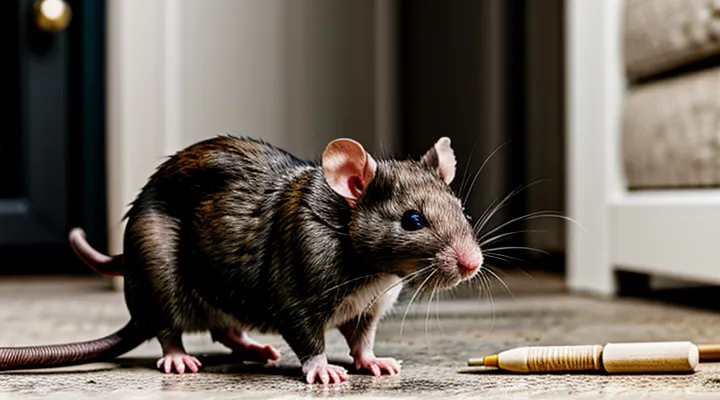
Understanding Rat Temperament
Social Needs and Companionship
Rats thrive on interaction with their own kind. A solitary rat often exhibits heightened stress, reduced activity, and a propensity for repetitive behaviors that can progress to self‑injury. Providing a conspecific companion mitigates these risks and promotes natural social rituals such as grooming, nesting, and play.
When a rat lacks a partner, owners may observe:
- Increased vocalizations that signal distress
- Aggressive or fearful responses toward humans
- Diminished appetite and weight loss
To satisfy social requirements, follow these guidelines:
- Acquire at least two rats of the same sex or a compatible mixed‑sex pair that have been pre‑screened for aggression.
- Offer a spacious cage that allows multiple nesting sites, tunnels, and climbing structures to accommodate group dynamics.
- Observe interactions daily; intervene only if persistent fighting occurs.
- Provide regular out‑of‑cage time for the entire group to explore a safe, supervised environment.
Consistent companionship ensures behavioral stability, enhances immune function, and improves overall well‑being, making the rat a more rewarding pet for its caretaker.
Intelligence and Trainability
Rats possess a high degree of cognitive flexibility, demonstrated by rapid problem‑solving in maze tests and the ability to remember spatial patterns after brief exposure. Laboratory research shows that individuals can retain learned routes for weeks, indicating robust long‑term memory.
Learning capacity extends to operant conditioning; rats reliably associate a cue with a reward and modify behavior after a few repetitions. This responsiveness makes them suitable for clicker training, target‑training, and trick performance.
Typical trainable behaviors include:
- Responding to a hand signal for coming when called.
- Navigating a simple obstacle course for a food reward.
- Pressing a lever to obtain treats on command.
- Performing basic tricks such as rolling over or standing on hind legs.
Effective training requires consistent timing, positive reinforcement, and brief sessions (5–10 minutes) to match the animal’s attention span. Providing a low‑stress environment and gradually increasing task difficulty enhances retention and reduces fear responses. Prospective owners should plan for regular interaction, a variety of enrichment items, and a schedule that incorporates short training periods to capitalize on the rat’s natural curiosity and intelligence.
Lifespan Expectations
Rats typically live between two and three years, with most pet varieties reaching the upper end of this range when provided with proper care.
- Average lifespan: 2 – 3 years.
- Maximum recorded lifespan: Slightly over 4 years, rare and usually the result of exceptional genetics and meticulous husbandry.
Factors that influence longevity include genetics, diet quality, environmental enrichment, and veterinary attention. High‑fat or low‑nutrient foods accelerate health decline, while a balanced diet rich in protein, fresh vegetables, and limited treats supports organ function. Regular mental stimulation—such as tunnels, chew toys, and social interaction—reduces stress‑related illnesses. Routine health checks detect respiratory infections, tumors, and dental problems early, allowing timely treatment that can extend life expectancy.
Prospective owners should plan for the full duration of a rat’s life, budgeting for food, enrichment items, and veterinary expenses over at least three years. Understanding the typical lifespan helps set realistic expectations for commitment, bonding, and eventual end‑of‑life decisions.
Essential Preparations Before Bringing a Rat Home
Before a rat arrives, secure a suitable enclosure. Choose a cage with a solid floor, minimum dimensions of 18 × 12 × 12 inches, and ample ventilation. Install a lockable door to prevent escapes. Place the cage on a stable surface away from direct sunlight, drafts, and kitchen fumes.
Provide appropriate bedding and enrichment. Use paper‑based or aspen shavings; avoid pine or cedar, which contain harmful oils. Offer hideouts, tunnels, and chewable objects such as untreated wood blocks to satisfy natural instincts and reduce stress.
Stock essential supplies for nutrition and health. Keep a balanced rat pellet diet supplemented with fresh vegetables and occasional fruit. Provide a water bottle with a stainless‑steel sipper, checked daily for leaks. Assemble a basic first‑aid kit containing:
- Small animal antibiotic ointment
- Sterile gauze pads
- Tweezers for foreign objects
- A digital thermometer
Schedule a veterinary appointment with a practitioner experienced in small rodents within the first week of ownership. The exam confirms the rat’s health status, establishes a vaccination or parasite‑control plan if needed, and offers guidance on routine care.
Finally, research local regulations regarding pet rats. Verify that housing, breeding, and transportation comply with municipal ordinances to avoid legal complications.
Housing Requirements
Cage Size and Type
Choosing an appropriate enclosure is the first priority when preparing for a pet rat. The enclosure determines space for exercise, social interaction, and safe nesting.
Rats require at least 2 sq ft of floor area per animal. A minimum dimension of 24 in × 18 in × 12 in (L × W × H) accommodates a single rat; add 12 in × 12 in × 6 in for each additional rat. Larger cages reduce stress and encourage natural behaviors. Multi‑level designs increase usable space without expanding the footprint.
Wire cages with a bar spacing of ½ in or less prevent escapes while allowing ventilation. Glass aquariums provide visibility but demand solid flooring to prevent chewing and must include a secure lid. Plastic modular systems combine ease of cleaning with customizable layouts. Avoid cages with smooth metal interiors; they cause foot injuries and hinder climbing.
Key features to include:
- Solid base or chew‑proof flooring.
- Secure, latch‑type lid.
- Multiple hideouts or tunnels.
- Elevated platforms or climbing structures.
- Easy‑access doors for cleaning.
Selecting a cage that meets these specifications ensures a healthy, active environment for a new rat.
Bedding and Substrate Choices
Choosing the right bedding and substrate directly affects a rat’s health, comfort, and odor control. Safe materials must be dust‑free, absorbent, and easy to clean; toxic substances or excessive particles can cause respiratory irritation and skin problems.
- Paper‑based products (e.g., shredded paper, paper pellets) provide high absorbency, low dust, and simple disposal.
- Aspen shavings offer good absorbency without aromatic oils found in pine or cedar, which can irritate the respiratory tract.
- Coconut fiber (coir) absorbs moisture well but can retain humidity; it requires frequent replacement to prevent mold.
- Recycled wood pulp blankets combine low dust with decent odor control, though they may need weekly spot cleaning.
Avoid cedar, pine, or any scented woods, as volatile compounds damage nasal passages. When selecting a substrate, consider cage size, cleaning routine, and the rat’s tendency to burrow. Layer the chosen material 1–2 inches deep to allow nesting while ensuring the bottom of the cage remains dry. Replace the entire bedding at least once a week, or sooner if it becomes soiled or damp, to maintain hygiene and prevent bacterial growth.
Enrichment and Toys
Rats thrive when their environment offers mental stimulation, physical activity, and opportunities for natural behaviors. Providing appropriate enrichment reduces stress, prevents boredom‑related health issues, and supports overall wellbeing.
- Chew items: Untreated wooden blocks, natural branches, mineral chews, and cardboard tubes satisfy the instinct to gnaw and protect teeth.
- Climbing structures: Rope ladders, woven hammocks, and PVC tubes create vertical space, encouraging exploration and exercise.
- Foraging challenges: Puzzle feeders, hidden food compartments, and rolled paper tubes require problem‑solving, mimicking the search for food in the wild.
- Manipulable toys: Small plastic balls, safe metal bells, and textured fabric strips allow rats to grasp, push, and carry objects.
- Social interaction: Mirrors or additional rat companions provide social enrichment, but compatibility must be assessed before introduction.
Rotate items regularly to maintain novelty and monitor all toys for wear or hazardous fragments. Replace damaged objects promptly to avoid ingestion of splinters or toxic materials. Clean toys with mild, non‑abrasive soap and rinse thoroughly before returning them to the cage. A well‑structured enrichment program, combined with a balanced diet and regular veterinary care, creates a robust foundation for a healthy, content rat.
Nutritional Needs
Staple Diet Options
Rats thrive on a diet that combines a reliable commercial base with carefully selected fresh components. A high‑quality rat block or pellet should constitute the majority of daily intake; it delivers balanced protein, fat, fiber, vitamins, and minerals in a form designed for the species’ digestive physiology. Choose products labeled “rat” rather than “mouse” to ensure appropriate nutrient ratios.
Supplement the staple with fresh foods that provide variety and additional nutrients. Acceptable items include:
- Small portions of leafy greens (e.g., romaine lettuce, kale, spinach) – 1‑2 teaspoons per day.
- Fresh vegetables such as carrots, bell peppers, broccoli, and zucchini – 1‑2 teaspoons each, rotated regularly.
- Fruit in moderation (apple slices, berries, grapes) – no more than a teaspoon, to avoid excess sugar.
- Cooked lean protein (hard‑boiled egg, plain chicken, tofu) – ½ teaspoon occasionally for growth or recovery periods.
Water must be available at all times in a clean, tip‑proof bottle. Replace it daily and sanitize the bottle weekly to prevent bacterial buildup. Avoid foods toxic to rodents, including chocolate, caffeine, alcohol, raw beans, and high‑salt or high‑fat processed snacks. Monitor intake; a healthy adult rat consumes roughly 1–2 grams of dry food per gram of body weight each day. Adjust portions based on activity level, age, and health status to maintain a lean, energetic condition.
Safe Treats and Supplements
When a rat joins your household, the choice of treats and supplements directly influences its well‑being.
- Fresh fruits such as apple (seedless), banana, blueberries, and strawberries. Offer in bite‑size pieces no larger than ¼ inch.
- Vegetables including carrot, broccoli, peas, kale, and bell pepper. Serve raw or lightly steamed, avoiding added salt or oil.
- Whole‑grain options like plain oatmeal, cooked brown rice, or unsweetened whole‑grain pasta. Limit to a teaspoon per serving.
- Protein treats such as boiled egg white, cooked chicken breast (skinless, unseasoned), or low‑fat plain yogurt. Provide no more than a half‑teaspoon each time.
- Commercial rat treats that list “100 % natural” and contain no artificial colors, flavors, or preservatives. Verify ingredient lists before purchase.
Supplements should complement, not replace, a balanced diet.
- Vitamin C powder: rats cannot synthesize adequate amounts; a dose of 10 mg per kilogram of body weight, mixed into water, is sufficient.
- Calcium carbonate: essential for bone health; a pinch (≈0.5 g) added to dry food weekly prevents deficiencies.
- Probiotic capsules (rodent‑specific strains): one capsule per week supports gut flora; crush and blend with a small amount of food.
- Omega‑3 fish oil: two drops per week improve coat condition and cardiovascular function; use a product free of added flavorings.
General guidelines
- Treats must not exceed 10 % of total caloric intake; excessive sugar or fat accelerates obesity.
- Introduce new items one at a time, observing for digestive upset or allergic reactions over 48 hours.
- Store fresh produce in the refrigerator, discard any wilted or moldy portions within 24 hours.
- Rotate supplement types quarterly to avoid nutrient excess, and consult a veterinarian for dosage adjustments based on age, weight, and health status.
Foods to Avoid
A rat’s diet directly influences its longevity and well‑being; inappropriate foods can cause digestive distress, obesity, or organ damage.
- Processed meats (bacon, deli slices, hot dogs)
- Sugary treats (candy, chocolate, baked goods)
- Citrus fruits (oranges, lemons, grapefruits)
- Raw potatoes and green tomatoes
- High‑fat dairy (whole milk, cheese, butter)
- Salty snacks (chips, pretzels, salted nuts)
- Caffeinated or alcoholic beverages
These items contain excessive sodium, sugar, fat, or toxins that rats cannot metabolize efficiently. Processed meats introduce preservatives and high salt levels, leading to kidney strain. Sugary foods promote rapid weight gain and dental decay. Citrus acids irritate the gastrointestinal lining. Raw potatoes and green tomatoes contain solanine, a neurotoxic compound. High‑fat dairy overwhelms the rat’s limited ability to digest lactose and may trigger pancreatitis. Salty snacks increase blood pressure, while caffeine and alcohol are outright poisonous to rodents. Eliminating these foods from a rat’s menu supports optimal health and prevents preventable medical issues.
Health and Veterinary Care
Common Rat Ailments
Rats can develop a range of health problems that affect their well‑being and may pose risks to owners. Recognizing typical conditions enables timely veterinary care and reduces the likelihood of outbreaks in a household.
- Respiratory infections (e.g., Mycoplasma pulmonis, Streptococcus pneumoniae): sneezing, nasal discharge, labored breathing. Antibiotic therapy and improved ventilation are standard treatments.
- Skin disorders (e.g., ringworm, mites, ulcerative dermatitis): hair loss, crusty lesions, excessive scratching. Antifungal or acaricidal medication, along with hygiene measures, resolves most cases.
- Gastrointestinal issues (e.g., enteritis, parasitic infestations): diarrhea, weight loss, reduced appetite. Supportive fluid therapy and deworming protocols address the underlying cause.
- Dental disease (malocclusion, overgrown incisors): difficulty chewing, drooling, facial swelling. Regular trimming or corrective appliances prevent severe complications.
- Tumors (especially mammary adenocarcinomas in females): palpable masses, swelling, abnormal discharge. Surgical excision and, when appropriate, chemotherapy improve prognosis.
Early detection relies on observing behavior and physical changes. Consistent monitoring of eating patterns, coat condition, and activity levels reveals deviations that warrant veterinary assessment. Preventive actions include:
- Maintaining a clean cage with regular bedding changes.
- Providing a balanced diet rich in fiber to support dental health.
- Ensuring adequate airflow and humidity control to discourage respiratory pathogens.
- Conducting routine health checks at least twice yearly.
When symptoms appear, prompt veterinary consultation is essential. Diagnostic tools such as radiography, blood work, and culture tests identify the precise ailment, guiding effective treatment plans. Proper care and vigilance substantially reduce the incidence of common rat ailments, fostering a healthier pet and a safer environment for owners.
Finding an Exotic Vet
Before adopting a rat, locate a veterinarian licensed to treat exotic mammals. Regular animal hospitals often lack the expertise and equipment required for rodent care, leading to delayed diagnoses and inadequate treatment.
Choose a clinic that meets the following criteria:
- Holds a current permit for exotic animal practice.
- Employs a veterinarian with documented experience in small‑mammal medicine.
- Offers diagnostic services such as blood work, radiography, and parasite screening that are appropriate for rodents.
- Provides emergency contact information outside regular office hours.
Verify credentials by requesting the veterinarian’s certification details and reviewing client testimonials or professional references. A brief consultation can confirm the practitioner’s familiarity with common rat health issues, including respiratory infections, dental overgrowth, and gastrointestinal problems.
Establish a relationship with the selected clinic before the rat arrives. Schedule a wellness exam to assess baseline health, discuss vaccination needs, and create a preventive care plan. Maintaining regular check‑ups reduces the risk of chronic conditions and ensures prompt intervention when problems arise.
Recognizing Signs of Illness
When evaluating a new pet rat, early detection of health problems prevents suffering and costly veterinary care. Observe the animal daily for deviations from normal behavior and physical condition.
Typical indicators of illness include:
- Loss of appetite or refusal to eat even favorite foods.
- Sudden weight loss or failure to gain weight in a growing rat.
- Lethargy, reduced activity, or reluctance to explore the cage.
- Abnormal respiration: wheezing, rapid breathing, or audible clicks.
- Discharge from eyes, nose, or ears, especially if thick or colored.
- Skin abnormalities such as hair loss, redness, sores, or scabs.
- Diarrhea, loose stools, or blood in feces.
- Excessive scratching, biting, or signs of pain when handled.
Additional clues may appear in grooming habits. A rat that neglects self‑cleaning or exhibits excessive grooming may be coping with discomfort. Changes in vocalizations, such as frequent squeaking or whimpering, also suggest distress.
If any of these signs emerge, isolate the affected rat to prevent spreading potential infections and schedule a veterinary examination promptly. Early intervention improves recovery odds and supports the overall health of the colony.
Daily Care and Routine
Handling and Interaction
Handling a rat properly reduces stress for both animal and owner and establishes a reliable working relationship. Begin by allowing the rat to explore its new enclosure for several minutes each day without direct contact. This observation period lets the animal become familiar with its surroundings and reduces defensive behavior.
When first picking up a rat, support its hindquarters and chest simultaneously with both hands. Avoid grabbing by the tail or limbs, which can cause injury. Hold the rat close to your body, allowing it to rest against your torso; this position provides warmth and security.
Interaction should follow a predictable routine:
- Offer treats from the fingertips to encourage positive association with hand contact.
- Conduct short handling sessions of two to three minutes, increasing duration gradually as the rat shows comfort.
- Speak in a calm, steady tone during each session to reinforce a sense of safety.
- Rotate handling between both hands to develop balanced muscle use in the rat.
Social engagement extends beyond physical handling. Provide enrichment items such as tunnels, chew toys, and climbing structures. Rotate these objects weekly to maintain curiosity and prevent boredom. Regularly clean the enclosure, but leave a portion of the bedding untouched to preserve familiar scents.
Monitor the rat’s body language: flattened ears, a stiff tail, or rapid breathing indicate discomfort. Pause the interaction, return the rat to its habitat, and resume only after a cooling‑off period. Consistent, gentle handling paired with varied enrichment creates a confident, sociable pet ready for a long‑term partnership.
Cleaning and Maintenance
Cleaning and maintenance are non‑negotiable responsibilities for anyone planning to keep a rat as a pet. Proper hygiene prevents disease, reduces odors, and promotes a comfortable environment for the animal.
A regular cleaning routine should include:
- Daily spot‑cleaning: remove soiled bedding, uneaten food, and waste.
- Weekly deep cleaning: empty the cage, wash all surfaces with mild, unscented soap, rinse thoroughly, and dry before adding fresh bedding.
- Monthly disinfection: replace the entire bedding, clean accessories with a diluted bleach solution (1 % concentration), rinse well, and allow to air‑dry.
Bedding choice influences both cleanliness and health. Use absorbent, dust‑free material such as paper‑based pellets or kiln‑dried pine shavings. Discard used bedding promptly to prevent ammonia buildup; store fresh bedding in a sealed container to maintain dryness.
Water bottles and food dishes require constant attention. Check the water bottle each day for leaks or blockages, refill with fresh water, and clean the bottle and spout weekly using hot water and a brush. Food dishes should be emptied of leftovers after each feeding and washed with warm, soapy water at least twice a week.
General hygiene extends beyond the cage. Wash hands with soap after handling the rat or cleaning its habitat. Keep the cage in a well‑ventilated area away from direct sunlight and drafts to discourage mold and bacterial growth. Monitor the cage for signs of excess moisture, foul smell, or pest activity, and address issues immediately.
Consistent application of these procedures ensures a safe, odor‑free, and healthy living space for a pet rat.
Grooming and Hygiene
Grooming and hygiene are non‑negotiable factors for anyone considering a rat as a pet. A healthy coat, clean nails, and clear ears reduce the risk of skin infections, parasites, and respiratory problems that rats commonly develop when hygiene is neglected.
Regular maintenance includes:
- Brushing the coat once or twice weekly with a soft brush to remove loose hair and distribute natural oils.
- Spot‑cleaning the fur with a damp cloth; full baths are unnecessary and can strip protective oils.
- Trimming nails every 2–3 weeks to prevent overgrowth that interferes with walking and can cause injuries.
- Inspecting ears for wax buildup and gently wiping with a cotton swab moistened with a vet‑approved solution.
- Providing chew toys made of safe wood or mineral blocks to wear down continuously growing incisors.
A practical schedule might look like this:
- Daily: check cage for waste, replace soiled bedding, and observe the rat’s behavior.
- Weekly: brush coat, clean food dishes, and inspect ears and teeth.
- Bi‑weekly: trim nails, replace chew toys, and perform a brief health check for signs of dermatitis or respiratory distress.
Essential supplies for effective grooming include a soft brush, small nail clippers designed for rodents, cotton swabs, a mild, unscented grooming wipe, and chewable dental objects. All items should be easy to sterilize and free of toxic chemicals.
Health monitoring should focus on coat condition, nail length, ear cleanliness, and dental wear. Visible abrasions, excessive odor, or sudden changes in grooming behavior indicate a problem that requires veterinary attention. Maintaining a strict grooming routine protects the rat’s well‑being and ensures a long, comfortable companionship.
Financial Considerations
Initial Setup Costs
Prospective rat owners must allocate funds for the basic equipment that enables a safe and healthy environment. The initial outlay typically includes the following items:
- Cage: solid‑bottom, ventilated design, 20‑30 inches long; $60–$120.
- Bedding: absorbent, dust‑free material such as paper or aspen; 5 lb bag, $10–$15, replaced weekly.
- Food: nutritionally balanced pellet or block; 5‑lb container, $12–$20, plus occasional fresh produce.
- Water bottle with sipper tube: durable plastic or glass; $5–$10.
- Enrichment toys: chew blocks, tunnels, climbing structures; $8–$20 per set.
- Cleaning supplies: cage scrub brush, mild disinfectant; $5–$12.
- Health starter kit: basic first‑aid items, grooming tools; $10–$18.
Additional considerations may affect the total budget. A larger cage or premium accessories can increase costs by 30 % or more. Shipping fees and taxes should be factored into the purchase price. Setting aside a contingency fund of $20–$30 for unexpected veterinary expenses during the first month is prudent.
Accurate budgeting ensures that the rat’s basic needs are met from day one, reducing the risk of health issues and behavioral problems caused by inadequate housing or nutrition.
Ongoing Expenses
Owning a rat involves regular financial commitments that persist throughout the animal’s short lifespan.
- Food: high‑quality rat pellets or mash, supplemented with fresh vegetables and occasional protein treats; expect a monthly cost of $10‑$20.
- Bedding: absorbent, dust‑free material such as paper or wood‑chip bedding; replacement every 1‑2 weeks typically costs $5‑$10 per month.
- Veterinary care: routine health checks, vaccinations (if recommended), and emergency treatment; budget $30‑$50 per check‑up and set aside $100‑$150 annually for unexpected issues.
- Enrichment items: chew toys, tunnels, climbing structures; wear out quickly and should be refreshed quarterly, averaging $5‑$10 each quarter.
- Cleaning supplies: cage disinfectant, washcloths, and litter scoop; recurring expense around $3‑$5 monthly.
- Cage maintenance: occasional replacement of wheels, bars, or entire cages as they become damaged; anticipate $20‑$40 per year.
Accurate budgeting requires adding these figures and adjusting for regional price variations. Maintaining a financial buffer ensures that health emergencies or unexpected equipment failures do not compromise the rat’s welfare.
Emergency Vet Fund
When you decide to adopt a rat, financial preparedness for unexpected health issues should be a top priority. Rats are prone to respiratory infections, dental problems, and gastrointestinal emergencies that can require immediate veterinary attention. Without dedicated resources, owners may delay treatment, increasing the risk of severe outcomes.
An emergency veterinary fund provides a cash reserve specifically for urgent care. Establishing this fund involves three steps:
- Determine average emergency costs by researching local clinics; typical expenses range from $150 for basic treatment to $500 or more for intensive care.
- Set a target amount equal to at least three times the highest estimate, ensuring coverage for multiple incidents or prolonged hospitalization.
- Deposit regular contributions into a separate, easily accessible account or a high‑yield savings vehicle to avoid commingling with everyday expenses.
Keeping the fund liquid is essential. Savings accounts with no withdrawal penalties or short‑term certificates of deposit allow rapid access while preserving capital. Some owners also combine a modest pet insurance policy with the fund to offset recurring premiums and reduce out‑of‑pocket bills for routine care.
Regularly reassess the fund’s balance as the rat ages or if you encounter new health trends in the breed. Adjust contributions accordingly to maintain readiness for unforeseen medical events. This disciplined approach safeguards both the animal’s welfare and the owner’s financial stability.