
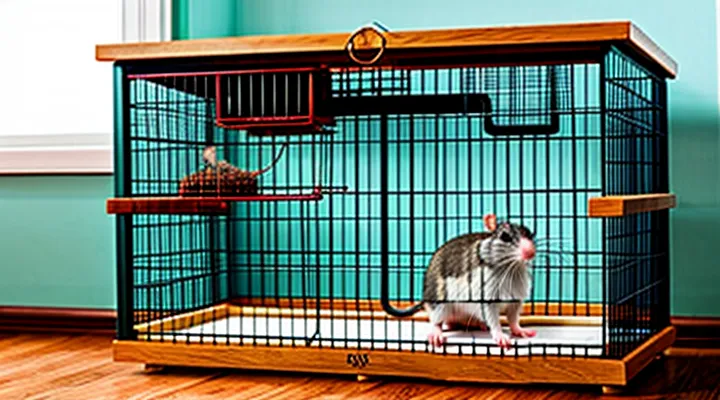
The Essentials of a Rat’s Habitat
Choosing the Right Cage
Size Considerations
Size determines the viability of every element placed inside a rat enclosure. A cage must provide enough floor area for movement, exploration and the addition of accessories without crowding.
- Minimum floor space: 2 sq ft (≈0.19 m²) per adult rat. Larger dimensions improve health and reduce stress.
- Height: at least 12 in (30 cm) to accommodate climbing structures, hammocks and multi‑level platforms.
- Width: sufficient to allow two or more rats to pass each other comfortably; 24 in (60 cm) is a practical baseline.
- Depth: enough to host tunnels, hideouts and feeding stations without forcing animals into a single line.
When housing a pair or a small group, multiply the floor space requirement accordingly. Provide extra room for enrichment items such as wheels, chew toys and nesting material; each addition reduces the usable floor area, so the initial cage size should exceed the calculated minimum. Vertical space does not replace floor space but expands the usable volume for climbing accessories, which must be securely anchored to prevent collapse.
Cage size also influences ventilation and cleaning efficiency. Larger enclosures allow better air circulation and make spot cleaning easier, reducing the buildup of waste and odor. Selecting a cage that meets or exceeds these dimensions ensures that all components can be arranged safely and comfortably for the rats.
Bar Spacing Safety
Bar spacing safety directly affects the well‑being of pet rats and must be evaluated when arranging any cage components. Bars that are too far apart allow a rat to slip through, while gaps that are too narrow can cause injuries to paws or whiskers.
The generally accepted maximum distance between horizontal or vertical bars is ½ inch (≈12 mm). This measurement prevents accidental escapes without restricting natural movement. Gaps smaller than ¼ inch (≈6 mm) increase the risk of paw or tail pinching, especially when rats climb or explore.
- Maintain a maximum spacing of ½ inch for all cage walls, doors, and accessory frames.
- Verify that any removable platforms, tunnels, or climbing structures use the same bar spacing.
- Replace worn or bent bars promptly; deformation often enlarges gaps beyond safe limits.
- Inspect the cage daily; a quick visual check reveals shifted bars or loose fittings that could create hazardous openings.
Regular monitoring ensures that bar spacing remains within safe parameters, supporting the rat’s ability to explore, climb, and nest without danger.
Substrate and Bedding
Absorbent Options
When outfitting a fancy‑rat enclosure, absorbent materials protect the cage floor, control moisture, and reduce odor. Selecting the appropriate option influences animal health and cleaning frequency.
- Paper‑based bedding – shredded or pellet form, highly absorbent, low dust, quick to replace. Suitable for short‑term use; may require frequent changes to maintain dryness.
- Wood shavings – pine or aspen, moderate absorption, natural scent, inexpensive. Requires monitoring for dust levels; avoid cedar due to respiratory irritation.
- Corncob bedding – granular structure, good moisture retention, low cost. Can become compacted, limiting airflow; periodic fluffing restores effectiveness.
- Reusable fleece liners – washable fabric, excellent absorbency when layered with a thin absorbent pad. Durable, reduces waste; must be laundered regularly to prevent bacterial buildup.
- Clay‑based pellets – high absorption capacity, minimal dust, compact storage. Breaks down into fine particles over time; replace when pellets crumble.
Maintain absorbent layers by removing soiled portions daily and performing a full substrate change weekly. Pair any bedding with a sealed bottom tray to prevent leakage onto the cage frame. Consistent upkeep preserves a dry environment, supporting rat welfare and simplifying routine cleaning.
Safe and Comfortable Materials
When outfitting a deluxe rat enclosure, prioritize materials that pose no health risks and support natural behaviors. Choose substrates, accessories, and structural components that are non‑toxic, durable, and easy to clean.
- Untreated hardwood (e.g., maple, birch) for platforms and tunnels; avoids aromatic oils found in cedar or pine.
- Powder‑coated steel or aluminum for ladders and bars; prevents rust and sharp edges.
- Food‑grade silicone or high‑density polyethylene for water bottles and feeders; resists bacterial growth.
- Paper‑based bedding (e.g., shredded paper, kiln‑dried pine-free shavings) provides absorbency without dust.
- Natural fibers such as cotton or hemp rope for chewing; replace regularly to prevent fraying.
- Ceramic or stainless‑steel hideouts; easy to sanitize and immune to gnawing damage.
Avoid materials that release volatile compounds, contain splinters, or degrade quickly under gnawing pressure. Regularly inspect all items for wear, replace compromised pieces, and maintain a cleaning schedule that eliminates odors and pathogens. This approach creates a safe, comfortable environment that encourages activity and wellbeing.
Avoiding Harmful Bedding
Choosing substrate that does not threaten health is essential for a well‑kept rat. Some common bedding materials contain dust, chemicals, or sharp fibers that can irritate the respiratory tract, cause skin abrasions, or lead to gastrointestinal blockage if ingested.
Risks associated with unsuitable bedding include:
- High dust levels from wood shavings such as pine or cedar, which release aromatic oils that irritate lungs.
- Loose particles from corn‑cob or straw that rats may chew and swallow, increasing the chance of impaction.
- Fibrous textures from recycled paper or shredded cardboard that can snag claws and cause injuries.
- Aromatic additives in scented litters, which can stress the animal’s olfactory system.
Safe alternatives provide low dust, absorb moisture, and are non‑toxic. Recommended options are:
- Paper‑based bedding – compressed paper pellets or blankets, finely shredded, low in dust, easy to replace.
- Fleece liners – washable fabric that can be layered with a thin absorbent pad, eliminating the need for disposable substrate.
- Hemp or coconut fiber – natural, coarse enough to prevent ingestion, minimal dust, good odor control.
- Aspen shavings – untreated hardwood, low aromatic content, acceptable for short‑term use when dust is managed.
When selecting a material, verify that it is free of fragrances, does not crumble into fine particles, and can be cleaned regularly. Replace soiled bedding at least twice weekly to maintain hygiene and prevent bacterial growth. Monitoring the rat’s behavior—such as increased sneezing or excessive grooming—can reveal early signs of irritation, prompting a change in substrate.
Enriching Your Rat’s Environment
Food and Water Solutions
Water Bottles vs. Bowls
Providing fresh water is essential for the health of a fancy rat, and owners must decide between a hanging bottle and an open bowl. Both options have distinct effects on hygiene, accessibility, and cage maintenance.
-
Hanging bottles keep water sealed from bedding, reducing contamination from droppings and spilled food. The sipper tube limits spillage, making daily cleaning quicker. However, the tube can clog if not inspected regularly, and the bottle’s position may be difficult for larger or less agile rats to reach comfortably.
-
Open bowls allow direct drinking, which many rats find natural and easier to use. Bowls accommodate multiple rats drinking simultaneously, reducing competition. The downside is that water can become soiled quickly from bedding, food, and urine, requiring more frequent changes. Ceramic or stainless‑steel bowls are preferable because they resist bacterial growth better than plastic.
Choosing the optimal solution depends on cage size, the number of rats, and the owner’s willingness to monitor hygiene. In a small enclosure with a single rat, a bottle may provide cleaner water with minimal effort. In larger groups, a bowl supplemented by a bottle can ensure all animals have easy access while maintaining overall water quality. Regular inspection of both systems—checking for leaks, cleaning surfaces, and verifying that the water remains clear—remains a non‑negotiable part of responsible care.
Food Dishes and Holders
Food dishes and holders are essential components of a well‑equipped rat enclosure. Selecting appropriate containers ensures reliable nutrition delivery, minimizes contamination, and reduces stress for the animals.
- Ceramic or stainless‑steel bowls: non‑porous, dishwasher‑safe, resistant to gnawing.
- Heavy‑base dishes: prevent tipping when rats push or climb.
- Small, shallow plates: suitable for treats, seed mixes, or fresh vegetables.
- Elevated feeding platforms: keep food away from bedding, maintain cleanliness.
- Clip‑on or wall‑mounted feeders: free floor space, convenient for multiple rats.
Dish dimensions should accommodate the typical daily intake of a mature rat, roughly 1–2 inches in diameter for a bowl and 2–3 inches for a plate. Height must allow easy access without forcing the animal to stretch excessively. Position dishes near the rear corner of the cage, away from the water bottle, to prevent simultaneous spillage. Secure holders to the cage frame or use weighted bases to eliminate movement during active play.
Cleaning routines require removal of dishes after each feeding, thorough washing with hot, soapy water, and rinsing to eliminate residue. Materials that tolerate high temperatures simplify sterilization. Replace worn or cracked containers promptly to avoid bacterial growth.
Integrating a dedicated water bottle with a stainless‑steel sipper complements the food setup, providing continuous access to fresh water while keeping the feeding area dry. Combining these elements creates a functional, hygienic environment that supports the health and well‑being of fancy rats.
Hiding Spots and Shelters
Secure and Cozy Retreats
Providing secure and cozy retreats is a priority when outfitting a deluxe rat enclosure. Retreats give rodents a place to hide, rest, and regulate temperature, thereby reducing stress and encouraging natural behaviors.
Typical retreat options include:
- Closed‑top nest box made of untreated wood or safe plastic; dimensions should allow the rat to turn comfortably.
- Soft fabric hammock anchored to the cage wall; breathable material prevents overheating.
- PVC or cardboard tunnel network; smooth interior eliminates sharp edges.
- Small ceramic cave with a rounded entrance; ceramic resists chewing and can be sterilized.
- Padded corner hideaway constructed from fleece; fleece should be washable and free of loose threads.
Material selection must meet two criteria: non‑toxic and resistant to gnawing. Untreated hardwood, food‑grade plastic, and glazed ceramic satisfy safety requirements. Avoid painted surfaces, metal alloys prone to rust, and fabrics that shed fibers.
Placement strategy enhances functionality. Position a nest box in a quieter corner away from the main activity zone. Hang the hammock at mid‑height to encourage climbing. Distribute tunnels throughout the cage to create multiple escape routes. Ensure each retreat is anchored securely to prevent collapse during vigorous play.
Regular maintenance preserves hygiene. Clean removable components with warm, mild soap weekly; disinfect non‑removable structures with a diluted veterinary‑approved solution. Replace worn fabrics promptly to avoid harboring parasites.
By integrating these retreat types with careful material choice and strategic layout, the cage becomes a secure and comfortable environment that supports the rat’s well‑being.
DIY vs. Store-Bought Options
When outfitting a pet rat’s habitat, the choice between homemade solutions and commercially available products influences cost, durability, and customization.
DIY items can be fashioned from safe, readily found materials such as untreated wood, cardboard, and PET bottles. Hand‑cut wooden platforms provide sturdy climbing surfaces; folded cardboard tunnels mimic natural burrows and are easy to replace. PET bottle fragments, cleaned and trimmed, become chew toys that encourage dental health. The primary advantages are low expense and the ability to tailor size and shape to the animal’s preferences. Risks include inconsistent finish, potential sharp edges, and the need for thorough cleaning to prevent bacterial growth.
Store‑bought options include pre‑assembled climbing structures, plastic hideaways, and calibrated chew blocks. These products are manufactured to meet pet‑safety standards, often featuring smooth surfaces and non‑toxic coatings. They typically require less assembly time and provide consistent durability. Drawbacks encompass higher price points and limited adaptability to specific cage dimensions.
Consider the following factors when deciding:
- Safety: Verify that all materials are non‑toxic and free of splinters or sharp points.
- Maintenance: Evaluate how easily the item can be disassembled and sanitized.
- Space efficiency: Choose designs that maximize vertical use without overcrowding.
- Longevity: Assess wear resistance; commercial chew toys often outlast cardboard alternatives.
Balancing these criteria helps determine whether a custom‑built accessory or a retail product best serves the rat’s enrichment needs while fitting the keeper’s budget and time constraints.
Toys and Stimulation
Chew Toys for Dental Health
Rats’ incisors grow throughout life; constant gnawing prevents over‑growth and maintains proper alignment. Supplying appropriate chew objects directly addresses this physiological need.
- Untreated hardwood blocks (e.g., apple, maple, birch) – dense enough to file teeth without splintering.
- Mineral‑based chews (calcium carbonate or calcium phosphate rods) – provide abrasion and supplemental nutrients.
- Untreated cardboard tubes or rolls – soft enough for young rats, encouraging regular gnawing.
- Safe, non‑plastic polymer chew sticks (food‑grade silicone or corn‑based polymers) – durable, dishwasher‑safe, free of toxic additives.
When choosing chew items, prioritize:
- Size that fits the cage and the rat’s mouth without forcing.
- Hardness that offers resistance but does not crack into sharp shards.
- Materials certified free of pesticides, dyes, or synthetic binders.
- Replaceability; worn pieces should be removed before they become hazardous.
Regular inspection prevents injury: examine each toy for splinters, loose fragments, or mold; discard compromised pieces promptly. Rotate a selection of chews weekly to sustain interest and ensure balanced dental wear. Cleaning methods vary—wood can be brushed and lightly misted with water, mineral chews require no washing, and polymer sticks may be placed in a dishwasher’s top rack. Maintaining a varied, safe assortment of chew toys supports optimal dental health and overall well‑being for a pet rat.
Climbing Opportunities
Providing vertical structures satisfies rats’ instinct to ascend and explore. Vertical space reduces ground‑level crowding, encourages natural locomotion, and supports muscular development. Install sturdy, chew‑resistant elements that can bear the animal’s weight without wobbling.
Effective climbing fixtures include:
- Natural‑grade wooden branches, securely anchored to the cage wall or frame.
- Plastic or metal ladders with rungs spaced 1–1.5 inches apart, allowing easy grip.
- Rope or sisal loops tied firmly, offering flexible routes.
- Multi‑level platforms connected by short ramps, creating a tiered environment.
- Climbing nets or mesh panels fixed at an angle for diagonal ascent.
Rotate or reposition items periodically to maintain novelty and prevent habituation. Ensure all components are free of splinters, sharp edges, or loose attachments that could cause injury. Regular inspection and replacement of worn pieces preserve safety and prolong usability.
Puzzle Toys for Mental Engagement
Puzzle toys are essential for providing mental stimulation to pet rats kept in a decorative enclosure. They encourage problem‑solving, prevent boredom, and support natural foraging instincts.
Effective puzzle toys share several characteristics: they must be safe, durable, and sized appropriately for a rat’s small paws and teeth. Materials such as untreated wood, food‑grade plastic, and stainless steel meet these criteria. Toys should offer varying levels of difficulty so that the animal can progress from simple to more complex challenges.
When selecting puzzle toys for a rat’s habitat, consider the following options:
- Treat‑dispensing tubes – hollow cylinders with removable caps that release small pieces of food when rolled or tipped.
- Wooden maze blocks – interlocking pieces that create pathways; rats navigate to reach hidden treats.
- Slide‑out compartments – plastic boxes with sliding doors that require the rat to push or pull to access a reward.
- Foraging balls – solid spheres with drilled holes; the animal must manipulate the ball to extract kibble.
- Puzzle wheels – circular devices with adjustable openings that dispense treats as the wheel turns.
Maintenance guidelines ensure longevity and hygiene: clean all toys weekly with warm, mild soap; inspect for cracks or splintered wood; replace any damaged component immediately. Rotate toys every two weeks to maintain novelty and prevent habituation.
Integrating a variety of puzzle toys into a rat’s enclosure promotes cognitive health, reduces stress‑related behaviors, and aligns with the overall goal of enriching a sophisticated living environment.
Tunnels and Hammocks
Promoting Exploration
Encouraging a fancy rat to explore its environment stimulates natural foraging instincts, improves muscular coordination, and reduces stress‑related behaviors. An enclosure that invites movement and curiosity supports physical health and mental resilience.
Items that foster exploration fall into three functional groups:
- Tunnel systems: PVC or untreated wooden tubes of varying diameters create continuous pathways and hidden passages.
- Vertical structures: Rope ladders, sturdy wooden branches, and low‑profile climbing platforms add height differentials and encourage upward movement.
- Interactive hideaways: Small wooden huts, woven fabric nests, and ceramic caves provide concealed spaces for retreat and investigation.
Placement guidelines enhance the exploratory value of each element. Distribute tunnels and platforms across the cage floor to prevent clustering; position hideaways opposite the primary feeding area to motivate traversing the enclosure. Rotate items weekly to maintain novelty while inspecting for sharp edges or loose fittings. Use only chew‑safe, non‑toxic materials and secure fixtures to avoid accidental collapse.
By integrating these components strategically, a fancy rat’s cage becomes a dynamic arena that continuously challenges the animal’s curiosity and promotes active engagement.
Rest and Relaxation Spots
Providing comfortable rest zones is essential for a fancy rat’s wellbeing. Rats prefer low‑profile platforms that allow them to stretch out and observe their surroundings without feeling exposed. Wooden or bamboo shelves, securely attached to the cage walls, create stable surfaces that support natural lounging behavior. Soft hammocks made from fleece or breathable cotton give a gentle cradle, reducing pressure on joints and encouraging longer periods of sleep.
- Elevated platforms: 2–3 inches above the cage floor, sturdy, non‑slippery surface.
- Corner hideouts: enclosed, darkened spaces with a thin mattress or shredded paper bedding.
- Hammock or nest bag: lightweight, washable, placed near a quiet corner.
- Natural wood log or branch: provides a warm, textured area for resting and chewing simultaneously.
Materials should be free of toxic chemicals, easy to clean, and sized to accommodate the rat’s full body length. Regular rotation of rest spots prevents habituation and maintains interest, while ensuring each area remains dry and free of waste. Proper placement—away from food and water stations—reduces contamination risk and promotes a hygienic environment for sleep and relaxation.
Maintaining Hygiene and Health
Regular Cleaning Schedule
Spot Cleaning Practices
Spot cleaning is a critical component of maintaining a healthy environment for pet rats. Regular removal of soiled bedding, urine stains, and food debris prevents bacterial growth and reduces odor, directly supporting the animals’ well‑being.
- Identify wet or heavily soiled areas at least twice daily. Use a clean, lint‑free cloth or paper towel to blot moisture; avoid rubbing, which can spread contaminants.
- Replace the affected bedding with fresh, absorbent material. Choose a substrate that is dust‑free and suitable for grooming, such as kiln‑dried pine shavings or recycled paper pellets.
- Disinfect the exposed surface with a rat‑safe solution (e.g., diluted white vinegar or a commercial enzymatic cleaner). Apply the solution, let it sit for the manufacturer‑recommended contact time, then wipe dry with a fresh cloth.
- Remove any uneaten food particles from the spot. Place leftovers in a sealed container for disposal; never leave crumbs that could attract pests.
- Inspect the cage’s accessories (toys, tunnels, hideouts) in the cleaned area. If residues are visible, submerge the items in the disinfectant solution, rinse thoroughly, and dry before returning them to the enclosure.
Consistent spot cleaning, combined with a complete weekly deep clean, sustains a hygienic habitat and minimizes health risks for fancy rats.
Deep Cleaning Procedures
Deep cleaning a rat enclosure ensures a healthy habitat and prolongs the life of accessories. Begin by removing the animal and all removable items such as tunnels, platforms, and feeding dishes. Place the rat in a secure temporary carrier with bedding to reduce stress.
- Disassemble the cage, set wheels, doors, and hinges aside for separate cleaning.
- Scrape any dried droppings or urine residue from surfaces using a plastic spatula; avoid abrasive tools that could damage plastic.
- Fill a basin with hot water (approximately 60 °C) and add a veterinary‑approved enzymatic cleaner. Submerge all non‑porous components for 10–15 minutes.
- While components soak, soak fabric items—bedding, hammocks, and soft toys—in the same solution for at least 30 minutes.
- After soaking, scrub each piece with a soft brush, focusing on corners and joints where biofilm accumulates. Rinse thoroughly with clean water to eliminate any cleaning agent residue.
- Disinfect the cage frame using a dilute bleach solution (1 part bleach to 30 parts water) or a quaternary ammonium product labeled safe for rodents. Apply with a spray bottle, let sit for 5 minutes, then wipe with a damp cloth.
- Allow all components to air‑dry completely; use a low‑heat fan if ambient humidity is high.
- Reassemble the cage, reinstall cleaned accessories, and add fresh, low‑dust bedding. Return the rat only after the enclosure is fully dry and the temperature is stable.
Regular deep cleaning—once every four to six weeks—prevents odor buildup, reduces pathogen risk, and maintains the structural integrity of platforms, hideouts, and wheels. Incorporating this routine into cage maintenance supports optimal well‑being for the pet rat.
Safe Accessories and Decorations
Non-Toxic Materials
When selecting items for a pet rat’s enclosure, prioritize materials that pose no health risk if chewed or ingested. Rats gnaw continuously; any surface they can bite must be safe.
- Untreated hardwoods such as oak, maple, and beech. Avoid woods with natural oils (e.g., pine, cedar) that can irritate respiratory passages.
- Food‑grade silicone products, including chew toys and nest pads. Ensure the silicone is free of added fragrances or dyes.
- Unpainted, powder‑coated metal accessories. Verify that the coating is epoxy‑based and labeled as non‑toxic for animals.
- Ceramic or glazed pottery items. Confirm the glaze contains no lead or cadmium.
- Natural fiber ropes or hammocks made from cotton or hemp, free of synthetic binders and chemicals.
- PET (polyethylene terephthalate) containers and tubes, provided they are BPA‑free and lack plasticizers.
Avoid plastics that contain phthalates, PVC, or BPA, as these compounds can leach into a rat’s system. When in doubt, test a small piece for taste; rats will reject materials that taste metallic or bitter. Regularly inspect all items for cracks or wear, replacing any that show damage to prevent ingestion of fragments.
Easy-to-Clean Items
When selecting accessories for a sophisticated rat enclosure, prioritize items that minimize maintenance time and reduce the risk of bacterial growth. Materials that resist odor, withstand frequent washing, and allow quick disassembly provide the most efficient cleaning routine.
- Plastic or stainless‑steel water bottles – detachable, dishwasher‑safe, with sealed caps to prevent leaks.
- Polypropylene nesting boxes – smooth surfaces, snap‑fit lids, and compatibility with hot‑water sterilization.
- Reusable fleece liners – washable, lint‑free, and replaceable without compromising cage integrity.
- Silicone chew toys – non‑porous, heat‑resistant, and easily rinsed after use.
- Elevated platforms made of melamine – hard, non‑absorbent, and simple to wipe down with a mild disinfectant.
Bedding choices also affect cleaning frequency. Paper‑based or aspen shavings absorb moisture without clumping, allowing removal of soiled sections without full cage disassembly. Avoid pine or cedar, which release aromatic oils that embed in fibers and complicate sanitation.
Regular cleaning protocol includes: remove all accessories, rinse each component with warm water, apply a dilute, laboratory‑grade disinfectant, and dry before reassembly. This systematic approach maintains a hygienic environment while preserving the rat’s comfort and enrichment.
Monitoring for Wear and Tear
Regular inspection of cage components prevents injury and prolongs usability. Examine each element before adding new accessories and repeat the check weekly.
- Wire mesh: look for rust, loose strands, or sharp edges.
- Plastic platforms: test for cracks, brittleness, or discoloration.
- Wooden chew toys: verify that splinters have not formed and that the wood remains solid.
- Tubes and tunnels: ensure joints remain snug and that no holes have enlarged.
- Wheels or exercise balls: spin to confirm smooth rotation and inspect for worn bearings.
Identify wear by tactile cues (roughness, looseness) and visual signs (discoloration, fraying). Replace any item that shows damage, even if it appears minor, because small defects can become hazards quickly.
Implement a maintenance schedule: daily quick glance for obvious damage, weekly detailed assessment using the list above, and monthly deep cleaning to reveal hidden wear. Record findings in a simple log to track the lifespan of each accessory and to plan timely replacements.