
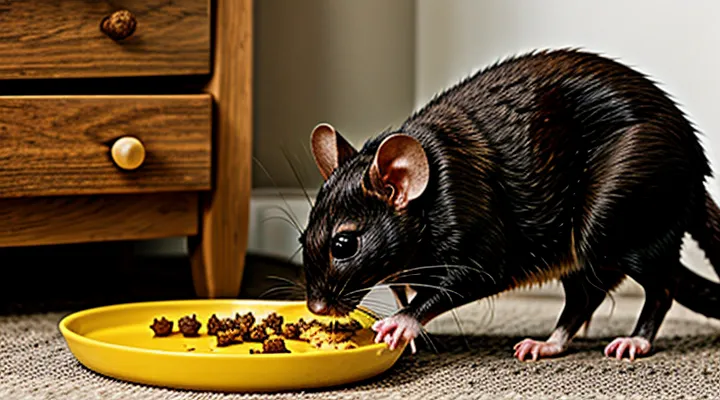
Understanding Rat Dietary Needs
Essential Nutritional Components
Protein
Protein is essential for the growth, tissue repair, and immune function of decorative rats kept at home. Adult rats require roughly 14–18 % protein in their diet, while juveniles need up to 20 % to support rapid development. Insufficient protein leads to stunted growth, weak fur, and increased susceptibility to disease.
Common non‑commercial protein sources include:
- Cooked chicken breast, turkey, or lean pork, finely chopped or shredded; remove skin and bones.
- Hard‑boiled eggs, mashed or sliced; limit to one small egg per week to avoid excess cholesterol.
- Low‑fat cottage cheese or plain Greek yogurt; offer in small spoonfuls to prevent lactose intolerance.
- Cooked lentils, split peas, or mung beans; rinse thoroughly and serve plain, without added salt or seasoning.
- Insects such as mealworms, crickets, or black soldier fly larvae; provide live or dried forms in moderation.
When preparing protein foods, ensure they are cooked to safe temperatures, free of seasoning, and cooled before serving. Raw meat carries a higher risk of bacterial contamination and should be avoided unless sourced from reputable suppliers and handled under strict hygiene protocols.
Supplementation with protein powders designed for small mammals is unnecessary if the above items are offered regularly. Monitor the rat’s body condition and adjust portions to maintain a lean, muscular appearance without excessive weight gain. Regular veterinary check‑ups can confirm that protein intake meets the animal’s nutritional needs.
Fats
Fats provide a concentrated energy source and are essential for the absorption of fat‑soluble vitamins in pet rats. Include a modest amount of high‑quality fat in a balanced diet to support coat health, skin integrity, and reproductive function.
Preferred fat sources:
- Unsaturated oils – a few drops of extra‑virgin olive oil or canola oil per day supply omega‑6 fatty acids without excess saturated fat.
- Fish oil – a calibrated capsule (approximately ¼ ml) delivers omega‑3 EPA and DHA, which aid inflammation control and neurological development.
- Nuts and seeds – finely chopped almonds, walnuts, or sunflower seeds offer healthy fats and protein; limit to ½ tsp per rat to avoid caloric overload.
- Egg yolk – a small spoonful of boiled yolk introduces phospholipids and cholesterol, both important for cell membrane structure.
Guidelines for safe inclusion:
- Limit total fat to 5‑7 % of the overall caloric intake; excess fat leads to obesity and hepatic strain.
- Offer fats in liquid or soft form to ensure easy ingestion and digestion.
- Store oils in dark, airtight containers at refrigeration temperature to prevent oxidation and rancidity.
- Exclude saturated animal fats such as lard and avoid butter, which can cause digestive upset.
- Monitor body condition regularly; adjust portions if weight gain exceeds 10 % over a month.
By integrating these controlled fat sources, caretakers can enhance nutritional completeness while maintaining optimal health in decorative rats.
Carbohydrates
Carbohydrates supply the primary energy needed for the high activity level of domestic pet rats. When commercial pellets are not used, owners can incorporate natural carbohydrate sources that are safe, digestible, and nutritionally balanced.
Whole grains such as cooked oatmeal, barley, and brown rice deliver complex carbs, fiber, and modest protein. Provide 1–2 teaspoons per day, ensuring the grains are plain, unseasoned, and cooled before serving.
Starchy vegetables, including sweet potatoes, carrots, and pumpkin, offer readily available glucose and beta‑carotene. Offer ½‑1 tablespoon of cooked, unsalted pieces three times weekly; raw sweet potato should be limited to prevent digestive upset.
Fruit supplies simple sugars and antioxidants but must be limited due to high fructose content. Small portions (a few bite‑size pieces) of apples, berries, or banana can be given two to three times per week. Remove seeds and cores, which may contain toxins.
Legumes such as lentils and split peas provide both carbohydrates and essential amino acids. Cook thoroughly, rinse, and serve ¼ teaspoon per day; raw beans contain lectins that are harmful to rats.
All carbohydrate items should be introduced gradually, observed for signs of diarrhea or weight change, and balanced with protein‑rich foods (e.g., boiled egg, cooked chicken) and a source of healthy fats (e.g., a few drops of olive oil). Fresh, clean water must be available at all times.
Avoid processed foods, sugary treats, and any item containing artificial sweeteners, as these can cause metabolic disturbances. Regular monitoring of body condition and stool consistency ensures that the carbohydrate portion of the diet supports optimal health without excess caloric intake.
Vitamins and Minerals
Providing a balanced intake of vitamins and minerals is critical when decorative rats are fed a homemade diet rather than standard pellets.
Essential vitamins include:
- Vitamin A – supports vision and immune health; found in carrots, sweet potatoes, and kale.
- Vitamin D3 – regulates calcium absorption; obtainable from fortified egg yolk or brief exposure to natural sunlight.
- Vitamin E – protects cell membranes; present in sunflower seeds and wheat germ oil.
- B‑complex vitamins (B1, B2, B3, B6, B12, folic acid) – facilitate energy metabolism and nerve function; sources comprise cooked liver, lean meat, and fortified cereals.
- Vitamin C – not required in large amounts because rats synthesize it, but small supplemental doses aid stress recovery; citrus slices or bell pepper can be offered sparingly.
Key minerals required for skeletal integrity, nerve transmission, and enzymatic activity are:
- Calcium – needed for bone formation and muscle contraction; supply via low‑fat cottage cheese, plain yogurt, or finely ground calcium carbonate powder.
- Phosphorus – works with calcium to maintain bone health; present in fish, eggs, and organ meats.
- Magnesium – contributes to nerve function and energy production; available in pumpkin seeds, spinach, and small amounts of nuts.
- Potassium – regulates fluid balance and heart rhythm; found in bananas, avocado, and boiled potatoes.
- Sodium – required in trace amounts for electrolyte balance; a pinch of sea salt mixed into wet food suffices.
- Iron – essential for hemoglobin synthesis; provided by cooked lean beef, liver, or lentils (cooked and pureed).
When constructing a homemade menu, calculate daily vitamin and mineral requirements based on the rat’s weight (approximately 15 mg of calcium per kilogram of body weight). Use a reputable rodent multivitamin supplement only if natural sources cannot meet the target levels. Regularly monitor coat condition, activity, and stool consistency; any deviations may indicate a deficiency or excess, prompting adjustment of the diet or consultation with a veterinary nutritionist.
Fiber and Water
Fiber is essential for gastrointestinal health in pet rats. It promotes peristalsis, prevents impaction, and supports a balanced gut microbiome.
- Fresh leafy greens (e.g., kale, romaine lettuce, parsley) – high soluble fiber, low calories.
- Cooked vegetables (e.g., carrots, sweet potatoes) – provide bulk and fermentable fiber.
- Whole‑grain products (e.g., whole‑wheat toast, plain oatmeal) – supply insoluble fiber.
- Raw nuts and seeds (e.g., almonds, sunflower seeds) – offer fiber with healthy fats; serve sparingly due to calorie density.
- Dried legumes (e.g., lentils, chickpeas) – rich in fiber; rinse and soak before offering.
Aim for 2–3 g of fiber per 100 g of body weight daily. Introduce new items gradually, monitor stool consistency, and adjust portions to avoid diarrhea or constipation.
Water must be clean, fresh, and constantly available. Use a stainless‑steel sipper bottle with a chew‑resistant nozzle to prevent contamination. Replace water at least once daily; clean the bottle and nozzle weekly with mild soap and rinse thoroughly. Monitor consumption; a decrease may indicate illness or inadequate humidity. Provide a shallow dish of filtered water as a backup for rats that prefer drinking from a bowl.
Combine fiber sources with protein‑rich foods (e.g., boiled egg, lean meat) and occasional fruit for a balanced diet. Ensure that fiber and water intake complement, rather than replace, the nutritional profile of commercial rat pellets.
Safe and Unsafe Food Categories
Fresh Fruits
Safe Options
Pet rats thrive on a diet that mirrors their natural foraging habits while avoiding the risks associated with processed feeds. Safe, home‑prepared options include:
- Fresh vegetables: carrots, broccoli florets, kale, spinach, bell peppers, cucumber, and zucchini. Offer in small, bite‑size pieces; remove any wilted portions promptly.
- Fruits in moderation: apple (core removed), pear, berries, melon, and banana. Limit to occasional treats due to sugar content.
- Whole grains: cooked quinoa, rolled oats, barley, and brown rice. Serve plain, cooled, and free of added salt or butter.
- Protein sources: boiled egg white, plain cooked chicken breast, low‑fat cottage cheese, and unsalted tofu. Provide in tiny portions to prevent excess protein.
- Legumes: cooked lentils, split peas, and chickpeas. Ensure they are thoroughly boiled and unseasoned.
- Nuts and seeds: unsalted sunflower seeds, pumpkin seeds, and small amounts of almonds or walnuts. Offer sparingly because of high fat.
- Herbs: parsley, cilantro, and mint. Use fresh leaves, washed well.
All items must be washed, cut into appropriate sizes, and introduced gradually to monitor tolerance. Avoid foods toxic to rats, such as chocolate, caffeine, raw potatoes, onions, garlic, citrus peels, and excessive dairy. Provide fresh water daily and maintain a balanced mix of these safe options alongside a limited amount of commercial rat pellets to ensure complete nutrition.
Fruits to Avoid or Limit
When supplementing a pet rat’s diet with fresh produce, some fruits pose health risks and should be excluded or offered only in very small amounts. High‑sugar content, acidity, or toxic compounds can lead to digestive upset, obesity, or liver damage in these small rodents.
- Citrus fruits (orange, lemon, lime, grapefruit): strong acidity irritates the stomach lining and may cause diarrhea.
- Grapes and raisins: contain unidentified toxins that can trigger acute kidney failure.
- Cherries (pits removed): pits contain cyanogenic glycosides; even without pits, the flesh’s sugar load can promote obesity.
- Bananas: very high in sugar and potassium; excessive intake may disrupt electrolyte balance.
- Mangoes: rich in fructose; overconsumption can lead to weight gain and gastrointestinal distress.
- Pineapple: high acidity and bromelain enzyme may cause irritation of the oral mucosa and gut.
Occasional, tiny portions of these fruits may be tolerated if the rat shows no adverse reaction, but regular feeding should be avoided. Instead, prioritize low‑sugar options such as berries in moderation, apple slices (seedless), and melon.
Vegetables
Safe Options
Fresh vegetables such as carrots, broccoli, cucumber, and bell pepper provide essential vitamins and fiber. Offer small, bite‑size pieces daily; wash thoroughly to remove pesticides.
Fruit options include apple (core removed), pear, blueberry, and banana. Serve in moderation because of natural sugars.
Whole grains and legumes—cooked quinoa, brown rice, lentils, and rolled oats—supply complex carbohydrates and protein. Ensure grains are plain, without added salt or seasoning.
Protein sources suitable for occasional supplementation are boiled egg white, plain cooked chicken breast, and low‑fat cottage cheese. Provide no more than a teaspoon per feeding.
Herbs like parsley, cilantro, and mint add flavor and micronutrients. Use fresh, pesticide‑free leaves in tiny amounts.
Safe treats comprise plain unsalted popcorn, small pieces of plain plain pasta, and low‑sugar yogurt. Avoid any additives, sauces, or artificial sweeteners.
When introducing new foods, observe the rat for 24 hours to detect digestive upset. Rotate items to maintain dietary variety and prevent nutrient deficiencies.
Foods that must never be offered include chocolate, caffeine, alcohol, onions, garlic, raw potatoes, avocado, citrus peels, and processed snacks containing salt, sugar, or preservatives. These substances pose toxic risks and can cause severe health problems.
Vegetables to Avoid or Limit
When offering fresh produce to pet rats, select vegetables carefully to prevent digestive upset, nutrient imbalances, or toxicity.
- Potatoes (raw or green) – contain solanine, a neurotoxin that can cause vomiting, diarrhea, and lethargy.
- Onions, garlic, leeks, and chives – belong to the Allium family; their compounds damage red blood cells, leading to anemia.
- Rhubarb leaves – high oxalic acid levels risk kidney failure.
- Tomato leaves and stems – also rich in solanine; only the ripe fruit is safe in limited amounts.
- Cabbage, cauliflower, broccoli, and Brussels sprouts – cruciferous vegetables produce gas and can cause bloating; feed only sparingly.
- Spinach and beet greens – contain oxalates that may contribute to urinary stone formation; limit to occasional treats.
Some vegetables are tolerable in small portions but should not become dietary staples:
- Carrots – high sugar content; offer a few bite‑size pieces a few times per week.
- Peas – contain moderate amounts of protein and sugar; restrict to a few peas per serving.
- Corn – starchy and low in essential nutrients for rats; provide only a single kernel occasionally.
Always wash vegetables thoroughly, remove any wilted or bruised parts, and introduce new items gradually to monitor tolerance. If a rat shows signs of diarrhea, loss of appetite, or abnormal behavior after eating a particular vegetable, discontinue it immediately and consult a veterinarian.
Grains and Legumes
Cooked Grains
Cooked grains provide a reliable source of carbohydrates, fiber, and modest protein for pet rats when commercial mixes are unavailable. Whole‑grain rice, oatmeal, quinoa, barley, and millet retain most nutrients after boiling or steaming; white rice offers fewer fibers but is easily digestible for sensitive stomachs.
Suitable grains and preparation guidelines
- Brown rice – rinse, boil 1 part rice to 2 parts water, simmer 20 minutes until tender; allow to cool before serving.
- Oatmeal – use plain rolled oats, add water at a 1:2 ratio, cook 5 minutes, let cool completely.
- Quinoa – rinse thoroughly, boil 1 part quinoa to 2 parts water, simmer 12 minutes, fluff and cool.
- Barley – use pearl barley, boil 1 part barley to 3 parts water, cook 30 minutes, cool.
- Millet – rinse, boil 1 part millet to 2.5 parts water, simmer 15 minutes, cool.
Grains must be fully cooked, unseasoned, and served at room temperature. Portion size should not exceed 1 teaspoon per 100 g body weight per day, ensuring the total diet remains balanced with protein‑rich foods (e.g., boiled eggs, lean meat) and fresh vegetables.
Safety considerations
- Avoid added salt, butter, oil, or sugar; these additives increase the risk of renal strain and obesity.
- Do not feed raw or undercooked grains; they contain resistant starches that can cause gastrointestinal upset.
- Monitor for signs of intolerance, such as loose stools or reduced appetite, and adjust the diet accordingly.
Cooked Legumes
Cooked legumes provide a valuable source of protein, complex carbohydrates, and dietary fiber for ornamental rats kept as pets. The heat‑treated form eliminates antinutrients such as lectins and reduces the risk of gastrointestinal upset.
When selecting legumes, prioritize low‑fat varieties that rats can tolerate well: lentils, split peas, mung beans, and small‑seeded beans (e.g., navy or black beans). Avoid large beans such as kidney or pinto beans unless they are thoroughly cooked and mashed, as they may cause bloating.
Preparation guidelines:
- Rinse legumes thoroughly to remove residues.
- Boil in unsalted water until soft (generally 15–30 minutes, depending on the type).
- Cool to room temperature; do not add seasoning, oil, or butter.
- Offer in small, bite‑size portions (approximately ½ teaspoon per 100 g body weight) two to three times per week.
Nutritional considerations:
- Protein content ranges from 20 % to 25 % of dry weight, supporting muscle maintenance.
- Fiber promotes healthy gut motility but excess can lead to loose stools; monitor fecal consistency after introduction.
- Legumes supply iron, potassium, and B‑vitamins, complementing the nutrients found in commercial pellets.
Potential risks:
- Overfeeding may cause weight gain or interfere with calcium absorption.
- Inadequately cooked legumes retain toxins that can irritate the intestinal lining.
- Some rats may develop mild allergies; discontinue if signs of swelling, itching, or respiratory distress appear.
Integrating legumes into a balanced home diet can diversify texture and flavor, encouraging natural foraging behavior while meeting the nutritional needs of decorative rats. Regular observation of weight, activity level, and stool quality will confirm suitability.
Grains and Legumes to Avoid
When supplementing a decorative rat’s diet with homemade foods, certain grains and legumes must be excluded. These items contain compounds that can disrupt digestion, impair nutrient absorption, or cause toxic reactions.
Typical grains to avoid include:
- White rice – high glycemic index, prone to cause rapid blood‑sugar spikes.
- Corn – rich in starch, low in protein, and may lead to obesity.
- Wheat bran – contains phytic acid that binds minerals, reducing their bioavailability.
- Barley – can cause bloating and gas due to high fermentable fiber.
Legumes that should not be offered:
- Raw or undercooked beans (e.g., kidney, black, pinto) – contain lectins and hemagglutinins that damage intestinal lining.
- Soybeans – high in phytoestrogens, potentially interfering with hormonal balance.
- Lentils – may cause excessive gas and abdominal discomfort.
- Peas – contain raffinose, a sugar that rats cannot fully digest, leading to diarrhea.
The common denominator for these foods is the presence of anti‑nutrients, excessive starch, or compounds that the rat’s short digestive tract cannot process safely. Substituting with safe alternatives such as cooked oatmeal, quinoa, or sprouted chickpeas—prepared without added salt or sugar—provides fiber and energy without the associated risks.
Proteins and Fats
Lean Meats
Lean meats provide a high‑quality protein source that complements the balanced diet of pet rats kept at home. They supply essential amino acids, support muscle development, and help maintain overall health when offered alongside standard rodent chow.
- Skinless chicken breast
- Turkey (white meat, no skin)
- Lean beef (e.g., sirloin, trimmed of fat)
- Rabbit meat, boneless
- White fish (e.g., cod, haddock)
Preparation must eliminate any risk of contamination or digestive upset. Cook meat thoroughly to an internal temperature of at least 165 °F (74 °C); boiling, steaming, or baking are preferred methods. Do not add salt, spices, sauces, or oils. Remove all bones, cartilage, and visible fat. Cool the cooked portion to room temperature before serving.
Offer lean meat no more than two to three times per week. A suitable portion for an adult rat is roughly one teaspoon (about 5 g) of chopped meat, adjusted upward for larger individuals. Combine the meat with a small amount of fresh vegetables or a dab of plain yogurt to encourage acceptance.
Safety measures include storing raw meat in the refrigerator for no longer than 24 hours and cooked meat for no more than 48 hours. Discard any leftovers after a single feeding session. Avoid processed products such as deli slices, sausages, or cured meats, which contain additives and excess sodium. Monitor each rat for signs of intolerance, such as diarrhea or reduced appetite, and discontinue the offending protein source if symptoms appear.
Eggs
Eggs provide a high‑quality protein source and a range of vitamins and minerals useful for decorative rats when offered alongside their regular diet.
Boiled or scrambled eggs, without added salt, butter, or spices, are safe for consumption. Raw eggs carry a risk of bacterial contamination and should be avoided. After cooking, allow the egg to cool to room temperature before serving.
A typical portion for an adult rat is one‑quarter of a hard‑boiled egg, divided into small pieces. Offering this amount two to three times per week supplies supplemental nutrients without displacing the primary feed.
Key safety points:
- Store eggs in the refrigerator and use within three days of cooking.
- Discard any portion that shows signs of spoilage or an off odor.
- Observe the rat for signs of digestive upset after introduction; reduce or stop feeding if diarrhea or lethargy occurs.
Eggs should complement, not replace, the balanced commercial feed formulated for rats. Mixing a small egg fragment into the regular food bowl ensures a varied texture and encourages natural foraging behavior.
Healthy Fats
Healthy fats support coat sheen, skin elasticity, and energy balance in pet rats. Incorporate them in small, measured quantities to avoid excess calories.
- Flaxseed oil – ½ teaspoon per week; rich in omega‑3 fatty acids, promotes anti‑inflammatory effects.
- Fish oil (salmon or sardine) – ½ teaspoon weekly; provides EPA and DHA for neural health.
- Sunflower or pumpkin seeds – ¼ teaspoon daily; supply linoleic acid and vitamin E.
- Almonds, walnuts, or hazelnuts – 1–2 small pieces 2–3 times per week; source of monounsaturated fats and antioxidants. Ensure they are unsalted and unroasted.
- Avocado – ¼ teaspoon of ripe flesh once a week; contains oleic acid. Avoid the skin and pit, which are toxic.
When adding fats, mix them into the regular diet rather than offering them alone. Observe the rat’s weight and stool consistency; excessive intake may cause obesity or digestive upset. Replace any commercial pellets that already contain added fat with a balanced blend of grains, vegetables, and the listed sources to maintain nutritional equilibrium.
Occasional Treats and Supplements
Herbs and Edible Flowers
Herbs and edible flowers provide variety, natural flavor, and essential nutrients for ornamental rats kept at home. They can supplement a balanced diet when offered in moderation and prepared safely.
Suitable herbs include:
- Basil – rich in antioxidants, offered fresh in small leaves.
- Parsley – high in vitamin C, remove stems, give a few leaflets.
- Mint – soothing for digestion, provide a single leaf at a time.
- Dill – source of calcium, trim to bite‑size pieces.
- Oregano – contains antimicrobial compounds, use sparingly.
Edible flowers that rats can safely consume are:
- Nasturtium – peppery taste, remove any insects, serve a few petals.
- Chamomile – calming effect, offer dried or fresh blossoms.
- Rose petals – mild flavor, ensure pesticide‑free, give a few petals.
- Calendula – anti‑inflammatory properties, provide fresh petals.
- Violet – gentle on the palate, offer a few blossoms.
Preparation guidelines:
- Wash all plant material thoroughly to eliminate residues.
- Introduce one new item at a time; observe for adverse reactions over 24 hours.
- Limit portions to no more than 5 % of the total daily intake to prevent digestive upset.
- Store fresh herbs in a sealed container in the refrigerator; discard if wilted or moldy.
Integrating these botanical options enhances dietary diversity while maintaining the health of decorative rats.
Dairy Products
Dairy can supplement the diet of ornamental rats when offered in moderation. It provides calcium, protein, and fats that complement the nutrients found in standard rodent pellets.
Plain, low‑fat dairy products are safest. Suitable items include:
- Unsweetened yogurt (full‑fat or low‑fat), served in a teaspoon‑size portion.
- Soft cottage cheese, limited to a small cube.
- Small amounts of plain kefir, introduced gradually.
- Fresh, pasteurized milk, offered only as an occasional treat and never as a primary fluid source.
Portion control is critical. A total of 5–10 g of dairy per week per rat prevents excess calorie intake and reduces the risk of digestive upset. Offer dairy on a clean surface, allow the rat to chew, then remove any leftovers within an hour to avoid spoilage.
Rats vary in lactase activity; many develop lactose intolerance. Signs of intolerance include diarrhea, bloating, or reduced appetite. If any of these symptoms appear, discontinue dairy immediately and monitor health.
Processed dairy products containing added sugars, artificial sweeteners, or flavorings should be avoided. These additives can cause metabolic disturbances and may be toxic.
Incorporating dairy as an occasional supplement enhances variety, supports dental health through chewing, and contributes essential minerals, provided the guidelines above are followed.
Other Occasional Items
When supplementing a pet rat’s diet with non‑commercial foods, occasional items should complement the core nutrition without replacing it. These foods provide enrichment, variety, and additional micronutrients, but must be offered sparingly to avoid digestive upset or obesity.
Fresh produce can be added a few times a week. Select low‑sugar fruits such as blueberries, strawberries, or apple slices (remove seeds). Mild vegetables like carrot sticks, broccoli florets, spinach, or bell‑pepper pieces are suitable. Wash thoroughly and cut into bite‑size pieces to prevent choking.
Protein sources may be introduced once or twice weekly. Cooked chicken breast, boiled egg (hard‑cooked, no seasoning), or plain cottage cheese deliver essential amino acids. Small quantities—no more than a teaspoon per rat—are sufficient.
Treats derived from human foods require caution. Plain, unsalted popcorn, whole‑grain crackers, or a tiny piece of unsweetened banana can serve as occasional rewards. Avoid processed snacks, sugary items, or foods containing caffeine, chocolate, onions, garlic, or high salt content.
Herbs and spices, when used minimally, can enhance palate stimulation. Fresh parsley, dill, or mint leaves offer aromatic interest and mild vitamins. Introduce a single leaf at a time to monitor tolerance.
A concise list of safe occasional items:
- Blueberries, raspberries, apple (seedless)
- Carrot, broccoli, spinach, bell pepper
- Cooked chicken breast, hard‑boiled egg, plain cottage cheese
- Unsalted popcorn, whole‑grain cracker, banana slice
- Fresh parsley, dill, mint (one leaf per rat)
All items must be fresh, free of pesticides, and presented in small, manageable portions. Observe each rat for signs of intolerance, such as diarrhea or loss of appetite, and discontinue any problematic food immediately. Regularly rotate selections to maintain interest while preserving a balanced overall diet.
Preparing and Serving Homemade Foods
Food Preparation Guidelines
Washing and Cutting
Cleaning fresh produce and preparing it in appropriately sized pieces are fundamental steps when offering non‑commercial nutrition to ornamental rats.
First, rinse all vegetables, fruits, and herbs under running water. For leafy greens, submerge in a bowl, agitate gently, then rinse. Root vegetables benefit from a soft brush to remove soil. Avoid detergents, bleach, or any chemical agents; plain water eliminates surface contaminants without leaving residues.
Second, cut items into bite‑sized portions that a rat can grasp easily. Aim for pieces no larger than one‑half inch across. Remove seeds, pits, and stems that contain cyanogenic compounds or sharp edges. Trim tough outer layers of carrots, cucumbers, and zucchini to expose tender tissue. Use a sharp, sanitized knife to produce clean cuts and reduce bruising, which accelerates spoilage.
Typical foods and their preparation requirements:
- Leafy greens (e.g., romaine, kale): wash thoroughly, discard wilted leaves, chop into 1‑inch strips.
- Root vegetables (e.g., carrots, sweet potatoes): scrub, peel if skin is fibrous, slice into ¼‑inch cubes.
- Fruit (e.g., apple, pear): rinse, core, remove seeds, cut into small wedges.
- Cooked protein (e.g., boiled chicken, scrambled eggs): ensure no seasoning, shred or dice into ½‑inch pieces.
After preparation, place portions in a shallow, food‑grade container. Cover with a damp paper towel to maintain humidity for up to two hours; discard any leftovers beyond this period to prevent bacterial growth. Store unused washed and cut items in sealed bags within the refrigerator, using a temperature of 4 °C or lower, and consume within 24 hours.
Adhering to these washing and cutting protocols preserves nutrient integrity, minimizes health risks, and supports a balanced, varied diet for decorative rats beyond standard commercial feeds.
Cooking Methods
When preparing homemade meals for pet rats, the cooking technique determines nutrient retention, texture, and safety.
Boiling preserves water‑soluble vitamins while softening fibrous vegetables. Use a brief simmer (3–5 minutes) for carrots, peas, or broccoli; cool quickly to prevent overcooking.
Steaming offers similar nutrient protection with less leaching. A gentle steam basket holds diced sweet potatoes or green beans for 4–6 minutes, yielding a tender bite that rats readily chew.
Baking creates a firm structure suitable for mixed protein‑grain cakes. Combine cooked quinoa, shredded chicken, and a small amount of oat flour; bake at 180 °C for 12–15 minutes until set. Cool fully before serving to avoid burns.
Microwaving provides rapid heating for soft foods such as scrambled eggs or pumpkin puree. Heat in short bursts (20‑30 seconds), stir, and test temperature; over‑microwaving can destroy delicate amino acids.
Sautéing with a minimal amount of unsalted, oil‑free butter or broth can enhance flavor without adding excess fat. Cook diced turkey or tofu for 2–3 minutes on medium heat, ensuring the interior reaches 74 °C to eliminate pathogens.
Raw preparation is acceptable for certain items, but only for foods that pose no bacterial risk. Finely grate fresh apple or cucumber, wash thoroughly, and serve immediately.
Key considerations across all methods:
- Use low‑salt, low‑sugar ingredients; rats have limited tolerance for sodium and simple sugars.
- Avoid seasonings, onions, garlic, and dairy, which can be toxic.
- Ensure portions are appropriate for a small animal; a teaspoon of cooked mixture per 100 g of body weight is a practical guideline.
- Store leftovers in airtight containers, refrigerate within two hours, and discard after 24 hours to prevent spoilage.
By selecting suitable cooking processes and adhering to safety protocols, owners can diversify their rats’ diet while maintaining optimal health.
Portion Control and Frequency
Daily Additions
When supplementing a pet rat’s regular diet with fresh items, consistency and balance are essential. Offer small portions each day to prevent spoilage and maintain digestive health.
- Leafy greens such as romaine lettuce, kale, and dandelion leaves provide fiber and vitamins. Wash thoroughly, remove tough stems, and serve a few leaflets per rat.
- Carrots, bell peppers, and zucchini supply beta‑carotene and moisture. Cut into bite‑size cubes; limit to one or two pieces daily.
- Apples, blueberries, and strawberries introduce natural sugars. Remove seeds and cores, then provide a single slice or a handful of berries.
- Cooked lean protein—boiled chicken, scrambled egg, or low‑fat cottage cheese—offers essential amino acids. Offer a teaspoon-sized portion once or twice a week.
- Hard‑boiled eggs, plain yogurt, or unsalted nuts (almonds, peanuts) serve as occasional treats; restrict to a few grams to avoid excess fat.
- Fresh water must be available at all times; change daily and clean the bottle or bowl to prevent bacterial growth.
Include a calcium source, such as a small piece of mineral block or a sprinkle of powdered calcium supplement, two to three times per week. Monitor weight and stool consistency; adjust portions if rats gain or lose weight rapidly. Rotate items to provide varied nutrients and keep the diet stimulating.
Weekly Treats
Providing a variety of weekly treats enriches the diet of pet decorative rats and supports dental health. Treats should complement the staple diet, not replace it, and be offered no more than three to four times per week to prevent excess calories and nutrient imbalances.
- Fresh vegetables: small pieces of carrot, bell pepper, cucumber, or broccoli florets. Offer ½–1 cm cubes, washed thoroughly.
- Fruit bits: apple slices (seed‑free), pear, banana, or berries. Limit to one teaspoon per serving due to sugar content.
- Protein snacks: boiled egg white, cooked chicken breast, or plain low‑fat yogurt. Provide ½ teaspoon per treat.
- Whole‑grain options: unsweetened oatmeal, whole‑grain bread crust, or rice cakes. Serve a thin slice or a few crumbs.
- Safe seeds and nuts: sunflower seed kernels, pumpkin seeds, or unsalted peanuts. Give a pinch, mindful of fat levels.
Rotate items weekly to maintain interest and ensure a balanced intake of vitamins, minerals, and fiber. Remove any uneaten portions after 30 minutes to keep the enclosure clean. Monitor weight and behavior; adjust portion sizes if rats gain excess weight or show signs of digestive upset.
Introducing New Foods
Introducing fresh foods to pet rats expands their diet and encourages natural foraging behavior. Begin with a single new item, offered in a small portion, and observe the animal for 24–48 hours. Acceptable foods are presented in the list below; each should be washed, peeled, or cooked as indicated to remove pesticides, toxins, or tough fibers.
- Fresh vegetables: carrot strips (raw), broccoli florets (steamed lightly), kale leaves (chopped), cucumber slices (peeled).
- Fruits: apple wedges (core removed), blueberries, banana slices (thin), pear pieces (seedless).
- Protein sources: boiled egg white, plain cooked chicken breast, low‑fat cottage cheese, unsalted cooked lentils.
- Grains and seeds: cooked quinoa, rolled oats (dry), sunflower seeds (unsalted, limited).
- Herbs: parsley, dill, mint (fresh, finely chopped).
Monitor weight, stool consistency, and activity level after each addition. If adverse reactions appear—diarrhea, lethargy, or loss of appetite—discontinue the item and revert to the previous diet. Gradual diversification prevents digestive upset and helps establish a balanced, enriching feeding regimen.
Common Dietary Mistakes and Solutions
Overfeeding and Obesity
Overfeeding decorative rats with home‑prepared foods quickly leads to excess body fat, which shortens lifespan and predisposes them to respiratory, cardiovascular, and joint problems. Unlike commercial pellets that provide calibrated calories, many kitchen ingredients contain high levels of sugars, fats, or starches that raise daily energy intake beyond the rat’s metabolic needs.
Typical signs of obesity include a rounded abdomen, reduced mobility, and difficulty reaching the hindquarters during grooming. A weight gain of more than 10 % within a month signals that portions are too large or treats are too frequent.
To prevent weight gain while offering variety, apply the following measures:
- Calculate the rat’s maintenance calories (approximately 15 kcal per 100 g of body weight) and compare them with the energy content of each homemade item.
- Limit high‑calorie treats (e.g., nuts, cheese, fruit) to no more than 5 % of total daily intake.
- Offer fibrous vegetables such as kale, broccoli, or carrot tops in measured amounts (1–2 g per 100 g of body weight).
- Serve protein sources (boiled egg, cooked chicken) in small, evenly spaced portions (0.5 g per 100 g of body weight).
- Record weekly weights and adjust portions immediately if a rise is detected.
Consistent monitoring and strict portion control keep decorative rats healthy while allowing owners to diversify their diet beyond store‑bought feeds.
Nutritional Imbalances
Providing decorative rats with a home‑prepared diet can quickly create nutrient gaps or excesses because commercial rodent pellets are formulated to meet precise ratios of protein, fat, fiber, vitamins, and minerals. When owners substitute natural foods, the balance often shifts, leading to health problems that are preventable with proper formulation.
Common nutritional imbalances include:
- Protein excess – meats, eggs, and dairy products can raise dietary protein well above the 14–20 % range optimal for rats, stressing kidneys and accelerating liver wear.
- Calcium‑phosphorus mismatch – leafy greens and dairy increase calcium, while grains and seeds are high in phosphorus. A Ca:P ratio below 1:1 promotes urinary stone formation and skeletal weakness.
- Vitamin D deficiency – indoor environments limit sunlight exposure; without fortified foods, rats may develop rickets or osteopenia.
- Insufficient dietary fiber – commercial pellets contain 5–7 % fiber from cellulose. Substitutes like fruits and cooked vegetables often lack the insoluble fiber needed for proper gut motility, resulting in constipation or diarrhea.
- Fat overload – nuts, seeds, and avocado provide high‑energy fats that can exceed the 5–10 % level recommended for rats, leading to obesity and hepatic lipidosis.
Consequences of these imbalances manifest as:
- Renal impairment from chronic high‑protein intake.
- Dental overgrowth or malocclusion when fiber is inadequate.
- Metabolic bone disease linked to low vitamin D or improper Ca:P ratio.
- Gastrointestinal disturbances, including bloating and irregular stool.
- Weight gain and reduced lifespan due to excessive calories from fat.
Mitigation strategies:
- Calculate macro ratios – aim for 14–20 % protein, 5–10 % fat, and at least 5 % fiber. Use nutrition software or consult a veterinary nutritionist.
- Balance minerals – supplement with calcium carbonate or a balanced mineral mix to achieve a Ca:P ratio of 1.2–1.5 :1.
- Add fortified vitamin D – include a small amount of safe, pet‑approved vitamin D supplement, especially for rats kept indoors.
- Rotate food items – ensure a variety of vegetables, grains, and lean proteins to cover the spectrum of essential micronutrients.
- Monitor body condition – weigh rats weekly and assess coat quality, activity level, and stool consistency; adjust the diet promptly if deviations appear.
Adhering to these guidelines preserves the health of decorative rats while allowing owners to enjoy the variety of home‑cooked foods. Regular veterinary check‑ups remain essential to detect early signs of imbalance and to fine‑tune dietary plans.
Identifying Food Allergies or Sensitivities
When offering decorative rats a variety of home‑prepared foods, vigilance for adverse reactions is essential. Allergic responses can compromise health, reduce lifespan, and obscure the benefits of a diverse diet.
Key indicators of a food allergy or sensitivity include:
- Persistent scratching or hair loss
- Swelling around the face, ears, or paws
- Recurrent diarrhea or soft stools
- Nasal discharge or sneezing unrelated to respiratory infection
- Lethargy or sudden weight loss
If any of these signs appear after introducing a new ingredient, implement an elimination protocol. Remove the suspect food for at least two weeks while maintaining a consistent baseline diet. Re‑introduce the item in small quantities and observe for symptom recurrence. Document each change to establish a clear cause‑effect relationship.
Laboratory testing may be warranted for ambiguous cases. Veterinary clinics can perform serum IgE assays or skin prick tests, providing objective confirmation of specific allergens. However, many owners achieve reliable results through systematic observation and dietary control alone.
Preventive measures reduce the likelihood of allergic episodes. Introduce novel foods gradually, offering only one new component at a time. Keep a log of ingredients, portion sizes, and any observed reactions. Rotate protein sources and vegetables to avoid prolonged exposure to a single potential allergen.
By monitoring clinical signs, applying disciplined elimination trials, and consulting veterinary diagnostics when needed, caretakers can safely expand the culinary options for decorative rats while minimizing the risk of food‑related health issues.