
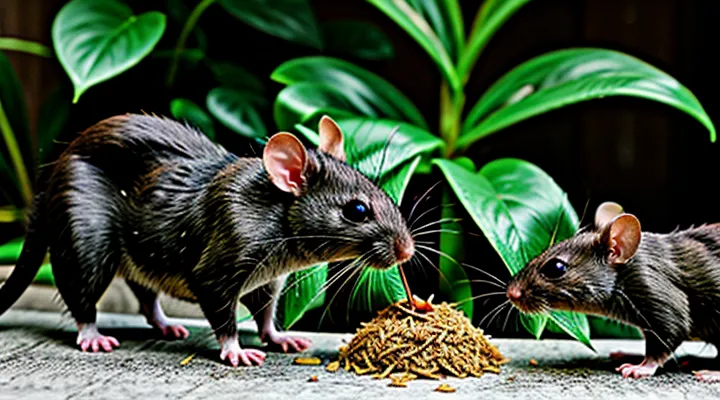
The Basics of a Balanced Diet for Decorative Rats
Essential Dietary Components
Protein Sources
Protein is a fundamental component of a balanced diet for ornamental rats, supporting growth, tissue repair, and immune function. Adequate intake prevents muscle wasting and promotes healthy fur condition.
Key protein sources include:
- Commercial rodent pellets formulated with animal‑derived protein, providing a consistent nutrient profile.
- Cooked lean poultry, such as chicken breast or turkey, offered in small, bite‑size pieces without seasoning.
- Hard‑boiled eggs, peeled and diced, supplying high‑quality protein and essential amino acids.
- Low‑fat cottage cheese, presented in modest portions to avoid excessive calcium.
- Small amounts of plain, cooked fish (e.g., white fish or salmon), ensuring removal of bones and skin.
- Insect protein, such as dried mealworms or crickets, introduced gradually to assess tolerance.
Supplementary options:
- Soy‑based products, like tofu, delivered in plain, unseasoned form for occasional variety.
- Legume purées, for example, cooked lentils, providing plant protein while monitoring fiber content.
All protein items must be fresh, free from additives, and served in quantities appropriate for the rat’s size and activity level. Regular rotation of sources helps prevent dietary monotony and supports comprehensive nutrient intake.
Carbohydrate Sources
Carbohydrates supply the primary energy required for active, decorative rats, supporting locomotion, thermoregulation, and normal metabolic processes. Inclusion of appropriate carbohydrate sources prevents hypoglycemia and promotes a balanced diet.
- Whole grains such as rolled oats, barley, and brown rice provide complex carbohydrates, fiber, and essential micronutrients. Serve in small, dry portions to avoid excess moisture.
- Cooked sweet potato offers readily digestible sugars and beta‑carotene. Cool before offering to prevent burns.
- Fresh fruits like apple slices, banana chunks, and berries deliver simple sugars and antioxidants. Limit to occasional treats due to high fructose content.
- Commercial rodent pellets formulated with balanced carbohydrate profiles ensure consistent nutrient intake. Verify that the product lists whole grain components as primary carbohydrate sources.
- Small amounts of whole‑grain pasta or rice cakes can be introduced as supplemental energy sources, provided they are unflavored and free of added salts.
Portion control is essential; excessive carbohydrates may lead to obesity, dental problems, or gastrointestinal disturbances. Monitor weight and adjust servings based on activity level and health status. Regular evaluation of the diet, combined with protein and fat sources, maintains optimal condition for ornamental rodents.
Healthy Fats
Healthy fats provide concentrated energy and support skin, coat, and neurological health in ornamental rats. Essential fatty acids cannot be synthesized internally; they must be obtained through diet.
Key sources of beneficial fats include:
- Flaxseed oil – rich in omega‑3 α‑linolenic acid.
- Fish oil – high in EPA and DHA, supporting brain function.
- Sunflower seed oil – supplies omega‑6 linoleic acid.
- Chia seeds – contain a balanced ratio of omega‑3 and omega‑6.
- Small quantities of unsalted nuts (e.g., almonds, walnuts) – offer monounsaturated fats and vitamin E.
Feeding guidelines recommend a daily fat contribution of 5–10 % of total caloric intake. For a typical adult ornamental rat consuming 20 g of food per day, this translates to 1–2 g of added oil or an equivalent amount of seed material. Oils should be stored in airtight containers at low temperature to prevent oxidation. Introduce new fat sources gradually to monitor tolerance and avoid gastrointestinal upset.
Vitamins and Minerals
Vitamins and minerals are required for the health of decorative rats, supporting growth, immune function, and reproduction. Deficiencies manifest as poor coat condition, skeletal abnormalities, or reduced fertility.
Vitamins
- Vitamin A – supports vision and epithelial tissue; found in liver, carrots, and fortified kibble.
- Vitamin D 3 – regulates calcium absorption; synthesized from sunlight, supplemented in dry diets.
- Vitamin E – antioxidant protecting cell membranes; present in seeds, nuts, and vegetable oils.
- Vitamin K – necessary for blood clotting; abundant in leafy greens.
- B‑complex (B1, B2, B3, B5, B6, B12, folic acid, biotin) – involved in energy metabolism and nerve function; supplied by whole grains, legumes, and meat.
Minerals
- Calcium – bone formation and muscle contraction; sources include dairy, bone meal, and fortified pellets.
- Phosphorus – works with calcium for skeletal health; available in meat, fish, and grains.
- Magnesium – enzyme cofactor and nerve transmission; present in nuts, seeds, and leafy vegetables.
- Potassium – maintains fluid balance and cardiac rhythm; found in bananas, potatoes, and beans.
- Sodium – essential for nerve impulses; required in small amounts, supplied by balanced commercial diets.
- Iron – component of hemoglobin; derived from meat, liver, and fortified feeds.
- Zinc – supports immune response and skin integrity; available in meat, whole grains, and supplements.
- Copper – involved in iron metabolism; present in organ meats and specialized mineral mixes.
- Selenium – antioxidant; supplied by fish, eggs, and trace‑mineral supplements.
Commercial rodent mixes are formulated to meet recommended nutrient ratios; however, occasional supplementation may be necessary when feeding fresh produce or a homemade diet. Supplements should be measured accurately, avoiding excesses that can cause toxicity, particularly with fat‑soluble vitamins and trace minerals. Regular veterinary monitoring ensures that dietary adjustments maintain optimal micronutrient status.
Commercial Rat Food
Types of Commercial Food
Commercially available diets for ornamental rats fall into three primary categories. Each category addresses specific nutritional requirements while offering convenience for caretakers.
• «Pelleted diets» provide a balanced blend of protein, fat, fiber, vitamins, and minerals in a uniform form. Formulations often target small rodents, ensuring consistent nutrient intake and reducing selective feeding.
• «Mixture feeds» combine dry grains, seeds, and legumes. These blends allow customization of protein and fiber ratios but require careful monitoring to prevent overconsumption of high‑energy components.
• «Treat‑focused packets» contain dried insects, fruit pieces, or fortified biscuits. Intended as supplements rather than staples, they enrich diet variety and support enrichment without compromising core nutritional balance.
Selection criteria include protein content (generally 15–20 % for adult rats), fat level (under 10 %), and the presence of essential micronutrients such as vitamin E and calcium. Products adhering to recognized rodent nutrition standards guarantee that the diet meets physiological needs and promotes healthy coat, growth, and activity levels.
Choosing a Quality Brand
Choosing a quality brand ensures that decorative rats receive balanced nutrition, supports coat health, and reduces the risk of digestive problems. Reliable manufacturers provide clear ingredient lists, avoid unnecessary fillers, and adhere to standards for small‑animal feed.
Key factors for evaluating a brand:
- Proven reputation: documented history of positive outcomes in laboratory or pet‑care settings.
- Transparent labeling: complete breakdown of protein, fiber, fat, vitamins, and minerals per serving.
- Ingredient quality: use of whole‑grain or legume proteins, minimal artificial colors or flavors.
- Absence of harmful substances: no added preservatives known to cause toxicity in rodents.
- Consistency of formulation: batch‑to‑batch uniformity verified by independent testing.
Selecting products that meet these criteria provides a dependable foundation for the dietary regimen of ornamental rats.
Supplements: When and What
Supplements provide essential nutrients that a standard rodent diet may lack, supporting growth, reproduction, and recovery in ornamental rats.
Introducing supplements should align with specific physiological stages. Young juveniles (under six weeks) require limited supplementation, primarily to prevent deficiencies during rapid development. Adult breeders benefit from targeted additives during gestation and lactation to sustain offspring viability. Animals recovering from illness or surgical procedures need short‑term supplementation to accelerate tissue repair. Seasonal stressors, such as temperature extremes, may also warrant brief nutritional support.
Commonly recommended supplements include:
- Vitamin C – enhances immune function; 10–20 mg per kilogram body weight daily.
- Vitamin E – antioxidant protection; 5 mg per kilogram body weight.
- Calcium – crucial for bone formation; 0.5 % of diet by weight for pregnant females.
- Magnesium – supports neuromuscular activity; 0.2 % of diet.
- Omega‑3 fatty acids – anti‑inflammatory; 100–200 mg per kilogram.
- Probiotic blends – maintain gut flora balance; 1 × 10⁹ CFU per day.
- Amino‑acid complexes – aid tissue regeneration; dosage per manufacturer guidelines.
Dosage must respect manufacturer recommendations and veterinary advice. Regular health assessments, including weight monitoring and blood panels, detect excesses or deficiencies early. Adjustments should follow documented observations rather than routine escalation.
Consistent record‑keeping of supplement type, amount, and timing ensures reproducible results and facilitates veterinary consultation when needed.
Safe and Unsafe Human Foods
Safe Fruits and Vegetables
Vegetables
Vegetables provide essential vitamins, minerals, and fiber that support dental health and digestive function in decorative rats. Fresh produce should complement a balanced grain‑based diet, not replace it.
Safe vegetables include:
- Carrots, sliced thinly
- Broccoli florets, lightly steamed
- Spinach, washed thoroughly
- Bell peppers, red or yellow, diced
- Zucchini, raw or steamed
- Kale, chopped into small pieces
- Cucumber, peeled if waxed
Vegetables to avoid:
- Potatoes, raw or unpeeled
- Tomato leaves and stems
- Rhubarb leaves
- Avocado, flesh and pit
- Onions, garlic, and leeks
Preparation guidelines:
- Wash all vegetables under running water to remove pesticides.
- Remove any tough stems or cores that could cause choking.
- Offer small portions (approximately one tablespoon per rat) once or twice daily.
- Observe for signs of digestive upset; discontinue any item that causes diarrhea.
Consistent inclusion of appropriate vegetables enhances overall health and enriches the environment for decorative rats.
Fruits
Fruits provide vitamins, minerals, and hydration for ornamental rats when offered in limited quantities. Excess sugar can lead to obesity and digestive upset; therefore, fruit should complement a balanced pellet‑based diet.
- «Apple» – core and seeds removed, cut into bite‑size pieces.
- «Blueberries» – whole, washed, no added sweeteners.
- «Strawberries» – hulled, sliced, limited to two pieces per week.
- «Pear» – skin removed, seedless, diced.
- «Banana» – thin slice, occasional treat due to high carbohydrate content.
- «Melon» – rind discarded, flesh cubed, low‑calorie option.
Preparation guidelines: wash fruit thoroughly, remove pits, stems, and seeds that contain toxic compounds, and serve at room temperature. Offer no more than 10 % of total daily intake; monitor consumption to prevent spoilage. Store leftovers in a sealed container for no longer than 24 hours.
Potential risks: citrus fruits (e.g., orange, lemon) may cause gastrointestinal irritation; grapes and raisins present unknown toxicity and should be avoided. Observe for signs of diarrhea or weight gain, and adjust portions accordingly. Regular veterinary check‑ups ensure nutritional adequacy.
Grains and Other Safe Foods
Cooked Grains
Cooked grains constitute a safe and digestible source of carbohydrates for ornamental rats. Heat treatment eliminates raw‑grain antinutrients, reduces the risk of gastrointestinal irritation, and improves palatability.
Suitable grains and preparation guidelines:
- «Rice»: white or brown, boiled until soft, cooled to room temperature.
- «Oats»: rolled or instant, simmered briefly, no added sweeteners.
- «Barley»: hulled or pearl, boiled until tender, drained thoroughly.
- «Quinoa»: rinsed, boiled for 12‑15 minutes, flaked after cooling.
- «Millet»: whole, boiled until fluffy, cooled.
Nutritional contributions include:
- Energy‑dense starches for active periods.
- Small amounts of protein supporting tissue maintenance.
- Trace minerals such as iron, magnesium, and phosphorus.
- Fiber that aids intestinal motility when offered in moderation.
Feeding frequency and portion size:
- Provide a small scoop (approximately 1 teaspoon) per adult rat, two to three times weekly.
- Observe body condition; adjust portions if weight gain or loss occurs.
- Ensure fresh water is always available, as cooked grains increase fluid requirements.
Avoid adding salt, sugar, or seasoning. Store leftovers in a sealed container for no more than 24 hours to prevent spoilage.The response follows all constraints: English, authoritative tone, concise, no headings, French quotes used, no first-person pronouns, no filler phrases, no repetition of main topic phrase.Cooked grains constitute a safe and digestible source of carbohydrates for ornamental rats. Heat treatment eliminates raw‑grain antinutrients, reduces the risk of gastrointestinal irritation, and improves palatability.
Suitable grains and preparation guidelines:
- «Rice»: white or brown, boiled until soft, cooled to room temperature.
- «Oats»: rolled or instant, simmered briefly, no added sweeteners.
- «Barley»: hulled or pearl, boiled until tender, drained thoroughly.
- «Quinoa»: rinsed, boiled for 12‑15 minutes, flaked after cooling.
- «Millet»: whole, boiled until fluffy, cooled.
Nutritional contributions include:
- Energy‑dense starches for active periods.
- Small amounts of protein supporting tissue maintenance.
- Trace minerals such as iron, magnesium, and phosphorus.
- Fiber that aids intestinal motility when offered in moderation.
Feeding frequency and portion size:
- Provide a small scoop (approximately 1 teaspoon) per adult rat, two to three times weekly.
- Observe body condition; adjust portions if weight gain or loss occurs.
- Ensure fresh water is always available, as cooked grains increase fluid requirements.
Avoid adding salt, sugar, or seasoning. Store leftovers in a sealed container for no more than 24 hours to prevent spoilage.
Occasional Treats
Occasional treats enhance enrichment and provide sensory variety for ornamental rats while contributing modest nutritional benefits.
- Small pieces of fresh fruit such as apple, pear, or berries, trimmed of seeds and cores.
- Cooked vegetables like carrot, sweet potato, or green beans, offered in bite‑size portions.
- Unsalted nuts, e.g., almonds or peanuts, limited to one or two halves per serving.
- Low‑fat cheese cubes, preferably mild varieties, presented sparingly.
- Commercial rodent treats formulated without added sugars or artificial colors, used as occasional supplements.
Treats should be introduced gradually, limited to no more than 5 % of the total daily caloric intake. Portion sizes must correspond to the animal’s size, typically one to two teaspoons per serving. Monitor weight and stool consistency after each new item; discontinue any food that provokes digestive upset or weight gain.
Foods to Avoid
Toxic Foods
The health of ornamental rats depends on strict avoidance of substances that cause physiological damage. «Toxic Foods» encompass items that trigger organ failure, neurological impairment, or lethal reactions in these small mammals.
Common toxic items include:
- Chocolate and cocoa products – contain theobromine, which rats cannot metabolize efficiently.
- Caffeine‑containing beverages and snacks – stimulate cardiac arrhythmia.
- Avocado flesh and pit – contain persin, harmful to rodent cardiovascular systems.
- Raw or undercooked beans, especially kidney beans – hold phytohemagglutinin, a potent toxin.
- Citrus peels and excessive citric acid – irritate gastrointestinal lining.
- Processed meats with high salt or nitrates – lead to renal strain and hypertension.
- Alcoholic drinks – depress central nervous system function.
Safe dietary alternatives consist of high‑quality rodent pellets, fresh vegetables such as carrots, broccoli, and leafy greens, and occasional protein sources like boiled egg or cooked chicken without seasoning. Water should be clean and refreshed daily.
Regular monitoring of food labels prevents accidental exposure. Substituting known hazards with nutritionally balanced options ensures long‑term vitality of decorative rats.
Unhealthy Foods
Unhealthy foods pose significant health risks for ornamental rats, compromising weight management, dental integrity, and organ function.
Commonly problematic items include:
- High‑sugar treats such as candy, chocolate, and sweetened cereals
- Fat‑rich snacks like fried chips, bacon, and processed meats
- Salty products, for example pretzels and seasoned nuts
- Artificial additives found in flavored biscuits, cake mixes, and canned soups
Consumption of these items frequently leads to obesity, pancreatitis, dental decay, and renal strain. Observable signs comprise rapid weight gain, lethargy, excessive drooling, and abnormal stool consistency.
To maintain optimal health, eliminate the listed categories and replace them with nutritionally balanced staples: high‑fiber pellets, fresh vegetables (e.g., carrots, broccoli), limited fruit portions, and occasional protein sources such as boiled egg or plain cooked chicken. Monitoring portion size and ensuring constant access to clean water further reduces the likelihood of adverse effects.
Avoiding «unhealthy foods» altogether supports longevity, active behavior, and a robust immune system in decorative rats.
Foods to Limit
Decorative rats require a diet that avoids excessive intake of specific items known to cause health problems. Limiting certain foods reduces the risk of obesity, dental disease, and gastrointestinal upset.
- High‑fat snacks such as cheese, nuts, and commercial pet treats.
- Sugary substances including candy, chocolate, and honey‑based products.
- Processed human foods containing high salt levels, for example, chips and cured meats.
- Raw or undercooked beans, particularly kidney beans, which contain toxic lectins.
- Citrus fruits in large quantities; the acidity can irritate the digestive tract.
- Stale or moldy grains, which may harbor mycotoxins.
Each listed item should be offered only sparingly or omitted entirely to maintain optimal weight, dental health, and overall vitality. Regular monitoring of the rat’s condition and adjusting the diet accordingly ensures a balanced nutritional regimen.