
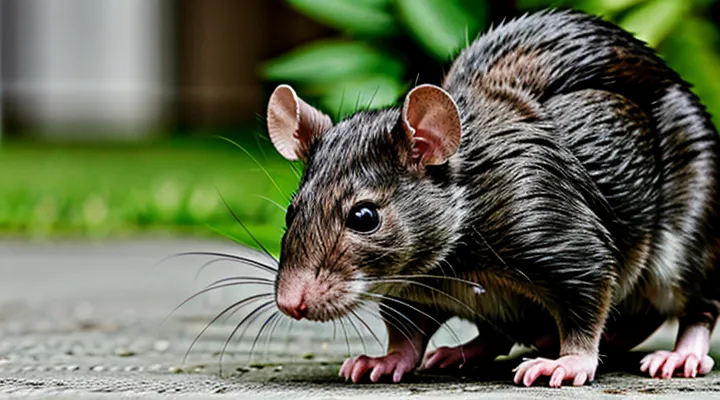
Understanding a Swollen Rat’s Paw
Common Causes of Swelling
Injuries and Trauma
A swollen rat paw often indicates trauma, infection, or a foreign object lodged in the tissue. Observe the limb for redness, heat, loss of mobility, or discharge. If the swelling is accompanied by limping, excessive licking, or a foul odor, the condition may be progressing rapidly.
First‑aid measures should be applied within minutes of detection:
- Gently restrain the rat to prevent further injury.
- Clean the area with a mild antiseptic solution (e.g., diluted chlorhexidine) using a soft cotton swab.
- Apply a cold compress wrapped in a thin cloth for 5‑10 minutes to reduce inflammation; repeat every hour for the first 24 hours.
- Avoid applying human medication, adhesives, or bandages that could restrict circulation.
If the swelling persists after 24 hours, worsens, or is accompanied by fever, necrotic tissue, or obvious puncture wounds, arrange professional veterinary care. The veterinarian may perform:
- Radiographic imaging to detect fractures or embedded debris.
- Fluid aspiration for culture and sensitivity testing.
- Administration of appropriate antibiotics, analgesics, and anti‑inflammatory drugs.
- Surgical debridement if necrotic tissue is present.
Preventive steps reduce the likelihood of paw injuries:
- Keep the cage floor free of sharp objects, excess bedding, and hard surfaces.
- Provide chew‑resistant toys and nesting material to discourage aggressive gnawing.
- Regularly inspect the paws for cuts, splinters, or swelling during routine health checks.
Prompt, methodical response limits tissue damage, accelerates healing, and minimizes the risk of systemic infection.
Infections
A swollen paw in a rat often signals an infection that requires prompt attention. Recognizing infection early prevents tissue damage and systemic illness.
Typical infection indicators include:
- Redness extending beyond the wound margins
- Heat or warmth at the site
- Purulent discharge or foul odor
- Swelling that increases rather than decreases over 24‑48 hours
- Lethargy, loss of appetite, or fever
Immediate care steps:
- Restrain the rat gently to avoid further injury.
- Clean the affected area with sterile saline or a diluted chlorhexidine solution; rinse thoroughly.
- Apply a thin layer of a veterinary‑approved antiseptic ointment.
- Administer any prescribed oral or injectable antibiotics according to the veterinarian’s dosage schedule.
- Monitor the paw daily for changes in size, color, or discharge.
If any of the following occur, seek professional veterinary treatment without delay:
- Rapid expansion of swelling
- Persistent or worsening discharge
- Signs of systemic infection (elevated temperature, severe lethargy)
- Inability to eat or drink
Preventive measures reduce infection risk:
- Keep the cage clean and dry; replace bedding regularly.
- Trim nails to prevent accidental punctures.
- Inspect the rat’s paws weekly for cuts, abrasions, or foreign objects.
- Provide a balanced diet to support immune function.
Effective management of paw infections hinges on swift cleaning, appropriate antimicrobial therapy, and vigilant observation until full recovery is confirmed.
Allergic Reactions
Allergic reactions are a common cause of sudden swelling in a rodent’s limb. Recognizing the signs quickly prevents escalation and guides appropriate intervention.
Typical manifestations include rapid enlargement of the paw, redness that spreads beyond the injury site, and a glossy or wet appearance of the skin. Accompanying symptoms may be excessive scratching, licking, or a change in behavior such as reduced movement and loss of appetite. These indicators differentiate an immune‑mediated response from a bacterial infection, which usually develops more slowly and is accompanied by pus or a foul odor.
Immediate steps:
- Remove any potential allergen (new bedding, food, cleaning agents) from the enclosure.
- Rinse the affected area with cool, sterile saline to reduce irritants; avoid harsh chemicals.
- Apply a thin layer of a veterinary‑approved antihistamine gel or ointment, following the product’s dosage instructions.
- Monitor temperature and breathing; severe reactions can cause respiratory distress and require emergency care.
If swelling persists beyond a few hours, or if the rat shows signs of shock (pale gums, lethargy, rapid heartbeat), contact a veterinarian without delay. Professional treatment may involve systemic antihistamines, corticosteroids, or injectable epinephrine, depending on severity.
Preventive measures:
- Introduce dietary changes gradually; avoid sudden inclusion of novel proteins or spices.
- Use hypoallergenic bedding and litter materials.
- Keep the habitat free of strong fragrances or aerosol sprays.
- Conduct regular health checks to spot early inflammatory responses.
Prompt identification and targeted care reduce the risk of lasting tissue damage and support a swift recovery for the affected animal.
Tumors and Growths
Rats can develop abnormal tissue growths in the paw that mimic swelling caused by injury or infection. Such masses may be benign lipomas, fibrosarcomas, or malignant tumors, each presenting as a firm, sometimes painful protrusion. Palpation often reveals a distinct, non‑fluctuating lump, whereas cellulitis or abscesses feel softer and may be accompanied by heat and redness.
Accurate identification requires veterinary assessment. Diagnostic steps typically include:
- Physical examination to evaluate size, consistency, and mobility.
- Fine‑needle aspiration or core biopsy for cytological analysis.
- Radiography or ultrasound to determine involvement of bone or surrounding tissues.
- Histopathology to classify the growth and guide treatment.
Treatment options depend on the diagnosis. Surgical excision is preferred for localized, resectable masses; complete removal reduces recurrence risk. When margins are uncertain or the tumor is malignant, adjunctive therapies such as chemotherapy or radiation may be recommended. Palliative care, including analgesics and anti‑inflammatory medication, helps manage discomfort in advanced cases.
Owners should monitor the affected paw daily for changes in size, shape, or behavior. Any rapid enlargement, ulceration, or worsening pain warrants immediate veterinary attention to prevent complications and improve prognosis.
Other Medical Conditions
When a rat’s paw is swollen, it may be a symptom of conditions beyond a simple injury. Recognizing these possibilities helps prevent misdiagnosis and ensures appropriate treatment.
Systemic infections can manifest as localized edema. Bacterial sepsis, particularly from Streptococcus or Staphylococcus species, often produces swelling accompanied by fever, lethargy, and loss of appetite. Viral agents such as lymphocytic choriomeningitis virus may cause peripheral inflammation without obvious external wounds. Parasites, including mites and fleas, can induce allergic reactions leading to pronounced swelling of the extremities.
Metabolic disorders sometimes present with peripheral edema. Renal insufficiency reduces fluid excretion, resulting in generalized puffiness that may be noticeable in the paws. Liver disease impairs protein synthesis, lowering oncotic pressure and promoting fluid accumulation in tissues. Hypoalbuminemia, whether from malnutrition or chronic disease, produces similar effects.
Autoimmune conditions should also be considered. Rheumatoid-like arthritis in rodents leads to joint inflammation, stiffness, and swelling that can be mistaken for trauma. Vasculitis, characterized by inflammation of blood vessels, may cause localized swelling, discoloration, and ulceration.
Neoplastic growths can produce swelling by invading or compressing surrounding structures. Soft‑tissue sarcomas or metastatic lesions may appear as firm, enlarging masses within the paw, often accompanied by pain and reduced mobility.
Environmental factors contribute to edema as well. Prolonged exposure to cold temperatures can cause peripheral vasoconstriction and subsequent swelling upon rewarming. Toxic substances, such as heavy metals or certain pesticides, may induce inflammatory responses in the limbs.
When evaluating a swollen rat paw, consider the following checklist:
- Assess temperature, activity level, and appetite for systemic signs.
- Examine the paw for wounds, discharge, or abnormal masses.
- Observe for involvement of other limbs or body regions.
- Review recent exposure to toxins, pathogens, or stressful conditions.
- Conduct diagnostic tests: complete blood count, serum chemistry, radiographs, and, if needed, biopsy of suspicious tissue.
Accurate identification of the underlying condition directs effective intervention, whether it involves antimicrobial therapy, supportive care for organ dysfunction, immunosuppressive treatment, or surgical removal of a tumor.
Initial Assessment and First Aid
Observing Your Rat’s Behavior
When a rat’s paw shows swelling, careful observation of its behavior provides the first clues about severity and underlying cause.
Notice changes in locomotion. A rat that hesitates before climbing, drags the affected limb, or prefers to hop on the opposite foot signals discomfort. Record the frequency of these movements; repeated limping or a sudden shift to a sedentary posture suggests pain escalation.
Monitor grooming habits. Rats normally groom each other and themselves; reduced grooming of the swollen paw or avoidance of the area indicates irritation. Conversely, excessive licking or biting of the limb may exacerbate swelling and introduce infection.
Assess appetite and drinking. A decline in food or water intake can result from stress or pain, and rapid weight loss may accompany chronic inflammation.
Observe social interaction. A rat that withdraws from cage mates, hides more often, or displays aggression when approached may be reacting to discomfort.
Collect quantitative data where possible:
- Number of steps taken per hour (use a click counter or video analysis).
- Duration of grooming sessions focused on the paw (seconds).
- Frequency of licking or chewing incidents (count per observation period).
Document any additional symptoms such as redness, heat, or discharge; combine these with behavioral findings to determine whether veterinary intervention is required. Prompt, systematic observation enables accurate assessment and guides appropriate care for the swollen paw.
Gently Examining the Paw
When a rat’s paw shows swelling, a careful visual and tactile assessment is the first step toward proper care.
- Secure the animal on a soft surface; wrap a towel around the body, leaving the affected foot exposed.
- Observe the paw for discoloration, heat, or visible wounds. Record any irregularities.
- Gently lift the foot and run a fingertip along the toes and pads, noting areas of tenderness or abnormal texture.
- Apply light pressure to the joints and surrounding tissue to detect fluid accumulation or swelling margins.
- Compare the swollen paw with the opposite limb, looking for symmetry in size and movement range.
- Document findings, including swelling extent, presence of pus, or signs of infection, before proceeding to treatment decisions.
Providing a Safe and Clean Environment
A swollen paw signals pain and vulnerability; a controlled habitat reduces stress and infection risk. Remove hazards such as sharp objects, loose bedding, and protruding cage accessories that could exacerbate the injury.
- Replace standard bedding with a soft, low‑dust substrate (e.g., paper pulp or fleece) that can be changed daily.
- Clean the cage with a mild, non‑iodine disinfectant; rinse thoroughly to eliminate residue.
- Provide a warm, dry nesting area free of drafts; use a small, insulated hideaway lined with clean material.
- Ensure food and water stations are stable, low to the floor, and positioned away from the injured limb to prevent awkward reaching.
Monitor humidity and temperature; maintain a stable range (20‑24 °C, 40‑60 % RH) to support tissue healing. Inspect the paw each day for swelling, discharge, or bleeding, and adjust the environment promptly if conditions deteriorate. Regularly sanitize accessories and replace contaminated items to prevent bacterial colonization.
A disciplined cleaning schedule, combined with a hazard‑free enclosure, creates the optimal conditions for recovery while minimizing the chance of secondary complications.
When to Seek Veterinary Care
A swollen paw in a pet rat signals possible injury, infection, or systemic illness. Immediate veterinary evaluation is warranted under the following conditions:
- Rapid increase in size within hours, indicating acute trauma or severe inflammation.
- Visible puncture, laceration, or broken bone fragments exposed through the skin.
- Persistent bleeding that does not stop after applying gentle pressure for five minutes.
- Presence of pus, foul odor, or discharge, suggesting bacterial infection.
- The rat exhibits signs of pain when the paw is touched, limps, or refuses to bear weight.
- Fever, lethargy, loss of appetite, or any change in behavior accompanies the swelling.
- Swelling spreads to adjacent joints or the entire limb, implying deeper tissue involvement.
- The rat is a juvenile, elderly, or has known health issues that could complicate recovery.
If any of these criteria are met, prompt professional care prevents complications such as chronic infection, joint damage, or systemic spread. Delay increases the risk of irreversible tissue loss and may jeopardize the animal’s overall health.
Veterinary Diagnosis and Treatment
Diagnostic Procedures
Physical Examination
When a rat’s paw appears swollen, a thorough physical examination is the first step in diagnosing the problem. Begin by gently restraining the animal, using a towel or a small animal holder to prevent stress and injury. Inspect the paw from all angles, looking for discoloration, heat, or visible wounds. Palpate the digits, joints, and surrounding tissue with light pressure; note any areas that elicit pain, excessive swelling, or abnormal firmness. Compare the affected limb with the opposite paw to assess symmetry in size and movement.
Key observations during the exam include:
- Skin integrity – check for cuts, abrasions, scabs, or signs of infection such as pus or foul odor.
- Edema distribution – determine whether swelling is localized to a joint, spreads along the limb, or involves the entire paw.
- Joint mobility – flex and extend each digit gently; restricted motion may indicate arthritis, trauma, or internal inflammation.
- Temperature – a warmer paw can signal inflammation or infection; use the back of your hand to gauge heat differences.
- Neurological response – observe the rat’s reaction to tactile stimuli; a lack of response may suggest nerve involvement.
After gathering these data, record measurements of paw circumference and note any changes over time. This baseline enables accurate monitoring of treatment efficacy and helps veterinary professionals decide whether further diagnostics, such as radiography or laboratory testing, are required.
X-rays and Imaging
X‑ray examination provides the quickest method to assess bone involvement when a rat’s paw appears inflamed. A standard lateral view can reveal fractures, dislocations, or osteomyelitis that are not evident through external inspection. If a fracture is suspected, a high‑resolution digital radiograph should be taken within 24 hours to guide treatment decisions.
Computed tomography (CT) offers three‑dimensional visualization of complex injuries, such as joint subluxations or subtle cortical breaches. CT is especially useful when surgical intervention is planned, allowing precise mapping of fracture lines and the extent of soft‑tissue swelling.
Ultrasound imaging can detect fluid accumulation, tendon rupture, or abscess formation without ionizing radiation. A linear high‑frequency probe applied to the swollen paw can differentiate between inflammatory edema and purulent collection, informing the need for aspiration or antibiotics.
When selecting an imaging modality, consider the following factors:
- Clinical urgency: X‑ray for immediate bone assessment; ultrasound for rapid soft‑tissue evaluation.
- Availability of equipment: Portable radiography units are common in veterinary clinics; CT may require referral.
- Animal tolerance: Light sedation is often sufficient for X‑ray and ultrasound; deeper anesthesia may be necessary for CT to prevent motion artifacts.
Interpretation of images should be performed by a veterinarian experienced in small‑animal diagnostics. Identified fractures require immobilization with splints or casts, while detected abscesses demand drainage and targeted antimicrobial therapy. In cases where imaging shows no structural damage, anti‑inflammatory medication and rest remain the primary management steps.
Blood Tests
When a pet rat exhibits swelling in a paw, blood analysis becomes a critical diagnostic tool. Blood sampling provides objective data that helps differentiate between infection, systemic disease, or inflammatory conditions affecting the limb.
A veterinarian will typically collect a small volume of blood from the lateral tail vein or saphenous vein, using a sterile needle and heparinized tube. The sample is then processed for the following assays:
- Complete blood count (CBC): reveals leukocytosis, neutrophilia, or anemia that may indicate bacterial infection or chronic disease.
- Serum biochemistry panel: evaluates liver and kidney function, electrolyte balance, and markers of inflammation such as globulin levels.
- Acute‑phase protein measurement (e.g., C‑reactive protein): quantifies the intensity of the inflammatory response.
- Blood culture (if infection suspected): isolates bacterial species for targeted antimicrobial therapy.
Interpretation of results must consider the rat’s age, species‑specific reference ranges, and concurrent clinical signs. Elevated white blood cells with a left shift strongly suggest bacterial involvement, prompting immediate antimicrobial treatment. Normal CBC coupled with high acute‑phase proteins may point to a non‑infectious inflammatory process, guiding anti‑inflammatory medication choices. Abnormal liver or kidney values require dosage adjustments for any prescribed drugs and may signal systemic illness that also contributes to the paw swelling.
Timely blood testing, combined with physical examination and imaging when necessary, enables precise identification of the underlying cause and informs an evidence‑based treatment plan for the swelling rat paw.
Biopsy
When a rat’s paw exhibits swelling, a biopsy may be required to determine the underlying cause, such as infection, trauma, or neoplasia. The procedure provides tissue for microscopic examination, enabling accurate diagnosis and appropriate treatment.
Performing a biopsy on a small rodent demands careful preparation. Use a sterile environment, appropriate anesthesia, and fine instruments to minimize tissue damage. The steps are:
- Restrain the rat gently and apply a suitable anesthetic (e.g., inhaled isoflurane or injectable ketamine‑xylazine) to achieve a stable plane of sedation.
- Disinfect the swollen area with a solution such as 70 % ethanol or povidone‑iodine.
- Make a small incision with a microsurgical blade, exposing the lesion without extending beyond the necessary margins.
- Extract a tissue sample measuring 2–3 mm in diameter, ensuring inclusion of both superficial and deeper layers if possible.
- Close the incision with a single absorbable suture or tissue adhesive to reduce the risk of secondary infection.
- Label the specimen clearly and place it in a fixative (10 % neutral‑buffered formalin) for transport to the pathology laboratory.
After the biopsy, monitor the rat for signs of distress, bleeding, or infection. Provide analgesia (e.g., buprenorphine) for at least 24 hours and keep the animal in a warm, quiet cage. If swelling persists or worsens, reassess the treatment plan based on the pathology report, which may recommend antibiotics, anti‑inflammatory medication, or surgical excision of a tumor.
A well‑executed biopsy yields definitive information, allowing targeted interventions that improve recovery and reduce unnecessary therapies.
Treatment Options
Medications
When a rat’s paw exhibits swelling, medication can address inflammation, pain, and potential infection. Prompt treatment improves comfort and reduces the risk of tissue damage.
- Non‑steroidal anti‑inflammatory drugs (NSAIDs) such as meloxicam or carprofen lessen edema and discomfort. Choose formulations approved for small rodents; avoid human‑dose tablets without veterinary guidance.
- Analgesics like buprenorphine provide additional pain relief, especially during the first 24‑48 hours. Administer subcutaneously in the recommended concentration.
- Broad‑spectrum antibiotics (e.g., enrofloxacin or trimethoprim‑sulfa) are indicated if the swelling follows a bite, wound, or signs of infection. Select agents based on culture results when possible.
Dosage must correspond to the rat’s body weight, typically 5–10 g. Calculate milligrams per kilogram and round to the nearest measurable volume. Use a calibrated syringe for accuracy. Veterinary prescription is essential; off‑label use can cause toxicity.
Administer each medication at the same time each day to maintain steady plasma levels. Observe the animal for reduced swelling, normalized gait, and absence of adverse reactions such as lethargy, gastrointestinal upset, or respiratory changes. Record observations and adjust the regimen only under professional direction.
If swelling persists beyond 48 hours, intensifies, or is accompanied by ulceration, necrosis, or systemic signs (fever, weight loss), seek immediate veterinary assessment. Medication alone may be insufficient; surgical debridement or advanced therapies might be required.
Pain Relievers
Pain management is a critical component when a rat’s paw shows swelling. Only medications proven safe for rodents should be used; human over‑the‑counter drugs are often unsuitable.
- Non‑steroidal anti‑inflammatory drugs (NSAIDs) such as meloxicam or carprofen are commonly prescribed. Typical dosages range from 0.1 mg/kg to 0.2 mg/kg, administered subcutaneously or orally once daily. Verify the formulation is veterinary‑grade and free of additives toxic to rats.
- Buprenorphine provides opioid analgesia for severe discomfort. Recommended dose is 0.01 mg/kg subcutaneously every 8–12 hours. Observe for signs of respiratory depression or reduced activity.
- Aspirin is generally avoided because rats metabolize it poorly and the risk of gastrointestinal ulceration is high.
- Acetaminophen is contraindicated; rodents lack the enzymatic pathways to process it safely and toxicity can be fatal.
Administration guidelines:
- Weigh the animal accurately before each dose; small variations affect dosage calculations.
- Use a sterile syringe and inject at a site distant from the injured paw to prevent additional irritation.
- Record the time of administration and monitor the rat for changes in appetite, movement, and grooming behavior.
- If pain persists after 24 hours of appropriate dosing, consult a veterinarian for possible adjustment or alternative therapy.
Veterinary oversight remains essential. A professional can confirm the diagnosis, rule out underlying infection, and prescribe the most effective analgesic regimen while minimizing adverse effects.
Anti-inflammatories
When a rat presents with a swollen paw, controlling inflammation is essential for pain relief and tissue recovery. Anti-inflammatory agents can be divided into two categories: non‑steroidal anti‑inflammatory drugs (NSAIDs) and corticosteroids.
- NSAIDs such as meloxicam, carprofen, and ibuprofen reduce prostaglandin synthesis, decreasing swelling and discomfort. Typical dosing for small rodents ranges from 0.1 mg/kg to 0.5 mg/kg, administered orally or subcutaneously once daily.
- Corticosteroids like dexamethasone or prednisolone suppress the immune response more broadly. They are reserved for severe cases where NSAIDs are insufficient. Dosage commonly falls between 0.05 mg/kg and 0.2 mg/kg, given intramuscularly or orally, with a short treatment window to avoid systemic side effects.
Selection of an anti-inflammatory should consider the rat’s weight, age, and any concurrent illnesses. Before initiating therapy, verify the animal’s renal and hepatic function through blood chemistry; compromised organs increase toxicity risk.
Monitor the paw for reduced edema, improved mobility, and absence of adverse reactions such as gastrointestinal ulceration, excessive sedation, or opportunistic infections. If side effects appear, reduce the dose or switch to an alternative agent.
When therapy concludes, taper corticosteroids gradually over several days to prevent adrenal insufficiency. Maintain a clean environment and limit activity during recovery to support tissue healing.
Antibiotics
When a rat’s paw becomes inflamed, bacterial infection is a common complication. Prompt antimicrobial therapy can prevent tissue damage and systemic spread.
Select an antibiotic based on the most likely pathogens—Staphylococcus, Streptococcus, and opportunistic gram‑negative organisms. First‑line options include enrofloxacin (5 mg/kg subcutaneously once daily) or trimethoprim‑sulfamethoxazole (30 mg/kg orally twice daily). For infections known to involve anaerobes, amoxicillin‑clavulanic acid (20 mg/kg orally every 12 hours) provides broader coverage.
Administer the drug for a minimum of five days, extending to ten days if clinical signs persist. Monitor the paw for reduced swelling, decreased heat, and restored mobility. Record body temperature and appetite daily; any deterioration warrants immediate veterinary reassessment.
Potential adverse effects must be considered. Fluoroquinolones may cause joint irritation in young rodents; sulfonamides can induce gastrointestinal upset or allergic reactions. If vomiting, diarrhea, or lethargy appears, discontinue the medication and consult a professional.
When choosing an antimicrobial, verify that the rat’s weight is accurate, as dosage errors can be lethal. Use a calibrated syringe for subcutaneous injections and ensure the solution is at room temperature to minimize stress.
Key points for effective treatment:
- Identify likely bacterial agents before prescribing.
- Use enrofloxacin or trimethoprim‑sulfamethoxazole for typical infections.
- Employ amoxicillin‑clavulanic acid for mixed aerobic‑anaerobic flora.
- Maintain treatment for 5–10 days, adjusting based on response.
- Observe for side effects; seek veterinary help if they arise.
Wound Care
When a rat’s paw shows swelling, immediate attention to the wound prevents infection and promotes healing.
First, isolate the animal to reduce stress and avoid further injury. Examine the paw for signs of puncture, bruising, or discharge. If the skin is broken, gently rinse the area with warm, sterile saline; avoid harsh chemicals that can damage delicate tissue. Pat the site dry with a clean gauze pad.
Next, apply a thin layer of a veterinary‑approved antiseptic ointment, such as chlorhexidine‑based gel, to the wound. Do not use human products containing alcohol or peroxide, as they may irritate the tissue.
After medication, wrap the paw with a breathable, non‑adhesive bandage. Secure the wrap loosely enough to allow circulation but tightly enough to stay in place. Change the dressing every 12–24 hours, inspecting the wound each time for increased redness, heat, or pus.
Maintain a clean environment: replace bedding regularly, keep the cage dry, and provide fresh food and water. Reduce the rat’s activity by limiting climbing structures temporarily; a low‑profile enclosure minimizes pressure on the injured paw.
Monitor the rat’s behavior. Normal appetite and movement indicate recovery; loss of appetite, lethargy, or worsening swelling require veterinary evaluation.
If signs of systemic infection appear—fever, rapid breathing, or spreading redness—consult a veterinarian promptly. Prescription antibiotics may be necessary, and the professional can assess whether imaging or surgical intervention is required.
Key steps for effective wound care:
- Isolate and calm the rat.
- Clean with sterile saline; dry gently.
- Apply veterinary antiseptic ointment.
- Bandage with breathable material; change regularly.
- Keep the cage clean and limit activity.
- Observe for infection; seek professional help if symptoms worsen.
Consistent, gentle care accelerates tissue repair and reduces the risk of chronic complications.
Surgery
When swelling indicates severe trauma, infection, or fracture, surgical intervention may be the only viable option to preserve limb function and prevent systemic complications.
The decision to operate begins with a thorough assessment. Examine the paw for signs of necrotic tissue, deep lacerations, or displaced bone fragments. Obtain radiographs to confirm fractures or foreign bodies. If imaging reveals structural damage that cannot be corrected with conservative measures, schedule an operation promptly.
Pre‑operative preparation includes:
- Administering a broad‑spectrum antibiotic to reduce bacterial load.
- Providing analgesia that is safe for rodents, such as buprenorphine.
- Inducing anesthesia with an inhalant agent (isoflurane) or injectable combination (ketamine‑xylazine) while monitoring respiratory rate and reflexes.
- Shaving and sterilizing the surgical site with iodine or chlorhexidine solution.
During the procedure:
- Make a clean incision along the dorsal surface to expose damaged tissues.
- Debride necrotic tissue, irrigate with sterile saline, and remove any foreign material.
- Realign fractured bones using miniature pins or wires, securing them with veterinary‑grade bone cement if necessary.
- Close soft tissues in layers: suturing muscle fascia, then skin with absorbable or non‑absorbable material appropriate for a rat’s size.
- Apply a sterile bandage that allows airflow while protecting the wound.
Post‑operative care focuses on infection control, pain management, and monitoring for complications. Continue antibiotics for 5–7 days, maintain analgesic dosing every 8–12 hours, and keep the cage environment warm and stress‑free. Inspect the incision daily for swelling, discharge, or dehiscence. Restrict the animal’s activity for at least two weeks; provide a low‑profile enclosure to prevent the rat from chewing sutures.
If healing progresses without signs of infection or impaired mobility, gradually reintroduce normal activity. Persistent swelling, loss of function, or abnormal behavior warrants immediate veterinary review, as these may indicate unresolved infection, hardware failure, or systemic illness.
Supportive Care
When a rat’s paw exhibits swelling, immediate supportive measures can limit discomfort and promote healing.
First, isolate the animal in a quiet, low‑stress environment to prevent further injury. Provide a soft, non‑slippery surface such as a fleece blanket, allowing the rat to rest without bearing weight on the affected limb.
Clean the swollen area gently with a sterile saline solution. Use a soft cotton swab to remove debris, then pat dry with a lint‑free cloth. Avoid harsh antiseptics that may irritate delicate tissue.
Apply a light compression bandage only if swelling is moderate and the rat tolerates handling. Wrap the bandage snugly enough to support the paw without restricting circulation; check the toes for color change every few hours.
Pain relief is essential. Administer a rodent‑approved analgesic, such as meloxicam, at the dosage recommended by a veterinarian. Record the time of each dose to maintain consistent intervals.
Maintain hydration and nutrition. Offer fresh water and a high‑calorie diet, ensuring the rat can eat without using the swollen paw. Place food dishes on the floor to eliminate the need for climbing.
Monitor progress closely. Record changes in swelling, temperature, and the rat’s activity level. Seek veterinary evaluation if:
- Swelling persists beyond 48 hours
- The paw becomes hot, red, or emits an odor
- The rat shows signs of severe pain or lethargy
- Wound discharge appears
Consistent supportive care, combined with professional assessment, maximizes the likelihood of a swift and uncomplicated recovery.
Preventing Future Incidents
Maintaining a Safe Cage Environment
Appropriate Bedding
Select bedding that minimizes pressure, moisture, and irritation on the affected limb. Soft, low‑dust substrates prevent additional swelling and reduce the risk of infection.
- Paper‑based bedding (e.g., shredded paper, pine‑free paper pads) offers gentle cushioning and excellent absorbency.
- Aspen shavings provide a firm yet non‑abrasive surface; avoid cedar or pine, which release volatile oils that can aggravate inflammation.
- Tissue‑grade fleece blankets can be layered under the rat’s enclosure to create a warm, supportive base without trapping excess moisture.
- Elevated platforms or hammocks made from mesh or plastic reduce contact with the floor, allowing the swollen paw to rest off the substrate.
Replace soiled bedding at least once daily to keep the environment dry and hygienic. Ensure the cage temperature remains stable (18‑24 °C) to prevent cold‑induced vasoconstriction, which can worsen swelling. Monitor the rat for signs of discomfort; if the paw does not improve within 24–48 hours, seek veterinary assessment.
Avoiding Hazards
When a rat’s paw is swollen, the first priority is to prevent additional injury or infection. Protect the animal and the handler by eliminating common hazards before any treatment begins.
- Keep the rat in a clean, escape‑proof enclosure. Remove sharp objects, loose bedding, and any items that could be chewed and lodged in the wound.
- Wear disposable gloves. This reduces the risk of transmitting pathogens to the rat and protects the caregiver from bites or scratches.
- Ensure the work surface is sanitized. Disinfect with an appropriate veterinary‑grade solution and rinse thoroughly to avoid chemical irritation.
- Use a restraining device designed for small rodents. Proper restraint minimizes sudden movements that could worsen swelling or cause the rat to bite.
- Maintain a stable temperature. Extreme heat or cold can exacerbate inflammation; keep the environment within the species‑specific comfort range.
After hazards are addressed, proceed with gentle cleaning of the paw using sterile saline, followed by a veterinarian‑approved antiseptic. Monitor the swelling daily and seek professional care if it progresses or if signs of infection appear.
Regular Health Checks
Regular health examinations are essential when a rat shows a swollen paw. Early detection of infection, injury, or underlying disease reduces the risk of complications and speeds recovery.
A systematic check‑up should include:
- Visual inspection of the affected limb for redness, heat, discharge, or abnormal positioning.
- Palpation of surrounding tissues to assess tenderness, swelling extent, and joint stability.
- Monitoring of the rat’s behavior: reduced mobility, reluctance to climb, changes in grooming, or altered appetite.
- Recording of body temperature and weight to identify systemic signs such as fever or weight loss.
- Evaluation of the environment for hazards that could cause trauma, including cage accessories, bedding, and chewable objects.
Veterinary consultation is recommended at the first sign of swelling. The professional will:
- Perform a thorough physical exam and may request radiographs or blood work to rule out fractures, arthritis, or infection.
- Prescribe appropriate treatment, which can range from anti‑inflammatory medication to wound cleaning and bandaging.
- Advise on pain management and supportive care, including the use of soft bedding and limited activity.
Owners should schedule routine examinations every three to six months for healthy rats, and more frequently—every two to four weeks—if a paw problem persists. Consistent documentation of observations, treatment responses, and any changes in condition supports accurate veterinary assessment and improves outcomes.
Nutritional Considerations
When a rat’s paw is swollen, proper nutrition can aid the inflammatory response and promote tissue repair. Adequate protein supplies the amino acids required for collagen synthesis, while omega‑3 fatty acids help modulate inflammation. Vitamins A, C, and E function as antioxidants, protecting cells from oxidative damage associated with swelling.
- High‑quality rodent pellets that contain at least 18 % protein provide a reliable baseline.
- Supplemental cooked egg whites or plain boiled chicken breast add lean protein without excess fat.
- Small amounts of fresh, low‑sugar fruits such as blueberries deliver vitamin C and flavonoids.
- A teaspoon of finely ground flaxseed or a few drops of fish‑oil liquid furnish omega‑3 fatty acids.
- Fresh leafy greens (e.g., kale, spinach) supply vitamin A and additional antioxidants; remove any wilted portions to prevent bacterial growth.
Hydration supports circulation and waste removal. Offer fresh water daily and consider low‑sodium broth to increase fluid intake without stressing the kidneys. Avoid sugary treats, high‑fat snacks, and processed foods that can exacerbate inflammation or impede healing.
Monitor the rat’s weight and appetite each day. A decline of more than 5 % of body weight warrants veterinary assessment, as inadequate intake may delay recovery. Adjust portions based on observed consumption, ensuring the animal receives consistent, balanced nutrition throughout the healing period.
Recognizing Early Warning Signs
A rat’s paw may swell before visible inflammation becomes severe. Early detection relies on observing subtle changes in behavior and appearance.
- Limping or favoring one limb while moving.
- Reluctance to climb or explore familiar areas.
- Swelling that feels warm to the touch, even if skin looks normal.
- Persistent licking, chewing, or biting of the affected paw.
- Redness or slight discoloration around joints and pads.
Pay attention to altered grooming patterns; a rat that suddenly avoids cleaning a specific paw may be protecting a painful area. Check the paw daily for any fluid accumulation, bruising, or loss of fur around the digits. Note any audible squeaks or whimpering when the animal steps, as these vocal cues often precede overt swelling.
If any of these indicators appear, isolate the rat to prevent further injury, keep the environment clean, and seek veterinary evaluation promptly. Early intervention can limit tissue damage and reduce recovery time.