
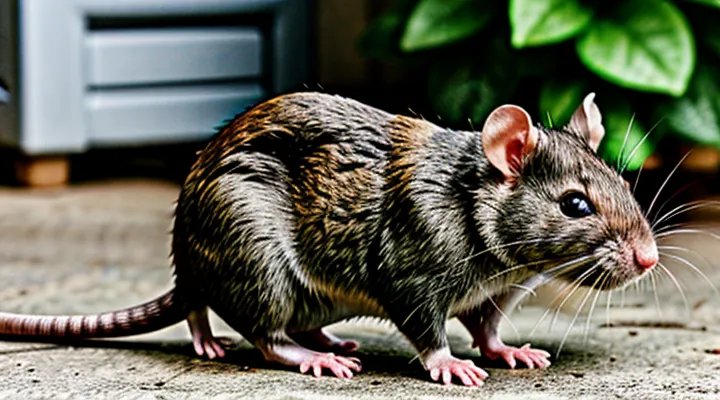
Understanding the Swollen Cheek
Common Causes of Swelling
Dental Issues
Dental problems are a common cause of facial swelling in pet rodents. Overgrown incisors, misaligned teeth, or infection of the tooth root can press against the cheek tissue, leading to inflammation and fluid accumulation. Abscess formation often follows untreated dental trauma, producing localized swelling that may become painful.
Observable indicators include visible puffiness on one side of the face, reddened skin, discharge from the mouth, reduced food intake, and excessive drooling. Rapid weight loss or lethargy may accompany severe discomfort.
Immediate measures focus on minimizing stress and maintaining nutrition. Provide softened pellets or moistened mash to ease chewing. Keep the animal in a quiet, temperature‑controlled environment. Avoid handling that compresses the swollen area. Monitor the swelling for changes in size or color.
Professional veterinary intervention is essential. Recommended actions:
- Schedule an urgent examination with a small‑animal vet experienced in rodent dentistry.
- Allow the veterinarian to perform oral inspection, possibly using a otoscope or sedation for a thorough view.
- Expect diagnostic imaging, such as radiographs, to identify hidden abscesses or bone involvement.
- Anticipate corrective procedures, which may include trimming overgrown incisors, filing misaligned teeth, or draining an abscess.
- Follow prescribed antibiotic or anti‑inflammatory regimens, adhering to dosage intervals.
- Implement a preventive diet rich in chewable fibers to promote natural tooth wear and schedule regular dental check‑ups.
Prompt attention to dental health reduces the risk of chronic swelling and supports overall wellbeing.
Abscesses and Infections
When a rat’s cheek enlarges, the most common underlying problems are abscess formation and bacterial infection. An abscess develops when bacteria invade tissue, leading to a localized collection of pus that expands the cheek area. Infection may accompany the abscess or occur independently, causing redness, heat, and tenderness.
Key indicators of an abscess or infection include:
- Visible swelling that progresses rapidly
- Skin discoloration or ulceration over the cheek
- Heat and pain when the area is palpated
- Discharge of pus or foul odor
- Reduced appetite and lethargy in the animal
Immediate actions:
- Isolate the affected rat to prevent stress and potential spread to cage mates.
- Clean the surrounding area with a mild antiseptic solution, avoiding harsh chemicals that could irritate tissue.
- Seek veterinary assessment promptly; professional drainage of the abscess and targeted antibiotic therapy are essential for recovery.
- Follow prescribed medication schedules, completing the full antibiotic course even if symptoms improve.
Preventive measures focus on maintaining hygiene and monitoring health:
- Provide a clean, dry living environment with regular cage cleaning.
- Supply fresh food and water to support immune function.
- Inspect the rat’s oral cavity routinely for signs of trauma or dental issues that can precipitate cheek infections.
Effective management of cheek swelling hinges on rapid identification of abscesses and infections, timely veterinary intervention, and diligent aftercare.
Tumors and Growths
Cheek swelling in a rat frequently signals the presence of a tumor or other abnormal growth. Tumors may be benign, such as lipomas, or malignant, including fibrosarcomas and squamous‑cell carcinomas. Distinguishing between these categories influences therapeutic decisions.
Typical indicators of a neoplastic process include:
- Asymmetrical enlargement of the buccal region
- Firm or rubbery consistency on palpation
- Surface ulceration or necrotic patches
- Rapid increase in size over days to weeks
A systematic diagnostic protocol begins with a thorough physical examination, followed by imaging studies. Radiography or ultrasonography evaluates the depth and extent of the mass, while computed tomography offers three‑dimensional detail for complex cases. Definitive diagnosis requires tissue sampling; fine‑needle aspiration or excisional biopsy provides material for histopathological analysis, revealing cellular morphology and grade.
Therapeutic options depend on tumor type, size, and location. Surgical excision with clean margins remains the primary approach for accessible lesions. Adjunctive modalities—cryotherapy, localized radiation, or systemic chemotherapy—address residual disease or metastasis. Palliative care, including analgesics and nutritional support, improves quality of life when curative treatment is not feasible.
Prognosis correlates with several factors: histologic grade, completeness of removal, and presence of metastasis. Low‑grade, fully resected tumors often result in long‑term remission, whereas high‑grade or incompletely excised malignancies carry a guarded outlook. Early identification and intervention maximize the likelihood of favorable outcomes.
Injury and Trauma
Swelling of a rat’s cheek frequently signals underlying injury or infection. Prompt assessment prevents complications and supports recovery.
Visible indicators of trauma include asymmetry of the facial region, discoloration, palpable masses, and abnormal discharge. Behavioral changes—reduced grooming, reluctance to eat, or altered posture—corroborate physical findings.
Immediate actions:
- Remove the animal from potential hazards.
- Conduct a gentle visual inspection, avoiding excessive pressure.
- Clean the area with sterile saline; do not apply antiseptics directly to open wounds.
- Monitor temperature and appetite for the next 24 hours.
Veterinary consultation becomes essential if swelling persists beyond 48 hours, if necrotic tissue is evident, or if systemic signs such as lethargy or fever appear. Diagnostic tools may include radiography to detect fractures, ultrasound for fluid accumulation, and laboratory analysis of any exudate.
Therapeutic measures typically involve:
- Broad‑spectrum antibiotics targeting common rodent pathogens.
- Analgesics calibrated for small mammals to alleviate pain.
- Supportive care, including hydration and soft, nutrient‑rich food.
- Wound management using non‑adhesive dressings when appropriate.
Preventive strategies focus on environmental safety:
- Eliminate sharp objects and protruding cage components.
- Provide chewable enrichment to reduce accidental biting of the oral cavity.
- Handle rats gently, supporting the head and avoiding sudden movements.
Adhering to these protocols minimizes tissue damage, accelerates healing, and reduces the risk of chronic complications associated with facial swelling.
Allergic Reactions
Allergic reactions are a common cause of facial swelling in rodents, including the cheek area. Inflammation results from the release of histamine and other mediators following exposure to allergens such as food ingredients, bedding materials, or environmental chemicals. Recognizing the pattern of rapid onset, erythema, and possible pruritus helps differentiate an allergic response from infection or trauma.
Key indicators of an allergic episode include:
- Sudden expansion of the cheek tissue within hours of exposure
- Red, warm skin surrounding the swollen region
- Presence of hives or dermatitis elsewhere on the body
- Absence of purulent discharge or foul odor
Diagnostic steps involve a thorough review of recent changes in diet, cage substrates, and cleaning agents, followed by a physical examination. If uncertainty remains, a veterinarian may perform a skin scrape or cytology to rule out bacterial involvement and may suggest an intradermal allergy test.
Management focuses on immediate symptom control and elimination of the offending allergen:
- Administer antihistamines (e.g., diphenhydramine) at the dosage recommended by a veterinarian
- Apply topical corticosteroid creams to reduce localized inflammation
- Replace suspect bedding with hypoallergenic alternatives such as paper or untreated wood shavings
- Introduce a novel, limited‑ingredient diet to identify food sensitivities
Monitoring the rat’s condition over the next 24–48 hours ensures that swelling decreases and no secondary infection develops. Persistent or worsening edema warrants prompt veterinary assessment, as secondary bacterial infection may complicate the allergic response.
Immediate Actions and First Aid
Assessing the Severity
Evaluating the seriousness of a rat’s cheek swelling requires systematic observation and measurement.
First, determine the physical dimensions of the swelling. Measure the greatest diameter with a ruler or calipers; record whether the swelling exceeds 5 mm, 10 mm, or larger.
Second, assess the animal’s behavior. Note signs of pain such as reluctance to eat, excessive grooming of the affected side, or vocalization when the area is touched.
Third, examine for systemic indicators. Look for fever, lethargy, rapid breathing, or discharge from the nose and eyes, which suggest infection spreading beyond the local tissue.
Fourth, evaluate the duration. Swellings persisting more than 48 hours without improvement warrant immediate veterinary intervention.
Severity categories
- Mild: swelling ≤5 mm, minimal discomfort, normal activity, no systemic signs.
- Moderate: swelling 5–10 mm, observable pain, reduced feeding, no fever.
- Severe: swelling >10 mm, pronounced pain, marked anorexia, fever or respiratory distress, swelling present >48 hours.
Action guidelines
- Mild: monitor twice daily, apply a warm compress for 5 minutes, ensure adequate hydration and nutrition.
- Moderate: consult a veterinarian within 24 hours, consider antimicrobial therapy pending diagnosis, continue supportive care.
- Severe: seek emergency veterinary care immediately; prepare for possible imaging, aspiration, or surgical drainage.
Accurate classification guides timely treatment, reduces the risk of complications, and supports recovery.
Isolating the Rat
Isolating a rat that exhibits cheek swelling protects the individual animal and prevents potential transmission of infectious agents to cage‑mates. Separate housing eliminates competition for limited resources, reduces stress, and allows focused observation of clinical signs.
Isolation protocol
- Transfer the affected rat to a clean, well‑ventilated cage containing fresh bedding, a water bottle, and a balanced diet.
- Maintain ambient temperature between 20 °C and 24 °C; avoid drafts and direct sunlight.
- Provide enrichment items that do not interfere with the swollen area, such as a soft tunnel or chew stick.
- Record body weight, food intake, and any changes in swelling at least twice daily.
- Limit handling to essential checks; use gloves to minimize pathogen spread.
Additional measures
Sanitize all equipment that enters the isolation area with a rodent‑safe disinfectant. Monitor the cage for signs of secondary infection, such as discharge or foul odor. If swelling persists beyond 48 hours, arrange veterinary assessment for diagnostics and possible treatment. Maintaining strict isolation until a professional confirms recovery minimizes risk to the broader colony.
Providing Comfort and Reducing Stress
When a rat exhibits swelling in the cheek, immediate steps should focus on comfort and stress reduction.
A quiet, temperature‑controlled area minimizes external stimuli. Place the animal in a small, clean enclosure with soft bedding to prevent pressure on the affected side.
Gentle handling is essential. Use a calm voice and slow movements; avoid restraining the rat tightly, as restraint can elevate cortisol levels. Support the body while allowing the head to rest naturally, reducing strain on facial muscles.
Nutritional support aids recovery. Offer soft, easily chewable foods such as moistened pellets or pureed vegetables. Ensure water is readily accessible in a low‑profile bottle to prevent awkward neck positioning.
Monitoring and environmental enrichment help maintain well‑being:
- Provide a hideaway that limits visual exposure to predators or other animals.
- Include a small chewable object made of untreated wood to occupy the mouth without excessive pressure.
- Keep lighting dim, mimicking the natural dusk period, to lower agitation.
If swelling persists or worsens, veterinary consultation is required. Early professional assessment prevents complications and supports a swift return to normal activity.
Gentle Examination
Checking for Obvious Wounds
When swelling appears on a rat’s cheek, the initial action is a thorough visual inspection for any visible injuries. Open skin, punctures, or abrasions may be the source of inflammation and require immediate attention.
- Gently part the fur using a soft brush or fingertip.
- Examine the skin surface for cuts, tears, or foreign objects.
- Look for blood, discharge, or discoloration that suggests trauma.
- Note any swelling that is asymmetrical or accompanied by a raised edge, indicating possible bruising.
If a wound is identified, clean the area with a sterile saline solution, apply an appropriate antiseptic, and monitor for signs of infection such as redness, heat, or pus. In the absence of an obvious injury, consider deeper tissue issues and seek veterinary evaluation promptly.
Palpating for Lumps
When a rat presents with a swollen cheek, careful palpation of the affected area is essential for diagnosing underlying masses. The technique relies on gentle pressure applied with the fingertips to assess tissue consistency, size, and mobility.
- Secure the animal in a soft restraining cloth to minimize stress.
- Position the hand so the thumb supports the head while the index and middle fingers rest on the cheek.
- Apply light, circular pressure, gradually increasing force if the rat tolerates it.
- Note any discrete, firm nodules, diffuse thickening, or fluctuating areas.
- Compare the findings with the opposite cheek to identify asymmetry.
A firm, well‑defined lump suggests a possible abscess, tumor, or granuloma, whereas a soft, compressible swelling may indicate edema or fluid accumulation. Tenderness on palpation often correlates with inflammation or infection.
If a distinct mass is detected, immediate veterinary consultation is advised for imaging and laboratory analysis. In cases of diffuse swelling without a discrete nodule, supportive care—including anti‑inflammatory medication and environmental temperature control—should be initiated while monitoring for changes.
Avoiding Self-Medication
When a rodent exhibits swelling in the facial region, professional veterinary assessment is essential. Administering over‑the‑counter remedies or home‑prepared concoctions interferes with accurate diagnosis and may exacerbate underlying conditions. Unsupervised use of antibiotics, anti‑inflammatories, or herbal extracts lacks dosage precision and can mask symptoms, delaying appropriate treatment.
Key considerations for preventing self‑medication:
- Schedule immediate examination by a qualified exotic‑animal veterinarian.
- Provide the clinician with a detailed history of the rat’s diet, environment, and recent injuries.
- Follow prescribed medication regimens exactly, noting duration and dosage.
- Avoid offering human medicines, supplements, or traditional remedies without explicit veterinary endorsement.
«Veterinary guidance ensures that therapeutic interventions target the specific cause of edema, whether infection, trauma, or systemic disease, thereby reducing the risk of complications associated with inappropriate self‑treatment».
When to Seek Veterinary Care
Signs of Emergency
A swollen cheek in a rat can indicate a serious condition that requires immediate veterinary attention. Recognize the following warning signs and act without delay:
- Rapid increase in size of the swelling, especially within a few hours.
- Visible bruising, hemorrhage, or blood‑filled blisters on the face.
- Persistent bleeding from the affected area or from the mouth.
- Sudden difficulty breathing, open‑mouth panting, or audible wheezing.
- Inability to eat or drink, leading to rapid weight loss.
- Extreme lethargy, unresponsiveness, or collapse.
- Fever above normal body temperature, detectable by a rectal thermometer.
Presence of any of these indicators signals an emergency. Transport the rat to a qualified veterinarian promptly; delay can result in irreversible damage or death.
Preparing for the Vet Visit
Gathering Information
When a rodent presents with facial swelling, accurate data collection precedes any treatment decision. Observation of the affected area supplies the initial clue about severity and progression.
- Record size, color, temperature, and any discharge.
- Note the animal’s recent diet, exposure to toxins, or injuries.
- Document behavior changes such as reduced feeding, lethargy, or vocalization.
- Identify housing conditions: cage cleanliness, presence of sharp objects, and companion animals.
Historical information clarifies potential causes. Review veterinary records for previous illnesses, vaccinations, or surgeries. Interview caretakers about recent handling, new foods, or environmental alterations. Correlate timing of swelling with any recent events to narrow differential diagnoses.
Reliable sources enhance the information pool. Consult licensed veterinarians, peer‑reviewed journals, and reputable veterinary websites. Professional forums moderated by certified experts provide practical insights while minimizing anecdotal speculation. Avoid unverified social media posts lacking citation.
Maintain a structured log. Use dated entries, standardized terminology, and consistent measurement units. A comprehensive record facilitates pattern recognition, supports diagnostic testing, and improves communication with veterinary specialists.
Transporting Your Rat Safely
When a rat exhibits facial swelling, prompt relocation to a veterinary facility minimizes the risk of complications. The transport process must protect the animal from additional trauma while maintaining physiological stability.
Preparation begins with selecting an appropriate carrier. A rigid, well‑ventilated container with a secure lid prevents escape and reduces stress. Line the bottom with soft, absorbent material that does not retain moisture; replace the bedding if it becomes soiled during the journey. Ensure the carrier rests on a stable surface and that ambient temperature remains within the rat’s thermoneutral zone (approximately 20‑26 °C). Keep the carrier away from direct sunlight, drafts, and loud noises.
During transport, handle the carrier gently and avoid sudden movements. Secure the carrier in a vehicle seat using a seat belt or strap to prevent sliding. Limit travel time; if the distance exceeds thirty minutes, pause briefly in a quiet, temperature‑controlled area to check the animal’s condition. Observe the rat through the carrier’s ventilation openings, looking for signs of distress such as rapid breathing or vocalization.
Upon arrival at the clinic, present the carrier to the veterinary staff promptly. Provide a concise summary of observed symptoms, including the onset and progression of the swelling, any changes in appetite, and recent environmental factors. Hand over any medication or previous treatment records to facilitate immediate assessment and intervention.
«Handle the rat gently to avoid further injury». Following these guidelines ensures that the animal reaches professional care in a state that supports recovery and reduces the likelihood of secondary damage.
Questions to Ask Your Veterinarian
When a pet rat develops swelling in the cheek, veterinary guidance is essential. Clear communication with the veterinarian helps identify the cause, determine treatment, and prevent complications.
Prepare a concise list of inquiries before the appointment:
- What diagnostic tests are recommended to determine the underlying condition?
- Which treatment options are available, and what are the expected outcomes for each?
- Are there specific medications or dosages safe for rats of this size and age?
- What signs indicate that the condition is worsening and requires immediate attention?
- How long is the recovery period, and what care practices support healing?
- What dietary or environmental adjustments can reduce the risk of recurrence?
- Will follow‑up appointments be necessary, and how frequently should they occur?
- Are there any long‑term health implications associated with this type of swelling?
Answering these questions provides a solid foundation for managing the rat’s health and ensuring a swift return to normal activity.
Veterinary Diagnosis and Treatment
Diagnostic Procedures
Physical Examination
A swollen cheek in a rat signals a condition that requires immediate physical assessment. The examination begins with a calm, well‑lit environment to reduce stress and allow clear observation.
First, perform a visual inspection. Look for asymmetry, discoloration, pus, or external wounds. Note any hair loss or scabbing around the affected area.
Second, conduct gentle palpation. Use gloved fingers to feel the cheek tissue, assessing firmness, temperature, and pain response. Distinguish between a hard mass, suggestive of a tumor, and a soft, fluctuant area, indicative of an abscess.
Third, evaluate adjacent structures. Examine the oral cavity for dental overgrowth, broken teeth, or ulcerations that could cause secondary infection. Check the mandibular and submandibular lymph nodes for enlargement.
Fourth, assess systemic signs. Record respiratory rate, heart rhythm, and overall demeanor. Fever, lethargy, or loss of appetite may accompany severe infection.
A concise checklist for the physical examination:
- Visual inspection of cheek, surrounding skin, and fur
- Palpation for texture, temperature, and tenderness
- Oral cavity examination for dental issues
- Lymph node assessment in mandibular region
- Observation of vital signs and behavior
Documentation of findings guides subsequent diagnostic steps, such as imaging or laboratory testing, and informs appropriate therapeutic interventions.
Imaging (X-rays, Ultrasound)
When a rat presents with a swollen cheek, imaging assists in identifying the underlying cause and guiding treatment.
X‑ray examination provides a rapid overview of bony structures. It reveals:
- Fractures of the maxilla or mandible that may accompany soft‑tissue swelling.
- Presence of radiopaque foreign bodies, such as metal fragments or calcified masses.
- Displacement of dental roots or loss of alveolar bone height.
Ultrasound offers real‑time assessment of soft tissues. It can:
- Detect fluid collections, distinguishing abscesses from seromas.
- Visualize granulomatous tissue or neoplastic masses without ionizing radiation.
- Guide fine‑needle aspiration or drainage procedures by pinpointing the exact location of the lesion.
Selection of the appropriate modality depends on clinical suspicion. Radiographs are preferred for skeletal evaluation, whereas ultrasound excels in characterizing soft‑tissue pathology and facilitating minimally invasive interventions. Combining both techniques yields a comprehensive diagnostic picture, enabling precise therapeutic decisions.
Aspiration and Biopsy
Aspiration and biopsy represent the primary diagnostic interventions for a swollen rat cheek. Aspiration involves inserting a fine‑gauge needle into the lesion to withdraw fluid or cellular material. The procedure provides immediate information about the presence of inflammatory exudate, pus, or hemorrhage, and can relieve pressure if the collection is sizable. Biopsy, performed after or independent of aspiration, removes a tissue fragment for histopathological examination, allowing definitive identification of neoplastic, infectious, or granulomatous processes.
Key procedural steps:
- Prepare sterile field; disinfect skin over the cheek with an appropriate antiseptic.
- Select a 22‑ to 25‑gauge needle attached to a syringe for aspiration; apply gentle negative pressure while advancing the needle under palpation guidance.
- Transfer aspirated material to slides for cytology or to transport media for culture, as indicated.
- For biopsy, choose a punch or scalpel instrument of 2‑3 mm diameter; excise a representative core from the lesion margin, avoiding excessive trauma.
- Place tissue specimen in formalin for fixation; label accurately with animal ID, site, and date.
- Submit samples to a veterinary pathology laboratory; request reports on cellular morphology, bacterial culture, and any neoplastic markers.
Potential complications include hematoma, infection, or inadvertent damage to adjacent facial nerves. Monitoring after the procedures should focus on swelling reduction, wound healing, and any signs of systemic illness. Prompt interpretation of aspirate and biopsy results guides targeted therapy, whether antimicrobial, anti‑inflammatory, or surgical excision.
Treatment Options
Antibiotics and Anti-inflammatories
When a rat presents with cheek swelling, prompt antimicrobial and anti‑inflammatory therapy can prevent progression to severe infection. Selection of agents must consider likely bacterial pathogens, drug safety in rodents, and appropriate dosing intervals.
Antibiotic options commonly employed include:
- Enrofloxacin – broad‑spectrum fluoroquinolone, dosage 5 mg/kg subcutaneously every 24 hours.
- Amoxicillin‑clavulanate – effective against mixed aerobic and anaerobic flora, dosage 30 mg/kg orally every 12 hours.
- Trimethoprim‑sulfamethoxazole – useful for gram‑negative organisms, dosage 15 mg/kg orally every 24 hours.
Anti‑inflammatory choices focus on non‑steroidal agents with established rodent tolerance:
- Meloxicam – selective COX‑2 inhibitor, dosage 0.2 mg/kg orally once daily.
- Carprofen – broader COX inhibition, dosage 5 mg/kg orally every 24 hours.
- Buprenorphine – opioid analgesic with anti‑inflammatory effect, dosage 0.05 mg/kg subcutaneously every 12 hours for severe pain.
Administration protocol:
- Initiate antibiotics within the first few hours of detection to limit bacterial proliferation.
- Combine with an anti‑inflammatory to reduce edema and discomfort; monitor for gastrointestinal side effects.
- Re‑evaluate the rat after 48 hours; if swelling persists, consider imaging or culture to adjust therapy.
Supportive measures complement pharmacologic treatment:
- Apply a warm, moist compress for 5–10 minutes twice daily to encourage drainage.
- Maintain a clean environment; remove any foreign material that may have caused trauma.
- Ensure adequate hydration and nutrition to support immune function.
Veterinary consultation is mandatory if:
- Swelling enlarges despite initial therapy.
- Signs of systemic illness appear, such as lethargy, fever, or loss of appetite.
- The rat is pregnant, juvenile, or has pre‑existing health conditions that may alter drug metabolism.
Adhering to precise dosing schedules and monitoring response maximizes recovery chances and minimizes complications associated with cheek swelling in rats.
Surgical Intervention
When a rat presents with pronounced swelling of the buccal region, surgical correction may become necessary after conservative measures fail. The decision to operate relies on thorough evaluation, including palpation, imaging, and consideration of underlying causes such as abscesses, tumor growth, or traumatic injury.
Prior to incision, appropriate anesthesia must be administered. Inhalant agents (isoflurane) or injectable combinations (ketamine‑xylazine) provide rapid onset and stable depth, allowing precise manipulation of delicate facial tissues. Analgesia, typically a non‑steroidal anti‑inflammatory drug, should accompany the anesthetic protocol to minimize postoperative discomfort.
The operative steps include:
- Sterile preparation of the facial area with povidone‑iodine solution.
- Incision along a line that affords optimal exposure while preserving surrounding musculature.
- Careful dissection to identify and isolate the pathological tissue.
- Excision or drainage of the offending lesion, ensuring complete removal of necrotic material.
- Irrigation with sterile saline to reduce bacterial load.
- Layered closure using absorbable sutures for deeper planes and fine non‑absorbable material for skin approximation.
Post‑surgical management emphasizes infection control and wound healing. Broad‑spectrum antibiotics administered for 5–7 days, combined with continued analgesia, support recovery. Daily observation of the incision site for signs of dehiscence, edema, or discharge is essential. Nutritional support, such as soft, high‑calorie foods, facilitates oral intake while the rat regains normal function.
Complications may arise, including hemorrhage, infection, or impaired chewing ability. Prompt identification and intervention mitigate long‑term morbidity. Surgical expertise, meticulous technique, and vigilant postoperative care together ensure the best outcome for rodents requiring facial intervention.
Drainage of Abscesses
A facial swelling in a rat often indicates a localized abscess that requires prompt drainage to prevent tissue damage and systemic infection.
Indications for drainage include palpable fluctuation, rapid increase in size, fever, and signs of pain or reduced feeding.
Preparation involves aseptic technique, appropriate anesthesia, and selection of a suitable drainage instrument such as a 22‑gauge needle or a fine scalpel.
Procedure steps:
- Position the animal to expose the affected cheek.
- Disinfect the skin with a chlorhexidine solution.
- Insert the needle or make a small incision at the point of maximal tension.
- Apply gentle pressure to express purulent material.
- Irrigate the cavity with sterile saline until effluent is clear.
- Pack the site with a sterile absorbent material if continuous drainage is required; otherwise, close with a single suture.
Post‑procedure care includes administration of a broad‑spectrum antibiotic, monitoring for recurrence, and daily inspection of the wound site for discharge or swelling.
Successful drainage reduces bacterial load, alleviates pain, and promotes faster healing of the facial tissue.
Pain Management
A swollen cheek in a rodent often signals infection or abscess, producing acute discomfort. Prompt pain mitigation improves recovery and reduces stress‑related complications.
Initial assessment requires gentle observation of eating, grooming, and locomotion. Physical examination should involve light palpation to locate tenderness without provoking excessive distress. Recording changes in posture or vocalization provides baseline data for treatment efficacy.
Analgesic options include:
- Non‑steroidal anti‑inflammatory drugs (NSAIDs) such as meloxicam, administered at 0.2 mg/kg subcutaneously once daily; monitor for gastrointestinal irritation.
- Opioid analgesics like buprenorphine, given at 0.05 mg/kg intraperitoneally every 8–12 hours; observe for sedation and respiratory depression.
- Local anesthetic infiltration with lidocaine 2 % (0.1 ml per gram of tissue) applied directly to the affected area; limit to a single dose to avoid toxicity.
Supportive care complements medication. Warm, moist compresses applied for 5 minutes, three times daily, alleviate pressure and enhance circulation. Ensuring constant access to fresh water and easily chewable food reduces additional oral strain. Maintaining a quiet, low‑light environment minimizes agitation.
Continuous monitoring is essential. Re‑evaluate pain signs after each dose; increase frequency of observation if symptoms worsen. Seek veterinary intervention if swelling expands, pus appears, or the rat exhibits lethargy, loss of appetite, or respiratory difficulties.
Post-Treatment Care and Prevention
Administering Medications
When a rat develops facial swelling, prompt pharmacological intervention can prevent infection spread and reduce tissue damage. Veterinary evaluation must precede any treatment; a professional will confirm the cause—abscess, tumor, or trauma—and determine the appropriate drug regimen.
Dosage calculation relies on the animal’s weight, typically expressed in milligrams per kilogram. Accurate measurement of the rat’s mass is essential; errors can lead to sub‑therapeutic effects or toxicity.
Common drug categories include:
- «antibiotics» to eliminate bacterial infection; examples are enrofloxacin and amoxicillin.
- «anti‑inflammatory agents» to decrease edema; meloxicam and carprofen are frequently used.
- «analgesics» to manage pain; buprenorphine provides effective relief at low doses.
Administration routes depend on the medication’s formulation and the severity of the condition:
- Oral delivery via liquid suspension or crushed tablets mixed with food; ensures systemic absorption but may be rejected by the animal.
- Subcutaneous injection; suitable for antibiotics and analgesics, allowing rapid uptake with minimal stress.
- Intramuscular injection; reserved for drugs requiring higher plasma concentrations.
- Topical application of ointments containing antiseptics or anti‑inflammatories; appropriate for superficial wounds but limited to localized effect.
After each dose, observe the rat for signs of adverse reactions—lethargy, vomiting, or increased swelling. Record the timing and amount of each administration. If symptoms persist beyond 48 hours or worsen, contact the veterinarian for possible adjustment of the therapeutic plan.
Wound Care
When facial swelling appears in a pet rat, immediate attention to the affected area reduces the risk of infection and promotes recovery.
First, isolate the animal to prevent further injury and to allow close observation. Clean the surrounding fur with a mild, non‑irritating cleanser, taking care not to disturb any open wounds.
Apply a sterile saline solution to the swollen region using a gentle swab. The solution should be applied until excess fluid is removed, avoiding excessive pressure.
If a break in the skin is visible, introduce an appropriate antiseptic, such as a diluted povidone‑iodine solution, using a sterile applicator. Limit exposure to the antiseptic to the wound surface to prevent tissue irritation.
After treatment, cover the area with a breathable, non‑adhesive dressing if the rat tolerates it. Secure the dressing loosely to allow airflow while protecting the wound from self‑grooming.
Monitor the swelling daily. Record changes in size, color, and temperature.
If any of the following signs develop, contact a veterinarian without delay:
- increased redness or heat
- pus or foul odor
- rapid expansion of the swollen area
- signs of pain or distress
Follow the veterinarian’s prescribed medication regimen precisely, including any antibiotics or anti‑inflammatory agents.
Maintain a clean cage environment, replace bedding regularly, and provide a balanced diet enriched with vitamin C to support tissue repair.
Regular assessment continues until the swelling resolves and the skin returns to normal condition.
«Proper wound care» minimizes complications and supports the animal’s overall health.
Nutritional Support
When a rat presents with a swollen cheek, dietary adjustments become a primary component of care. Providing easily digestible, nutrient‑dense foods reduces the effort required for mastication and supports tissue repair.
Key nutrients that facilitate recovery include protein for cell regeneration, vitamin C for collagen synthesis, and omega‑3 fatty acids for inflammation modulation. Adequate hydration is essential; moist foods help maintain fluid intake without demanding extensive chewing.
• «Soft diet» – softened pellets, boiled oatmeal, or finely mashed sweet potato.
• «High‑protein source» – cooked egg white, low‑fat cottage cheese, or commercially prepared rat formula enriched with whey.
• «Vitamin C supplement» – a few drops of citrus juice diluted in water or a small piece of fresh kiwi, offered in limited quantity to avoid acidity.
• «Omega‑3 addition» – a teaspoon of cold‑pressed flaxseed oil mixed into the soft diet, applied sparingly to prevent gastrointestinal upset.
Feed small portions two to three times daily, monitoring for signs of discomfort or reduced intake. Adjust texture if the rat shows resistance; aim for a consistency that slides off the tongue with minimal effort. Record weight and cheek circumference regularly to gauge progress, and consult a veterinarian if swelling persists beyond a few days despite nutritional intervention.
Environmental Enrichment
When facial swelling appears in a pet rat, the surrounding environment can influence the healing process. Providing a stimulating habitat reduces stress, encourages normal chewing patterns, and supports immune function.
Enrichment elements that directly benefit a rat with a swollen cheek include:
- Chew‑safe wooden blocks or cardboard tubes to maintain dental activity without excessive pressure on the inflamed area.
- Narrow tunnels and climbing ladders that promote gentle movement while avoiding forced mouth opening.
- Foraging puzzles that hide small food pieces, encouraging natural investigative behavior and distraction from discomfort.
- Regular, brief social interaction with a calm conspecific, provided both animals are healthy and the swollen rat is not forced into aggressive play.
Implementation requires careful observation. Clean all enrichment items daily to prevent infection. Rotate objects every few days to maintain novelty and avoid habituation. Adjust the size and texture of chew items if the swelling worsens, selecting softer materials that still permit dental wear.
Consistent environmental enrichment, combined with veterinary care, creates conditions that facilitate recovery and preserve overall well‑being. «Proper habitat design mitigates stress and supports tissue repair».
Preventing Future Swelling
Proper Dental Hygiene
Proper dental hygiene is critical when a rat exhibits cheek swelling, because dental problems often trigger inflammation of the buccal tissues. Swelling may indicate overgrown incisors, malocclusion, or abscess formation, all of which stem from inadequate tooth wear.
Key indicators of dental distress include:
- Visible overgrowth of incisors or uneven bite
- Redness or edema of the cheek lining
- Reduced food intake or difficulty gnawing
- Excessive drooling or blood‑tinged saliva
Preventive measures focus on maintaining natural tooth wear and oral cleanliness:
- Provide constant access to safe chew toys made of untreated wood or mineral blocks
- Offer a diet rich in fiber, such as fresh vegetables and appropriate pellets, to encourage grinding
- Schedule regular veterinary examinations to monitor tooth length and alignment
- Clean the cage daily to reduce bacterial load that could infect oral wounds
If cheek swelling appears, immediate actions should include:
- Isolate the affected rat to prevent stress from cage mates.
- Inspect the oral cavity gently with a soft light; note any sharp edges or pus.
- Contact a qualified exotic‑animal veterinarian promptly for professional assessment and possible imaging.
- Follow prescribed treatment, which may involve tooth trimming, antibiotics, or wound care.
- Continue enhanced dental maintenance after recovery to avoid recurrence.
Consistent attention to dental health reduces the risk of cheek inflammation and supports overall wellbeing in pet rodents.
Safe Cage Environment
A swollen cheek in a pet rat often signals infection, trauma, or dental issues. Maintaining a clean, stress‑free cage reduces the likelihood of complications and supports recovery.
Key elements of a safe cage environment:
- Use solid‑bottom enclosures; avoid wire floors that can cause abrasions or trap debris.
- Provide ample bedding made from dust‑free, absorbent material such as paper‑based products; replace it regularly to prevent bacterial growth.
- Ensure ventilation without drafts; proper airflow lowers humidity, discouraging bacterial proliferation.
- Install chew‑safe accessories (wooden blocks, untreated willow) to satisfy natural gnawing behavior and prevent excessive tooth wear that may affect cheek tissue.
- Position food and water containers securely to avoid spills; contaminated water can introduce pathogens to oral tissues.
- Keep the cage in a quiet area away from loud noises and sudden movements; stress can impair immune response and delay healing.
Regular monitoring complements these measures. Observe the rat for changes in swelling, discharge, or appetite. Prompt veterinary assessment remains essential if symptoms persist or worsen. A well‑maintained enclosure creates a foundation for effective treatment and overall health.
Regular Health Checks
Regular health examinations are essential for early detection of oral issues in pet rodents. A systematic check‑up includes visual inspection of the muzzle, palpation of the cheek area, and assessment of the animal’s eating behavior.
During each routine visit, observe the following indicators:
- Swelling or asymmetry of the cheek tissue
- Redness or discharge around the mouth
- Reluctance to gnaw or chew food
- Changes in weight or grooming habits
If any of these signs appear, immediate veterinary evaluation is recommended. The veterinarian may perform a thorough oral cavity examination, possibly using a otoscope or small camera to identify underlying causes such as abscesses, tumors, or dental problems.
Scheduling health checks at consistent intervals—monthly for young rats and quarterly for adults—provides a reliable timeline for monitoring changes. Documentation of findings, including measurements of cheek thickness and photographic records, enhances the ability to track progression and response to treatment.
Preventive measures, such as maintaining a balanced diet, providing chew toys to promote dental wear, and ensuring a clean living environment, support overall oral health and reduce the risk of swelling episodes.