
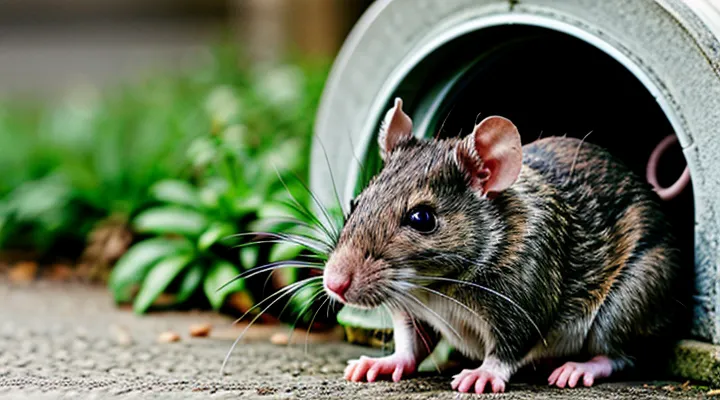
Common Causes of Shivering in Rats
Environmental Factors
When a rat exhibits trembling, ambient conditions often provide the initial clue. Temperature extremes, drafts, and humidity fluctuations can trigger involuntary shivering as the animal attempts to conserve heat. Poor ventilation may expose the rodent to cold air currents, while overly warm environments can cause rapid heat loss when the animal moves to cooler zones within the cage.
Key environmental contributors include:
- Ambient temperature below the species‑specific comfort range (generally under 20 °C for domestic rats).
- Direct exposure to drafts from vents, open windows, or poorly sealed enclosures.
- Low relative humidity, which accelerates evaporative cooling of the skin.
- Inadequate bedding thickness, allowing cold surfaces to contact the body.
- Sudden changes in cage location, such as relocation to a colder room.
To mitigate these factors, follow a systematic approach:
- Verify room temperature with a reliable thermometer; maintain a stable range appropriate for the species.
- Eliminate drafts by sealing gaps, repositioning cages away from vents, and using barrier fabrics.
- Adjust humidity levels using a humidifier or by placing water dishes with uncovered surfaces.
- Provide ample, insulating bedding material, ensuring it remains dry and evenly distributed.
- Gradually acclimatize the rat when moving cages, allowing several hours for temperature adjustment before full exposure.
Addressing the surrounding environment eliminates the primary stimulus for shivering, supporting the animal’s thermoregulation and overall health.
Stress and Fear
Rats display shivering when exposed to acute stress or fear; the response originates from activation of the sympathetic nervous system, which increases muscle tension and body temperature regulation.
Identifying the cause requires observation of surrounding conditions. Rapid movements, loud noises, sudden light changes, or handling by unfamiliar individuals often trigger fear‑induced tremors. Chronic overcrowding, lack of enrichment, or inconsistent feeding schedules generate sustained stress, also manifesting as shivering.
Practical measures to alleviate the reaction:
- Reduce noise levels and avoid abrupt movements near the animal.
- Provide a stable, quiet enclosure with hiding places to promote a sense of security.
- Maintain a consistent feeding routine and ensure access to fresh water.
- Introduce enrichment objects gradually, monitoring the rat’s response.
- Limit handling to brief, gentle sessions, allowing the rat to become accustomed over time.
Environmental adjustments complement behavioral interventions. Temperature control prevents hypothermia, which can exacerbate tremors. Regular health checks rule out medical conditions that mimic stress‑related shivering, such as infections or metabolic disorders.
Implementing these steps lowers anxiety, stabilizes physiological responses, and reduces the likelihood of shivering episodes in rats.
Illness and Injury
A rat that trembles typically signals a physiological disturbance. The tremor may arise from infection, metabolic imbalance, or pain caused by injury. Recognizing the underlying cause is essential for timely intervention.
Common health conditions associated with shivering include:
- Respiratory infections such as pneumonia or bronchitis
- Gastrointestinal disorders, for example, severe diarrhea or constipation
- Hypoglycemia or other metabolic deficiencies
- Neurological diseases, including encephalitis or seizures
Injuries that can produce trembling are:
- Fractures or dislocations resulting from falls or cage mishandling
- Lacerations or puncture wounds, especially those inflicted by conspecifics
- Joint sprains or muscle strains caused by abrupt movements
- Internal trauma from blunt force
Immediate actions to address a shivering rat:
- Assess ambient temperature; provide a warm, draft‑free environment if the enclosure is cold.
- Observe eating, drinking, and elimination patterns; note any deviations from normal behavior.
- Conduct a visual inspection for external wounds, swelling, or abnormal posture.
- Gently palpate the body for signs of pain or tenderness, avoiding excessive stress.
- Isolate the animal from cage mates to reduce the risk of disease transmission.
- Contact a qualified exotic‑animal veterinarian promptly; provide detailed observations and any recent changes in diet or environment.
Effective response relies on swift identification of symptoms, careful handling, and professional veterinary assessment.
Immediate Actions to Take
Assessing the Environment
When a rat exhibits tremors, the first diagnostic step involves a systematic review of the surrounding conditions.
Key environmental variables that influence thermoregulation include:
- Ambient temperature; maintain a stable range between 68 °F and 75 °F (20 °C‑24 °C).
- Airflow; eliminate drafts from open windows, vents, or fans.
- Humidity; keep relative humidity around 40 %‑60 % to prevent excessive heat loss.
- Bedding material; provide thick, absorbent substrate such as shredded paper or aspen shavings.
- Cage placement; avoid locations near cold surfaces, direct sunlight, or refrigeration units.
Assessment procedure:
- Measure cage temperature with a reliable thermometer; adjust heating devices if readings fall below the recommended range.
- Observe airflow patterns; cover gaps or reposition cages to shield against cold currents.
- Check humidity using a hygrometer; introduce a humidifier or dehumidifier as needed.
- Inspect bedding depth; add fresh layers to a minimum of two inches (5 cm).
- Verify cage location; relocate to a stable interior environment free from temperature extremes.
Correcting any deficiencies in these areas reduces the likelihood that shivering stems from environmental stress, allowing focus on potential medical causes.
Providing Warmth
A rat that exhibits shivering signals a loss of body temperature and requires immediate thermal support.
- Place the animal on a low‑intensity heating pad set to a safe temperature (approximately 30 °C). Verify that the surface is not hot enough to cause burns by checking with a hand‑held thermometer.
- Offer a nest of soft, dry material such as shredded paper or fleece. The substrate should be pre‑warmed in a separate container to avoid introducing cold air.
- Supply a shallow dish of warm water (around 35 °C) to promote hydration and assist in internal heat regulation. Replace the water frequently to maintain temperature.
- Reduce ambient drafts by closing windows and doors, and consider covering the cage with a breathable cloth to create a micro‑environment that retains warmth without restricting airflow.
Monitor the rat’s behavior for signs of improvement, such as cessation of tremors and increased activity. If shivering persists beyond a few hours despite these measures, consult a veterinarian experienced in small‑animal care.
Observing for Other Symptoms
When a rat exhibits shivering, systematic observation for additional clinical signs determines whether the episode is isolated or indicative of a broader health issue.
Key symptoms to monitor include:
- Lethargy or reduced activity
- Decreased food and water intake
- Labored or rapid breathing
- Nasal or ocular discharge
- Unusual fur condition, such as piloerection or matting
- Diarrhea or abnormal stool consistency
- Changes in posture, such as curled or hunched stance
Identifying these signs clarifies potential causes such as hypothermia, infection, metabolic imbalance, or stress. Early detection of concurrent symptoms accelerates appropriate intervention and reduces the risk of complications.
Maintain a log of observations, noting the time of onset, frequency, and progression of each symptom. Re‑evaluate the rat at regular intervals—every 30 minutes initially, then hourly if the condition stabilizes. Escalate to veterinary consultation if any of the listed signs appear, if shivering persists beyond a few minutes, or if the animal’s condition deteriorates rapidly. This disciplined monitoring approach ensures timely, targeted care for the affected rodent.
When to Contact a Veterinarian
Recognizing Emergency Signs
When a rodent displays tremors, distinguishing ordinary hypothermia from a life‑threatening condition is essential. Rapid assessment focuses on observable physiological changes that signal imminent danger.
Key emergency indicators include:
- Profuse panting or labored breathing, suggesting respiratory distress.
- Sudden loss of coordination, characterized by stumbling or inability to grip surfaces.
- Cyanotic discoloration of the ears, tail, or extremities, reflecting inadequate oxygenation.
- Persistent vomiting or diarrhea, which can lead to rapid dehydration.
- Unresponsive behavior, marked by lack of reaction to gentle stimuli.
If any of these signs appear, immediate intervention is required. Transfer the animal to a warm, quiet environment, administer a gentle heat source such as a heating pad set to low temperature, and contact a qualified veterinarian without delay. Prompt professional care significantly improves the likelihood of recovery.
Describing Symptoms Accurately
Accurate description of a rat’s symptoms is essential for effective intervention when the animal exhibits tremors. Precise observation prevents misdiagnosis and guides appropriate care.
Key elements to record include:
- Body temperature: note whether the rat feels cold to the touch or shows signs of hypothermia.
- Frequency and intensity of shivering: describe the rhythm (continuous, intermittent) and amplitude of movements.
- Respiratory pattern: observe if breathing is rapid, shallow, or labored.
- Skin condition: indicate presence of wetness, discoloration, or hair loss.
- Behavior changes: document lethargy, reduced grooming, or agitation.
Each detail should be written in clear, objective language, avoiding speculation. For example, instead of stating «the rat might be ill», record «the rat exhibits a temperature of 35 °C, tremors occurring every 2–3 seconds, and shallow respiration at 120 breaths per minute». Such specificity enables caregivers or veterinarians to assess underlying causes—such as environmental stress, infection, or metabolic imbalance—and to select targeted treatment promptly.
Preparing for the Vet Visit
When a pet rat exhibits tremors, immediate veterinary assessment is essential. Proper preparation for the appointment reduces stress and ensures accurate diagnosis.
The caretaker should secure a well‑ventilated carrier that fits the animal comfortably. Place a soft, insulated blanket inside to maintain body heat without restricting movement. Prior to departure, monitor ambient temperature and avoid exposing the rat to drafts. Transport the carrier in a stable, temperature‑controlled environment, such as a car interior set to a moderate climate.
Collect relevant information before arrival. Prepare a concise record that includes:
- Recent diet and water intake
- Changes in behavior or activity level
- Exposure to new foods, substances, or environmental conditions
- Any medications or supplements currently administered
Bring the record and the carrier to the clinic. Upon arrival, inform the veterinary staff of the observed shivering, duration, and any accompanying symptoms. This thorough preparation facilitates efficient examination and appropriate treatment.
Long-Term Care and Prevention
Maintaining Optimal Habitat Conditions
A rat that exhibits tremors signals a disruption in its living environment. Restoring stable conditions requires immediate attention to temperature, humidity, bedding, enclosure size, ventilation, and nutrition.
- Maintain ambient temperature between 68 °F and 75 °F (20 °C–24 °C). Use a reliable thermostat and avoid drafts.
- Keep relative humidity at 40 %–60 % to prevent respiratory stress. Employ a hygrometer for continuous monitoring.
- Provide bedding that retains warmth without retaining moisture. Materials such as shredded paper or aspen wood chips meet this criterion.
- Ensure the cage offers sufficient space for movement; a minimum of 2 sq ft per animal reduces stress and promotes circulation.
- Verify ventilation is adequate but not chilling. Adjustable vents allow fine‑tuning of airflow.
- Supply a balanced diet rich in protein and fat to support thermogenesis. Fresh water should remain unfrozen at all times.
Regular inspection of these parameters prevents recurrence of shivering and promotes overall health. Adjustments should be documented and reviewed weekly to maintain optimal habitat conditions.
Ensuring Proper Nutrition
Providing adequate nutrition is essential when a rat exhibits tremors. Proper diet supports thermoregulation, boosts energy reserves, and aids recovery.
- Offer high‑calorie foods such as cooked egg, nut butter, or small pieces of lean meat. These items deliver rapid energy without overloading the digestive system.
- Include warm, moist meals (e.g., softened pellets mixed with warm water) to raise internal temperature and encourage intake.
- Ensure constant access to fresh water at room temperature; dehydration can exacerbate shivering.
- Supplement with vitamin C‑rich fruits (e.g., orange segments) and calcium sources (e.g., crushed oyster shells) to support metabolic functions.
- Feed small, frequent portions throughout the day rather than a single large meal; this maintains steady energy levels and prevents hypoglycemia.
- Monitor body condition daily, recording weight and coat quality. Significant weight loss or a ragged coat signals the need for veterinary assessment.
Implementing these nutritional measures stabilizes body heat, reduces tremor intensity, and promotes overall health in a shivering rat.
Regular Health Checks
Regular health examinations are essential when a rat displays trembling, because they allow early detection of underlying conditions such as respiratory infection, hypothermia, or metabolic imbalance. A systematic check-up includes observation of behavior, measurement of body temperature, and assessment of grooming and appetite.
Key components of a routine veterinary assessment:
- Visual inspection of fur, eyes, and ears for signs of infection or injury.
- Palpation of the abdomen to identify organ enlargement or pain.
- Recording of body weight and temperature; a temperature below 99 °F indicates hypothermia.
- Evaluation of respiratory rate; rapid or labored breathing may accompany shivering.
- Blood sample analysis for glucose levels, electrolytes, and markers of infection.
Scheduling regular examinations every three to six months, with additional visits when shivering occurs, ensures timely intervention and reduces the risk of severe illness. Maintaining a health log that notes temperature readings, dietary intake, and activity patterns supports accurate diagnosis and effective treatment planning.