
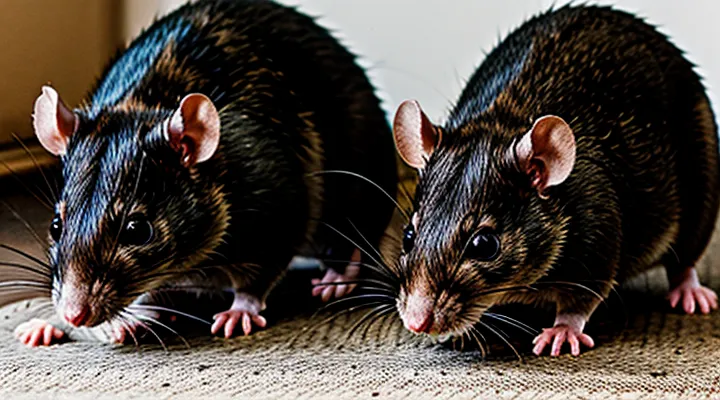
Understanding the Signs of a Dying Rat
Recognizing Critical Symptoms
Behavioral Changes
When a rat approaches the end of its life, its behavior changes noticeably. Recognizing these signs allows prompt intervention and humane care.
Rats may become unusually lethargic, spending most of the day immobile in a corner or nest. They often stop exploring, lose interest in food and water, and may refuse to eat altogether. Grooming behavior declines sharply; the animal may appear unkempt, with a dull or matted coat. Social interaction diminishes, and the rat may isolate itself from cage mates, avoiding contact. Respiratory patterns can shift, producing shallow or irregular breaths that are audible at close range. Pain or discomfort may manifest as a hunched posture, trembling, or a tendency to curl tightly.
These observations guide immediate actions:
- Provide a quiet, warm area separate from other rodents to reduce stress.
- Offer easily digestible, high‑calorie fluids such as warmed water or electrolyte solution; do not force feeding.
- Monitor temperature and keep the environment stable, avoiding drafts.
- Contact a veterinarian experienced with small mammals as soon as possible; convey the observed behaviors for accurate assessment.
- Prepare for humane euthanasia if the rat shows no improvement and suffers prolonged distress.
Understanding and acting on behavioral changes saves time, reduces suffering, and ensures the rat receives appropriate care during its final stage.
Physical Deterioration
When a rat shows signs of imminent death, physical deterioration becomes the most reliable indicator of emergency. Observe the animal closely; the following changes typically precede fatal outcomes.
- Rigid, stiff muscles (rigor mortis) appearing within minutes.
- Pale or bluish discoloration of the ears, tail, and extremities.
- Labored breathing, shallow or irregular respirations, or complete cessation.
- Loss of coordination, inability to stand or move, and a limp body.
- Unresponsive behavior, lack of reaction to stimuli, and absent whisker movement.
Immediate first‑aid actions focus on stabilizing the rat’s condition and preventing further decline:
- Place the rat in a warm, quiet area free from drafts; maintain body temperature around 30 °C (86 °F) using a low‑heat lamp or heating pad set on low.
- Gently clear the airway of any obstructions; use a soft, damp cotton swab to remove mucus if visible, taking care not to damage delicate tissues.
- Administer supplemental oxygen if available, using a small, low‑flow mask positioned close to the nostrils.
- Offer a drop of warm, sterile saline or a glucose solution (approximately 0.5 ml) to address potential dehydration and hypoglycemia; monitor for swallowing ability before dosing.
- Contact a qualified exotic‑animal veterinarian without delay; provide a concise report of observed symptoms and actions taken.
Timely recognition of physical deterioration and rapid implementation of these measures can extend the window for professional intervention and improve the likelihood of a favorable outcome.
Immediate First Aid Measures
Creating a Comforting Environment
Warmth and Soft Bedding
Provide a warm environment and soft bedding immediately when a rat shows signs of severe distress. Low body temperature accelerates organ failure; a stable, comfortable temperature supports circulation and reduces shock. Aim for a ambient range of 75‑80 °F (24‑27 °C) and avoid drafts. Use a heating pad set on low, wrapped in a towel, or a ceramic heat lamp positioned at a safe distance to prevent burns.
Create a nest that cushions the animal and retains heat. Preferred materials include:
- Unbleached paper towels, folded into layers.
- Soft fleece or low‑pile fabric, washed and free of chemicals.
- Commercial small‑animal nest pads, without plastic backing.
Arrange the bedding in a shallow, escape‑proof container. Ensure the rat can curl fully without touching the sides, and replace soiled material promptly to maintain hygiene and warmth.
Quiet and Low-Stress Area
A dying rat requires an environment that minimizes sensory overload. Loud noises, sudden movements, and bright lights can exacerbate physiological decline and increase panic.
Create a space that isolates the animal from household activity. Place a small cage or a secure container on a stable surface away from high‑traffic areas. Cover the enclosure partially with a soft, breathable fabric to dampen ambient sound while allowing airflow.
Maintain low stress by following these actions:
- Keep human presence brief and calm; approach the rat only when necessary.
- Speak in a soft, steady tone if communication is needed.
- Avoid handling the animal unless administering medication or performing emergency procedures.
- Ensure the temperature remains stable, around 20–24 °C (68–75 °F), to prevent thermal shock.
- Remove any strong odors, such as food scraps or cleaning agents, from the vicinity.
By establishing a quiet, low‑stress zone, you reduce the likelihood of additional trauma and support the rat’s remaining physiological functions during critical care.
Hydration and Nutrition
Offering Water and Electrolytes
When a rat exhibits extreme lethargy, loss of appetite, or signs of dehydration, immediate provision of fluids can stabilize its condition and buy time for professional treatment.
Plain water may relieve thirst but does not replace lost salts, glucose, or minerals. An isotonic electrolyte solution restores fluid balance, supports cellular function, and reduces the risk of shock.
- Prepare a sterile 0.9 % saline solution or a commercial pet electrolyte mix diluted according to the product’s instructions.
- Warm the liquid to body temperature (approximately 37 °C) to prevent hypothermia.
- Using a 1‑ml syringe without a needle, place the tip at the side of the mouth and gently dispense 0.2‑0.5 ml every 5‑10 minutes.
- Observe the rat for swallowing; stop if gagging or choking occurs.
- Offer a shallow dish of fresh water simultaneously; allow the animal to drink voluntarily when alert enough.
Key precautions: do not force large volumes; excessive fluid can cause pulmonary edema. Keep the rat in a quiet, warm environment to reduce stress. Record the amount administered and the rat’s response. Prompt veterinary evaluation remains essential, as fluid therapy addresses only the immediate dehydration and electrolyte deficit, not the underlying cause of decline.
Providing Easily Digestible Foods
When a rat is near the end of its life, the digestive system is often weakened, making it essential to offer foods that require minimal effort to break down. Choose items that are soft, moisture‑rich, and low in fiber to reduce the risk of gastrointestinal distress.
- Plain cooked chicken or turkey, shredded into fine strands.
- Soft scrambled eggs, served at room temperature.
- Mashed banana or ripe papaya, without skins.
- Unsweetened plain yogurt, a small spoonful.
- Warmed, well‑cooked white rice, lightly moistened.
- Commercial rodent recovery formula, if available, mixed with water to a soupy consistency.
Serve each portion in a shallow dish to facilitate easy access. Provide fresh water, but limit the volume to prevent over‑drinking, which can exacerbate nausea. Monitor the rat’s response; if any food is refused or causes vomiting, discontinue it immediately and consult a veterinarian.
Pain Management and Comfort
Gentle Handling Techniques
When a rat shows signs of severe distress, the way you hold and move the animal can determine the outcome of emergency care. Use a calm, steady hand to minimize stress and prevent further injury.
- Approach the cage slowly; avoid sudden movements that could startle the rat.
- Place one hand under the chest, supporting the ribcage with gentle pressure. The other hand should cradle the hindquarters, keeping the spine aligned.
- Keep the rat’s body horizontal; do not lift by the tail or limbs, as this can cause spinal damage.
- Maintain a secure but light grip; fingers should form a “C” shape around the torso, allowing quick release if the animal struggles.
- If the rat is unconscious, support the head with a fingertip to keep the airway open while continuing to support the body.
- Transfer the animal to a soft, non‑slippery surface (e.g., a folded towel) before beginning any first‑aid procedures such as checking breathing or administering fluids.
After placement on the surface, monitor breathing and pulse without applying pressure to the abdomen. If the rat is breathing, keep the body warm with a low‑heat source, ensuring the temperature does not exceed 30 °C. If breathing stops, begin gentle chest compressions using the same hand placement described above, applying two‑thirds of chest depth at a rate of 120 compressions per minute.
Gentle handling reduces the risk of exacerbating shock, preserves vital organ function, and creates a stable environment for any subsequent medical intervention.
Consulting a Veterinarian for Pain Relief Options
When a rat exhibits signs of imminent decline, contact a qualified veterinarian without delay. Prompt professional assessment determines the severity of pain and guides safe medication choices.
A veterinarian can prescribe analgesics that are proven effective for small mammals. Common options include:
- Non‑steroidal anti‑inflammatory drugs such as meloxicam, administered orally or subcutaneously.
- Opioid analgesics like buprenorphine, delivered subcutaneously for rapid relief.
- Local anesthetic blocks for specific injuries, performed by the clinician.
- Combination therapy tailored to the rat’s condition, monitoring for side effects.
The veterinarian will also advise on dosage, frequency, and administration technique to minimize stress. Prepare the rat for the appointment by placing it in a secure, ventilated carrier with familiar bedding, and bring any recent health records. Follow the prescribed regimen exactly, and report any changes in behavior or appetite immediately.
When to Seek Veterinary Care
Identifying Emergency Situations
Severe Bleeding or Trauma
When a rat suffers a major wound or uncontrollable bleeding, immediate intervention can be the difference between life and death. Act quickly, maintain calm, and follow these precise actions.
First, protect yourself and the animal. Wear disposable gloves to prevent infection and avoid bites. Place the rat on a clean, flat surface; use a soft towel to keep it stable and reduce stress.
Assess the injury. Identify the source of bleeding, the size of the wound, and any exposed organs or bone. If the rat is unconscious, check for a pulse at the femoral artery (inner thigh) and monitor breathing.
Control hemorrhage:
- Apply firm, steady pressure directly over the wound using a sterile gauze pad or clean cloth.
- If pressure alone does not stop the flow, add a second layer of gauze and maintain pressure for at least three minutes.
- For arterial bleeding, use a tourniquet only as a last resort: wrap a narrow band (e.g., a strip of gauze) above the wound, tighten until bleeding ceases, then secure it with a clip. Record the time of application.
After bleeding is managed, clean the area:
- Rinse the wound with sterile saline or clean lukewarm water to remove debris.
- Avoid harsh antiseptics that can damage delicate tissue; a mild iodine solution diluted to 1% is acceptable.
Provide temporary closure:
- Pack the wound with sterile, non‑adherent gauze.
- Secure the pack with a light bandage, ensuring it is snug but not restrictive to circulation.
- Label the bandage with the time of treatment and any medications administered.
Monitor the rat continuously for signs of shock: pale gums, rapid breathing, weak pulse, or lethargy. If any of these appear, keep the animal warm, maintain pressure on the wound, and arrange emergency veterinary care without delay.
Finally, arrange professional treatment as soon as possible. Even with successful first aid, internal damage or infection may develop, requiring antibiotics, suturing, or surgical repair.
Labored Breathing
Labored breathing in a dying rat signals severe distress and requires immediate intervention. Observe rapid, shallow breaths, audible wheezing, or visible effort to expand the chest. If the rat cannot maintain adequate oxygen intake, the following actions are critical.
- Place the rat in a quiet, warm environment to reduce stress and prevent temperature loss.
- Gently position the animal on its side, supporting the head to keep the airway open.
- Use a small, clean syringe without a needle to deliver a few drops of sterile saline into the nostrils, easing mucus congestion and facilitating airflow.
- Administer supplemental oxygen if a source is available, delivering it through a small mask or a low‑flow oxygen concentrator set at 1–2 L/min.
- Monitor breathing rate every minute; a reduction in effort and a steadier rhythm indicate improvement.
If breathing remains labored despite these measures, seek veterinary assistance without delay. Continuous observation and rapid response are essential to prevent irreversible damage.
Preparing for a Vet Visit
Transporting Your Rat Safely
When a rat shows signs of severe distress or imminent death, moving the animal to a veterinary clinic or a quiet recovery area must be done with minimal stress. Follow these precise actions:
- Prepare a transport container – select a small, well‑ventilated cage or a sturdy plastic box with a secure lid. Line the bottom with a soft, absorbent material such as a paper towel or a piece of fleece to prevent slipping.
- Maintain body temperature – rats quickly become hypothermic. Place a warm (not hot) heating pad set to low under half of the container, allowing the animal to move to a cooler side if needed. Alternatively, wrap the container in a blanket.
- Limit handling – gently scoop the rat using both hands, supporting the torso and hindquarters. Avoid squeezing or restraining the neck. If the rat is unconscious, keep the head slightly elevated to keep the airway open.
- Secure the environment – close the lid, then tape it loosely to prevent accidental opening while still allowing airflow. Do not seal the container airtight.
- Minimize movement – place the container on a flat surface, such as a sturdy tray, and keep it level during transport. Drive slowly, avoiding sudden stops or sharp turns.
- Provide a calm atmosphere – silence phone calls, music, and other noises. Keep the vehicle temperature stable, avoiding direct sunlight or drafts.
- Reach professional care promptly – aim to arrive at the veterinary clinic within 15–30 minutes, depending on distance. If the journey will exceed this window, consider contacting an emergency animal hospital for guidance.
Executing these steps reduces additional trauma, preserves vital signs, and gives the rat the best chance for a humane outcome.
Information to Provide to the Veterinarian
When a rat shows signs of terminal illness, the veterinarian’s ability to diagnose and intervene depends on the accuracy and completeness of the information you provide. Supply the following details:
- Age (in weeks or months) and approximate weight.
- Exact breed or strain, if known.
- Recent health history: vaccinations, past illnesses, surgeries, or chronic conditions.
- Current symptoms: respiratory distress, bleeding, seizures, lethargy, loss of appetite, changes in stool or urine.
- Onset and progression: when symptoms first appeared and how they have evolved hour‑by‑hour or day‑by‑day.
- Environmental factors: cage size, bedding type, temperature, humidity, recent cleaning products, or any new items introduced.
- Diet and feeding schedule: type of food, treats, water source, any recent changes or refusal to eat.
- Exposure to potential toxins: chemicals, pesticides, rodents’ poison, plants, or unfamiliar objects.
- Medications or supplements administered: drug names, dosages, frequency, and timing of the last dose.
- Observed behavior: activity level, grooming, social interaction, or signs of pain such as vocalization or abnormal posture.
Present this data clearly, preferably in written form, to ensure the veterinarian can assess the situation promptly and formulate an appropriate treatment plan.
Providing Palliative Care at Home
Maintaining Hygiene
Gentle Cleaning
When a rat is approaching the end of its life, the immediate environment can affect its comfort and the safety of those handling it. Gentle cleaning removes contaminants that could cause irritation or infection while preserving the animal’s delicate skin and fur.
Begin by gathering sterile gauze, a soft cloth, and a mild saline solution (0.9% sodium chloride). Avoid soaps, alcohol, or harsh disinfectants, as they can damage thin skin and cause pain. Dampen the gauze lightly; it should be moist but not dripping.
- Place the rat on a clean, soft surface to prevent pressure points.
- Use the damp gauze to wipe away any blood, mucus, or discharge, moving in a single direction away from the body.
- If fecal matter is present, gently lift the tail area with a separate cloth to avoid spreading waste.
- Pat the cleaned area with a dry, lint‑free towel to absorb excess moisture.
- Dispose of used materials in a sealed bag to limit odor and bacterial spread.
Throughout the process, handle the rat with minimal restraint, supporting its torso and hindquarters to reduce stress. Maintain a calm, steady hand; abrupt movements can trigger shock. After cleaning, keep the animal in a quiet, warm enclosure with soft bedding, and monitor for any signs of distress that may require veterinary attention.
Monitoring for Secondary Infections
When a rat is near the end of life, the risk of secondary bacterial or fungal infections rises sharply. Continuous observation of the animal’s condition is essential to detect complications early and to adjust care accordingly.
Key indicators of a developing infection include:
- Redness, swelling, or heat around wounds or the abdomen.
- Discharge that is pus‑like, foul‑smelling, or clearly abnormal in color.
- Increased respiratory rate, labored breathing, or audible wheezing.
- Elevated body temperature, detectable by a rapid‑read infrared thermometer.
- Sudden changes in appetite, activity level, or stool consistency.
To monitor effectively, follow these steps:
- Conduct a visual inspection of the rat’s body at least twice daily, focusing on previously injured areas and the perineal region.
- Record temperature readings and compare them to the normal range of 99‑101 °F (37.2‑38.3 °C).
- Listen for abnormal respiratory sounds by placing a hand near the chest while the rat is calm.
- Note any changes in behavior, such as increased lethargy or agitation, and document the time of onset.
- Maintain a log of observations, including dates, times, and specific findings, to provide clear information to a veterinarian.
Preventive measures reduce the likelihood of infection:
- Keep the cage and surrounding area clean; replace bedding with fresh, absorbent material every 12‑24 hours.
- Use a mild antiseptic solution (e.g., diluted chlorhexidine) to gently clean wounds once daily, avoiding harsh chemicals that could irritate delicate tissue.
- Ensure adequate ventilation while protecting the rat from drafts that could lower body temperature.
- Provide a balanced, easily digestible diet to support immune function, such as fresh vegetables and a high‑quality pellet formulated for compromised health.
If any sign of infection appears, contact a veterinarian immediately. Early intervention with appropriate antibiotics or antifungal agents can alleviate suffering and prevent the spread of infection to other organs. Provide the vet with the observation log to facilitate accurate diagnosis and treatment planning.
Emotional Support for Your Rat
Calming Presence
A calm demeanor reduces stress hormones that can accelerate organ failure in a terminally ill rat. Human voice, gentle touch, and a stable environment create a sense of safety, allowing the animal to focus energy on recovery rather than panic.
- Speak in a low, steady tone; avoid sudden loud sounds.
- Keep hands relaxed, place them lightly on the cage floor or a soft cloth near the rat; do not grasp or restrain.
- Maintain a consistent temperature, shielding the enclosure from drafts and direct sunlight.
- Limit activity around the cage; restrict movement of other pets and people.
- Offer a familiar object, such as a piece of bedding or a favorite chew, to reinforce comfort.
Consistent application of these measures supports physiological stability and can improve the rat’s response to medical interventions.
Minimal Disturbances
When a rat approaches the end of life, keeping the surroundings calm reduces stress and prevents further physiological decline. Sudden noises, bright lights, or frequent handling can trigger adrenaline spikes that accelerate organ failure.
Create a low‑stimulus environment: place the animal in a quiet, dimly lit area away from other pets; limit foot traffic and conversations. Use soft bedding that supports the body without restricting movement. Maintain a stable temperature, avoiding drafts or overheating.
Handle the rat only when necessary. Support the body with both hands, avoiding squeezing or restraining. If a medical intervention is required, perform it swiftly and return the animal to the tranquil setting immediately.
- Observe breathing and pulse; note any changes.
- Administer prescribed fluids or medications with a syringe, ensuring the injection site is clean.
- Keep the rat upright or slightly inclined to aid airway clearance.
- Monitor temperature; use a warm blanket if hypothermia appears, but do not overheat.
- Record observations and report any unexpected reactions to a veterinarian promptly.
Coping with Loss
Understanding the Grieving Process
Emotional Stages
When a pet rat approaches the end of its life, the caregiver often moves through a predictable sequence of emotional responses. Recognizing these stages helps maintain clear judgment during emergency care.
- Denial – Immediate refusal to accept the seriousness of the condition; may delay contact with a veterinarian or the application of basic first‑aid measures.
- Anger – Frustration directed at the situation, the animal, or oneself; can lead to rushed or aggressive handling that risks further injury.
- Bargaining – Attempts to negotiate outcomes, such as “if I give more water, it will survive”; may cause over‑administration of fluids or inappropriate treatments.
- Depression – Low mood and withdrawal; may result in neglect of essential monitoring and medication schedules.
- Acceptance – Calm acknowledgment of the rat’s prognosis; facilitates precise execution of humane euthanasia or comfort‑focused care.
Managing these emotions requires deliberate actions: pause to assess the rat’s vital signs, follow a pre‑written checklist of first‑aid steps, and involve a veterinary professional at the earliest sign of deterioration. Maintaining a structured routine and documenting observations reduce the influence of stress‑driven impulses, ensuring that the animal receives the most appropriate care until the end.
Supporting Other Pets
When a pet rat approaches the end of its life, the surrounding animals can become distressed or display abnormal behavior. Immediate attention to their emotional and physical state prevents secondary health issues and maintains household stability.
- Separate the ailing rat from other pets to reduce stress and limit potential disease transmission. Use a quiet, temperature‑controlled enclosure that is inaccessible to cats, dogs, or other rodents.
- Observe the remaining animals for signs of anxiety, such as excessive vocalization, loss of appetite, or agitation. Record any changes and consult a veterinarian if symptoms persist.
- Maintain regular feeding schedules for the other pets. Consistent meals reinforce routine and provide a sense of normalcy.
- Ensure the environment remains clean. Disinfect cages, bedding, and feeding dishes with a mild, pet‑safe solution to eliminate pathogens that the dying rat might have shed.
- Offer enrichment items—tunnels, chew toys, or puzzle feeders—to distract and engage other pets, reducing focus on the sick companion.
After the rat passes, continue monitoring the household. Remove the deceased animal promptly, clean the area thoroughly, and ventilate the space to eliminate odor. Provide gentle reassurance to other pets through calm interaction and, if needed, consult a professional for behavioral guidance. Maintaining these practices safeguards the health and well‑being of the entire pet community.
End-of-Life Decisions
Euthanasia Considerations
When a rat shows irreversible decline, euthanasia may become the most humane option. Deciding to end a pet’s life requires careful assessment of the animal’s condition, the owner’s capacity to provide continued care, and the legal framework governing animal euthanasia in the jurisdiction.
First, verify that the rat’s suffering cannot be alleviated by medical intervention. Indicators such as persistent lethargy, severe weight loss, uncontrolled bleeding, or unresponsive pain suggest that recovery is unlikely. Documentation of these signs supports an informed decision and may be required by veterinary professionals.
Second, consult a qualified veterinarian. A veterinarian can confirm the diagnosis, discuss the euthanasia process, and ensure that the procedure complies with local regulations. In many regions, only licensed practitioners are authorized to administer euthanasia agents.
Third, consider the method of euthanasia. Commonly used agents include carbon dioxide, injectable barbiturates, or inhalant anesthetics. Each method has specific protocols to guarantee a rapid, painless loss of consciousness followed by cardiac arrest. The veterinarian will select the appropriate agent based on the rat’s size, health status, and the owner’s preferences.
Fourth, plan for post‑euthanasia handling. Options include:
- Cremation through a veterinary service or pet crematory.
- Burial in a private garden, respecting local health codes.
- Retention of the body for memorial purposes, if desired.
Finally, address emotional aspects. Owners may experience grief; professional counseling or support groups can provide assistance. Clear communication with the veterinarian reduces uncertainty and helps the owner understand the rationale behind the decision.
By following these steps, owners ensure that euthanasia is performed responsibly, ethically, and in accordance with legal standards, thereby minimizing suffering and respecting the animal’s dignity.
Respectful Farewell
When a rat approaches the end of life, the final moments require calm handling and a dignified closure.
Create a quiet space free of loud noises and bright lights. Place the animal on a soft, familiar surface such as a blanket from its cage. Keep the temperature stable, avoiding drafts or excessive heat.
Use a gentle voice to speak to the rat, acknowledging its presence without exaggeration. A brief, soothing sentence—“You have been a good companion”—offers reassurance without overstating emotions.
If the rat is still breathing, maintain a light hand on its chest to monitor respiration. Record the time of the last breath for future reference.
When the rat passes, handle the body with clean gloves or a soft cloth. Transfer it to a sealed container lined with soft material. Label the container with the date and a brief identifier.
Dispose of the remains according to local regulations, opting for burial or cremation if permissible.
Key actions for a respectful farewell:
- Prepare a tranquil environment.
- Speak softly, offering brief acknowledgment.
- Observe and note the final breath.
- Handle the body with clean, gentle means.
- Secure and label the container.
- Follow legal disposal guidelines.
These steps ensure that the rat’s last moments are managed with care, preserving the dignity of the animal and providing closure for the caretaker.