
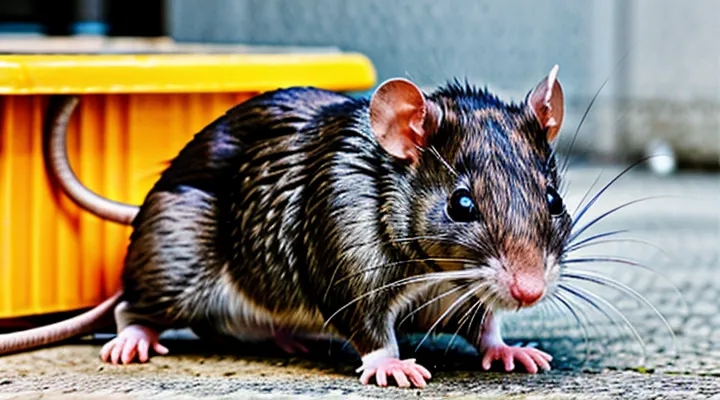
Common Symptoms
Respiratory Distress Indicators
Rats suffering from a cold may exhibit signs that indicate compromised breathing. Recognizing these signs promptly allows for timely intervention and reduces the risk of progression to pneumonia or other serious conditions.
Key indicators of respiratory distress include:
- Rapid, shallow breaths exceeding 120 breaths per minute
- Audible wheezing or high‑pitched whistling during inhalation or exhalation
- Nasal discharge that is thick, discolored, or accompanied by sneezing bursts
- Open‑mouth breathing or visible effort to draw air, such as flared nostrils
- Cyanotic or pale gums, indicating insufficient oxygenation
- Lethargy combined with a reluctance to move, suggesting fatigue from inadequate ventilation
If any of these symptoms appear, isolate the rat, maintain a warm, humid environment, and seek veterinary care without delay. Immediate professional assessment is essential to determine whether supportive therapy, such as oxygen supplementation or antibiotics, is required.
Behavioral Changes
When a pet rat develops a respiratory infection, its behavior often reveals the severity of the condition.
- Reduced activity; the rat spends most of the day resting in the nest.
- Decreased appetite; food and water intake drop noticeably.
- Reluctance to explore; the animal avoids climbing or using tunnels.
- Altered grooming; fur becomes ruffled or the rat neglects self‑cleaning.
- Audible breathing changes; wheezing or rapid breaths accompany quiet moments.
Addressing these signs requires prompt, systematic action.
- Isolate the affected rat to prevent stress on cage mates and reduce the spread of pathogens.
- Provide a warm, draft‑free enclosure; maintain temperature around 70–75 °F (21–24 °C).
- Offer easily digestible foods such as soft fruits, boiled egg whites, or specially formulated rat recovery pellets.
- Ensure constant access to fresh water; consider a water bottle with a low flow rate to limit effort.
- Administer humidification—place a shallow dish of water near the cage or use a low‑intensity humidifier to ease nasal congestion.
- Monitor temperature and weight daily; record any further decline.
If behavioral changes persist beyond 48 hours, worsen, or are accompanied by nasal discharge, fever, or severe labored breathing, seek veterinary evaluation without delay. Early professional intervention improves recovery prospects and reduces the risk of complications.
Other Physical Manifestations
Rats suffering from an upper‑respiratory infection often display signs beyond sneezing and nasal discharge. Recognizing these additional symptoms enables timely intervention and prevents complications.
- Reduced activity – the animal spends more time resting, moves sluggishly, or avoids climbing.
- Loss of appetite – food and water intake decline noticeably, sometimes accompanied by weight loss.
- Watery eyes – excessive tearing may accompany nasal drainage, indicating irritation of the mucous membranes.
- Ear discharge – a clear or slightly yellow fluid can emerge from the ear canal, reflecting congestion of the eustachian tubes.
- Shivering or tremors – involuntary muscle tremors suggest fever or systemic discomfort.
- Altered grooming – the rat may neglect self‑cleaning, resulting in a rough or unkempt coat.
- Changes in vocalization – quieter or hoarse squeaks can signal throat irritation.
When several of these manifestations appear together, isolate the affected rat, maintain a warm, draft‑free environment, and consult a veterinarian for appropriate treatment. Early detection of these physical cues improves recovery prospects and reduces the risk of secondary infections.
Immediate Steps to Take
A rat displaying nasal discharge, sneezing, or reduced activity may be experiencing a respiratory infection that requires prompt attention.
- Isolate the affected animal to prevent exposure of cage mates.
- Provide a warm, draft‑free environment; raise ambient temperature by 2–3 °C if possible.
- Offer fresh water and easily digestible food, such as softened pellets or baby food, to encourage hydration and nutrition.
- Monitor temperature using a digital rectal thermometer; a reading above 39.5 °C (103 °F) indicates fever and warrants veterinary evaluation.
- Clean the cage thoroughly, replacing bedding with a low‑dust, absorbent material to reduce irritants.
- Contact a qualified exotic‑animal veterinarian within 24 hours; request a physical exam and, if indicated, a chest X‑ray or culture to identify bacterial agents.
After veterinary consultation, follow prescribed medication regimens precisely, maintaining dosing intervals and completing the full course. Continue to observe the rat for changes in breathing patterns, appetite, or behavior, and report any deterioration immediately. Maintaining optimal hygiene, temperature control, and rapid professional intervention maximizes recovery prospects.
Providing Supportive Care at Home
Creating a Comfortable Environment
When a pet rat exhibits cold symptoms, the immediate priority is to adjust its living space so that warmth, humidity, and cleanliness support recovery.
- Maintain ambient temperature between 68‑74 °F (20‑23 °C); use a low‑wattage heat lamp or ceramic heater positioned to avoid direct exposure.
- Increase humidity to 50‑60 % by placing a shallow water dish with pebbles or employing a small humidifier; monitor levels with a hygrometer.
- Provide soft, absorbent bedding such as shredded paper or aspen shavings; replace soiled material daily to prevent drafts and excess moisture loss.
- Position the cage away from drafts, direct sunlight, and cold floors; elevate the enclosure on a sturdy platform if necessary.
- Offer easily digestible foods—warmed oatmeal, soft boiled egg, or commercial rat formula—multiple times per day to sustain energy.
- Keep the cage clean but avoid excessive washing that removes beneficial microbes; spot‑clean daily and perform a thorough clean weekly with mild, unscented soap.
These adjustments create a stable microenvironment that reduces stress, promotes airway moisture, and accelerates healing for a rat battling a cold.
Nutritional Support
Proper nutrition accelerates recovery in a rat suffering from a respiratory infection. Adequate calories prevent weight loss, while specific nutrients support immune function and mucosal health.
- High‑quality protein sources (e.g., boiled egg, cooked chicken, commercial rat pellets with ≥18 % protein) supply amino acids for tissue repair.
- Vitamin C‑rich foods (fresh bell pepper, kale, small amounts of orange) enhance leukocyte activity.
- Zinc‑rich items (pumpkin seeds, small portions of lean meat) aid epithelial regeneration.
- Omega‑3 fatty acids (flaxseed oil, modest fish oil) reduce inflammation in nasal passages.
- Hydration boosters such as diluted apple juice or low‑sodium broth maintain mucous membrane moisture.
Feed small, frequent meals to offset reduced appetite. Warm the food slightly to increase palatability and reduce chilling of the gastrointestinal tract. Remove uneaten portions after two hours to prevent spoilage.
Observe the rat’s intake and body condition daily. If food consumption declines below 50 % of normal levels for 24 hours, supplement with a high‑calorie gel or a veterinary‑approved recovery formula. Adjust protein and vitamin C levels based on weight trends and clinical signs, consulting a veterinarian if the condition worsens.
Hydration Strategies
A rat suffering from a cold often reduces its fluid intake, increasing the risk of dehydration. Prompt, consistent hydration supports mucous membrane function and aids recovery.
- Provide fresh, clean water at all times; replace it several times daily to encourage drinking.
- Offer water with a small amount of unflavored electrolyte solution (e.g., a pediatric oral rehydration mix diluted to 1 % concentration) to replace lost salts.
- Use a calibrated syringe or dropper to administer 0.2–0.5 ml of lukewarm water or electrolyte fluid every 2–4 hours if the rat refuses to drink.
- Add moisture‑rich foods such as cucumber slices, watermelon rind, or softened pellets to increase fluid consumption.
- Keep the cage environment warm (22–25 °C) and humidified; a shallow dish of water near the heat source raises ambient humidity and reduces nasal irritation.
- Monitor urine output and skin turgor; a decrease signals inadequate hydration and requires immediate adjustment of fluid delivery.
Maintain a regular log of fluid volume offered and consumed. Adjust the regimen based on the rat’s response, increasing frequency or concentration of electrolytes as needed until normal drinking patterns resume.
When to Seek Veterinary Care
Mild respiratory symptoms in pet rats often improve with rest, hydration, and a warm environment. Immediate veterinary intervention is unnecessary unless the condition escalates beyond simple discomfort.
- Nasal discharge turns thick, yellow, or blood‑tinged.
- Breathing becomes labored, rapid, or noisy (wheezing, rattling).
- Appetite declines sharply; the rat refuses food or water for more than 24 hours.
- Body temperature falls below normal (approximately 99–101 °F) or the animal feels cold to the touch.
- Lethargy progresses to unresponsiveness or inability to move.
- Secondary signs appear, such as eye discharge, swelling around the face, or persistent sneezing.
When any of these indicators are present, contact a veterinarian experienced with small mammals promptly. Provide a concise summary of symptoms, duration, and any home treatments already applied. Arrange a same‑day or next‑day appointment, and bring the rat in a secure carrier with familiar bedding to reduce stress. The clinician will perform a physical exam, may order diagnostic imaging or laboratory tests, and will prescribe appropriate medication or supportive care.
Preventing Future Colds
Maintaining Optimal Cage Hygiene
Maintaining a clean cage directly influences the recovery of a rat suffering from a respiratory infection. Contaminants such as dust, urine, and feces exacerbate nasal congestion and increase the risk of secondary bacterial growth. Implementing strict hygiene protocols reduces pathogen exposure and supports the animal’s immune response.
- Remove all waste daily; discard soiled bedding and replace it with fresh, low‑dust material.
- Clean food and water dishes each evening; rinse with hot water and a mild, non‑toxic detergent, then sanitize with a diluted vinegar solution.
- Perform a full cage deep‑clean weekly: dismantle accessories, scrub surfaces with a safe disinfectant, rinse thoroughly, and dry completely before reassembly.
- Ensure adequate ventilation without drafts; position the cage away from direct airflow but allow fresh air exchange to prevent humidity buildup.
- Inspect the cage for hidden debris, torn lining, or mold; repair or replace damaged components immediately.
Consistent adherence to these measures creates an environment that minimizes irritants, promotes easier breathing, and accelerates recovery for a rat battling a cold.
Nutritional Considerations for Prevention
A balanced diet reduces the likelihood that a rat will develop respiratory infections. Provide high‑quality protein sources, such as cooked egg whites or lean meat, to support immune cell production. Include a modest amount of fresh vegetables rich in vitamins A and C, like carrots, bell peppers, and kale, which strengthen mucosal barriers.
Key nutrients for preventive care:
- Vitamin C (fresh citrus peel, broccoli) – enhances white‑blood‑cell function.
- Vitamin A (sweet potato, pumpkin) – maintains the integrity of respiratory epithelium.
- Zinc (small amounts of cooked liver or fortified grain mix) – aids in tissue repair and immune signaling.
- Omega‑3 fatty acids (flaxseed oil, fish oil) – modulate inflammation without suppressing immunity.
Avoid foods high in sugar, fat, or salt, as they can impair immune responses and promote bacterial growth. Ensure constant access to clean, fresh water; dehydration compromises mucosal defenses. Regularly rotate fresh foods to prevent nutrient deficiencies and monitor intake to detect early signs of reduced appetite, which may precede illness.
Minimizing Stress and Environmental Factors
When a pet rat develops respiratory symptoms, reducing anxiety and optimizing its surroundings directly supports immune function and speeds recovery.
Stressors commonly include frequent handling, sudden noises, exposure to predators, and abrupt changes in daily routine. Limiting contact to essential care tasks, providing a quiet room, and maintaining a consistent feeding and lighting schedule prevent unnecessary cortisol spikes that can suppress the animal’s defenses.
Practical steps to lower stress:
- Keep handling to brief, necessary procedures only.
- Place the cage in a low‑traffic area away from loud appliances.
- Avoid introducing new objects or rearranging the cage during illness.
- Maintain a predictable feeding and cleaning timetable.
Environmental conditions affect airway health. Cool drafts, low humidity, and dirty bedding exacerbate congestion, while overly warm environments can cause overheating. Adjustments should focus on stable temperature, adequate moisture, and cleanliness.
Key environmental adjustments:
- Keep cage temperature between 68–74 °F (20–23 °C) with no direct drafts.
- Use a humidifier or mist the cage lightly to maintain 40–60 % relative humidity.
- Provide absorbent, dust‑free bedding such as paper strips and change it daily.
- Ensure proper ventilation without creating breezes directly on the rat.
Continuous observation of behavior, breathing rate, and nasal discharge confirms whether stress‑reduction measures are effective. Consistency in these practices creates a supportive setting that allows the animal’s immune system to address the infection efficiently.
Understanding Rat Respiratory Health
Rats are prone to upper‑respiratory infections that manifest as nasal discharge, sneezing, watery eyes, and reduced activity. The nasal passages and lungs contain delicate mucosal tissue; inflammation compromises airflow and can progress to pneumonia if left untreated.
Identifying early signs prevents complications. Observe for:
- Persistent nasal or ocular discharge
- Audible sneezing or wheezing
- Labored breathing or open‑mouth respiration
- Decreased appetite and lethargy
Environmental factors influence respiratory health. Maintain humidity between 40‑60 % to keep mucous membranes moist. Provide bedding free of dust and ammonia; replace soiled material daily. Ensure cage ventilation without drafts, and keep temperature stable around 68‑75 °F (20‑24 °C).
Nutrition supports immune function. Offer a balanced diet rich in protein, vitamin C, and antioxidants. Supplement with fresh vegetables and a small amount of fortified rat chow. Avoid sugary treats that can weaken immunity.
When symptoms appear, isolate the affected rat to reduce pathogen spread. Conduct a veterinary examination promptly; a professional may prescribe antibiotics targeting common bacterial agents such as Streptococcus or Mycoplasma. Follow dosage instructions precisely and complete the full course, even if the rat seems recovered.
Supportive care accelerates recovery. Provide a warm, quiet enclosure, and increase hydration with fresh water or diluted electrolyte solution. Use a humidifier or place a shallow water dish in the cage to raise ambient moisture. Monitor weight and behavior daily; any deterioration warrants immediate veterinary attention.
Preventive measures reduce incidence. Implement a regular cleaning schedule, quarantine new arrivals for at least two weeks, and limit exposure to other rodents with unknown health status. Routine health checks allow early detection of respiratory issues before they become severe.