
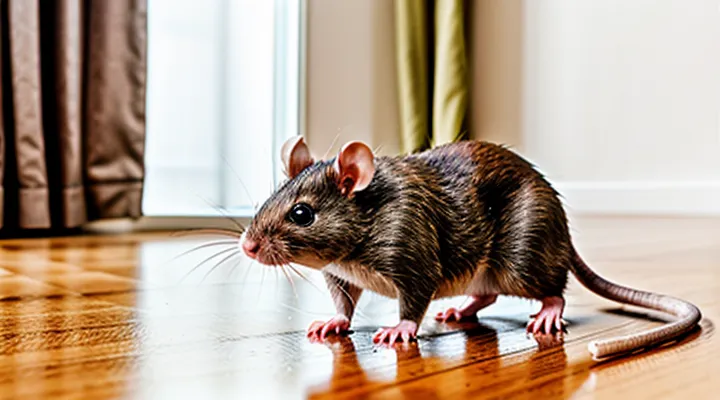
«Initial Steps Upon Discovery»
«Assessing the Situation Safely»
«Prioritizing Personal Safety»
When a rodent appears inside a living space, the first priority is protecting the occupants from bites, diseases, and accidental injury. Immediate actions reduce risk and prevent escalation.
- Keep distance: Do not attempt to touch or capture the animal with bare hands. Use a sturdy container or trap only after the creature is immobilized.
- Secure children and pets: Close doors to rooms where the rat is sighted, place barriers, and supervise any vulnerable individuals.
- Wear protective gear: Gloves, long sleeves, and closed shoes shield skin from scratches and potential pathogens.
- Ventilate the area: Open windows to disperse odors and airborne contaminants while avoiding drafts that could drive the rat deeper into the building.
- Turn off electricity to affected outlets: Prevent accidental contact with exposed wires the animal might chew, reducing fire hazard.
- Call a qualified pest‑control professional: Provide clear details of the sighting, location, and any injuries observed; allow experts to handle removal safely.
After the animal is removed, inspect the premises for signs of contamination—droppings, urine stains, or gnaw marks. Clean affected surfaces with a disinfectant approved for rodent‑borne pathogens. Replace any compromised food containers and seal entry points to eliminate future exposure.
«Identifying Potential Entry Points»
Rats penetrate apartments through any opening larger than a quarter‑inch. Common routes include gaps beneath exterior doors, unsealed utility lines, vent covers, cracks in foundation walls, damaged window screens, and exposed drainage pipes. Even small holes around plumbing fixtures or electrical conduits can serve as access points.
To locate these vulnerabilities, follow a systematic inspection:
- Examine the perimeter of each room for visible cracks or holes; probe with a thin object to assess size.
- Inspect door thresholds and bottom gaps; measure the clearance and seal any space greater than 0.3 cm.
- Remove and check vent covers and exhaust fans for missing or loose grilles.
- Look around plumbing stacks, sink drains, and dishwasher connections for exposed pipe sections; verify that all sleeves are fitted tightly.
- Test window screens for tears or loose fittings; reinforce or replace as needed.
- Survey the area beneath cabinets and appliances for concealed gaps where wiring or water lines enter the unit.
After identifying each opening, use appropriate sealants, steel wool, or metal flashing to block access, ensuring the barrier material resists gnawing. Regularly repeat the inspection, especially after renovations or seasonal changes, to maintain a rat‑free environment.
«Containing the Rat»
«Securing Doors and Windows»
Rats gain access through gaps in doors and windows; sealing these openings eliminates the most common entry points.
- Inspect all door frames for cracks, gaps around hinges, and spaces under the threshold. Install steel‑grade door sweeps and weather‑stripping to close gaps no wider than 1 mm.
- Fit self‑closing devices on exterior doors to ensure they latch fully after each use.
- Examine window sills, panes, and screens. Replace torn screens with fine mesh (≤1 mm opening) and apply caulk or expanding foam to seal cracks around the frame.
- Fit adjustable hinges or latch guards on sliding windows to prevent them from being propped open.
- Install rigid metal flashing on the exterior side of door and window frames where rodents are known to chew.
Regularly check the integrity of seals and hardware. Reapply caulk after seasonal temperature shifts, and replace worn weather‑stripping before it deteriorates. Maintaining a tight envelope around the apartment reduces the likelihood of future rat intrusion.
«Blocking Obvious Escape Routes»
When a rodent appears inside a residence, the first priority is to prevent it from disappearing through gaps that lead to walls, ceilings, or exterior openings. Unsecured passages allow the animal to hide, making capture or removal far more difficult and increasing the risk of damage to wiring, insulation, and food supplies.
Identify all potential egress points:
- Gaps around baseboards, door frames, and window sills.
- Openings behind appliances, under sinks, and in utility closets.
- Holes in drywall, vent covers, and pipe penetrations.
- Cracks in the foundation or exterior siding that connect to the interior.
Seal each opening with appropriate materials:
- Apply steel wool or copper mesh to fill small holes, then cover with expanding foam or cement for durability.
- Install weather‑stripping or door sweeps on all doors to block gaps beneath the threshold.
- Fit tight‑closing latches on interior doors that lead to rooms where the rat might travel.
- Use metal flashing or hardware cloth to reinforce larger openings such as vent ducts or utility chases.
After sealing, monitor the sealed areas for signs of new activity. If fresh gnaw marks appear, re‑inspect and reinforce the barrier. Promptly addressing escape routes limits the rodent’s movement, simplifies subsequent trapping or professional extermination, and protects the integrity of the living space.
«Implementing Control Measures»
«Choosing Humane Trapping Methods»
«Snap Traps: Proper Placement and Baiting»
Snap traps provide immediate, mechanical control of rats that have entered a living space. The device delivers a lethal strike, eliminating the need for chemical agents and reducing secondary poisoning risks.
Effective placement maximizes contact probability while minimizing exposure to non‑target occupants. Position traps along established runways: behind appliances, near garbage containers, under sinks, and within 12‑18 inches of walls. Secure the trap so the trigger plate aligns with the rodent’s natural forward movement. Avoid areas with high foot traffic, children’s play zones, and pet pathways.
- Align the trigger plate with the wall baseboard.
- Place traps perpendicular to the wall, with the spring facing the rodent’s entry point.
- Space multiple traps 2‑3 ft apart in a single corridor to cover parallel pathways.
- Use disposable gloves when handling traps to prevent scent transfer.
Bait selection influences capture rates. Choose high‑protein or high‑fat foods that rats seek during the night: peanut butter, dried fruit, cooked meat, or small pieces of cheese. Apply a pea‑sized amount directly onto the trigger plate, ensuring the bait does not obstruct the mechanism. Replace bait daily to maintain freshness and scent potency. Secure baited traps in sealed containers when not in use to avoid accidental activation.
- Use a single, compact bait piece to force the rat to bite the trigger.
- Avoid overly sticky substances that may jam the spring.
- Rotate bait types weekly to prevent habituation.
- Dispose of captured rodents promptly, following local health regulations.
«Live Traps: Safe Release Protocols»
Live traps provide a humane method for removing a rat from a dwelling while avoiding lethal measures. Choose a trap sized for rodents, equipped with a sensitive trigger and a secure latch that prevents escape once activated.
- Position the trap along walls, behind appliances, or near visible gnaw marks; rats travel close to surfaces.
- Bait with high‑protein food such as peanut butter, cooked egg, or small pieces of meat; use a pea‑sized amount to encourage entry.
- Check the trap every two hours during daylight; prolonged confinement increases stress.
- When capture occurs, wear thick gloves, cover the trap with a towel, and transport it to a pre‑selected release site at least one mile from the building, preferably in a wooded or agricultural area.
- Release the rat by opening the latch away from the handler, allowing the animal to exit quickly; avoid direct eye contact.
- Clean the trap with hot, soapy water and a disinfectant solution before storage; inspect for damage and replace worn components.
After release, seal entry points, trim vegetation near the structure, and store food in sealed containers to reduce the likelihood of future incursions.
«Considering Professional Pest Control»
«When to Call an Exterminator»
If a rat has been spotted in your flat and the situation escalates beyond a one‑time sighting, professional intervention becomes necessary. Immediate contact with a pest‑control service is warranted when any of the following conditions are present:
- Evidence of nesting activity, such as shredded materials, droppings, or gnawed items, indicating an established colony.
- Repeated sightings over several days despite attempts to trap or repel the animal.
- Signs of damage to wiring, insulation, or structural components that could pose fire or health hazards.
- Presence of disease‑transmitting pathogens confirmed by health officials or noticeable contamination of food supplies.
- Legal or building‑management requirements that mandate certified eradication methods.
Delaying action after these indicators appear increases the risk of infestation growth, property damage, and potential health repercussions. Promptly scheduling a licensed exterminator ensures that eradication follows approved protocols, secures the living environment, and prevents recurrence.
«Questions to Ask a Professional»
When a rodent is discovered inside a living space, a qualified pest‑control specialist can assess the situation and recommend safe, effective measures. Before the service begins, gather critical information by asking targeted questions that reveal the professional’s expertise, methods, and responsibilities.
- What inspection procedures will you use to locate entry points and nesting sites?
- Which control techniques do you prefer—live‑capture, exclusion, or baiting—and why?
- How do you ensure compliance with local health regulations and building codes?
- What chemicals, if any, will be applied, and what safety precautions are required for residents and pets?
- Can you provide a written guarantee outlining follow‑up visits and performance expectations?
- What steps should tenants take to prevent future infestations after treatment?
- How do you handle waste disposal and sanitation after the removal process?
- Are you licensed, insured, and certified by a recognized pest‑management organization?
The responses clarify the contractor’s approach, legal standing, and commitment to long‑term prevention. Use the information to compare providers, confirm that recommended actions align with safety standards, and ensure that the chosen expert can deliver a reliable resolution.
«Deterring Future Infestations»
«Sealing Entry Points»
Rats gain access through gaps that appear in walls, floors, windows, doors, and utility openings. Sealing these openings removes the pathway that allows rodents to enter, reducing the likelihood of re‑infestation and limiting damage to structure and possessions.
Identify all potential entry points by conducting a systematic inspection. Walk around the perimeter of the unit, examine the exterior wall surface, and look for the following signs:
- Holes larger than ¼ inch in drywall, plaster, or siding.
- Gaps around plumbing, electrical conduits, and vent pipes.
- Unsealed cracks at the foundation or around window frames.
- Openings beneath doors or sliding glass panels.
Repair and seal each opening with materials appropriate to the location:
- Use steel wool or copper mesh to fill larger voids, then cover with expanding polyurethane foam for a tight seal.
- Apply cement‑based mortar or concrete patch to cracks in masonry.
- Install weatherstripping on doors and windows; replace damaged strips promptly.
- Fit metal flashing around vent pipes and seal with high‑temperature silicone caulk.
After sealing, verify integrity by conducting a visual check and, if possible, a smoke test to confirm that no air flows through repaired areas. Schedule periodic inspections—at least quarterly—to detect new gaps caused by building settlement or wear. Promptly address any findings to maintain a barrier that prevents future rodent intrusion.
«Maintaining Cleanliness and Sanitation»
Maintain a clean environment to reduce attractants that draw rodents into a dwelling. Eliminate food residues, store perishables in sealed containers, and promptly dispose of waste in tightly closed bins. Regularly sweep floors, vacuum carpets, and wipe countertops to remove crumbs and spills that could serve as a food source.
Sanitation measures extend to areas where rodents may hide or travel. Clean behind appliances, under sinks, and inside cabinets; these spaces often accumulate debris unnoticed. Use disinfectants on surfaces that contact food, and rinse pet dishes after each use.
Key actions for sanitation:
- Remove all accessible food, including pet feed, from open shelves.
- Store groceries in airtight containers.
- Empty trash daily; secure lids on bins.
- Wash dishes and utensils immediately after use.
- Scrub kitchen appliances, especially the interior of ovens and microwaves.
- Inspect and clean drainage traps, garbage disposals, and refrigerator coils.
- Conduct a weekly deep clean of closets, pantry shelves, and storage rooms.
By rigorously controlling waste, food storage, and surface cleanliness, the likelihood of a rat establishing a foothold in the apartment diminishes significantly.
«Removing Food and Water Sources»
When a rat appears in a residence, the first priority is to eliminate any sustenance that can support its survival. Food and water left accessible create a reliable incentive for the animal to remain, reproduce, and attract additional pests.
Secure all edible items. Store pantry goods in airtight containers made of glass, metal, or heavy‑duty plastic. Transfer open packages, such as cereal, nuts, and pet food, into these containers and place them on shelves away from the floor. Clean countertops, tables, and floors of crumbs or spills immediately after meals. Dispose of leftovers in sealed trash bags and transfer the bags to an outdoor bin with a tightly fitting lid.
Remove standing water. Empty pet water bowls after each use and wash them thoroughly. Check for leaks under sinks, behind appliances, and around the bathroom; repair any drips promptly. Dry wet surfaces, especially in kitchens and bathrooms, to prevent condensation that could serve as a water source.
Implement a systematic routine:
- Conduct a daily sweep of all rooms to collect food debris.
- Inspect storage areas for compromised packaging and reseal as needed.
- Verify that garbage cans have fitted lids and are emptied regularly.
- Examine the apartment for hidden moisture, including plant saucers, and eliminate excess water.
- Document any recurring issues and address them immediately.
By denying the rat access to nourishment and hydration, you reduce its ability to survive, encourage it to leave, and lower the risk of a larger infestation.
«Post-Extermination Cleanup and Prevention»
«Sanitizing Affected Areas»
«Disinfecting Surfaces»
After a rat is discovered inside a dwelling, all surfaces it may have contacted require thorough disinfection to eliminate pathogens and prevent secondary contamination.
- Remove visible debris, droppings, and urine with disposable gloves and a paper towel. Seal waste in a plastic bag before disposal.
- Choose an EPA‑registered disinfectant effective against hantavirus, leptospirosis, salmonella, and other rodent‑borne agents. Verify the product label for required contact time.
- Apply the disinfectant to countertops, shelves, cabinets, and any flat surfaces using a spray bottle or cloth. Ensure even coverage; excess liquid should remain wet for the specified period.
- For porous materials such as wood or fabric, use a disinfectant spray followed by a thorough drying process or consider professional cleaning if absorption is likely.
- After the dwell time expires, wipe surfaces with a clean, damp cloth to remove residue. Rinse with water if the disinfectant label advises.
- Dispose of all cleaning tools, gloves, and disposable items in sealed bags. Wash reusable equipment with hot, soapy water and a disinfectant rinse.
Complete the process before re‑entering the area for food preparation or storage. Regular monitoring of cleaned zones helps confirm the absence of lingering odors or stains that could attract additional rodents.
«Disposing of Contaminated Materials»
When a rat has accessed an apartment, any material it has contacted must be treated as potentially contaminated. Proper disposal prevents disease spread and secondary infestations.
- Seal the area where the rat was active. Close doors and block vents to contain dust and droppings.
- Wear disposable gloves and a mask before handling any item.
- Place all visibly soiled items—food wrappers, bedding, paper towels, and contaminated packaging—into a heavy‑duty plastic bag. Double‑bag for added protection.
- For porous objects (cloth, cardboard, insulation) that cannot be sanitized, discard them with the sealed bags. Label the bags “biohazard” or “rat contamination.”
- Rigid items (plastic containers, metal trays) should be cleaned with hot, soapy water, then disinfected using a solution of 1 part bleach to 9 parts water. Rinse, dry, and store separately before reuse.
- After cleaning, place the disinfected items in a clean, sealed container for later inspection.
- Transport sealed bags to an outdoor trash bin that is collected weekly, or arrange for a hazardous‑waste pickup if local regulations require it.
- Clean the surrounding area with a disinfectant spray, focusing on floors, countertops, and any surfaces the rat may have touched.
- Wash hands thoroughly with soap and water after removing gloves and disposing of the bags.
Following these steps eliminates contaminated materials safely and reduces the risk of health hazards associated with rodent exposure.
«Long-Term Prevention Strategies»
«Regular Inspections»
Regular inspections form the backbone of any effective rodent‑control strategy in a dwelling. Conducting systematic checks reduces the chance that a rat will find unnoticed entry points or food sources.
A weekly walkthrough should include:
- Examination of all exterior walls, windows, and vent openings for gaps larger than ¼ inch; seal any openings with steel wool, caulk, or metal mesh.
- Inspection of utility penetrations—pipes, cables, and ducts—for signs of chew marks; reinforce with conduit or metal plates.
- Verification that trash containers have tight‑fitting lids and that waste is removed daily.
- Review of interior storage areas for clutter that could conceal droppings or nests; keep items off the floor and away from walls.
- Monitoring of kitchen appliances and pantry shelves for spilled food residues; wipe surfaces after each use.
Document each inspection in a log, noting the location of repairs, materials used, and dates of completion. Revisit identified problem spots within 48 hours to confirm that sealing measures remain intact. Consistent record‑keeping enables rapid identification of recurring vulnerabilities and supports coordination with professional pest‑control services when necessary.
«Securing Trash and Food Storage»
Rats are attracted to accessible waste and exposed food. Eliminate these incentives by treating trash and food storage as sealed, inaccessible zones.
- Transfer household refuse to containers with tight‑fitting lids; verify that the lid locks or snaps shut. Place the containers on a countertop or inside a cabinet, never on the floor where a rodent can push them aside.
- Empty the bins daily. If a collection service is infrequent, store waste in a secondary, airtight container until it can be removed.
- Store all pantry items in glass or heavy‑wall plastic jars equipped with screw‑on or clamp lids. Avoid open bags, cardboard boxes, or flimsy containers that a rat can gnaw through.
- Keep the refrigerator door closed at all times; inspect the seal for cracks or gaps and replace it if damaged.
- Clean crumbs and spills immediately. Wipe countertops, stovetops, and dining surfaces after each use; a clean surface leaves no scent trail for rodents.
- Secure pet food in the same manner as human food. Remove uneaten portions after each feeding and store the remainder in a sealed container.
By maintaining airtight containers, regular waste removal, and a spotless eating environment, the likelihood of a rat finding sustenance inside the apartment drops dramatically, reducing the chance of repeated incursions.