
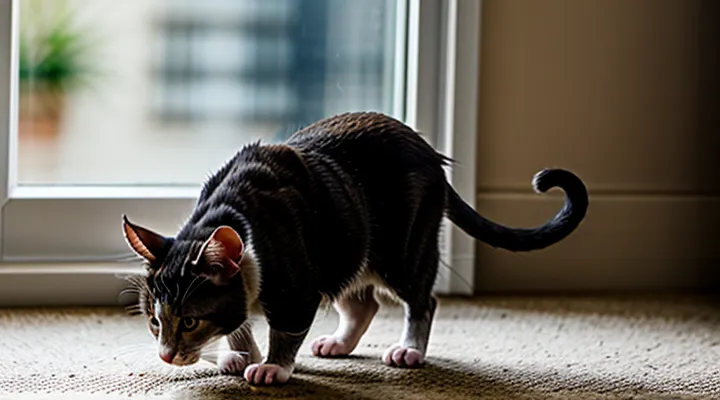
«Immediate Actions After the Bite»
«Prioritizing Safety»
«Separating the Animals»
When a cat has been bitten by a rat, the first priority is to prevent further injury by separating the animals promptly. Separate them in a calm, controlled manner to avoid escalating stress for either creature.
- Move the cat to a secure, quiet room where the rat cannot follow. Close the door and ensure the cat cannot escape through windows or vents.
- Place the rat in a separate enclosure that is sturdy, escape‑proof, and away from the cat’s line of sight. If possible, use a carrier with a tight‑fitting lid.
- Wear thick gloves or use a towel to handle the cat if it is aggressive or frightened. Support the cat’s body to reduce the risk of additional bites or scratches.
After isolation, observe both animals closely. Check the cat for puncture wounds, swelling, or signs of infection; seek veterinary care immediately if any symptoms appear. Monitor the rat for signs of distress, bleeding, or trauma and provide appropriate care or professional assistance as needed. Maintain separate feeding and litter areas until both animals have fully recovered and any risk of re‑engagement is eliminated.
«Assessing the Cat’s Condition»
When a cat has been bitten by a rat, the first priority is a thorough assessment of the animal’s condition.
Observe the cat’s behavior: sudden lethargy, agitation, vocalization, or reluctance to move may indicate pain or systemic distress.
Examine the bite site directly. Follow these steps:
- Clean the area with saline or mild antiseptic solution to remove debris.
- Note the number of puncture marks, their depth, and any tearing of skin.
- Look for active bleeding, swelling, or discoloration.
- Check for discharge, pus, or foul odor, which suggest infection.
- Assess surrounding tissue for signs of cellulitis: warmth, redness extending beyond the wound margins.
Evaluate vital signs:
- Measure heart rate and respiratory rate; tachycardia or rapid breathing can signal shock or pain.
- Monitor temperature; fever may develop within 24–48 hours if infection sets in.
Screen for disease transmission:
- Determine the rat’s health status if known; presence of rabies or other pathogens requires immediate veterinary intervention.
- Note any signs of neurologic impairment: unsteady gait, seizures, or altered mental state.
Document findings and contact a veterinarian promptly, providing details of the wound’s appearance, the cat’s behavior, and any observed systemic signs. Immediate professional care reduces the risk of complications and improves recovery prospects.
«First Aid for Your Cat»
«Wound Cleaning and Disinfection»
When a cat suffers a rat bite, immediate attention to the wound prevents infection and complications. First, restrain the animal safely to avoid further injury to yourself or the cat. Use a towel or a cat carrier, ensuring the cat’s head is protected while you work.
- Assess the injury – Locate the bite site, note any puncture depth, swelling, or bleeding.
- Control bleeding – Apply gentle pressure with a clean gauze pad for 1–2 minutes until bleeding subsides.
- Rinse the area – Flush the wound with sterile saline or clean, lukewarm water. Use a syringe or a gentle stream to remove debris and saliva.
- Disinfect – Apply a broad‑spectrum antiseptic such as chlorhexidine solution (0.05 %–0.1 %) or povidone‑iodine (1 %). Avoid hydrogen peroxide, as it can damage tissue.
- Dry and protect – Pat the site dry with sterile gauze. Cover with a non‑adhesive, breathable dressing to keep the wound clean while allowing airflow.
- Monitor – Check the wound twice daily for redness, swelling, pus, or increased pain. Record any changes and contact a veterinarian promptly if symptoms worsen.
If the bite penetrates deeply, if the cat is not up to date on rabies vaccination, or if the rat was wild, seek veterinary care without delay. The veterinarian may prescribe systemic antibiotics, administer tetanus prophylaxis, and assess the need for rabies post‑exposure treatment.
«Controlling Bleeding»
When a rodent’s teeth penetrate a feline’s skin, immediate attention to bleeding prevents shock and infection. Apply firm, direct pressure with a clean gauze pad for at least one minute. If bleeding persists, add another pad and maintain pressure while a second person assists. Once bleeding slows, rinse the wound with sterile saline or a mild antiseptic solution; avoid harsh chemicals that could damage tissue. Pat the area dry with sterile gauze, then inspect for remaining blood vessels that may still ooze.
- Elevate the injured limb or body part above heart level to reduce blood flow.
- Use a sterile, non‑adhesive dressing to cover the wound securely.
- Monitor the cat for signs of continued bleeding, weakness, or rapid breathing; if any appear, seek veterinary care without delay.
- Keep the cat in a quiet, warm environment to minimize stress and support clot formation.
After initial control, schedule a veterinary examination to assess deeper tissue damage, administer tetanus prophylaxis if needed, and discuss appropriate antibiotics. Prompt, decisive action reduces the risk of severe blood loss and promotes faster recovery.
«Veterinary Care and Follow-up»
«When to Seek Professional Help»
«Signs of Serious Injury»
When a cat receives a bite from a rodent, the injury can range from superficial punctures to life‑threatening conditions. Prompt identification of severe symptoms determines whether emergency veterinary care is required.
Key indicators of a serious wound include:
- Profuse bleeding that does not stop with gentle pressure.
- Swelling that expands rapidly or becomes hard to the touch.
- Excessive drooling, foaming at the mouth, or difficulty swallowing.
- Visible signs of infection such as pus, foul odor, or red streaks radiating from the bite site.
- Sudden weakness, collapse, or inability to stand.
- Labored breathing, rapid heart rate, or pale gums.
- Unusual behavior like agitation, vocalization, or lethargy beyond normal post‑trauma shock.
If any of these signs appear, transport the cat to a veterinary clinic without delay. Apply a clean cloth to control bleeding, keep the animal calm, and avoid giving food or water until a professional assessment is completed.
«Risk of Infection and Disease»
A rat bite introduces a wide range of pathogens that can affect a feline host. Common agents include Streptobacillus moniliformis (rat‑bite fever), Leptospira spp., Salmonella spp., Yersinia spp., and various parasites. These organisms may cause fever, vomiting, diarrhea, lethargy, or severe systemic illness if left untreated.
Immediate response should focus on wound management and early detection of infection:
- Clean the puncture site with sterile saline; avoid harsh antiseptics that may damage tissue.
- Apply a mild, veterinary‑approved antiseptic solution.
- Observe for swelling, redness, discharge, or heat, which indicate bacterial involvement.
- Contact a veterinarian within 12 hours; provide details about the bite source and any observed symptoms.
Veterinary evaluation typically includes:
- Physical examination of the wound and overall health status.
- Laboratory testing: complete blood count, culture of wound exudate, and serology for rat‑borne diseases.
- Administration of broad‑spectrum antibiotics (e.g., amoxicillin‑clavulanate) pending culture results.
- Vaccination updates and parasite control as preventive measures.
Long‑term monitoring is essential. Track temperature, appetite, activity level, and stool consistency for at least two weeks. Any deterioration warrants immediate re‑evaluation, as some infections can progress rapidly to septicemia or organ failure.
Preventive strategies reduce future risk:
- Secure food storage to deter rodent activity.
- Seal entry points and eliminate nesting sites.
- Maintain regular pest‑control programs in indoor and outdoor environments.
Understanding the infection risk associated with rat bites enables swift, effective intervention and minimizes the chance of severe disease in cats.
«Diagnostic Procedures»
«Wound Examination and Cleaning»
When a cat sustains a bite from a rodent, the first priority is a thorough inspection of the wound. Begin by restraining the animal safely, using a towel or a cat‑specific restraint device to prevent further injury. Examine the site under good lighting, looking for puncture marks, torn skin, swelling, or discharge. Note the size, depth, and number of entry points; deeper punctures may indicate tissue damage beyond the surface.
Next, clean the area to reduce bacterial load. Follow these steps:
- Prepare supplies – sterile gauze, saline solution (0.9 % NaCl), antiseptic such as chlorhexidine or povidone‑iodine diluted to a non‑irritating concentration, disposable gloves, and a clean towel.
- Flush the wound – gently irrigate with sterile saline, allowing the fluid to flow through the puncture tract. Use a syringe without a needle if necessary to direct the stream.
- Apply antiseptic – dab the diluted solution onto the surrounding skin and into the wound cavity with sterile gauze. Avoid excessive volume that could cause tissue irritation.
- Dry the site – pat the area with a clean gauze pad, leaving the wound slightly moist but free of excess fluid.
- Cover if needed – if the bite is in a location prone to contamination, apply a non‑adhesive sterile dressing secured with medical tape. For small, self‑cleaning punctures, leave the wound open to air.
Document the findings, including the cat’s age, health status, and any observed signs of infection such as redness, heat, or pus. Prompt veterinary consultation is essential, especially if the bite is deep, the cat shows systemic signs, or the rodent was known to carry diseases. Early professional assessment can prevent complications like abscess formation or zoonotic transmission.
«Testing for Rabies and Other Diseases»
When a cat is bitten by a rat, immediate veterinary assessment is essential. The veterinarian will determine whether the cat requires isolation and will initiate diagnostic testing to rule out rabies and other zoonotic infections.
Diagnostic protocol
- Physical examination – assess wound severity, signs of neurological disturbance, and overall health status.
- Rabies testing – collect brain tissue post‑mortem if the cat dies, or perform a direct fluorescent antibody (DFA) test on a biopsy if euthanasia is considered. Live‑animal testing is not available; observation for ten days is the standard legal requirement in most jurisdictions.
- Polymerase chain reaction (PCR) – obtain saliva, blood, or cerebrospinal fluid samples to detect rabies viral RNA, especially if the cat shows atypical behavior.
- Serology – measure rabies virus neutralizing antibodies to evaluate immune response in previously vaccinated animals.
- Bacterial culture – swab the bite wound for aerobic and anaerobic organisms; common isolates include Streptococcus spp. and Pasteurella spp.
- Leptospira screening – perform microscopic agglutination test (MAT) on blood or urine if the rat was known to inhabit contaminated environments.
- Hantavirus and other rodent‑borne viruses – request PCR or ELISA assays on blood samples when the rat originates from endemic areas.
The veterinarian will compare test results with the cat’s vaccination record. If the cat is up‑to‑date on rabies vaccination, post‑exposure prophylaxis may be unnecessary, but observation and repeat testing remain mandatory. If the cat is unvaccinated or status is unknown, a full course of rabies vaccine and immunoglobulin is administered according to local regulations.
Documentation of all findings, test results, and treatments must be submitted to the appropriate public health authority. This ensures traceability, facilitates contact‑tracing if rabies is confirmed, and supports epidemiological monitoring of rodent‑associated diseases.
«Treatment and Recovery Plan»
«Antibiotics and Pain Management»
When a cat sustains a rat bite, immediate veterinary assessment is required. The wound typically contains mixed aerobic and anaerobic bacteria, making prompt antimicrobial therapy essential to prevent cellulitis, abscess formation, or systemic infection.
- First‑line agents: amoxicillin‑clavulanate (20 mg/kg PO q12h) or cefovecin (8 mg/kg SC q14d) for cats unable to tolerate oral medication.
- Alternatives for penicillin‑allergic patients: doxycycline (5 mg/kg PO q12h) or azithromycin (10 mg/kg PO q24h).
- Treatment duration: 7–14 days, extending to 3 weeks if deep tissue involvement or secondary infection is confirmed.
Pain control should begin concurrently with antibiotics. Non‑steroidal anti‑inflammatory drugs (NSAIDs) are contraindicated in cats; preferred options include:
- Buprenorphine (0.01–0.02 mg/kg IM or SQ q8‑12h).
- Gabapentin (5–10 mg/kg PO q8h) for neuropathic pain.
- Single‑dose dexamethasone (0.1 mg/kg IM) may reduce acute inflammation, but only under veterinary direction.
Monitor the bite site for swelling, heat, discharge, or worsening pain. Record temperature and appetite; any deterioration warrants re‑evaluation and possible adjustment of antimicrobial spectrum or analgesic regimen.
«Wound Care at Home»
When a cat receives a bite from a rodent, the wound requires prompt attention to reduce the risk of infection and complications. Begin by restraining the animal gently to prevent further injury and to allow clear access to the bite site.
- Apply gentle pressure with a clean cloth to stop any bleeding.
- Rinse the area with lukewarm water for at least 30 seconds, removing visible debris.
- Disinfect using a dilute povidone‑iodine solution or chlorhexidine, avoiding harsh chemicals that may irritate tissue.
- Pat the skin dry with a sterile gauze pad.
- Cover the wound with a non‑adhesive dressing, securing it with medical tape if necessary.
Observe the cat closely for the next 24‑48 hours. Check the dressing twice daily, replacing it if it becomes wet or soiled. Record any changes in the wound’s appearance.
Signs that warrant immediate veterinary intervention include:
- Redness expanding beyond the bite margins
- Swelling or heat at the site
- Pus or foul odor
- Fever, lethargy, or loss of appetite
- Excessive licking or biting of the area
If any of these symptoms develop, contact a veterinarian without delay. Even in the absence of overt signs, schedule a professional examination within a few days to ensure proper healing and to address potential tetanus or rabies concerns associated with rodent bites.
«Monitoring for Complications»
After a cat is bitten by a rat, vigilant observation for emerging health issues is essential. The animal’s condition can deteriorate rapidly, so continuous assessment should begin immediately and continue for at least two weeks.
Observe the bite site for redness, swelling, or discharge. Record any increase in size or the presence of pus, as these signs often indicate bacterial infection. Measure the temperature of the area; a rise above normal skin temperature suggests inflammation.
Track the cat’s behavior and physiological responses. Note loss of appetite, lethargy, or reluctance to move, which may reflect pain or systemic illness. Monitor for vomiting, diarrhea, or changes in urination, as gastrointestinal upset can result from toxin exposure.
Check vital signs at least twice daily. Record heart rate, respiratory rate, and body temperature. Deviations from standard feline ranges—tachycardia, rapid breathing, or fever—require prompt veterinary evaluation.
Maintain a log of all observations, including timestamps and any interventions such as wound cleaning or medication administration. This documentation assists the veterinarian in diagnosing complications and adjusting treatment.
If any of the following develop, seek professional care without delay:
- Rapidly spreading redness or swelling
- Pus or foul odor from the wound
- Persistent fever above 103 °F (39.4 °C)
- Severe pain indicated by vocalization or aggression when the area is touched
- Neurological signs such as tremors, seizures, or disorientation
- Sudden collapse or inability to stand
Regular monitoring, precise record‑keeping, and swift response to abnormal findings constitute the core strategy for preventing serious outcomes after a rat bite incident involving a cat.
«Preventing Future Incidents»
«Rodent Control Measures»
«Securing Food Sources»
A cat that has been bitten by a rat faces immediate health risks and may encounter further attacks if rodents continue to access food supplies. Securing all potential food sources eliminates the attraction that draws rats into the household environment and reduces the likelihood of repeat incidents.
Uncontrolled food waste, open containers, and outdoor feeding stations provide rodents with the resources they need to thrive. By removing these incentives, owners limit rat populations and protect both pets and humans from disease transmission.
- Store dry kibble in airtight containers; discard any crumbs promptly.
- Keep wet food in the refrigerator and serve only the portion required for each meal.
- Clean feeding areas after each use; wipe surfaces with a mild disinfectant.
- Secure garbage bins with tight‑fitting lids; place them away from doors and windows.
- Eliminate outdoor attractants: clear fallen fruit, secure compost piles, and cover bird feeders.
Regular inspection of storage areas, prompt removal of spilled food, and routine pest‑control measures create a hostile environment for rats. Maintaining these practices after an incident safeguards the cat’s recovery and prevents future bites.
«Eliminating Entry Points»
When a cat suffers a rat bite, the risk of repeated encounters rises unless the household eliminates the pathways rats use to enter. Securing the environment prevents further injuries and reduces disease transmission.
First, conduct a thorough inspection of the interior and exterior. Locate any openings larger than a quarter‑inch, including gaps around pipes, vents, doors, and foundation cracks. Pay special attention to areas where utilities penetrate walls and where the building meets the ground.
Next, apply durable sealing methods:
- Install steel wool or copper mesh in small holes, then cover with caulk or expanding foam.
- Fit weather‑stripping on doors and windows; replace damaged seals.
- Use metal flashing to cover gaps around vents and utility lines.
- Repair foundation cracks with hydraulic cement or epoxy suitable for masonry.
- Secure crawl‑space and attic vents with fine mesh screens rated for rodent exclusion.
After sealing, maintain vigilance. Conduct monthly checks for new damage, especially after severe weather or seasonal changes. Replace worn materials promptly. Keep vegetation trimmed away from the building’s perimeter to eliminate climbing routes that guide rodents to potential entry points.
By systematically identifying and fortifying all access routes, the likelihood of another rat reaching the cat drops dramatically, supporting the animal’s recovery and overall household safety.
«Cat Safety Precautions»
«Supervising Outdoor Play»
Cats that roam outside while playing are vulnerable to encounters with rodents. Direct supervision limits exposure to aggressive rats and allows rapid intervention if a bite occurs.
During outdoor sessions, the caretaker must keep the cat within visual range, restrict access to dense vegetation, and eliminate food sources that attract rats. The environment should be inspected for burrows or nesting sites before allowing play.
If a rat bite is observed, follow these precise actions:
- Gently restrain the cat to prevent further injury.
- Examine the wound for puncture depth, bleeding, or swelling.
- Flush the area with clean, lukewarm water and mild antiseptic solution.
- Apply a sterile dressing if bleeding persists.
- Contact a veterinarian immediately; transmit details of the bite and any visible symptoms.
- Monitor the cat for signs of infection, such as redness, heat, or fever, and report changes to the vet.
Preventive supervision includes maintaining a tidy yard, sealing entry points to the house, and providing safe, rat‑free toys. Regularly rotate play zones to avoid buildup of rodent activity. Consistent oversight ensures that outdoor recreation remains enjoyable and reduces the likelihood of dangerous encounters.
«Vaccination Schedules»
When a cat suffers a rat bite, the primary veterinary concern is preventing infection and ensuring immunity against diseases the rodent may transmit. Immediate assessment should include wound cleaning, antibiotic therapy, and evaluation of the cat’s current immunization record. If the cat’s core vaccines are incomplete or outdated, a structured vaccination plan must be initiated promptly.
Recommended vaccination schedule for a rat‑bitten cat:
- Rabies – administer a booster if the last dose was given more than 12 months ago (or according to local regulations); if the cat has never been vaccinated, begin the two‑dose series with the second dose 21–28 days later.
- Feline panleukopenia (FPV) – give a single dose now, followed by a second dose 3–4 weeks later, then a third dose 6 months after the second to complete the series.
- Feline calicivirus and feline herpesvirus (FVRCP) – combine with FPV in a single injection; repeat the same interval as above (3–4 weeks, then 6 months).
- Tetanus toxoid – provide a single dose if the cat has not received tetanus immunization within the past 5 years; a booster may be given after 1 year for long‑term protection.
- Leptospirosis (optional) – consider if the cat is outdoor‑active and local prevalence is high; administer according to manufacturer guidelines, typically two doses 2–4 weeks apart.
Follow‑up actions:
- Re‑examine the wound and vaccination sites 7–10 days after the initial visit.
- Schedule a booster for rabies and tetanus according to the intervals listed.
- Update the cat’s health record to reflect the completed core series and any optional vaccines administered.
Adhering to this schedule minimizes the risk of rabies, tetanus, and viral infections that may arise from rodent exposure, ensuring the cat’s recovery and long‑term health.