
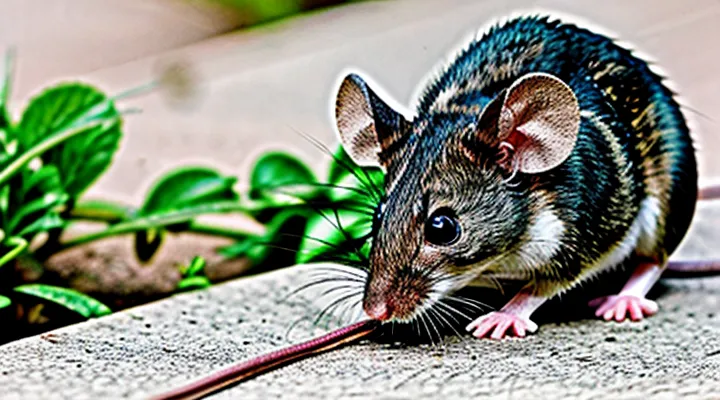
Immediate Actions After a Mouse Bite
First Aid Steps
Cleaning the Wound
When a rodent punctures the skin, stop bleeding by applying gentle pressure with a clean cloth. After the flow subsides, begin thorough cleaning.
- Run the wound under lukewarm water for at least 30 seconds.
- Use a mild, fragrance‑free soap to lather around the bite; avoid scrubbing the tissue.
- Rinse completely to remove all soap residue.
- Apply an antiseptic solution such as povidone‑iodine or chlorhexidine; let it sit for 10–15 seconds.
- Pat the area dry with a sterile gauze pad; do not rub.
Cover the cleaned wound with a sterile, non‑adhesive dressing. Secure it with medical tape or a bandage that maintains gentle pressure. Record the time of injury, note any signs of infection, and arrange prompt medical evaluation, especially for tetanus status or potential rabies exposure.
Stopping Bleeding
When a mouse punctures the skin of a finger, immediate control of bleeding prevents excessive blood loss and reduces infection risk.
First, place a clean cloth or sterile gauze directly over the wound. Press firmly with steady pressure for at least two minutes, maintaining contact without lifting the material. If blood continues to flow, add another layer of gauze and repeat the pressure.
Second, elevate the injured hand above heart level. Gravity assists in reducing blood flow to the site, supporting the pressure applied.
Third, once bleeding subsides, clean the area. Rinse with running water, then apply an antiseptic solution such as povidone‑iodine or chlorhexidine. Pat the skin dry with a sterile gauze.
Fourth, cover the wound with a sterile adhesive bandage or non‑stick dressing. Secure it without constricting circulation.
Fifth, monitor for signs of continued bleeding, swelling, redness, or warmth. If any of these appear, or if bleeding resumes despite pressure, seek medical attention promptly.
Finally, update tetanus immunization if the bite occurred more than five years after the last booster or if the wound is deep.
Key actions
- Apply direct pressure with sterile gauze.
- Elevate the finger.
- Clean with water and antiseptic.
- Dress with a sterile bandage.
- Observe for complications; consult a professional if needed.
These steps provide an effective response to stop bleeding after a mouse bite and lay the groundwork for proper wound care.
Applying Antiseptic
When a mouse punctures the skin on a finger, the first priority is to prevent infection by treating the wound with an antiseptic. Begin by rinsing the bite under clean running water for at least 30 seconds to remove surface debris. Pat the area dry with a sterile gauze pad before applying the disinfectant.
Choose an antiseptic that is effective against common bacterial flora and, if possible, against rodent‑borne pathogens. Options include iodine‑based solutions, chlorhexidine, or alcohol‑based wipes. Apply a thin layer directly to the bite, ensuring full coverage of the wound edges. Allow the product to air‑dry; do not cover with a bandage unless bleeding persists.
- Clean the wound with running water.
- Dry gently with sterile gauze.
- Apply a single, even coating of antiseptic.
- Let the area dry completely before handling.
- Monitor for signs of redness, swelling, or pus; seek medical attention if they appear.
Assessing the Bite
Identifying the Mouse Type
When a mouse bite occurs, determining the species is a critical first step. Different rodents carry distinct pathogens, and treatment protocols can vary accordingly.
Key identification characteristics include:
- Size: House mice (Mus musculus) measure 2–4 inches in body length; larger field mice (Apodemus spp.) can exceed 5 inches.
- Fur color: House mice typically have gray or brown coats; deer mice (Peromyscus maniculatus) display a two‑tone pattern with a dark dorsal side and white underparts.
- Tail proportion: A tail equal to or longer than the body suggests a house mouse; a tail noticeably longer than the body is common in field and deer mice.
- Ear shape: Small, rounded ears are typical of house mice; larger, more pointed ears indicate field species.
- Behavioral signs: Aggressive, nocturnal biting often points to a house mouse dwelling indoors, while shy, occasional bites may involve a wild field mouse that entered a building.
Identifying the mouse type informs medical response. Bites from house mice are associated with Streptobacillus moniliformis (rat‑bite fever) and Hantavirus risks are higher with deer mice. Accurate species recognition guides clinicians in selecting appropriate prophylactic antibiotics, tetanus updates, and, when necessary, serologic testing for hantavirus exposure.
After assessment, clean the wound thoroughly, apply antiseptic, and seek professional medical advice, providing the species details obtained through visual inspection. This information enables targeted treatment and reduces the likelihood of complications.
Severity of the Bite
When a rodent punctures the skin, the first step is to gauge how serious the injury is. Evaluation focuses on three observable factors: tissue damage, bleeding, and systemic response.
- Mild bite – Small puncture, minimal pain, no visible swelling, bleeding stops within seconds, no fever or chills.
- Moderate bite – Larger puncture, moderate pain, swelling or redness developing within an hour, bleeding that persists for a few minutes, possible bruising.
- Severe bite – Deep wound, intense pain, rapid swelling, heavy or continuous bleeding, signs of infection such as pus, fever, or lymph node enlargement.
If the wound fits the moderate or severe categories, immediate medical attention is warranted. In all cases, clean the area with soap and water, apply gentle pressure to stop bleeding, and monitor for changes over the next 24 hours. Persistent pain, spreading redness, or fever indicate escalation and should trigger professional evaluation without delay.
Seeking Professional Medical Attention
When to Consult a Doctor
Deep or Punctured Wounds
A mouse bite can produce a wound that penetrates skin layers, creating a channel for bacteria and tissue damage. Immediate cleaning reduces infection risk. Rinse the area with running water for at least 30 seconds, using mild soap to remove debris. Apply gentle pressure with a sterile gauze to stop bleeding.
Assess the wound depth. If the puncture exceeds the superficial layer, or if the edges are gaping, professional evaluation is required. A healthcare provider will determine whether suturing, debridement, or advanced dressing is necessary. Prompt medical attention also addresses tetanus prophylaxis; verify immunization status and request a booster if the last dose was more than ten years ago.
Antibiotic therapy may be indicated because mouse oral flora includes pathogens such as Streptococcus spp. and Pasteurella. A physician can prescribe an appropriate oral regimen, typically a macrolide or a beta‑lactam with a beta‑lactamase inhibitor, based on local resistance patterns.
After initial care, monitor the site for signs of complications. Record any increase in redness, swelling, warmth, pus formation, or escalating pain. Fever or lymph node enlargement also warrants immediate reassessment. Maintain a clean dressing, change it daily, and keep the finger elevated to limit edema.
Key actions for a deep or punctured mouse bite
- Rinse with water and mild soap for 30 seconds.
- Apply sterile pressure to control bleeding.
- Determine wound depth; seek professional evaluation for deep punctures.
- Verify tetanus status; receive booster if needed.
- Initiate prescribed antibiotics promptly.
- Observe for infection indicators; return to care if symptoms worsen.
Following these steps minimizes tissue damage, prevents bacterial invasion, and supports rapid recovery.
Signs of Infection
After a mouse bite, monitor the wound for early indications that an infection is developing. Typical warning signs include:
- Redness extending beyond the immediate bite area
- Swelling that increases rather than subsides
- Heat felt on the skin surrounding the wound
- Persistent or worsening pain
- Pus or other fluid discharge, especially if foul‑smelling
- Fever, chills, or a general feeling of illness
- Red streaks radiating from the bite toward the elbow or shoulder
- Enlarged, tender lymph nodes near the bite site
If any of these symptoms appear, seek medical evaluation promptly. Early treatment reduces the risk of complications such as cellulitis, abscess formation, or systemic infection.
Unknown Mouse Species
A bite from an unidentified mouse can introduce bacterial infection, allergic reaction, or disease transmission. Because the species is unknown, standard assumptions about risk factors may not apply, requiring a systematic response.
First, stop bleeding. Apply firm pressure with a clean cloth for several minutes until flow ceases. Wash the wound thoroughly with running water and mild soap; scrub for at least 30 seconds to remove saliva and debris. Pat dry with a sterile gauze.
Next, assess the need for professional care. Seek medical attention if any of the following occur:
- Persistent pain, swelling, or redness extending beyond the bite site
- Fever, chills, or flu‑like symptoms
- Puncture wounds deeper than ¼ inch
- Known allergies to rodent saliva or previous severe reactions
A healthcare provider will evaluate wound depth, consider tetanus status, and decide whether antibiotics, rabies prophylaxis, or other treatments are warranted.
Identifying the mouse species, even retrospectively, can inform risk assessment. Collect any shed hair, droppings, or the carcass if safely possible. Submit samples to a local wildlife or public‑health laboratory for taxonomic analysis. Documentation of species helps determine the likelihood of pathogens such as hantavirus, leptospirosis, or LCMV.
Prevent future incidents by securing food storage, sealing entry points, and maintaining a clean environment. Regularly inspect areas where rodents may hide, and employ humane traps or professional pest‑control services when activity is detected.
In summary, immediate wound care, prompt medical evaluation, species identification, and environmental control constitute the essential protocol for handling a bite from an unknown mouse.
Immune-Compromised Individuals
When a rodent bite occurs, individuals with weakened immune systems face a heightened risk of severe infection. Immediate, precise actions reduce complications and protect health.
- Rinse the wound thoroughly with running water and mild soap for at least one minute.
- Apply a sterile antiseptic solution (e.g., povidone‑iodine) after cleaning.
- Cover the site with a clean, non‑adhesive dressing to control bleeding and prevent contamination.
Prompt medical evaluation is mandatory. Inform the clinician that the patient is immunocompromised; this information guides decisions about antibiotic selection, tetanus immunization, and potential antiviral or antiparasitic therapy. Common pathogens transmitted by rodents include Staphylococcus aureus, Streptococcus species, hantavirus, leptospira, and Salmonella. Empiric broad‑spectrum antibiotics may be indicated, especially if signs of cellulitis, fever, or lymphangitis develop.
Follow‑up care includes:
- Monitoring the bite site twice daily for redness, swelling, pus, or expanding margins.
- Recording temperature and any systemic symptoms such as chills, headache, or muscle aches.
- Contacting healthcare providers immediately if any deterioration occurs.
Vaccination status must be verified. Administer tetanus toxoid if the last dose was more than five years ago or if the wound is deep or contaminated. For patients on immunosuppressive therapy, discuss prophylactic measures such as rabies post‑exposure prophylaxis if the animal’s health status is unknown.
Document the incident, including date, time, location, and description of the mouse. This record assists public‑health authorities in tracking potential outbreaks and informs future prevention strategies.
Adhering to these steps minimizes the risk of serious infection and supports recovery in vulnerable individuals.
Medical Evaluation and Treatment
Tetanus Shot Assessment
When a mouse bite penetrates the skin of a finger, the first clinical priority is to determine whether a tetanus immunization is required. The assessment proceeds in three stages: verify vaccination history, evaluate the wound, and decide on booster administration.
- Confirm the date of the most recent tetanus‑containing vaccine (Tdap or Td). A dose given within the past ten years is considered protective for most injuries; for dirty or puncture wounds, the interval shortens to five years.
- Inspect the bite for depth, contamination, and signs of infection. Mouse teeth can introduce oral flora, increasing the risk of anaerobic infection, which raises the tetanus threat.
- If the last tetanus dose exceeds the appropriate interval, or if the patient’s immunization record is unavailable, administer a tetanus toxoid booster promptly. Use the standard adult dose of 0.5 mL intramuscularly in the deltoid muscle.
Additional considerations include:
- Allergy to vaccine components (e.g., latex or gelatin) requires alternative formulations or referral to an allergist.
- Immunocompromised individuals may benefit from a more aggressive schedule, with a booster offered even if the last dose was within the standard interval.
- Document the administration, including vaccine lot number and site, to ensure proper follow‑up.
After the booster, continue standard wound care: irrigate with sterile saline, debride devitalized tissue, and apply an appropriate dressing. Monitor for signs of tetanus—muscle rigidity, spasms, or dysphagia—and seek immediate medical attention if they appear.
Rabies Risk Evaluation
A mouse bite can introduce pathogens, but rabies transmission from rodents is extremely rare. The virus is maintained primarily in carnivores such as bats, raccoons, foxes, and skunks; laboratory surveys show no documented cases of rabies in North American or European mouse populations. Consequently, the baseline probability of rabies infection from a mouse is negligible.
Risk assessment should consider three factors:
- Geographic exposure: In regions where rabies is endemic among wildlife, any bite from a mammal that could have contacted a rabid animal warrants scrutiny. Even in such areas, documented rodent cases remain absent.
- Animal health: A visibly sick or unusually aggressive mouse may have been exposed to a rabid predator, increasing theoretical risk. Observations of abnormal behavior, paralysis, or excessive salivation in the rodent are red flags.
- Human vaccination status: Individuals previously immunized against rabies possess immunity that negates the need for post‑exposure prophylaxis (PEP). Unvaccinated persons with high‑risk exposure may require PEP despite low rodent risk.
When a bite occurs, immediate actions include thorough wound cleansing with soap and water for at least five minutes, followed by application of an antiseptic. After cleaning, evaluate the three factors above. If the mouse was captured in a rabies‑free environment, appeared normal, and the person is not immunocompromised, rabies PEP is not indicated. If any factor suggests elevated risk—such as a bite in a rabies‑endemic zone involving a distressed mouse—consult a medical professional promptly to determine whether rabies immunoglobulin and vaccine series are required.
Antibiotic Prescription
When a mouse punctures the skin on a finger, the wound may become colonized by bacteria commonly found in rodents. Immediate cleaning with soap and water reduces microbial load, but the decision to start an antibiotic regimen depends on specific risk factors.
Prescribe antibiotics if any of the following conditions are present:
- Deep or contaminated puncture extending beyond the superficial dermis.
- Signs of infection such as redness, swelling, warmth, pus, or increasing pain.
- Patient is immunocompromised, diabetic, or has peripheral vascular disease.
- Bite occurred on a hand with limited blood supply, increasing the chance of tissue necrosis.
- The mouse was wild, exhibited aggressive behavior, or was known to carry disease.
First‑line oral agents include amoxicillin‑clavulanate, which covers both typical skin flora and rodent‑associated organisms such as Pasteurella spp. and Streptococcus spp. For patients allergic to penicillin, alternatives are doxycycline or a combination of a macrolide (e.g., azithromycin) with a fluoroquinolone, ensuring coverage of gram‑negative pathogens.
Dosage recommendations:
- Amoxicillin‑clavulanate: 875 mg/125 mg every 12 hours for 5–7 days.
- Doxycycline: 100 mg twice daily for 7 days.
- Azithromycin: 500 mg on day 1, then 250 mg daily for the next 4 days.
Adjust duration if infection persists or spreads. Monitor for adverse reactions, including gastrointestinal upset, rash, or signs of Clostridioides difficile infection. Advise the patient to seek urgent care if fever exceeds 38.5 °C, lymphangitis develops, or the wound fails to improve after 48 hours of therapy.
Document the prescription, include the indication, and provide written instructions on dosage, completion of the course, and wound care. This approach minimizes complications and promotes rapid recovery after a rodent bite.
Understanding Potential Risks and Complications
Rabies Concerns
Symptoms of Rabies in Humans
A mouse bite can transmit rabies if the animal is infected, making awareness of human rabies manifestations essential. Early signs appear within 1–3 weeks after exposure and may include fever, headache, and general weakness. These nonspecific symptoms often precede neurological involvement.
Neurological symptoms develop rapidly and indicate progression toward fatal disease. Typical manifestations are:
- Agitation or irritability
- Confusion and disorientation
- Hallucinations
- Excessive salivation
- Difficulty swallowing (hydrophobia)
- Muscle spasms, especially in the neck and throat
- Partial paralysis progressing to full-body paralysis
Advanced stages feature severe autonomic instability, coma, and ultimately death. The incubation period varies from weeks to months, depending on bite location and viral load; bites nearer the head shorten the interval.
Immediate medical evaluation after a mouse bite is mandatory. Post‑exposure prophylaxis—wound cleansing, rabies immunoglobulin, and a series of rabies vaccinations—must begin promptly to prevent symptom onset. Delayed treatment reduces efficacy, as once neurological signs appear, the disease is almost invariably fatal.
Post-Exposure Prophylaxis
When a rodent punctures skin, immediate wound care and preventive treatment reduce infection risk. Begin by irrigating the bite with running water for at least one minute, using mild soap around the area. Apply pressure to control bleeding, then cover the wound with a sterile dressing.
Seek professional medical evaluation promptly. A clinician will assess the need for tetanus booster based on immunization history and the wound’s condition. If the patient’s tetanus protection is outdated or uncertain, administer tetanus toxoid or tetanus-diphtheria (Td) vaccine, with immunoglobulin if indicated.
Evaluate rabies exposure. Domestic or laboratory mice rarely carry rabies, yet wild specimens may. If the bite originates from a potentially rabid animal, initiate rabies post‑exposure prophylaxis (PEP) according to local protocols, typically involving a series of rabies vaccine doses and, when warranted, rabies immune globulin.
Prescribe antibiotics to prevent bacterial infection, especially for deep punctures or delayed presentation. First‑line agents often include amoxicillin‑clavulanate; alternative regimens apply for penicillin‑allergic individuals. Document the antibiotic choice, dosage, and duration.
Monitor the site for signs of infection: increasing redness, swelling, warmth, pus, or systemic symptoms such as fever. Report any worsening condition to healthcare providers without delay.
Key post‑exposure actions
- Clean wound with water and soap; apply sterile dressing.
- Obtain medical assessment promptly.
- Update tetanus immunization if needed.
- Initiate rabies PEP when animal status or exposure warrants.
- Start appropriate antibiotic therapy.
- Observe for infection; seek follow‑up if symptoms develop.
Bacterial Infections
Common Bacteria from Mouse Bites
Mouse bites introduce a range of bacterial pathogens that can cause serious infections. The most frequently isolated organisms include:
- Streptococcus species – especially Streptococcus pneumoniae and Streptococcus pyogenes, which can lead to cellulitis, abscess formation, and, in severe cases, sepsis.
- Staphylococcus aureus – methicillin‑susceptible and methicillin‑resistant strains; both can provoke rapid tissue necrosis and systemic illness.
- Pasteurella multocida – a gram‑negative rod commonly associated with animal bites; it produces aggressive local inflammation and may progress to osteomyelitis if untreated.
- Bordetella bronchiseptica – occasional colonizer of rodents; infection can manifest as pneumonia or septicemia, particularly in immunocompromised hosts.
- Leptospira interrogans – spirochete transmitted through contaminated urine; bite exposure can trigger leptospirosis, presenting with fever, headache, and renal impairment.
- Clostridium perfringens – anaerobic bacterium capable of generating gas gangrene; early signs include severe pain, swelling, and crepitus.
These pathogens exploit the deep puncture wound created by a mouse’s incisors, bypassing the skin’s protective barrier. Prompt medical evaluation is essential to identify the causative agent and initiate appropriate antimicrobial therapy. Empiric treatment typically covers both gram‑positive and gram‑negative organisms, with adjustments made after culture results. Delay in care increases the risk of necrotizing infection, septic arthritis, and systemic spread.
Symptoms of Infection
A mouse bite introduces bacteria from the animal’s mouth into the skin. Early signs of infection appear within 24–48 hours. Look for the following indicators:
- Redness spreading outward from the wound edge
- Swelling that increases in size or feels warm to the touch
- Pain that intensifies rather than diminishes
- Pus or cloudy fluid draining from the site
- Fever of 38 °C (100.4 °F) or higher
- Chills, aches, or general malaise
- Lymph nodes near the bite that become tender or enlarged
If any of these symptoms develop, seek medical evaluation promptly. Delayed treatment raises the risk of serious complications, such as cellulitis, abscess formation, or systemic infection. Immediate professional care typically includes wound cleaning, possible tetanus booster, and an appropriate antibiotic regimen. Continuous monitoring of the bite area for changes remains essential until healing is complete.
Hantavirus and Other Rodent-Borne Diseases
Transmission Routes
When a mouse punctures the skin, pathogens can enter the body through several distinct pathways. Understanding these routes guides immediate care and reduces the chance of infection.
Direct inoculation occurs when saliva or oral secretions are deposited into the wound. Bacterial agents such as Streptobacillus moniliformis—the cause of rat‑bite fever—are transmitted this way. Viral threats, including hantavirus and lymphocytic choriomeningitis virus, also reach the bloodstream through the bite’s puncture site.
Secondary contamination follows the initial injury. The wound surface can contact contaminated surfaces, clothing, or hands before cleaning. This exposure introduces environmental bacteria or fungi that may proliferate in the damaged tissue.
Endogenous infection arises when normal skin flora, normally harmless, colonize the breach. Staphylococcus aureus and Streptococcus pyogenes commonly exploit the moist environment of a fresh bite, leading to cellulitis or abscess formation.
Risk factors influencing transmission include:
- Depth and size of the puncture
- Presence of bleeding, which carries pathogens deeper
- Health status of the rodent (wild versus laboratory‑raised)
- Time elapsed before thorough cleansing
Mitigation steps focus on interrupting each route. Immediate irrigation with sterile saline removes saliva and surface contaminants. Antiseptic application reduces bacterial load on the wound margin. Prompt medical evaluation identifies potential systemic infections and determines the need for antibiotics or antiviral therapy. Monitoring for fever, swelling, or redness over the next 48‑72 hours detects secondary complications early.
By recognizing how disease agents travel from a mouse bite to the host, responders can apply targeted interventions that limit both direct and indirect transmission.
Symptoms to Monitor
If a mouse punctures your skin, observe the wound for signs that may require medical attention. Immediate sensations often include sharp pain, swelling, and a tingling or burning feeling around the bite site. These responses are typical of minor tissue trauma.
Watch for the following developments:
- Redness that expands beyond the immediate area of the bite.
- Heat or throbbing that intensifies rather than diminishing.
- Fluid discharge, especially pus, indicating infection.
- Unexplained fever, chills, or fatigue, which suggest systemic involvement.
- Swollen lymph nodes near the elbow or shoulder, reflecting immune response.
- Numbness or loss of sensation, possibly indicating nerve involvement.
- Rapid heart rate or difficulty breathing, which could signal an allergic reaction.
Any of these symptoms should prompt prompt consultation with a healthcare professional. Early intervention reduces the risk of complications such as cellulitis, tetanus, or bacterial infections transmitted by rodents.
Prevention and Safety Measures
Handling Mice Safely
Using Protective Gear
When a small rodent punctures the skin, immediate protection prevents infection and reduces pain. Wear disposable nitrile gloves to create a barrier before handling the animal or inspecting the wound. Gloves should be changed after each encounter to avoid cross‑contamination.
Apply a sterile gauze pad covered with a pressure bandage if bleeding persists. The bandage must be tight enough to control flow but not restrict circulation. Replace the dressing every two hours or when it becomes saturated.
Consider additional barriers for repeated exposure:
- Full‑length lab coat or disposable coveralls to shield clothing.
- Eye protection (safety glasses or goggles) in case the mouse scratches the face.
- Face shield for procedures that may generate splatter.
- Protective footwear with slip‑resistant soles to maintain stability while working on a bench.
After removal, discard all single‑use items in a biohazard container. Wash hands thoroughly with antibacterial soap, then apply an antiseptic solution to the bite site before covering with a clean dressing. Document the incident and monitor for signs of infection, such as redness, swelling, or fever, and seek medical evaluation if symptoms develop.
Avoiding Wild or Aggressive Mice
When a mouse delivers a bite, the most reliable defense is to keep the animal away before contact occurs. Wild or hostile rodents are attracted to food residues, clutter, and unsealed entry points; eliminating these attractants reduces the likelihood of an encounter.
- Seal cracks, gaps, and vents with steel wool or caulk.
- Store food in airtight containers; clean spills immediately.
- Maintain a tidy environment; remove piles of paper, fabric, or debris that provide shelter.
- Install door sweeps and screen windows to block ingress.
- Use snap traps or humane catch‑and‑release devices only in areas with confirmed activity; place them along walls where mice travel.
In spaces where mice are known to roam, adopt additional safeguards:
- Wear thick gloves and long sleeves when handling items stored in basements, attics, or garages.
- Apply rodent‑repellent powders or ultrasonic devices according to manufacturer instructions.
- Conduct regular inspections of insulation, wiring, and storage areas for gnaw marks or droppings; address signs promptly.
By removing food sources, securing structural vulnerabilities, and employing targeted deterrents, the risk of a bite from a wild or aggressive mouse can be minimized effectively.
Rodent Control in Homes
Sealing Entry Points
Sealing entry points eliminates the pathway that allows mice to access indoor spaces, reducing the risk of future bites. Begin by inspecting walls, floors, and foundations for gaps larger than a quarter inch. Pay special attention to areas around utility penetrations, vents, and door thresholds.
- Apply steel wool or copper mesh to fill openings, then cover with expanding polyurethane foam for a durable barrier.
- Use silicone or acrylic caulk to seal cracks around windows, baseboards, and pipe sleeves.
- Install door sweeps on all exterior doors; verify that they contact the floor evenly.
- Replace damaged weatherstripping on doors and windows with new adhesive-backed material.
- Cover ventilation grilles with fine mesh screens that are securely fastened.
After sealing, maintain a regular schedule to check for new gaps caused by settling or weather. Prompt repair prevents re‑entry, supporting long‑term protection against mouse bites.
Proper Food Storage
When a mouse bite occurs, the immediate focus is wound care, but preventing future incidents begins with controlling food sources that attract rodents. Secure storage eliminates the primary lure and reduces the likelihood of a mouse seeking contact with humans.
Store all edible items in containers made of metal, glass, or thick plastic with airtight seals. Label each container with the date of purchase and rotate stock so older products are used first. Keep pantry shelves free of crumbs and spills; clean surfaces after each use.
Maintain a separate area for pet food and avoid leaving it uncovered overnight. Place bulk items such as grains, cereals, and dried fruit in sealed bins rather than open bags. Regularly inspect storage containers for tears or gaps that could allow rodent entry.
Implement these practices:
- Use containers with lockable lids.
- Position storage units away from walls and floor to hinder rodent access.
- Conduct weekly inspections for signs of infestation (droppings, gnaw marks).
- Dispose of expired or compromised food promptly in sealed trash bags.
- Keep the storage area well‑ventilated to discourage nesting.
By eliminating accessible food, you remove the incentive for mice to explore and bite, supporting both immediate safety and long‑term hygiene.
Trapping and Removal
When a mouse bite occurs, eliminating the animal promptly prevents further injury and infection.
First, assess the situation. Confirm that the mouse is still present or has retreated to a concealed area. If the rodent remains visible, avoid direct contact; use protective gloves or a thick cloth to handle traps safely.
Trapping options
- Snap traps: Position on established runways, baited with peanut butter or seeds. Check every few hours to minimize suffering.
- Live‑catch traps: Provide a dark interior and a single entry point. Release captured mice at least one mile from the residence, adhering to local wildlife regulations.
- Electronic traps: Deliver a quick, humane shock. Ensure power source is stable and follow manufacturer guidelines.
Removal procedure
- Secure the trap after capture; verify the mouse is immobilized.
- Transport the trap to an outdoor disposal site or release point, wearing gloves to avoid contamination.
- Disinfect the trap with a bleach solution (¼ cup bleach per gallon of water) before reuse.
- Clean the bite wound immediately with mild soap and water, then apply an antiseptic. Seek medical evaluation for potential rabies exposure or tetanus prophylaxis.
Preventive measures
- Seal entry points: Inspect foundations, walls, and utility openings; install steel wool or caulk to block gaps.
- Reduce attractants: Store food in airtight containers, eliminate standing water, and maintain regular garbage removal.
- Monitor for signs: Look for droppings, gnaw marks, or nesting material to detect hidden activity early.
By implementing effective trapping and thorough removal, the risk of repeated bites and associated health complications diminishes substantially.