
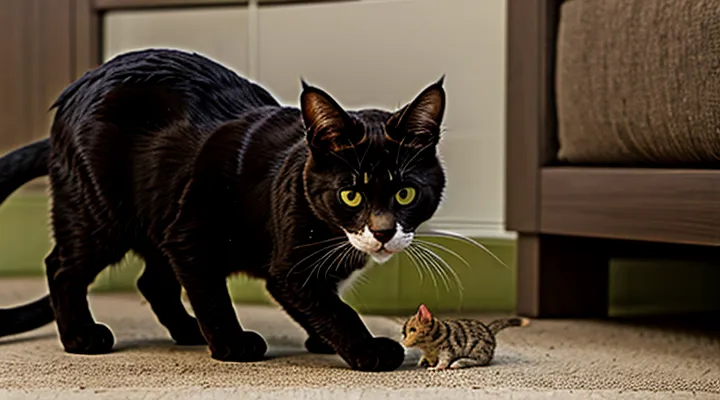
Recognizing the Danger
Signs of Poisoning
Neurological Symptoms
When a cat ingests a rodent that has been contaminated with a toxic agent, the nervous system often exhibits the first observable changes. Prompt recognition of these signs can determine the outcome.
Typical neurological manifestations include:
- «tremors» or involuntary shaking of limbs
- «seizures» ranging from brief muscle spasms to full‑body convulsions
- «ataxia» characterized by loss of coordination and stumbling gait
- «disorientation» evident as confusion or inability to locate familiar objects
- «pupil dilation» (mydriasis) or irregular pupil size
- «hyperesthesia» expressed by heightened sensitivity to touch, leading to aggressive scratching or biting
- «head tilt» or abnormal head positioning
These symptoms arise from interference with neurotransmitter pathways, ion channel function, or direct neuronal damage caused by the poison. Rapid progression from mild tremor to full seizure is common with many rodenticides.
Immediate veterinary assessment is essential. Diagnostic steps typically involve blood analysis for toxin levels, neurological examination, and possibly imaging to evaluate brain involvement. Treatment protocols may consist of activated charcoal to limit absorption, intravenous lipid emulsion to bind lipophilic toxins, anticonvulsant medications such as benzodiazepines, and supportive care to maintain airway, breathing, and circulation. Continuous monitoring for recurrence of seizures or worsening ataxia guides ongoing therapy.
Early identification of «neurological symptoms» and swift medical intervention provide the best chance to mitigate irreversible damage and improve survival prospects.
Gastrointestinal Symptoms
When a cat consumes a rodent that has been laced with toxin, gastrointestinal disturbances frequently appear early. Vomiting, diarrhea, and abdominal pain are the most common manifestations. Excessive drooling, loss of appetite, and visible blood in vomitus or feces indicate severe mucosal irritation.
Typical gastrointestinal signs include:
- Repeated vomiting, sometimes with foam or blood
- Watery, sometimes hemorrhagic, diarrhea
- Decreased or absent appetite
- Salivation and oral foaming
- Abdominal discomfort evident by restlessness or guarding
Symptoms usually develop within minutes to a few hours after ingestion. Rapid progression to systemic toxicity may follow, especially with anticoagulant or neurotoxic rodenticides. Continuous observation for changes in frequency, color, and volume of vomit or stool is essential.
Immediate measures:
- Contact a veterinary professional without delay.
- Keep the cat in a quiet, confined area to prevent further exposure.
- If instructed, induce vomiting only under veterinary guidance; indiscriminate emesis can increase aspiration risk.
- Provide fresh water but avoid force‑feeding.
Veterinary intervention may involve activated charcoal to bind residual toxin, intravenous fluids to correct dehydration, anti‑emetics to control vomiting, and supportive medications to protect the gastrointestinal lining. Early detection of gastrointestinal signs and prompt veterinary care greatly improve the likelihood of a favorable outcome.
Other Physical Symptoms
When a cat consumes a poisoned rodent, clinical signs may extend beyond vomiting and diarrhea. Awareness of additional manifestations enables prompt veterinary intervention.
- Neurological: tremors, seizures, ataxia, disorientation, pupil dilation, loss of coordination.
- Cardiovascular: irregular heart rhythm, rapid pulse, hypotension, collapse.
- Respiratory: labored breathing, coughing, nasal discharge, cyanosis.
- Ocular: excessive tearing, redness, blurred vision, pupil changes.
- Dermatological: skin reddening, itching, swelling around the mouth or paws.
- Systemic: fever, lethargy, reduced appetite, abnormal blood chemistry indicating organ dysfunction.
Observation of any of these symptoms warrants immediate veterinary assessment, even if gastrointestinal signs are absent. Early detection improves the likelihood of effective antidotal treatment and reduces the risk of permanent damage.
Types of Mouse Poisons and Their Effects
Anticoagulant Rodenticides
Anticoagulant rodenticides are chemicals designed to cause fatal bleeding in rodents by disrupting the vitamin K cycle, which is essential for blood clotting. Common active ingredients include warfarin, bromadiolone, difenacoum, and brodifacoum. These substances are highly toxic to mammals, and ingestion of a poisoned mouse can expose a cat to a dangerous dose.
When a cat consumes a mouse laced with an anticoagulant, the following signs may appear within 24–48 hours: lethargy, pale mucous membranes, spontaneous bruising, nosebleeds, blood‑tinged saliva, and prolonged bleeding from minor wounds. Absence of overt symptoms does not guarantee safety, as internal hemorrhage can progress silently.
Immediate actions:
- Contact a veterinary professional without delay; provide details about the suspected rodenticide and the time of ingestion.
- If a veterinary clinic is not immediately reachable, call a pet poison‑control hotline for guidance.
- Do not induce vomiting unless explicitly instructed by a professional, as this may exacerbate exposure.
- Keep the cat calm and confined to limit activity, which can increase blood loss.
Veterinary management typically includes:
- Administration of vitamin K1 (phytonadione) to restore clotting ability; dosing is based on the specific anticoagulant and severity of exposure.
- Intravenous or subcutaneous fluids to support circulation and organ function.
- Blood transfusions in cases of severe hemorrhage.
- Monitoring of clotting parameters (PT, aPTT) every 12–24 hours until values normalize.
- Re‑evaluation of vitamin K1 therapy for a minimum of 21 days, as some second‑generation anticoagulants persist in the body for weeks.
Preventive measures:
- Store rodenticides in secure, cat‑inaccessible containers.
- Use bait stations that prevent non‑target animals from accessing the poison.
- Regularly inspect areas where rodents are trapped for potential secondary exposure.
Prompt veterinary intervention and appropriate antidotal therapy dramatically improve prognosis for cats that have ingested a poisoned mouse containing anticoagulant rodenticides.
Cholecalciferol (Vitamin D3) Rodenticides
Cholecalciferol‑based rodenticides contain high concentrations of vitamin D₃, which disrupt calcium metabolism in mammals. Ingested by a cat, the toxin induces hypercalcemia, leading to renal failure, cardiac arrhythmias, and potentially death within 24–72 hours.
Typical clinical signs appear after a latency period of 12–48 hours and include excessive thirst, increased urination, vomiting, loss of appetite, lethargy, and muscle weakness. Laboratory analysis reveals elevated serum calcium and phosphorus, as well as reduced renal function markers.
Immediate response:
- Confine the animal to prevent further exposure.
- Contact a veterinary professional without delay; provide details of the suspected ingestion and the product name.
- If the mouse is still intact, retrieve it for identification and possible laboratory analysis.
- Do not induce vomiting unless explicitly instructed by a veterinarian, as aspiration risk is high.
- Transport the cat to an emergency clinic as soon as possible.
Veterinary management focuses on rapid reduction of serum calcium:
- Intravenous fluid therapy with saline or lactated Ringer’s solution.
- Administration of bisphosphonates to inhibit bone resorption.
- Use of calcitonin to lower calcium levels.
- Diuretics and corticosteroids may be employed to promote calcium excretion.
- Continuous monitoring of cardiac rhythm, renal output, and electrolyte balance.
Prevention strategies:
- Store cholecalciferol rodenticides in locked containers inaccessible to pets.
- Prefer non‑toxic bait alternatives in households with cats.
- Regularly inspect areas where rodents may be trapped to remove potential hazards promptly.
Prompt veterinary intervention dramatically improves survival odds; delayed treatment often results in irreversible organ damage.
Bromethalin Rodenticides
Bromethalin belongs to the second‑generation brominated rodenticides, designed to disrupt mitochondrial oxidative phosphorylation. After ingestion, the compound converts to a toxic metabolite that induces cerebral edema, leading to rapid neurologic deterioration. Cats that consume a mouse laced with bromethalin are at risk of severe poisoning even when the dose appears small.
Typical clinical signs appear within 12–24 hours and include:
- Ataxia and loss of coordination
- Tremors or seizures
- Pupillary dilation and visual deficits
- Progressive weakness culminating in coma
Early intervention improves prognosis. Immediate actions:
- Confine the cat to prevent further injury.
- Contact an emergency veterinary clinic; provide details of the suspected toxin and time of exposure.
- If veterinary assistance cannot be reached within an hour, administer activated charcoal (1 g/kg) orally, repeated every 4 hours, to limit absorption.
- Maintain hydration with subcutaneous or intravenous fluids to support renal clearance.
Veterinary treatment focuses on supportive care: seizure control with phenobarbital or benzodiazepines, osmotic agents such as mannitol to reduce cerebral edema, and monitoring of respiratory and cardiovascular function. No specific antidote exists for bromethalin; therapy relies on mitigating secondary effects.
Prevention strategies include:
- Storing rodenticides in secured containers inaccessible to pets.
- Using bait stations that exclude non‑target animals.
- Selecting alternative, non‑brominated control methods when cats are present.
Prompt recognition of bromethalin toxicity and swift veterinary care are essential to reduce mortality in felines that have ingested a poisoned rodent.
Zinc Phosphide Rodenticides
Zinc phosphide («Zinc Phosphide») is a metal phosphide rodenticide commonly formulated as pellets or bait. In the gastrointestinal tract of rodents, acidic conditions convert it to phosphine gas, which interferes with cellular respiration and causes rapid death. The same conversion occurs in non‑target species, including felines, when they ingest a mouse that has consumed the bait.
Cats exposed to phosphide poisoning may exhibit drooling, vomiting, abdominal pain, tremors, seizures, or respiratory distress. Laboratory analysis often reveals metabolic acidosis and elevated lactate levels. Early identification of these signs is crucial for successful intervention.
Immediate response steps:
- Call an emergency veterinary clinic; provide details of the exposure, including the product name and estimated amount ingested.
- If the cat is conscious and able to swallow, a veterinarian may recommend administration of activated charcoal to bind residual toxin.
- Induction of emesis is contraindicated unless specifically instructed by a veterinary professional, because phosphine gas may be released during vomiting.
- Intravenous fluid therapy, correction of acid–base imbalance, and anticonvulsant medication are typical components of supportive care.
Preventive measures include storing zinc phosphide products in secure containers inaccessible to pets, using bait stations that exclude feline entry, and monitoring outdoor areas for discarded bait. Regular inspection of hunting grounds reduces the likelihood that a cat will encounter a poisoned prey item.
Immediate Actions to Take
Contacting Your Veterinarian
Providing Crucial Information
If a feline ingests a rodent that has been contaminated with poison, immediate and precise action is essential. Delay increases the risk of severe organ damage or death.
- Contact a veterinary professional without hesitation. Provide details about the type of poison, the amount ingested, and the time elapsed.
- Follow the veterinarian’s guidance regarding induction of vomiting. Do not attempt to provoke emesis unless explicitly instructed.
- If vomiting is recommended, use a safe, veterinarian‑approved method. Monitor the cat closely during the process.
- Keep the cat in a calm, quiet environment to reduce stress. Limit movement that could exacerbate toxin absorption.
- Supply the veterinarian with the mouse carcass, any packaging, or product information related to the poison. Accurate identification of the toxin allows targeted treatment.
- Administer prescribed antidotes or supportive care as directed. This may include activated charcoal, intravenous fluids, or medications to protect the heart and kidneys.
- Observe the cat for signs of distress such as drooling, tremors, seizures, or abnormal breathing. Report any changes to the veterinary team immediately.
«Prompt veterinary consultation» remains the cornerstone of effective management. Home remedies, over‑the‑counter drugs, or delayed treatment are contraindicated and may worsen the outcome.
Following Veterinary Instructions
If a cat ingests a mouse that has been exposed to toxic substances, immediate compliance with veterinary guidance is essential. Delay or deviation from professional instructions can exacerbate toxicity and jeopardize recovery.
Contact the veterinarian without hesitation. Provide the following information:
- Exact time of ingestion
- Type of poison used on the mouse, if known
- Cat’s weight, age, and any pre‑existing health conditions
- Observed symptoms (vomiting, lethargy, tremors, etc.)
The veterinarian may prescribe one or more of the following interventions:
- Induced emesis, only if recommended and within a specific time window after ingestion.
- Administration of activated charcoal to bind residual toxins.
- Intravenous fluid therapy to support renal clearance and maintain hydration.
- Antidotes tailored to the identified poison, administered at precise dosages.
- Continuous monitoring of vital signs and laboratory parameters.
Follow the prescribed dosage schedule exactly; do not adjust amounts based on perceived improvement. Record all administered treatments, noting time and any adverse reactions. If the cat’s condition deteriorates—such as escalating respiratory distress, seizures, or loss of consciousness—inform the veterinarian immediately and be prepared to transport the animal to an emergency clinic.
After initial treatment, adhere to follow‑up appointments. The veterinarian will reassess organ function and determine whether additional care is required. Maintaining strict compliance with all instructions maximizes the likelihood of a full recovery.
At-Home First Aid (If Advised by Vet)
Inducing Vomiting (Only if Directed)
When a feline consumes a rodent that has been exposed to toxins, vomiting may be considered, but only under professional guidance. Inducing emesis without veterinary direction can exacerbate injury, especially if the poison is corrosive or hydrocarbon‑based.
Veterinary instruction typically includes the following steps:
- Verify that the toxin is not a caustic substance, petroleum product, or a substance that can cause aspiration.
- Use a safe emetic agent, such as 3 % hydrogen peroxide, at a dosage of 1 ml per kilogram of body weight, not exceeding 5 ml total.
- Administer the solution orally using a syringe, allowing the cat to swallow naturally; do not force the liquid.
- Observe the cat for up to 15 minutes; if vomiting does not occur, repeat the dose once, then cease further attempts.
- Contact a veterinarian immediately after vomiting, providing details of the poison, amount ingested, and the cat’s condition.
If the veterinarian advises against vomiting, avoid any induction attempts and proceed directly to emergency care. Rapid professional assessment remains the critical factor in minimizing toxicity.
Administering Activated Charcoal (Only if Directed)
When a cat has ingested a poisoned rodent, a veterinarian may recommend giving a dose of «activated charcoal» to bind toxins that remain in the gastrointestinal tract.
Use of «activated charcoal» is appropriate only under professional direction. It does not neutralize all poisons; effectiveness declines rapidly after ingestion, so prompt veterinary assessment is essential.
Typical administration protocol:
- Verify veterinary approval before any dose.
- Measure dose at 1–4 g per kilogram of body weight, not exceeding 200 g total.
- Suspend the calculated amount in a small volume of water to create a thick slurry.
- Deliver the slurry via a syringe or feeding tube directly to the stomach.
- Observe the cat for vomiting; if emesis occurs, repeat dosing only if instructed.
Precautions:
- Do not administer if the cat shows signs of intestinal obstruction or has ingested substances that do not adsorb to charcoal (e.g., metals, certain acids).
- Avoid concurrent use of medications that rely on absorption, unless the veterinarian adjusts timing.
- Monitor for signs of aspiration, especially in cats with compromised swallowing reflexes.
Veterinary Treatment Options
Diagnostic Procedures
Blood Tests
When a cat consumes a poisoned rodent, rapid assessment of systemic exposure is essential. Blood analysis provides objective data on toxin absorption, organ function, and the need for specific antidotes.
A veterinarian typically orders the following assays:
- Complete blood count (CBC) – detects anemia, leukocytosis, or platelet abnormalities that may signal hemorrhagic or inflammatory processes.
- Serum biochemistry panel – evaluates liver enzymes (ALT, AST), kidney markers (BUN, creatinine), electrolytes, and glucose to identify organ compromise.
- Coagulation profile (PT, aPTT) – assesses clotting status, particularly when anticoagulant poisons are suspected.
- Specific toxin screening – employs high‑performance liquid chromatography or mass spectrometry to quantify the poison or its metabolites when the type of toxin is known.
Timing influences diagnostic value. Initial samples should be collected within one to two hours of ingestion to capture peak plasma concentrations. Repeat testing at 12‑ to 24‑hour intervals monitors progression or resolution of abnormalities.
Interpretation of results guides therapeutic decisions. Elevated liver enzymes may prompt hepatoprotective agents; raised creatinine suggests renal support; prolonged clotting times indicate the need for vitamin K1 therapy. Absence of detectable toxin does not exclude exposure, as rapid redistribution can lower circulating levels while tissue damage persists.
Prompt communication of laboratory findings to the veterinary team enables targeted intervention, reduces the risk of delayed complications, and improves the prognosis for the affected cat.
Urinalysis
Urinalysis offers a rapid, non‑invasive method to assess organ involvement after a cat consumes a poisoned rodent. The test identifies renal dysfunction, hematuria, protein loss, and the presence of toxic metabolites, guiding immediate therapeutic decisions.
Key urine parameters to evaluate:
- Color and clarity: dark or turbid urine may indicate hematuria or bilirubinuria.
- Specific gravity: values below 1.015 suggest impaired concentrating ability and possible renal failure.
- pH: extreme acidity or alkalinity can reflect metabolic disturbances.
- Blood: detection of erythrocytes or hemoglobin indicates hemolysis or urinary tract injury.
- Protein: elevated levels point to glomerular damage.
- Glucose and ketones: presence may signal systemic toxicity or stress hyperglycemia.
- Casts and crystals: granular or tubular casts denote renal tubular injury; crystals may reveal electrolyte imbalances.
- Toxicant metabolites: certain poisons produce characteristic urinary markers detectable by dipstick or laboratory analysis.
Interpretation guidelines:
- Low specific gravity combined with proteinuria and casts confirms acute kidney injury.
- Positive blood without accompanying red cells suggests hemoglobinuria from hemolysis.
- Presence of glucose in the absence of hyperglycemia implies renal tubular reabsorption failure.
Clinical actions based on urinalysis results:
- Immediate veterinary evaluation is required; results dictate the urgency of decontamination measures.
- Antidote administration and fluid therapy should be adjusted according to renal function indicators.
- Ongoing monitoring of urine parameters assists in tracking recovery or progression of toxicity.
Prompt urinalysis, combined with clinical assessment, enhances the likelihood of successful intervention after ingestion of a poisoned mouse.
Imaging (X-rays, Ultrasound)
When a cat ingests a poisoned rodent, rapid veterinary evaluation is essential; imaging supplies objective data on internal injury.
Radiography delivers immediate insight into skeletal and gas patterns within the thorax and abdomen. Lateral and ventrodorsal projections reveal radiopaque fragments, abnormal gas distribution, or signs of perforation. Absence of visible foreign material does not rule out toxicity, but any detected obstruction or perforation demands urgent intervention.
Ultrasound supplies real‑time visualization of soft‑tissue structures. It identifies intestinal wall thickening, mesenteric lymphadenopathy, free abdominal fluid, and altered organ perfusion. Doppler settings can assess vascular compromise, while guided peritoneal lavage facilitates therapeutic drainage when indicated.
A typical diagnostic sequence follows these steps:
- Obtain standing abdominal X‑rays to screen for obvious obstruction or perforation.
- If radiographs are normal or suggest soft‑tissue involvement, perform an abdominal ultrasound.
- Use ultrasound findings to decide on medical management, decontamination, or surgical exploration.
Practical considerations include minimal sedation for ultrasound, strict adherence to radiation safety protocols, and equipment calibrated for feline patients. Combining radiography and ultrasound maximizes diagnostic yield, enabling precise treatment decisions for toxin exposure.
Specific Treatments Based on Poison Type
Vitamin K1 Therapy
When a feline consumes a rodent laced with anticoagulant poison, the primary hazard is disruption of the blood‑clotting cascade. The toxin blocks the recycling of vitamin K, leading to rapid depletion of active clotting factors and a high risk of internal bleeding.
Vitamin K1 therapy restores the supply of functional vitamin K, allowing the liver to synthesize new clotting proteins. Prompt administration can halt hemorrhage and improve survival chances.
Dosage recommendations
- Oral administration: 2.5 mg per kilogram of body weight, once daily.
- Subcutaneous injection (when oral route unavailable): 4 mg per kilogram, once daily.
- Therapy duration: continue for at least 7 days, extending to 14 days if coagulation tests remain abnormal.
Regular monitoring of prothrombin time (PT) and activated partial thromboplastin time (aPTT) guides treatment length. Normalization of PT indicates sufficient vitamin K1 replenishment; persistent elevation suggests continued toxin effect or inadequate dosing.
Contraindications include known hypersensitivity to phytonadione and severe hepatic failure that precludes clotting factor synthesis. Concurrent use of other anticoagulants must be avoided. Storage of vitamin K1 at room temperature protects potency; exposure to light or heat reduces efficacy.
Timely initiation of vitamin K1 therapy, combined with supportive care such as fluid therapy and blood product transfusion when indicated, constitutes the standard response to anticoagulant poisoning in cats.
Fluid Therapy and Supportive Care
When a cat ingests a rodent contaminated with poison, rapid restoration of circulatory volume becomes a priority. Intravenous fluid therapy compensates for gastrointestinal losses, counteracts toxin‑induced vasodilation, and supports renal clearance of harmful substances.
Crystalloid solutions are first‑line choices. Recommended options include:
- Lactated Ringer’s solution, administered at 90 ml kg⁻¹ day⁻¹, adjusted according to hydration status.
- 0.9 % NaCl, delivered at 80–100 ml kg⁻¹ day⁻¹ for patients with metabolic acidosis.
- Balanced electrolyte solutions (e.g., Plasma‑Lyte) for cases requiring precise electrolyte management.
Administration routes depend on the animal’s condition. Peripheral catheters suffice for stable patients; central venous access is indicated when high‑volume resuscitation or vasoactive drugs are necessary. Fluid boluses of 10–20 ml kg⁻¹ over 15 minutes provide immediate hemodynamic support, followed by a maintenance rate tailored to ongoing losses.
Monitoring parameters must include heart rate, mucous membrane color, capillary refill time, urine output, and arterial blood gas analysis. Urine output of at least 1 ml kg⁻¹ hour⁻¹ signals adequate renal perfusion. Adjustments to fluid composition and rate are guided by serial assessments.
Supportive care extends beyond volume replacement. Antiemetic agents (e.g., maropitant) prevent further loss of fluids through vomiting. Activated charcoal, administered orally or via nasogastric tube, binds residual toxin in the gastrointestinal tract. Pain control with opioid analgesics reduces stress‑induced catecholamine release, which can worsen circulatory compromise. Temperature regulation, oxygen supplementation, and continuous cardiac monitoring complete the supportive regimen.
Timely, precise fluid therapy combined with comprehensive supportive measures maximizes the likelihood of recovery after toxin exposure.«»
Anticonvulsants
When a cat ingests a rodent contaminated with toxic substances, rapid assessment and appropriate pharmacological intervention are critical. Anticonvulsants represent a therapeutic class that may be required if the toxin induces seizures or neurologic hyperexcitability.
Anticonvulsants function by stabilizing neuronal membranes, enhancing inhibitory neurotransmission, or reducing excitatory pathways. Common agents employed in veterinary emergency care include phenobarbital, benzodiazepines (e.g., diazepam, midazolam), and levetiracetam. Selection depends on the severity of seizure activity, the cat’s health status, and the specific toxin involved.
Key considerations for anticonvulsant administration in this scenario:
- Dosage accuracy – calculate based on body weight (mg/kg) to avoid under‑ or overdosing.
- Route of delivery – intravenous or intramuscular injection provides rapid onset; oral administration is slower and may be unsuitable for acute seizures.
- Onset of action – benzodiazepines act within minutes, phenobarbital requires 30–60 minutes for maximal effect, levetiracetam reaches therapeutic levels quickly after IV bolus.
- Potential interactions – some poisons (e.g., organophosphates) may potentiate neurotoxicity; monitor for respiratory depression when combining sedatives.
- Monitoring requirements – observe respiratory rate, heart rhythm, and consciousness level; adjust dosage if adverse effects appear.
If seizures develop, immediate administration of a fast‑acting benzodiazepine is recommended, followed by phenobarbital or levetiracetam for sustained control. Continuous veterinary supervision ensures appropriate adjustments and addresses secondary complications such as hypoglycemia or electrolyte imbalance.
Prompt veterinary contact remains essential; anticonvulsants constitute a component of comprehensive care that includes decontamination, supportive fluid therapy, and specific antidotes when available.
Other Antidotes and Medications
When a cat has swallowed a rodent contaminated with toxic agents, immediate veterinary assessment is essential. Beyond primary decontamination methods, several specific antidotes and medications may be administered to counteract common poisons.
- Vitamin K₁ (phytonadione) for anticoagulant rodenticide exposure; dosage typically 0.25 mg/kg subcutaneously, repeated every 24 hours until coagulation parameters normalize.
- N‑acetylcysteine for acetaminophen toxicity; initial loading dose 140 mg/kg intravenously, followed by 70 mg/kg every 4 hours for 17 hours.
- Atropine for organophosphate or carbamate poisoning; 0.02–0.04 mg/kg intravenously, repeat as needed to maintain heart rate above 120 bpm.
- Pralidoxime chloride (2‑PAM) for the same cholinergic agents; 20 mg/kg intravenously, administered within the first hour of exposure.
- Lipid emulsion therapy for lipophilic toxins such as certain insecticides; 1.5 mL/kg bolus, followed by a continuous infusion of 0.25 mL/kg/min for up to 60 minutes.
Supportive care includes intravenous fluids to promote renal clearance, anti‑emetics such as maropitant to control nausea, and analgesics if pain is evident. Continuous monitoring of vital signs, blood chemistry, and coagulation profiles guides the duration and adjustment of antidote therapy.
«Prompt identification of the toxin and targeted pharmacologic intervention markedly improve survival rates».
Prevention and Long-Term Care
Preventing Future Incidents
Safe Rodent Control Methods
Safe rodent control requires strategies that protect pets while effectively reducing mouse populations. Selecting non‑toxic methods prevents accidental poisoning of cats that may encounter prey.
• Mechanical traps, such as snap or electronic devices, deliver instantaneous kill without chemicals. Position traps in concealed locations inaccessible to cats, for example under cabinets or behind appliances.
• Live‑capture cages provide humane removal. After capture, release rodents far from the residence or dispose of them according to local regulations. Ensure cages have secure lids that cats cannot open.
• Bait stations containing anticoagulant or neurotoxic rodenticides must be avoided in homes with cats. If chemical control is unavoidable, choose low‑risk products, place them in tamper‑proof boxes, and locate them in areas cats cannot reach, such as attic spaces or sealed wall voids.
• Integrated pest management (IPM) combines sanitation, exclusion, and monitoring. Remove food sources by storing grains and pet food in airtight containers. Seal gaps around doors, windows, and utility penetrations to block entry. Regularly inspect for signs of activity and adjust control measures accordingly.
• Natural deterrents, including peppermint oil or ultrasonic emitters, reduce rodent attraction without harming cats. Apply essential‑oil solutions to perimeter surfaces, avoiding direct contact with feline fur or skin.
Implementing these methods minimizes the risk of a cat ingesting a poisoned mouse while maintaining effective rodent suppression. Regular review of control tactics ensures ongoing safety for both pets and occupants.
Securing Poisoned Areas
Securing areas where a poisoned rodent has been handled is critical to prevent secondary exposure to pets and humans. Immediate action limits the spread of toxic material and reduces the risk of accidental ingestion.
Identify the exact location of the incident. Determine whether the mouse was found indoors, in a garage, or outdoors, and note any surfaces or objects that may have come into contact with the poison.
Isolate the zone. Close doors, block entry points, and place physical barriers such as pet gates or warning signs to keep animals and children away until the area is rendered safe.
Remove contaminated items. Collect the poisoned mouse, any bait containers, and objects that may have absorbed the toxin. Dispose of them in a sealed, puncture‑resistant bag and follow local hazardous‑waste guidelines.
Decontaminate surfaces. Wear disposable gloves and, if necessary, a mask. Clean hard surfaces with a detergent solution followed by a rinse with water. For porous materials, discard or treat according to manufacturer instructions for chemical spills.
Secure remaining poison. Transfer any unused bait to a lockable, child‑proof container. Store the container in a high, inaccessible cabinet made of metal or thick plastic, away from food, water, and pet supplies.
Monitor for further exposure. Observe the cat for signs of toxicity and contact a veterinary professional without delay. Inform household members of the secured area and the steps taken to eliminate additional hazards.
Supervising Outdoor Cats
Supervising outdoor cats reduces the risk of accidental ingestion of toxic prey. When a cat catches a mouse that has been poisoned, immediate action can prevent serious health consequences.
- Observe the cat closely for signs such as vomiting, drooling, tremors, lethargy, or difficulty breathing. Any abnormal behavior warrants rapid assessment.
- Contact a veterinarian without delay. Provide details about the incident, including the type of poison if known, and the time elapsed since ingestion.
- If veterinary care is unavailable within the critical window, consider administering activated charcoal under professional guidance. The substance can bind toxins and limit absorption.
- Keep the cat hydrated. Offer fresh water, but avoid forcing fluid intake, which may cause aspiration.
- Monitor the cat for at least 24 hours. Record temperature, heart rate, and respiratory pattern. Report any deterioration to the veterinarian immediately.
Preventive supervision includes:
- Limiting outdoor access during periods of known rodent control activities.
- Installing a secure enclosure or leash system to allow outdoor exercise while maintaining control.
- Removing dead rodents and bait stations from the cat’s environment.
- Using pet‑safe deterrents to discourage hunting of poisoned prey.
Prompt veterinary intervention combined with diligent supervision dramatically improves outcomes for cats exposed to toxic rodents.
Monitoring Your Cat After Treatment
Follow-Up Appointments
When a cat has ingested a toxic rodent, the initial veterinary intervention does not conclude the care process. A structured series of follow‑up appointments ensures the animal’s recovery and detects delayed complications.
The first reassessment should occur within 24 hours of the emergency visit. This visit verifies that antidotes have taken effect, confirms stable vital signs, and evaluates any emerging gastrointestinal symptoms. If the cat shows no adverse signs, the veterinarian may schedule the next assessment for 48–72 hours later.
Subsequent appointments focus on:
- Blood work to monitor liver and kidney function
- Observation of appetite, stool consistency, and activity level
- Re‑examination of the oral cavity for ulceration or inflammation
- Adjustment of supportive therapies such as fluid administration or anti‑emetics
Each visit provides an opportunity to modify treatment based on laboratory results and clinical observations. Owners should record any deviations from normal behavior and report them promptly, allowing the veterinarian to intervene before conditions worsen.
The final follow‑up, typically performed two weeks after exposure, confirms full physiological recovery. Documentation of all visits creates a comprehensive medical record, facilitating future emergency decisions and reinforcing preventive strategies.
Dietary Considerations
When a cat has ingested a poisoned rodent, the gastrointestinal tract may be exposed to toxins that can be absorbed rapidly. Prompt dietary management reduces the risk of further absorption and supports detoxification.
- Offer a small amount of water within the first hour to encourage hydration without causing vomiting.
- Provide a bland diet consisting of boiled chicken breast and white rice, presented in modest portions to avoid overloading the stomach.
- Avoid fatty or highly seasoned foods, as they can slow gastric emptying and prolong toxin exposure.
- Refrain from giving treats, dairy products, or raw meat until veterinary assessment confirms stability.
After the initial feeding, monitor the cat for signs of nausea, lethargy, or changes in stool consistency. If vomiting occurs, withhold food for 12 hours, then reintroduce the bland diet gradually. Maintain access to fresh water at all times. Contact a veterinarian immediately if symptoms persist or worsen, and follow any prescribed antidotes or supportive therapies.
Behavioral Changes to Watch For
When a cat ingests a poisoned rodent, rapid identification of abnormal behavior can be lifesaving. Early signs often precede severe toxicity and guide emergency intervention.
Typical alterations include:
- Lethargy or sudden collapse
- Excessive salivation, foaming at the mouth
- Unsteady gait, stumbling, or inability to balance
- Tremors, muscle twitching, or seizures
- Rapid, shallow breathing or respiratory distress
- Dilated pupils, often unresponsive to light
- Vomiting, especially if accompanied by blood
- Diarrhea, sometimes with melena
- Unusual aggression or disorientation
Observe the cat continuously for at least two hours after exposure. Any progression from mild signs, such as mild tremor, to more severe manifestations, like seizures, demands immediate veterinary care. Contact a poison control center or emergency clinic without delay; provide details of the toxin, estimated amount ingested, and the cat’s weight.
Supportive measures before professional help arrives may include:
- Keeping the animal warm and quiet to reduce stress.
- Preventing further ingestion of food or water if vomiting is present.
- Monitoring temperature and pulse, noting any sudden changes.
Prompt recognition of these behavioral changes and swift veterinary response greatly improve the prognosis for cats that have consumed a toxic mouse.