
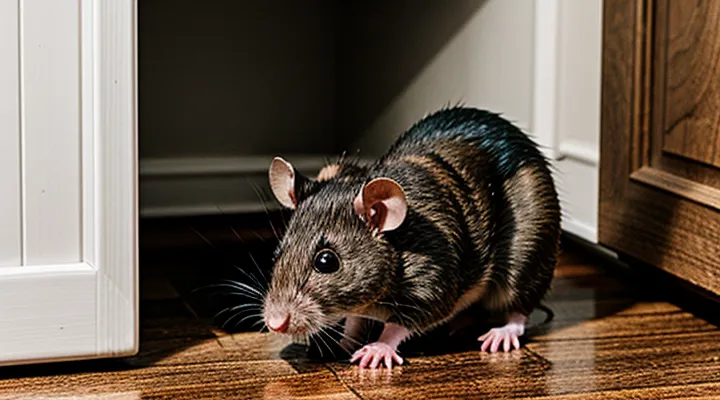
«Immediate First Aid»
«Wound Cleaning»
«Soap and Water»
After a house rat bite, the first intervention is thorough cleansing with soap and water. Use a mild, fragrance‑free antibacterial soap to avoid irritation. Wet the wound with lukewarm water, apply the soap, and gently scrub the surrounding skin for at least 30 seconds. Rinse repeatedly until all suds are removed; residual soap can impede healing.
Key points for effective cleaning:
- Temperature: lukewarm (≈37 °C) to promote vasodilation without causing thermal injury.
- Soap type: antibacterial, pH‑balanced, free of dyes or perfumes.
- Technique: circular motions with a sterile gauze pad or clean fingertips; avoid abrasive scrubbing.
- Duration: minimum 30 seconds of active washing, followed by thorough rinsing.
After washing, pat the area dry with a sterile gauze pad; do not rub. Apply a thin layer of sterile petroleum jelly or a prescribed antiseptic ointment, then cover with a clean, non‑adhesive dressing. Prompt medical evaluation remains necessary to assess infection risk and consider tetanus or rabies prophylaxis.
«Antiseptic Application»
Apply an antiseptic immediately after cleaning the wound. Use a sterile gauze or cotton pad to spread the solution evenly over the entire bite area. Allow the antiseptic to remain in contact for at least one minute before covering the wound.
Recommended antiseptic agents:
- 70 % isopropyl alcohol – rapid antimicrobial action, suitable for superficial bites.
- 0.5 % povidone‑iodine – broad‑spectrum efficacy, safe for most skin types.
- Chlorhexidine gluconate (2 %) – persistent activity, especially effective against gram‑negative bacteria.
After application, do not rinse the area unless directed by a medical professional. Secure the site with a sterile, non‑adhesive dressing to maintain a moist environment and prevent contamination. Monitor for signs of infection such as increased redness, swelling, or discharge, and seek medical attention if they appear.
«Stopping Bleeding»
A rat bite can cause rapid blood loss; immediate control of bleeding is essential for preventing shock and infection.
- Apply firm, direct pressure to the wound with a sterile gauze pad or clean cloth.
- Maintain pressure for at least five minutes without interruption; if blood seeps through, add another layer and continue pressing.
- Elevate the injured area above heart level, if possible, to reduce blood flow to the site.
- If bleeding persists after sustained pressure, use a clean tourniquet placed 2–3 inches above the wound, tightening only enough to halt arterial flow.
- Once bleeding stops, clean the area with mild soap and water, then cover with a sterile dressing.
Seek professional medical care if bleeding does not cease within 10–15 minutes, if the bite is deep, or if signs of infection appear. Prompt evaluation ensures proper wound management and reduces the risk of complications.
«Bandaging the Wound»
After a rat bite, proper wound management begins with clean, secure bandaging. The goal is to stop bleeding, protect against contaminants, and prepare the area for medical evaluation.
- Wash hands thoroughly with soap and water before touching the wound.
- Rinse the bite under running water for at least one minute; use mild soap around the edges, avoiding direct scrubbing of tissue.
- Pat the area dry with a sterile gauze pad; do not rub.
- Apply an antiseptic solution (e.g., povidone‑iodine or chlorhexidine) to the wound surface.
- Place a sterile, non‑adhesive dressing directly over the bite; ensure full coverage of the exposed tissue.
- Secure the dressing with a clean, elastic bandage. Wrap firmly enough to hold the dressing in place but not so tight as to impede circulation; check pulse and skin color distal to the wrap.
- Label the bandage with the date and time of application; replace it if it becomes wet, soiled, or loose.
- Seek professional medical care promptly; inform the provider of the animal source and any symptoms such as redness, swelling, or fever.
Maintain the bandage until a healthcare professional evaluates the wound, then follow prescribed instructions for further care.
«Seeking Medical Attention»
«When to See a Doctor»
«Deep Wounds»
A bite from a house rat that penetrates deep tissue demands prompt, thorough action to reduce the risk of infection and other complications.
Apply firm pressure with a clean cloth or sterile gauze to stop bleeding. After the bleed subsides, rinse the wound with running water for at least one minute, then cleanse with mild soap. Do not scrub aggressively; gentle irrigation removes debris while preserving surrounding tissue.
Seek professional medical evaluation without delay if any of the following are present: wound depth exceeding the skin’s surface layer, visible muscle or fat exposure, uncontrolled bleeding, numbness, or signs of swelling. A clinician will assess the need for suturing, prescribe appropriate antibiotics, and determine whether tetanus booster or rabies prophylaxis is required.
Follow the care plan provided by health professionals. Typical recommendations include:
- Taking the full course of prescribed antibiotics, even if symptoms improve early.
- Keeping the wound covered with a sterile dressing, changing it according to instructions.
- Monitoring for redness, increased warmth, pus, or fever, and reporting these signs immediately.
- Limiting strenuous activity that could stress the injured area for the duration advised.
Adhering to these measures minimizes tissue damage, accelerates healing, and prevents serious infections that can arise from deep rat bites.
«Excessive Bleeding»
When a house rat punctures the skin, profuse bleeding can develop quickly. Immediate control of blood loss is critical to prevent shock and reduce infection risk.
- Apply firm pressure directly over the wound with a clean cloth or sterile gauze. Maintain pressure for at least five minutes without interruption.
- If bleeding persists, add another layer of gauze and continue pressure. Elevate the injured limb above heart level to lessen blood flow.
- When pressure alone does not stop the flow, use a clean tourniquet placed 2–3 inches proximal to the bite. Tighten until bleeding ceases, then note the time of application.
- After hemostasis, clean the area with mild antiseptic solution. Do not scrub aggressively; gentle irrigation removes debris while preserving clot formation.
- Seek medical attention promptly. Professional care may include suturing, tetanus prophylaxis, and antibiotic therapy to address rat‑borne pathogens.
Monitoring after initial treatment is essential. Watch for signs of continued bleeding, expanding bruising, or dizziness. If any of these occur, re‑apply pressure or adjust the tourniquet and obtain emergency care without delay.
«Signs of Infection»
After a bite from a house rat, monitor the wound for any indication that an infection is developing. Early detection reduces the risk of complications and guides timely medical intervention.
Common clinical signs include:
- Redness that expands beyond the immediate area of the bite.
- Swelling that increases in size or becomes painful to the touch.
- Warmth around the wound compared with surrounding skin.
- Purulent discharge or any fluid that is yellow, green, or foul‑smelling.
- Persistent or worsening pain that is not relieved by over‑the‑counter analgesics.
- Fever, chills, or a general feeling of illness.
- Enlarged lymph nodes near the bite site, especially in the armpit or groin.
If any of these symptoms appear, seek professional medical care promptly. Documentation of the bite’s appearance and timing assists healthcare providers in determining appropriate antibiotic therapy and further treatment steps.
«Underlying Health Conditions»
A bite from a domestic rat can become more dangerous when the victim has certain pre‑existing medical conditions. These conditions affect the body’s ability to fight infection, heal wounds, and tolerate standard treatments.
- Immunocompromised states (e.g., chemotherapy, organ transplantation, high‑dose steroids)
- Diabetes mellitus, especially with poor glycemic control
- Chronic liver disease or cirrhosis
- Chronic kidney disease, particularly on dialysis
- HIV/AIDS with low CD4 counts
- Chronic pulmonary diseases such as COPD or asthma requiring frequent steroid bursts
Each condition increases the likelihood of bacterial invasion, delays tissue repair, and may alter the effectiveness of standard antibiotics. Immunocompromised patients often require broader‑spectrum antimicrobial coverage and longer treatment courses. Diabetic individuals face higher rates of cellulitis and may need tighter glucose monitoring alongside wound care. Liver or kidney impairment can limit drug dosing, necessitating adjustments to avoid toxicity. HIV‑positive patients with low immune counts should receive early infectious‑disease consultation.
Management steps for anyone with these health issues include:
- Seek emergency medical assessment immediately after the bite.
- Disclose all chronic illnesses and current medications to the treating clinician.
- Obtain tetanus prophylaxis if immunization status is uncertain; consider rabies post‑exposure prophylaxis when exposure risk is plausible.
- Initiate empiric antibiotics tailored to the patient’s organ function and immune status; adjust based on culture results.
- Schedule follow‑up visits within 24–48 hours to monitor wound progression and systemic signs of infection.
Prompt, condition‑aware intervention reduces complications and supports faster recovery.
«What to Expect at the Doctor»
«Wound Examination»
After a rodent bite, the first priority is a thorough wound examination. The examiner should assess the injury in a well‑lit area, using clean gloves and a sterile instrument if needed.
- Observe the entry site for puncture depth, shape, and number of teeth marks.
- Measure the longest dimension of the wound; record length and width in centimeters.
- Look for active bleeding, tissue avulsion, or exposed bone and tendon.
- Note the presence of saliva, blood clots, or debris that may indicate contamination.
- Check surrounding skin for erythema, swelling, or warmth suggesting early infection.
- Palpate gently around the area to detect tenderness, crepitus, or fluctuance.
- Evaluate the patient’s tetanus immunization status; document the date of the last booster.
- Record any signs of systemic involvement, such as fever, malaise, or lymphadenopathy.
If the wound is deep, irregular, or contains visible foreign material, consider imaging (e.g., X‑ray) to rule out retained fragments. Photograph the injury for baseline documentation and future comparison. Immediate cleaning with sterile saline, followed by proper dressing, should be performed after the assessment. All findings must be entered into the medical record with precise terminology to guide subsequent treatment decisions.
«Tetanus Shot»
A rat bite penetrates skin and introduces bacteria that can produce tetanus. The tetanus vaccine neutralizes the toxin that the bacterium Clostridium tetani releases. Administering a tetanus shot promptly reduces the risk of a life‑threatening infection.
- If the bite is recent (within 24 hours) and the victim’s immunization record shows a booster within the last ten years, give a single tetanus‑diphtheria (Td) or tetanus‑diphtheria‑pertussis (Tdap) dose.
- If the last booster was more than ten years ago, provide a Td or Tdap dose and schedule a second dose in four weeks.
- For individuals with an unknown or incomplete vaccination history, administer a Tdap dose now, followed by Td doses at one month and six months.
The injection is given intramuscularly, typically in the deltoid muscle. Common side effects include mild pain, redness, or swelling at the injection site; systemic reactions are rare. Contraindications consist of severe allergic reaction to a previous tetanus vaccine or any component of the formulation.
After vaccination, monitor the wound for signs of infection such as increasing redness, swelling, pus, or fever. If any of these appear, seek medical evaluation promptly. Document the tetanus prophylaxis in the patient’s medical record and advise the individual to maintain up‑to‑date tetanus immunizations for future exposures.
«Antibiotics Prescription»
After a bite from a rodent, immediate medical evaluation determines whether antimicrobial therapy is required to prevent infection. The decision rests on wound depth, contamination level, and patient risk factors such as immunosuppression or diabetes.
- First‑generation cephalosporins (e.g., cefazolin) are preferred for uncomplicated wounds; they cover common skin flora and many gram‑negative organisms found in rodent oral cavities.
- Amoxicillin‑clavulanate provides broader coverage, including anaerobes and resistant strains; it is indicated for deep punctures, delayed presentation, or when signs of infection are present.
- For patients allergic to β‑lactams, doxycycline or a fluoroquinolone (e.g., levofloxacin) serves as an alternative, with attention to local resistance patterns.
Prescribed regimens typically last five to seven days. Dosage follows standard adult recommendations: cefazolin 1 g intravenously every 8 hours or 250 mg orally every 6 hours; amoxicillin‑clavulanate 875 mg/125 mg orally every 12 hours; doxycycline 100 mg orally twice daily; levofloxacin 750 mg orally once daily. Pediatric dosing adjusts by weight and age, adhering to pediatric guidelines.
Follow‑up includes wound reassessment within 48 hours, monitoring for erythema, swelling, or purulent discharge. If infection progresses, culture‑directed therapy replaces empiric selection. Documentation of the prescription, patient education on adherence, and reporting of adverse reactions complete the care plan.
«Rabies Risk Assessment»
A rat bite in a domestic setting requires immediate evaluation of rabies exposure potential. Rabies transmission from rats is extremely rare, yet the possibility cannot be dismissed without systematic assessment.
Key factors determining risk include:
- The health status of the rat: signs of neurological disease, abnormal behavior, or recent unexplained death raise concern.
- Geographic prevalence: regions with documented wildlife rabies cases increase overall probability.
- Contact circumstances: deep puncture wounds, saliva injection, and prolonged exposure amplify risk.
- Vaccination history of nearby animals: unvaccinated pets or livestock in the same environment may indicate broader exposure.
The assessment proceeds as follows:
- Document bite details: location, depth, time elapsed, and any visible saliva.
- Verify the rat’s condition: observe for aggression, disorientation, or paralysis; if the animal is unavailable, note the circumstances of its removal.
- Consult local public health authority: provide documented information and request guidance on rabies testing or prophylaxis.
- Initiate wound care: irrigate with sterile solution, apply antiseptic, and seek medical attention for tetanus evaluation.
- Follow recommended post‑exposure protocol: administer rabies vaccine series if advised by health officials, adhering to the prescribed schedule.
A thorough, evidence‑based evaluation eliminates unnecessary treatment while safeguarding health when rabies risk is present.
«Understanding Rat-Borne Diseases»
«Rat-Bite Fever»
«Symptoms»
A rat bite can trigger a range of immediate and delayed reactions. Recognizing these signs is essential for timely medical intervention.
Typical immediate symptoms include:
- Sharp, throbbing pain at the wound site
- Redness and swelling around the puncture
- Bleeding or oozing from the bite
Within hours to days, additional manifestations may appear:
- Warmth or heat localized to the area
- Enlarged or tender lymph nodes near the bite
- Fever, chills, or malaise
- Nausea, vomiting, or abdominal discomfort
- Skin rash or hives spreading from the bite
Serious complications often present as:
- Rapidly spreading redness or tissue necrosis
- Persistent high fever (>38.5 °C) or chills
- Unexplained joint pain or muscle aches
- Shortness of breath, chest pain, or palpitations
- Neurological signs such as numbness, tingling, or weakness
If any of the above symptoms develop, especially fever, worsening wound condition, or systemic signs, seek professional medical care immediately. Early treatment reduces the risk of infection, including rat‑borne diseases such as leptospirosis, hantavirus, or rat‑bite fever.
«Treatment»
When a house rat bites, prompt and proper treatment reduces infection risk and prevents complications. Begin with wound care, then seek professional medical assessment, and follow prescribed follow‑up.
- Wash the bite thoroughly with running water for at least one minute. Use mild soap to remove debris, but avoid scrubbing the tissue.
- Apply a sterile antiseptic solution (e.g., povidone‑iodine or chlorhexidine) after cleaning.
- Cover the area with a clean, non‑adhesive dressing. Change the dressing at least once daily or if it becomes wet or contaminated.
- Elevate the limb, if possible, to lessen swelling.
After immediate care, obtain medical evaluation:
- A clinician will assess depth, location, and signs of tissue damage.
- Tetanus immunization status will be reviewed; a booster is administered if the last dose exceeds five years (or ten years for clean wounds).
- Antibiotic therapy, typically a broad‑spectrum agent such as amoxicillin‑clavulanate, is prescribed to cover common rat‑borne bacteria (including Streptococcus spp., Staphylococcus aureus, and Pasteurella spp.).
- Rabies risk is evaluated based on local prevalence and the rat’s health. If exposure is deemed possible, post‑exposure prophylaxis is initiated according to public‑health guidelines.
Monitoring the bite site is essential:
- Observe for increasing redness, warmth, pus, or expanding swelling—indicators of infection.
- Record fever or systemic symptoms (e.g., chills, malaise) and report them promptly.
- Complete the full antibiotic course, even if symptoms improve early.
Follow‑up appointments allow the provider to verify wound healing, adjust treatment if necessary, and confirm that tetanus and rabies prophylaxis remain adequate. Adhering to these steps ensures optimal recovery after a house rat bite.
«Leptospirosis»
«Symptoms»
A bite from a house rat may trigger immediate tissue reactions and later systemic signs. Prompt identification of these manifestations guides medical assessment and treatment.
- Redness, swelling, and warmth around the wound
- Pain that intensifies within the first few hours
- Bleeding that persists despite pressure
- Pus or foul discharge emerging from the site
- Development of a raised, tender nodule (abscess)
Systemic indicators can appear hours to days after the incident:
- Fever exceeding 38 °C (100.4 °F)
- Chills and sweats
- Headache, fatigue, or general malaise
- Nausea, vomiting, or abdominal discomfort
- Joint pain, particularly in the knees, ankles, or wrists
- Rash consisting of small, pink macules that may spread
If untreated, rat‑bite fever (caused by Streptobacillus moniliformis or Spirillum minus) may progress to:
- Persistent high fever
- Severe muscle aches
- Cardiac murmurs indicating endocarditis
- Kidney inflammation (glomerulonephritis)
Any combination of the above symptoms warrants immediate medical evaluation. Early antibiotic therapy reduces the risk of complications and accelerates recovery.
«Treatment»
When a domestic rat punctures the skin, begin wound management without delay. Rinse the area under running water for at least one minute to remove saliva and debris. Apply a mild antiseptic solution, such as povidone‑iodine or chlorhexidine, then cover the site with a sterile gauze pad and light pressure dressing.
Seek professional medical evaluation promptly. A clinician will assess the depth of the puncture, determine the need for tetanus prophylaxis, and evaluate rabies exposure risk based on local wildlife regulations and the rat’s health status. Document the incident, including the date, time, and circumstances of the bite.
Prescribed pharmacotherapy may include:
- Broad‑spectrum oral antibiotics (e.g., amoxicillin‑clavulanate) to prevent bacterial infection from Streptococcus, Staphylococcus, or Pasteurella species.
- Analgesics such as acetaminophen or ibuprofen for pain control.
- Antihistamines if localized swelling suggests an allergic reaction.
Monitor the wound for signs of infection: increasing redness, swelling, warmth, pus discharge, or fever. If any of these symptoms emerge, return to a healthcare provider for possible adjustment of antibiotic therapy or further intervention.
Complete the full antibiotic course even if symptoms improve. Maintain daily dressing changes with sterile technique until the wound fully granulates and no longer exudes fluid. Record any adverse reactions to medication and report them immediately.
«Hantavirus (Though Less Common from Bites)»
«Symptoms»
After a house rat bite, the body may display distinct clinical signs that require prompt attention. Recognizing these manifestations helps determine the urgency of medical intervention.
- Redness around the wound
- Swelling that expands beyond the entry point
- Pain that intensifies rather than subsides
- Warmth or heat emanating from the site
- Pus or clear fluid discharge
- Bleeding that does not stop with gentle pressure
Systemic reactions can accompany the local response and may indicate infection or toxin exposure.
- Fever exceeding 38 °C (100.4 °F)
- Chills or shivering
- Nausea, vomiting, or loss of appetite
- Headache or dizziness
- Muscle aches or joint pain
- Rapid heartbeat or low blood pressure
Symptoms typically emerge within hours to a few days after the bite. Persistent fever, spreading redness, worsening pain, or any sign of allergic reaction—such as hives, swelling of the face, or difficulty breathing—should trigger immediate medical evaluation. Early treatment reduces the risk of severe complications, including bacterial infection, tissue necrosis, or rat‑borne diseases.
«Prevention»
After a bite from a house rat, immediate actions focus on preventing infection and reducing the risk of disease transmission.
First, cleanse the wound thoroughly. Rinse with running water for at least one minute, then apply mild soap. Pat the area dry with a clean cloth and cover with a sterile dressing. Avoid rubbing or using harsh chemicals that could damage tissue.
Second, assess the need for medical intervention. Seek professional care if the bite is deep, bleeding heavily, or shows signs of infection such as redness, swelling, pus, or increasing pain. A healthcare provider may prescribe antibiotics, administer a tetanus booster, or evaluate the need for rabies prophylaxis based on local wildlife regulations and the rat’s health status.
Third, monitor the bite site. Inspect daily for changes in color, temperature, or discharge. Record any fever or systemic symptoms and report them promptly to a medical professional.
Fourth, implement environmental controls to prevent future incidents. Seal entry points, eliminate food sources, and remove clutter that offers shelter for rodents. Set traps or employ professional pest‑management services to reduce the rodent population within the residence.
Preventive checklist
- Clean wound with water and mild soap; apply sterile dressing.
- Obtain medical evaluation for deep or infected bites.
- Update tetanus immunization; consider rabies prophylaxis if indicated.
- Observe wound daily for infection signs; seek care if symptoms develop.
- Secure the home: seal gaps, store food properly, declutter, and control rodent activity.
Adhering to these measures minimizes complications and lowers the likelihood of repeat bites.
«Preventing Future Rat Bites»
«Rodent Control in the Home»
«Sealing Entry Points»
After a rat bite, preventing future incidents requires eliminating the ways rodents enter the home. Identify all potential openings, including gaps around pipes, vents, doors, windows, and the foundation. Inspect both interior and exterior walls, attic, and crawl spaces for cracks, holes, or missing sealant.
Repair each opening with appropriate materials: use steel wool or copper mesh for larger gaps, then cover with caulk, expanding foam, or concrete patch. Install weather stripping on doors and windows, and ensure screens are intact. Seal gaps around utility penetrations with silicone or metal flashing.
Key actions for effective sealing:
- Conduct a systematic walkthrough, noting every opening larger than a quarter‑inch.
- Apply durable, rodent‑resistant materials (metal flashing, heavy‑duty caulk).
- Reinforce door thresholds and install self‑closing devices.
- Verify that vent covers have fine mesh screens.
- Perform a final inspection after repairs to confirm no residual entry points remain.
«Proper Food Storage»
After a rat bite, the risk of contaminating food supplies increases dramatically. Immediate removal of any exposed or damaged food prevents pathogens from spreading. Discard items that show signs of chew marks, moisture, or unusual odor; do not attempt to salvage them.
Store remaining food in containers that seal tightly and resist gnawing. Use metal or heavy‑duty plastic containers with lockable lids. Keep containers off the floor and away from walls, where rodents can reach them. Label each container with the date of opening to monitor freshness.
Maintain a clean storage environment:
- Sweep and vacuum shelves regularly to eliminate debris.
- Inspect packaging for holes or tears before placing items inside.
- Position traps or deterrents near storage areas to discourage further rodent activity.
- Rotate stock so older items are used first, reducing the time food remains vulnerable.
Implementing these measures limits bacterial growth and minimizes the chance of re‑infection after a rat bite incident.
«Eliminating Water Sources»
After a rat bite, eliminating any accessible water encourages the animal to leave the premises and reduces the risk of disease‑bearing pests returning.
- Identify all containers that hold water: pet dishes, bird feeders, plant saucers, open buckets, and leaking pipes.
- Empty, clean, and store containers with tight‑fitting lids. For items that must remain outdoors, replace open trays with sealed alternatives.
- Repair leaks in faucets, hoses, and plumbing fixtures. Use pipe‑sealant tape or replace damaged sections promptly.
- Drain standing water from basements, crawl spaces, and garage floors. Install a dehumidifier if humidity remains high.
- Cover outdoor trash cans and compost bins with waterproof lids to prevent moisture accumulation.
- Inspect roof gutters and downspouts for clogs; clear debris to direct runoff away from the foundation.
Regularly audit the environment for hidden moisture sources such as condensation on windows, damp insulation, or forgotten pet water bowls. Maintaining a dry setting removes the attraction that draws rats back, supporting recovery and long‑term safety.
«Trapping and Extermination»
After a bite from a domestic rat, eliminating the source of infestation is critical to prevent further injuries and disease transmission. Effective control begins with proper trapping and, when necessary, professional extermination.
Set up snap or live traps in areas where rat activity is evident: along walls, behind appliances, near food storage, and in dark corners. Place bait such as peanut butter, dried fruit, or canned meat on the trigger mechanism. Check traps daily; dispose of dead rodents promptly, sealing them in plastic bags before discarding. For live traps, release captured rats at least ten miles from the residence to avoid re‑entry.
If traps yield few or no results, or if the population appears extensive, contact a licensed pest‑control operator. Professionals will conduct a thorough inspection, identify entry points, and apply rodenticides or bait stations according to local regulations. They also seal gaps, repair structural damage, and advise on sanitation measures that reduce attractants.
Maintain a clean environment to support trapping efforts: store food in airtight containers, eliminate standing water, and regularly empty trash bins. Continue monitoring for several weeks after the last capture to confirm that the infestation has been eradicated.
«Maintaining Cleanliness»
After a rat bite, immediate attention to hygiene reduces infection risk and prevents further contamination. The wound must be cleaned thoroughly before any medical evaluation.
- Rinse the bite with running water for at least one minute.
- Apply an antiseptic solution (e.g., povidone‑iodine or chlorhexidine).
- Cover the wound with a sterile dressing and change it daily.
The surrounding environment requires systematic decontamination. Remove any food remnants, droppings, or nesting material that could harbor pathogens.
- Disinfect all surfaces with a bleach solution (1 part bleach to 9 parts water).
- Launder clothing, towels, and bedding in hot water (minimum 60 °C).
- Vacuum carpets and upholstery, then dispose of the vacuum bag or clean the canister with disinfectant.
Regular upkeep sustains a safe living space. Schedule weekly cleaning of kitchens and storage areas, inspect for new rodent activity, and seal entry points to block re‑infestation. Maintaining strict cleanliness after an incident limits complications and supports recovery.