
Origin and Distribution
Commensal Species
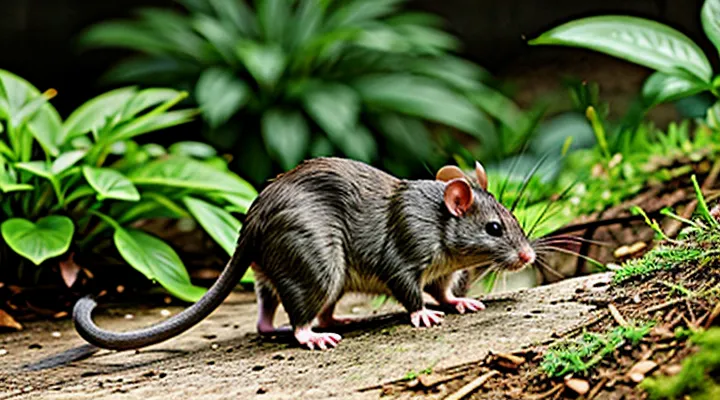
Rats frequently inhabit human‑made environments, where they obtain food, shelter, and protection without providing tangible benefits to their hosts. This one‑sided association classifies them as commensal organisms; the presence of rats does not noticeably alter the conditions of the structures they occupy, yet their survival depends on the resources supplied by human activity.
Their ecological influence extends beyond direct interactions with humans. By exploiting waste and refuse, rats accelerate the decomposition process, converting organic material into biomass that supports predators such as owls, hawks, and feral cats. Their foraging behavior also redistributes seeds and spores, contributing to the spread of certain plant species in urban and peri‑urban settings.
Typical manifestations of rat commensalism include:
- Occupation of building basements, attics, and sewers where structural integrity remains unchanged.
- Consumption of discarded food, reducing visible waste accumulation without affecting waste generation rates.
- Provision of a stable prey population for urban raptors, sustaining predator numbers without altering predator hunting territories.
Invasive Species
Rats introduced beyond their native ranges act as invasive organisms that disrupt local ecosystems. Their high reproductive rate enables rapid population growth, allowing them to outcompete native mammals for food and shelter. Predation on ground‑nesting birds, reptiles, and amphibians reduces biodiversity, while consumption of seeds and seedlings hampers plant regeneration.
Key ecological consequences include:
- Transmission of pathogens to wildlife, livestock, and humans, altering disease dynamics.
- Modification of soil composition through burrowing activity, which can increase erosion and change nutrient cycles.
- Displacement of indigenous species that rely on similar niches, leading to cascading trophic effects.
Management strategies rely on integrated approaches: systematic trapping, habitat modification to reduce shelter availability, and public education to prevent accidental releases. Monitoring programs track population trends and assess the effectiveness of control measures, ensuring adaptive responses to emerging threats.
Rats as Prey
Predators of Rats
Rats serve as a substantial food source for a wide range of vertebrate and invertebrate predators, linking primary production to higher trophic levels.
- Mammalian carnivores: red foxes (Vulpes vulgaris), coyotes (Canis latrans), feral and domestic cats (Felis catus).
- Avian raptors: barn owls (Tyto alba), great horned owls (Bubo virginianus), hawks such as the red-tailed hawk (Buteo jamaicensis).
- Reptilian hunters: common garter snakes (Thamnophis sirtalis), water snakes (Nerodia spp.), monitor lizards in tropical zones.
- Amphibians: large bullfrogs (Lithobates catesbeianus) and tiger salamanders (Ambystoma tigrinum) capture juvenile rats near water bodies.
- Piscine predators: large catfish (Siluriformes) and pike (Esox lucius) consume rats that enter aquatic habitats.
- Invertebrate specialists: large centipedes (Scolopendra spp.) and ground beetles (Carabidae) seize small rats and newborns.
Predation pressure regulates rat populations, preventing unchecked growth that could otherwise lead to excessive seed predation, soil disturbance, and disease transmission. Seasonal fluctuations in predator abundance correspond to changes in rat density, creating a feedback loop that stabilizes ecosystem biomass. In agricultural landscapes, the presence of natural predators reduces reliance on rodenticides, thereby limiting secondary poisoning of non‑target species. In urban environments, feral cats and raptors provide a biological control mechanism that curtails infestations in waste‑rich areas.
Overall, the diversity of rat predators integrates rodents into food webs, transfers energy upward, and contributes to the resilience of both natural and human‑modified ecosystems.
Impact on Predator Populations
Rats provide a reliable food source for a wide range of carnivorous species, sustaining predator numbers across diverse ecosystems. Their high reproductive rate ensures a steady influx of individuals, allowing predators such as owls, hawks, foxes, snakes, and feral cats to maintain breeding cycles without prolonged periods of scarcity.
- Small mammals that specialize in rodent hunting, for example, barn owls (Tyto alba) and kestrels (Falco tinnunculus), exhibit increased clutch sizes and higher fledgling survival when rat populations are abundant.
- Larger predators, including red foxes (Vulpes vulpes) and coyotes (Canis latrans), expand territorial ranges in response to seasonal rat surges, reducing intra‑specific competition for alternative prey.
- Reptilian hunters such as common garter snakes (Thamnophis sirtalis) experience accelerated growth rates and earlier sexual maturity when rat availability rises.
When rat numbers decline due to disease outbreaks, habitat loss, or control measures, predator populations often show corresponding reductions in reproductive output, body condition, and survival rates. In some cases, predators shift to less nutritious or more dangerous prey, potentially altering trophic dynamics and increasing human‑wildlife conflicts.
Long‑term monitoring indicates that rat abundance directly influences predator density, reproductive success, and spatial distribution, reinforcing the species’ pivotal function within food webs.
Rats as Predators
Diet of Rats
Rats are omnivorous mammals whose diet varies with species, habitat, and seasonal resource availability. In urban environments they consume discarded human food, grains, fruits, and insects, while wild populations supplement these items with seeds, nuts, roots, and carrion. Their feeding habits enable them to exploit a wide range of ecological niches.
Typical components of a rat’s diet include:
- Cereals and grains (wheat, rice, corn)
- Seeds and nuts from trees and shrubs
- Fresh fruits and vegetables
- Invertebrates such as insects, worms, and mollusks
- Small vertebrates, eggs, and carrion
- Human refuse and processed foods in cities
Nutritional intake is opportunistic; rats adjust consumption based on caloric density and protein content. High‑energy foods are favored during breeding seasons to support rapid reproduction, while fibrous plant material is more prevalent when animal protein is scarce.
The dietary flexibility of rats influences ecosystem processes. By consuming seeds, they affect plant regeneration; by scavenging carrion, they accelerate decomposition; and by preying on insects, they regulate arthropod populations. Consequently, their feeding behavior contributes directly to nutrient cycling and energy flow across diverse habitats.
Impact on Prey Populations
Rats influence prey populations through direct predation, competition for resources, and disease dynamics. As opportunistic carnivores, they consume insects, amphibians, eggs, and small vertebrates, reducing the numbers of these organisms in habitats where rat densities are high. Their foraging behavior overlaps with that of native insectivores and small predators, creating competitive pressure that can suppress the reproductive success of shared prey species.
Additional effects arise from the pathogens rats carry. Parasites and viruses transmitted by rats can infect prey species, leading to morbidity or mortality that further alters community composition. The presence of rats can also trigger behavioral changes in prey, such as increased vigilance or habitat avoidance, which may affect feeding efficiency and reproductive output.
Key impacts on prey populations include:
- Direct consumption of eggs, larvae, and juvenile individuals.
- Resource competition that limits food availability for native predators.
- Transmission of zoonotic and wildlife diseases.
- Induced stress responses that modify prey behavior and fitness.
Ecosystem Engineers
Burrowing Activities
Rats construct extensive tunnel systems that modify soil structure. Their burrows increase aeration, allowing oxygen to penetrate deeper layers and enhancing microbial activity. The resulting changes improve water infiltration and reduce surface runoff, which benefits surrounding vegetation.
Burrowing also redistributes organic material. Rats transport leaf litter, seeds, and invertebrate remains into their chambers, where decomposition accelerates. This process enriches the soil with nutrients such as nitrogen and phosphorus, supporting plant growth and sustaining local food webs.
The underground networks create microhabitats for a variety of organisms. Small mammals, reptiles, amphibians, and arthropods often occupy abandoned rat tunnels, gaining shelter from predators and extreme temperatures. These secondary occupants contribute to biodiversity and ecological resilience.
Key ecological effects of rat burrowing include:
- Enhanced soil aeration and moisture dynamics
- Accelerated nutrient cycling through organic matter redistribution
- Formation of refuge spaces that support diverse secondary species
- Influence on plant community composition via altered seed dispersal and germination conditions
Seed Dispersal
Rats contribute to seed dispersal by collecting, transporting, and caching seeds across diverse habitats. Their foraging behavior moves seeds away from parent plants, reducing competition and increasing the likelihood of successful germination.
Key mechanisms include:
- Caching: Rats store seeds in underground burrows or hidden sites. Unretrieved caches provide protected germination sites with favorable microclimates.
- Transport: Foraging trips carry seeds several hundred meters, linking fragmented landscapes and facilitating gene flow among plant populations.
- Selective handling: Rats preferentially cache larger, nutrient‑rich seeds, influencing plant community composition by favoring species with such traits.
- Disturbance creation: Burrowing activity aerates soil and creates microsites that enhance seedling establishment.
Empirical studies show that rat‑mediated dispersal can increase seedling density by up to 30 % compared with passive dispersal. In ecosystems where rodents dominate the seed predator community, the balance between seed consumption and caching determines the net effect on plant recruitment. Consequently, rat activity shapes vegetation patterns, supports biodiversity, and influences successional trajectories.
Disease Vectors
Pathogens Carried by Rats
Rats serve as reservoirs for a wide range of disease‑causing agents that affect humans, livestock, and wildlife. Their close association with human settlements and ability to thrive in diverse habitats facilitate the maintenance and spread of pathogens.
Key bacterial agents carried by rats include:
- Leptospira spp. – transmitted through urine contamination of water and soil; causes leptospirosis with symptoms ranging from fever to kidney failure.
- Salmonella enterica – shed in feces; contaminates food and surfaces, leading to gastroenteritis.
- Yersinia pestis – the etiologic agent of plague; circulates among rodent populations and can reach humans via flea bites.
- Streptobacillus moniliformis – responsible for rat‑bite fever; enters the bloodstream through bites or scratches.
Viral pathogens associated with rats encompass:
- Hantavirus – spread by aerosolized rodent excreta; produces hemorrhagic fever with renal syndrome or pulmonary syndrome.
- Lassa virus – endemic in West Africa; rats act as primary hosts, contaminating food and household items.
- Arenaviruses (e.g., Seoul virus) – cause hemorrhagic fevers; transmission occurs through contact with infected urine or droppings.
Parasitic infections also originate from rats:
- Taenia taeniaeformis – tapeworm larvae develop in rodents; definitive hosts acquire infection by ingesting infected rodents.
- Hymenolepis diminuta – dwarf tapeworm; humans become accidental hosts after consuming contaminated food or water.
- Protozoa such as Giardia duodenalis – transmitted via fecal contamination, leading to diarrheal disease.
Transmission pathways rely on direct contact (bites, scratches), indirect contact (contaminated food, water, surfaces), and aerosolization of dried excreta. The persistence of pathogens in rat populations sustains enzootic cycles, creating reservoirs that can trigger outbreaks when environmental conditions or human behavior increase exposure risk. Effective control measures target rat population density, sanitation, and public education to interrupt these transmission routes.
Impact on Human and Wildlife Health
Rats serve as reservoirs and vectors for a wide range of pathogens, directly influencing the health of humans and wildlife.
Human health impacts
- Transmission of bacterial agents such as Leptospira spp., causing leptospirosis, often occurs through contact with contaminated water or soil.
- Viral infections including hantavirus and lymphocytic choriomeningitis virus spread via aerosolized rodent excreta, leading to severe respiratory and febrile illnesses.
- Parasites such as Bartonella spp. and Rickettsia spp. are carried by rats, resulting in febrile or dermatological conditions after bite or flea exposure.
- Economic burden includes medical treatment costs, loss of productivity, and expenses associated with pest control programs.
Wildlife health impacts
- Predatory species, including raptors and carnivorous mammals, acquire infections when consuming infected rats, facilitating disease cascades across trophic levels.
- Rodent-borne pathogens can spill over to native small mammals, altering community disease dynamics and reducing biodiversity.
- Competition for food resources forces some wildlife into marginal habitats, increasing stress‑related susceptibility to illness.
- High rat densities amplify environmental contamination, exposing herbivores to pathogens through grazing on contaminated vegetation.
Management considerations
- Systematic surveillance of rodent populations identifies pathogen prevalence and guides targeted interventions.
- Integrated pest management combines habitat modification, exclusion techniques, and limited chemical control to reduce rat numbers while minimizing non‑target impacts.
- Vaccination of domestic animals in high‑risk areas mitigates zoonotic transmission pathways.
- Public education on safe waste handling and personal protective measures lowers exposure risk for communities living in proximity to dense rat populations.
Coexistence and Control
Human-Rat Interactions
Rats have coexisted with humans for millennia, shaping ecosystems and influencing human activity. Early agricultural societies stored grain in structures that attracted commensal rodents; the resulting competition prompted the development of storage technologies and pest‑management practices that persist today.
Disease transmission remains a primary concern. Species such as Rattus norvegicus and Rattus rattus serve as reservoirs for pathogens including Leptospira spp., hantaviruses, and Yersinia pestis. Outbreak investigations routinely identify rat populations as the source of zoonotic spillover, prompting surveillance programs that integrate rodent trapping, serological testing, and environmental monitoring.
Rats contribute to scientific advancement. Their physiological similarity to humans makes them indispensable model organisms in genetics, pharmacology, and toxicology. Laboratories maintain controlled colonies, applying standardized breeding protocols that generate reproducible data for drug development and disease‑mechanism studies.
Cultural attitudes toward rats vary widely. In some regions, rats are viewed as pests and subject to eradication campaigns that employ traps, rodenticides, and habitat modification. In other societies, rats hold symbolic or culinary significance, featuring in festivals, folklore, or traditional dishes. These divergent perspectives affect policy decisions, resource allocation, and community engagement strategies.
Economic impact manifests through both loss and benefit. Grain spoilage, infrastructure damage, and public‑health costs impose measurable financial burdens on municipalities and agricultural producers. Conversely, rat‑derived products—such as antibodies, enzymes, and recombinant proteins—generate revenue for biotech enterprises.
Effective management relies on integrated approaches:
- Environmental sanitation: removal of food sources, sealing entry points, and waste reduction.
- Population control: use of bait stations, live traps, and, where appropriate, biological control agents.
- Monitoring: regular inspection, population density mapping, and pathogen testing.
- Public education: dissemination of best‑practice guidelines for household and community hygiene.
Understanding these interactions informs policies that balance ecological considerations with human health and economic priorities.
Management Strategies
Rats occupy diverse ecological niches, consuming waste, dispersing seeds, and serving as prey for numerous predators. Effective management balances these contributions with human health and agricultural concerns.
- Habitat alteration: remove easy food sources, seal entry points, and reduce shelter availability in urban and farm settings.
- Population regulation: employ humane traps, targeted rodenticides, and fertility‑control agents where appropriate, ensuring minimal impact on non‑target species.
- Biological control: encourage predator populations such as owls, hawks, and snakes by preserving nesting sites and limiting pesticide use.
- Monitoring programs: conduct regular surveys using bait stations and camera traps to track density trends, assess disease risk, and evaluate intervention outcomes.
- Community engagement: educate residents on waste management practices, proper storage of food, and safe handling of control measures.
Integrating these strategies creates a framework that limits negative interactions while preserving the ecological services rats provide.