
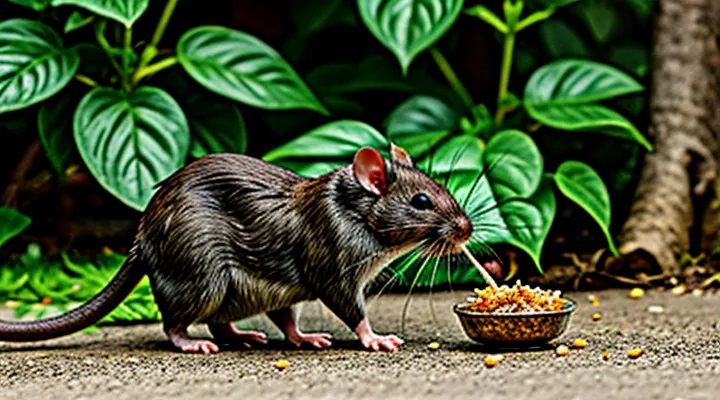
Understanding Rat Dietary Habits
The Omnivorous Nature of Rats
Wild Rat Diets
Wild rats survive by exploiting a broad spectrum of organic material found in natural and urban environments. Their feeding habits reflect opportunistic omnivory, allowing rapid adaptation to fluctuating resource availability.
Primary components of a typical wild rat diet include:
- Grains and seeds such as wheat, corn, and millet
- Fresh fruits and vegetables, especially when seasonally abundant
- Invertebrates, including insects, larvae, and earthworms
- Carrion and discarded animal matter
- Human-generated waste, encompassing food scraps and contaminated refuse
Seasonal variation influences intake patterns. Summer months increase access to berries, nuts, and insects, while winter reduces plant material, prompting reliance on stored seeds, carrion, and anthropogenic sources. Water availability follows a similar trend, with rodents extracting moisture from high‑water‑content foods during dry periods.
Species demonstrate dietary nuances. The Norway rat (Rattus norvegicus) favors ground‑level resources, emphasizing grains, refuse, and small vertebrates. The roof rat (Rattus rattus) exploits arboreal habitats, consuming fruits, nuts, and canopy insects. Both species retain the capacity to shift toward alternative foods when preferred items become scarce.
Ecological consequences stem from these feeding behaviors. Seed consumption and subsequent dispersal contribute to plant propagation, while predation on insects regulates pest populations. Conversely, ingestion of contaminated waste facilitates pathogen transmission and can impact human health. «Rats consume up to 20 % of their body weight in food daily», underscoring the intensity of their foraging activity and its relevance to ecosystem dynamics.
Domestic Rat Diets
Domestic rats require a balanced diet that supplies protein, fat, carbohydrates, vitamins, and minerals in proportions that support growth, reproduction, and longevity. Commercially formulated rodent pellets provide a reliable base, delivering consistent nutrient levels and minimizing the risk of deficiencies. Pellets should constitute the majority of daily intake, typically 80 % of the total ration, and be offered in fresh, uncontaminated form.
Supplementary foods enhance variety and encourage natural foraging behavior. Suitable options include:
- Fresh vegetables: carrots, broccoli, kale, zucchini, bell peppers
- Fruits in moderation: apple slices (seedless), berries, melon, banana
- Protein sources: boiled egg, cooked chicken, low‑fat cheese, mealworms (occasional)
These items should be introduced gradually, washed thoroughly, and presented in small, bite‑size pieces to prevent choking.
Certain foods present health hazards and must be excluded entirely. Unsafe items comprise:
- Processed snacks containing high salt, sugar, or artificial additives
- Citrus fruits, which can cause digestive upset
- Raw potatoes, raw beans, and chocolate, all of which contain toxic compounds
- Sticky or hard foods such as nuts with shells, which risk dental injury
Water must be available at all times, preferably in a bottle with a metal spout to maintain cleanliness. Daily checks ensure freshness and the absence of mold or debris.
Feeding schedules benefit from consistency. Providing meals at the same times each day supports metabolic stability and reduces stress. Typical regimens involve two feedings: a larger portion of pellets in the morning and a smaller mix of fresh supplements in the evening. Monitoring body condition and adjusting portions accordingly helps maintain optimal weight and health.
Preferred Food Categories
Grains and Seeds
Rice and Oats
Rats commonly include grains such as rice and oats in their diet. Both foods supply carbohydrates, protein, and fiber that support normal growth and activity.
Rice provides a high proportion of starch, low fat, and modest amounts of B‑vitamins. Cooked white rice is easily digestible, while brown rice retains additional fiber and minerals. Excessive raw rice may contain anti‑nutritional factors; cooking neutralizes these compounds.
Oats offer soluble fiber, moderate protein, and essential minerals including iron and magnesium. Whole‑grain oats retain the bran layer, contributing to gastrointestinal health. Rolled or instant oats should be moistened before offering to prevent choking.
Feeding guidelines:
- Offer cooked rice in small portions, no more than 10 % of total daily intake.
- Provide oats either dry as a nibble or soaked to soften texture.
- Alternate between rice and oats to ensure dietary variety.
- Monitor for signs of digestive upset; adjust quantities accordingly.
«Rats demonstrate a preference for carbohydrate‑rich foods when presented alongside protein sources» (laboratory observation). Proper preparation and portion control maximize nutritional benefit while minimizing health risks.
Sunflower Seeds
Sunflower seeds constitute a highly attractive component of a rodent’s diet. Their natural sweetness, crunchy texture, and rich oil content align with the gustatory preferences of house and wild rats, encouraging consistent consumption.
Nutritional profile relevant to rodents includes:
- High concentrations of linoleic acid, supporting cellular membrane integrity.
- Abundant vitamin E, functioning as an antioxidant that mitigates oxidative stress.
- Moderate protein levels, supplying essential amino acids for growth and tissue repair.
- Calcium‑phosphorus ratio favorable for skeletal development.
Behavioral observations indicate that rats readily select sunflower seeds when presented alongside grains, nuts, or fruit. The seeds’ small size allows easy manipulation with forepaws, while the hard shell offers a stimulating gnawing experience that promotes dental health.
Potential concerns involve caloric density; unrestricted access may lead to excess weight gain. Balancing seed portions with lower‑calorie staples ensures a nutritionally complete regimen without compromising health.
«Sunflower seeds provide essential fatty acids and micronutrients that complement the dietary needs of rats», a statement supported by multiple rodent nutrition studies. Incorporating these seeds in measured quantities enhances palatability and contributes to overall well‑being.
Corn and Wheat
Rats demonstrate a strong preference for cereal grains, with corn and wheat ranking among the most frequently consumed items. Both grains provide high energy density and are readily accessible in urban and agricultural environments.
Corn offers a carbohydrate‑rich profile, containing approximately 70 % starch, 9 % protein, and modest levels of fiber. The sweetness of the endosperm stimulates gustatory receptors, encouraging repeated intake. Studies indicate that laboratory rodents will select corn kernels over alternative seeds when presented in equal quantities.
Wheat supplies a balanced mix of carbohydrates, protein, and essential nutrients. Whole‑grain wheat comprises about 60 % starch, 13 % protein, and 12 % dietary fiber. The texture of milled wheat particles appeals to gnawing behavior, while the protein content supports growth and reproduction. Field observations report consistent consumption of wheat grains in storage facilities and near crop residues.
Key considerations for pest management:
- Corn’s high palatability makes it an effective attractant in bait formulations.
- Wheat’s protein richness can sustain larger populations over extended periods.
- Both grains may contribute to gastrointestinal disturbances if ingested in excess, particularly when mold‑contaminated.
Understanding the nutritional appeal of «corn» and «wheat» informs the design of control strategies and reduces the risk of unintentional population support.
Fruits and Vegetables
Safe Fruits
Rats thrive on a varied diet that includes fresh fruits, provided the selections are safe and free from harmful substances. Fruit contributes essential vitamins, minerals, and hydration, supporting overall health when offered appropriately.
• Apple (core removed, seedless)
• Blueberries
• Strawberries (hull removed)
• Pear (seedless)
• Kiwi (peeled)
• Banana (small portions)
• Melon (cantaloupe, honeydew)
• Grapes (seedless, limited quantity)
• Mango (peeled, pit removed)
When introducing fruit, present small, bite‑size pieces to prevent choking. Wash thoroughly to eliminate pesticide residues. Limit portions to no more than 10 % of the daily caloric intake, as excessive sugar can disrupt digestive balance. Avoid citrus varieties, stone fruits with pits, and any fruit containing seeds known to contain cyanogenic compounds. Regular monitoring ensures that the rat accepts the fruit without adverse reactions.
Safe Vegetables
Rats benefit from a diet that includes a variety of fresh vegetables, which provide essential vitamins, minerals, and fiber while supporting digestive health. Selecting vegetables that are non‑toxic and low in sugar reduces the risk of gastrointestinal upset and prevents the development of obesity.
Safe options include:
- Carrots, sliced or grated
- Broccoli florets, steamed lightly
- Spinach leaves, washed thoroughly
- Zucchini, raw or cooked without seasoning
- Bell peppers, red or green, diced
- Cucumber, peeled if the skin is thick
- Kale, chopped into small pieces
- Sweet potato, cooked and mashed
- Green beans, trimmed and steamed
- Peas, fresh or frozen, thawed before serving
Each vegetable should be introduced gradually, monitoring the animal for adverse reactions. Fresh produce must be rinsed to remove pesticides, and any uneaten portions should be discarded within a few hours to prevent spoilage. Regular rotation of vegetables ensures a balanced intake of nutrients and maintains interest in the diet.
Protein Sources
Insects and Grubs
Rats readily incorporate insects and grubs into their diet, especially when foraging in natural habitats. These arthropods supply high‑quality protein, essential fatty acids, and micronutrients that complement plant‑derived foods.
Typical prey includes:
- Beetles and their larvae
- Moths and caterpillars
- Crickets and grasshoppers
- Ants and termites
- Earthworms and other soft‑bodied larvae
Protein content of most insects ranges from 40 % to 60 % of dry weight, surpassing many seeds. Fatty acids, particularly omega‑3 and omega‑6, are abundant in larval stages. Chitin, a component of exoskeletons, provides dietary fiber that aids gastrointestinal motility. Vitamins such as B‑complex and minerals like calcium and iron are also present in appreciable amounts.
Seasonal fluctuations affect availability. Warm months increase insect activity, prompting higher capture rates, while cooler periods shift reliance toward stored seeds and human‑derived waste. Rats adjust foraging strategies, expanding search radii and exploiting subterranean nests to locate grub populations.
Consumption of insects contributes to robust growth and reproductive success. However, ingestion of contaminated or pesticide‑treated specimens can introduce toxins, leading to hepatic stress or reduced fertility. Balanced intake, combined with diverse food sources, minimizes health risks while preserving the nutritional advantages of arthropod prey.
Cooked Meats
Rats readily accept cooked meats when presented alongside their typical diet. The strong scent of cooked protein and the softened texture make these foods especially appealing.
Nutritional value of cooked meats includes high‑quality protein, essential amino acids, and bioavailable iron. These nutrients support rapid growth, muscle development, and overall vitality in laboratory and pet rats.
Safety concerns arise from excessive fat, salt, and seasoning. Over‑rich preparations can lead to obesity, renal strain, and gastrointestinal upset. Raw or undercooked meat may contain pathogens that threaten health.
Recommended options:
- Chicken breast, boiled or baked without skin, cut into bite‑size pieces.
- Lean beef, grilled or stewed, trimmed of visible fat.
- Turkey, roasted and shredded, free of added spices.
Portion sizes should not exceed 10 % of daily caloric intake. Introduce new meat types gradually, observing for adverse reactions. Regular monitoring of weight and activity levels ensures balanced nutrition.
Eggs
Rats are omnivorous mammals that frequently explore protein‑rich sources. Eggs represent a highly attractive item because they combine dense protein, essential fatty acids, and a range of micronutrients within a readily digestible matrix.
Nutritional profile that draws interest includes:
- Approximately 12 % protein by weight, providing essential amino acids;
- Lipid content of 10 %–12 %, supplying energy and essential fatty acids;
- Vitamins A, D, E and B‑complex, supporting visual, skeletal and metabolic functions;
- Minerals such as calcium and phosphorus, contributing to bone development.
Observational data indicate a preference for raw or lightly cooked eggs. The volatile sulfur compounds released during cracking act as strong olfactory cues. Soft texture facilitates quick ingestion, while the bright yolk color can serve as a visual stimulus.
Potential drawbacks arise from excessive egg consumption. High cholesterol levels may affect cardiovascular health in long‑term studies. Raw eggs carry a risk of Salmonella infection; cooked eggs reduce this hazard but may alter nutrient availability. Large fragments pose a choking hazard, especially for juvenile specimens.
Guidelines for responsible feeding:
- Offer only a small portion, roughly one‑quarter of a hard‑boiled egg per adult rat, once or twice weekly;
- Ensure the egg is fully cooked to eliminate bacterial risk;
- Observe the individual for signs of digestive upset or reduced activity after ingestion;
- Integrate eggs within a balanced diet that includes grains, fruits, vegetables and occasional protein supplements.
Dairy Products
Cheese
Rats exhibit a pronounced attraction to cheese, a food item that provides high fat and protein content. The scent of dairy compounds stimulates olfactory receptors, prompting exploratory and feeding behavior. Laboratory observations confirm rapid approach and consumption when cheese is presented alongside alternative foods.
Key characteristics of cheese that influence rat preference:
- Elevated lipid concentration supplies a dense energy source.
- Casein and whey proteins offer essential amino acids for growth.
- Salt levels enhance palatability, triggering gustatory receptors.
- Soft textures reduce chewing effort, facilitating immediate intake.
Variability exists among individuals and populations. Some rats favor aged varieties with stronger aromas, while others prefer milder, fresher forms. Seasonal changes affect availability, leading to adaptive shifts toward other protein sources when cheese is scarce.
In pest management, recognizing cheese’s appeal assists in designing effective traps. Bait formulations often combine small cheese fragments with attractants to increase capture rates. Proper placement and regular renewal maintain lure potency, improving control outcomes.
Yogurt
Rats show a marked preference for dairy products that provide both moisture and protein, and yogurt satisfies these criteria. The creamy texture appeals to their tactile senses, while the mild tang offers a palatable flavor profile distinct from plain milk. Fermentation reduces lactose content, making yogurt more digestible for rodents that may lack the full complement of lactase enzymes.
Nutritional advantages of yogurt for rats include:
- High‑quality protein supporting growth and tissue repair.
- Probiotic cultures that contribute to a balanced gut microbiota, potentially enhancing immune function.
- Calcium and phosphorus essential for skeletal development.
- Low‑fat varieties that limit excess caloric intake while delivering essential nutrients.
Safety considerations require selecting plain, unsweetened yogurt without added sugars, artificial sweeteners, or fruit pieces that could introduce choking hazards. Small portions, such as a half‑teaspoon per 100 g of body weight, provide benefits without risking digestive upset. Regular inclusion of yogurt should complement a diet rich in grains, seeds, and fresh vegetables to maintain overall nutritional balance.
Foods to Avoid
Toxic to Rats
Avocado
Rats show a marked interest in avocado when it is offered as part of a varied diet. The fruit’s creamy texture and mild flavor attract rodents, especially in laboratory settings where food novelty is monitored. Avocado provides fats, vitamins E and C, and potassium, all of which contribute to energy intake and metabolic balance.
Despite the appeal, avocado contains persin, a compound toxic to many mammals. In rats, persin toxicity manifests at high concentrations, leading to respiratory distress and liver impairment. Consequently, avocado should be presented in limited portions, preferably as a occasional supplement rather than a staple.
Key considerations for including avocado in rat nutrition:
- Portion size: no more than 5 % of total daily caloric intake.
- Preparation: remove skin and pit; offer only the flesh, finely diced.
- Frequency: limit to two to three times per week.
- Monitoring: observe for signs of gastrointestinal upset or respiratory difficulty.
When administered responsibly, avocado can enhance dietary variety and supply essential nutrients, while minimizing health risks associated with persin exposure.
Chocolate
Rats demonstrate a marked attraction to sweet and fatty foods, and chocolate aligns with both categories. The high sugar content stimulates the reward pathways in the brain, while the fat component provides a dense energy source. This combination makes chocolate an appealing item for rodents seeking quick caloric intake.
Despite the appeal, chocolate presents significant health risks for rats. Theobromine, a methylxanthine present in cocoa, is metabolized slowly in rodents, leading to accumulation that can cause cardiac arrhythmias, tremors, and, in severe cases, death. Dark chocolate contains higher concentrations of theobromine than milk chocolate, increasing toxicity potential.
Guidelines for handling chocolate around rats:
- Store chocolate in secured containers to prevent accidental ingestion.
- Offer only minimal, non‑toxic alternatives such as fruit or grain‑based treats when enrichment is required.
- Monitor any exposure closely; symptoms of toxicity include rapid breathing, hyperactivity, and loss of coordination.
Research indicates that rats will preferentially select chocolate when presented alongside other foods, but the associated health hazards outweigh any short‑term behavioral benefits. Proper management eliminates the risk of accidental poisoning while maintaining a balanced diet for laboratory or pet rats.
Onion and Garlic
Rats consume a varied diet that includes seeds, fruits, vegetables, and protein sources. Onion and garlic belong to the Allium family, known for potent sulfur compounds that influence rodent behavior.
Sensory studies indicate that rats detect the pungent odor of these compounds and typically avoid foods containing them. The aversion reduces the likelihood that rats will select onion or garlic when presented with alternative options.
- Toxicological impact: ingestion of significant quantities can cause hemolytic anemia in rodents.
- Gastrointestinal response: mild irritation, nausea, and reduced appetite may occur.
- Behavioral effect: strong odor may deter foraging activity, leading to decreased food intake.
For caretakers of domesticated rats, the safest practice is to exclude onion and garlic from the feeding regimen. Monitoring for signs such as lethargy, pale mucous membranes, or digestive upset is advisable if accidental consumption occurs. The precaution minimizes health risks and supports optimal nutritional balance.
Unhealthy for Rats
Sugary Snacks
Rats exhibit a strong preference for foods high in simple carbohydrates. Sugary snacks provide rapid energy, appealing to their innate foraging behavior. The attraction is linked to the sweet taste receptors located on the rodent palate, which trigger dopamine release and reinforce consumption.
Common sugary items that attract rats include:
- Candied nuts and chocolate‑coated almonds
- Fruit gummies and jelly candies
- Honey‑glazed crackers and sweetened biscuits
- Dried fruit pieces treated with sugar syrup
These products contain elevated levels of sucrose, glucose, or fructose, which are quickly metabolized. While short‑term intake supplies immediate caloric intake, chronic consumption can lead to obesity, dental decay, and altered glucose regulation. Laboratory observations indicate that rats offered exclusively sugary snacks develop increased body mass and reduced exploratory behavior compared to groups receiving balanced diets.
Management strategies focus on limiting access to high‑sugar foods and providing nutritionally complete alternatives. Monitoring waste and sealing storage containers reduce accidental exposure. When sugary treats are used as enrichment, they should constitute no more than 5 % of total daily caloric intake, ensuring that health risks remain minimal.
High-Fat Foods
Rats exhibit a pronounced attraction to foods with elevated lipid content. Their preference stems from the dense caloric value of fats, which supports rapid energy acquisition and storage. Laboratory observations confirm that rodents select high‑fat options even when alternative nutrients are available.
Typical high‑fat items that appeal to rats include:
- Peanut butter, a spread rich in saturated and unsaturated fats.
- Sunflower seeds, providing a combination of oil and protein.
- Cheese, especially varieties with higher butterfat percentages.
- Cooked bacon, delivering concentrated animal fat.
- Commercial rodent treats formulated with added oil.
These substances supply essential fatty acids necessary for membrane synthesis and hormone production. Excessive consumption, however, can lead to obesity, hepatic steatosis, and altered metabolic pathways. Researchers recommend monitoring intake levels to maintain a balanced diet while acknowledging the innate draw of lipid‑dense foods.
Nutritional Considerations
Balanced Diet Essentials
Rats require a diet that supplies all essential nutrients in appropriate proportions. A balanced regimen supports growth, reproduction, immune function, and overall vitality.
Key nutritional components include:
- Protein — minimum 15 % of total calories; sources such as cooked chicken, boiled eggs, and high‑quality commercial rat pellets.
- Fiber — at least 5 % of diet; provided by fresh vegetables like carrots, leafy greens, and small amounts of whole‑grain cereals.
- Vitamins — vitamin A, D, E, and B‑complex; obtainable from fortified pellets and occasional fruit portions such as apple or banana.
- Minerals — calcium, phosphorus, magnesium, and trace elements; balanced in pellet formulations; supplemental calcium blocks may be offered sparingly.
- Water — continuous access to clean, fresh water; essential for digestion and kidney health.
Recommended feeding practice:
- Offer measured portions twice daily; adjust quantity according to age, activity level, and body condition.
- Limit high‑fat treats to no more than 5 % of total intake; examples include nuts, seeds, and cheese.
- Monitor weight weekly; maintain body mass index within species‑specific range to prevent obesity or malnutrition.
- Rotate vegetable selections to ensure variety of micronutrients and prevent dietary boredom.
By adhering to these guidelines, caretakers provide rats with a nutritionally complete diet that aligns with their natural preferences while preventing common health issues.
Supplements and Treats
Rats require a diet that supplies essential nutrients while allowing occasional indulgences. Supplements bridge gaps in standard feeds, delivering vitamins, minerals, and trace elements that support bone health, immune function, and coat condition. Calcium carbonate or powdered egg shell provides the mineral needed for strong teeth and skeletal development. Vitamin D3, often combined with calcium, enhances calcium absorption and prevents metabolic bone disease. B‑complex vitamins sustain energy metabolism and neurological health. Commercial rodent supplements are formulated to meet these needs, typically mixed into the daily ration at the dosage indicated on the label.
Treats serve as enrichment and reward, contributing variety without compromising nutritional balance. Safe options include:
- Small pieces of fresh fruit such as apple, banana, or berries, offered in moderation to avoid excess sugar.
- Leafy greens like kale, romaine lettuce, or spinach, providing fiber and micronutrients.
- Cooked lean protein sources, for example, unseasoned chicken or boiled egg, limited to a few bites per week.
- Commercial rat treats formulated with low fat and high fiber, ensuring they complement rather than replace the staple diet.
Treat frequency should not exceed 5 % of total caloric intake. Over‑feeding leads to obesity, digestive disturbances, and reduced lifespan. Monitoring body condition and adjusting portions maintains optimal health. When introducing new supplements or treats, observe rats for adverse reactions such as changes in stool consistency or loss of appetite. Gradual integration allows the gastrointestinal system to adapt.
«Balanced nutrition, supplemented with appropriate treats, promotes longevity and vitality in pet rats».
Feeding Practices
Food Presentation
Rats are attracted to food that is visually distinct and easy to manipulate. Bright coloration, contrast with the surrounding substrate, and a defined shape increase the likelihood of investigation and consumption. Presenting morsels on a clean, non‑absorbent surface prevents scent contamination and preserves the intended appearance.
Effective presentation techniques include:
- Cutting items into uniform cubes or strips no larger than 1 cm to match the animal’s natural foraging behavior.
- Arranging pieces in a single layer to avoid overlap, which facilitates quick assessment of each piece.
- Using shallow dishes with smooth edges to allow easy access without obstructing the rat’s whisker field.
- Incorporating occasional texture variation, such as a thin coating of powdered cheese, to enhance tactile interest while maintaining visual clarity.
Nutrient‑dense foods such as fresh fruits, vegetables, and lean protein should be offered in a manner that highlights their natural hue. For example, a slice of red apple placed beside a green leaf of kale creates a stark visual contrast that draws attention. Maintaining consistent presentation across feeding sessions reinforces recognition and encourages regular intake.
Frequency and Portion Control
Rats require a predictable feeding schedule to maintain metabolic stability and prevent obesity. Juvenile individuals thrive on two to three meals per day, while mature specimens generally accept a single daily offering.
Portion size should correspond to body mass, activity level, and dietary composition. An average adult weighing 250 g benefits from 15–20 g of mixed food, divided into a primary staple (pellets or lab blocks) and supplemental items (fresh vegetables, fruits, protein sources). Overfeeding by more than 10 % of the recommended amount accelerates weight gain and reduces lifespan.
- Small rodents (under 150 g): 8–12 g total daily
- Medium rodents (150–300 g): 15–20 g total daily
- Large rodents (over 300 g): 20–25 g total daily
Supplemental treats must not exceed 5 % of the total intake. Consistent timing, measured portions, and regular weight monitoring ensure optimal health and support natural foraging behavior. «Consistent feeding routines prevent stress and promote digestive efficiency».