
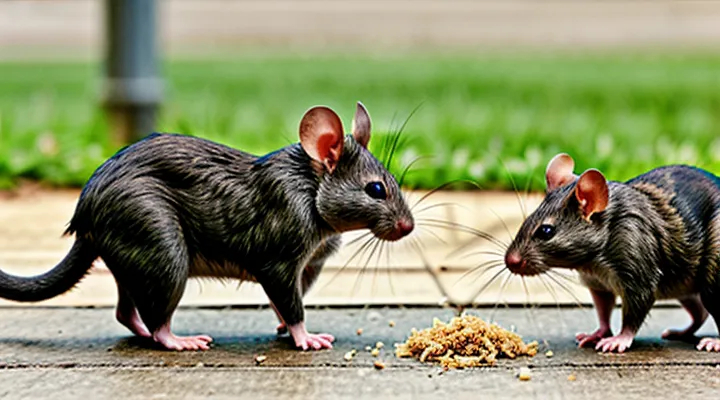
The Omnivorous Nature of Rats
Wild Rat Diets
Wild rats subsist on a highly adaptable diet that reflects the availability of resources in their environment. In agricultural and urban settings they exploit cultivated crops, stored grains, and human food waste, while in natural habitats they rely on seeds, nuts, fruits, insects, and small vertebrates. This opportunistic feeding strategy enables rapid population growth and resilience to seasonal fluctuations.
Key components of a typical wild rat diet include:
- Cereals and grains (wheat, barley, rice)
- Legumes and pulses (beans, peas)
- Fruit and vegetable matter (berries, leafy greens, tubers)
- Invertebrates (beetles, worms, larvae)
- Small vertebrates or carrion when accessible
- Anthropogenic refuse (bread crusts, processed snack remnants)
Nutrient balance is maintained through selective foraging; protein intake is increased during breeding periods, while carbohydrate-rich items support energy demands for extensive burrowing and locomotion. Seasonal shifts often result in higher consumption of seeds in autumn and increased reliance on insects during spring when protein is scarce.
Behavioral observations indicate that food exploration frequently overlaps with play activities. Juvenile rats engage in object manipulation and chase sequences that serve both as practice for foraging efficiency and as a means to assess the palatability of novel items. This dual-purpose behavior enhances survival by reinforcing dietary breadth while promoting motor skill development.
Domesticated Rat Diets
Domesticated rats thrive on diets that balance protein, fat, fiber, vitamins, and minerals. Commercially formulated rat pellets provide a reliable baseline, delivering consistent nutrient ratios and minimizing deficiencies.
- High‑quality pellets (minimum 18 % protein) as primary food source
- Fresh vegetables: carrots, broccoli, kale, bell peppers (limited to 10 % of total intake)
- Fresh fruits: apple slices, berries, banana (occasional, as treats)
- Protein supplements: cooked chicken, boiled eggs, low‑fat cheese (small portions, 5 % of diet)
- Whole‑grain staples: cooked brown rice, oatmeal (moderate amounts)
Water must be available at all times, preferably in a bottle to keep it clean. Feeding should occur twice daily, with portions adjusted to maintain a healthy body condition score; excess food left overnight encourages obesity and waste.
Foods that pose health risks include:
- Citrus fruits (high acidity)
- Raw potatoes and raw beans (contain toxic compounds)
- Processed snacks, salty chips, sugary sweets (high sodium and sugar)
- Chocolate, caffeine, alcohol (lethal in small doses)
Nutritional monitoring involves observing coat condition, activity level, and stool consistency. Sudden changes in appetite or weight warrant veterinary assessment to rule out underlying disorders. Maintaining a varied yet balanced diet supports optimal growth, immune function, and the natural exploratory behavior characteristic of pet rats.
Preferred Food Categories
Grains and Seeds
Rats regularly select grains and seeds as primary food sources, supplying carbohydrates, protein, and essential fatty acids.
-
Wheat: high in starch, supports energy needs.
-
Oats: fiber-rich, aids digestion.
-
Barley: contains beta‑glucan, promotes gut health.
-
Rice: easy to digest, low in fat.
-
Corn: provides corn oil, a source of linoleic acid.
-
Sunflower seeds: rich in vitamin E and unsaturated fats.
-
Pumpkin seeds: source of magnesium and zinc.
-
Millet: offers balanced protein and minerals.
-
Sesame: contains calcium and antioxidants.
-
Hemp seeds: high in omega‑3 and omega‑6 fatty acids.
During foraging, rats manipulate individual grains and seeds, sorting and hoarding them. This tactile activity stimulates natural foraging instincts, reduces boredom, and enhances exploratory behavior.
For caretakers, offer unsalted, clean portions in moderate quantities; rotate varieties to maintain interest; inspect regularly for spoilage or mold.
Fruits and Vegetables
Rats exhibit a clear preference for certain fruits and vegetables, which influence both nutrition and exploratory behavior. Sweet, aromatic fruits such as apples, grapes, and strawberries rank high in palatability tests, while citrus fruits are generally avoided due to acidity. Among vegetables, carrots, peas, and broccoli receive frequent selection, whereas leafy greens like kale are less favored unless softened by moisture.
- Apples: Provide simple sugars and fiber; consumption often triggers increased foraging activity.
- Grapes: High sugar content; stimulate rapid chewing and occasional seed handling.
- Strawberries: Offer moisture and antioxidants; associated with heightened tactile exploration.
- Carrots: Supply beta‑carotene and crunch; encourage gnawing and object manipulation.
- Peas: Rich in protein; promote sustained nibbling and occasional rolling motions.
- Broccoli: Contains glucosinolates; elicits selective nibbling and brief investigative pauses.
The texture of these foods contributes to play-like behaviors. Harder items, such as raw carrots, induce repetitive biting cycles that mimic nesting or building activities. Soft fruits, like strawberries, facilitate rolling and tossing, allowing rats to practice coordination and spatial awareness. Nutrient density influences motivation: high‑energy fruits accelerate exploratory bouts, while protein‑rich vegetables sustain longer periods of engagement.
Overall, the selection of fruits and vegetables shapes rat feeding patterns and provides a natural substrate for play, reinforcing motor skills and environmental interaction.
Protein Sources
Rats require protein for tissue growth, reproductive function, and sustained activity. Adequate protein intake supports muscle development, immune competence, and the energy demands of exploratory and play behaviors.
Common protein sources accepted by laboratory and pet rats include:
- Cooked chicken breast, lean and unseasoned
- Boiled eggs, whole or separated whites
- Low‑fat cottage cheese or plain yogurt
- Canned tuna in water, drained
- Insect larvae such as mealworms, dried or frozen
- Soy‑based products like tofu, plain and unsalted
- Commercial rat pellets formulated with balanced animal and plant proteins
Preference studies indicate a clear hierarchy. Rats consistently choose animal‑derived proteins over plant alternatives when both are offered simultaneously. Within animal sources, poultry and eggs receive the highest acceptance, followed by fish and insects. Soy products are consumed, but intake is lower than for meat‑based options.
Feeding guidelines recommend offering protein as a supplement to a base diet of grains and vegetables. A daily protein contribution of 15–20 % of total caloric intake meets the nutritional requirements of adult rats; juveniles may need up to 25 %. Portion sizes should not exceed 5–10 % of body weight per day to avoid obesity. All protein foods must be free of added salt, spices, or sauces, and should be cooked or processed to eliminate pathogens.
Monitoring body condition and behavior provides feedback on diet adequacy. Stable weight, active exploration, and frequent engagement with enrichment objects correlate with sufficient protein consumption. Adjustments to the protein mix should be made if rats show reduced activity, weight loss, or signs of malnutrition.
Insect Preferences
Rats exhibit a marked preference for certain insects, selecting prey that offers high protein, fat, and micronutrient content while presenting manageable size and activity levels. Laboratory observations and field studies consistently identify the following insects as most attractive to rats:
- Mealworms (Tenebrio molitor larvae) – soft bodies, strong odor, easy to grasp.
- Crickets (Gryllus spp.) – vigorous movement stimulates predatory response, rich in chitin and essential amino acids.
- Wax moth larvae (Galleria mellonella) – high fat reserves, minimal defensive chemicals.
- Houseflies (Musca domestica) – abundant in urban settings, quick flight triggers chase behavior.
Preference intensity correlates with nutritional yield; protein‑rich insects such as crickets and mealworms are chosen over low‑calorie alternatives when available. Size constraints limit selection to prey not exceeding 2 cm in length, which aligns with the rat’s mandibular gape and handling capacity.
Beyond feeding, live insects serve as stimulating objects during exploratory play. Rats engage in stalking, pouncing, and manipulation of moving insects, behaviors that mirror innate hunting sequences and reinforce motor coordination. This interaction provides sensory feedback, encourages problem‑solving, and can reduce stereotypic activity in captive environments.
Seasonal availability influences consumption patterns. In temperate zones, insect intake peaks during late summer when larval populations surge, while winter diets shift toward stored seeds and grains. Supplementing captive rats with commercially available insect larvae can replicate natural dietary diversity and support healthy growth.
Dairy and Meat
Rats are omnivorous mammals that regularly incorporate both dairy and meat into their diet. Their natural foraging behavior includes seeking high‑energy foods, and laboratory observations confirm a consistent preference for these protein‑rich sources.
Dairy products appeal to rats because of their fat and calcium content. Soft cheeses, plain yogurt, and low‑fat cottage cheese are readily accepted. Rats show reduced interest in highly processed or heavily flavored dairy, and lactose intolerance can develop if milk is offered in large quantities. Safe dairy options should be fresh, unsweetened, and provided in small portions to prevent digestive upset.
Meat supplies essential amino acids and supports growth. Cooked chicken, lean beef, and boiled eggs are among the most frequently selected items. Raw meat carries a high risk of bacterial contamination and is generally avoided by rats in controlled settings. Small, bite‑sized pieces encourage natural chewing behavior and reduce the likelihood of choking.
- Preferred dairy: soft cheese, plain yogurt, low‑fat cottage cheese, kefir (unsweetened)
- Preferred meat: cooked chicken breast, lean beef, boiled egg, cooked fish (deboned)
Incorporating dairy and meat in moderate amounts enriches a rat’s nutrient profile while aligning with its innate feeding preferences.
Unsafe Foods to Avoid
Rats are attracted to a wide variety of foods, but certain items can cause serious health problems. Feeding these animals anything that is toxic, highly processed, or contaminated jeopardizes their well‑being and may lead to acute or chronic illness.
Common hazardous foods include:
- Chocolate, especially dark varieties, due to theobromine toxicity.
- Caffeinated beverages and products containing caffeine, which can cause hyperactivity and cardiac issues.
- Raw or undercooked beans, particularly red kidney beans, which contain phytohaemagglutinin.
- Citrus peels and large quantities of citrus fruit, which can cause digestive upset.
- Processed meats with high salt or nitrate content, increasing the risk of kidney strain.
- Dairy products, especially in large amounts, because many rats lack sufficient lactase.
- Artificial sweeteners such as xylitol, which can induce hypoglycemia and liver failure.
- Moldy or spoiled food, which may contain mycotoxins harmful to rodents.
Providing a diet that excludes these items supports optimal health, promotes stable weight, and reduces the likelihood of nutritional deficiencies in pet and laboratory rats.
Play Behaviors and Environmental Enrichment
Rats exhibit three principal categories of play: social wrestling and chasing with conspecifics, solitary manipulation of objects such as wooden blocks or paper tubes, and rapid locomotor bursts that involve sudden sprinting and leaping. Each category involves coordinated motor patterns, vocalizations, and tactile contacts that differ from routine foraging or nesting activities.
Environmental enrichment provides the stimuli necessary to trigger and sustain these behaviors. Enriched settings reduce stereotypies, lower corticosterone levels, and improve cognitive flexibility, thereby enhancing overall health and experimental reliability.
Typical enrichment items that promote play include:
- Complex tunnel systems that allow pursuit and escape sequences.
- Durable chewable objects (e.g., untreated wood, sisal ropes) for object manipulation.
- Nesting material piles that encourage digging and construction play.
- Puzzle feeders that combine foraging with problem‑solving challenges.
- Mirrors or reflective surfaces that generate visual stimulation and trigger social‑like interactions.
Rotating or combining these elements prevents habituation and maintains a dynamic environment that continuously engages rats in varied play activities.
Social Play and Interaction
Wrestling and Chasing
Rats engage in wrestling and chasing as integral components of their play repertoire, often occurring alongside foraging activities. These interactions serve to develop motor coordination, establish social hierarchies, and promote exploratory behavior that can influence dietary choices.
Key characteristics of wrestling and chasing in laboratory and field observations include:
- Rapid, reciprocal bouts where individuals grasp each other’s neck or forelimbs and attempt to force the opponent to the ground.
- High‑velocity pursuits across open areas, typically initiated after a sudden stimulus such as a novel object or scent.
- Frequent alternation between aggressive and playful postures, with vocalizations and tail movements indicating arousal levels.
- Increased frequency of these behaviors in groups provided with varied food items, suggesting that competition for preferred resources heightens engagement in physical play.
Research indicates that rats exposed to diverse diets exhibit more frequent wrestling and chasing sessions, reflecting a link between nutrient variety and the intensity of social play. Structured play environments that incorporate enrichment items, such as tunnels and climbing platforms, amplify these behaviors, thereby enhancing overall welfare and encouraging natural foraging strategies.
Grooming Rituals
Rats devote a substantial portion of their daily activity to grooming, a behavior that supports health, social cohesion, and readiness for exploration. Self‑grooming involves precise cleaning of the fur, whiskers, and paws, reducing parasite load and maintaining tactile sensitivity essential for foraging and navigation.
Social grooming occurs when a rat uses its teeth and forepaws to clean a conspecific’s head, ears, and back. This exchange reinforces hierarchical relationships, lowers stress hormones, and strengthens group stability, which in turn influences cooperative play and resource sharing.
Key aspects of grooming rituals include:
- Body part focus: face, ears, dorsal coat, hindquarters.
- Sequence: bite, lick, nibble, repeat in a predictable pattern.
- Frequency: 5–15 minutes per session, multiple sessions throughout daylight hours.
- Post‑meal cleaning: immediate licking of paws and snout after consumption, preventing contamination of food stores.
Grooming precedes and follows play bouts. Prior to vigorous chasing or wrestling, rats often perform a brief cleaning ritual, which sharpens sensory input and signals readiness. After play, a short grooming session helps remove debris, re‑establishs calm, and restores normal social dynamics.
Overall, grooming rituals serve as a maintenance system that underpins dietary hygiene and facilitates safe, coordinated play among rats.
Object Play and Exploration
Tunnels and Mazes
Rats naturally explore confined passages, making tunnels and mazes essential tools for investigating dietary choices and recreational activity. Structured pathways allow researchers to present food items at specific locations, record the order of visits, and measure the time spent searching, thereby linking spatial navigation with gustatory preference.
When a maze incorporates multiple branches, each can contain a distinct food type or a neutral reward. Rats quickly develop patterns: they favor branches offering high‑energy foods, avoid those with bitter or unfamiliar tastes, and revisit preferred stations repeatedly. Simultaneously, the act of negotiating turns, narrow gaps, and elevated sections provides a measurable indicator of play motivation, independent of hunger.
Key design elements that enhance data reliability include:
- Clear visual or tactile cues distinguishing each route.
- Uniform lighting and noise levels to prevent external stress.
- Adjustable branch lengths to test endurance versus curiosity.
- Removable barriers for resetting the environment without disrupting scent trails.
Data collected from these controlled environments reveal a direct correlation between the complexity of the passage system and the intensity of exploratory play. Increased maze intricacy stimulates prolonged engagement, while simpler tunnels elicit rapid food‑seeking behavior. Consequently, tunnels and mazes serve as dual‑purpose assays, simultaneously quantifying nutritional preferences and intrinsic play drives in laboratory rats.
Chewing and Foraging Toys
Rats naturally gnaw and search for food, making chewing and foraging toys essential components of enrichment. These items satisfy the need to wear down incisors while encouraging exploratory feeding behavior.
- Hard wooden blocks, untreated pine or birch, provide durable surfaces for continuous gnawing. Their density prevents rapid wear, reducing the risk of dental overgrowth.
- Natural fiber ropes, such as sisal or hemp, offer flexible textures that rats can bite, pull, and twist, stimulating both oral activity and motor coordination.
- Composite chew sticks infused with safe herbs (e.g., mint, rosemary) deliver aromatic cues that increase engagement without compromising health.
Foraging toys integrate puzzle elements with edible rewards. Effective designs include:
- PVC tubes perforated with small openings, allowing rats to push pellets or seeds through narrow gaps.
- Cardboard mazes folded into multilayered chambers, where grains can be scattered for rats to locate and retrieve.
- Plastic balls with removable lids, filled with a mixture of dried fruit, nuts, and insects for varied taste exposure.
Selection criteria focus on safety, durability, and sensory appeal. Materials must be non‑toxic, free of paint or glue, and sized to prevent accidental ingestion of large fragments. Toys should withstand repeated gnawing for at least several weeks before replacement.
Implementation guidelines recommend rotating toys every 2–3 days to maintain novelty. Introduce one new item while removing an older one, ensuring continuous stimulation without overwhelming the animal. Monitor for signs of excessive wear, such as splintering, and replace promptly to avoid injury.
The Importance of Environmental Enrichment
Reducing Stress and Boredom
Rats experience heightened stress when their nutritional needs are unmet or when opportunities for enrichment are lacking. Providing a varied diet that includes seeds, nuts, fresh vegetables, and occasional protein sources satisfies their natural foraging instincts and reduces anxiety. Consistent access to preferred foods also prevents the development of compulsive eating patterns that can arise from deprivation.
Playful interaction serves as a primary outlet for mental stimulation. Introducing chewable objects, tunnels, and climbing structures encourages natural exploratory behavior. Rotating these items every few days maintains novelty and prevents habituation, which otherwise leads to disengagement and boredom.
Effective stress‑reduction measures include:
- Scheduled feeding times that align with the rats’ crepuscular activity cycle.
- Small, hidden food caches that mimic wild foraging, prompting problem‑solving.
- Daily handling sessions of 5–10 minutes, allowing gentle petting and vocal reassurance.
- Social housing with compatible companions to promote mutual grooming and play.
- Periodic introduction of scent markers (e.g., lavender or chamomile) at low concentrations to create a calming environment.
Monitoring behavior provides immediate feedback: reduced stereotypic pacing, increased grooming, and frequent engagement with enrichment items indicate successful mitigation of stress and boredom. Adjustments to diet composition or enrichment variety should be made promptly when signs of distress reappear.
Promoting Physical and Mental Health
Rats maintain optimal physical condition when their diet reflects natural preferences for high‑energy seeds, grains, and occasional protein sources. Providing a balanced mixture of these foods supplies essential nutrients, supports muscle development, and reduces the risk of obesity‑related disorders. Regular monitoring of intake quantity prevents overconsumption, while rotating food types encourages diverse nutrient absorption.
Enrichment through structured play activities contributes to mental resilience. Objects such as tunnels, chewable platforms, and puzzle feeders stimulate problem‑solving abilities, decreasing stereotypic behaviors linked to stress. Short, daily sessions of exploratory play increase locomotor activity, which in turn enhances cardiovascular health and bone density.
Effective health promotion combines dietary precision with environmental complexity. The following practices yield measurable benefits:
- Offer a core diet of whole‑grain pellets supplemented with fresh vegetables and lean protein portions.
- Introduce novel textures and flavors weekly to sustain interest and prevent monotony.
- Install climbing structures and hide‑outs that require manipulation, encouraging cognitive engagement.
- Rotate puzzle feeders to vary challenge levels, fostering adaptive learning.
- Schedule at least 30 minutes of unobstructed floor space daily for free movement and social interaction.
Implementing these measures aligns nutritional intake with natural foraging behavior and couples physical exertion with mental stimulation, establishing a comprehensive framework for rat wellbeing.
Conclusion: A Holistic View of Rat Preferences
Rats demonstrate consistent dietary selections that align with their innate need for protein, carbohydrates, and fats, while also responding to texture, aroma, and novelty. Their feeding behavior integrates sensory evaluation with metabolic demand, resulting in a hierarchy of preferred items such as seeds, nuts, fresh fruit, and high‑protein pellets, and a marked avoidance of bitter or overly salty substances.
Play behavior reflects an intrinsic drive for exploration, problem‑solving, and social interaction. Rats engage in:
- Object manipulation (e.g., tunnels, chew toys) that stimulates tactile and oral senses.
- Social games (e.g., chase, wrestling) that reinforce hierarchy and bonding.
- Environmental challenges (e.g., puzzle feeders) that encourage cognitive effort.
Both food choice and play are modulated by environmental conditions: lighting, cage complexity, and the presence of conspecifics alter preferences and activity levels. Consequently, optimal husbandry requires:
- A balanced diet offering variety in flavor and texture.
- Regular rotation of enrichment items to sustain curiosity.
- Opportunities for safe social interaction to reinforce natural play patterns.
Integrating nutritional and recreational needs yields a comprehensive framework for promoting health, welfare, and behavioral richness in captive rats.