
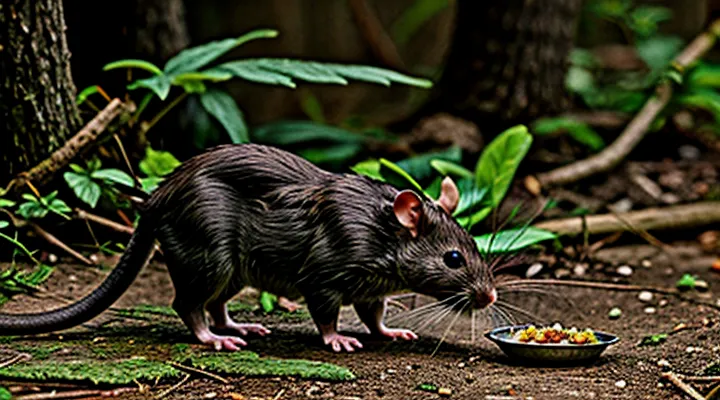
Generalist Foragers: The Rat's Adaptability
Omnivorous Nature
Rats thrive in diverse ecosystems because they consume both plant and animal matter. Their digestive systems can process seeds, fruits, roots, leaves, insects, carrion, and small vertebrates without specialized adaptations.
- Seeds and grains: high‑carbohydrate sources that sustain energy during breeding periods.
- Fruits and berries: provide sugars and vitamins, especially when seasonal abundance peaks.
- Vegetative parts (roots, tubers, leaves): supply fiber and minerals when seed supplies dwindle.
- Invertebrates (beetles, larvae, worms): deliver protein and essential amino acids.
- Carrion and small vertebrates (nestlings, lizards): offer concentrated nutrients during scarcity.
Rats exhibit opportunistic foraging; they ingest whatever is accessible and nutritionally viable. Seasonal shifts alter diet composition: spring emphasizes fresh vegetation, summer expands fruit intake, autumn increases seed consumption, and winter forces reliance on stored seeds, roots, and animal remnants. This flexible feeding strategy supports high reproductive rates and population resilience across habitats.
Opportunistic Feeding Habits
Rats living outside human settlements survive by exploiting any available food source. Their diet includes seeds, fruits, insects, carrion, fungi, and occasional small vertebrates. This flexibility stems from an innate ability to detect, evaluate, and ingest novel items with minimal hesitation.
- Seeds and grains: harvested from grasses and low‑lying plants, providing carbohydrates and lipids.
- Fruits and berries: supply sugars, vitamins, and water, especially during ripening periods.
- Invertebrates: beetles, larvae, and worms contribute protein and essential micronutrients.
- Carrion and waste: decaying animal tissue offers high‑energy proteins when plant material is scarce.
- Fungi and lichens: serve as supplemental sources of carbohydrates and antioxidants.
Seasonal shifts dictate which categories dominate. In spring, fresh vegetation and insects are abundant; summer sees a rise in fruit consumption; autumn brings increased seed intake; winter forces reliance on stored seeds, carrion, and human‑derived refuse when natural supplies dwindle.
Rats employ tactile and olfactory cues to assess edibility. When encountering unfamiliar matter, they perform brief gnawing and sniffing before deciding to ingest or discard. This rapid assessment minimizes exposure to toxins while maximizing caloric intake.
Opportunistic feeding also includes scavenging from human activity when proximity permits. Even distant populations may travel several hundred meters to exploit discarded food, demonstrating an intrinsic drive to capitalize on high‑energy resources regardless of origin.
Overall, wild rats maintain survival through a broad, adaptable diet that shifts with environmental availability, ensuring consistent nutrient acquisition across diverse habitats.
Common Food Sources for Wild Rats
Plant-Based Foods
Rats in natural habitats rely heavily on plant material for nutrition. Their diet includes a wide range of edible parts that are readily available in diverse ecosystems.
- Seeds from grasses, cereals, and wild grains
- Nuts and kernels such as acorns, hazelnuts, and pine seeds
- Fruits and berries, including wild strawberries, blackberries, and cherries
- Vegetative tissues: young shoots, leaves, and tender stems of herbaceous plants
- Underground storage organs: tubers, carrots, and other root vegetables
- Bark and cambium from young trees, especially during periods of scarcity
These plant sources provide carbohydrates, proteins, fats, vitamins, and minerals essential for growth, reproduction, and survival. Seasonal variations influence availability; rats adjust foraging behavior to exploit abundant resources and store excess food for leaner periods.
Seeds and Grains
Seeds and grains constitute a substantial portion of the diet of wild rats. These food items provide readily available energy and essential nutrients, allowing rats to sustain high reproductive rates and rapid growth.
- Wheat kernels
- Rice grains
- Barley seeds
- Oats
- Corn kernels
- Millets
- Sunflower seeds
- Sorghum grains
- Various grass seeds collected from fields and disturbed habitats
Carbohydrate content dominates most seeds, while protein levels range from 7 % to 15 % depending on species. Lipid fractions, particularly in oil-rich seeds such as sunflower, supply additional calories. Vitamins and minerals, including B‑complex vitamins, phosphorus, and magnesium, supplement the overall nutritional profile.
Seasonal fluctuations dictate availability. In temperate zones, harvested crops and stored grain spillage become abundant during late summer and autumn, prompting increased foraging activity near human settlements. During winter, rats shift toward residual seed banks, dried grasses, and any remaining stored grains, often expanding their home range to locate viable sources.
Ecologically, seed consumption influences plant community dynamics. Predation reduces seed banks, while occasional transport of seeds in fur or droppings facilitates dispersal across short distances. These interactions can suppress invasive species or, conversely, aid the spread of opportunistic weeds.
Risks accompany seed intake. Mold‑contaminated grains may contain mycotoxins such as aflatoxin, which impair liver function. Low‑quality seeds lacking balanced amino acids can limit growth if not supplemented by protein‑rich insects or animal matter. Rats typically mitigate these hazards by selecting fresh seeds and discarding visibly spoiled kernels.
Fruits and Vegetables
Wild rats rely on a variety of plant matter when foraging, and fruits and vegetables constitute a significant portion of their intake. Seasonal availability determines which items are most frequently consumed, but several species appear consistently across habitats.
- Berries (e.g., blackberries, raspberries, blueberries) provide high‑energy sugars and antioxidants.
- Wild grapes and small drupes offer moisture and simple carbohydrates.
- Apples, pears, and plums are favored when fallen or partially rotted, supplying fiber and vitamins.
- Cucurbit seeds and flesh from squash, pumpkins, and gourds are eaten for protein‑rich seeds and moisture‑rich pulp.
- Root vegetables such as carrots, turnips, and wild radishes are gnawed for carbohydrates and water content.
- Leafy greens, including wild lettuce, dandelion leaves, and spinach‑like foliage, supply minerals and crude protein.
- Starchy tubers like wild potatoes and yams are consumed when exposed by soil erosion or animal activity.
These plant foods complement the rats’ animal protein sources, balancing caloric intake and supporting reproductive success. Their opportunistic feeding behavior allows exploitation of any accessible fruit or vegetable, especially during periods when insect prey is scarce.
Roots and Tubers
Wild rats frequently target underground plant structures when foraging. Roots provide carbohydrates and fiber, while tubers supply concentrated energy reserves. Both are accessible year‑round in temperate zones, but peak consumption aligns with periods of vegetative growth and post‑harvest field residues.
Typical items include:
- Taproots of grasses and sedges – high in soluble sugars, easily digested.
- Bulbs of wild onions (Allium spp.) – contain sulfur compounds that deter many predators but not rodents.
- Tubers of wild potatoes (Solanum spp.) – rich in starch; rats tolerate low levels of glycoalkaloids.
- Carrot and parsnip roots – cultivated varieties that escape harvest and become available in field margins.
- Sweet potato (Ipomoea batatas) tubers – found in tropical habitats, offering high caloric density.
Nutritional benefits drive selection. Starch and simple sugars meet the high metabolic demands of small mammals, while fiber supports gut motility. Seasonal shifts affect availability: spring and early summer favor tender roots, whereas late autumn sees increased reliance on stored tubers left in the soil after crop removal.
Risks accompany consumption. Some tubers contain defensive chemicals (e.g., solanine in Solanum species) that can cause toxicity at high intake levels. Rats mitigate exposure by selective nibbling, discarding bitter portions, and by developing tolerance through repeated ingestion.
Overall, underground plant parts constitute a reliable component of the wild rat diet, supplementing animal protein and seed consumption and influencing foraging patterns across diverse ecosystems.
Fungi
Rats regularly incorporate fungi into their natural diet. Wild rats locate fruiting bodies and mycelial mats while foraging on the forest floor, in grasslands, and near human structures. Consumption of fungi provides carbohydrates, protein, and micronutrients such as B‑vitamins and trace minerals that supplement the primarily grain‑ and seed‑based intake.
Commonly eaten fungal groups include:
- Basidiomycete mushrooms (e.g., Agaricus spp., Coprinus spp.) that produce conspicuous caps.
- Mycorrhizal fruiting bodies associated with tree roots, such as Russula and Boletus species.
- Saprophytic molds growing on decomposing organic matter, especially Penicillium and Aspergillus colonies.
- Truffles and other hypogeous fungi that emit strong volatiles detectable by rat olfaction.
Seasonal patterns dictate availability. Spring and autumn present peak mushroom fruiting, while winter limits fresh caps but increases mold proliferation on stored food and carrion. Rats adjust foraging effort accordingly, shifting focus to mold‑rich substrates when macro‑fungi are scarce.
Nutritional advantages are offset by toxicity risks. Some wild mushrooms contain amatoxins, muscarine, or other secondary metabolites lethal to mammals. Rats mitigate exposure through learned avoidance, sensory discrimination, and selective consumption of partially digested fungal material that has been pre‑processed by other organisms.
Ecologically, rat predation on fungi influences spore dispersal. By transporting spores in fur or feces, rats contribute to fungal propagation across microhabitats. This mutualistic interaction supports forest regeneration and nutrient cycling, reinforcing the role of rodents as integral components of terrestrial ecosystems.
Animal-Based Foods
Wild rodents exhibit a highly opportunistic feeding strategy, incorporating animal-derived items whenever they are accessible. In natural habitats, rats obtain protein, fat, and micronutrients from a variety of non‑plant sources.
- Insects – beetles, grasshoppers, ants, and flies constitute the most common prey; their exoskeletons provide chitin, while soft tissues supply amino acids and lipids.
- Larvae and pupae – caterpillars, beetle grubs, and moth larvae are abundant in leaf litter; they deliver high‑quality protein and essential fatty acids.
- Small vertebrates – juvenile amphibians, reptiles, and birds are occasionally captured; such prey contributes concentrated muscle protein and calcium.
- Carrion – dead insects, fish, or small mammals offer readily available nutrients, particularly in environments where fresh prey is scarce.
- Eggs – unattended bird or reptile eggs provide a dense source of lipids and vitamins; rats can breach shells with their incisors.
These animal-based foods supplement the primarily omnivorous diet, allowing rats to meet metabolic demands during periods of plant scarcity or seasonal fluctuations. Their digestive physiology efficiently processes both soft tissues and harder components like exoskeletons, enabling rapid assimilation of nutrients essential for growth, reproduction, and survival.
Insects and Other Invertebrates
Rats in natural habitats rely heavily on arthropods and other soft‑bodied organisms to meet protein and micronutrient requirements. Insect consumption varies with species, habitat, and season, but several groups dominate their diet.
- Beetles (Coleoptera): ground beetles, scarabs, and weevils are frequent prey due to their abundance in leaf litter and soil.
- Caterpillars (Lepidoptera larvae): provide high‑fat content; rats capture them during nocturnal foraging.
- Crickets and grasshoppers (Orthoptera): offer protein and moisture, especially in grassland and scrub environments.
- Ants and termites (Hymenoptera, Isoptera): colonies supply a steady source of protein and lipids; rats exploit trail pheromones to locate nests.
- Worms and larvae (Annelida, Diptera larvae): soft bodies are easy to ingest; they appear in damp soils and decaying organic matter.
- Mollusks (Gastropoda): land snails and slugs supply calcium and additional protein, particularly after rainfall.
In addition to insects, rats consume arachnids (spiders, scorpions), myriapods (centipedes, millipedes), and small crustaceans when available near water bodies. These invertebrates contribute essential amino acids, vitamins (especially B‑complex), and minerals such as zinc and iron.
Seasonal shifts influence availability. Warm months increase insect biomass, prompting higher intake of flying and foliage‑dwelling species. Cooler periods reduce insect activity; rats then rely more on beetle larvae, earthworms, and stored carrion. Moist microhabitats sustain slug and snail populations, which become a primary calcium source during breeding cycles.
Foraging behavior reflects opportunistic predation. Rats use tactile whiskers and acute olfaction to detect movement and chemical cues. Rapid bite force and dexterous forepaws enable capture of agile prey. Consumption often occurs on the spot; excess portions are discarded, minimizing waste.
Overall, insects and allied invertebrates constitute a core component of wild rat nutrition, delivering the protein, energy, and micronutrients necessary for growth, reproduction, and survival across diverse ecosystems.
Small Vertebrates (Opportunistic Predation)
Rats frequently supplement plant material with animal protein by capturing and consuming small vertebrates when opportunity arises. This opportunistic predation provides essential nutrients such as amino acids, lipids, and minerals that are scarce in seeds or fruits.
Typical vertebrate prey includes:
- Amphibians (e.g., frogs, tadpoles)
- Reptiles (e.g., small lizards, snakes)
- Birds (e.g., nestlings, eggs)
- Fish (e.g., minnows, larvae)
- Other mammals (e.g., shrews, juvenile mice)
Hunting occurs primarily at night, when rats exploit low-light conditions and the reduced vigilance of prey. They employ rapid bites, crushing jaws, and strong forepaws to subdue victims. Consumption often follows immediate killing, though rats may also scavenge carrion or steal eggs from unattended nests.
The inclusion of vertebrate prey influences population dynamics by exerting predation pressure on local amphibian and reptile communities, while simultaneously enhancing rat survival and reproductive output during periods of plant scarcity.
Carrion
Rats in natural habitats incorporate carrion into their diet when it becomes available. Decomposing animal tissue supplies protein, fat, and minerals that supplement the primarily grain‑based and plant material they normally consume.
- Small mammals (e.g., dead mice, shrews) provide high‑quality protein.
- Bird carcasses contribute essential fatty acids and calcium from bones.
- Amphibian and reptile remains add moisture and trace elements such as potassium and magnesium.
- Large herbivore carcasses, once broken down by scavengers, offer abundant connective tissue and marrow.
Consumption of carrion is opportunistic; rats locate it through olfactory cues and nocturnal foraging activity. The practice enhances survival during periods of food scarcity, especially in temperate zones where seasonal fluctuations reduce seed and fruit availability.
Risks accompany carrion feeding. Pathogenic bacteria (Salmonella, Clostridium) and parasites (nematodes, tapeworms) proliferate in decaying tissue, potentially causing disease outbreaks within rodent populations. Additionally, exposure to toxins from spoiled meat can impair reproductive success.
Overall, carrion represents a valuable, albeit hazardous, component of the wild rat’s nutritional strategy, balancing immediate energy gains against heightened infection risk.
Human-Related Food Sources
Rats living outside human settlements frequently exploit food that originates from human activity. Their opportunistic foraging behavior enables them to access a wide range of discarded or stored items, which supplements their natural diet of seeds, insects, and plant material.
Typical human-derived resources include:
- Grain and cereal products left in fields, storage bins, or on the ground after harvest.
- Processed foods such as bread, pastries, and snack items found in garbage containers or abandoned markets.
- Meat scraps, fish remains, and off‑cuts disposed of by households or restaurants.
- Fruit and vegetable waste, including peels, cores, and spoiled produce discarded in compost piles.
- Pet food left outdoors or in unsecured containers.
- Sugary substances like syrups, honey, and soft drink residues that seep into the environment.
Access to these high‑calorie, nutrient‑dense items can increase rat population densities, accelerate reproductive cycles, and elevate the risk of pathogen transmission to humans and domestic animals. Effective waste management, secure storage, and prompt removal of food residues are essential measures to limit the availability of anthropogenic food sources for wild rats.
Scraps and Refuse
Rats survive by exploiting material that humans discard, turning waste into a reliable food source. In natural habitats adjacent to settlements, they locate and consume a wide array of leftover items, allowing populations to thrive despite fluctuating environmental conditions.
Typical edible scraps include:
- Vegetable peelings and fruit cores, providing carbohydrates, vitamins, and moisture.
- Cooked meat remnants, offering protein and fat.
- Stale bread, crackers, and grain husks, supplying energy-dense starches.
Non‑nutritive refuse also contributes to rat diets. Although primarily composed of inorganic substances, such waste often contains trace nutrients or moisture that rats extract. Common examples are:
- Cardboard and paper fibers that retain food residues.
- Plastic containers with residual oils or sauces.
- Ash and charcoal from fire pits, which rats ingest to supplement minerals.
Rats process these materials with strong incisors and a digestive system capable of handling diverse, low‑quality inputs. Their ability to convert scraps and refuse into sustenance underpins their success in urban and rural ecosystems alike.
Stored Foods
Rats living outdoors frequently exploit human‑made storage sites, targeting commodities that have been set aside for later consumption. Their opportunistic foraging includes grain silos, pantry caches, and sealed containers whose integrity has been compromised. Access is achieved by gnawing through wood, plastic, or metal, often leaving characteristic bite marks that indicate repeated entry.
Typical stored products consumed by wild rats are:
- Cereals and grains (wheat, rice, corn, barley)
- Legume beans and lentils
- Processed snacks (crackers, chips, dried fruit)
- Nuts and seeds (peanuts, sunflower seeds, pumpkin kernels)
- Animal‑derived foods (dried meat, pet kibble, fish meal)
- Sugar‑rich items (honey, syrups, confectionery)
Selection depends on moisture content, energy density, and ease of penetration. High‑carbohydrate items provide rapid caloric intake, while protein‑rich foods support reproduction and growth. Rats often hoard portions in hidden chambers, creating secondary caches that prolong resource availability.
The presence of stored foods influences population dynamics by elevating reproductive rates and reducing mortality during seasonal scarcity. Effective control measures focus on securing containers, sealing entry points, and maintaining rigorous sanitation to eliminate these attractants.
Factors Influencing Rat Diets
Habitat and Environment
Wild rats inhabit a broad range of ecosystems, each providing distinct food sources that shape their foraging behavior. Urban settings supply refuse, grain, and processed foods; agricultural fields offer seeds, crops, and insects; forested areas present nuts, fruits, and invertebrates; arid zones limit options to drought‑tolerant plants and occasional arthropods.
- City alleys and sewers: abundant human waste, packaged snacks, pet food.
- Croplands and orchards: wheat, corn, fruit, pest insects.
- Woodlands and scrub: acorns, berries, beetles, earthworms.
- Semi‑desert margins: hardy grasses, beetle larvae, carrion.
Environmental conditions directly influence dietary composition. Seasonal rainfall determines seed and fruit availability, prompting rats to shift from plant material in wet periods to increased animal protein during dry spells. Temperature extremes affect metabolic rates, driving higher consumption of energy‑dense items when heat or cold stress intensifies.
Resource distribution also dictates spatial movement. When a habitat offers dense, reliable food patches, rats establish stable colonies; sparse or fluctuating supplies trigger nomadic foraging and broader home ranges. Consequently, the ecological context of each habitat governs the variety and proportion of edible items incorporated into the wild rat diet.
Urban vs. Rural Diets
Rats inhabiting cities encounter refuse, processed foods, and human waste, while those in agricultural or natural landscapes rely on seeds, insects, and plant material. The contrast shapes nutrient intake, disease exposure, and foraging behavior.
Urban rats obtain calories primarily from:
- Grain‑based products discarded by restaurants and households
- Sugary items such as candy and soft‑drink residues
- Meat scraps and animal carcasses from waste bins
- Plastic or synthetic debris that may be ingested inadvertently
Rural rats consume:
- Seeds and grains stored in barns or harvested fields
- Insects and arthropods found in soil or vegetation
- Fresh fruits, nuts, and tubers exposed during seasonal growth
- Small vertebrates or eggs encountered in natural burrows
Seasonal shifts affect rural diets more markedly; grain availability peaks during harvest, whereas insect abundance rises in warm months. Urban sources remain relatively constant, driven by human activity patterns rather than natural cycles.
Nutritional analysis shows urban diets contain higher levels of simple carbohydrates and fats, whereas rural diets provide a broader spectrum of proteins, fiber, and micronutrients. Consequently, urban rats often exhibit faster growth rates and higher reproductive output, while rural rats display greater dietary flexibility and resilience to seasonal scarcity.
Understanding these dietary distinctions informs pest management strategies, disease risk assessment, and ecological impact studies.
Proximity to Human Settlements
Rats living near villages, farms, or urban edges incorporate human‑derived resources into their natural foraging repertoire. Proximity to settlements expands dietary breadth beyond typical wild seeds, insects, and plant material.
- Discarded food waste (bread, cooked meat, fruit peels) provides high‑calorie nutrients.
- Stored grain in barns and silos offers concentrated carbohydrate sources.
- Pet food left outdoors adds protein and fat content.
- Compost piles supply decaying organic matter and associated invertebrates.
Adjacent cultivated fields expose rats to crops such as corn, wheat, and rice, which replace or supplement native seeds. Access to irrigation systems creates moist microhabitats that support larger populations of earthworms and larvae, further diversifying the diet.
Seasonal scarcity of natural foods drives rats to rely more heavily on human‑associated supplies during winter and dry periods. Increased density near settlements intensifies intraspecific competition, prompting individuals to exploit novel food items and expand foraging ranges into built environments.
Seasonal Availability
Wild rats adjust their diet according to the seasonal supply of food resources. In spring, newly sprouted vegetation and insect larvae become readily accessible. Typical items include:
- Tender grasses and herbaceous shoots
- Emerging seeds of annual plants
- Soft-bodied insects such as caterpillars and beetle larvae
During summer, the abundance of mature seeds, fruits, and arthropods expands. Common consumables are:
- Mature grain kernels from grasses and cereals
- Berries, figs, and other fleshy fruits
- Crickets, beetles, and spiders
Autumn brings a shift toward fallen nuts, dried seeds, and increased carrion availability. Rats frequently exploit:
- Acorns, walnuts, and other mast
- Overripe or dropped fruits
- Small dead vertebrates and decaying organic matter
Winter limits foraging to stored or cached items and scarce resources. Rats rely on:
- Underground tubers and root vegetables
- Seed stores hidden in soil or burrows
- Limited insect remnants and occasional scavenged carcasses
Seasonal fluctuations dictate not only the composition of the diet but also foraging behavior, with rats exhibiting heightened caching activity in anticipation of lean periods. This adaptive strategy ensures nutritional intake throughout the year despite fluctuating environmental conditions.
Competition and Predation Pressure
Rats occupying natural habitats face intense competition from other granivores, insectivores, and opportunistic mammals. When resources such as seeds, fruits, and invertebrates are limited, rats adjust their foraging strategy by expanding diet breadth, incorporating less preferred items like bark, fungi, or carrion. This dietary flexibility reduces direct overlap with competitors and enables survival in habitats where dominant species monopolize high‑quality foods.
Predation pressure shapes rat feeding behavior through heightened vigilance and altered activity patterns. Presence of raptors, snakes, and carnivorous mammals forces rats to forage during crepuscular or nocturnal periods, when certain food types are more abundant or easier to locate. Predators also influence spatial use; rats avoid open ground where exposure is high, preferring dense cover that offers both protection and access to seeds stored in leaf litter.
The combined effect of interspecific competition and predator threats results in a dynamic diet composition:
- Primary items (seeds, grains) consumed when competition is low and cover is sufficient.
- Secondary items (insects, worms) selected during high competition or when predators limit daytime foraging.
- Tertiary items (plant matter, carrion) incorporated under extreme scarcity or intense predation risk.
These adaptive responses maintain rat populations across diverse ecosystems despite fluctuating resource availability and predator densities.
Water Availability
Rats inhabiting natural environments require regular access to liquid water to sustain metabolic processes and support foraging activity. Dehydration reduces food intake, impairs thermoregulation, and shortens survival time, making water availability a decisive factor in their ecological niche.
Typical sources include:
- Surface water such as ponds, streams, and rain‑filled depressions.
- Moist substrates like damp soil, leaf litter, and decaying vegetation.
- Sap exudates and nectar from plants.
- Moisture in prey items, seeds, and fruits.
Seasonal fluctuations affect the distribution of these resources. During dry periods, rats expand their range to locate hidden water pockets, increase nocturnal activity to reduce evaporative loss, and concentrate consumption of high‑moisture foods. In rainy seasons, abundant surface water permits higher population densities and broader diet breadth, as the energy cost of water acquisition declines.
Physiological adaptations support efficient water use. Highly concentrated urine, reduced respiratory water loss, and the ability to derive water metabolically from carbohydrates enable rats to endure brief shortages. Nonetheless, persistent scarcity forces reliance on alternative moisture sources and may trigger increased competition with other small mammals.
Overall, the presence, quality, and temporal stability of water directly shape foraging patterns, habitat selection, and population dynamics of wild rats.
Dietary Impact and Ecological Role
Seed Dispersal
Wild rats frequently consume seeds while foraging across diverse habitats. Their omnivorous diet includes grains, nuts, and fleshy fruits that contain viable seeds. After ingestion, many seeds pass through the digestive tract unharmed and are deposited with feces, often at locations distant from the original plant.
- Small grass seeds (e.g., Poa, Festuca) survive gut passage and germinate after excretion.
- Nut shells (e.g., acorns, hazelnuts) are cracked open, releasing the seed for immediate planting.
- Fruit-derived seeds (e.g., berries, drupes) are dispersed when rats discard partially eaten fruit or excrete whole seeds.
The dispersal pattern reflects rats’ movement corridors, which can extend several hundred meters per night. This behavior creates spatially heterogeneous seed distribution, enhancing colonization of disturbed sites and promoting genetic exchange among plant populations. Studies measuring seedling emergence beneath rat latrines report higher germination rates compared to control plots, confirming the effectiveness of this vector.
In ecosystems where rodents dominate the seed consumer community, their role in moving seeds influences plant community composition. By preferentially transporting certain seed sizes and types, rats shape successional trajectories and contribute to the resilience of habitats undergoing environmental change.
Pest Status and Agricultural Damage
Rats thriving in natural habitats frequently enter cultivated fields, where their foraging behavior directly reduces crop productivity. Their opportunistic feeding on seeds, grains, tubers, and young plants transforms them into prominent agricultural pests.
- Direct consumption of standing crops diminishes harvest volume.
- Post‑harvest gnawing damages stored grains and seeds, leading to weight loss.
- Excreta and urine contaminate produce, fostering fungal growth and rendering food unsafe.
- Burrowing activities undermine soil structure, impairing root development and irrigation efficiency.
Yield reductions attributable to rat activity range from 5 % to 30 % in cereals, up to 40 % in root vegetables, and can exceed 50 % in small‑scale storage facilities. Monetary losses reflect both the diminished marketable product and increased costs for pest‑control interventions.
Effective management relies on habitat modification, exclusion devices, and targeted rodenticide programs. Monitoring population density and feeding patterns enables timely deployment of control measures, limiting the extent of agricultural damage caused by these wild foragers.
Disease Transmission (Indirect Link to Diet)
Wild rats consume a broad spectrum of natural foods, including seeds, fruits, insects, carrion, and plant material. Their opportunistic foraging behavior brings them into contact with diverse ecological niches, from agricultural fields to urban waste sites.
The diet creates indirect pathways for pathogen dissemination. Consumption of contaminated items introduces microorganisms, while the act of feeding alters the environment in ways that facilitate disease spread.
- Ingestion of infected insects or arthropods transfers parasites such as Trichinella spp. and Toxoplasma gondii to the host.
- Eating carrion harboring bacterial agents (e.g., Salmonella, Clostridium) can colonize the rat’s gastrointestinal tract, leading to shedding in feces.
- Foraging on seeds or grains contaminated with fungal spores (e.g., Aspergillus) results in respiratory exposure for the animal and subsequent aerosolization of spores.
- Interaction with polluted water sources while drinking after feeding introduces waterborne pathogens, including leptospires and hantavirus carriers.
These mechanisms amplify the rat’s role as a reservoir and vector, linking dietary choices to the emergence of zoonotic risks in surrounding ecosystems. Monitoring food sources and environmental contamination levels can reduce indirect disease transmission associated with wild rat feeding habits.