
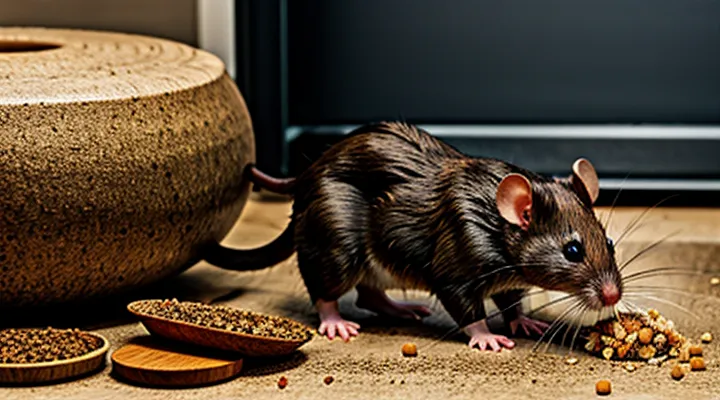
The Omnivorous Nature of Rats«Understanding Their Dietary Needs»
Basic Dietary Components«What Rats Require for Health»
Macronutrients«Proteins, Fats, and Carbohydrates»
Rats require a balanced intake of macronutrients to support rapid growth, high metabolic rates, and extensive foraging activity. Their natural diet supplies proteins, fats, and carbohydrates in varying proportions depending on habitat and food availability.
-
Proteins – essential for tissue repair, enzyme synthesis, and muscle development. Primary sources include insects, seeds, grains, and occasional animal carcasses. Laboratory diets often contain 15–20 % crude protein to match the needs of breeding and laboratory colonies.
-
Fats – provide concentrated energy and facilitate absorption of fat‑soluble vitamins. Rats obtain lipids from nuts, seeds, animal tissues, and vegetable oils. Dietary fat levels typically range from 5 to 10 % of total calories; excess fat can lead to obesity and hepatic issues.
-
Carbohydrates – serve as the main energy substrate for daily activity and thermoregulation. Common carbohydrate sources are grains, fruits, vegetables, and starches. A carbohydrate contribution of 50–60 % of dietary energy supports normal glucose metabolism and glycogen storage.
Optimal rat nutrition balances these macronutrients to prevent deficiencies, promote reproductive success, and sustain cognitive performance. Adjustments to protein, fat, or carbohydrate ratios are necessary when formulating specialized feeds for growth, pregnancy, or disease‑model studies.
Micronutrients«Vitamins and Minerals»
Rats require a range of vitamins and minerals to maintain metabolic functions, growth, and reproductive health. These micronutrients are obtained primarily from grains, seed mixes, fresh vegetables, and fortified laboratory feeds.
Key vitamins include:
- Vitamin A: supports vision and epithelial integrity; found in carrots, sweet potatoes, and liver.
- Vitamin D3: regulates calcium absorption; synthesized from ultraviolet exposure or supplied in fortified chow.
- Vitamin E: acts as an antioxidant; present in nuts, seeds, and plant oils.
- B‑complex vitamins (B1, B2, B3, B5, B6, B7, B9, B12): facilitate energy metabolism, nerve function, and DNA synthesis; abundant in whole grains, legumes, and animal proteins.
- Vitamin C: required for collagen formation and immune response; supplied through fresh fruits and vegetables.
Important minerals comprise:
- Calcium: essential for bone mineralization and muscle contraction; sourced from dairy products, leafy greens, and calcium‑enriched pellets.
- Phosphorus: works with calcium in skeletal development; abundant in meat, fish, and bone meal.
- Magnesium: involved in enzyme activation and neuromuscular activity; present in nuts, seeds, and whole grains.
- Iron: critical for hemoglobin synthesis; supplied by meat, beans, and fortified feeds.
- Zinc: supports immune function and wound healing; found in meat, shellfish, and whole‑grain products.
- Copper, selenium, and manganese: required in trace amounts for antioxidant enzymes and metabolic pathways; incorporated through mixed grain diets and specialized supplements.
Adequate intake levels vary with age, sex, and reproductive status. Juvenile rats typically need higher calcium and vitamin D to support rapid skeletal growth, while breeding females benefit from increased B‑vitamins and iron to sustain gestation and lactation. Deficiencies manifest as stunted growth, impaired reproduction, or compromised immunity, whereas excesses may cause toxicity, such as hypercalcemia or hepatic accumulation of fat‑soluble vitamins.
Balanced micronutrient provision is achieved by combining a base grain diet with regular portions of fresh produce and, when necessary, calibrated mineral–vitamin premixes. Continuous monitoring of feed composition ensures that laboratory and pet rat populations receive consistent nutritional support.
Preferred Foods of Wild Rats«Natural Foraging Habits»
Grains and Seeds«Staples in Their Diet»
Rats rely heavily on grains and seeds as the primary source of carbohydrates, protein, and essential fatty acids. Common grains consumed include wheat, barley, oats, and corn; typical seeds comprise sunflower, millet, and hemp. These items provide:
- High-energy starches that sustain rapid metabolism.
- Moderate protein levels supporting growth and tissue repair.
- Essential micronutrients such as B‑vitamins, iron, and zinc.
- Fatty acids that aid in coat health and neural function.
In the wild, rats select unprocessed kernels found in fields, storage facilities, and refuse piles, favoring those with soft husks and minimal tannin content. Domestic rats accept commercially milled grain mixes but show a marked preference for whole seeds with a natural oil coating, which enhances palatability and scent cues.
Nutritional balance requires limiting grain‑heavy diets to prevent obesity and nutrient imbalance. A typical ration for pet rats combines 60‑70 % whole grains with 20‑30 % seed mix, supplemented by fresh vegetables and protein sources such as insects or lean meat. This proportion mirrors natural foraging patterns while meeting the caloric demands of active rodents.
Fruits and Vegetables«Sources of Moisture and Vitamins»
Rats obtain a significant portion of their daily water intake from fresh fruits and vegetables, which also supply essential vitamins that support growth, immune function, and reproduction. These plant foods compensate for the low moisture content of dry grain and protein sources commonly found in laboratory or pet diets.
Key nutrients supplied by fruits and vegetables include vitamin C, vitamin A (as β‑carotene), several B‑vitamins, and trace minerals such as potassium and magnesium. The high water content of items like cucumber, watermelon, and strawberries reduces the need for separate drinking water, especially in warm environments.
Rats display a marked preference for sweet, juicy produce, while bitter or fibrous vegetables are consumed more cautiously. Preference is influenced by texture, aroma, and seasonal availability; ripe berries and soft citrus are rapidly selected, whereas leafy greens are approached more slowly.
Guidelines for safe inclusion:
- Apples (core removed, no seeds)
- Blueberries
- Strawberries (cut into bite‑size pieces)
- Carrots (shredded)
- Bell peppers (any color)
- Cucumbers (sliced)
- Zucchini (raw or lightly steamed)
- Leafy greens such as romaine lettuce or kale (offered in moderation)
Avoid citrus peels, avocado, raw potatoes, and any fruit or vegetable that shows signs of mold or pesticide residue. Introduce new items gradually, monitoring for digestive upset. Regular rotation of approved produce maintains nutritional balance and encourages natural foraging behavior.
Proteins«Insects, Small Animals, and Eggs»
Rats obtain essential amino acids primarily from animal‑derived sources. Insects, small vertebrates, and eggs supply high‑quality protein that supports rapid growth, tissue repair, and reproductive success.
- Insects: Crickets, beetles, and larvae contain up to 60 % protein by dry weight, with a balanced profile of essential amino acids. Their exoskeletons also provide chitin, which can aid digestive efficiency.
- Small animals: Mice, baby birds, and amphibian larvae offer complete protein packages, including taurine and lysine, crucial for neural development and immune function. Predatory behavior is opportunistic; rats may capture prey when abundant or when plant protein is insufficient.
- Eggs: Whole eggs, especially yolks, deliver concentrated protein and lipids. The albumen supplies readily digestible globular proteins, while the yolk contributes vitamins A, D, and E, enhancing overall nutrient density.
Laboratory studies show that diets enriched with these animal proteins improve weight gain and litter size compared to plant‑only regimens. In urban environments, rats exploit discarded food waste, scavenging insects attracted to refuse and consuming broken eggs found in garbage. This opportunistic intake ensures a steady supply of high‑quality protein despite fluctuating resource availability.
Human Leftovers«An Opportunistic Food Source»
Rats readily exploit discarded human food, treating it as a high‑calorie, low‑effort resource. Their omnivorous physiology enables rapid digestion of a wide range of organic matter, allowing them to extract energy from items that would otherwise decompose.
Typical human leftovers that attract rats include:
- Cooked meats (e.g., chicken, beef, pork)
- Bread, pastries, and other grain‑based products
- Fruit peels, vegetable scraps, and salad remnants
- Dairy residues such as cheese rinds or milk spills
- Processed snacks, chips, and confectionery
These foods provide protein, fats, and simple carbohydrates that support rapid growth and reproductive cycles. The presence of moisture in many leftovers also aids bacterial fermentation, creating additional scent cues that guide rats to the source.
Seasonal patterns affect availability. In warmer months, outdoor dining and barbecues increase the volume of meat and grilled items, while winter indoor cooking generates larger quantities of starchy and baked goods. Urban waste management practices, such as delayed collection or open‑air dumpsters, amplify access for rats, leading to higher population densities near refuse sites.
From a pest‑control perspective, minimizing human food waste disrupts the primary attraction. Strategies include sealing containers, promptly disposing of organic refuse, and employing rodent‑proof bins. Reducing the opportunistic food supply directly limits reproductive success and curtails infestation spread.
Dietary Preferences of Pet Rats«Optimizing Their Health»
Commercial Rat Pellets«Balanced Nutrition»
Commercial rat pellets marketed as “Balanced Nutrition” provide a complete, standardized diet formulated for laboratory and pet rats. The formulation combines protein sources, carbohydrates, fats, vitamins, and minerals in ratios that meet the nutritional requirements established by rodent research guidelines. Each pellet contains 18‑20 % protein, 4‑5 % fat, and a calibrated blend of essential micronutrients, ensuring consistent intake without the variability associated with fresh foods.
Key characteristics of the product include:
- Precise nutrient composition verified by batch testing.
- Low moisture content, extending shelf life and reducing spoilage risk.
- Uniform pellet size, facilitating accurate portion control.
- Inclusion of pre‑biotic fibers to support gut health.
Feeding recommendations advise offering 15–20 g of pellets per adult rat daily, adjusted for age, weight, and activity level. Water should be provided ad libitum, and occasional treats such as fresh vegetables may be added without exceeding 10 % of total caloric intake. When introduced gradually, rats typically accept pellets readily, minimizing stress during diet transitions.
Fresh Foods«Supplements and Treats»
Approved Fruits and Vegetables«Safe Options»
Rats thrive on a variety of fresh produce that supplies essential vitamins, minerals, and fiber. Selecting fruits and vegetables that are non‑toxic and easily digestible ensures optimal health and encourages natural foraging behavior.
-
Apples (core removed, no seeds)
-
Blueberries
-
Strawberries
-
Bananas (small slices)
-
Pears (seedless)
-
Mango (peeled, no pit)
-
Carrots (raw or lightly steamed)
-
Broccoli florets
-
Spinach (moderate amounts)
-
Green beans
-
Peas (fresh or frozen, no added salt)
-
Zucchini (thin slices)
Preparation guidelines: wash all produce thoroughly, remove pits, seeds, and stems that may contain cyanogenic compounds, and cut into bite‑size pieces to prevent choking. Introduce new items gradually, observing for any signs of digestive upset. Balanced inclusion of these safe options complements protein sources and supports the overall dietary regimen favored by rats.
Protein Sources«Cooked Meats and Eggs»
Rats readily accept cooked animal protein, making meat and eggs viable components of a balanced diet. Their omnivorous physiology allows efficient digestion of cooked flesh, providing essential amino acids that complement plant‑based nutrients.
Cooked meats deliver 20–30 % protein by weight, rich in lysine, methionine, and tryptophan. They also supply iron, zinc, and B‑vitamins, particularly B12, which rodents cannot synthesize. Whole eggs contain approximately 12 % protein, with a complete amino‑acid profile, plus choline, vitamin D, and selenium. Both sources contribute high‑quality protein that supports growth, reproduction, and tissue repair.
Preparation must eliminate hazards. Cook meat thoroughly to 71 °C (160 °F) to destroy pathogens; avoid raw or undercooked portions. Remove bones, skin, and excess fat to prevent choking and reduce caloric excess. Boiling, steaming, or baking without added salt, spices, or sauces preserves nutritional value while minimizing sodium and toxic additives. Eggs should be hard‑boiled or scrambled without oil or seasoning; raw eggs risk Salmonella and avidin interference with biotin absorption.
Observed intake patterns indicate strong acceptance when presented in small, bite‑size pieces. Rats typically consume 5–10 % of their body weight in total food daily; protein from meat or eggs should constitute no more than 15 % of that total to maintain a balanced macronutrient ratio.
- Offer 1–2 g of cooked meat or one small egg per 100 g of overall diet.
- Introduce new protein sources gradually, monitoring for digestive upset.
- Rotate between meat types (chicken, turkey, lean beef) to provide dietary variety.
- Store leftovers in airtight containers, discard after 24 hours to prevent spoilage.
Adhering to these guidelines ensures that cooked meats and eggs contribute safely and effectively to rat nutrition.
Occasional Treats«Moderation is Key»
Rats enjoy occasional treats, but such items must complement a balanced diet based on grains, proteins, and fresh vegetables. Treats provide enrichment and can reinforce training, yet they should never replace staple foods.
Suitable treats include:
- Small pieces of fresh fruit (apple, banana, berries) without seeds or pits
- Tiny portions of unsalted nuts (almonds, peanuts) limited to one or two kernels per week
- Commercial rodent biscuits formulated with low sugar and high fiber
- Cooked lean meat or boiled egg whites, offered in pea‑sized amounts
Frequency and quantity determine health impact. Offer treats no more than two to three times weekly, keeping each portion under 5 % of the rat’s total caloric intake. Monitor weight and behavior after each session; excessive indulgence can lead to obesity, dental problems, and digestive upset.
Consistency in moderation sustains nutritional balance while preserving the motivational value of occasional rewards.
Foods Toxic or Harmful to Rats«What to Avoid»
Common Household Poisons«Rodenticides and Other Dangers»
Rats encounter numerous toxic agents in residential environments, many of which are deliberately formulated to control rodent populations. Primary rodenticides fall into two chemical families: anticoagulants and neurotoxins. Anticoagulant baits, such as bromadiolone, difenacoum, and brodifacoum, disrupt blood clotting, leading to internal hemorrhage after ingestion. Neurotoxic compounds, including bromethalin and zinc phosphide, interfere with neuronal function, causing rapid paralysis and death.
Secondary hazards arise from non‑rodent specific poisons that rats may ingest unintentionally. Household cleaners containing bleach, ammonia, or strong acids present acute chemical risks. Pesticide residues from insect sprays, especially organophosphates, can produce systemic toxicity if rats consume contaminated surfaces or prey.
Understanding these dangers informs safe pest management practices. Effective mitigation includes:
- Securing bait stations to restrict access by non‑target species.
- Rotating active ingredients to prevent resistance development.
- Removing food sources and clutter that conceal poisons.
- Employing integrated pest management strategies that combine sanitation, exclusion, and mechanical control.
Awareness of common household poisons and their mechanisms reduces accidental exposure and supports responsible rat population control.
Certain Human Foods«Dangerous Ingredients»
Uncooked Beans and Sweet Potatoes«Specific Risks»
Uncooked beans contain lectins and trypsin inhibitors that can damage the intestinal lining of rats. Even small amounts may trigger vomiting, diarrhea, and severe nutrient malabsorption. The toxins are not neutralized by the rat’s digestive enzymes, increasing the risk of acute gastrointestinal distress.
Sweet potatoes, when offered raw, present high levels of oxalates and resistant starch. Oxalates can precipitate calcium, leading to kidney stone formation or renal irritation. Resistant starch resists enzymatic breakdown, causing bloating, flatulence, and potential dysbiosis in the gut microbiome.
Specific risks associated with these foods
- Lectin poisoning from raw beans → intestinal inflammation, reduced appetite.
- Trypsin inhibition → impaired protein digestion, weight loss.
- Oxalate accumulation → renal strain, possible calcium oxalate deposits.
- Resistant starch fermentation → excessive gas, altered microbial balance.
For safe inclusion in a rat’s diet, beans must be boiled for at least 30 minutes, and sweet potatoes should be cooked until soft. Cooking deactivates lectins, reduces oxalate content, and converts resistant starch into digestible carbohydrates, eliminating the hazards described above.
Caffeine and Alcohol«Severe Toxicity»
Rats metabolize caffeine and ethanol through hepatic enzymes that convert these compounds into active metabolites. High concentrations overwhelm detoxification pathways, leading to hyperthermia, seizures, and cardiac arrhythmias. Toxicity thresholds, expressed as milligrams per kilogram body weight, provide quantitative guidance for experimental diets.
- Caffeine: severe adverse effects appear at doses ≥150 mg kg⁻¹; symptoms include tremor, rapid respiration, and fatal convulsions.
- Ethanol: acute lethal dose ranges from 5 to 8 g kg⁻¹; intoxication manifests as loss of coordination, hypoglycemia, and respiratory depression.
Researchers must exclude or strictly limit these substances when formulating rodent feed to avoid confounding physiological responses and ensure animal welfare. Monitoring blood concentrations and behavioral indicators allows early detection of toxic exposure, supporting reliable dietary investigations.
Moldy or Spoiled Food«Health Hazards»
Rats frequently encounter decayed organic matter while foraging, yet consumption of mold‑infested or otherwise spoiled food introduces severe physiological threats. Mycotoxins produced by common fungi—such as aflatoxin, ochratoxin A, and fumonisin—penetrate cellular membranes, impair liver function, and suppress immune responses. Simultaneously, bacterial proliferation in rotting substrates generates endotoxins and pathogenic strains (e.g., Salmonella, Clostridium perfringens) that can trigger gastroenteritis, septicemia, or fatal systemic infection.
Key health hazards associated with spoiled edibles include:
- Hepatotoxicity from mycotoxin accumulation
- Renal impairment due to nephrotoxic fungal metabolites
- Respiratory irritation caused by airborne spores
- Gastrointestinal ulceration and hemorrhage from bacterial exotoxins
- Neurological deficits linked to neurotoxic compounds (e.g., tremors, seizures)
Rats possess a limited capacity to detoxify these agents; chronic exposure accelerates organ degeneration and reduces reproductive success. Preventive measures in pest‑management programs focus on eliminating access to damp, decomposing waste and ensuring proper sanitation to minimize the presence of mold‑laden materials.
Water Intake«Essential for Survival»
Importance of Constant Access«Hydration Needs»
Rats require uninterrupted access to clean water to sustain physiological functions. Water supports digestion, nutrient absorption, and waste elimination; without a reliable supply, gastrointestinal efficiency declines sharply. Continuous hydration also stabilizes body temperature, especially when ambient conditions fluctuate, preventing heat‑related stress.
Adequate fluid intake influences renal health. Kidneys filter blood continuously; insufficient water reduces urine volume, concentrates waste products, and raises the risk of mineral deposits and urinary blockages. Persistent dehydration accelerates tissue degeneration and shortens lifespan.
Diet composition modifies water demand. High‑protein or high‑salt foods increase osmotic load, compelling rats to consume more fluid to maintain electrolyte balance. Conversely, moist foods supply a portion of daily requirements, yet they cannot replace the need for free‑standing water sources.
Typical signs of water scarcity include:
- Reduced activity and exploratory behavior
- Diminished food consumption
- Dry, sticky fur and skin
- Concentrated urine with dark coloration
- Elevated heart rate and respiratory effort
Ensuring that water containers are refilled regularly, cleaned to prevent bacterial growth, and positioned where rats can reach them without obstruction eliminates these risks. Continuous access to fresh water is a non‑negotiable component of any comprehensive feeding regimen for laboratory or pet rats.
Methods of Providing Water«Bottles and Bowls»
Providing adequate hydration is essential for the health of laboratory and pet rats. Two common delivery systems dominate: sealed water bottles equipped with stainless‑steel sippers and open water bowls made of ceramic or plastic. Bottles attach to the cage wall, allowing rats to drink through a narrow opening that prevents spillage and reduces contamination. Bowls sit on the cage floor, offering unrestricted access but requiring frequent cleaning to avoid bacterial growth.
-
Bottles
• Preserve water quality by limiting exposure to bedding and droppings.
• Reduce waste; a single sip dispenses only the volume needed.
• Require regular inspection of the sipper tip for cracks that could cause leaks.
• May be less accessible for very young or disabled rats that cannot reach the wall-mounted nozzle. -
Bowls
• Facilitate simultaneous drinking by multiple rats, minimizing competition.
• Allow observation of water consumption patterns, as the surface is visible.
• Increase the risk of contamination from food particles and waste.
• Demand daily cleaning to prevent biofilm formation and maintain palatability.
Choosing between the two depends on cage design, the number of occupants, and the health status of the animals. For breeding colonies or groups with dominant individuals, a combination of both systems often ensures continuous access while mitigating the drawbacks of each method. Regular monitoring of water volume and cleanliness remains a non‑negotiable aspect of any hydration strategy.