
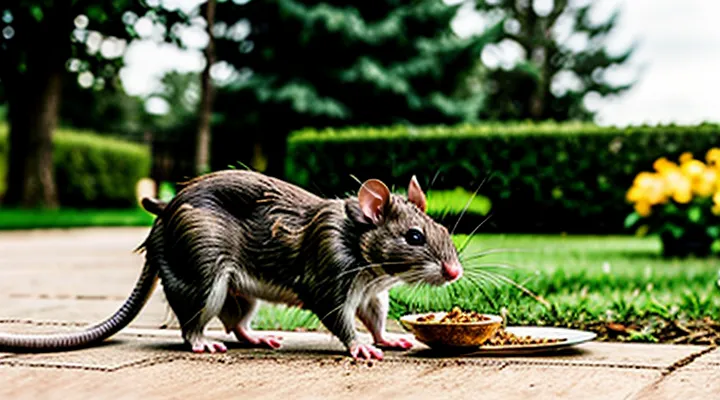
The Dangers of Inappropriate Foods for Pet Rats
Understanding Rat Digestive Systems
Omnivorous Nature and Sensitivity
Domestic rats are true omnivores, capable of digesting both animal protein and plant matter. Their digestive system processes a wide range of nutrients, yet it also reacts sharply to certain substances. Understanding this balance is essential for preventing health problems.
Rats thrive on a diet that includes high‑quality rodent pellets, fresh vegetables, occasional fruits, and small portions of lean meat or boiled egg. Their sensitivity to toxic or indigestible foods means that some common items must be excluded entirely:
- Chocolate, caffeine, and nicotine – contain stimulants that cause rapid heart rate and seizures.
- Raw or undercooked beans, especially kidney beans – contain lectins that damage intestinal lining.
- Citrus peels and large amounts of citrus juice – high acidity leads to stomach irritation.
- Processed snacks (chips, crackers, sugary treats) – high salt, fat, and sugar overload kidneys and liver.
- Dairy products beyond small amounts of plain cheese – many rats lack lactase, resulting in diarrhea.
- Avocado flesh and pits – persin toxin can cause respiratory distress.
- Onion, garlic, and related Allium species – compounds cause hemolytic anemia.
Because rats lack the ability to detoxify certain compounds, even small quantities can produce severe reactions. Their short gastrointestinal transit time amplifies the impact of harmful ingredients, making prompt removal of risky foods critical.
When selecting treats, prioritize fresh, low‑sugar vegetables such as kale, carrot tops, and broccoli florets. Supplement protein with boiled egg whites or small pieces of cooked chicken. Always introduce new foods gradually, observing for changes in stool consistency, activity level, or appetite.
A diet that respects the rat’s omnivorous nature while avoiding known toxins supports robust immune function, healthy weight, and longevity. Regularly reviewing food choices eliminates accidental exposure to harmful substances and maintains optimal wellbeing.
Key Nutritional Requirements
Domestic rats require a balanced diet that supplies protein, fat, carbohydrate, fiber, vitamins, minerals, and fresh water in precise proportions. Insufficient or excess amounts of any component can lead to growth retardation, immune deficiency, or metabolic disorders.
- Protein: 14‑20 % of total calories; sources include high‑quality rodent pellets, cooked eggs, and lean meat.
- Fat: 5‑10 % of calories; essential for energy and skin health, provided by small amounts of nuts, seeds, or oil‑enriched pellets.
- Carbohydrate: 45‑55 % of calories; delivered through whole grains, oats, and fresh vegetables.
- Fiber: 5‑7 % of diet; raw vegetables, bran, and fiber‑rich pellets aid digestion and prevent gastrointestinal blockage.
- Vitamins: A, D, E, K, B‑complex, and C must be present; commercial rat mixes are formulated to meet these needs, while occasional fruits and leafy greens supplement vitamin C.
- Minerals: Calcium, phosphorus, magnesium, potassium, and trace elements such as zinc and selenium are crucial for bone development and enzymatic function; balanced pellet formulas contain appropriate ratios.
- Water: Constant access to clean, fresh water is mandatory for hydration and nutrient transport.
Foods that fail to meet these nutritional standards or pose toxicity risks must be excluded:
- Sugary sweets, chocolate, and candy (high sugar, no nutritional value).
- Processed meats with high salt or preservatives (excess sodium, harmful additives).
- Citrus fruits and raw onions (acidic or irritating compounds).
- Dairy products beyond minimal cheese (lactose intolerance in most rats).
- Seeds and nuts in large quantities (excess fat leading to obesity).
- Raw beans, potatoes, or avocado (contain lectins or persin, toxic to rodents).
Providing a diet that satisfies the outlined nutrient profile while avoiding the listed items ensures optimal health, growth, and longevity for pet rats.
Categories of Foods to Avoid
Highly Processed and Sugary Items
Candies and Sweets
Candies and sweets should be excluded from a pet rat’s diet. Their high sugar content can cause rapid weight gain, insulin resistance, and diabetes, conditions that rats are particularly susceptible to. Excessive sugar also promotes dental decay; rats’ continuously growing incisors are vulnerable to enamel erosion when exposed to sticky or sugary substances.
Artificial sweeteners, such as xylitol, are toxic to rodents and can trigger hypoglycemia, seizures, or liver failure. Chocolate, even in small amounts, contains theobromine and caffeine, both of which are cardiotoxic and can lead to arrhythmias or fatal outcomes.
In addition to immediate health risks, sugary foods create a strong preference for sweet flavors, displacing nutritionally balanced pellets, fresh vegetables, and protein sources essential for growth, immune function, and reproductive health.
Sweets to reject completely:
- Hard candies (e.g., lollipops, jawbreakers)
- Gummy bears, jelly beans, and similar gelatinous treats
- Caramel and toffee, which adhere to teeth and increase decay risk
- Chocolate bars, cocoa powder, and baked goods containing chocolate
- Sugar‑free products containing xylitol, erythritol, or other sugar alcohols
- Marshmallows and sugary frosting
Providing only appropriate rodent feed, fresh produce, and occasional protein ensures optimal health and prevents the complications associated with sugary indulgences.
Baked Goods and Refined Carbs
Baked goods and refined carbohydrates provide minimal nutrition for pet rats and pose several health risks. Their high sugar and simple starch content can cause rapid blood‑glucose spikes, leading to insulin resistance and diabetes over time. Excess calories promote obesity, while low fiber contributes to constipation and gastrointestinal imbalance.
Specific items to avoid include:
- White bread, bagels, and rolls
- Croissants, pastries, and doughnuts
- Cookies, candy bars, and cake slices
- Crackers made from refined flour
- Sweetened cereals and granola bars
These foods lack essential vitamins, minerals, and protein needed for growth and reproduction. They also encourage dental decay because sugary residues adhere to incisors, accelerating enamel wear.
Long‑term consumption may result in reduced lifespan, decreased activity, and increased susceptibility to infections due to compromised immune function. Replace prohibited items with fresh vegetables, whole‑grain cereals, and lean protein sources to meet dietary requirements safely.
Sugary Drinks and Fruit Juices
Sugary beverages and fruit juices should be excluded from the diet of pet rats. High concentrations of simple sugars accelerate weight gain, strain pancreatic function, and predispose rodents to insulin resistance. Excessive sugar also promotes dental decay by feeding oral bacteria that produce acid, leading to enamel erosion and tooth loss. Rapid fermentation of unabsorbed sugars in the gastrointestinal tract can cause bloating, diarrhea, and dysbiosis, compromising overall health.
Fruit juices present similar risks despite their natural origin. They contain concentrated fructose and glucose without the fiber present in whole fruit, delivering a rapid glucose surge that taxes metabolic regulation. The acidic pH of many juices accelerates enamel wear, while added preservatives or artificial sweeteners may irritate the digestive lining. Even diluted juice does not mitigate these effects sufficiently for a small mammal with a high metabolic rate.
Beverages to avoid:
- Carbonated sodas (cola, root beer, lemon‑lime)
- Energy drinks and sports drinks
- Flavored water with added sugars
- Fruit punches and cocktail mixes
- Pure fruit juices (apple, orange, grape, pineapple, cranberry)
- Sweetened tea or coffee prepared for human consumption
- Homemade smoothies containing added sugar or honey
Providing only water, fresh vegetables, and balanced rodent pellets ensures nutritional adequacy and prevents the complications associated with sugary liquids.
Certain Fruits and Vegetables
Citrus Fruits (Especially Orange Peels)
Citrus fruits can cause serious health problems in pet rats. The high acidity irritates the stomach lining and may lead to ulceration. Essential oils, particularly d‑limonene found in orange peels, are toxic to rodents and can damage liver tissue. Excess vitamin C overwhelms the rat’s metabolic capacity, resulting in kidney strain and mineral imbalance.
Risks associated with orange peel consumption include:
- Gastrointestinal irritation and diarrhea
- Liver enzyme elevation due to limonene toxicity
- Kidney overload from excess ascorbic acid
- Potential for respiratory distress if volatile oils are inhaled
Fresh citrus pulp also presents a sugar load that can disrupt blood‑glucose regulation, encouraging obesity and dental decay. For these reasons, citrus fruits and especially the rind should be excluded from a domestic rat’s diet. Alternative treats such as leafy greens, small pieces of fruit with low acidity, and commercially formulated rodent snacks provide safer nutritional options.
Unripe or Green Potatoes
Unripe or green potatoes pose a serious health risk to pet rats. Their green skin and sprouting eyes indicate the presence of solanine, a natural glycoalkaloid toxic to rodents.
Solanine interferes with cellular membranes, causing neurological disturbances, gastrointestinal distress, and, in severe cases, respiratory failure. Rats lack the metabolic pathways needed to detoxify significant amounts of this compound.
- Neurological symptoms: tremors, weakness, disorientation.
- Gastrointestinal symptoms: vomiting, diarrhea, loss of appetite.
- Cardiovascular effects: irregular heartbeat, low blood pressure.
To prevent accidental ingestion, keep all raw potatoes stored out of reach, discard any that show greening or sprouting, and avoid offering cooked potatoes that retain green patches. Substitute safe vegetables such as carrots, broccoli, or cucumber for dietary variety.
Avocado Pits and Skins
Avocado pits and skins are hazardous for pet rats and must be excluded from their diet. The fruit’s hard seed and outer layer contain persin, a fatty acid derivative toxic to many mammals, and a high concentration of fat that rats cannot efficiently metabolize.
- Persin can cause liver inflammation and respiratory distress.
- The dense, indigestible texture of pits and skins may lead to intestinal blockage.
- Elevated fat content predisposes rats to obesity and pancreatitis.
Symptoms of exposure include reduced appetite, lethargy, vomiting, and abdominal swelling. Immediate veterinary assessment is required if any of these signs appear after accidental ingestion.
To prevent incidents, store whole avocados in sealed containers, discard pits and skins in a secured trash bin, and offer only rat‑safe fruits such as apple slices (seedless) or berries. Regularly inspect the cage and feeding area for stray fruit fragments to maintain a safe environment.
Rhubarb
Rhubarb contains high levels of oxalic acid and anthraquinone glycosides, both of which are toxic to rats. Oxalic acid can bind calcium, leading to hypocalcemia and renal failure. Anthraquinones irritate the gastrointestinal tract and may cause severe diarrhea, abdominal pain, and dehydration.
Symptoms of rhubarb poisoning in rats include:
- Lethargy or sudden collapse
- Tremors or seizures
- Blood‑tinged or watery stools
- Increased thirst and urination
- Weight loss and poor coat condition
Even small portions of raw rhubarb stalks can trigger these effects; cooked rhubarb does not eliminate the toxins. Consequently, rhubarb should be excluded from any rat diet.
Safe alternatives for enrichment and nutrition:
- Fresh leafy greens such as kale, spinach, and romaine lettuce (in moderation)
- Small pieces of carrot, apple, or banana
- Commercial rat treats formulated without oxalates
If a rat accidentally ingests rhubarb, contact a veterinarian immediately. Prompt treatment may involve fluid therapy, calcium supplementation, and monitoring of renal function.
Onion and Garlic in Large Quantities
Onion and garlic, even in moderate amounts, contain thiosulfates and organosulfur compounds that interfere with rat hemoglobin. These substances cause oxidative damage to red blood cells, leading to hemolytic anemia and reduced oxygen transport. The toxicity intensifies with larger servings, making bulk consumption especially dangerous.
- Hemolysis: rapid destruction of red blood cells.
- Anemia: pallor, lethargy, weakness.
- Gastrointestinal distress: vomiting, diarrhea, abdominal pain.
- Potential kidney strain from hemoglobin breakdown products.
Symptoms may appear within hours of ingestion and can progress to severe weakness, dark urine, and collapse. Prompt veterinary care is required if any of these signs are observed.
To avoid accidental poisoning, keep all forms of onion and garlic—raw, cooked, powdered, or dehydrated—out of reach. Offer safe alternatives such as small pieces of apple, carrot, or leafy greens. If a rat consumes a noticeable amount of onion or garlic, contact a veterinarian immediately for assessment and possible treatment.
Raw and Uncooked Foods
Raw Beans
Raw beans present several risks that make them unsuitable for pet rats. The primary concerns are antinutritional factors, potential toxicity, and microbial hazards.
- Lectins (phytohemagglutinin): Concentrated in uncooked beans, these proteins bind to intestinal cells, causing inflammation, vomiting, and diarrhea. Even small amounts can trigger severe gastro‑intestinal distress.
- Trypsin inhibitors: Interfere with protein digestion, leading to malabsorption and weight loss when rats consume raw beans regularly.
- Phytic acid: Binds minerals such as calcium, iron, and zinc, reducing their bioavailability and potentially contributing to deficiencies.
- Cyanogenic glycosides (present in certain bean varieties): Release cyanide upon metabolism, posing a lethal risk at relatively low doses.
- Bacterial contamination: Raw legumes may harbor Salmonella or E. coli, which can cause systemic infection in small mammals.
Because rats lack the enzymatic capacity to detoxify these compounds efficiently, ingestion often results in acute illness and may lead to chronic health problems. Cooking beans at high temperature for at least 10 minutes deactivates lectins and trypsin inhibitors, dramatically reducing toxicity. However, even cooked beans should be offered only in moderation and as part of a balanced diet.
In summary, raw beans should be excluded from a rat’s menu due to their lectin content, enzyme inhibitors, mineral‑binding agents, possible cyanogenic compounds, and the risk of bacterial contamination. Safe alternatives include cooked, plain vegetables, commercially formulated rat pellets, and small amounts of fresh fruit.
Raw Sweet Potato
Raw sweet potato should be excluded from the diet of pet rats. The tuber’s cellulose‑rich skin and fibrous flesh are difficult for a rat’s short digestive tract to break down, leading to gastrointestinal distress, gas, and potential blockage. Moreover, uncooked sweet potato harbors natural anti‑nutrients such as oxalates and may contain soil‑borne bacteria or fungi that can cause infection when ingested raw.
Feeding raw sweet potato also presents a choking hazard. The hard, uneven pieces can lodge in the oral cavity or esophagus, especially in younger or smaller rats. The high starch content, unprocessed by cooking, can cause rapid spikes in blood glucose, contributing to obesity and metabolic disorders over time.
Risks of raw sweet potato for domestic rats
- Poor digestibility → abdominal pain, diarrhea
- Presence of oxalates → kidney strain
- Potential microbial contamination → illness
- Physical hardness → choking or oral injury
- Unregulated carbohydrate load → weight gain, insulin issues
Cooked, peeled, and mashed sweet potato may be offered in moderation, but raw form remains unsuitable for safe rat nutrition.
Raw Artichokes
Raw artichokes should be excluded from a domestic rat’s diet. The vegetable contains several factors that can cause immediate or long‑term health problems for these small mammals.
- Sharp bracts and spines – intact leaves have hard, pointed edges that can damage the oral cavity or gastrointestinal tract when a rat chews them.
- High oxalic acid content – oxalates bind calcium, potentially leading to kidney stone formation and reduced calcium absorption.
- Low digestibility – the fibrous structure resists enzymatic breakdown, resulting in bloating, constipation, or diarrhea.
- Potential bacterial contamination – raw vegetable surfaces may harbor pathogens such as Salmonella, which can cause severe gastrointestinal infection in rats.
- Unpredictable nutrient balance – raw artichokes provide negligible protein and essential fats, offering little nutritional value compared to a balanced rodent diet.
Feeding raw artichokes provides no benefit and introduces multiple health risks. Safe alternatives include commercially formulated rat pellets, fresh leafy greens without spines, and small portions of cooked vegetables that have been thoroughly cleaned and cooled.
High-Fat and Salty Foods
Fatty Meats and Processed Meats
Fatty meats and processed meats pose serious health risks for pet rats. Their high saturated‑fat content can overwhelm a rat’s relatively small digestive system, leading to rapid weight gain, hepatic lipidosis, and increased cholesterol levels. These conditions often progress to heart disease and reduced lifespan.
Processed meats, such as deli slices, sausages, and cured products, contain preservatives, excessive sodium, and nitrites. Sodium overload disrupts electrolyte balance, causing hypertension and kidney strain. Nitrites interfere with oxygen transport in the bloodstream, potentially resulting in methemoglobinemia. Additionally, many processed meats include spices, sugars, and flavor enhancers that irritate the gastrointestinal tract and may trigger diarrhea or vomiting.
Key reasons to exclude these foods:
- High saturated‑fat and cholesterol levels
- Elevated sodium and preservative concentrations
- Presence of nitrites and other toxic additives
- Potential for gastrointestinal irritation and nutrient imbalance
Feeding rats a diet rich in lean protein sources—such as cooked chicken breast, unseasoned turkey, or boiled eggs—provides essential amino acids without the hazards associated with fatty or processed meats. Consistent avoidance of these items supports optimal weight management, cardiovascular health, and overall longevity.
Salty Snacks (Chips, Pretzels)
Salty snacks such as potato chips and pretzels should never be offered to domestic rats. Excess sodium quickly overwhelms a rat’s limited renal capacity, leading to dehydration and electrolyte imbalance. Persistent high salt intake can cause hypertension, kidney damage, and increased mortality risk.
- Sodium levels far exceed physiological needs, forcing the kidneys to excrete large volumes of water.
- Dehydration follows, reducing blood volume and impairing organ function.
- Chronic exposure predisposes rats to cardiovascular stress and reduced lifespan.
- Additives like artificial flavors, preservatives, and monosodium glutamate introduce toxins that irritate the gastrointestinal tract.
- High fat and calorie content promotes rapid weight gain, obesity, and associated metabolic disorders.
- Hard, crunchy textures present choking hazards, especially for younger or dentally compromised animals.
Providing a balanced diet of commercial rat pellets, fresh vegetables, and occasional protein sources eliminates the need for any salty processed foods.
Fried Foods
Fried foods pose significant health risks for pet rats and should be excluded from their diet. The high fat content accelerates weight gain, strains the cardiovascular system, and predisposes rats to hepatic lipidosis. Excessive oil residues irritate the gastrointestinal lining, leading to diarrhea, vomiting, or more severe ulcerative conditions.
The cooking process also creates trans‑fatty acids and advanced glycation end products, both of which impair insulin sensitivity and promote inflammatory responses. Rats lack the enzymatic capacity to metabolize these compounds efficiently, resulting in prolonged exposure to toxic metabolites.
Fried items to avoid:
- French fries and potato chips
- Fried chicken pieces, wings, or skin
- Breaded fish sticks or fried seafood
- Onion rings and battered vegetables
- Donuts, pastries, and other deep‑fried desserts
Regular consumption of any of these foods increases the likelihood of obesity, digestive upset, and premature mortality. Substituting them with species‑appropriate grains, fresh vegetables, and protein sources supports optimal growth, immune function, and overall wellbeing.
Dairy and Related Products
Large Quantities of Dairy
Large amounts of dairy products pose serious health risks for pet rats. Their digestive systems lack sufficient lactase enzyme, resulting in incomplete breakdown of lactose and subsequent gastrointestinal distress. Symptoms include watery diarrhea, abdominal cramping, and rapid dehydration, which can progress to electrolyte imbalance if untreated.
Excessive dairy also introduces an abnormal calcium load. Rats regulate calcium tightly; surplus intake overwhelms renal excretion capacity, leading to kidney strain and increased likelihood of urinary calculi. High‑fat dairy items contribute additional caloric density, encouraging obesity and associated metabolic disorders such as insulin resistance.
Key concerns of feeding rats large dairy portions:
- Lactose intolerance → persistent diarrhea, dehydration
- Calcium overload → renal stress, urinary stone formation
- Elevated fat content → weight gain, metabolic disease
- Potential for mold growth in aged cheese → mycotoxin exposure
Avoid providing dairy in quantities beyond occasional, minute treats. When a dairy flavor is desired, offer a single, low‑lactose bite (e.g., a tiny piece of fresh mozzarella) and monitor the animal for adverse reactions. Regular diets should consist of nutritionally balanced rodent pellets, fresh vegetables, and limited protein sources specifically formulated for rats.
Blue Cheese
Blue cheese contains concentrated fats, high levels of salt, and live mold cultures that can overwhelm a rat’s digestive system. The mold strains used to develop the characteristic veins produce mycotoxins, which are harmful to small mammals. Excessive fat may lead to obesity and liver strain, while sodium overload can cause dehydration and kidney stress. The soft texture also encourages bacterial growth if left uneaten, increasing the risk of gastrointestinal infection.
- High fat content exceeds the nutritional limits for pet rats.
- Salt concentration surpasses safe daily intake, promoting electrolyte imbalance.
- Live Penicillium mold produces mycotoxins that can damage liver and immune function.
- Soft consistency facilitates rapid spoilage, raising bacterial contamination potential.
- Strong odor may cause respiratory irritation in sensitive rodents.
Providing rats with appropriate protein sources, such as cooked lean meat or commercial rodent treats, eliminates the hazards associated with blue cheese while meeting nutritional requirements.
Toxic and Harmful Substances
Chocolate
Chocolate is a common household treat that poses a serious health risk to pet rats. The danger stems from two naturally occurring compounds: theobromine and caffeine. Both substances act as central nervous system stimulants and cardiac depressants in rodents.
Rats metabolize theobromine far more slowly than humans. Toxic thresholds are low; ingestion of as little as 20 mg of theobromine per kilogram of body weight can produce adverse effects. For an average adult rat weighing 300 g, a single bite of milk chocolate may exceed this limit.
Typical clinical signs after chocolate consumption include:
- Rapid or irregular heartbeat
- Restlessness followed by lethargy
- Muscle tremors or seizures
- Vomiting and diarrhea
- Elevated body temperature
If any of these symptoms appear, immediate veterinary intervention is essential. Treatment generally involves inducing vomiting, administering activated charcoal, and providing intravenous fluids to support cardiac function.
Given the narrow margin between palatable and poisonous, chocolate should be excluded from a rat’s diet entirely. Safer enrichment options include small pieces of fresh fruit, unsalted nuts (in moderation), and specially formulated rodent treats that contain no stimulants.
Caffeine (Coffee, Tea, Energy Drinks)
Caffeinated beverages are unsafe for pet rats. The stimulant properties of caffeine elevate heart rate, raise blood pressure, and can trigger seizures in rodents. Coffee, black tea, green tea, energy drinks, and caffeinated sodas all contain enough caffeine to cause toxicity in a small mammal.
A typical laboratory rat weighs 200–300 g. Toxic effects appear at approximately 5 mg of caffeine per kilogram of body weight, while a dose of 20 mg/kg can be lethal. A single sip of brewed coffee (≈100 mg caffeine) exceeds the safe limit for a rat by a wide margin.
Typical sources of caffeine that should be excluded from a rat’s environment:
- Brewed coffee
- Black or green tea
- Energy drinks
- Caffeinated soft drinks
- Certain over‑the‑counter medications containing caffeine
Observed signs of caffeine poisoning include:
- Restlessness or hyperactivity
- Rapid breathing
- Tremors or muscle twitching
- Elevated heart rate
- Convulsions
- Collapse or death in severe cases
Prevent accidental ingestion by storing all caffeinated liquids in sealed containers and cleaning any spills immediately. If a rat is suspected of consuming caffeine, seek veterinary assistance without delay.
Alcohol
Alcohol is toxic to domestic rats and should never be offered as a treat or supplement. Ethanol depresses the central nervous system, leading to loss of coordination, respiratory depression, and potentially fatal hypoglycemia. Even small doses can cause:
- Lethargy and impaired motor skills
- Reduced body temperature and hypothermia
- Vomiting, diarrhea, and dehydration
- Liver damage and metabolic acidosis
Rats lack the enzymatic capacity to metabolize ethanol efficiently, so accumulation occurs rapidly. Chronic exposure increases the risk of kidney failure and neurological deficits. Behavioral changes, such as increased aggression or lethargy, may mask the underlying toxicity, delaying intervention.
If a rat ingests alcohol, immediate steps include:
- Remove the source of ethanol.
- Offer fresh water to encourage hydration.
- Monitor for signs of distress—unstable gait, tremors, or unconsciousness.
- Contact a veterinarian promptly; supportive care may involve fluid therapy and monitoring of blood glucose.
Providing safe, nutritionally appropriate foods eliminates the temptation to give alcohol and protects the rat’s health.
Human Medications
Human medicines are frequently lethal or severely harmful to pet rats. Their metabolic pathways differ markedly from those of humans, resulting in rapid toxicity even at low doses. Avoid providing any medication intended for people unless a veterinarian explicitly prescribes it for the animal.
- Analgesics and anti‑inflammatories: acetaminophen, ibuprofen, naproxen, aspirin, diclofenac. Can cause liver failure, gastrointestinal ulceration, or renal damage.
- Antibiotics: amoxicillin‑clavulanate, ciprofloxacin, tetracycline, sulfonamides. May disrupt normal gut flora, provoke severe diarrhea, or trigger allergic reactions.
- Antidepressants and anxiolytics: fluoxetine, sertraline, diazepam, alprazolam. Lead to sedation, respiratory depression, or cardiac arrhythmias.
- Antihistamines and decongestants: diphenhydramine, loratadine, pseudoephedrine. May cause hyperexcitability, seizures, or cardiac stress.
- Cardiovascular drugs: atenolol, enalapril, digoxin, nitroglycerin. Result in hypotension, bradycardia, or fatal arrhythmias.
- Hormonal treatments: insulin, thyroid hormones, corticosteroids (unless prescribed). Can induce hypoglycemia, metabolic imbalance, or immunosuppression.
- Chemotherapeutic agents: methotrexate, cyclophosphamide, doxorubicin. Produce bone‑marrow suppression, organ toxicity, and rapid mortality.
Even topical preparations—such as creams containing lidocaine, menthol, or corticosteroids—pose ingestion risks when the animal licks treated areas. Over‑the‑counter cough syrups, cold remedies, and sleep aids often contain multiple active ingredients that together increase toxicity.
If a rat inadvertently consumes any human medication, immediate veterinary intervention is essential. Do not attempt home remedies; prompt professional treatment determines the chance of survival.
Wild Plants and Berries (Unknown Toxicity)
Wild plants and berries that are not identified as safe for pet rats present a significant risk because their toxic properties are often undocumented. Rats may ingest leaves, stems, roots, or fruit without displaying immediate signs of distress, allowing harmful compounds to accumulate silently.
Potential hazards include:
- Unstudied members of the nightshade family (e.g., wild tomatoes, bittersweet nightshade).
- Berries from unknown species, especially those with bright colors that attract rodents.
- Aquatic vegetation such as duckweed or watercress collected from untreated ponds.
- Foliage from ornamental shrubs that have not been evaluated for rodent safety, including certain rhododendrons and azaleas.
Symptoms of toxicity can emerge rapidly or develop over several days. Common indicators are loss of appetite, lethargy, tremors, diarrhea, or abnormal respiratory patterns. If any of these appear after a rat has consumed wild vegetation, immediate veterinary assessment is required.
When foraging outdoors, limit exposure to plants that have been positively identified by reputable sources as non‑toxic. When uncertainty remains, discard the material entirely. Providing a controlled diet of commercially prepared rat food eliminates the variable of unknown plant toxins and reduces the likelihood of accidental poisoning.
Signs of Dietary Distress in Rats
Behavioral Changes
Lethargy
Feeding pet rats items that disrupt metabolism often results in lethargy, a marked reduction in activity and responsiveness. Lethargy signals that the animal’s energy balance is compromised, usually due to excessive sugars, unhealthy fats, or toxic compounds.
High‑sugar treats such as candy, fruit juice, and sweetened cereals cause rapid blood‑glucose spikes followed by sharp declines, leaving the rat dull and inactive. Fat‑rich snacks—including bacon, cheese, and processed meats—overload the liver, impairing normal energy production and producing a sluggish demeanor. Dairy products can provoke digestive upset in many rats, leading to reduced movement and a listless appearance.
Toxic substances produce immediate lethargy. Chocolate, caffeine‑containing beverages, and alcohol contain stimulants or depressants that interfere with nervous‑system function. Even small amounts can depress respiration and cause profound inactivity.
A concise list of foods that commonly induce lethargy in domestic rats:
- Candy, sugary cereals, and fruit juice
- Bacon, sausage, cheese, and other high‑fat meats
- Chocolate, coffee, tea, and energy drinks
- Alcoholic beverages and fermented foods
- Processed snacks (chips, crackers) with added salts and preservatives
- Large quantities of dairy products
Preventive measures focus on offering a balanced diet of commercial rodent pellets, fresh vegetables, limited whole‑grain grains, and occasional protein sources such as boiled eggs or lean cooked chicken. Monitoring intake and eliminating the items above reduces the risk of lethargy and supports optimal vitality.
Hiding
When keeping pet rats, certain foods must be concealed to prevent accidental ingestion. These items are toxic, cause digestive distress, or contain substances that rats cannot metabolize safely. Proper storage eliminates the risk of rats discovering and consuming them.
- Chocolate, cocoa products, and any items containing theobromine.
- Caffeinated beverages, coffee beans, tea leaves, and energy drinks.
- Alcoholic drinks, fermented foods, and any product with ethanol.
- Citrus peels, large amounts of acidic fruit, and unripe tomatoes.
- Processed meats with high salt, nitrates, or preservatives.
- Raw potatoes and green parts of nightshades, which contain solanine.
- Dairy products beyond small, occasional treats; lactose intolerance is common.
- Artificial sweeteners, especially xylitol, which is lethal in small doses.
Secure these foods in airtight containers, high cabinets, or locked pantry sections. Regularly inspect storage areas for crumbs or spills that could attract rats. By consistently hiding hazardous items, caretakers protect their rodents from severe health complications.
Physical Symptoms
Diarrhea or Constipation
Pet rats are sensitive to dietary components that can disrupt normal bowel movements. Foods high in sugar, fat, or artificial additives often provoke loose stools, while low‑fiber, dry, or overly processed items can lead to hard, infrequent stools.
-
Sugary treats (candies, chocolate, dried fruit with added sugar)
-
Fat‑rich snacks (fried foods, greasy human leftovers)
-
Dairy products (cheese, milk) in excess
-
Processed grains (white bread, crackers) lacking fiber
-
Spicy or heavily seasoned foods
-
Plain rice, pasta, or uncooked noodles without fiber enrichment
-
Large quantities of nuts or seeds that are low in moisture
-
Commercial pet foods formulated for other species (e.g., cat kibble)
-
Dehydrated pellets without supplemental vegetables
-
Over‑cooked vegetables that lose fiber content
Preventive measures include offering a balanced diet of high‑quality rat chow, fresh vegetables (e.g., leafy greens, carrots, broccoli), and limited fresh fruit. Provide constant access to clean water and monitor stool consistency daily. At the first sign of abnormal stool, remove the suspected food source and consult a veterinarian experienced with rodents.
Vomiting (Rare but Serious)
Vomiting in domestic rats is uncommon; its appearance signals a potentially serious reaction to ingested material. Because rats lack a strong emetic reflex, the act of expelling stomach contents usually reflects severe gastrointestinal irritation, blockage, or toxin exposure.
When vomiting occurs, it may be accompanied by lethargy, abdominal distension, loss of appetite, or abnormal stool. Prompt veterinary evaluation is essential; delayed treatment can lead to dehydration, electrolyte imbalance, or organ damage.
- Citrus peels and juices – high acidity can damage the stomach lining.
- Chocolate and cocoa products – contain theobromine, a known toxin for rodents.
- Raw onions, garlic, and related Allium species – cause oxidative damage to red blood cells and may irritate the gastrointestinal tract.
- High‑fat processed snacks (e.g., potato chips, salted nuts) – can overwhelm digestive capacity and trigger irritation.
- Moldy or spoiled foods – produce mycotoxins that may provoke acute vomiting.
If a rat exhibits vomiting, immediate steps include isolating the animal, offering small amounts of water, and contacting a veterinarian. Diagnostic work‑up may involve blood tests, imaging, and supportive care such as fluid therapy.
Preventive strategy consists of restricting the diet to commercially formulated rat pellets, fresh vegetables, and limited fruits, while eliminating the listed items. Regular observation of eating behavior helps detect early signs of distress before vomiting develops.
Swelling or Bloating
Swelling or bloating in pet rats often signals gastrointestinal distress caused by inappropriate dietary items. Rapid expansion of the abdomen may result from gas accumulation, fluid buildup, or blockage, each of which can progress to life‑threatening conditions if not addressed promptly.
Foods that commonly trigger this reaction include:
- High‑fat processed snacks (chips, crackers, fried items)
- Sugary treats (candy, chocolate, sugary cereals)
- Dairy products (milk, cheese, yogurt)
- Citrus fruits and juices (oranges, lemons, grapefruits)
- Raw beans and legumes (especially uncooked kidney beans)
- Salty or heavily seasoned foods (pretzels, seasoned nuts)
- Fermented or spoiled leftovers (stale bread, moldy fruit)
These items disrupt normal gut flora, increase gas production, or irritate the intestinal lining, leading to abdominal distension. When a rat exhibits a visibly enlarged belly, reduced activity, or changes in eating and toileting habits, immediate veterinary evaluation is required. Early intervention typically involves fluid therapy, dietary adjustment, and, if necessary, surgical relief of obstructions.
Preventive measures consist of offering a balanced rodent diet—commercial pellets, fresh vegetables, limited fruit, and occasional protein sources such as boiled egg or lean meat—while strictly excluding the foods listed above. Consistent monitoring of body condition and regular health checks help detect early signs of swelling, ensuring timely care and reducing the risk of severe complications.
Difficulty Breathing
Feeding pet rats items that irritate the respiratory system can trigger labored breathing, a serious health concern. Certain ingredients generate dust, allergens, or toxic compounds that inflame nasal passages and lungs, leading to wheezing, coughing, and reduced oxygen intake.
- Raw grains with high silica content (e.g., wheat bran, barley) produce fine particles that remain suspended in the air and irritate mucous membranes.
- Processed snack foods containing artificial flavorings, preservatives, or high salt levels can cause edema of the airway tissues.
- Mold‑contaminated fruit or vegetables release spores that provoke allergic reactions and bronchial constriction.
- Dairy products, especially cheese, may induce lactase deficiency‑related gas buildup, increasing abdominal pressure and compromising breathing efficiency.
- Nuts with strong oils (peanuts, almonds) generate volatile compounds that can trigger asthma‑like symptoms in sensitive rodents.
Symptoms to watch for include rapid shallow breaths, audible wheezing, nasal discharge, and reluctance to move. Immediate removal of the offending food, isolation of the affected rat, and veterinary assessment are essential. Treatment may involve bronchodilators, anti‑inflammatory medication, and supportive oxygen therapy. Long‑term prevention relies on a diet composed of low‑dust, fresh, and nutritionally balanced components, avoiding the items listed above.
Best Practices for Rat Diet
Recommended Foods for Optimal Health
Fresh Fruits and Vegetables
Domestic rats should not receive certain fresh produce because it can cause digestive upset, toxicity, or nutritional imbalance. High‑sugar fruits, acidic items, and vegetables containing oxalates or solanine are especially risky.
- Citrus fruits (orange, lemon, lime, grapefruit) – high acidity irritates the gastrointestinal tract.
- Grapes and raisins – contain compounds linked to kidney failure in small mammals.
- Cherries, apricots, peaches – pits contain cyanogenic glycosides; flesh is also high in sugar.
- Tomato leaves, stems, and green fruit – contain solanine, a neurotoxin.
- Raw potato skins and green potatoes – also high in solanine.
- Rhubarb leaves – oxalic acid can cause renal damage.
- Spinach and beet greens – oxalates may contribute to urinary stone formation when fed excessively.
- Avocado flesh – persin can be harmful to rodents.
Moderation is essential for any fruit or vegetable that is allowed. Offer only small, occasional portions of safe items such as apple (core removed), blueberry, carrot, or cucumber. Always wash produce thoroughly and remove seeds, pits, and stems before feeding.
Grains and Seeds
Grains and seeds may appear harmless, yet they pose significant risks for pet rats. Their carbohydrate‑heavy composition can trigger rapid blood‑sugar spikes, leading to obesity, insulin resistance, and digestive disturbances. Moreover, many seed varieties contain anti‑nutrients such as phytic acid, which impede calcium absorption and contribute to skeletal problems.
- High‑glycemic grains (e.g., white rice, cornmeal) promote excess fat deposition and metabolic disorders.
- Whole grains with hard husks (e.g., barley, wheat berries) can cause intestinal blockages or impaction.
- Sunflower, pumpkin, and other oilseed kernels are rich in fat; overconsumption results in hepatic lipidosis and pancreatitis.
- Unprocessed seeds often harbor molds producing mycotoxins that damage liver and kidney function.
To maintain optimal health, limit or eliminate grain‑based treats. Replace them with protein‑rich foods (lean cooked eggs, insects) and fresh vegetables that provide balanced nutrients without the hazards associated with grains and seeds.
Commercial Rat Blocks
Commercial rat blocks are marketed as convenient treats for pet rodents, yet many contain components that can compromise health.
Typical formulations include high concentrations of sugars, artificial sweeteners, and flavor enhancers. These additives accelerate weight gain, disturb gut flora, and may trigger insulin resistance.
Problematic ingredients frequently found in such products are:
- Refined sugars (sucrose, glucose syrup)
- Artificial sweeteners (aspartame, sucralose)
- Preservatives (BHA, BHT, sodium benzoate)
- Excessive animal fats or butterfat
- Dairy derivatives (milk powder, cheese flavor)
Each of these substances poses specific risks: excessive sugar contributes to obesity and dental decay; artificial sweeteners can cause gastrointestinal irritation; preservatives may provoke allergic reactions; high fat levels strain the liver and heart; dairy can induce lactose intolerance in many rats.
Veterinary nutritionists advise limiting or eliminating commercial blocks from a rat’s diet. When a block is used, select products that list whole‑grain bases, limited natural sugars, no artificial additives, and a balanced protein‑to‑fat ratio. Verify that the ingredient list contains only recognizable, minimally processed items.
For optimal nutrition, replace blocks with fresh vegetables, occasional pieces of unsalted nuts, and specially formulated laboratory‑grade pellets that meet the species’ dietary requirements. Regular monitoring of body condition and dental health will reveal if any treat contributes to adverse effects.
The Importance of Variety and Moderation
Introducing New Foods Safely
Introducing a new food item to a pet rat requires a systematic approach to prevent gastrointestinal upset, toxicity, or allergic reactions. Begin with a single, small piece—approximately the size of the rat’s thumbnail—and observe for any abnormal behavior, such as lethargy, excessive grooming, or changes in stool consistency. If the rat tolerates the portion for 24 hours without adverse signs, the amount may be gradually increased over the next few days while continuing close monitoring.
Key steps for safe food trials:
- Select a safe candidate: Verify that the item is listed among acceptable rat foods and is free from added salts, sugars, or artificial flavorings.
- Prepare a fresh sample: Wash thoroughly, remove seeds, pits, or skins that could pose choking hazards.
- Offer a minimal portion: Place the sample alongside regular diet to encourage voluntary sampling.
- Record observations: Note intake quantity, any signs of distress, and changes in weight or coat condition.
- Extend exposure cautiously: If no negative response occurs, incorporate the food into the diet at a modest proportion (no more than 10 % of total intake) before considering larger amounts.
Avoid foods that contain high levels of oxalates, caffeine, alcohol, chocolate, or raw beans, as these compounds can cause renal damage, neurotoxicity, or severe digestive disturbances. Even seemingly benign items, such as citrus peel or seasoned snacks, may contain essential oils or additives that are harmful to rodents.
Document each trial in a logbook, including date, food type, amount offered, and observed outcomes. This record supports consistent dietary management and provides valuable information for veterinary consultation if any health issues arise.
Portion Control
Portion control prevents accidental consumption of hazardous foods by limiting the amount of each item a pet rat can access at one time. Small rodents have fast metabolisms; a single bite of a toxic substance can cause severe symptoms, so restricting portions reduces exposure risk.
A balanced rat diet consists of a measured base of commercial pellets (approximately 1 g per 100 g body weight daily) supplemented with fresh vegetables and occasional fruit. Fresh produce should not exceed 10 % of the total daily intake by weight. Water must be available at all times, but sugary or flavored liquids should be omitted.
- Chocolate, caffeine, and nicotine: zero allowance.
- Raw or undercooked beans, especially kidney beans: never offered.
- Citrus peels, onion, and garlic: avoid completely.
- High‑fat snacks (e.g., nuts, seeds): limit to 0.5 g per day, no more than two servings per week.
- Processed human foods (chips, crackers, sweets): restrict to 0.2 g per serving, max one serving weekly.
Measure each portion with a digital scale or calibrated scoop. Record daily amounts in a feeding log to detect trends. Replace discarded food after 24 hours to eliminate lingering residues. Rotate fresh items to maintain nutritional variety while keeping total volume within the prescribed limits.