
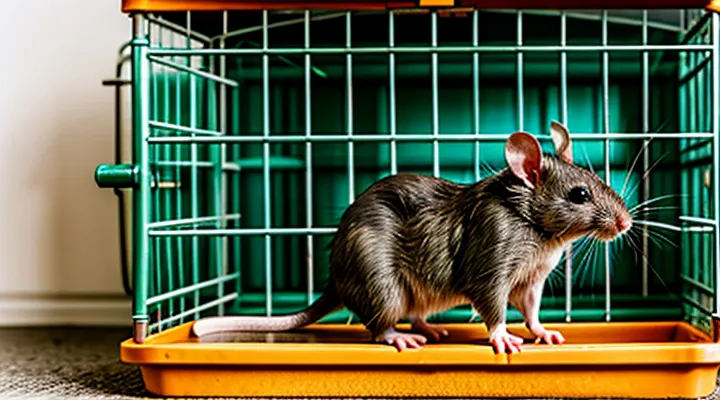
The Importance of a Proper Rat Habitat
Essential Elements for Rat Well-being
Beyond Basic Needs
Rats require more than food, water, and a safe enclosure. Enrichment, social interaction, and environmental complexity are essential for physical health and mental well‑being.
- Chewable items (untreated wood blocks, cardboard tubes, mineral chews) prevent dental overgrowth.
- Climbing structures (wire mesh ladders, rope branches) encourage exercise and muscle development.
- Tunnels and hideouts (plastic tubes, PVC pipes, fabric shelters) provide refuge and reduce stress.
- Varied bedding (soft paper, aspen shavings, coconut fiber) supports nesting behavior and temperature regulation.
Living in compatible groups satisfies innate social drives. Cohabitation reduces isolation stress, promotes grooming, and mirrors natural colony dynamics. Group size should reflect cage capacity, gender balance, and individual temperament to prevent aggression.
Environmental complexity enhances cognitive stimulation. Rotating objects weekly, introducing novel textures, and offering puzzle feeders challenge problem‑solving abilities and prevent boredom. Sensory variety—such as safe scents (lavender oil on a cotton ball) and gentle background noise—mirrors natural habitats.
Regular health maintenance safeguards the benefits of enriched housing. Weekly cage cleaning removes waste and odor, while monthly health checks monitor weight, coat condition, and dental status. Parasite prevention and prompt treatment of injuries preserve overall vitality.
By integrating chewable resources, vertical space, social housing, dynamic enrichment, and diligent hygiene, caretakers create a habitat that exceeds basic survival and promotes thriving rat colonies.
Creating a Stimulating Environment
Enrichment for Mental and Physical Health
Interactive Toys and Activities
Interactive toys and activities supply essential mental stimulation for rats, preventing boredom and reducing stress. Enrichment objects encourage natural foraging, chewing, and climbing behaviors, which support dental health and muscular development.
- Chew blocks made from untreated wood or mineral-rich material satisfy gnawing instincts and maintain tooth length.
- Tunnel systems constructed from PVC or cardboard create three‑dimensional pathways, promoting exploration and agility.
- Puzzle feeders that require manipulation to release food engage problem‑solving skills and extend feeding time.
- Hanging toys with ropes or sisal strips stimulate climbing and hanging, enhancing grip strength.
- Rolling wheels with solid surfaces provide safe aerobic exercise without risk of injury.
Rotate items weekly to sustain interest and prevent habituation. Ensure all components are free of toxic chemicals, lack sharp edges, and are sized appropriately for the cage dimensions. Regularly inspect for wear and replace damaged pieces promptly.
Observe rats during play to confirm engagement and identify any signs of distress. Adjust the selection of toys based on individual preferences, age, and health status to maintain optimal enrichment throughout their lifespan.
Safe Chewing Materials
Providing rats with appropriate chew items is essential for dental wear and mental stimulation. Materials must be non‑toxic, free of chemicals, and durable enough to withstand persistent gnawing.
Safe options include:
- Unpainted hardwood blocks (e.g., apple, maple, birch)
- Fresh, pesticide‑free apple or willow branches
- Untreated cardboard tubes or corrugated sheets
- Natural sisal or hemp rope, cut into manageable lengths
- Mineral chews formulated for rodents
- Paper products such as shredded newspaper or plain tissue
- Commercially available chew sticks made from safe wood or compressed hay
Materials to exclude are pine, cedar, any treated or painted wood, plastic components that can splinter, and scented or flavored items containing essential oils. Regularly rotate chew items to maintain interest and prevent over‑wear. Monitoring for wear and replacing damaged pieces preserves cage integrity and rat health.
Hideouts and Exploration
Rats require secure shelters within their enclosure to reduce stress and support natural behavior. Suitable hideouts include:
- Solid plastic or wooden tunnels that prevent escape and provide darkness.
- Ceramic or clay houses with a single entrance, offering a stable microclimate.
- Fabric hammocks or fleece nests that can be reshaped, allowing the animal to create a personal burrow.
- Stacked cardboard boxes with cut‑out doors, delivering a temporary refuge that can be replaced regularly.
In addition to static shelters, opportunities for exploration are critical for cognitive health. Effective enrichment consists of:
- Rotating maze sections or PVC pipe networks to stimulate navigation skills.
- Climbing structures such as wooden ladders, rope bridges, or textured platforms that encourage vertical movement.
- Foraging puzzles that conceal treats, prompting problem‑solving and tactile investigation.
- Varied substrate layers—paper bedding, shredded paper, and safe sand—to allow digging and scent marking.
Providing a combination of permanent hideouts and dynamic exploratory elements fulfills the core environmental needs of captive rats, promoting welfare and natural activity patterns.
Social Interaction and Companionship
The Role of Multiple Rats
Rats are highly social mammals; housing more than one individual directly influences the standards for cage provision. Group living reduces stress, encourages natural behaviors, and affects the quantity and type of resources required.
A multi‑rat enclosure must include:
- Sufficient floor space to allow each animal to move freely without crowding.
- Multiple nesting sites positioned apart to give individuals the option of privacy.
- Several chewable objects distributed throughout the cage to prevent competition over a single item.
- At least two water bottles and food dishes to avoid monopolization and ensure constant access.
- Enrichment structures (tunnels, climbing platforms) placed in various locations to promote exploration for all occupants.
Social interaction also impacts health management. Monitoring must account for hierarchy, as dominant rats may claim preferred resources, necessitating redundant provisions. Regular observation of group dynamics helps identify aggression early, allowing adjustments to cage layout or population size.
Overall, the presence of several rats dictates a higher baseline for space, redundancy in essential supplies, and diversified enrichment, ensuring that the collective welfare of the group meets the same standards expected for solitary housing.