
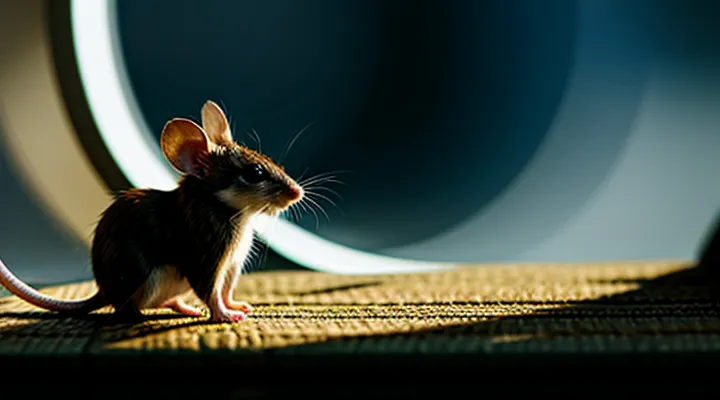
General Interpretations of Mice
Smallness and Insignificance
Dreams featuring mice often highlight feelings of inadequacy or marginalization. The animal’s diminutive size serves as a visual metaphor for personal perceptions of being overlooked, powerless, or trivial within a broader environment. When the subconscious presents a mouse, it signals an internal assessment of one’s relative influence or relevance in a given situation.
The sense of smallness can surface in several contexts:
- Work or academic settings where the dreamer feels their contributions are unnoticed.
- Interpersonal relationships where the individual perceives themselves as subordinate or ignored.
- Self‑evaluation regarding personal goals, suggesting that aspirations may appear unattainable or modest compared to external standards.
Interpreting this motif requires examining current life circumstances for evidence of diminished self‑esteem or suppressed ambition. A recurring mouse image may indicate a need to assert boundaries, seek acknowledgment, or recalibrate expectations to align with realistic capacities. Conversely, the presence of a mouse can also reflect humility, reminding the dreamer that modest influence still holds functional value within a larger system.
Addressing the underlying issue involves acknowledging the perceived insignificance, then implementing concrete steps—such as articulating achievements, requesting feedback, or redefining success metrics—to restore a balanced self‑perception. The dream’s message persists until the individual integrates a sense of agency that outweighs the initial impression of diminishment.
Fear and Anxiety
Dreams featuring mice often signal unresolved fear. The small animal’s presence highlights sensations of vulnerability, suggesting that the dreamer feels threatened by minor yet persistent stressors. When a mouse scurries through a familiar environment, the mind translates perceived danger into a symbolic warning about hidden anxieties.
The symbolism connects to specific emotional patterns:
- Rapid heartbeat or breathlessness during the dream indicates acute panic.
- Repeated encounters with mice suggest chronic nervous tension.
- Trying to catch or kill a mouse reflects attempts to control intrusive worries.
- Observing a mouse’s escape can represent avoidance of confronting fear.
Interpretation of these motifs points to a need for emotional regulation. Recognizing the mouse as a projection of anxiety allows the dreamer to address the underlying cause, such as workplace pressure, relationship insecurity, or health concerns. Practical steps include mindfulness exercises, journaling the dream details, and confronting the feared situation in waking life. By confronting the symbolic mouse, the individual reduces the intensity of the associated fear and restores psychological balance.
Feelings of Being Overwhelmed
Dreams that feature mice often signal subtle emotional currents rather than literal concerns about rodents. The animal’s modest size, rapid movement, and tendency to appear in groups make it an effective symbol for pressures that feel numerous and hard to control.
When a person experiences a sense of being overwhelmed, the mind may translate that state into a scene populated by mice. The dream‑image reflects the following dynamics:
- Multiplicity – a swarm of mice suggests tasks or responsibilities that multiply beyond manageable limits.
- Invisibility – mice operate in shadows, mirroring stress that remains unnoticed by others but dominates the dreamer’s internal landscape.
- Evasion – the frantic scurrying conveys attempts to escape or avoid confronting the source of overload.
Interpretation of such a dream should focus on the emotional tone accompanying the mice. Fear, irritation, or resignation indicates the degree to which the waking overwhelm is affecting mental equilibrium. Calm or curiosity may reveal a latent capacity to observe the pressure without being consumed.
To address the underlying feeling, consider these steps:
- List current obligations that feel excessive.
- Prioritize items based on urgency and impact.
- Delegate or postpone tasks that lack critical importance.
- Incorporate brief periods of rest to disrupt the cycle of constant activity.
By aligning the symbolic content of the dream with concrete life adjustments, the mouse motif can serve as a diagnostic cue, guiding the individual toward reduced stress and restored balance.
Resourcefulness and Adaptability
Mice appearing in dreams often symbolize the dreamer’s capacity for resourcefulness. The small animal’s survival tactics—finding food, navigating tight spaces, and avoiding predators—mirror a person’s ability to make the most of limited resources. When the dreamer observes a mouse efficiently gathering crumbs or constructing a nest, the mind highlights an inner confidence in extracting value from scarce conditions.
Adaptability emerges as another recurring motif. Mice thrive in diverse environments, shifting behavior to suit new obstacles. Dream scenes that show a mouse moving through unfamiliar terrain, escaping traps, or altering its routine illustrate the subconscious encouragement to adjust strategies when circumstances change. Recognizing these patterns can guide the individual toward flexible problem‑solving in waking life.
Key aspects of this symbolism include:
- Efficient use of minimal assets
- Quick adjustment to unexpected challenges
- Persistence despite limited means
- Strategic avoidance of threats
By interpreting mouse imagery through the lenses of resourcefulness and adaptability, the dream offers practical insight into personal resilience and inventive action.
Contextual Dream Interpretations
Dreaming of Many Mice
Dreams populated by numerous mice signal a heightened awareness of minor, persistent concerns that occupy the subconscious. The sheer number amplifies the typical mouse symbol, suggesting that the dreamer is confronting a cluster of seemingly insignificant issues that collectively demand attention.
- Repeated tasks or obligations that feel trivial yet overwhelming.
- Financial worries expressed through the image of small, multiplying creatures.
- Social interactions where minor misunderstandings accumulate, creating tension.
- Health anxieties manifested as a swarm of tiny beings representing hidden ailments.
Cultural traditions often link mice with resourcefulness and survival; however, the multiplicity in a dream can invert this trait, indicating that the dreamer feels outmatched by the volume of challenges. Psychological research associates such imagery with the brain’s effort to categorize and process stressors that have been ignored or minimized during waking hours.
Reflecting on recent events, identifying specific areas where small problems have escalated, and addressing them methodically reduces the recurrence of this motif. Practical steps include listing each concern, prioritizing actions, and establishing routines that prevent minor issues from aggregating into a larger psychological burden.
Dreaming of a Single Mouse
Dreaming of a single mouse often signals subtle anxieties that have not yet manifested in overt behavior. The animal’s small size and timid nature suggest concerns about vulnerability, hidden threats, or feelings of insignificance within a particular environment. Because the mouse appears alone, the focus narrows to personal rather than collective issues, highlighting an individual's need to address minor, perhaps overlooked, stressors.
Interpretations commonly include:
- Unresolved petty conflicts – the mouse represents minor disputes that linger beneath the surface.
- Financial caution – the creature’s scavenging habit mirrors a subconscious urge to conserve resources.
- Self‑esteem – the lone presence may reflect a perception of personal inadequacy or a desire for greater recognition.
- Health vigilance – the mouse’s association with disease in some cultures can translate to a warning about neglecting minor health symptoms.
Cultural symbolism reinforces these readings. In Western folklore, a solitary mouse can be a messenger of hidden information, urging the dreamer to investigate concealed details. Eastern traditions often link the mouse to thrift and careful planning, suggesting that the dreamer should adopt a more disciplined approach to budgeting or resource management.
Practical response involves acknowledging the specific area where the dreamer feels exposed or undervalued, then taking measurable steps—such as documenting small irritations, reviewing financial habits, or seeking feedback on performance—to mitigate the underlying tension. Addressing the issue directly reduces the likelihood of recurrent nocturnal imagery.
Dreaming of Dead Mice
Dreaming of a dead mouse often signals unresolved emotional material. The image suggests that something previously unnoticed or dismissed has lost its vitality, prompting the subconscious to draw attention to neglected aspects of life.
Typical meanings include:
- A sense of personal inadequacy or feeling insignificant in a given situation.
- Indication of a project, relationship, or habit that has reached its end and requires closure.
- Reflection of anxiety about loss, decay, or the fragility of health.
- Symbolic representation of suppressed anger or resentment toward a minor but persistent irritant.
Cultural perspectives vary. In many Western traditions, the dead mouse denotes the conclusion of a trivial concern, urging the dreamer to move beyond petty distractions. Eastern symbolism frequently links the creature to purity; its death may point to a breach of moral or ethical standards that needs correction.
Practical steps for interpretation:
- Recall the emotions experienced during the dream; intensity and tone guide the specific focus.
- Identify recent events or relationships that feel stagnant or exhausted.
- Record the dream in a journal, noting symbols, colors, and context for pattern recognition.
- Address the highlighted issue directly—through conversation, termination, or redefining goals—to restore psychological equilibrium.
Dreaming of Catching or Killing Mice
Dreams in which you catch or kill a mouse often signal an effort to confront hidden concerns. The act of capture reflects a desire to gain control over a minor but persistent issue that has been affecting daily life. When the mouse is slain, the symbolism shifts toward decisive elimination of a problem that has become intolerable.
The scenario typically relates to:
- Suppressed anxiety that has begun to surface.
- A situation requiring swift resolution rather than prolonged negotiation.
- A perceived threat to personal boundaries that the dreamer is actively neutralizing.
- An inner assessment of competence in handling nuisances that undermine confidence.
The emotional tone of the dream refines its meaning. A feeling of satisfaction after killing the mouse suggests confidence in the ability to resolve difficulties. Conversely, distress or guilt points to lingering doubts about the chosen method of dealing with the issue.
Repeated encounters with this motif may indicate that the underlying problem persists or resurfaces. Monitoring real‑world circumstances that echo the dream’s content can reveal the specific source of tension. Addressing the root cause directly often reduces the frequency of such dreams.
Dreaming of Being Chased by Mice
Dreams in which you are pursued by mice often signal underlying anxiety about minor, persistent concerns. The chase element highlights a sense of urgency or pressure, while the mice themselves represent small, seemingly insignificant issues that have accumulated enough to demand attention.
- The pursuit suggests avoidance; you may be trying to escape responsibilities, tasks, or interpersonal conflicts that feel trivial but are repeatedly resurfaced.
- The size of the animal underscores the perception that the problem is manageable, yet the relentless nature of the chase amplifies its psychological impact.
- Repeated encounters with this scenario can indicate a habit of neglecting minor details, allowing them to grow into a source of stress.
From a psychoanalytic perspective, the mouse functions as a symbol of the unconscious, embodying repressed feelings or unresolved childhood experiences. The chase reflects the ego’s effort to suppress these contents, creating tension that manifests during sleep. Jungian interpretation aligns the mouse with the shadow archetype, a component of the self that contains hidden fears and undesirable traits; being chased signifies an unconscious invitation to integrate these aspects.
Cultural narratives associate mice with resourcefulness, adaptability, and survival. When the dreamer is the target, it may point to a perceived loss of control over these adaptive qualities, prompting a reassessment of coping strategies.
Practical steps for analysis:
- Identify current life situations that involve repetitive, low‑level stressors.
- Examine emotional responses to those stressors—fear, irritation, embarrassment.
- Consider whether avoidance behaviors are present; note any patterns of postponement.
- Reflect on childhood memories involving rodents or feelings of being chased, as these may provide contextual clues.
- Apply the insights to develop proactive measures, such as breaking tasks into smaller units or confronting minor conflicts directly.
Overall, the dream serves as a diagnostic image, urging the sleeper to acknowledge and address the accumulation of minor pressures before they dominate the conscious experience.
Dreaming of Mice in Your Home
Dreams featuring mice inside a familiar dwelling often signal concerns that are present but unnoticed. The setting of the home anchors the imagery to personal life, suggesting that the issues are tied to one’s private sphere, daily routines, or family dynamics.
Interpretations typically focus on three core aspects:
- Neglected details – Mice represent small, overlooked problems that may be accumulating unnoticed. Their presence in the house suggests the dreamer should examine routine tasks, finances, or relationships for subtle faults.
- Feelings of vulnerability – A rodent’s ability to infiltrate hidden spaces mirrors a sense of exposure within the domestic environment. The dream may reflect anxiety about privacy, safety, or control over one’s living space.
- Adaptability and resourcefulness – Mice survive by exploiting limited resources. Their appearance can indicate the dreamer’s capacity to manage scarcity or navigate constraints creatively.
From a psychological perspective, the image aligns with Jungian theory, where rodents embody the “shadow” element—traits or impulses that the conscious mind represses. Recognizing the mouse in the dream encourages integration of these hidden aspects, reducing internal conflict. Freudian analysis links the creature to instinctual drives, especially those related to survival and basic needs, suggesting the dreamer is confronting primal urges in a familiar context.
Cultural traditions also shape meaning. In Western folklore, mice often symbolize modesty and meekness, while in some Asian traditions they represent wealth and abundance. The dream’s emotional tone—fear, curiosity, indifference—modifies the interpretation, directing attention to either threat perception or a positive omen of modest prosperity.
Practical response includes reviewing recent events for minor issues that may have been ignored, such as maintenance tasks, unresolved arguments, or financial details. Addressing these points can diminish the recurrence of the motif and restore a sense of equilibrium within the personal environment.
Dreaming of White Mice
Dreaming of a white mouse often signals subtle emotional currents that the subconscious is processing. The color white suggests purity, clarity, or a fresh start, while the mouse represents modesty, vigilance, and hidden concerns. Together, they create a nuanced image of concealed yet harmless issues emerging into awareness.
Interpretations commonly include:
- A reminder to attend to minor details that may affect larger outcomes.
- An indication of a desire for simplicity or a return to a more innocent state.
- A signal that a seemingly insignificant problem is being resolved without drama.
In many cultural narratives, white rodents appear as messengers of transformation. They appear in folklore as carriers of good fortune, reinforcing the idea that the dreamer may be on the brink of positive change that begins with small, unnoticed steps.
From a psychological perspective, the white mouse can reflect the dreamer’s inner child, embodying curiosity without fear. It may also reveal a need to protect vulnerable aspects of the self, encouraging gentle self‑care and modest ambition.
When the dream features interaction—such as holding, feeding, or observing the white mouse—the action adds specificity:
- Holding the mouse suggests acceptance of minor responsibilities.
- Feeding it points to nurturing overlooked talents.
- Watching it scurry indicates awareness of fleeting opportunities that require prompt attention.
Overall, the appearance of a white mouse urges the dreamer to recognize and honor subtle influences, to trust in quiet progress, and to embrace the simplicity that can lead to broader personal development.
Dreaming of Black Mice
Dreaming of black mice often signals concealed anxieties. The color black adds a layer of darkness, suggesting that the emotions or situations represented are hidden, suppressed, or perceived as threatening. When a black mouse appears, the subconscious may be alerting the dreamer to unresolved issues that require attention.
Typical meanings include:
- Hidden fears – a subtle reminder that worries are lurking beneath the surface of daily awareness.
- Secrets or deception – an indication that information is being concealed, either by others or by the dreamer themselves.
- Loss of control – a signal that minor, unnoticed problems are gaining influence, potentially disrupting stability.
- Adaptability under pressure – a recognition of the dreamer’s ability to navigate difficult circumstances quietly and efficiently.
The behavior of the mouse refines the interpretation. A scurrying mouse suggests urgency, whereas a still mouse implies dormant concerns that may become active later. Multiple black mice amplify the intensity of the message, pointing to a broader pattern of hidden stressors.
Overall, the presence of black mice in a dream functions as a prompt to examine concealed emotions, verify the reliability of information sources, and address small but persistent challenges before they expand.
Psychological Perspectives on Mouse Dreams
Unconscious Fears and Worries
Dreams featuring mice often serve as a mirror of hidden anxieties. The small, quick‑moving creature can symbolize concerns that the conscious mind does not acknowledge, yet which influence emotional responses.
When a mouse appears, the mind may be signaling:
- Fear of being overlooked or dismissed, reflecting a sense of insignificance in personal or professional settings.
- Worry about contamination or disorder, representing a subconscious preoccupation with cleanliness, control, or health.
- Anticipation of unexpected threats, suggesting an underlying tension about sudden challenges that feel difficult to anticipate.
- Anxiety about dependency, indicating apprehension about relying on others or being perceived as vulnerable.
These interpretations arise from the brain’s tendency to encode unresolved stressors into symbolic imagery. The presence of a mouse does not automatically denote a literal fear of rodents; instead, it points to broader, often repressed, emotional patterns that require attention. Recognizing the specific worry attached to the dream allows the individual to address the root cause, reducing the frequency of such nocturnal symbols.
Feelings of Guilt or Shame
Dreams featuring mice often signal unresolved guilt or shame. The small animal’s timid behavior mirrors the dreamer’s perception of personal inadequacy, suggesting that the subconscious is flagging a specific transgression or embarrassment. When the mouse appears hidden, scurrying, or being chased, the mind may be reenacting attempts to conceal wrongdoing or avoid confronting criticism.
Psychological frameworks interpret this symbolism as follows:
- The mouse’s concealment reflects a desire to hide fault, indicating suppressed remorse.
- Interaction with the mouse—such as killing, catching, or caring for it—represents the dreamer’s approach to the underlying shame, ranging from denial to acceptance.
- Repeated mouse imagery signals chronic feelings of unworthiness that have not been resolved through conscious processing.
Addressing the emotional content involves acknowledging the guilt, identifying its source, and evaluating whether the perceived fault aligns with personal values or external expectations. Direct reflection or therapeutic dialogue can transform the mouse’s presence from a distress signal into a catalyst for personal accountability and emotional integration.
Dealing with Minor Annoyances
Mice in nocturnal visions frequently represent minor irritations that occupy the subconscious. Their presence signals that the dreamer is aware of small, repetitive disturbances that may be overlooked during daily routines.
Addressing these petty frustrations requires systematic action rather than spontaneous reaction. Effective methods include:
- Identifying the specific source of irritation and documenting its occurrence.
- Prioritizing the issue based on impact on productivity or well‑being.
- Implementing a step‑by‑step resolution plan, beginning with the simplest corrective measure.
- Monitoring outcomes and adjusting the approach if the annoyance persists.
By treating the symbolic mouse as a cue for unresolved minutiae, individuals convert vague discomfort into a concrete problem‑solving process. This conversion reduces the likelihood that trivial concerns will accumulate into larger stressors, reinforcing mental clarity and emotional stability.
The Need for Attention to Detail
Dreams that include mice demand meticulous analysis because subtle elements often carry the most significant meaning. The small size, behavior, and context of the mouse each provide distinct clues that, when examined carefully, reveal underlying psychological messages.
- Color of the mouse’s fur may indicate emotional tone; pale fur suggests vulnerability, while darker fur can signal hidden fears.
- Interaction with the mouse—whether it is chased, befriended, or ignored—reflects the dreamer’s relationship with minor concerns or unnoticed aspects of life.
- Setting of the encounter, such as a kitchen, attic, or field, points to specific areas of daily experience where detail‑oriented attention is required.
Overlooking these nuances can lead to generic interpretations that miss the precise concerns the subconscious is highlighting. By cataloguing each detail, the analyst distinguishes between symbolic representations of anxiety, resourcefulness, or unnoticed opportunities. This disciplined approach prevents misreading the dream’s message and ensures that the insights derived are both accurate and actionable.
Cultural and Historical Symbolism of Mice
Mice in Folklore and Mythology
Mice appear repeatedly in traditional narratives, providing a framework for interpreting their presence in nocturnal visions. Across cultures, small rodents embody themes of resourcefulness, hidden danger, and transformation, influencing how dreamers assign meaning to the animal’s appearance.
In classical mythology, Greek stories portray mice as offspring of Demeter, symbolizing agricultural cycles and fertility. Egyptian legends describe the deity Ra as a mouse‑guarded deity, linking the creature to protection of sacred knowledge. Chinese folklore assigns mice to the zodiac’s first sign, representing cleverness, adaptability, and the accumulation of wealth through modest effort.
European folk tales frequently cast mice as cunning tricksters or omens of household misfortune. Legends from medieval England describe mice stealing cheese to foretell scarcity, while German Grimm narratives feature mice guiding protagonists toward hidden treasure, emphasizing discovery through unnoticed channels.
Indigenous traditions embed mice in moral instruction. Certain Native American tribes view the mouse as a messenger of the spirit world, urging humility and attentive listening. African proverbs equate mouse activity with subtle influence, warning against underestimating seemingly insignificant forces.
Key motifs recurring in these traditions include:
- Stealth – actions performed unnoticed, suggesting concealed aspects of life.
- Resourcefulness – survival through clever means, indicating potential solutions.
- Transformation – metamorphosis from humble creature to symbolic agent, reflecting personal growth.
When the animal surfaces in sleep imagery, the cultural backdrop outlined above supplies interpretive clues. The dream may signal an overlooked problem, a call to employ ingenuity, or an invitation to recognize subtle shifts in personal circumstances. By referencing the collective folklore, the dreamer can assess whether the vision encourages vigilance, adaptation, or the pursuit of concealed opportunities.
Mice in Modern Culture
Mice occupy a distinctive niche in contemporary cultural expression, reflecting both historical associations and evolving meanings. In visual media, small rodents frequently serve as symbols of vulnerability, resourcefulness, or covert activity, shaping audience perception through their recurring presence.
- Film and television: characters such as the animated mouse in classic cartoons embody ingenuity and resilience; thrillers employ mice to underscore hidden threats.
- Literature: modern novels reference mice to explore themes of marginalization or survival in hostile environments.
- Advertising: campaigns leverage the animal’s reputation for quickness and adaptability to promote products ranging from household cleaners to technology gadgets.
- Digital iconography: the mouse cursor, named after the device’s shape, has become a universal metaphor for user interaction and navigation.
These cultural portrayals influence subconscious interpretations when the animal appears in nocturnal visions. The collective image of a mouse as a discreet, persevering creature often translates into dream narratives that emphasize unnoticed concerns, minor anxieties, or the need for discreet problem‑solving. Recognizing the contemporary symbolic framework allows individuals to decode such dreams with greater precision, aligning personal experience to the broader societal context in which mice are understood today.
How to Interpret Your Own Mouse Dream
Reflect on Your Current Life Situation
Dreams featuring mice often act as a mirror of everyday concerns. The small, elusive creature can symbolize overlooked details, hidden anxieties, or persistent pressures that occupy the subconscious mind. Interpreting such imagery requires a clear assessment of one’s present circumstances.
When a mouse appears, consider the following areas of life:
- Unresolved tasks – projects or responsibilities that remain unfinished may surface as tiny rodents moving through the dreamscape.
- Financial strain – worries about money, budgeting, or job security can manifest as scurrying mice, reflecting a sense of scarcity.
- Interpersonal boundaries – relationships where one feels invaded or dismissed may be represented by the creature’s invasive yet harmless nature.
- Health and vitality – subtle concerns about physical well‑being or lifestyle habits can emerge as the mouse’s quick, jittery movements.
- Personal growth – feelings of stagnation or missed opportunities may be signaled by the animal’s constant searching for food or shelter.
Reflect on each point by asking direct questions: What tasks linger unfinished? Which expenses cause tension? Where do relationships feel one‑sided? Are there health habits that need adjustment? Which aspirations remain dormant?
A focused review of these dimensions transforms the dream from a vague impression into actionable insight. Recognizing the specific stressors that the mouse represents enables deliberate changes in behavior, priorities, or mindset, thereby turning nocturnal symbolism into a practical tool for personal development.
Consider Your Emotions in the Dream
Dreams that feature mice rarely convey meaning without reference to the dreamer’s emotional state. The feelings experienced during the scene act as a diagnostic tool, revealing how the subconscious processes current concerns.
Common emotional responses include:
- Fear or anxiety – signals perceived threats, insecurity, or unresolved stressors that the mind equates with the mouse’s vulnerability.
- Curiosity or amusement – suggests a willingness to explore minor problems, indicating adaptability and a light‑hearted approach to challenges.
- Disgust or revulsion – points to rejection of a situation or person deemed unclean, deceptive, or morally troubling.
- Affection or tenderness – reflects nurturing instincts, a need for care, or a positive association with modest, overlooked aspects of life.
Interpreting these reactions requires honest self‑reflection. Ask what the mouse represented at the moment—pet, pest, or neutral creature—and note the intensity of the accompanying emotion. Compare that feeling with recent events: a stressful work deadline may amplify fear, while a new hobby could foster curiosity. Aligning the emotional tone with waking circumstances narrows the symbolic range, allowing a precise reading of the mouse motif.
Look for Recurring Themes
Mice that surface repeatedly in nightly imagery signal a stable psychological thread. Each appearance reinforces a particular emotional or situational cue, allowing the dreamer to trace a consistent line of meaning through otherwise fragmented scenes.
Repeated motifs—such as the mouse’s size, behavior, setting, or interaction with the dreamer—function as markers of the same underlying issue. A small, timid mouse may denote vulnerability, while an aggressive mouse could point to hidden irritations. When the same environment recurs (for example, a kitchen, a field, or a laboratory), it anchors the symbolism to a specific life domain.
- Identify the most frequent mouse‑related details.
- Note the context in which the mouse appears each time.
- Compare emotional responses across occurrences.
- Relate each pattern to current personal circumstances.
Consistent themes reveal the core concern that the subconscious repeatedly attempts to address. Recognizing these patterns transforms a vague series of images into a clear diagnostic tool for self‑reflection.
Keep a Dream Journal
Recording nightly visions creates a concrete source for analysis. When mice appear, they often symbolize hidden anxieties, minor irritations, or resource‑related worries. A written account preserves details that fade quickly, allowing patterns to emerge across multiple nights.
A dream journal strengthens recall by engaging the brain’s memory pathways. Immediate transcription reduces distortion, captures emotions attached to the mouse imagery, and provides raw material for symbolic comparison. Over time, the collection reveals frequency, context, and associated life events, which are essential for accurate interpretation.
Practical steps for maintaining a journal:
- Keep a notebook or digital file beside the bed.
- Write within five minutes of waking; include date, time, and setting of the dream.
- Note vivid elements: appearance of mice, actions, environment, and personal feelings.
- Record any waking events that might relate to the dream content.
- Review entries weekly; highlight recurring mouse motifs and correlate them with real‑world stressors or changes.
Consistent documentation transforms fleeting images into a structured dataset, facilitating deeper insight into the subconscious messages conveyed by mouse appearances.