
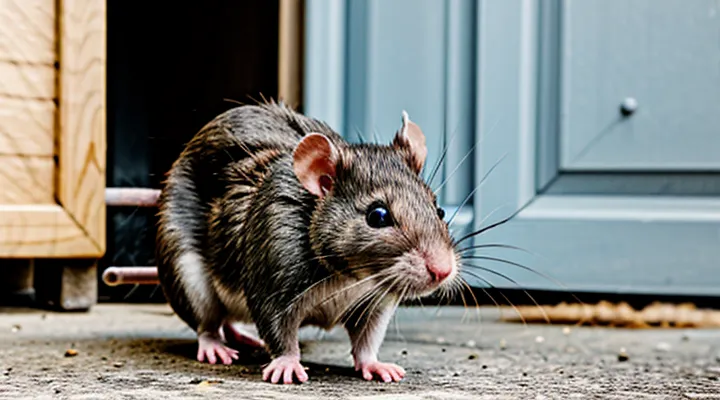
Understanding «Rodent Control»
The Broad Scope of «Pest Control»
Identifying Common Rodent Pests
Effective rodent management begins with accurate identification of the species present. Each pest exhibits distinct physical traits, habitat preferences, and behavioral patterns that influence control strategies.
The most frequently encountered rodents include:
- Norway rat (Rattus norvegicus) – robust body, brown to black fur, blunt snout; favors sewers, basements, and ground‑level burrows.
- Roof rat (Rattus rattus) – slender build, lighter coat, pointed snout; occupies attics, roofs, and elevated vegetation.
- House mouse (Mus musculus) – small size, pinkish ears, fine hair; thrives in interior walls, cabinets, and stored food areas.
- Deer mouse (Peromyscus maniculatus) – larger ears, grayish coat with a tail longer than its body; commonly found in rural structures and stored grain.
- Pack rat (Neotoma spp.) – bushy tail, coarse fur, notorious for collecting debris; inhabits outdoor sheds, barns, and rock piles.
Key identification steps:
- Examine droppings: size, shape, and consistency differ among species.
- Observe gnaw marks: tooth spacing creates characteristic patterns on wood, plastic, and wiring.
- Assess nesting material: shredded paper, insulation, or plant matter indicate specific rodents.
- Track movement: nocturnal activity suggests rats, while daytime sightings often point to mice.
Correct species determination informs the selection of traps, baits, and exclusion techniques, ensuring that control measures address the target pest efficiently.
General Strategies for Rodent Management
Effective rodent mitigation relies on a systematic approach that integrates prevention, reduction, and ongoing monitoring. The terminology commonly applied to this discipline includes “rodent control,” “rat management,” and “pest mitigation,” each describing coordinated actions to limit rodent populations in residential, commercial, or industrial environments.
Key components of a comprehensive program are:
- Inspection: Identify entry points, nesting sites, and activity indicators through visual surveys and tracking methods.
- Sanitation: Eliminate food, water, and shelter sources by securing waste containers, repairing leaks, and maintaining clean surfaces.
- Exclusion: Seal cracks, gaps, and openings in building envelopes using steel wool, caulk, or hardware cloth to prevent ingress.
- Trapping: Deploy snap traps, live‑capture devices, or electronic units in high‑activity zones, positioning them according to rodent behavior patterns.
- Baiting: Apply rodenticides in tamper‑resistant stations following regulatory guidelines, ensuring target specificity and safety for non‑target species.
- Monitoring: Conduct regular inspections, record trap counts, and adjust tactics based on observed efficacy.
Sustained success requires documenting actions, reviewing results quarterly, and adapting measures to evolving conditions. Integration of these strategies minimizes infestation risk, protects health, and preserves structural integrity.
Specific Terminology for Rat Control
«Deratization»: The Scientific Term
Historical Context of «Deratization»
Deratization, the specialized term for systematic rat management, emerged from early urban sanitation efforts. Medieval European towns recorded ordinances mandating the removal of rodent habitats, yet the language remained generic, referring to “pest removal” rather than a distinct discipline.
The 19th‑century public health movement introduced the first formal definition. In 1866, the United Kingdom’s General Board of Health adopted “deratization” to distinguish rat‑specific campaigns from broader pest control. The term spread to the United States during the 1880s, appearing in municipal reports that linked rodent eradication to the prevention of plague and typhus.
Key historical milestones include:
- 1866: Official adoption of “deratization” by British health authorities.
- 1884: Publication of the first American manual using the term, focusing on sanitation and bait deployment.
- 1900‑1910: Integration of chemical rodenticides, prompting revisions of deratization protocols.
- 1940s: World War II logistics emphasized deratization in military supply chains, solidifying the term in strategic planning.
Modern regulatory frameworks retain the original nomenclature. International guidelines, such as those issued by the World Health Organization, categorize deratization as a core component of integrated pest management, reflecting its origins in public‑health legislation.
Applications in Public Health and Sanitation
Rodent management, commonly referred to as rat control, directly influences public‑health outcomes by reducing exposure to pathogens transmitted through urine, feces, and bites. Effective programs limit outbreaks of leptospirosis, hantavirus, and salmonellosis, thereby decreasing morbidity and mortality rates in densely populated areas.
Implementation of rat control within sanitation systems focuses on interrupting the food and shelter sources that sustain rodent populations. Key actions include:
- Securing waste containers with tight‑fitting lids to prevent access.
- Maintaining clean streets and alleys to eliminate debris that serves as nesting material.
- Installing physical barriers such as metal mesh around utility openings and drainage systems.
- Applying targeted baiting and trapping in high‑risk zones, monitored through regular inspection cycles.
- Conducting community education campaigns that emphasize proper waste disposal and habitat reduction.
Integration of these measures into municipal health policies yields measurable improvements in water quality, food‑service safety, and infrastructure longevity. Continuous surveillance, data‑driven risk assessment, and coordinated response teams ensure that rodent management remains a critical component of public‑health and sanitation strategies.
Common Synonyms and Related Phrases
«Rat Extermination»
Rat extermination denotes the systematic removal of rats from residential, commercial, or industrial environments. The process targets infestation sources, eliminates active populations, and prevents re‑entry through environmental management and chemical or mechanical interventions.
Effective rat extermination relies on three core components: identification, elimination, and prevention. Identification involves inspecting structures for signs such as droppings, gnaw marks, and burrows. Elimination employs methods such as:
- Snap traps and electronic traps for immediate capture.
- Bait stations containing anticoagulant rodenticides, placed in concealed locations.
- Rodenticide dusts applied in voids and wall cavities.
- Integrated pest management (IPM) techniques that combine sanitation, exclusion, and population monitoring.
Prevention focuses on exclusion and habitat modification. Key actions include sealing entry points larger than ¼ inch, maintaining waste in sealed containers, removing food sources, and trimming vegetation that provides shelter. Regular inspections and documentation of trap activity support ongoing control efforts.
Regulatory frameworks govern the use of rodenticides, requiring licensed applicators, record‑keeping of product types and locations, and adherence to safety protocols to protect non‑target species and human health. Compliance ensures that rat extermination activities meet legal standards and minimize environmental impact.
«Rodent Eradication»
Rodent eradication refers to the systematic removal of rat populations to protect public health, infrastructure, and food supplies. The term encompasses all strategies designed to eliminate rodents from a defined area, rather than merely reducing their numbers.
Effective eradication programs combine several components:
- Habitat modification: sealing entry points, removing shelter, and limiting access to food sources.
- Chemical control: applying rodenticides according to regulatory guidelines, monitoring dosage, and ensuring safe disposal of residues.
- Mechanical devices: deploying traps, bait stations, and exclusion barriers to capture or kill individuals.
- Biological measures: introducing natural predators or employing fertility control agents where legally permitted.
Implementation follows a structured process:
- Assessment of infestation level and species identification.
- Development of an integrated pest management (IPM) plan tailored to the site’s characteristics.
- Execution of control tactics with documentation of actions and outcomes.
- Post‑eradication monitoring to verify absence of reinfestation and to adjust measures if needed.
Regulatory compliance is mandatory; agencies require record‑keeping, proper labeling, and adherence to environmental safety standards. Failure to meet these obligations can result in penalties and increased risk to non‑target species.
In practice, rodent eradication aims for complete removal rather than temporary suppression, providing lasting protection for human activities and ecosystems.
«Pest Management for Rats»
Effective rat pest management combines prevention, monitoring, and intervention to reduce infestations and protect health and property.
Sanitation removes food and water sources that attract rodents. Proper waste storage, regular cleaning of spills, and sealing of containers eliminate sustenance.
Exclusion blocks entry points. Inspect structures for gaps larger than ¼ inch, install weather‑stripping on doors, and seal cracks with steel wool or cement.
Monitoring detects activity early. Place non‑toxic tracking stations or motion‑activated cameras in suspected zones; record sightings, droppings, or gnaw marks.
Intervention employs multiple tactics:
- Mechanical control: Snap traps, live‑capture cages, and electronic devices deliver immediate removal. Position devices along walls, near runways, and at entry points.
- Chemical control: Anticoagulant baits, when used according to label instructions, provide systemic mortality. Rotate active ingredients to prevent resistance.
- Biological control: Encourage natural predators such as owls and hawks; install perches to attract them.
- Environmental modification: Reduce clutter, trim vegetation away from building foundations, and maintain proper drainage to limit shelter.
Integrated pest management (IPM) coordinates these elements, emphasizing minimal reliance on chemicals and continuous evaluation of results. Record trap counts, bait consumption, and inspection findings to adjust strategies promptly.
Compliance with local regulations ensures safe application of rodenticides and proper disposal of dead rodents. Training personnel in handling equipment and recognizing signs of infestation upholds operational standards.
Overall, a systematic, evidence‑based approach—combining sanitation, exclusion, monitoring, and targeted control measures—constitutes the professional terminology for managing rat populations.
«Integrated Rat Management»
Integrated Rat Management (IRM) is a structured program that combines several control techniques to suppress rat populations while minimizing adverse effects on the environment and non‑target species. The approach relies on data‑driven decisions and coordinated actions rather than isolated interventions.
Key components of IRM include:
- Systematic monitoring to determine species, density, and activity patterns.
- Sanitation measures that remove food, water, and shelter sources.
- Physical barriers such as sealing entry points and installing guards.
- Mechanical devices, for example traps and snap mechanisms, positioned based on monitoring data.
- Targeted chemical applications that follow strict dosage and placement guidelines.
- Biological agents, when appropriate, to reduce reproductive capacity.
- Continuous evaluation to adjust tactics according to observed outcomes.
Implementation follows a cyclic process: initial assessment establishes baseline conditions; a control plan integrates the selected components; execution applies the plan on the ground; and post‑action review measures effectiveness and informs subsequent cycles. Documentation at each stage ensures traceability and accountability.
Benefits of IRM are measurable reductions in rat numbers, decreased reliance on broad‑spectrum rodenticides, lower risk of resistance development, and cost savings derived from optimized resource allocation. The coordinated nature of the program also supports compliance with regulatory standards and public health objectives.
Methods and Approaches in Rat Control
Non-Lethal Rat Control Techniques
Exclusion and Proofing
Exclusion and proofing constitute the primary preventive strategy for rodent management. The approach focuses on denying rats access to structures and food sources through physical barriers and structural modifications.
Key components include:
- Sealing entry points: Install steel wool, metal flashing, or cement around gaps around pipes, vents, and foundation cracks.
- Reinforcing doors and windows: Fit tight-fitting sweeps and screens to prevent ingress.
- Protecting utilities: Wrap conduit and conduit openings with metal mesh to block nesting.
- Managing waste: Use sealed containers and locate dumpsters away from building perimeters.
- Landscaping control: Trim vegetation that contacts walls, and eliminate debris that can serve as shelter.
Effective implementation requires a systematic inspection, identification of all potential ingress routes, and the application of durable materials that resist chewing. Regular maintenance checks ensure that newly formed gaps are promptly repaired, sustaining long‑term protection against rat infestations.
Habitat Modification and Sanitation
Effective rat management relies heavily on altering the environment and maintaining cleanliness. By reducing shelter, food, and water sources, populations decline without the need for chemical interventions.
Key practices include:
- Removing clutter, debris, and overgrown vegetation that provide nesting sites.
- Sealing cracks, gaps, and openings in building foundations, walls, and roofs.
- Storing food in airtight containers and promptly cleaning spills in kitchens and storage areas.
- Ensuring garbage is contained in sealed bins and emptied regularly.
- Repairing leaky pipes, eliminating standing water, and maintaining proper drainage.
Implementing these measures creates conditions unfavorable to rodents, directly supporting the overarching strategy for rat control.
Repellents and Deterrents
Effective rat control is commonly referred to as rodent management. The discipline encompasses preventive measures, population reduction, and habitat modification. Central to preventive strategies are repellents and deterrents, which aim to discourage rodent activity without lethal intervention.
Repellents function by presenting sensory cues that rats find aversive. Primary categories include:
- Chemical repellents: formulations containing bittering agents, capsaicin, or ammonia; applied to surfaces or incorporated into bait stations.
- Ultrasonic devices: emit high‑frequency sound waves beyond human hearing; claim to cause discomfort and disorientation.
- Rodent‑specific scents: predator urine or synthetic ferret odor; exploit innate fear responses.
Deterrents focus on altering the environment to eliminate access and shelter. Key methods consist of:
- Physical barriers: metal mesh, steel wool, or concrete sealants installed around entry points.
- Trapping zones: strategically placed snap or live traps combined with monitoring logs to track activity.
- Sanitation protocols: regular removal of food waste, secure storage of grain, and elimination of standing water to reduce attractants.
Selection of a particular repellent or deterrent depends on factors such as infestation level, exposure area, and regulatory compliance. Integrated approaches that combine chemical, acoustic, and physical elements typically achieve higher success rates than isolated tactics. Ongoing assessment of rodent signs—droppings, gnaw marks, and burrows—guides adjustments to the management plan and ensures sustained effectiveness.
Lethal Rat Control Techniques
Trapping Methods
Effective rat management relies on well‑chosen trapping techniques. Live traps capture rodents without killing, allowing relocation or humane euthanasia. Snap traps deliver rapid lethal force, reducing population quickly when placed along established runways. Glue boards immobilize rats, but require frequent inspection to prevent prolonged suffering. Electronic traps administer a high‑voltage shock, offering clean disposal and minimal risk of non‑target capture.
Key considerations for each method include placement, bait selection, and trap density. Position traps near walls, behind objects, and in dark corners where rats travel. Peanut butter, dried fruit, or meat scraps serve as universally attractive baits. Deploy at least one trap per 10‑15 square feet in an infested area to maximize contact rates.
Maintenance practices enhance efficacy. Check traps daily, reset or replace as needed, and record capture locations to identify activity hotspots. Dispose of dead rodents according to local health regulations, and sanitize traps to prevent disease transmission. Combining multiple trap types and rotating bait reduces trap shyness and sustains pressure on the rat population.
Baits and Rodenticides
The terminology most often applied to the systematic reduction of rat populations is “rat control.” Within this framework, baits and rodenticides constitute the primary means of direct intervention.
Baits consist of a palatable matrix that delivers an active toxicant to the target animal. Formulations are engineered to attract rats while minimizing aversion. The matrix may be grain‑based, waxy, or gelatinous, depending on the species’ feeding preferences and the environment where deployment occurs.
Rodenticides fall into two principal categories:
- Anticoagulant agents (first‑generation: warfarin, diphacinone; second‑generation: brodifacoum, bromadiolone) disrupt blood clotting, leading to fatal hemorrhage after a single or multiple feedings.
- Non‑anticoagulant agents (e.g., zinc phosphide, bromethalin, cholecalciferol) act through metabolic disruption, neurotoxicity, or hypercalcemia, often requiring a single lethal dose.
Effective application demands precise placement of bait stations in concealed, rat‑active zones, adherence to manufacturer‑specified loading rates, and regular monitoring to assess consumption and replace depleted units. Bait stations should be tamper‑resistant to restrict access by non‑target species.
Safety protocols require personal protective equipment, including gloves and eye protection, during handling and placement. Non‑target exposure is mitigated by using sealed stations, selecting low‑toxicity formulations where appropriate, and conducting post‑application site inspections.
Regulatory compliance involves registering the rodenticide product, labeling according to jurisdictional standards, and following prescribed disposal procedures for unused bait and contaminated materials. Documentation of usage, including dates, locations, and quantities, supports audit trails and informs future pest‑management strategies.
The Importance of Professional Rat Control
When to Call an Expert
Signs of Infestation
Rats leave distinct evidence that indicates a developing problem. Early detection prevents extensive damage and reduces health risks.
- Dark, pellet‑shaped droppings, typically ¼‑inch long, found along walls, behind appliances, or in pantry corners.
- Gnaw marks on wood, plastic, wiring, or packaging; teeth leave clean, crescent‑shaped cuts.
- Grease‑darkened pathways, often near food sources, showing repeated traffic.
- Small, shallow burrows in insulation, stored grain, or soil under foundations.
- Scratching or scurrying noises in ceilings, attics, or crawl spaces, especially at night.
- Strong, musky odor emanating from urine accumulation or decaying carcasses.
- Visible sightings of live rats, especially during dusk or early morning.
- Stained or chewed food containers, indicating contamination.
Each indicator warrants immediate assessment and implementation of a targeted rodent management plan. Prompt action curtails population growth and safeguards property integrity.
Risks Associated with DIY Control
DIY rat mitigation carries measurable hazards that can compromise health, safety, and effectiveness. Improper chemical handling may cause acute poisoning through inhalation, skin contact, or accidental ingestion. Many rodenticides require precise dosing; excess application increases toxicity risk for humans, pets, and wildlife. Inadequate protective equipment amplifies exposure potential.
Incorrect placement of traps or baits often leads to non‑target injuries. Small mammals, birds, or domestic animals may encounter devices, resulting in unintended mortality and possible legal liability. Traps set without secure anchoring can become projectile hazards, especially in high‑traffic areas.
Regulatory non‑compliance presents financial and legal consequences. Certain rodenticides are restricted to licensed applicators; unauthorized use can trigger fines, product seizure, or criminal charges. Documentation requirements for pesticide application may be overlooked, exposing property owners to enforcement actions.
Effectiveness suffers when methods lack professional assessment. Hidden infestations remain untreated, allowing populations to rebound. Partial baiting can foster bait aversion, reducing future control success. Failure to address structural entry points permits re‑infestation despite ongoing treatment.
Additional risks include fire and electrical hazards. Bait stations placed near heat sources or exposed wiring may ignite, while snap traps near live circuits can cause short‑circuits. Improper disposal of dead rodents creates biohazard exposure and attracts secondary pests.
- Chemical toxicity to humans and pets
- Harm to non‑target wildlife
- Legal penalties for unlicensed pesticide use
- Ineffective eradication and population resurgence
- Structural damage from misused traps
- Fire, electrical, and biohazard dangers
Recognizing these risks underscores the necessity of professional evaluation before undertaking rat control initiatives.
What Professionals Do
Inspection and Assessment
Inspection and assessment constitute the foundational process for defining the appropriate term used to describe systematic rat management. Professionals begin with a site survey that identifies signs of infestation, evaluates structural vulnerabilities, and records environmental conditions that support rodent activity.
Key elements of the assessment include:
- Identification of gnaw marks, droppings, and burrows.
- Measurement of population density through trap catch data.
- Analysis of food and water sources accessible to rodents.
- Evaluation of sanitation practices and waste handling.
- Review of building materials for gaps or openings that facilitate entry.
Data gathered during the survey inform the classification of the control strategy, distinguishing between emergency extermination, ongoing monitoring, and integrated pest management programs. The resulting terminology reflects the scope of action—whether it is a “rodent abatement operation,” a “rat mitigation plan,” or a “pest control protocol.” Accurate labeling ensures regulatory compliance, aligns service contracts, and guides resource allocation for effective implementation.
Customized Treatment Plans
Rodent management professionals refer to the systematic approach for eliminating rats as “integrated rodent control” or “rat abatement.” The methodology combines preventive measures, population reduction, and ongoing monitoring to achieve lasting results.
Customized treatment plans enhance integrated rodent control by tailoring each component to the specific conditions of a property. Effective plans address:
- Site inspection to identify entry points, food sources, and nesting locations.
- Species identification to select appropriate control agents.
- Habitat modification, including sanitation improvements and structural repairs.
- Targeted baiting or trapping based on infestation severity and local regulations.
- Post‑treatment monitoring to verify efficacy and prevent recurrence.
By aligning inspection data with local regulations and the biology of the target species, customized plans minimize non‑target impacts and reduce the need for repeated interventions. The result is a focused, efficient, and sustainable solution for rat problems.
Prevention Strategies
Effective rat mitigation relies on proactive prevention. The overarching discipline is commonly identified as rodent management, encompassing all measures designed to deter infestation before it occurs.
Key prevention strategies include:
- Environmental sanitation: Eliminate food sources by storing waste in sealed containers, promptly cleaning spills, and removing debris that can serve as shelter.
- Structural exclusion: Seal gaps larger than ¼ inch in walls, foundations, and utility openings using steel wool, cement, or metal flashing to block entry points.
- Vegetation control: Trim trees, shrubs, and groundcover away from building exteriors to reduce pathways that rats use to reach roofs and eaves.
- Moisture management: Repair leaks, maintain proper drainage, and avoid standing water, which attracts rodents seeking hydration.
- Regular inspections: Conduct systematic surveys of potential harborage sites, focusing on crawl spaces, attics, and basements, and document findings for timely intervention.
Implementing these actions creates an inhospitable environment, reduces population pressure, and minimizes the need for reactive extermination. Continuous monitoring and adherence to the outlined measures sustain long‑term effectiveness in rodent management programs.
Legal and Ethical Considerations
Regulations on Rodenticide Use
Regulatory oversight of rodenticide application ensures public health, environmental safety, and worker protection. In the United States, the Environmental Protection Agency (EPA) administers the Federal Insecticide, Fungicide, and Rodenticide Act (FIFRA), which requires registration of all rodenticidal products, verification of efficacy, and evaluation of toxicological data. State agencies enforce additional restrictions, often mandating licensing for commercial applicators and specifying permissible use sites.
Key compliance elements include:
- Product registration – EPA approval before market entry; periodic renewal based on new safety data.
- Label adherence – Mandatory instructions for dosage, target species, application method, and personal protective equipment (PPE).
- Application limits – Prohibited use in food‑handling areas, schools, and residential indoor settings unless expressly authorized.
- PPE requirements – Specified gloves, respirators, and eye protection for handlers; training documentation required.
- Recordkeeping – Detailed logs of product name, batch number, quantity used, location, and date; retention period of at least two years.
- Disposal protocols – Approved methods for unused product, containers, and contaminated soil; prohibited dumping in waterways.
Enforcement actions range from warnings to civil penalties exceeding $10,000 per violation. Agencies conduct inspections, review records, and may require corrective measures such as product recall or remediation of contaminated sites.
Integrating non‑chemical strategies—habitat modification, sanitation, and exclusion—reduces reliance on toxic agents and aligns with Integrated Pest Management (IPM) principles. Compliance with regulatory frameworks and adoption of IPM collectively minimize risks while achieving effective rodent control.
Humane Trapping Practices
Humane trapping is a cornerstone of effective rodent management, offering a non‑lethal alternative to conventional extermination. Live‑capture devices, such as multi‑catch cages and single‑catch snap‑free traps equipped with trigger mechanisms that avoid injury, enable removal of rats without causing suffering. Proper deployment follows a systematic approach:
- Select traps sized for target species; larger rodents require spacious cages to prevent stress.
- Bait with high‑protein attractants (e.g., peanut butter, dried fruit) placed near the trigger to ensure prompt entry.
- Position traps along established runways, near walls, in dark corners, and close to food sources.
- Check traps at least twice daily to limit confinement time and reduce dehydration or injury.
- Release captured rats at least five miles from the property, preferably in a suitable habitat where they can find shelter and food.
Maintenance of humane traps includes regular cleaning to eliminate odor buildup, inspection of spring tension, and replacement of worn components. Documentation of capture dates, locations, and numbers supports ongoing monitoring and informs adjustments to placement density. Compliance with local wildlife regulations ensures that live release does not violate protected‑species statutes.
Integrating humane trapping with complementary measures—sanitation, exclusion of entry points, and habitat modification—produces sustainable control outcomes. By prioritizing animal welfare while achieving population reduction, practitioners align with ethical standards and public health objectives.