
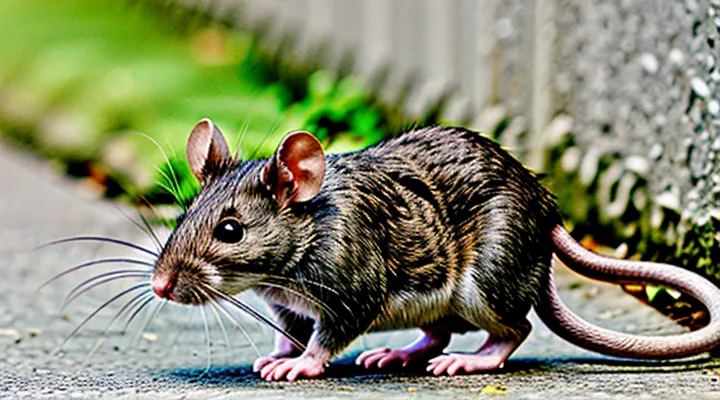
General Terms for Rodent Management
«Pest Control»
Pest control refers to the systematic management of organisms that threaten human health, property, or the environment. When the target organisms are rats and mice, the industry standard term is rodent control or vermin management. Both expressions identify the specific focus on these two rodent species.
Rodent control employs a range of tactics designed to reduce populations, prevent infestations, and mitigate damage. Effective programs integrate several components:
- Exclusion – sealing entry points, installing door sweeps, and repairing structural defects.
- Sanitation – removing food sources, managing waste, and maintaining cleanliness.
- Population reduction – deploying traps, bait stations, and, where legally permitted, rodenticides.
- Monitoring – placing detection devices, tracking activity, and adjusting measures based on data.
Professional pest‑control operators follow regulatory guidelines that dictate permissible chemicals, licensing requirements, and safety protocols. Compliance ensures that rodent control actions protect occupants while minimizing environmental impact.
«Extermination»
Extermination refers to the systematic removal of rats and mice through lethal means. Professionals employ chemical agents, traps, and bait stations to achieve rapid population decline. The process follows regulatory guidelines to ensure safety for occupants and non‑target species.
Key components of rodent extermination include:
- Rodenticides: Formulated poisons applied in secured locations, calibrated to target specific species while minimizing exposure risks.
- Mechanical traps: Snap, glue, and electronic devices that deliver instant kill, suitable for indoor and outdoor settings.
- Bait stations: Enclosed units that dispense poison, preventing tampering and reducing accidental contact.
Effective extermination programs integrate inspection, identification, and follow‑up monitoring. Inspectors assess infestation levels, select appropriate control methods, and verify eradication through repeated checks. Documentation of actions supports compliance with health codes and pest‑management standards.
«Rodent Abatement»
Rodent abatement refers to the systematic process of reducing or eliminating rat and mouse populations in residential, commercial, or industrial environments. The practice combines inspection, identification of infestation sources, and targeted interventions designed to prevent damage to property, health hazards, and structural compromise.
Effective abatement employs a range of techniques, each selected based on the severity of the problem and the specific setting:
- Exclusion – sealing entry points, repairing cracks, and installing barriers to block access.
- Sanitation – removing food residues, waste, and water sources that attract rodents.
- Trapping – deploying snap, live‑capture, or electronic traps in strategic locations.
- Baiting – applying anticoagulant or non‑anticoagulant rodenticides according to regulatory guidelines.
- Monitoring – placing detection devices and conducting regular inspections to assess control efficacy.
Compliance with local health codes and environmental regulations governs the selection and application of control measures. Certified pest‑management professionals must follow label instructions, maintain records of pesticide use, and ensure that non‑target species are protected. Proper documentation supports accountability and facilitates ongoing evaluation of abatement outcomes.
Specific Approaches to Rat and Mouse Control
«Integrated Pest Management» (IPM)
Integrated Pest Management (IPM) is a systematic approach that combines biological, cultural, physical, and chemical tactics to suppress rodent populations to acceptable levels while minimizing risks to human health and the environment. The method begins with rigorous monitoring, using traps, visual inspections, and tracking devices to establish baseline activity and identify species involved.
Key elements of an IPM program for rats and mice include:
- Accurate identification of the target species and assessment of habitat conditions that support infestations.
- Exclusion measures such as sealing entry points, installing door sweeps, and maintaining proper sanitation to reduce food and shelter availability.
- Mechanical controls like snap traps, live‑catch traps, and electronic devices placed strategically based on monitoring data.
- Chemical interventions applied only when non‑chemical methods fail to achieve control thresholds, using rodenticides in bait stations that meet regulatory safety standards.
- Evaluation and documentation of control actions, population trends, and environmental impact to refine future strategies.
IPM emphasizes prevention over reaction, requiring ongoing surveillance and prompt remediation of new entry points. By integrating multiple control tactics, the approach reduces reliance on toxic chemicals, limits resistance development, and aligns with regulatory compliance for pest management in residential, commercial, and industrial settings.
«Prevention Strategies»
Effective rodent management relies on preventing infestations before they develop. Prevention reduces reliance on chemical treatments, minimizes health risks, and limits property damage.
Key preventive measures include:
- Exclusion: Seal cracks, gaps, and openings larger than ¼ inch; install door sweeps and vent covers; repair damaged screens.
- Sanitation: Store food in airtight containers; remove spillage promptly; keep trash in sealed bins; eliminate standing water.
- Habitat modification: Trim vegetation away from building foundations; store firewood elevated and away from walls; maintain clear gutters and downspouts.
- Structural maintenance: Repair leaky pipes; inspect roof and attic for entry points; ensure proper ventilation to discourage nesting.
- Monitoring: Place snap traps or electronic detectors in high‑risk zones; conduct regular inspections to identify early signs of activity.
Implementing these actions creates an environment hostile to rats and mice, establishing long‑term control without resorting to reactive measures.
«Monitoring Techniques»
Effective rodent management relies on systematic observation to detect activity, assess population size, and evaluate control measures. Monitoring techniques provide the data needed to make informed decisions and to verify the success of interventions.
Visual inspection remains the simplest method. Inspectors examine walls, ceilings, and stored goods for droppings, gnaw marks, and burrows. Evidence is recorded and compared over time to identify trends.
Tracking devices capture movement without direct sight. Common formats include:
- Tracking boards coated with a thin layer of flour or powdered charcoal; footprints reveal species, direction, and activity level.
- Sticky traps placed along travel routes; captured rodents indicate presence and allow species identification.
- Ink pads positioned near potential entry points; rodents leave identifiable marks when crossing.
Bait station monitoring combines control and data collection. Each station contains a tamper‑proof container with a known amount of bait. Regular checks record consumption rates, which correlate with population pressure.
Electronic solutions offer continuous, remote data acquisition. Infrared motion sensors, ultrasonic detectors, and smart cameras transmit activity logs to centralized software, enabling real‑time alerts and historical analysis.
Environmental sampling complements direct observation. Soil and dust samples are analyzed for rodent DNA or urine markers, providing indirect evidence of occupancy in concealed areas.
All techniques share core practices: consistent placement, standardized recording, and periodic re‑evaluation. Integrating multiple methods yields a comprehensive picture of rodent presence, supporting precise terminology for pest control programs and ensuring that mitigation actions remain effective.
«Control Methods»
Rodent control refers to the systematic management of rats and mice to prevent damage, disease transmission, and contamination. Effective programs combine several techniques that target populations at different life stages and habitats.
- Mechanical devices: snap traps, electronic traps, and live‑catch cages provide immediate reduction of active individuals. Placement near established runways maximizes capture rates.
- Chemical agents: anticoagulant baits and acute toxicants disrupt the reproductive cycle or cause rapid mortality. Proper rotation of active ingredients prevents resistance development.
- Environmental modification: sealing entry points, removing food sources, and maintaining dry, clutter‑free conditions eliminate shelter and attractants. Routine inspections identify new breaches.
- Biological controls: predatory birds, feral cats, and certain nematodes introduce natural mortality factors. Application requires compliance with wildlife regulations.
- Integrated pest management (IPM): combines monitoring, threshold setting, and the selective use of the above methods. Data‑driven decisions ensure cost‑effectiveness and minimize non‑target impacts.
Monitoring tools such as motion‑activated cameras and bait stations track activity trends, allowing timely adjustments. Documentation of actions, observations, and outcomes supports regulatory compliance and continuous improvement.
«Deratization»
Deratization refers to the systematic elimination or control of rats and mice within a defined area. The process combines preventive measures, habitat modification, and the application of lethal or non‑lethal agents to reduce rodent populations to acceptable levels.
Effective deratization reduces health hazards, protects food supplies, and prevents structural damage caused by gnawing. By targeting breeding sites and food sources, the approach lowers the likelihood of infestation recurrence.
Common techniques include:
- Trapping (snap, live‑catch, and electronic devices) positioned along established runways.
- Baiting with anticoagulant or non‑anticoagulant rodenticides, deployed in tamper‑resistant stations.
- Environmental sanitation, such as sealing entry points, removing debris, and maintaining proper waste management.
- Biological control, employing predators or parasites in limited, regulated scenarios.
- Integrated pest management (IPM) programs that coordinate monitoring, assessment, and corrective actions.
Regulatory frameworks often require licensed professionals to handle rodenticides, maintain records of application, and adhere to safety standards that protect non‑target species and humans. Compliance with local health codes and environmental statutes ensures that deratization activities do not compromise public safety.
In practice, successful rodent control hinges on accurate identification of species, thorough site inspection, and the selection of appropriate methods aligned with legal requirements and the specific infestation context.
«De-Mousing»
De‑Mousing designates professional services and products aimed at eliminating rats and mice from residential, commercial, or industrial environments. The term encompasses inspection, identification of infestation levels, implementation of control measures, and ongoing monitoring to prevent recurrence.
Key components of De‑Mousing programs include:
- Inspection – systematic assessment of entry points, nesting sites, and activity indicators.
- Exclusion – sealing gaps, installing barriers, and modifying structures to block access.
- Population reduction – deployment of traps, bait stations, or rodenticides in accordance with safety regulations.
- Sanitation – removal of food sources, waste management, and environmental hygiene improvements.
- Monitoring – periodic checks, data logging, and adjustment of tactics based on observed outcomes.
Regulatory frameworks, such as the EPA’s Rodenticide Registration Program and local health codes, dictate permissible substances, labeling requirements, and record‑keeping obligations. Certified practitioners must demonstrate competence in species identification, toxicology, and integrated pest management principles.
Industry terminology distinguishes De‑Mousing from broader pest control by focusing exclusively on rodent species, emphasizing preventive engineering alongside lethal methods. Adoption of integrated approaches reduces reliance on chemicals, limits resistance development, and aligns with public‑health objectives.
Key Concepts in Rodent Control
«Population Management»
The appropriate designation for managing rats and mice falls under the broader concept of population management. This approach focuses on reducing rodent numbers to acceptable levels while minimizing ecological impact.
Population management employs a combination of techniques:
- Habitat modification to eliminate food, water, and shelter sources.
- Mechanical exclusion using barriers, screens, and sealants.
- Trapping systems calibrated for target species and density thresholds.
- Chemical interventions applied according to integrated pest management (IPM) guidelines.
- Biological control agents where feasible, such as predatory mammals or avian species.
Effective implementation requires continuous monitoring of rodent activity, data‑driven adjustment of control measures, and compliance with regulatory standards for pesticide use. The objective remains a stable, low‑risk rodent population that does not compromise public health, property integrity, or environmental quality.
«Sanitation Practices»
Effective rodent management relies on strict sanitation. Eliminating food, water, and shelter sources deprives rats and mice of the conditions needed to thrive, thereby reducing infestation pressure.
Key sanitation practices include:
- Prompt removal of food waste; store all consumables in sealed containers.
- Regular cleaning of floors, countertops, and equipment to eliminate crumbs and residues.
- Immediate disposal of garbage in tightly capped bins; empty bins frequently.
- Repair of leaky pipes and fixtures to eliminate standing water.
- Maintenance of building exterior; trim vegetation, clear debris, and seal entry points around foundations, doors, and windows.
- Routine inspection of storage areas; rotate stock and discard expired items.
- Use of metal or concrete flooring in high‑risk zones to prevent gnawing damage.
Consistent application of these measures limits rodent access, lowers population growth, and enhances the efficacy of broader control programs.
«Exclusion Methods»
Exclusion methods focus on preventing rats and mice from entering buildings or accessing food sources. The approach relies on sealing pathways, reinforcing structures, and installing physical barriers that deny rodents the opportunity to establish a presence.
Common exclusion techniques include:
- Installing steel‑wool or copper mesh around utility penetrations, vents, and pipe openings.
- Fitting door sweeps and weatherstripping on exterior doors to eliminate gaps.
- Applying concrete or metal flashing around foundation cracks and crawl‑space entries.
- Using rodent‑proof containers for waste, feed, and storage, equipped with tight‑fitting lids.
- Conducting regular inspections to identify and repair compromised screens, soffits, and attic vents.
Implementation follows a systematic process: assess the property for potential entry points, prioritize high‑risk locations, apply the appropriate barrier material, and verify the integrity of each installation. Documentation of repairs supports ongoing maintenance and provides a reference for future audits.
Exclusion reduces reliance on lethal controls, minimizes health hazards associated with rodent infestations, and complies with many regulatory standards for sanitary conditions. Limitations arise when barriers are improperly installed, damaged by weather, or circumvented by persistent species; regular monitoring mitigates these risks. Integrating exclusion with sanitation and monitoring creates a comprehensive rodent management program.
«Baiting and Trapping»
Baiting and trapping constitute the primary approach for managing rat and mouse infestations. The technique involves placing toxic or non‑toxic attractants (baits) and mechanical devices (traps) to reduce population levels quickly and with minimal disruption to the surrounding environment.
Effective baiting requires selection of a product that matches the target species’ feeding habits, resistance patterns, and local regulatory limits. Common formulations include anticoagulant pellets for rats and grain‑based blocks for mice. Placement strategies focus on active runways, near food sources, and concealed locations to maximize contact while limiting exposure to non‑target organisms.
Trapping complements baiting by providing immediate removal of individuals. Mechanical traps fall into three categories:
- Snap traps: single‑use devices delivering rapid fatal injury.
- Live‑capture traps: reusable cages that allow relocation or humane euthanasia.
- Electronic traps: battery‑powered units delivering instantaneous shock.
Proper deployment of traps follows these guidelines: position perpendicular to walls, set at a height consistent with the species’ movement, and inspect daily to maintain efficacy and prevent bait spoilage.
Integration of baiting and trapping within an integrated pest management (IPM) framework ensures sustained control. Monitoring, sanitation, and exclusion measures reduce reinfestation risk, while regular evaluation of bait and trap performance guides adjustments to dosage, placement, and device selection.
The Professionals of Rodent Control
«Pest Control Operators» (PCOs)
Pest Control Operators (PCOs) are the professional designation applied to individuals or firms that specialize in the management of rodent infestations, including rats and mice. The label distinguishes licensed practitioners from general contractors, indicating compliance with state‑mandated training, certification, and continuing‑education requirements.
PCOs are responsible for several core functions:
- Conducting site inspections to identify entry points, harborage areas, and population levels.
- Developing integrated pest‑management (IPM) plans that combine sanitation, exclusion, and chemical or mechanical controls.
- Applying rodenticides, traps, and bait stations in accordance with federal and local regulations.
- Monitoring treatment efficacy and adjusting strategies based on follow‑up data.
- Maintaining records of pesticide usage, safety procedures, and client communications.
Regulatory frameworks typically require PCOs to obtain a pest‑control license, pass an exam covering rodent biology, toxicology, and safety protocols, and renew the credential annually. Many jurisdictions also mandate background checks and liability insurance to protect clients and the public.
The term used for rat and mouse mitigation is often classified under “rodent control,” a subset of broader pest‑management services. PCOs provide the expertise needed to implement this classification effectively, ensuring that control measures meet legal standards and achieve sustainable results.
«Exterminators»
Exterminators are the professional designation for individuals and companies that specialize in the control and eradication of rats and mice. Their work encompasses inspection, identification of infestation levels, implementation of control measures, and ongoing monitoring to prevent recurrence.
Key responsibilities include:
- Conducting thorough site assessments to locate entry points, nesting sites, and food sources.
- Selecting appropriate control methods, such as traps, baits, and exclusion techniques, based on species behavior and environmental considerations.
- Applying licensed rodenticides in compliance with health and safety regulations.
- Documenting actions taken and providing clients with recommendations for sanitation and structural modifications.
Qualifications typically required for exterminators involve certification from recognized pest‑management authorities, completion of training programs covering rodent biology, toxicology, and integrated pest‑management (IPM) principles. Many jurisdictions mandate a valid pest‑control license and adherence to strict record‑keeping standards.
Effective rat and mouse control relies on a systematic approach that integrates immediate removal with preventive strategies. Exterminators achieve this by combining scientific knowledge of rodent habits with practical interventions, ensuring both short‑term eradication and long‑term protection for residential, commercial, and industrial settings.