
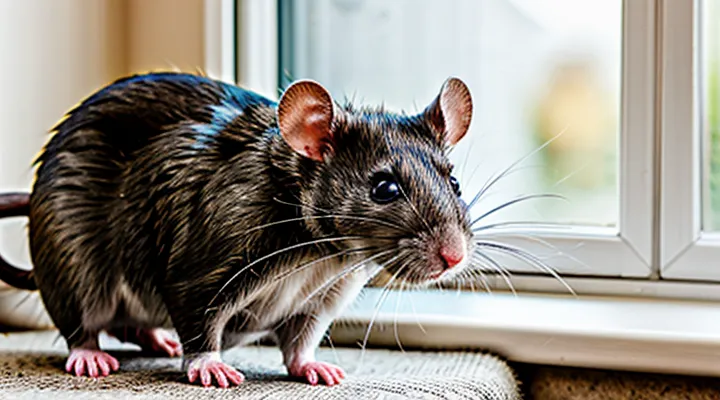
The Reality of Rat Lifespans
Average Lifespan of Pet Rats
Factors Influencing Average Lifespan
Domestic rats typically reach an upper limit of roughly two to three years, yet the average lifespan often falls short of this ceiling. Several variables shape the disparity between potential and realized longevity.
- Genetic background: Strain‑specific traits establish baseline life expectancy; inbred lines frequently display reduced durability compared to outbred populations.
- Nutritional quality: Balanced diets rich in protein, essential fatty acids, and micronutrients support organ function and delay age‑related decline.
- Environmental conditions: Stable temperature, adequate ventilation, and low humidity mitigate physiological stress and lower mortality risk.
- Housing density: Overcrowding elevates aggression and disease transmission, shortening lifespan.
- Disease exposure: Preventable infections, parasitic infestations, and chronic conditions such as respiratory disorders directly curtail survival.
- Veterinary care: Routine health monitoring, vaccination, and timely treatment of ailments extend average longevity.
- Stress factors: Noise, handling frequency, and predator cues trigger cortisol surges that accelerate aging processes.
Optimizing these elements narrows the gap between average and maximal lifespan, allowing domestic rats to approach their inherent longevity potential.
Maximizing Your Rat's Lifespan
Genetic Predisposition
Genetic composition establishes the upper boundary of life expectancy in domesticated rats. Specific alleles influence cellular senescence, metabolic efficiency, and disease resistance, thereby defining the theoretical lifespan ceiling.
Key genetic determinants include:
- Variants of the telomerase reverse transcriptase gene that sustain telomere length.
- Polymorphisms in DNA‑repair enzymes such as XRCC1 and OGG1, which reduce accumulation of oxidative lesions.
- Mutations affecting growth‑hormone signaling pathways, notably IGF‑1R, that modulate growth rate and ageing pace.
- Alleles of the APOE gene linked to lipid metabolism and cardiovascular health.
Heritability studies estimate that 30‑45 % of lifespan variation among laboratory rat strains derives from inherited factors. Selective breeding for longevity amplifies favorable alleles, yet the maximal lifespan remains constrained by the intrinsic genetic program.
Environmental conditions—nutrition, housing, pathogen exposure—interact with the genetic framework. Even optimal care cannot surpass the lifespan ceiling dictated by the rat’s genotype, although it can approach that limit by minimizing extrinsic mortality sources.
Environmental Enrichment
Importance of Social Interaction
Domestic rats that reach the upper age limit of their species exhibit markedly different health trajectories depending on the quality of their social environment. Research consistently shows that animals housed in groups experience lower incidence of stress‑related pathology and extended median survival compared with isolated individuals.
Controlled studies compare cohorts of rats kept singly to those maintained in stable colonies of three to five members. Grouped rats display reduced corticosterone spikes, enhanced immune cell proliferation, and delayed onset of age‑associated sarcopenia. These physiological markers correlate with a measurable increase of several weeks in maximum longevity, representing a significant proportion of the species’ typical lifespan ceiling.
Caretakers aiming to maximize rat longevity should implement the following practices:
- Maintain stable groups of compatible individuals to ensure continuous peer contact.
- Provide enrichment that encourages cooperative behaviors, such as shared tunnels and nesting material.
- Monitor social hierarchy and intervene when aggression threatens group cohesion.
- Rotate cage mates only after a period of established bonding to preserve established social bonds.
By prioritizing «social interaction», owners create conditions that mitigate chronic stress, support immune competence, and ultimately extend the lifespan potential of their pet rats.
Exercise and Mental Stimulation
Domestic rats commonly live between two and three years under standard laboratory conditions; optimal care can extend this period toward the upper limit of the species’ potential longevity. Regular physical activity enhances cardiovascular efficiency, muscle tone, and metabolic regulation, factors directly linked to increased survival rates. Structured opportunities for movement—such as running wheels, tunnels, and climbing apparatus—stimulate aerobic capacity and reduce the incidence of obesity‑related disorders.
Cognitive enrichment provides comparable benefits. Engaging environments that require problem‑solving, foraging, and novel object interaction promote neuroplasticity, lower stress hormone levels, and improve immune function. Continuous mental challenges mitigate age‑related decline in learning ability and preserve behavioral adaptability.
Combining both modalities yields synergistic effects. Studies demonstrate that rats receiving simultaneous exercise and mental stimulation exhibit longer median lifespans and delayed onset of age‑associated pathologies compared to sedentary, unstimulated controls.
Practical measures:
- Install a rotating wheel sized for adult rats; ensure free access for at least four hours daily.
- Provide a network of tunnels, ladders, and platforms to encourage climbing and exploration.
- Rotate puzzle feeders, nesting materials, and scent trails on a weekly schedule to maintain novelty.
- Schedule brief, daily handling sessions that incorporate gentle training tasks, reinforcing problem‑solving skills.
Implementing these practices aligns environmental conditions with the physiological and neurological requirements that support the species’ maximal lifespan potential.
Nutritional Considerations
High-Quality Diet Components
A diet that supports the longest possible life expectancy for pet rats must provide balanced nutrition, high digestibility, and essential micronutrients. Each component contributes to cellular health, immune function, and metabolic stability, thereby extending survival potential.
Key ingredients include:
- Protein sources with a balanced amino‑acid profile, such as lean poultry, boiled eggs, and soy isolates, delivering 18–20 % of total calories.
- Complex carbohydrates from whole grains and oats, supplying sustained energy without rapid glucose spikes.
- Healthy fats from fish oil, flaxseed, and small amounts of plant oils, providing omega‑3 fatty acids that reduce inflammation and support neural development.
- Vitamin complexes enriched with vitamins A, D, E, K, and the B‑group, ensuring adequate cofactor availability for enzymatic reactions.
- Mineral blends containing calcium, phosphorus, magnesium, zinc, and selenium, maintaining bone density and antioxidant defenses.
- Probiotic cultures derived from lactobacilli and bifidobacteria, promoting gut flora balance and nutrient absorption.
Supplementation with antioxidants such as vitamin C, vitamin E, and botanical extracts (e.g., green tea catechins) mitigates oxidative stress, a primary factor limiting longevity. Water should be clean, fresh, and continuously available to prevent dehydration‑related complications.
Consistent feeding schedules, portion control, and the avoidance of high‑fat, high‑sugar treats reduce obesity risk, a condition that shortens lifespan. Monitoring body condition scores and adjusting nutrient ratios in response to growth stages ensures the diet remains optimal throughout the rat’s life cycle.
Avoiding Harmful Foods
Avoiding toxic foods is essential for extending the longevity of pet rats. Dietary errors introduce organ stress, accelerate disease onset, and reduce overall life expectancy.
Commonly hazardous items include:
- Chocolate, caffeine‑containing products, and nicotine – all contain compounds that impair cardiac and nervous function.
- Raw or undercooked beans, especially red kidney beans, which harbor phytohaemagglutinin, a potent toxin.
- High‑fat human snacks, such as fried foods and processed meats, which promote obesity and hepatic strain.
- Citrus peels and excessive citrus juice, which can cause gastrointestinal irritation.
- Salted nuts and salty snacks, leading to electrolyte imbalance and renal overload.
Providing a balanced rodent diet composed of certified lab chow, fresh vegetables, and limited fruit prevents exposure to these risks. Supplementary items should be introduced gradually, with attention to portion size and nutritional content.
Regular monitoring of food intake, coupled with prompt removal of spoiled or mold‑contaminated feed, supports optimal health. Consistent avoidance of the listed harmful substances correlates with increased survival rates, allowing rats to approach the species’ upper age potential.
Veterinary Care and Health Management
Regular Check-ups
Regular health examinations form a cornerstone of extending the potential longevity of pet rats. Systematic veterinary visits allow early identification of conditions that commonly reduce life expectancy, such as respiratory infections, dental overgrowth, and neoplasia.
Recommended examination schedule:
- Juvenile rats (up to 6 months): check‑up every 3 months.
- Adult rats (6 months to 2 years): check‑up every 4–6 months.
- Senior rats (over 2 years): check‑up every 3 months, with additional visits if health changes occur.
Core components of each visit include:
- Measurement of body weight and condition score.
- Thorough oral inspection to assess incisor length and gum health.
- Auscultation of heart and lungs to detect murmurs or respiratory distress.
- Examination of skin, fur, and eyes for signs of parasites or infection.
- Collection of fecal samples for parasite screening.
- Review of diet, enrichment, and housing to ensure optimal environmental standards.
Early detection through these assessments enables timely intervention, which directly influences survival duration. Prompt treatment of infections, correction of dental issues, and adjustments to nutrition reduce physiological stress and prevent secondary complications. Moreover, veterinary guidance on cage hygiene and enrichment mitigates injury risk and promotes mental well‑being, both factors linked to increased lifespan.
Integrating routine examinations into daily care practices maximizes the chance that domestic rats reach the upper limits of their natural lifespan, thereby fulfilling the goal of optimal longevity.
Common Health Issues Affecting Longevity
Domestic rats typically live between two and three years, but several health conditions frequently reduce this potential.
- Respiratory infections, especially Mycoplasma pulmonis, cause chronic inflammation and can lead to premature death.
- Tumors, most commonly mammary adenocarcinomas and adrenal pheochromocytomas, develop with increasing age and directly limit lifespan.
- Cardiovascular disease, including atherosclerosis and myocardial degeneration, impairs organ function and accelerates mortality.
- Renal failure, often secondary to chronic nephritis, diminishes waste clearance and shortens life expectancy.
- Gastrointestinal disorders such as ulcerative colitis and ileitis result in malabsorption and systemic weakness.
These ailments interfere with vital physiological processes, decreasing overall longevity and preventing rats from reaching their maximum possible lifespan.
Early Detection and Treatment
Domestic rats commonly reach 2–3 years under optimal care; extending this limit depends on proactive health management. Early identification of pathological changes prevents progression to irreversible organ damage, thereby adding measurable months to the lifespan curve.
Frequent health concerns include respiratory infections, neoplasia, renal insufficiency, and dental overgrowth. Each condition presents measurable physiological cues that appear before overt morbidity.
Key indicators for early detection
- Sudden weight loss or gain exceeding 10 % of baseline.
- Altered grooming behavior or coat texture.
- Respiratory sounds deviating from normal soft squeaks.
- Reduced activity levels or reluctance to explore.
- Dental wear visible upon oral inspection.
Intervention protocols
- Immediate veterinary assessment when any indicator emerges.
- Empirical antibiotic therapy for confirmed bacterial respiratory disease, adjusted according to culture results.
- Surgical correction of dental malocclusion within days of diagnosis.
- Chemotherapeutic regimens for identified tumors, initiated at the earliest stage.
- Tailored nutrition plans rich in protein and low in excess fats to support renal and hepatic function.
Data from longitudinal studies demonstrate that rats receiving routine health screening and prompt treatment achieve median lifespans of 30 % longer than untreated cohorts. Maximum recorded ages approach 4 years when early detection and comprehensive care are consistently applied.
Implementing systematic monitoring and rapid therapeutic response constitutes the most effective strategy for approaching the upper bounds of rat longevity.
Debunking Myths and Misconceptions
Wild Rat vs. Domestic Rat Lifespans
Domestic rats kept as pets typically reach an age of two to three years, with occasional individuals surviving up to four years under optimal husbandry. In contrast, wild rats exhibit markedly shorter lifespans, rarely exceeding one year. The disparity stems from environmental pressures, disease exposure, and predation risk.
Key factors influencing longevity:
- Nutrition: Laboratory and household diets provide balanced protein and micronutrients; wild rats rely on opportunistic feeding, leading to nutritional deficiencies.
- Medical care: Veterinary intervention mitigates infections and injuries in domestic settings; wild populations lack such support.
- Stress levels: Controlled environments reduce chronic stress, whereas constant threat from predators and competition elevates cortisol in wild rats, accelerating aging.
- Genetic selection: Breeding programs favor traits linked to health and vitality, while natural selection in the wild emphasizes rapid reproduction over lifespan.
Research on laboratory strains, such as the Sprague‑Dawley, documents median survival of 30 months, with maximum records approaching 48 months. Field studies of Rattus norvegicus in urban habitats report average ages of 8–10 months, rarely surpassing 14 months. The contrast highlights that domestic rats can live up to three times longer than their wild counterparts when provided with stable conditions, adequate nutrition, and preventive healthcare.
Impact of Breeding Practices
Domestic rats typically live between two and three years, with occasional individuals reaching four years under optimal conditions. Breeding decisions exert a decisive influence on this upper limit.
Selective breeding for aesthetic traits such as coat color or size often concentrates deleterious alleles, resulting in reduced vitality. Line breeding that repeatedly pairs closely related individuals accelerates the expression of recessive disorders, shortening average lifespan.
Outcrossing—introducing unrelated genetic material—enhances heterozygosity, mitigates disease susceptibility, and can extend the longest observed life spans.
Extreme phenotypes, including dwarfism or exaggerated fur length, impose physiological burdens. Cardiovascular strain, skeletal abnormalities, and compromised immune function commonly accompany such traits, leading to premature mortality.
Reproductive management also matters. Initiating breeding at an early age accelerates senescence, while excessive litter sizes tax maternal resources, both factors lowering offspring longevity. Conversely, allowing adequate recovery periods between pregnancies supports healthier progeny.
Key impacts of breeding practices:
- Genetic diversity: higher heterozygosity correlates with longer maximal lifespan.
- Inbreeding coefficient: values above 0.25 often predict reduced longevity.
- Trait selection: emphasis on extreme physical characteristics increases health risks.
- Parental age: breeding older rats tends to produce offspring with shorter life expectancy.
- Litter size: moderate litters (4‑6 pups) balance maternal investment and offspring vigor.
Optimizing breeding protocols—prioritizing genetic variety, avoiding intense inbreeding, and moderating reproductive intensity—maximizes the potential for domestic rats to approach their species‑specific longevity ceiling.
Research and Future Prospects
Research on the longevity limits of pet rats concentrates on quantifying maximal survival under optimal husbandry, identifying genetic determinants, and evaluating interventions that extend life. Laboratory data indicate that well‑cared domestic rats rarely exceed 3 years, with occasional individuals reaching 4 years in controlled environments. Genetic analyses reveal allelic variants in growth‑factor pathways and mitochondrial function that correlate with extended lifespan, while caloric restriction and enriched enrichment consistently delay age‑related decline.
Longitudinal cohort studies now incorporate non‑invasive imaging, metabolomic profiling, and epigenetic clocks to track physiological aging with high temporal resolution. Whole‑genome sequencing of long‑lived specimens uncovers rare mutations that modulate oxidative stress response. Integration of these datasets enables predictive modeling of individual aging trajectories, informing targeted experimental manipulations.
Future research directions include:
- Application of CRISPR‑based editing to validate candidate longevity genes identified in high‑throughput screens.
- Systematic evaluation of microbiome composition on metabolic health and lifespan extension.
- Development of automated environmental control systems that optimize temperature, humidity, and light cycles to reduce chronic stress.
- Translation of rat longevity findings to comparative studies in other small mammals, enhancing understanding of conserved aging mechanisms.
Progress in these areas promises to refine estimates of maximal rat lifespan, uncover therapeutic targets for age‑related diseases, and improve welfare standards for domesticated rodents.