
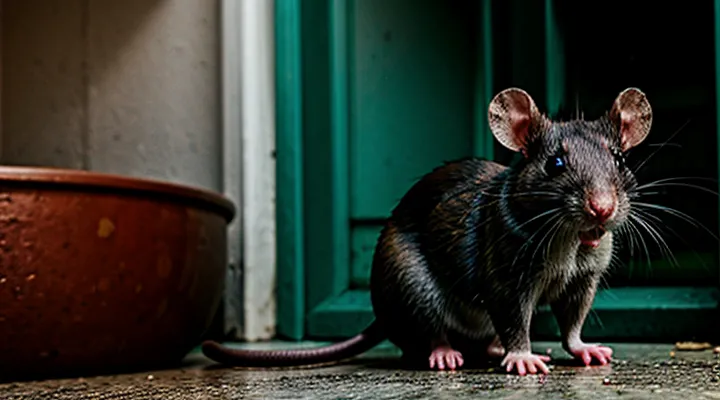
What Is Musophobia?
Clinical Definition
The clinical term for an intense, irrational dread of rats is rat phobia, also referred to as murophobia. It falls under the DSM‑5 category of Specific Phobia, animal type. Diagnostic criteria require:
- Persistent, excessive fear triggered by the presence or anticipation of rats.
- Immediate anxiety response (e.g., rapid heartbeat, sweating, trembling).
- Recognition that the fear is disproportionate to actual danger, or inability to assess risk.
- Active avoidance of rats, rat‑infested environments, or situations where rats might appear.
- Duration of at least six months.
- Significant distress or functional impairment in occupational, social, or other important areas.
Onset typically occurs in childhood or early adolescence, with prevalence estimates ranging from 2 % to 7 % of the general population. Comorbidity with other anxiety disorders, such as generalized anxiety disorder or other specific phobias, is common.
Treatment protocols prioritize exposure‑based psychotherapy, especially systematic desensitization and graded in‑vivo exposure. Cognitive‑behavioral therapy (CBT) augments exposure by restructuring maladaptive beliefs about rats. Pharmacotherapy, primarily selective serotonin reuptake inhibitors (SSRIs) or benzodiazepines, may be employed as adjuncts for severe anxiety or when exposure is initially intolerable.
Prognosis improves markedly with early intervention; remission rates exceed 70 % after a structured exposure program lasting 8–12 weeks. Continuous follow‑up ensures maintenance of gains and addresses potential relapse.
Common Misconceptions
Rat phobia, often labeled muriphobia, describes an intense, irrational dread of rats. The condition is classified under specific phobias in diagnostic manuals and may trigger avoidance, panic, or physiological symptoms upon exposure to rats or related cues.
Common misconceptions about this anxiety disorder include:
- Equating it with a dislike of rodents. Discomfort around rats does not automatically constitute a clinical phobia; a diagnosis requires persistent, disproportionate fear that interferes with daily functioning.
- Assuming it stems solely from disease concerns. While sanitation fears contribute, many sufferers report distress linked to the animal’s appearance, movement, or perceived unpredictability, independent of health risk.
- Believing all rat‑phobic individuals share the same triggers. Triggers vary widely, ranging from visual contact to auditory cues such as squeaking, and even indirect reminders like cartoons or news reports.
- Thinking exposure therapy always cures the fear. Controlled exposure can reduce symptoms for some, but success depends on individualized treatment plans that may incorporate cognitive restructuring, medication, or relaxation techniques.
- Mistaking cultural symbolism for clinical evidence. Historical portrayals of rats as pestilence or omens influence perception, yet they do not define the psychological mechanisms underlying the phobia.
Causes and Triggers
Traumatic Experiences
The aversion to rats is identified as musophobia, a specific phobia characterized by intense anxiety when encountering rodents or thinking about them.
Traumatic encounters often serve as the initial catalyst for this condition. A sudden bite, a surprise infestation, or witnessing a rat in a distressing situation can create a lasting memory that the brain associates with danger. Repeated exposure to similar events amplifies the fear response, converting a brief startle into a persistent phobia.
Typical reactions include rapid heartbeat, sweating, shortness of breath, and an overwhelming urge to flee. Cognitive patterns involve intrusive thoughts about contamination, disease, or loss of control. These symptoms can disrupt daily activities, especially in environments where rodents are likely, such as basements, kitchens, or urban neighborhoods.
Effective interventions focus on reducing the emotional imprint of the original trauma and reshaping the fear circuitry. Common strategies are:
- Gradual exposure to rat‑related cues in a controlled setting
- Cognitive restructuring to challenge catastrophic interpretations
- Relaxation training to manage physiological arousal
- Eye‑movement desensitization and reprocessing for memory reconsolidation
When applied consistently, these methods diminish the intensity of musophobia and restore functional interaction with environments that previously triggered distress.
Learned Behavior
The fear of rats is medically termed musophobia, also referred to as suriphobia or rodentophobia. It is classified among specific phobias because the anxiety response is disproportionate to any actual danger presented by the animal.
Musophobia typically arises through learned behavior rather than innate instinct. Several learning mechanisms contribute:
- Classical conditioning: a painful or frightening encounter with a rat pairs the animal’s presence with an aversive stimulus, creating an automatic fear response.
- Observational learning: children who witness parents or peers reacting with terror to rats often adopt the same reaction without direct experience.
- Cultural transmission: stories, media portrayals, and societal attitudes that depict rats as dirty or dangerous reinforce negative associations.
The acquisition process often follows a sequence: an initial negative incident, reinforcement of the fear through avoidance, and reinforcement of avoidance by reducing anxiety in the short term. Over time, the fear solidifies, extending to related cues such as rat sounds, droppings, or images.
Therapeutic approaches target the learned components. Systematic desensitization gradually exposes the individual to rat‑related stimuli while preventing avoidance, weakening the conditioned response. Cognitive restructuring challenges the irrational beliefs formed through observation and cultural messaging, facilitating a more realistic appraisal of risk.
Cultural and Media Influences
Musophobia, also known as suriphobia, denotes the specific aversion to rats. Cultural narratives have long portrayed rodents as symbols of disease, filth, and treachery, reinforcing negative associations. Folklore from ancient Egypt to medieval Europe frequently links rats with plague and moral decay, establishing a historical template for fear.
Literature and visual media amplify this template. Classic works such as “The Rats” by James Herbert depict rats as relentless predators, while modern horror films like “Willard” and “The Rats” present them as agents of terror. Animated cartoons often exaggerate rodent behavior, turning ordinary mice into mischievous antagonists, which, despite comedic framing, sustain a perception of rodents as threats.
Media coverage of real‑world incidents contributes further. News reports on infestations, disease outbreaks, or rodent‑related damage emphasize danger and loss, prompting public anxiety. Advertising for pest‑control services employs stark imagery of swarming rats to motivate immediate action, reinforcing the notion that rats are inherently hazardous.
These cultural and media forces intersect to shape collective attitudes:
- Folklore establishes foundational dread.
- Fiction dramatizes rodents as villains.
- News narratives highlight actual risks.
- Commercial messaging exploits fear for sales.
The convergence of myth, storytelling, reportage, and marketing sustains musophobia across generations, ensuring that the fear of rats remains a persistent element of popular consciousness.
Symptoms of Musophobia
Physical Manifestations
Physical manifestations of rat phobia appear as immediate, involuntary responses when an individual perceives a rat or even a related cue. Common symptoms include:
- Rapid heart rate (tachycardia) and elevated blood pressure.
- Shortness of breath, hyperventilation, or a feeling of choking.
- Sweating, particularly on the palms, forehead, or upper body.
- Tremors or shaking of the hands, arms, or entire body.
- Nausea, stomach cramps, or vomiting.
- Dizziness, light‑headedness, or a sense of faintness.
- Muscle tension leading to rigidity or a stiff posture.
- Pupil dilation (mydriasis) and heightened visual focus on the source of fear.
These reactions are driven by activation of the sympathetic nervous system and can persist for seconds to minutes after exposure. In severe cases, the autonomic surge may trigger a full panic attack, characterized by overwhelming terror, a sense of loss of control, and the inability to remain in the environment where the rat was sighted. Continuous exposure to such episodes can condition the body to anticipate danger, reinforcing the physical response pattern each time a rat‑related stimulus is encountered.
Psychological Responses
The fear of rats, clinically identified as muriphobia or rodentophobia, triggers a distinct set of psychological reactions. When individuals encounter a rat or anticipate its presence, the brain’s amygdala initiates an alarm response that manifests as heightened vigilance, intrusive thoughts about contamination, and an exaggerated sense of danger. Cognitive appraisal often exaggerates the likelihood of harm, reinforcing avoidance patterns.
Physiological symptoms accompany the mental state: accelerated heart rate, sweating, trembling, and shortness of breath. These autonomic changes reinforce the perception of threat, creating a feedback loop that strengthens the phobic condition. Memory recall of past negative encounters with rodents intensifies the response, as the hippocampus links contextual cues to the fear memory.
Behavioral manifestations include:
- Immediate withdrawal from environments where rats may appear.
- Rigorous inspection of food storage and living spaces to eliminate perceived risks.
- Preference for routes and locations that minimize exposure, even when alternatives are less convenient.
Long‑term effects may involve generalized anxiety, reduced quality of life, and social isolation due to avoidance of public places such as restaurants or parks. Empirical studies indicate that exposure‑based therapies, cognitive restructuring, and, when necessary, pharmacological support reduce symptom severity by desensitizing the threat appraisal system and weakening the conditioned fear response.
Behavioral Patterns
The specific phobia concerning rats, commonly referred to as rat phobia or muriphobia, triggers a distinct set of behavioral patterns. Individuals experiencing this fear display consistent avoidance of environments where rodents may appear, such as basements, sewers, or agricultural settings. They often alter daily routes to bypass potential sightings, and may refuse participation in activities that involve animal handling or food preparation in open kitchens.
Physiological responses accompany avoidance. Rapid heart rate, sweating, trembling, and shortness of breath arise at the mere suggestion of rat presence. These reactions can prompt immediate escape attempts, including leaving a room or exiting a building without completing the intended task.
Cognitive coping mechanisms involve hypervigilance. Affected persons scan surroundings continuously, focus attention on shadows or movement, and may repeatedly check for signs of infestation. This heightened alertness frequently leads to:
- Repeated inspection of storage areas for droppings or gnaw marks
- Frequent cleaning of surfaces to eliminate perceived contamination
- Consultation of pest‑control services even when evidence of rodents is absent
Social behavior may shift as well. Individuals may decline invitations to venues perceived as unsanitary, limit contact with acquaintances who keep pets, or express distress when others discuss rodents. In extreme cases, the fear provokes panic attacks, causing temporary loss of functional capacity and requiring medical intervention.
These patterns reflect an interplay of avoidance, physiological arousal, hypervigilance, and social withdrawal that characterizes the rat‑related phobic response.
Impact on Daily Life
Social and Occupational Challenges
Individuals who experience intense aversion to rodents often receive the clinical label musophobia. This condition can interfere with everyday interactions and workplace performance.
Social consequences include avoidance of gatherings where food is served, reluctance to enter environments perceived as unsanitary, and diminished participation in activities that involve pets or wildlife. Relationships may suffer when partners or friends cannot accommodate the avoidance behavior, leading to isolation.
Occupational difficulties manifest in several ways:
- Inability to work in laboratories, food production, or waste‑management facilities where rodents are present.
- Discomfort during field research, site inspections, or construction projects that involve underground spaces.
- Reduced effectiveness in roles requiring travel to regions with high rodent populations, such as hospitality or tourism.
Employers who recognize these challenges can implement accommodations, such as assigning tasks away from rodent‑prone areas, providing protective equipment, or offering remote work options. Early identification and targeted therapy improve both social integration and job retention for affected individuals.
Avoidance Behaviors
People who experience a specific aversion to rodents typically display a set of avoidance strategies designed to minimize contact with the animal. The phobia, commonly identified as rattophobia or musophobia, triggers predictable behavioral patterns that serve as protective mechanisms.
When the prospect of encountering a rat arises, individuals may:
- Alter routes to bypass known habitats such as basements, alleys, or grain storage areas.
- Install physical barriers, including sealed doors, window screens, and pest‑proof containers.
- Increase sanitation efforts, removing food residues and clutter that could attract rodents.
- Seek professional extermination services to eliminate existing infestations.
In addition to external measures, internal responses often include heightened vigilance. Affected persons regularly scan environments for signs of movement, listen for squeaking sounds, and maintain a ready posture to retreat at the first indication of a rodent. These actions reduce perceived threat levels and reinforce a sense of control.
Long‑term avoidance may evolve into systematic changes in daily routines. Examples encompass preferring housing with documented pest‑free certifications, avoiding outdoor dining in areas with known rodent activity, and selecting travel accommodations that guarantee strict hygiene standards. Such adaptations reflect the underlying drive to prevent exposure and mitigate anxiety associated with the fear of rats.
Quality of Life
The clinical label for an intense, irrational fear of rats is musophobia, a specific anxiety disorder that can impair daily functioning. Symptoms range from heightened physiological arousal when encountering rodents or related cues to avoidance of environments where rats might be present, such as basements, warehouses, or certain urban neighborhoods.
When musophobia is untreated, it reduces overall well‑being by limiting activities, increasing stress, and disrupting sleep. The constant anticipation of encountering rats may lead to heightened cortisol levels, which correlate with poorer physical health and diminished social engagement. Individuals may avoid public transportation, dining establishments, or outdoor recreation, thereby narrowing social networks and reducing access to resources that support a balanced lifestyle.
Interventions that target the phobia—cognitive‑behavioral therapy, exposure techniques, and, when appropriate, pharmacotherapy—directly improve quality of life metrics. Successful treatment lowers anxiety scores, restores participation in previously avoided activities, and enhances self‑reported satisfaction with health and social relationships. Monitoring progress through standardized questionnaires ensures that therapeutic gains translate into sustained improvements in everyday living.
Treatment Approaches
Cognitive Behavioral Therapy (CBT)
Rat phobia, classified as a specific anxiety disorder, produces intense dread and avoidance when individuals encounter or anticipate rats. Symptoms may include rapid heartbeat, sweating, trembling, and intrusive thoughts about harm or contamination.
Cognitive Behavioral Therapy provides a structured, empirically supported intervention for this condition. The approach combines several techniques:
- Psychoeducation about the nature of anxiety and the mechanisms that sustain fear.
- Cognitive restructuring to challenge and modify exaggerated beliefs about rats.
- Graduated exposure, beginning with imagined scenarios and progressing to real‑world contact.
- Skill training for relaxation, breathing control, and self‑monitoring of anxiety levels.
During treatment, therapists first assess the severity of the phobia and construct a hierarchy of feared situations. Sessions focus on confronting each rung of the hierarchy while applying cognitive techniques to reinterpret threat perceptions. Between meetings, clients complete homework assignments that reinforce exposure practice and record cognitive shifts.
Research demonstrates that individuals who complete a full CBT protocol exhibit significant reductions in fear intensity and avoidance behavior. Long‑term follow‑up studies indicate sustained improvement, with relapse rates lower than those observed after solely pharmacological interventions.
Overall, CBT offers a comprehensive, time‑limited methodology that directly targets the maladaptive thoughts and avoidance patterns underlying rat‑related anxiety, resulting in measurable symptom relief and enhanced functional capacity.
Exposure Therapy
The fear of rats, classified as a specific phobia of rodents, often triggers intense anxiety when individuals encounter or even anticipate the presence of rats. Exposure therapy addresses this condition by gradually reducing the fear response through controlled, systematic contact with the feared stimulus.
During therapy, a clinician creates a hierarchy of rat‑related situations, ranging from low‑intensity cues (e.g., viewing a photograph) to high‑intensity encounters (e.g., handling a live rat). The client confronts each step repeatedly until anxiety diminishes, then progresses to the next level. This process relies on habituation and the formation of new, non‑threatening associations.
Key components of effective exposure treatment include:
- Assessment: Determine severity, triggers, and avoidance patterns.
- Psychoeducation: Explain the rationale behind gradual exposure and expected outcomes.
- Controlled exposure: Conduct sessions in a safe environment, using real or simulated rat stimuli.
- Monitoring: Record subjective anxiety ratings to track progress.
- Reinforcement: Encourage practice outside sessions to consolidate gains.
When implemented correctly, exposure therapy produces measurable reductions in rat‑related fear, enabling individuals to resume normal activities without debilitating avoidance.
Medication Options
Musophobia, the specific fear of rats, can be addressed with pharmacotherapy when symptoms interfere with daily functioning. Medication is typically prescribed as an adjunct to behavioral interventions.
- Selective serotonin reuptake inhibitors (SSRIs) – fluoxetine, sertraline, escitalopram; reduce anxiety intensity, require several weeks for therapeutic effect.
- Serotonin‑norepinephrine reuptake inhibitors (SNRIs) – venlafaxine, duloxetine; similar profile to SSRIs, useful when depressive symptoms co‑occur.
- Benzodiazepines – clonazepam, lorazepam; provide rapid anxiolysis, appropriate for short‑term use due to dependence risk.
- Beta‑blockers – propranolol; attenuate peripheral symptoms such as tachycardia, useful in situational exposure.
- Pregabalin – modulates neuronal excitability, benefits patients with comorbid generalized anxiety.
Prescribing clinicians assess severity, medical history, and potential drug interactions before selecting an agent. Monitoring includes periodic evaluation of efficacy, side‑effect profile, and need for dosage adjustment. Pharmacotherapy alone rarely eliminates the phobia; integration with exposure‑based therapy yields the most durable outcomes.
Self-Help Strategies
Fear of rats, clinically identified as a rodent‑related phobia, can be managed through structured self‑help techniques.
Gradual exposure reduces anxiety by confronting the stimulus in controlled steps. Begin with pictures, progress to videos, then observe a rat from a safe distance, and finally interact under supervision. Consistency reinforces tolerance.
Cognitive restructuring challenges irrational beliefs. Record automatic thoughts (“rats will bite me”), examine evidence, and replace them with realistic statements (“most rats avoid humans”). Repetition of this process weakens fear responses.
Relaxation methods counter physiological arousal. Practice diaphragmatic breathing, progressive muscle relaxation, or mindfulness for several minutes before exposure sessions. Lowered heart rate facilitates calmer reactions.
Systematic desensitization combines exposure with relaxation. Create a hierarchy of feared scenarios, pair each step with a relaxation cue, and advance only after maintaining calm for a set period.
Self‑monitoring tracks progress. Use a journal to note exposure level, anxiety rating (0–10), and coping strategies employed. Review entries weekly to identify patterns and adjust the plan.
Key resources include reputable online modules on phobia treatment, guided audio recordings for relaxation, and community forums where individuals share experiences. Access to these tools eliminates dependence on professional services while maintaining evidence‑based practice.
Differentiating from Normal Disgust
When Fear Becomes a Phobia
The intense, irrational dread of rats constitutes a specific phobia classified under animal‑type phobias. Clinically, it is identified as musophobia, though the term is sometimes extended to include all rodent‑related anxieties. When a normal aversion escalates into a phobic response, the individual experiences persistent anxiety, avoidance, and physiological arousal at the mere thought or sight of rats.
Symptoms typically include rapid heartbeat, sweating, trembling, shortness of breath, and an overwhelming urge to flee. These reactions occur even in environments where rats are unlikely to be present, indicating a conditioned fear response rather than a situational discomfort.
Diagnostic criteria follow the DSM‑5 guidelines for specific phobia:
- Marked fear or anxiety about rats
- Immediate anxiety response upon exposure
- Recognition that the fear is excessive or unreasonable
- Avoidance or endurance of distressing situations
- Duration of at least six months
- Significant interference with occupational, social, or other important areas of functioning
Effective interventions consist of:
- Cognitive‑behavioral therapy (CBT) with exposure techniques
- Systematic desensitization using graduated visual and tactile stimuli
- Pharmacotherapy (e.g., selective serotonin reuptake inhibitors) for severe cases
- Relaxation training to manage autonomic symptoms
Early identification and structured treatment reduce the risk of chronic avoidance and improve quality of life for individuals confronting this rodent‑specific phobia.
Severity and Impairment
The fear of rodents, clinically identified as musophobia, manifests across a spectrum of severity. Mild cases involve occasional discomfort when encountering a rat, without disruption to routine activities. Moderate cases produce intense anxiety, rapid heartbeat, and avoidance of environments where rats might be present, such as basements or certain neighborhoods. Severe cases generate panic attacks, pervasive dread, and compulsive behaviors that limit travel, employment choices, and social interactions.
Functional impairment directly correlates with severity. In mild presentations, individuals maintain normal occupational performance and social engagement. Moderate presentations often result in missed appointments, reduced productivity, and strained relationships due to frequent avoidance. Severe presentations may lead to prolonged absenteeism, loss of employment, isolation, and dependence on caregivers to manage daily tasks that involve potential rat exposure.
Diagnostic assessment distinguishes levels of impairment by evaluating frequency of avoidance, physiological responses, and impact on essential life domains. Criteria include:
- Frequency of avoidance behaviors per week.
- Presence of autonomic symptoms (e.g., sweating, trembling) during rat-related cues.
- Degree of disruption to work, education, or personal relationships.
Treatment urgency escalates with impairment. Cognitive‑behavioral exposure therapy, pharmacotherapy, or combined approaches are recommended for moderate to severe cases, aiming to reduce avoidance, alleviate physiological distress, and restore functional capacity.
Living with Musophobia
Coping Mechanisms
Rat phobia, medically termed musophobia, triggers intense anxiety when individuals encounter mice, rats, or related cues. Effective coping strategies combine psychological, behavioral, and pharmacological approaches to reduce symptom severity and improve daily functioning.
- Gradual exposure: Begin with imagined scenarios, progress to photographs, then to controlled live encounters. Incremental steps diminish fear response through habituation.
- Cognitive restructuring: Identify catastrophic beliefs about rodents, replace them with realistic appraisals, and record evidence that contradicts irrational thoughts.
- Relaxation training: Practice diaphragmatic breathing, progressive muscle relaxation, or guided imagery before and during exposure sessions to lower physiological arousal.
- Systematic desensitization: Pair relaxation techniques with a hierarchy of fear‑eliciting stimuli, moving upward only when anxiety remains within a manageable range.
- Medication: Short‑term use of selective serotonin reuptake inhibitors or benzodiazepines may stabilize severe anxiety; prescription requires professional oversight.
- Virtual reality simulations: Interactive digital environments provide safe, repeatable exposure without actual rodents, facilitating controlled desensitization.
- Support groups: Share experiences with peers facing similar phobias, obtain practical tips, and reinforce motivation through collective progress.
- Mindfulness meditation: Focused attention on present‑moment sensations reduces rumination and prevents escalation of fear during unexpected rodent encounters.
Combining these methods under the guidance of a qualified therapist maximizes remission rates and restores functional confidence in environments where rodents may appear.
Support Systems
Musophobia, the clinical term for an intense fear of rats, is classified among specific phobias. Diagnosis follows standard criteria for anxiety disorders, requiring persistent, disproportionate fear and avoidance behavior.
Professional assistance includes:
- Cognitive‑behavioral therapy focused on systematic desensitization.
- Exposure therapy conducted under controlled conditions.
- Pharmacological treatment for acute anxiety, prescribed by a psychiatrist.
- Assessment by a clinical psychologist to develop individualized coping strategies.
Community resources provide peer interaction and shared experiences:
- Local support groups facilitated by mental‑health organizations.
- Online forums where individuals exchange coping techniques and encouragement.
- Educational webinars hosted by experts in anxiety disorders.
Self‑directed tools reinforce therapeutic progress:
- Guided relaxation recordings designed to reduce physiological arousal.
- Mobile applications offering daily exposure exercises and progress tracking.
- Evidence‑based literature outlining step‑by‑step fear‑reduction methods.
Additional channels address practical concerns:
- Veterinary consultation for owners whose pets trigger or exacerbate the phobia.
- Crisis hotlines delivering immediate emotional support during panic episodes.