
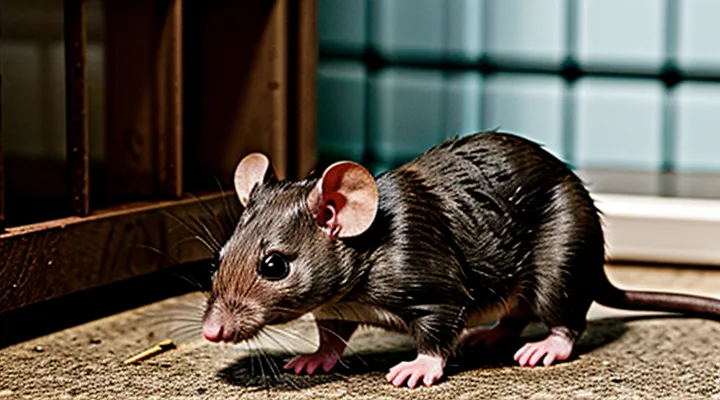
Understanding Dumbo Rats
What Makes Them Unique?
Physical Characteristics
Dumbo rats are distinguished by their oversized, low‑set ears that fold forward, giving the breed its name. The ears can measure up to 2 cm in length and are supported by a robust cartilage framework, requiring gentle handling to prevent cartilage damage. Their bodies are compact, with a muscular neck and a short, thick tail that typically measures 15–20 cm. Adult weights range from 250 g to 350 g, with males generally heavier than females.
Coat texture varies among lines, including smooth, plush, and rex varieties. Smooth coats are short and sleek, while plush and rex coats are denser and may trap moisture, increasing the risk of skin infections if humidity is not controlled. Color patterns are extensive, encompassing solid, agouti, and patterned varieties; pigmentation does not affect care but may influence visibility of health issues such as ulcerations.
Key physical traits that impact husbandry:
- Large, forward‑facing ears → require low‑profile cages with smooth surfaces to avoid snagging.
- Dense fur (plush/rex) → necessitate regular grooming and humidity regulation.
- Muscular build → demands a diet rich in protein and balanced nutrients to support growth and maintenance.
- Short tail with limited vertebral flexibility → discourages excessive bending or climbing structures that could cause spinal strain.
Understanding these characteristics allows caretakers to design environments, nutrition plans, and handling protocols that align with the breed’s anatomical needs, thereby promoting health and longevity.
Temperament and Social Needs
Dumbo rats display a gentle, inquisitive temperament. They approach new objects and people with cautious curiosity, rarely exhibiting aggression unless threatened. Their calm disposition makes them suitable for handling by both experienced owners and beginners, provided interactions remain gentle and consistent.
Social interaction is essential for their well‑being. These rodents thrive in groups of at least two, forming stable hierarchies that reduce stress. Isolation can lead to depressive behaviors, loss of appetite, and weakened immune response. To satisfy their social needs:
- Keep a minimum pair; three or more rats enhance enrichment through mutual grooming and play.
- Provide ample space for movement, nesting, and retreat, allowing each individual to establish a personal area within the shared enclosure.
- Offer daily opportunities for supervised out‑of‑cage exploration, reinforcing confidence and strengthening bonds with caretakers.
Consistent companionship and a stable social environment directly influence health outcomes, behavioral stability, and lifespan in Dumbo rats.
Essential Supplies for Dumbo Rats
Housing Requirements
Cage Size and Type
Adequate housing is essential for the health and comfort of Dumbo rats. The enclosure must allow unrestricted movement, provide a stable environment, and support the animals’ natural behaviors.
- Minimum floor area: 2 sq ft (approximately 0.19 m²) per adult pair.
- Recommended dimensions for a group of three to four rats: at least 30 in × 18 in × 12 in (76 cm × 46 cm × 30 cm).
- Larger spaces reduce stress and promote exercise; enclosures exceeding 4 sq ft per group are ideal for breeding colonies.
Cage construction should meet the following criteria:
- Solid base or thick wire mesh with a smooth surface to prevent foot injuries.
- Wire spacing no greater than ½ in (12 mm) to avoid escape and protect delicate ears.
- Durable, non‑toxic materials such as stainless steel or high‑grade plastic; avoid painted or coated surfaces that may leach chemicals.
- Adequate ventilation without drafts; side panels should be breathable but shielded from direct airflow.
- Secure, latch‑type doors that prevent accidental opening while allowing easy cleaning.
Multi‑level cages are permissible if each level provides a minimum of 1 sq ft of usable floor space and includes ramps or ladders with a gentle incline (no steeper than 30°). Hammocks or suspended platforms must be anchored securely to avoid collapse.
Regular cleaning schedules—weekly removal of soiled bedding and monthly deep sanitation—maintain hygiene and reduce odor. Replace bedding material with absorbent, dust‑free options such as shredded paper or aspen shavings; avoid cedar or pine, which contain volatile oils harmful to rodents.
In summary, a cage meeting the size specifications, constructed from safe materials, and equipped with proper ventilation and secure access points fulfills the fundamental housing requirements for Dumbo rats.
Bedding Options
Choosing suitable bedding directly affects the health and comfort of Dumbo rats. The substrate must absorb moisture, limit ammonia buildup, and avoid respiratory irritation.
- Paper-based bedding (e.g., shredded paper, cellulose pellets) – high absorbency, low dust, biodegradable; may require frequent topping up to maintain depth.
- Aspen shavings – moderate absorbency, low aromatic oils, minimal dust; provides a natural texture but can become compacted if not loosened regularly.
- Coconut fiber (coir) – excellent moisture retention, soft feel, low dust; prone to mold if kept damp for extended periods.
- Hemp bedding – strong absorbency, low dust, natural antimicrobial properties; may emit a mild odor when saturated.
- Corncob bedding – sturdy, low dust, good for digging; limited absorbency, may break into sharp fragments.
Selection criteria focus on three factors: moisture control, respiratory safety, and structural integrity. Moisture control requires a substrate that wicks away urine and droppings, preventing ammonia spikes. Respiratory safety demands low particulate content; dust‑free products reduce the risk of lung irritation. Structural integrity ensures the material does not fragment into sharp pieces that could injure delicate paws.
Routine maintenance includes spot cleaning daily to remove soiled areas, full substrate replacement every two to four weeks, and thorough cage sanitization monthly. Maintaining a consistent depth of 2–3 inches preserves digging behavior while allowing effective waste absorption.
Enrichment and Toys
Enrichment and toys are vital components of a comprehensive care plan for Dumbo rats. Proper stimulation prevents boredom, reduces stress, and supports natural behaviors such as foraging, climbing, and nesting.
Effective enrichment includes:
- Foraging opportunities: hide small pieces of fresh vegetables, grains, or commercial rat treats in paper tubes, cardboard rolls, or shredded paper.
- Climbing structures: provide wooden branches, plastic ladders, or sturdy PVC pipes anchored securely to the cage.
- Nesting material: supply shredded tissue paper, untreated paper towels, or soft fleece to allow construction of nests.
- Chewable items: offer untreated wood blocks, pine or apple sticks, and natural fiber rope to maintain dental health.
- Puzzle toys: use treat-dispensing balls or custom-built mazes that require manipulation to access food.
Rotation of items every few days sustains interest and mimics the variability of a natural environment. Toys must be inspected regularly for wear, splintering, or contamination; damaged pieces should be removed promptly. All materials should be free of toxic chemicals, paints, or adhesives.
Incorporating these elements into daily routines ensures physical activity, mental engagement, and overall well‑being for Dumbo rats.
Nutritional Needs
Primary Diet Components
A balanced diet is the cornerstone of healthy Dumbo rats. Nutrition must supply adequate protein, fiber, vitamins, and minerals while avoiding excess sugars and fats.
-
Commercial rodent pellets – Formulated to meet the complete nutritional needs of rats. Choose a brand with at least 18 % protein, low grain content, and no added sweeteners. Provide a constant supply; replace uneaten pellets daily to prevent spoilage.
-
Fresh vegetables – Supply essential vitamins, minerals, and fiber. Offer a mix of leafy greens (kale, romaine, spinach) and crunchy vegetables (broccoli, carrots, bell peppers). Provide 1–2 tbsp per rat each day, removing any uneaten portions after a few hours.
-
Limited fruits – Serve as occasional treats rich in natural sugars. Suitable options include apple slices (seed‑free), blueberries, and banana. Limit to ½ tsp per rat two to three times per week to avoid weight gain.
-
Protein supplements – Useful for breeding or growing rats. Offer boiled egg whites, cooked chicken breast, or low‑fat cottage cheese in small quantities (¼ tsp per rat) a few times weekly.
-
Fresh water – Must be available at all times. Use a bottle with a metal sipper to keep water clean; change daily and disinfect the bottle weekly.
Consistent provision of these components, combined with regular monitoring of body condition, ensures optimal health for Dumbo rats.
Treats and Supplements
Proper nutrition for Dumbo rats extends beyond staple pellets; it incorporates carefully selected treats and targeted supplements.
Treats should be limited to nutrient‑dense options that support dental health and provide enrichment. Recommended choices include:
- Fresh vegetables such as kale, carrot strips, and broccoli florets, offered in small portions daily.
- Small pieces of fruit, for example apple or blueberry, no more than one teaspoon per week to prevent excess sugar.
- Unsalted, unflavored nuts (e.g., almonds, walnuts) provided sparingly, not exceeding two halves per week.
- Commercial rodent treats formulated with high protein and low sugar, administered no more than two pieces twice weekly.
Supplements address specific dietary gaps and promote physiological stability. Essential additions are:
- Vitamin C – powdered supplement mixed into water at 10 mg per liter, refreshed daily.
- Calcium – calcium carbonate powder added to food at 0.2 % of total weight, monitored to avoid hypercalcemia.
- Omega‑3 fatty acids – fish‑oil capsule content divided into two micro‑doses per week, mixed with soft food.
- Probiotic blend – freeze‑dried culture incorporated into a teaspoon of mash once weekly to support gut flora.
When introducing any treat or supplement, observe the rat’s behavior and weight. Discontinue any item that causes diarrhea, loss of appetite, or abnormal activity. Rotate treat varieties to prevent nutritional monotony and maintain interest.
Water Provision
Provide fresh, clean water at all times. Use a stainless‑steel or heavy‑glass bottle with a chew‑proof metal sipper tube to prevent contamination and breakage. Replace the water daily; more frequently if the cage is warm or if the rats show signs of excess droppings in the bottle.
Maintain water temperature between 18 °C and 24 °C (64 °F–75 °F). Cold water reduces intake; warm water encourages bacterial growth. Keep the bottle out of direct sunlight and away from heating elements to avoid temperature fluctuations.
Monitor consumption. Record the volume before and after a 24‑hour period; a drop of less than 20 ml per adult Dumbo rat may indicate health issues or a malfunctioning dispenser. Adjust the bottle placement if rats avoid it, ensuring the sipper tube is level with the cage floor.
Clean the bottle and sipper tube weekly. Use hot water and a mild detergent, rinse thoroughly, and sanitize with a dilute chlorine solution (1 ml bleach per liter of water) before refilling. Avoid scented cleaners that could deter drinking.
Implement a backup water source. Keep an additional bottle or a shallow dish of water in the cage to provide access during maintenance or if the primary system fails. Check the backup daily for cleanliness and refill as needed.
Health and Hygiene
Common Health Issues
Dumbo rats are prone to several recurring health problems that require vigilant observation and prompt intervention.
Respiratory infections commonly arise from poor ventilation or dusty bedding. Symptoms include sneezing, nasal discharge, and labored breathing. Immediate isolation, humidified air, and veterinary antibiotics reduce mortality.
Dental overgrowth occurs because the incisors grow continuously. Uneven wear leads to malocclusion, difficulty eating, and weight loss. Provide chew blocks, rotate toys, and schedule monthly dental checks to maintain proper alignment.
Skin lesions often result from excessive grooming, injuries, or fungal infections. Redness, hair loss, or crusted areas signal a problem. Clean affected zones with antiseptic solution, adjust cage enrichment to prevent self‑trauma, and apply topical antifungals when indicated.
Parasite infestations, including mites and pinworms, manifest as itching, hair loss, or gastrointestinal upset. Regular fecal examinations, quarantine of new arrivals, and routine treatment with approved antiparasitics keep infestations under control.
Gastrointestinal disturbances, such as diarrhea or constipation, may stem from abrupt diet changes, low fiber, or bacterial imbalance. Offer a balanced diet rich in hay, monitor water intake, and consult a veterinarian for probiotic or laxative therapy as needed.
Preventive checklist
- Maintain cage humidity between 40‑60 % and replace bedding weekly.
- Supply chewable items for continuous tooth wear.
- Conduct visual health inspections at least twice daily.
- Perform quarterly veterinary examinations, including dental and fecal analysis.
- Quarantine new rats for a minimum of four weeks before integration.
Early detection and consistent preventive measures form the core of successful Dumbo rat care, minimizing the impact of these common ailments.
Veterinary Care
Veterinary care is essential for the long‑term health of Dumbo rats. Regular examinations allow early detection of common conditions such as respiratory infections, skin disorders, and gastrointestinal problems.
- Schedule a full health assessment with an exotic‑animal veterinarian at least once a year.
- Include weight monitoring, coat inspection, and evaluation of the eyes, ears, and teeth.
- Apply parasite preventatives according to the vet’s recommendations; fleas, mites, and internal worms can cause rapid decline.
Dental health requires specific attention. Overgrown incisors impede eating and can lead to malocclusion. Professional trimming or filing should be performed when growth exceeds the natural wear pattern, typically every 2–3 months for adult rats.
Environmental factors interact with medical care. Provide clean bedding, adequate ventilation, and a temperature range of 68–75 °F (20–24 °C) to reduce stress‑related illnesses. Regular cleaning of cages minimizes bacterial buildup and supports skin health.
Prepare for emergencies by keeping contact information for a qualified exotic‑animal practitioner readily available. Recognize warning signs—nasal discharge, lethargy, reduced food intake, or abnormal grooming—and seek immediate veterinary attention to prevent complications.
Cleaning and Maintenance
Proper hygiene is a non‑negotiable element of healthy Dumbo rat care. Dirty environments accelerate respiratory problems, skin infections, and stress, reducing lifespan and wellbeing.
- Clean the cage at least once a week; replace all bedding and remove waste.
- Spot‑clean daily: discard soiled food, wipe water bottle, and remove droppings from corners.
- Use a dust‑free, absorbent substrate such as paper‑based bedding; avoid pine or cedar shavings that release harmful oils.
- Sanitize food dishes, chew toys, and hideouts with mild, unscented soap and rinse thoroughly before each use.
- Disinfect the entire cage monthly with a diluted white‑vinegar solution; rinse and dry completely to prevent chemical residues.
Regular maintenance extends beyond cleaning. Inspect the cage for cracks, rust, or loose wires each week; repair or replace damaged components immediately. Monitor odor levels; a persistent smell indicates inadequate ventilation or insufficient cleaning frequency. Replace water bottles and food containers when signs of wear appear, ensuring continuous access to fresh water and uncontaminated food.
Consistent application of these procedures creates a stable, disease‑free habitat, supporting the physical and behavioral health of Dumbo rats.
Daily Care and Interaction
Socialization and Handling
Taming Techniques
Effective taming of Dumbo rats begins with consistent handling. Approach each rat calmly, allowing it to sniff the hand before contact. Keep sessions brief—two to three minutes—until the animal shows relaxed posture. Gradually increase duration as tolerance grows.
- Offer a treat directly from the palm to associate touch with reward.
- Move hands slowly, avoiding sudden gestures that trigger startle responses.
- Maintain a low, steady voice; vocal fluctuations can cause anxiety.
- Use a secure, padded enclosure for training to prevent accidental injury.
Environmental stability supports taming. Provide a quiet area free from loud noises and rapid lighting changes. Ensure the cage contains familiar objects, such as chew toys and nesting material, so the rat feels secure during interaction.
Regular positive reinforcement consolidates trust. After each successful handling episode, give a small portion of fresh fruit or a millet spray. Record progress, noting reduced escape attempts and increased willingness to approach. Consistent application of these techniques establishes a cooperative relationship, which is a fundamental component of long‑term care for Dumbo rats.
Playtime and Exercise
Playtime and exercise are essential components of a healthy environment for Dumbo rats. Regular physical activity supports cardiovascular function, muscle development, and mental stimulation, reducing the risk of obesity and behavioral issues.
A typical daily routine should include at least 30 minutes of active exploration, divided into multiple short sessions to match the animal’s natural burst‑type activity pattern. Provide a safe arena free of sharp objects, with a secure lid to prevent escape.
- Climbing structures: wooden branches, rope ladders, or plastic tubes encourage vertical movement.
- Foraging opportunities: scatter small pieces of vegetables or pellets in bedding to promote digging and searching behavior.
- Interactive toys: chewable blocks, puzzle wheels, and treat‑dispensing balls engage problem‑solving skills.
- Social play: housing two or more compatible individuals allows mutual grooming and gentle wrestling, which further enhances physical fitness.
Monitor the rats for signs of fatigue, such as slowed movement or reduced interest in the environment. Adjust the duration and intensity of sessions accordingly, ensuring that each animal receives sufficient rest between activities. Consistent, varied exercise will maintain optimal health and contribute to a longer, more active life for Dumbo rats.
Routine Check-ups
Recognizing Warning Signs
Monitoring the health of Dumbo rats is essential for long‑term care. Early detection of problems relies on recognizing specific warning signs that indicate stress, illness, or injury.
- Reduced appetite or refusal to eat
- Lethargy, excessive sleeping, or lack of curiosity
- Abnormal breathing: wheezing, gasping, or rapid shallow breaths
- Nasal or ocular discharge, crusty eyes, or sneezing
- Unusual drooling, foaming at the mouth, or difficulty swallowing
- Changes in stool: diarrhea, blood, or absence of feces
- Hair loss, skin lesions, or persistent scratching
- Limping, reluctance to move, or uneven gait
- Aggressive or withdrawn behavior not typical for the individual
When any of these signs appear, isolate the affected rat to prevent spread, then consult a veterinarian experienced with small rodents. Conduct a physical exam, consider diagnostic tests such as blood work or radiography, and follow prescribed treatment promptly. Maintaining a clean environment, a balanced diet, and regular handling reduces the likelihood of these warning signs emerging.
Preventative Measures
Maintaining the health of Dumbo rats demands proactive strategies that address common risks before they arise.
- Provide a spacious cage with solid flooring; avoid wire bottoms that cause foot injuries.
- Keep bedding dry and change it weekly to prevent mold and respiratory irritation.
- Supply a balanced diet of high‑quality rat pellets supplemented with fresh vegetables; eliminate sugary treats that encourage obesity.
- Ensure constant access to clean, fresh water; use a sipper bottle with a metal tip to reduce contamination.
- Conduct weekly visual inspections for signs of skin lesions, ear infections, or abnormal discharge; isolate any affected animal immediately.
- Implement a regular cleaning schedule: disinfect cage components with a dilute, pet‑safe solution, then rinse thoroughly.
- Maintain a stable ambient temperature between 65–75 °F (18–24 °C) and protect the enclosure from drafts and direct sunlight.
- Provide enrichment items such as tunnels, chew toys, and climbing structures; rotate them to prevent boredom‑related stress.
- Schedule quarterly veterinary examinations; request a full health assessment, including dental checks, to catch problems early.
Adhering to these preventative measures reduces disease incidence, supports optimal growth, and extends the lifespan of Dumbo rats.