
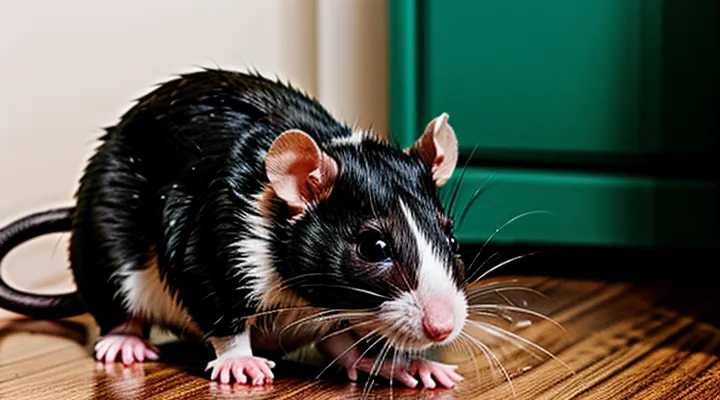
Understanding Pet Rat Needs
Initial Considerations
«Time Commitment»
Caring for a pet rat demands a predictable daily schedule. Rats thrive on routine; irregular feeding or handling can cause stress and health problems.
- Feeding: Provide fresh food and water at the same times each day. Typical schedule includes morning and evening portions of a balanced rodent diet, supplemented with occasional treats.
- Social interaction: Allocate at least 30 minutes of gentle handling or supervised playtime daily. Rats are highly social and require direct contact to maintain mental well‑being.
- Cage maintenance: Perform spot cleaning of waste and replace bedding at least once a day. A thorough deep clean of the enclosure should occur weekly, involving removal of all accessories, disinfection, and replacement of bedding.
- Health monitoring: Conduct a brief visual inspection each day for signs of illness, such as nasal discharge, lethargy, or abnormal fur condition. Early detection reduces the risk of severe disease.
- Enrichment rotation: Introduce new toys or rearrange existing items weekly to stimulate curiosity and prevent boredom.
Consistency in these activities ensures that the rat’s physiological and psychological needs are met, supporting a healthy, long‑lasting companionship.
«Financial Investment»
«Financial Investment» for a pet rat consists of predictable and variable costs that must be accounted for before acquisition.
Initial outlay includes:
- Cage or aquarium sized for adequate ventilation and enrichment, typically $50–$150.
- Bedding material, such as paper-based substrate, costing $10–$20 per month.
- Starter diet of high‑quality pellets and fresh produce, approximately $15–$25.
- Water bottle, hideouts, and chew toys, together $20–$40.
- Veterinary health check and initial vaccinations, around $30–$60.
Recurring monthly expenses cover:
- Fresh bedding replacement, $10–$20.
- Nutritional supplies, $15–$25.
- Routine veterinary visits for health monitoring, $10–$15 (average per month when annual check‑ups are prorated).
Budget planning should allocate a minimum of $70–$120 per month, plus a one‑time initial investment of $150–$300. Spreadsheet tracking of each expense category enhances financial oversight and prevents overspending.
Unexpected costs may arise from illness, injury, or emergency veterinary care. Maintaining an emergency reserve equal to at least one month’s total expenses mitigates financial strain during such events.
Cost‑saving measures include:
- Purchasing bedding and food in bulk to reduce unit price.
- Reusing cleaned cages and accessories from previous small‑animal owners.
- Selecting reputable, low‑cost veterinary clinics that specialize in rodents.
- Monitoring diet to avoid waste and overfeeding, thereby extending food supplies.
«Space Requirements»
A pet rat requires a cage that provides ample floor space and vertical height. Minimum floor area should be at least 2 sq ft (≈0.19 m²) per adult, with a height of 12 inches (≈30 cm) to accommodate climbing and nesting structures.
Recommended dimensions increase with activity level and number of occupants. For a single rat, a cage measuring 30 × 18 × 12 inches (≈76 × 46 × 30 cm) offers sufficient room for exercise and enrichment. When housing a pair, expand the floor area to 4 sq ft (≈0.37 m²) while maintaining the same height.
Enrichment elements—such as platforms, tunnels, and chew toys—should be securely attached to prevent collapse. Bedding depth of 2–3 inches (≈5–7 cm) supports burrowing behavior and aids hygiene.
For groups larger than two, allocate an additional 1 sq ft (≈0.09 m²) of floor space per extra rat. Ensure that the total cage volume does not exceed the animal’s capacity for safe navigation; overcrowding leads to stress and injury.
Essential Supplies for Your Rat
Housing
«Cage Type and Size»
A suitable enclosure is fundamental for a healthy rat. The cage must provide sufficient floor area, vertical space, and a secure, escape‑proof design.
- Minimum floor space: at least 2 sq ft (≈ 0.19 m²) per adult rat; larger groups require proportionally more area.
- Height: 12–18 in (30–45 cm) allows climbing and exploration; taller cages accommodate tubes and hammocks.
- Material: solid‑bottom cages prevent foot injuries and simplify cleaning; wire flooring can cause sore pads unless covered with bedding.
- Bar spacing: no more than ½ in (12 mm) to prevent squeezing through openings.
- Accessibility: doors large enough for safe handling and cleaning; removable trays for waste removal.
Choosing a cage that meets these dimensions and construction criteria supports mobility, mental stimulation, and hygiene, all essential for long‑term rat welfare.
«Bedding Materials»
Choosing appropriate «Bedding Materials» influences a rat’s health, comfort, and odor control. Absorbent, dust‑free substrates reduce respiratory irritation and maintain a dry environment, while soft textures prevent foot injuries.
Suitable options include:
- Paper‑based products such as shredded paper, kiln‑dried pine shavings, or commercially available paper bedding; they are low‑dust, biodegradable, and easy to replace.
- Aspen shavings; naturally low in aromatic oils, they provide a pleasant scent without compromising respiratory health.
- Coconut fiber (coir); offers high absorbency and a gentle surface, though occasional misting may be required to prevent dryness.
- Unbleached hardwood chips (e.g., maple); provide durability and moderate dust, suitable for larger enclosures.
Unsuitable choices comprise cedar or untreated pine shavings, which emit volatile compounds that can damage nasal passages, and cotton fibers that retain moisture and foster mold growth. Regular replacement—once weekly for most substrates, more frequently if humidity rises—maintains hygiene and minimizes ammonia buildup.
«Cage Accessories»
«Cage Accessories» form the functional core of a rat's habitat. Proper selection enhances safety, promotes natural behavior, and simplifies maintenance.
- Hideout or nest box: offers shelter, reduces stress.
- Chewable objects: wooden blocks, mineral chews, untreated cardboard prevent dental overgrowth.
- Climbing elements: rope ladders, branches, mesh platforms encourage vertical exploration.
- Exercise wheel: solid surface, diameter at least 8 inches, eliminates injury risk.
- Tunnels and tubes: plastic or cardboard passages simulate burrow networks.
- Water dispenser: sipper bottle with stainless‑steel nozzle prevents contamination.
- Food bowl: shallow, stainless‑steel dish facilitates clean feeding.
- Bedding material: paper‑based substrate absorbs waste, easy to replace.
- Cleaning tools: hand‑held scoop, reusable scrub pad, mild disinfectant maintain hygiene.
- Lighting: low‑intensity bulb replicates natural day/night cycle without overheating.
Each component contributes to a stable environment, supports health, and reduces labor for caretakers. Regular inspection and replacement of worn items preserve functionality and prevent hazards.
Food and Nutrition
«Rat-Specific Diet»
The «Rat-Specific Diet» supplies the precise balance of nutrients required for optimal health, growth, and activity in a domestic rat.
Key components include:
- Commercially formulated rat pellets, formulated to meet species‑specific protein, fiber, and vitamin needs.
- Fresh vegetables such as kale, carrots, broccoli, and bell peppers, providing essential vitamins and minerals.
- Limited fruits, for example blueberries, apple slices, or banana, offering natural sugars in moderation.
- High‑quality protein sources like cooked eggs, plain boiled chicken, or mealworms, introduced sparingly.
- Constant access to clean, fresh water, preferably in a stainless‑steel bottle to prevent contamination.
Portion guidelines recommend offering one to two tablespoons of pellets per day, supplemented with a small handful of vegetables and no more than one teaspoon of fruit or protein treats. Food should be refreshed daily; uneaten items must be removed to prevent spoilage.
Supplementation is rarely necessary when a balanced pellet base is used, but calcium‑rich foods (e.g., plain yogurt or fortified vegetables) may be added for breeding females. Vitamin D deficiency can be mitigated with limited exposure to natural sunlight or a UV‑B source.
Avoid toxic foods such as chocolate, caffeine, onions, garlic, and raw beans, as they can cause severe physiological distress. Regular monitoring of body condition and stool consistency helps adjust dietary ratios promptly.
«Fresh Fruits and Vegetables»
Fresh produce supplies essential vitamins, minerals, and fiber that support a pet rat’s overall health. Rats thrive on a varied diet; incorporating «Fresh Fruits and Vegetables» reduces the risk of nutritional deficiencies and promotes dental wear.
Safe options include:
- Apples (core removed, seeds discarded)
- Blueberries
- Strawberries
- Carrots (shredded)
- Bell peppers (any color)
- Leafy greens such as romaine lettuce, kale, and spinach (washed thoroughly)
- Broccoli florets
- Zucchini
Items to avoid:
- Citrus fruits (high acidity may cause stomach upset)
- Grapes and raisins (toxic to rodents)
- Avocado (contains persin, harmful to rats)
- Raw potatoes and nightshades (contain solanine)
Portion control matters. Offer a total of 1‑2 teaspoons of fresh produce per day, split between fruit and vegetable selections. Excess fruit can lead to diarrhea or weight gain due to natural sugars. Introduce new items gradually, monitoring for adverse reactions such as loose stools or loss of appetite.
Preparation guidelines:
- Wash all produce under running water to eliminate pesticide residues.
- Remove seeds, pits, and stems that may pose choking hazards.
- Cut into bite‑size pieces to facilitate handling and chewing.
- Store in a sealed container in the refrigerator; discard leftovers after 24 hours to prevent spoilage.
Integrating «Fresh Fruits and Vegetables» alongside a high‑quality pellet base and occasional protein sources creates a balanced diet that meets the physiological demands of a domesticated rat. Regular assessment of body condition and stool consistency ensures the diet remains appropriate and adjustments can be made promptly.
«Treats and Supplements»
Treats and supplements play distinct roles in a pet rat’s diet. Treats provide enrichment and occasional flavor variation, while supplements address specific nutritional gaps that may arise from a primarily grain‑based regimen.
Safe treats include:
- Small pieces of fresh fruit such as apple, banana, or berries, limited to one‑two teaspoons per day.
- Vegetables like carrot, broccoli, or leafy greens (spinach, kale), offered in bite‑size portions.
- Cooked whole‑grain pasta or rice, plain and unsalted.
- Commercial rodent treats formulated without added sugars or artificial colors, used sparingly.
Supplement guidelines:
- Vitamin C supplementation is rarely required if fresh produce is regular, but a low‑dose powder (approximately 10 mg per kilogram of body weight) may be administered during periods of stress or illness.
- Calcium sources, such as finely ground cuttlebone or a calcium‑fortified chew, should be available at all times; monitor intake to avoid excess, which can lead to kidney strain.
- Probiotic powders designed for small mammals can be mixed into a small amount of water or soft food, typically one capsule per week, to support gut health.
- Omega‑3 fatty acids from fish oil or flaxseed oil may be added at 0.5 ml per 100 g of body weight weekly, improving coat condition and cardiovascular function.
Cautions:
- Avoid sugary snacks, chocolate, caffeine, and high‑fat foods; these can cause metabolic disturbances.
- Introduce new treats gradually, observing for digestive upset or allergic reactions.
- Do not exceed recommended supplement dosages; over‑supplementation can result in toxicity, especially with fat‑soluble vitamins.
- Regular veterinary check‑ups should include discussion of treat and supplement regimens to ensure balanced nutrition.
Enrichment and Play
«Toys and Chew Items»
Rats need constant mental stimulation and regular dental wear to stay healthy. Without appropriate toys and chew items, they may develop boredom‑related behaviors and overgrown incisors, which can lead to serious health issues.
Suitable enrichment includes:
- Wooden blocks, untreated pine or applewood, sized for safe gnawing.
- Natural branches from non‑toxic trees such as willow or hazel, providing texture and climbing opportunities.
- cardboard tubes, paper rolls, or shredded paper, encouraging exploration and nesting.
- Plastic or silicone tunnels designed for small rodents, offering enclosed spaces for privacy.
- Puzzle feeders that dispense treats when manipulated, promoting problem‑solving skills.
Chewing materials must be free of chemicals, pesticides, or strong fragrances. Replace worn items regularly to prevent splintering and maintain hygiene. Providing a rotating selection of toys prevents habituation and keeps the rat engaged throughout the day.
«Exercise Opportunities»
Providing adequate exercise is essential for a pet rat’s physical health and mental stimulation. Rats are naturally active animals; without regular opportunities to move, they can develop obesity, muscle atrophy, and stereotypic behaviors.
A well‑designed exercise regimen includes the following elements:
- A solid‑surface running wheel, diameter at least 12 cm, free of wire mesh to prevent foot injuries.
- A variety of tunnels and tubes made from safe, chew‑resistant materials, allowing exploration of confined spaces.
- Climbing structures such as ladders, ropes, and low platforms, encouraging vertical movement and balance training.
- Daily supervised floor time in a secure, escape‑proof enclosure, offering room for running, foraging, and interactive play.
- Chewable enrichment items (e.g., untreated wood blocks, cardboard rolls) that promote gnawing while supporting dental health.
Each component should be inspected regularly for wear or damage, and rotated to maintain novelty. Providing a balanced mix of locomotor and manipulatory activities satisfies the rat’s innate curiosity and contributes to overall wellbeing.
«Social Interaction»
Rats thrive on frequent contact with conspecifics and humans; isolation leads to stress, health decline, and behavioral abnormalities.
Providing regular «Social Interaction» involves three core practices:
- Housing multiple compatible rats together to satisfy innate group dynamics.
- Daily handling sessions of 5–10 minutes per rat to build trust and reduce fear of humans.
- Structured playtime outside the cage, including supervised exploration and gentle tactile stimulation.
Consistent interaction stabilizes hormonal balance, encourages natural grooming behaviors, and promotes mental stimulation. Neglecting these elements compromises welfare and increases the likelihood of aggression, anxiety, and immune suppression.
Implementing the outlined routine ensures that pet rats receive the social enrichment essential for their physical health and psychological well‑being.
Health and Wellness
Veterinary Care
«Finding an Exotic Vet»
Caring for a pet rat requires access to veterinary professionals familiar with small‑exotic mammals. Routine health checks, disease prevention, and emergency care depend on a practitioner who understands rat anatomy, common ailments, and appropriate medication dosages.
Key criteria for selecting an exotic‑animal veterinarian include:
- Formal accreditation in small‑animal or exotic‑medicine specialties.
- Demonstrated experience with rodents, confirmed through case histories or client testimonials.
- Availability of appropriate diagnostic equipment, such as high‑resolution radiography and laboratory services for rodent‑specific tests.
- Clear communication of treatment plans, including dosage calculations tailored to the rat’s weight and metabolic rate.
To locate a qualified practitioner, follow these steps:
- Search professional directories of veterinary colleges, exotic‑animal societies, or national veterinary associations.
- Verify credentials by reviewing licensing information and any additional certifications in exotic‑medicine.
- Contact the clinic to inquire about staff expertise with rats and request references from current rodent owners.
- Assess logistical factors such as clinic hours, emergency coverage, and proximity to the home environment.
Maintaining a relationship with a knowledgeable vet ensures timely interventions and supports long‑term wellness. Regular appointments for weight monitoring, dental checks, and vaccination updates reduce the risk of complications and contribute to a healthy, thriving pet rat. «A veterinarian experienced with rodents is an essential component of responsible rat ownership.»
«Common Health Issues»
Rats are prone to several health problems that require prompt identification and treatment. Recognizing typical symptoms helps prevent complications and supports a long, comfortable life.
• Respiratory infections – sneezing, nasal discharge, labored breathing indicate bacterial or viral agents; immediate veterinary assessment and appropriate antibiotics are essential.
• Dental overgrowth – continuous incisor growth leads to malocclusion; uneven wear, drooling, or difficulty chewing signal the need for dental trimming by a professional.
• Skin lesions – alopecia, crusting, or scabs suggest mites, fungal infections, or traumatic injury; topical treatments or systemic medication may be required.
• Tumors – especially in the mammary glands and abdominal organs; palpable masses or sudden weight loss warrant diagnostic imaging and possible surgical removal.
• Gastrointestinal stasis – reduced food intake, lethargy, and abdominal distension point to impaired motility; fluid therapy and diet modification are critical.
• Parasites – internal worms or external fleas cause anemia, itching, and digestive upset; regular fecal examinations and appropriate deworming protocols prevent infestation.
Routine health checks, clean housing, balanced nutrition, and stress reduction minimize the occurrence of these conditions. Early veterinary intervention improves outcomes and reduces the risk of chronic disease.
«Preventative Measures»
Preventative measures are essential for maintaining a healthy rat and avoiding costly veterinary interventions.
- Regular cage cleaning removes urine, feces, and food residue that attract pathogens.
- Fresh, balanced diet comprising high‑quality pellets, limited fresh fruits and vegetables, and constant access to clean water prevents nutritional deficiencies and digestive issues.
- Safe enclosure design eliminates escape routes, provides adequate ventilation, and includes chew‑proof materials to reduce injury risk.
- Routine health monitoring, including weekly weight checks and observation of coat condition, enables early detection of illness.
- Scheduled parasite control, using veterinarian‑approved dewormers and ectoparasite preventatives, reduces infestations.
Implementing these actions consistently creates a stable environment where common rat ailments are minimized and overall well‑being is sustained.
Grooming and Hygiene
«Cage Cleaning Schedule»
Proper cage hygiene directly influences a pet rat’s health, odor control, and lifespan. Consistent cleaning eliminates waste buildup, reduces pathogen risk, and maintains a comfortable environment for the animal.
A practical cleaning routine includes three intervals:
- Daily: Remove uneaten food, discard soiled bedding, and spot‑clean any visible droppings. Refresh water bottles and check that the cage’s ventilation remains unobstructed.
- Weekly: Replace all bedding, scrub the cage interior with a rodent‑safe disinfectant, and wash all accessories (toys, hideouts, feeding dishes). Rinse thoroughly to remove any chemical residue.
- Monthly: Disassemble the entire cage, clean all corners and mesh sections with warm water and mild detergent, then sanitize using a diluted bleach solution (1 part bleach to 30 parts water). After sanitizing, rinse repeatedly and allow components to dry completely before reassembly.
Adhering to this schedule minimizes disease exposure, controls ammonia levels, and creates a stable habitat that supports the rat’s well‑being.
«Bathing (If Necessary)»
Rats maintain personal hygiene through self‑grooming; regular baths are unnecessary. Bathing becomes appropriate only when an individual is visibly dirty, has a strong odor, or carries substances that could harm its skin.
When a bath is required, follow these steps:
- Prepare a shallow container with warm (not hot) water, temperature around 30‑32 °C.
- Use a mild, fragrance‑free, pet‑safe cleanser if a cleaning agent is essential; otherwise, plain water suffices.
- Gently submerge the rat for no longer than 2‑3 minutes, ensuring the head remains above water to prevent inhalation.
- Support the animal with one hand, using the other to rinse thoroughly, removing all soap residues.
- Immediately dry the rat with a soft towel, then place it in a warm, draft‑free area until completely dry.
- Observe the rat for signs of stress or respiratory difficulty; discontinue the bath if distress appears.
Bathing frequency should not exceed once every few months, and only after a clear need is identified. Regular grooming, cage cleaning, and provision of nesting material reduce the necessity for full baths.
Preparing for Your Rat's Arrival
Choosing Your Rat
«Adoption vs. Breeder»
Choosing between «Adoption» and acquiring a rat from a «Breeder» influences the preparation required for responsible rodent care. Adoption typically offers animals already accustomed to human interaction, often includes basic health checks, and may involve lower initial cost. Breeders provide detailed lineage information, predictable temperament, and the possibility of selecting specific coat colors or sizes, though they usually charge higher fees and require verification of breeding practices.
Key factors to evaluate:
- Health status: shelters usually vaccinate and treat for parasites; reputable breeders present veterinary records and may perform genetic screening.
- Social history: adopted rats often have experience with conspecifics, reducing stress during introduction; breeder-raised pups may need gradual socialization.
- Cost: adoption fees range from modest to free; breeder prices vary by rarity and lineage, adding up with supplemental veterinary expenses.
- Support network: shelters may offer post‑adoption guidance; reputable breeders often provide ongoing advice and access to a community of owners.
- Ethical considerations: adoption reduces demand for commercial breeding; responsible breeders prioritize animal welfare and avoid overproduction.
Assessing these elements helps determine the resources, space, and time needed to maintain a healthy, well‑adjusted pet rat.
«Single or Multiple Rats»
When deciding whether to keep one rat or several, the social nature of the species is the primary factor. Rats thrive on interaction; isolation can lead to stress, diminished immune function, and stereotypic behaviors such as excessive grooming or bar‑biting. A solitary rat may adapt if provided with extensive human contact, but the effort required to supply constant stimulation often exceeds what most owners can reliably deliver.
Benefits of housing multiple rats include:
- Natural hierarchy formation, which reduces aggression when groups are introduced correctly.
- Continuous social engagement, lowering cortisol levels and promoting healthier growth.
- Shared enrichment items, decreasing the number of toys needed per individual.
Potential challenges of a multi‑rat setup involve:
- Need for a larger cage to accommodate the group without overcrowding.
- Monitoring for dominant‑subordinate conflicts, especially during the initial introduction period.
- Slightly higher feed consumption and waste production.
If space constraints limit cage size, a pair or small trio can still meet social requirements while remaining manageable. In such cases, provide multiple hideouts, nesting materials, and chewable objects to distribute resources and minimize competition.
For owners who can allocate sufficient enclosure space, consistent cleaning, and regular health checks, maintaining a group of rats aligns with their intrinsic need for companionship and results in a more robust, contented pet.
«Temperament and Health Check»
Pet rats display a social and inquisitive temperament. They thrive on interaction with conspecifics and human caretakers, forming hierarchical structures that influence behavior. Aggression may appear when a rat is isolated, stressed, or unneutered; providing companionship and environmental enrichment reduces such risks. Curious nature leads rats to explore cages, necessitating secure enclosures to prevent escape and injury.
Regular health monitoring ensures early detection of common conditions. A systematic health check includes:
- Visual examination of fur and skin for lesions, bald patches, or parasites.
- Inspection of eyes and ears for discharge, redness, or swelling.
- Palpation of the abdomen to assess for masses or tenderness.
- Evaluation of dental health by observing chewing behavior and checking for overgrown incisors.
- Monitoring respiratory sounds for wheezing or rattling during quiet periods.
- Recording weight weekly; significant loss or gain signals underlying issues.
- Observation of stool consistency; diarrhea or constipation warrants veterinary attention.
Vaccination is not required for rats, but routine veterinary visits provide professional assessment and guidance on diet, housing, and preventive care. Maintaining a clean cage, providing fresh water, and supplying a balanced diet support both temperament stability and physical well‑being.
Setting Up the Environment
«Optimal Cage Placement»
Optimal cage placement directly affects a pet rat’s health, stress levels, and activity patterns. The enclosure should reside in a stable environment where temperature, humidity, and lighting remain consistent throughout the day.
- Avoid direct sunlight; excessive heat can raise cage temperature above the rat’s comfort range.
- Keep the cage away from drafts generated by windows, doors, or ventilation fans; drafts increase the risk of respiratory problems.
- Position the enclosure on a solid, level surface; uneven flooring may cause injury or hinder movement.
- Select a quiet area distant from loud appliances, televisions, or frequent foot traffic; sudden noises trigger anxiety and disrupt sleep cycles.
- Ensure easy access for daily cleaning and feeding; proximity to a countertop or table simplifies maintenance without compromising safety.
Additional considerations include placing the cage at eye level rather than on the floor to facilitate observation and interaction, while preventing predators such as cats or dogs from reaching the enclosure. Using a sturdy, enclosed stand protects the cage from accidental knocks and provides a stable base. Regularly monitor ambient temperature with a thermometer to confirm that the chosen location maintains a range of 18‑24 °C, suitable for most domesticated rats.
«Introducing New Items Safely»
Introducing new items to a pet rat requires a controlled approach to prevent stress and health risks. Begin with a brief quarantine period in a separate container; this isolates potential contaminants and allows observation of the rat’s reaction. After 24–48 hours, place the item in the main cage for a limited time, monitoring for signs of chewing, ingestion, or avoidance. Remove the object if aggressive chewing exposes sharp edges or if the rat shows signs of distress such as excessive grooming or reduced food intake. Clean the item with mild, pet‑safe detergent and rinse thoroughly before re‑introduction. Repeat the exposure gradually, extending the duration each day until the rat interacts calmly.
Key steps for safe introduction:
- Isolate the item in a separate enclosure for 24–48 hours.
- Inspect for small parts, toxic coatings, or loose fibers.
- Introduce the item for a short period (15–30 minutes) within the primary cage.
- Observe behavior: chewing, nesting, or avoidance.
- Remove and sanitize if damage or stress occurs.
- Increase exposure time incrementally, maintaining daily monitoring.
Consistent observation and prompt removal of hazardous objects protect the rat’s dental health and overall well‑being. Regularly rotate safe enrichment to sustain interest while minimizing risk.