
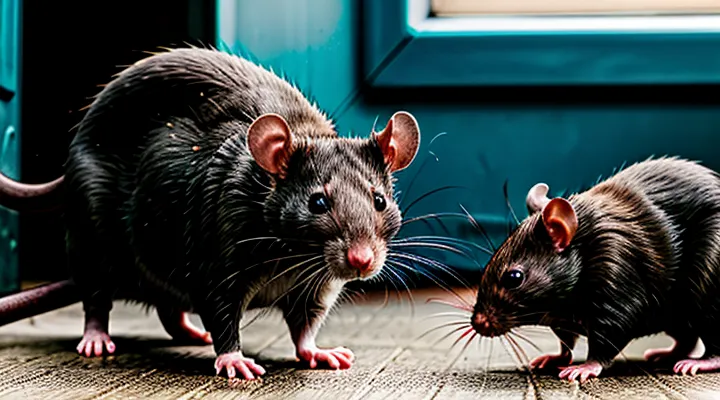
Understanding Rat Dietary Needs
Essential Nutrients for Rats
Rats require a balanced diet that supplies protein, fat, carbohydrate, vitamins, minerals, and water in precise proportions. Protein should constitute 15‑20 % of total calories, sourced from high‑quality animal or plant proteins such as cooked eggs, lean meat, or soy. Fat provides 5‑10 % of calories and supports energy storage and coat health; safe sources include small amounts of unsalted nuts, seeds, or commercial rodent fat blends. Carbohydrates supply the remaining energy, preferably from whole grains, oats, or barley, which also deliver fiber for gastrointestinal function.
Key vitamins include A, D, E, K, and the B‑complex group. Vitamin A is available from carrots and sweet potatoes; vitamin D can be synthesized through exposure to natural light, supplemented by fortified rodent feed; vitamin E is present in leafy greens and seeds; vitamin K derives from leafy vegetables; B vitamins are abundant in whole grains and legumes. Essential minerals—calcium, phosphorus, magnesium, potassium, sodium, iron, and zinc—must be provided in ratios that prevent deficiencies; calcium sources include plain yogurt or calcium‑enriched blocks, while phosphorus is found in fish meal and soy. Iron and zinc are supplied by small quantities of lean meat or fortified pellets.
Rats also need constant access to fresh water. When prohibited foods are removed from the diet, caregivers must ensure that these nutrient categories are met through safe alternatives. The following list summarizes safe, nutritionally complete items that replace commonly forbidden foods:
- Cooked, unseasoned eggs (protein, vitamin D, B vitamins)
- Plain, unsalted peanuts or sunflower seeds (fat, vitamin E, magnesium)
- Whole‑grain kibble formulated for rodents (balanced protein, carbohydrate, vitamins, minerals)
- Fresh carrots, sweet potatoes, and leafy greens (vitamins A, K, C, fiber)
- Low‑fat plain yogurt or calcium blocks (calcium, protein)
- Clean drinking water, refreshed daily
Providing these components in the indicated proportions maintains health while adhering to the dietary restrictions associated with unsafe foods.
Risks of Improper Feeding
Improper feeding exposes rats to acute and chronic health threats. Toxic compounds in certain foods damage organ systems, while inappropriate textures cause gastrointestinal blockage. Nutrient imbalances accelerate obesity, dental disease, and metabolic disorders.
- Toxin ingestion – chocolate, caffeine, and raw beans contain substances that cause seizures, cardiac arrhythmia, or fatal poisoning.
- Digestive obstruction – large seeds, nuts, or hard candy fragments may lodge in the intestinal tract, leading to perforation or necrosis.
- Nutrient deficiency – reliance on sugary or fatty snacks displaces essential proteins, fiber, and vitamins, resulting in stunted growth and immune suppression.
- Dental degradation – soft, processed foods fail to wear down incisors, prompting overgrowth, malocclusion, and pain.
- Metabolic imbalance – high‑sugar diets trigger insulin resistance, liver steatosis, and premature death.
Rats require a balanced diet of rodent pellets, fresh vegetables, and limited fruits. Eliminating prohibited items eliminates the listed hazards and supports optimal longevity and wellbeing.
Toxic and Harmful Foods for Rats
Foods to Absolutely Avoid
Raw Beans and Uncooked Legumes
Raw beans and uncooked legumes pose a serious health risk to pet rats. The substances that make them dangerous remain active until heat breaks them down.
Raw beans contain high levels of lectins, which bind to intestinal cells and can cause severe gastrointestinal irritation, vomiting, and diarrhea. Phytic acid in uncooked legumes chelates essential minerals, leading to deficiencies when consumed regularly. Certain varieties also harbor cyanogenic glycosides that release cyanide when metabolized, a toxin that can be fatal even in small doses.
Common beans that must never be offered raw include:
- Kidney beans (especially red varieties)
- Soybeans
- Broad beans (fava beans)
- Lima beans
- Black beans
Cooking neutralizes lectins and destroys cyanogenic compounds, making the same beans safe only after thorough boiling for at least ten minutes. Uncooked legumes should be excluded from any rat diet, and any leftover raw beans must be disposed of promptly to prevent accidental ingestion.
Green Parts of Potatoes and Tomatoes
Green portions of potatoes and tomatoes contain high concentrations of glycoalkaloids, primarily solanine in potatoes and tomatine in tomatoes. These compounds are toxic to rats, causing gastrointestinal irritation, neurological disturbances, and, in severe cases, death.
- Solanine levels rise when potatoes develop a green skin or sprout; the toxin penetrates the flesh beneath the green area.
- Tomatine accumulates in unripe green tomatoes and the surrounding stems; it interferes with cell membranes and can lead to vomiting and diarrhea.
- Both substances disrupt the nervous system, producing tremors, lethargy, and loss of coordination.
- Toxicity thresholds are low; even small amounts of green tissue can produce observable symptoms in a typical pet rat.
If a rat ingests any green section, monitor for loss of appetite, abnormal behavior, or signs of distress and seek veterinary assistance promptly. Provide only fully ripened, non‑green vegetables and fruits to avoid accidental exposure.
Rhubarb
Rhubarb is unsafe for pet rats. The plant contains high levels of oxalic acid and calcium oxalate crystals, both of which can precipitate in the urinary system and cause renal failure. Even small amounts may overload a rat’s metabolic capacity, leading to potentially fatal outcomes.
Symptoms of rhubarb ingestion include excessive thirst, reduced urine output, blood in the urine, abdominal pain, and lethargy. These signs often develop rapidly after exposure and require immediate veterinary intervention.
Key hazards:
- Oxalic acid creates insoluble compounds that damage kidneys.
- Calcium oxalate crystals irritate the gastrointestinal tract and can cause ulceration.
- No part of the plant—stalks, leaves, or stems—is suitable for consumption.
Owners should eliminate rhubarb from the rat’s environment and ensure that all food storage areas are free of any rhubarb residues.
Avocado Skin and Pit
Avocado skin and the central pit contain persin, a toxin that can cause severe digestive upset in rats. Persin irritates the gastrointestinal lining, leading to vomiting, diarrhea, and abdominal pain. The pit also poses a physical hazard; its hardness can cause dental fractures or intestinal blockage if swallowed.
Symptoms to watch for include:
- Persistent vomiting
- Watery or bloody stools
- Loss of appetite
- Lethargy or weakness
- Signs of abdominal discomfort
If any of these appear after a rat has been exposed to avocado skin or pit, immediate veterinary attention is required. Preventive measures consist of removing all avocado parts from the cage, storing fruit out of reach, and discarding any remnants that could be gnawed.
Because the toxin is concentrated in the skin and seed, even small amounts can be harmful. Safe alternatives for enrichment and nutrition include carrot slices, apple pieces (without seeds), and leafy greens such as kale or romaine lettuce.
Fruit Seeds and Pits
Fruit seeds and pits constitute a significant risk for pet rats because many contain cyanogenic glycosides that convert to cyanide when ingested. Even small quantities can cause respiratory distress, convulsions, or death.
Rats should never receive the following seeds or pits:
- Apple cores (including seeds)
- Cherry pits
- Peach, plum, and apricot pits
- Apricot kernels
- Pear seeds
- Nectarine seeds
- Mango pits
- Citrus seeds (e.g., orange, lemon) in large amounts
These items are toxic regardless of the fruit’s flesh being safe for consumption.
To prevent accidental poisoning, remove all seeds and pits before offering fruit. Provide only seedless varieties such as banana, watermelon, or peeled grapes. If a rat consumes a prohibited seed, seek veterinary care immediately.
Chocolate
Chocolate is toxic to rats because it contains theobromine and caffeine, compounds that rats metabolize slowly. Even small amounts can cause severe physiological disturbances.
- Theobromine overload leads to rapid heart rate, arrhythmia, and possible cardiac arrest.
- Elevated caffeine levels provoke hyperactivity, tremors, and seizures.
- Gastrointestinal irritation may result in vomiting and diarrhea, increasing risk of dehydration.
Lethal dose estimates range from 100 mg of theobromine per kilogram of body weight; dark chocolate, with higher concentrations, reaches dangerous levels more quickly than milk chocolate. Commercially available chocolate products often exceed safe thresholds for a typical pet rat weighing 200–300 g.
If a rat ingests chocolate, immediate veterinary intervention is required. Treatment may include gastric lavage, activated charcoal administration, and supportive care to stabilize cardiovascular function. Preventive measures consist of storing all chocolate items securely and avoiding accidental exposure during household activities.
Caffeine and Alcohol
Caffeine and alcohol pose serious health risks to pet rats and should be excluded from their diet.
Caffeine, found in coffee, tea, energy drinks, chocolate, and many medications, stimulates the central nervous system. In rats, even low doses cause rapid heart rate, tremors, seizures, and can lead to fatal cardiac arrhythmia. The metabolic capacity of rodents to process methylxanthines is far lower than that of humans, making any exposure hazardous.
Alcohol, present in beer, wine, spirits, and fermented foods, depresses the nervous system. Rats metabolize ethanol inefficiently; ingestion results in loss of coordination, hypothermia, respiratory depression, and hepatic damage. Small quantities can be lethal, and repeated exposure accelerates organ failure.
Key reasons to avoid these substances:
- Acute toxicity: immediate physiological distress, convulsions, death.
- Chronic effects: organ degeneration, impaired growth, weakened immune response.
- Lack of nutritional benefit: no essential nutrients are supplied, only harmful compounds.
- Unpredictable dosage: food items may contain variable concentrations, making safe limits impossible to determine.
If a rat accidentally consumes caffeine or alcohol, monitor for signs such as hyperactivity, shaking, disorientation, vomiting, or unconsciousness, and seek veterinary assistance without delay.
Human Medications
Human medications represent a major hazard for pet rats because many compounds are metabolized differently in rodents, leading to rapid toxicity or organ failure. Even a single dose of a common drug can cause lethal effects, making strict exclusion essential.
- Acetaminophen (paracetamol): induces hemolysis and liver failure.
- Ibuprofen and other NSAIDs: cause gastric ulceration, renal impairment, and cardiovascular collapse.
- Aspirin (acetylsalicylic acid): produces severe gastrointestinal bleeding and metabolic acidosis.
- Opioids (morphine, codeine, tramadol): depress respiration, produce profound sedation, and may trigger fatal overdose.
- Antidepressants (fluoxetine, sertraline, tricyclics): lead to cardiac arrhythmias, seizures, and hyperthermia.
- Antihistamines (diphenhydramine, cetirizine): cause central nervous system depression and respiratory distress.
- Antibiotics (chloramphenicol, tetracycline at high doses): result in bone marrow suppression and kidney damage.
- Hormonal preparations (thyroxine, insulin): induce fatal metabolic disturbances when mis‑dosed.
- Antifungal agents (fluconazole, itraconazole): provoke liver toxicity and electrolyte imbalance.
- Over‑the‑counter cough suppressants (dextromethorphan): produce neurotoxicity and convulsions.
Any accidental ingestion requires immediate veterinary intervention. Preventive measures include storing all human medicines in secured containers, labeling them clearly, and disposing of unused tablets according to local regulations. Veterinary guidance should be sought before administering any medication to a rat, even those labeled “safe for pets.”
Foods to Limit or Avoid in Large Quantities
High-Sugar Foods
High‑sugar foods present a serious health risk for pet rats. Their metabolism cannot process rapid glucose spikes, leading to obesity, insulin resistance, and dental decay. Even brief exposure can disrupt gut flora, increasing susceptibility to infections.
Typical high‑sugar items to exclude:
- Candy, gummies, and hard sweets
- Chocolate bars and coated confections
- Sugary breakfast cereals
- Fruit‑flavored sodas and energy drinks
- Honey, maple syrup, and jam
- Sweetened yogurts and puddings
- Pastries, doughnuts, and cakes
- Ice cream and frozen desserts
Avoiding these products prevents metabolic disorders and preserves dental health. Provide only low‑sugar, high‑fiber foods approved for rodents.
High-Fat Foods
High‑fat foods increase the risk of obesity, liver disease, and digestive problems in pet rats. Their metabolism cannot process large quantities of fat without adverse effects, so such items must be excluded from the diet.
- Bacon, sausage, and other processed meats
- Fried foods (e.g., French fries, onion rings)
- Butter, margarine, and full‑fat cheese
- Nuts and seeds in unrestricted amounts
- Avocado (contains high fat and a toxic compound)
- Chocolate and confectionery (high fat and sugar)
- Potato chips, tortilla chips, and other salty snacks
- Cakes, pastries, and other baked desserts
Even small portions of these foods can quickly elevate a rat’s caloric intake, leading to weight gain and metabolic imbalance. Provide a diet centered on low‑fat pellets, fresh vegetables, and limited, measured servings of healthy fats such as a few sunflower seeds or a tiny piece of plain boiled egg. Maintaining a low‑fat regimen supports optimal growth, activity, and longevity.
Salty Snacks
Salty snacks pose a serious health risk to pet rats. Excess sodium disrupts fluid balance, elevates blood pressure, and can lead to kidney damage. Rats lack the physiological mechanisms to excrete large amounts of salt efficiently, making even small portions hazardous.
- High sodium content causes rapid dehydration.
- Elevated blood pressure strains cardiovascular system.
- Kidney function declines with chronic salt exposure.
- Appetite suppression may result from excessive salt intake.
Typical salty items that must be kept out of a rat’s diet include:
- Potato chips and corn chips
- Pretzels and salted crackers
- Salted nuts and peanuts
- Processed meats with added salt (e.g., jerky, ham)
- Seasoned popcorn and cheese puffs
Owners should replace these with low‑sodium, rodent‑appropriate treats such as fresh vegetables, fruits, or specially formulated rat snacks. Regularly reviewing a rat’s food intake prevents accidental consumption of prohibited salty foods and supports long‑term wellbeing.
Raw Sweet Potato
Raw sweet potato, when offered uncooked, poses several health hazards for rats. The tuber contains solanine and other glycoalkaloids that can irritate the gastrointestinal tract and cause vomiting, diarrhea, or loss of appetite. Additionally, the high starch content may lead to rapid blood‑sugar spikes, increasing the risk of obesity and diabetes in small rodents.
Key concerns with uncooked sweet potato include:
- Presence of anti‑nutrients that interfere with mineral absorption.
- Potential for bacterial contamination if the surface is not thoroughly washed.
- Hard texture that can cause dental injury or choking.
- Difficulty for a rat’s digestive enzymes to break down raw cellulose, resulting in digestive upset.
For these reasons, raw sweet potato should be excluded from a rat’s diet. Cooked, plain sweet potato without added salt, sugar, or seasoning may be offered in limited amounts as an occasional treat.
Unripe Bananas
Unripe bananas are frequently offered to pet rats under the assumption that any fruit is safe. In reality, the high concentration of resistant starch and tannins in green bananas exceeds the digestive capacity of rats, leading to gastrointestinal distress.
The fruit’s low sugar content and elevated fiber create an environment where fermentation produces excess gas and bloating. Additionally, the bitter compounds can irritate the oral mucosa and reduce appetite, compromising overall nutrition.
- Severe gas buildup and abdominal swelling
- Diarrhea or constipation from imbalanced fiber
- Oral irritation and reduced food intake
- Potential disruption of gut microbiota
Because these effects undermine health, unripe bananas belong on the list of prohibited items for rats.
Onion and Garlic
Onion and garlic are classified among the foods that must not be offered to pet rats. Both belong to the Allium family and contain organosulfur compounds—principally thiosulfate and N‑acetyl‑propyl‑cysteine—that cause oxidative damage to red blood cells. The resulting hemolytic anemia can develop rapidly after ingestion.
Common signs of toxicity include:
- Pale or yellowish gums
- Lethargy and reduced activity
- Labored breathing
- Dark urine or feces
- Sudden collapse in severe cases
Even small quantities can provoke adverse effects because rats have limited capacity to metabolize these compounds. Fresh, cooked, or powdered forms of onion and garlic all pose the same risk; the processing method does not neutralize the toxic agents.
Safe alternatives for flavoring or enrichment should exclude any Allium species. Suitable options include fresh vegetables such as carrot, cucumber, and bell pepper, or occasional fruit pieces like apple or banana, provided they are offered in moderation.
If accidental exposure occurs, immediate veterinary consultation is required. Early intervention with supportive care—fluid therapy, antioxidant administration, and monitoring of hematocrit levels—improves the likelihood of recovery.
Processed Human Foods
Processed human foods pose significant health risks to pet rats. These items contain additives, high salt, sugar, or fat levels that can cause digestive upset, obesity, kidney strain, and toxic reactions.
- Cured meats (bacon, ham, salami) – high sodium and nitrates.
- Processed cheeses – excessive fat and salt.
- Packaged snacks (chips, pretzels, crackers) – artificial flavors, preservatives, and high sodium.
- Sugary treats (candies, chocolate, pastries) – rapid blood‑sugar spikes and toxic compounds (e.g., theobromine in chocolate).
- Fast‑food items (pizza, burgers, fried chicken) – unhealthy fats, spices, and potential bacterial contamination.
- Canned soups and ready‑to‑eat meals – high sodium, additives, and preservatives.
- Deli spreads (pâté, processed deli meats) – nitrates, high fat, and salt content.
- Processed bakery goods (bread with added sugars, doughnuts) – refined carbohydrates and trans fats.
Feeding rats any of these processed foods can lead to acute illness or long‑term health problems. Provide only rat‑specific diets formulated to meet their nutritional requirements.
Explaining the Dangers
Gastrointestinal Distress
Rats are highly susceptible to gastrointestinal upset when they ingest inappropriate foods. Toxic or indigestible items can irritate the stomach lining, disrupt normal peristalsis, and provoke diarrhea or constipation, potentially leading to dehydration and severe health complications.
Common contributors to digestive disturbance include:
- Citrus fruits (oranges, lemons, grapefruits) – high acidity damages mucosal tissue.
- Processed sweets and chocolate – sugar overload and theobromine cause irritation and dysbiosis.
- Raw potatoes and green tomatoes – solanine content interferes with gut motility.
- Dairy products (milk, cheese) – most rats lack lactase, resulting in fermentation and gas buildup.
- Caffeinated beverages and energy drinks – stimulant effects increase gastric secretions and accelerate transit.
- Spicy foods and hot sauces – capsaicin triggers inflammation of the intestinal wall.
- High‑fat snacks (chips, fried foods) – excessive lipids hinder absorption and may cause steatorrhea.
Clinical signs of gastrointestinal distress manifest as:
- Loose, watery stools or sudden constipation.
- Abdominal swelling or palpable tension.
- Reduced food and water intake.
- Lethargy, trembling, or piloerection.
Immediate response should involve removing the offending food, providing fresh water, and offering a bland diet of plain boiled chicken or cooked rice. Persistent symptoms warrant veterinary assessment to prevent irreversible damage.
Preventive strategy relies on strict selection of safe, fiber‑rich staples such as plain pellets, fresh vegetables (broccoli, carrots), and occasional fruit in limited quantities. Regular monitoring of dietary intake and stool consistency ensures early detection of digestive issues before they progress.
Organ Damage
Certain foods pose a direct threat to rat organ health. The toxicity mechanisms are well documented and result in irreversible damage if exposure continues.
- Chocolate and cocoa products – contain theobromine and caffeine; both compounds overload the liver’s detoxification pathways and induce myocardial irritation, leading to heart failure.
- Avocado flesh and pits – rich in persin; persin accumulates in cardiac muscle and hepatic tissue, causing myocarditis and hepatic necrosis.
- Onion, garlic, and related Allium species – contain organosulfur compounds that trigger hemolysis and overload the spleen and liver, impairing their ability to process damaged red blood cells.
- Citrus seeds and pits – concentrate cyanogenic glycosides; metabolism releases cyanide, which damages the liver’s cytochrome system and can induce acute renal failure.
- High‑fat processed snacks – elevate triglyceride levels, precipitating hepatic steatosis and pancreatitis; secondary inflammation compromises kidney filtration.
- Sugary treats and syrups – increase blood glucose rapidly, burdening pancreatic β‑cells and leading to nephropathy through advanced glycation end‑products.
- Alcoholic beverages – ethanol metabolism produces acetaldehyde, a potent hepatotoxin; repeated exposure results in cirrhosis and myocardial depression.
Each item listed above interferes with specific organ functions. Preventing exposure eliminates the risk of chronic organ degeneration and acute toxicity in laboratory or pet rats.
Nutritional Imbalances
Rats that consume prohibited foods quickly develop nutritional imbalances that compromise health. Toxic ingredients, excessive sugars, and extreme fat levels distort the delicate ratio of macro‑ and micronutrients required for normal growth and organ function.
- Excessive sugar overloads insulin pathways, leading to hyperglycemia, weight gain, and impaired glucose tolerance.
- High‑fat items increase caloric density, causing obesity, hepatic steatosis, and reduced mobility.
- Salty snacks raise sodium levels, promoting hypertension and kidney strain.
- Acidic or citrus substances erode dental enamel, resulting in tooth loss and reduced ability to process solid foods.
- Processed foods containing artificial preservatives introduce unknown chemicals that interfere with liver detoxification enzymes.
Deficiencies arise when rats reject balanced diets in favor of forbidden items. Vitamin C deficiency weakens immune response; calcium excess from dairy products precipitates urinary stone formation; iron overload from fortified snacks damages intestinal mucosa.
Eliminating these items restores proper nutrient ratios, supports metabolic stability, and prevents chronic disease development.
Choking Hazards
Rats can choke on foods that are hard, irregularly shaped, or break into sharp fragments. Small pieces that fit into the oral cavity but cannot be easily swallowed present the greatest risk.
- Whole nuts (almonds, peanuts, walnuts)
- Large seeds (sunflower, pumpkin)
- Raw carrots or celery sticks longer than 2 cm
- Uncooked pasta or rice grains
- Hard candy, gum, and breath mints
- Whole grapes or cherry tomatoes
- Popcorn kernels and unpopped kernels
- Bones, especially chicken or fish bones
- Crunchy crackers or chips broken into irregular shards
Prevent choking by cutting foods into bite‑size cubes (≤1 cm), removing pits and seeds, and offering only softened or cooked versions of dense items. Supervise feeding sessions and discard any uneaten pieces after 15 minutes to reduce accidental ingestion.
Best Practices for Feeding Your Rat
Safe and Healthy Food Options
Rats thrive on a diet that supplies protein, fiber, vitamins, and minerals while avoiding substances that can cause toxicity or digestive distress. Selecting appropriate foods ensures optimal growth, immune function, and behavior.
- Fresh vegetables: kale, spinach, broccoli, carrots, bell peppers, cucumber, zucchini. Provide raw or lightly steamed pieces no larger than a fingernail.
- Fruits (limited): apple (seedless), blueberry, strawberry, banana, pear. Offer small portions once or twice weekly to prevent excess sugar.
- Whole grains and legumes: cooked brown rice, quinoa, oatmeal, lentils, chickpeas. Serve plain, fully cooked, and cooled.
- Protein sources: boiled egg, plain cooked chicken breast, low‑fat turkey, tofu. Provide bite‑size pieces without seasoning or sauces.
- Nuts and seeds (sparingly): unsalted sunflower seeds, pumpkin seeds, almonds. Limit to a few pieces per week due to high fat content.
- Commercial rodent blocks or pellets: formulated to meet nutritional standards; use as a staple base.
Preparation guidelines: wash all produce thoroughly, remove pits, stems, and skins that may contain toxins; cook legumes and grains until soft; avoid added salt, sugar, butter, or spices. Store fresh items in the refrigerator and discard any that become moldy or wilted.
A balanced regimen combines a small daily portion of pellets with fresh foods rotated throughout the week. Monitoring weight and stool consistency helps adjust quantities and maintain health.
Recognizing Symptoms of Food Poisoning
Rats that consume prohibited foods often develop acute food poisoning, which can progress rapidly if unnoticed. Early identification relies on observable changes in behavior and physiology.
- Lethargy or sudden inactivity
- Loss of appetite and refusal to eat familiar foods
- Diarrhea, sometimes with blood or mucus
- Vomiting or regurgitation, especially after a specific meal
- Labored breathing or rapid respiratory rate
- Abnormal posture, such as hunching or difficulty moving
- Swelling of the abdomen or facial area
- Excessive salivation or drooling
In addition to these signs, a sudden drop in body temperature or a fever may accompany severe cases. When any combination of these symptoms appears shortly after a rat has been offered a new or questionable ingredient, the likelihood of toxin exposure increases. Prompt veterinary assessment is essential; treatment may involve fluid therapy, anti‑emetics, and supportive care to prevent organ damage. Continuous monitoring of diet and immediate response to abnormal symptoms are the most effective strategies for safeguarding rat health.
What to Do if Your Rat Eats Something Forbidden
If a rat consumes a prohibited food, immediate action can prevent serious health problems. First, determine what was eaten and the amount. Record the product name, ingredients, and time of ingestion. This information is essential for veterinary assessment.
Next, observe the animal for signs of distress. Common indicators include vomiting, diarrhea, lethargy, tremors, or abnormal breathing. Document any changes in behavior, as this data helps the veterinarian evaluate toxicity severity.
If the ingested item is known to be toxic (e.g., chocolate, caffeine, onions, grapes, citrus peels, or processed snacks with artificial sweeteners), contact a veterinarian without delay. Provide the recorded details and follow the professional’s instructions precisely. Do not attempt home remedies such as inducing vomiting unless explicitly advised by the vet, because improper techniques can cause additional injury.
While awaiting veterinary care, keep the rat in a quiet, temperature‑controlled environment. Offer fresh water but avoid food until the vet gives clearance. If the animal shows severe symptoms—persistent seizures, uncontrolled bleeding, or inability to stand—seek emergency veterinary services immediately.
After treatment, review the cage and storage areas to eliminate access to the offending food. Store human snacks, sugary treats, and any toxic substances in sealed containers out of reach. Replace prohibited items with rat‑safe alternatives such as fresh vegetables, fruits without seeds, and commercially formulated rodent pellets. Regularly inspect the rat’s diet to ensure compliance with safe feeding guidelines.
By promptly identifying the hazard, monitoring clinical signs, and engaging professional veterinary care, owners can mitigate risks associated with accidental consumption of unsafe foods.