
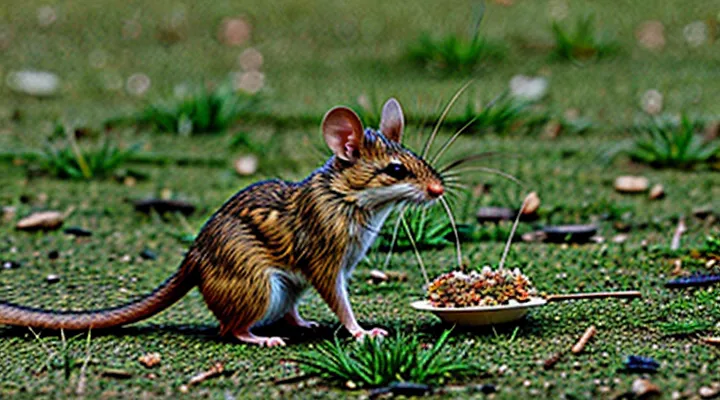
Primary Food Sources
Seeds and Grains
Field mice obtain the majority of their energy from small seeds and grains encountered in grasslands, agricultural margins, and garden habitats. These food items provide carbohydrates, proteins, and essential fatty acids required for growth, reproduction, and thermoregulation.
Typical seed and grain items consumed include:
- Wheat kernels
- Barley grains
- Oats
- Rye
- Millet
- Corn kernels
- Sunflower seeds
- Pumpkin seeds
- Flaxseeds
- Sorghum grains
Seasonal availability influences selection. Early spring favors freshly fallen wheat and barley, while late summer and autumn increase access to corn and sunflower seeds. During periods of scarcity, field mice expand foraging to include fallen grain husks and seed heads left after harvest.
Nutritional composition of these items supports rapid weight gain and sustains high metabolic rates. Carbohydrate-rich grains supply immediate energy, whereas seed fats contribute to long‑term energy reserves. Protein content, particularly in legumes such as peas and beans, supplements amino acid requirements essential for tissue development.
Foraging behavior combines opportunistic gathering with cache formation. Individuals transport seeds to burrow chambers, creating reserves that buffer against fluctuations in food supply. This strategy enhances survival rates during winter months when above‑ground resources diminish.
Overall, seeds and grains constitute the core component of the field mouse diet, shaping habitat use, reproductive output, and population dynamics.
Plant Matter
Field mice obtain most of their sustenance from plant material. Their foraging behavior targets readily available vegetative resources that supply energy and essential nutrients.
- Seeds of grasses and cereals
- Whole grains such as wheat and oats
- Fresh grasses and herbaceous shoots
- Leafy vegetation including clover and dandelion leaves
- Small fruits like berries and wild strawberries
- Underground storage organs such as tubers and bulbs
Plant matter provides carbohydrates, dietary fiber, vitamins, and minerals required for growth and reproduction. Seasonal shifts alter the composition of the diet; during colder periods, consumption emphasizes stored seeds, bark fragments, and root tissues. Research indicates that «field mice preferentially select high‑energy seeds when they are abundant».
Leaves and Stems
Field mice incorporate a variety of foliage into their diet, relying on leaves and stems as primary sources of fiber, moisture, and essential nutrients.
Leaves provide readily digestible carbohydrates and vitamins. Species commonly consumed include broadleaf herbaceous leaves such as dandelion (Taraxacum), clover (Trifolium), and plantain (Plantago). Young foliage of woody shrubs, for example willow (Salix) and hazel (Corylus), is also favored during early growth stages.
Stems serve as supplemental protein and structural material. Field mice select tender shoots of grasses, including ryegrass (Lolium) and fescue (Festuca), as well as the young culms of herbaceous plants like chickweed (Stellaria) and lamb’s quarters (Chenopodium). In autumn, bark strips from hardwoods and the fibrous husks of seed heads become important seasonal resources.
Typical consumption pattern:
- Fresh leaves from herbaceous and low‑shrub vegetation
- Young stems of grasses and forbs
- Seasonal bark and husk material when foliage declines
These plant parts sustain field mice throughout fluctuating environmental conditions, ensuring continuous intake of energy and micronutrients.
Roots and Tubers
Field mice incorporate a variety of underground plant parts into their diet, with roots and tubers providing essential carbohydrates and moisture. These structures are typically harvested from meadow, forest edge, and garden habitats where small rodents can access them with minimal effort.
Commonly consumed roots and tubers include:
- Dandelion taproots, rich in sugars and vitamins.
- Carrot tops and partially exposed roots, offering readily digestible starch.
- Beetroot sections, supplying both energy and hydration.
- Wild onion bulbs, contributing pungent compounds that may deter parasites.
- Burdock roots, valued for their fibrous content.
Selection is driven by seasonal availability; during autumn, increased ground cover yields larger tuber sizes, while spring growth favors tender taproots. Consumption patterns reflect opportunistic foraging behavior, with rodents favoring items that require low excavation energy and present high nutritional return.
Fungi
Field mice incorporate a range of plant and animal matter into their diet; the inclusion of «fungi» provides essential proteins, carbohydrates, and micronutrients that support rapid growth and reproduction.
The consumption of «fungi» reflects opportunistic foraging behavior; moist habitats and leaf litter concentrate fungal fruiting bodies, making them readily accessible to small rodents.
Common fungal taxa observed in field‑mouse stomach contents include:
- Agaricus species, particularly meadow mushrooms that appear after summer rains.
- Mycena spp., small saprotrophic mushrooms abundant on decaying wood.
- Lactarius and Russula species, whose bitter taste does not deter mice due to their high lipid content.
Seasonal peaks in fungal intake occur during autumn, when sporocarp production reaches a maximum. During winter, mice shift toward underground fungal mycelium and hyphal fragments, maintaining a baseline intake when fruiting bodies are scarce.
Overall, the dietary contribution of «fungi» enhances energy balance and supplies vitamins such as B‑complex, reinforcing the adaptive success of field mice across temperate ecosystems.
Seasonal Variations in Diet
Spring Foraging
During the spring months field mice shift their foraging patterns to exploit the surge of newly available resources. Fresh green shoots, tender leaf buds, and emerging herbaceous plants become primary components of their diet, providing essential proteins and carbohydrates for rapid weight gain and reproductive activity. In addition to plant matter, insects such as aphids, beetle larvae, and small arthropods appear in greater numbers, supplying high‑quality animal protein and lipids that support embryonic development.
Key food categories in spring foraging include:
- Young grass blades and leaf stems
- Flower buds and unopened petals
- Seed heads from early‑season grasses and weeds
- Insect larvae and soft‑bodied arthropods
- Spores and fungal hyphae found in moist soil
Foraging behavior adapts to the fluctuating abundance of these items. Mice increase ground‑level activity during daylight hours to locate tender vegetation, while nighttime excursions focus on insect prey that are more active after dusk. Cache formation intensifies, with individuals storing excess seeds and plant material in underground burrows to buffer against sudden declines in food supply later in the season.
Nutritional balance achieved through this diversified intake ensures sufficient energy reserves for gestation, litter rearing, and thermoregulation as temperatures rise. The transition from a largely seed‑based winter diet to a mixed plant‑insect regimen exemplifies the species’ ecological flexibility and highlights the critical role of spring foraging in sustaining population growth.
Summer Abundance
Field mice experience a marked increase in food variety during the warm months. Their foraging patterns shift toward readily available plant and insect resources, allowing rapid weight gain and preparation for seasonal changes.
Typical summer provisions include:
- Fresh grass seeds and cereal kernels that fall to the ground after ripening.
- Young shoots and tender leaves of grasses, clover, and other herbaceous plants.
- Fruit fragments such as berries, raspberries, and fallen cherries.
- Insect larvae, beetles, and aphids that proliferate in warm, humid conditions.
- Spoiled grain and discarded agricultural waste, often found near farmyards.
These abundant items supply essential carbohydrates, proteins, and micronutrients. Consumption of high‑energy seeds supports accelerated growth, while protein‑rich insects contribute to muscle development and reproductive success. The seasonal surplus reduces competition pressure, enabling field mice to maintain stable populations throughout the summer.
Autumn Hoarding
Field mice increase food intake during the autumn months, creating reserves that sustain them through winter.
Typical items stored include:
- Seeds of grasses and wildflowers
- Small grains such as wheat and barley
- Nuts from oak and hazel trees
- Insects and larvae when available
Mice transport food to underground chambers, lining burrow walls with shredded vegetation to conceal caches. Individual caches may be spaced several meters apart, reducing the risk of loss to competitors.
Selection criteria favor high‑energy items and those that remain viable at low temperatures. Food is often placed in dry, insulated sections of the nest to prevent spoilage.
The hoarding behavior influences plant regeneration; forgotten seeds germinate, contributing to meadow diversity. Predators benefit from the predictable activity of mice during cache retrieval, affecting local food‑web dynamics.
Winter Survival
Field mice must secure sufficient energy during the cold months when foraging opportunities decline sharply. Their survival strategy combines reliance on cached resources and opportunistic consumption of readily available winter foods.
Key components of the winter diet include:
- Seed stores gathered in late summer and autumn, such as wheat, barley, and oat grains.
- Fallen nuts, particularly hazelnuts and acorns, which remain accessible under snow cover.
- Insect remnants and arthropod husks left on the ground surface.
- Soft plant material, including bark strips and root tips exposed by frost heave.
Physiological adaptations support efficient use of these items. A reduced metabolic rate lowers energy demands, while a heightened ability to digest high‑fat seeds prolongs sustenance between foraging bouts. Access to water is maintained through moisture contained in food and occasional meltwater.
Successful winter survival depends on the balance between pre‑seasonal cache accumulation and the capacity to locate hidden food sources under insulating snow layers. «Effective cache management» and the ability to exploit diverse edible resources ensure field mice persist through the harshest period of the year.
Nutritional Needs and Preferences
Protein Sources
Field mice require protein to support rapid growth, reproduction, and tissue repair. Their natural diet supplies this nutrient from a variety of animal and plant origins.
- Beetles and other hard‑bodied insects
- Moth and fly larvae
- Spiders and other arachnids
- Earthworms and small annelids
- Freshwater snails and other mollusks
- High‑protein seeds, especially legumes such as vetch and alfalfa
- Certain fungi that develop on the forest floor
- Scavenged carrion when other sources are scarce
Seasonal shifts influence availability. In spring and summer, insects and larvae dominate protein intake; autumn brings an increase in seed consumption; winter may force reliance on stored seeds, fungi, and occasional carrion. Captive environments should replicate this diversity by providing live insects, dried legumes, and occasional protein‑rich supplements to maintain health and natural foraging behavior.
Carbohydrate Intake
Field mice obtain most of their energy from carbohydrates present in natural habitats. Seeds, grasses, and tuberous roots supply simple sugars and starches that support rapid metabolism and thermoregulation. Seasonal variation influences availability: spring brings abundant herbaceous seeds, while autumn provides fallen nuts and fruit remnants.
Typical carbohydrate sources include:
- Wild grass seeds such as those of wheatgrass and ryegrass
- Small fruits like berries and seed‑bearing pods
- Underground storage organs of plants (e.g., dandelion taproots)
- Fallen nuts and acorn fragments
Digestive physiology of field mice favors efficient extraction of glucose from these foods. Enzymatic activity in the small intestine rapidly hydrolyzes starches, while microbial fermentation in the cecum processes fibrous carbohydrates, producing volatile fatty acids that supplement energy needs. «Carbohydrate intake therefore constitutes the primary caloric component of the field mouse diet».
Essential Vitamins and Minerals
Field mice require a spectrum of micronutrients to maintain metabolic functions, immune competence, and reproductive health. Their natural foraging behavior supplies these compounds through a varied diet of seeds, grains, green vegetation, and occasional invertebrates.
Vitamins
- Vitamin A – present in yellow‑orange seeds such as millet and in leafy greens.
- Vitamin D – synthesized from exposure to ultraviolet light; limited dietary sources include insects with high fat content.
- Vitamin E – abundant in wheat germ and sunflower seeds, protecting cell membranes from oxidative damage.
- B‑complex vitamins – thiamine (B₁) and riboflavin (B₂) found in whole grains; niacin (B₃) and pantothenic acid (B₅) supplied by legumes and insects; pyridoxine (B₆) and cobalamin (B₁₂) primarily obtained from arthropod prey.
Minerals
- Calcium – concentrated in grass shoots, clover, and bone fragments ingested incidentally.
- Phosphorus – available from whole grains and insect exoskeletons, supporting bone mineralization.
- Magnesium – sourced from nuts, seeds, and leafy plants, essential for enzymatic reactions.
- Iron – supplied by insects and dark‑green foliage, facilitating oxygen transport.
- Zinc – found in seeds and insects, crucial for immune function.
- Selenium – trace amounts present in certain grasses, contributing to antioxidant defenses.
Adequate intake of these vitamins and minerals is achieved through the opportunistic feeding patterns of field mice, which balance plant matter with protein‑rich animal matter to meet their nutritional demands.
Impact of Habitat on Diet
Woodland Environments
Field mice inhabiting woodland ecosystems rely on a diverse array of food sources that reflect the structural complexity of forest floors. The diet consists primarily of plant and animal matter, with the proportion of each varying according to seasonal resource availability.
Key food categories include:
- Seeds of herbaceous plants and trees
- Nuts such as acorns and hazelnuts
- Invertebrates (earthworms, beetle larvae, spiders)
- Fungal fruiting bodies
- Fresh green vegetation (shoots, leaves)
During spring, fresh vegetation and emerging insects dominate intake, supporting rapid growth and reproductive activity. Summer sees increased consumption of seeds and nuts that mature in the canopy. Autumn introduces a surge of fallen seeds and mature fungi, while winter forces reliance on stored seeds and limited invertebrate prey found under leaf litter.
Foraging occurs close to the ground, where dense leaf litter and fallen branches create microhabitats rich in concealed food items. Mice exploit the protective cover of understory shrubs to access seeds while minimizing exposure to predators. The presence of mast-producing trees directly influences the abundance of high‑energy nuts, thereby enhancing overall caloric intake.
Habitat heterogeneity, including variations in soil moisture, litter depth, and vegetation density, shapes the spatial distribution of food resources. Areas with abundant leaf litter support higher invertebrate populations, whereas open clearings provide greater seed fall. Consequently, the composition of woodland environments determines both the quality and quantity of nourishment available to field mice.
Grassland Habitats
Field mice inhabiting grassland ecosystems obtain nutrition primarily from plant and animal sources available in the open vegetation. Their diet includes:
- Seeds of grasses and wildflowers, harvested during the late summer peak.
- Fresh shoots and tender leaves of herbaceous plants, especially in early spring.
- Invertebrates such as beetles, larvae, and earthworms, providing protein during breeding periods.
- Fungi and spores that appear after moist conditions, supplementing carbohydrate intake.
Seasonal fluctuations dictate the proportion of each component. In spring, vegetative material dominates; summer sees a rise in seed consumption; autumn introduces greater invertebrate intake as insects become abundant; winter forces reliance on stored seeds and residual plant matter. Nutrient balance is maintained through opportunistic foraging across microhabitats, including tussocks, hedgerow edges, and damp depressions.
Habitat structure influences food accessibility. Dense grass clumps protect seeds from predation, while open patches facilitate insect hunting. Soil moisture affects earthworm activity, thereby altering protein availability. Management practices that preserve heterogeneous vegetation patterns support the dietary requirements of these small mammals and promote stable population dynamics.
Agricultural Areas
Field mice inhabiting cultivated lands rely on a varied diet that reflects the seasonal availability of crops, weeds, and stored produce. Their foraging behavior targets both living vegetation and remnants of human activity, allowing rapid adaptation to changing farm practices.
- Seeds of cereals such as wheat, barley, and oats
- Grain kernels left on the ground after harvest
- Emerging shoots of legumes, including peas and beans
- Roots and tubers of turnips, carrots, and other root crops
- Insect larvae and adult insects attracted to crop residues
- Spoiled or discarded fruit and vegetable matter stored in barns
Consumption of these resources influences pest management strategies, as high mouse populations can exacerbate seed loss and damage to seedlings. Effective control measures focus on habitat modification, sanitation of storage facilities, and targeted use of rodenticides to limit population growth without compromising crop yields.
Predation and Food Chain Dynamics
Role in the Ecosystem
Field mice consume a varied diet that includes seeds, grains, insects, and occasional plant material. Their foraging behavior directly influences several ecological processes.
- Seed consumption reduces the abundance of competitive plant species, altering vegetation composition.
- Ingestion of seeds followed by partial digestion leads to dispersal of viable propagules across the landscape.
- Predation on insects helps regulate arthropod populations, limiting herbivory pressure on crops and wild plants.
- Digging activities while searching for food aerate the soil, improve water infiltration, and promote microbial activity.
Through these mechanisms, field mice link primary production with higher trophic levels, sustain soil health, and shape plant community dynamics. Their dietary habits therefore generate measurable effects on biodiversity and ecosystem function.
Adaptation to Food Availability
Field mice adjust their feeding strategies in response to fluctuations in resource abundance. When seeds and grains dominate the environment, individuals increase consumption of high‑carbohydrate items, thereby optimizing energy intake for rapid growth and reproduction. During periods of scarcity, the same species shift toward protein‑rich insects and plant material, extending foraging ranges and exploiting less preferred substrates.
Adaptations to variable food supply include:
- Seasonal alteration of gut enzyme expression, enhancing digestion of starches in autumn and of chitin in spring.
- Development of cache‑building behavior, wherein surplus seeds are buried for later retrieval, reducing reliance on immediate foraging.
- Flexible metabolic rates, with reduced basal metabolism during winter to conserve energy when food is limited.
- Increased nocturnal activity in drought conditions, exploiting cooler temperatures to lower water loss while searching for moisture‑rich vegetation.
These physiological and behavioral modifications enable field mice to maintain population stability across diverse habitats and climatic cycles. «Adaptation to food availability» therefore represents a critical component of their ecological success, ensuring survival despite unpredictable resource distribution.