
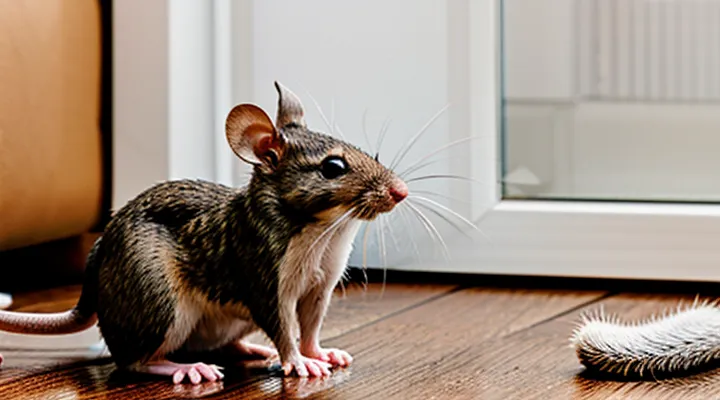
Understanding Mouse Attractants
Primary Needs for Survival
Food Sources
Mice are drawn to accessible, aromatic, and high‑energy foods. Items that lack these characteristics generally fail to entice the rodents.
- Fresh citrus fruits (lemon, orange, grapefruit) produce acids and volatile oils that mice avoid.
- Strong spices such as cayenne pepper, black pepper, and chili powder create pungent sensations that deter feeding.
- Bitter herbs and greens (e.g., kale, arugula, rosemary) contain compounds that are unpalatable to mice.
- Vinegar‑based solutions and heavily acidic foods (pickles, sauerkraut) produce a sour environment mice typically reject.
- Foods stored in airtight containers made of metal, glass, or heavy‑wall plastic eliminate scent trails and physical access, making them ineffective as a mouse lure.
These food categories reduce the likelihood of mouse activity in residential settings because they either mask odor cues, present unpleasant taste profiles, or prevent direct contact. Maintaining the listed items in sealed storage further minimizes attraction potential.
Water Availability
Water availability influences mouse behavior only when it directly supplies the moisture needed for survival. Mice can extract sufficient water from food residues, grain, fruit, and even humid air, reducing reliance on external liquid sources. Consequently, a dry kitchen or bathroom does not automatically become a magnet for rodents.
Research indicates that mice prioritize shelter, food, and safe travel routes over standing water. Leaky pipes or pet water bowls provide moisture but rarely serve as the decisive factor that prompts infestation. In environments where food is scarce, water alone does not sustain a population.
Practical implications for homeowners include:
- Fixing leaks eliminates excess humidity that could support mold growth, which indirectly benefits mouse control.
- Removing open containers of water limits easy hydration points, but the primary focus should remain on sealing entryways and eliminating food crumbs.
- Maintaining low indoor humidity discourages mold, thereby reducing secondary attractants that might accompany water sources.
Overall, water presence does not function as a primary lure for mice in residential settings; effective prevention hinges on controlling food access and structural entry points rather than on eliminating every moisture source.
Shelter and Nesting Materials
Mice seek concealed, soft, and easily manipulated materials for nesting. Items that fail to meet these criteria remain unattractive as shelter in homes.
Hard, non‑absorbent surfaces offer no grip or comfort for building nests. Concrete, glazed tiles, metal cabinets, and sealed wood panels do not retain moisture or provide pliable fibers, preventing mice from establishing a safe hideout.
Materials that resist gnawing and lack fibrous structure also deter occupation. Examples include:
- Polycarbonate or acrylic sheeting
- Stainless‑steel countertops and appliances
- Vinyl flooring with sealed seams
- High‑density polymer insulation (e.g., closed‑cell foam)
These substances do not decompose, cannot be shredded, and present a hostile environment for nesting activity. Selecting such products for walls, floors, and storage reduces the likelihood that mice will find suitable shelter in residential spaces.
Factors That Do Not Appeal to Mice
Unfavorable Environmental Conditions
Lack of Food Odors
Mice locate sustenance primarily through scent. When food odors are absent, the environment offers no olfactory cue that would motivate rodents to enter a dwelling. This condition alone reduces the likelihood of infestation, regardless of other factors such as structural gaps or water sources.
Practical measures that eliminate detectable food aromas include:
- Storing dry goods in airtight containers made of metal or thick plastic.
- Cleaning surfaces after each meal to remove crumbs and spills.
- Disposing of waste in sealed bags and removing trash regularly.
- Using refrigeration for perishable items and sealing refrigerator doors tightly.
- Avoiding open food storage in pantry shelves; replace with sealed bins.
By maintaining these practices, residential spaces present a scent‑free zone that fails to attract mice, thereby contributing to effective rodent prevention.
Absence of Water Sources
Mice require regular access to moisture for physiological processes such as digestion and thermoregulation. When a residential environment lacks standing water, leaky pipes, or damp areas, the incentive for mice to enter and establish a nest diminishes sharply. Dry cabinetry, sealed countertops, and well‑ventilated storage spaces provide no viable water source, forcing rodents to seek alternative habitats where moisture is readily available.
Key effects of eliminating water sources include:
- Reduced foraging activity: without accessible water, mice expend more energy searching for sustenance, decreasing their likelihood of remaining in the home.
- Lowered reproductive success: dehydration stress impairs breeding cycles, leading to smaller populations.
- Decreased shelter appeal: moist materials attract mice for nest building; dry conditions make such materials unsuitable.
Preventive measures focus on maintaining a moisture‑free interior:
- Repair all plumbing leaks promptly.
- Use dehumidifiers in basements and crawl spaces.
- Store food in airtight containers and clean spills immediately.
- Ensure proper ventilation in bathrooms, kitchens, and laundry areas.
By systematically removing water availability, homeowners create an environment that is unattractive to mice, thereby limiting infestation risk.
Open and Exposed Spaces
Open and exposed spaces lack the concealment mice require for safe movement and nesting. Without cracks, crevices, or clutter, a mouse cannot find a secure route or a hidden shelter.
Mice avoid such areas because they increase visibility to predators, reduce opportunities for covert food storage, and prevent the construction of stable nests. The absence of cover also hampers a mouse’s ability to travel undetected between rooms.
- Minimal gaps in walls, floors, and doors
- Smooth, uninterrupted surfaces on countertops and shelves
- Absence of stacked boxes, piles of laundry, or dense furniture arrangements
- Well‑lit environments with no dark corners
- Regular cleaning that removes crumbs and spilled food
Maintaining open layouts, sealing potential entry points, and keeping surfaces clear of debris diminish the attractiveness of residential spaces for rodents. The result is a reduced likelihood of mouse activity throughout the home.
Deterrents and Repellents
Strong, Pungent Scents
Strong, pungent aromas are frequently suggested as mouse deterrents, yet scientific observations and pest‑control experience show they provide little lasting protection in homes. The odor intensity diminishes rapidly as the scent diffuses, allowing rodents to acclimate within hours. Moreover, mice possess a highly developed olfactory system that can differentiate between harmful and merely unpleasant smells, often ignoring the latter after brief exposure.
Commonly cited scents include:
- Peppermint oil
- Ammonia solution
- Vinegar
- Citrus peel or essential oil
- Clove and eucalyptus extracts
These substances share two critical limitations. First, they act as temporary irritants; mice quickly learn to avoid the immediate source but resume activity once the concentration falls below a detectable threshold. Second, the required application rates to maintain effective levels are impractical for residential settings, leading to excessive use that may pose health risks to occupants.
Research on rodent behavior indicates that successful repellents must either disrupt feeding, nesting, or breeding cycles, or present a lethal threat. Strong odors fail to meet these criteria because they do not interfere with the physiological needs of mice and do not present a credible danger. Consequently, reliance on pungent scents alone does not constitute an effective strategy for preventing mouse presence in living spaces.
Ultrasonic Devices (Effectiveness Debated)
Ultrasonic repellents emit high‑frequency sound waves that rodents cannot hear, aiming to create an environment that discourages entry into living areas. The devices are marketed as a non‑chemical, silent alternative to traps and poisons, fitting the goal of preventing mouse attraction without altering household aesthetics.
Scientific assessments show mixed results. Controlled laboratory studies often record temporary avoidance behavior, yet field trials in occupied homes frequently reveal negligible impact on mouse activity. Factors such as sound attenuation by walls, furniture, and flooring, as well as the ability of rodents to habituate to constant frequencies, diminish the devices’ reliability.
Key points for homeowners considering ultrasonic units:
- Effectiveness: Limited to short‑range zones; performance drops sharply beyond a few feet.
- Habituation: Mice may become desensitized after repeated exposure, rendering the repellent inactive.
- Coverage: Multiple units required for larger spaces, increasing cost and maintenance.
- Safety: No known risk to humans or pets, but interference with other electronic equipment has been reported.
Given the inconsistent evidence, ultrasonic devices should be classified as an auxiliary measure rather than a primary strategy for deterring mice. Integration with structural sealing, sanitation, and exclusion techniques remains essential for reliable control.
Natural Predators (Indirect Deterrent)
Natural predators reduce mouse activity in homes without direct contact. Their presence creates an environment that mice perceive as unsafe, prompting avoidance of areas where predators are likely to appear.
- Domestic cats: scent marks, urine, and occasional hunting signals discourage rodents from establishing footholds. Keeping a cat indoors or allowing limited outdoor access maintains predator cues while preventing escape.
- Barn owls and other raptors: nesting boxes installed on eaves or in attics provide roosting sites. The occasional flight of an owl overhead signals risk to mice, leading them to relocate.
- Snakes: harmless, non‑venomous species such as corn snakes can be housed in secure enclosures near storage spaces. Their movement and scent act as a deterrent without requiring direct predation.
- Ferrets: short‑term presence in basements or crawl spaces introduces predator odor, temporarily reducing mouse traffic.
Encouraging these animals involves habitat modification rather than direct extermination. Strategies include:
- Installing predator‑friendly shelters (e.g., owl boxes) in low‑traffic roof areas.
- Maintaining clean litter boxes and feeding stations for cats to sustain their territorial scent.
- Providing safe, escape‑proof enclosures for non‑venomous snakes near vulnerable entry points.
- Avoiding chemical repellents that may harm beneficial predators.
Limitations exist. Predators require adequate food sources, shelter, and minimal disturbance to remain effective. Overreliance on a single species can lead to habituation, where mice learn to coexist with the predator. Combining natural predator support with structural exclusion—sealing gaps, storing food securely—offers the most reliable reduction in mouse attraction.
Human Activities and Practices
Meticulous Cleanliness
Meticulous cleanliness creates an environment that offers no resources or shelter for house mice, thereby reducing the likelihood of infestation. Eliminating food residues, controlling waste, and maintaining orderly spaces remove the attractants that rodents seek for survival.
Key practices include:
- Storing dry goods in airtight containers; all pantry items must be sealed.
- Disposing of garbage daily in bins equipped with tight‑fitting lids.
- Cleaning countertops, floors, and appliance surfaces after each use to remove crumbs and spills.
- Removing clutter such as piles of newspapers, cardboard boxes, or unused items that could serve as nesting material.
- Sweeping under appliances, behind furniture, and within cabinets to eliminate hidden debris.
- Vacuuming regularly to capture stray particles and potential rodent droppings.
Consistent application of these measures sustains a hostile setting for mice, making residential spaces unattractive to them.
Secure Food Storage
Secure food storage removes a primary lure for rodents in homes. When food is sealed in airtight containers, scent diffusion drops dramatically, making the environment unattractive to mice that rely on odor to locate nourishment.
Containers should be made of rigid plastic, glass, or metal with snap‑tight lids. Lids must create a pressure seal that prevents even minute air exchange. Transparent containers are acceptable if they incorporate a locking mechanism; visual inspection does not compromise the seal.
Practical measures include:
- Transfer all dry goods—cereals, grains, nuts, pet food—into sealed containers immediately after purchase.
- Store bulk items in smaller, portion‑controlled containers to avoid repeated opening of large containers.
- Keep containers on shelves rather than on the floor, reducing easy access for rodents.
- Label containers with purchase dates to encourage timely use and prevent stale food buildup.
Regular inspection supports effectiveness. Check for cracks, warped lids, or compromised seals weekly. Replace damaged containers promptly, and clean interiors with mild detergent before refilling. By maintaining a closed‑system storage approach, the scent trail that typically guides mice to food sources is eliminated, contributing to a mouse‑free residential space.
Sealing Entry Points
Sealing entry points eliminates the most common pathways that allow mice to invade a home. Properly closing gaps removes the primary incentive for rodents to explore indoor environments.
- Inspect foundation, walls, and roof for openings larger than a quarter‑inch.
- Apply steel wool or copper mesh to fill holes before applying sealant; rodents cannot gnaw through metal.
- Use silicone‑based caulk or expanding foam for cracks around pipes, vents, and wiring conduits.
- Install door sweeps and weather stripping on all exterior doors to block gaps beneath them.
- Replace damaged window screens and seal the perimeter of window frames with low‑odor silicone.
- Close gaps around utility penetrations with fire‑rated sealant to maintain safety standards.
Regular maintenance of these barriers prevents mice from establishing a presence, reducing the likelihood of food contamination and property damage.