
Understanding Dream Symbols
The Nature of Dream Interpretation
Dream interpretation operates on three primary axes: symbolic representation, personal experience, and cultural tradition. Symbols emerge from collective imagery, while individual memories shape the unique flavor of each vision. Cultural narratives provide a backdrop that influences how particular motifs are perceived.
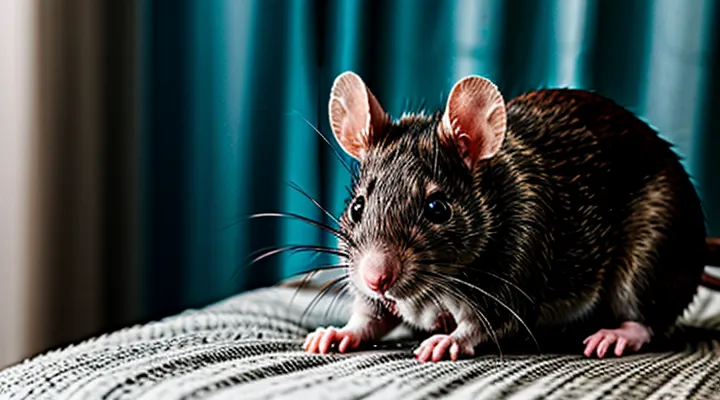
When a domesticated rodent appears during sleep, the animal’s established associations become relevant. Rats often embody themes of survival, resourcefulness, and hidden threats. The fact that the creature is a pet introduces an element of domestication, suggesting a relationship that blends familiarity with the animal’s intrinsic qualities. Consequently, the dream may reflect an internal negotiation between comfort and the instinct to guard against concealed hazards.
Key considerations for interpreting this scenario include:
- Contextual details – setting, emotions, and actions surrounding the animal.
- Personal history – prior interactions with rats or similar creatures.
- Cultural symbolism – prevailing myths or folklore that link rodents to specific concepts.
By evaluating these factors, the analyst can discern whether the vision signals a need for vigilance, a reminder of adaptability, or an invitation to integrate neglected aspects of the self. The process remains grounded in systematic observation rather than speculative guesswork.
Common Animal Symbolism in Dreams
Dreams employ animal imagery to reveal subconscious concerns, instinctual drives, and cultural associations. Interpreting such symbols relies on shared archetypal meanings that persist across traditions.
Common animal symbols and their typical interpretations include:
- «Snake» – concealed threat, transformation, primal energy.
- «Bird» – aspiration, freedom, perspective shift.
- «Wolf» – loyalty, pack dynamics, untamed instincts.
- «Cat» – independence, intuition, mystery.
- «Dog» – companionship, trust, protection.
- «Fish» – emotional depth, flow, hidden knowledge.
Rats appearing in a dream, particularly those recognized as household companions, convey distinct messages. They often signify resourcefulness, adaptability, and the ability to thrive in adverse conditions. When the rat is familiar, the dream may highlight personal qualities such as clever problem‑solving or a tendency to navigate complex social environments. Conversely, the presence of a rat can signal overlooked anxieties, especially regarding cleanliness, health, or hidden aspects of one’s life that demand attention.
Practical interpretation advises attention to the rat’s behavior and emotional tone within the dream. Calm interaction suggests confidence in one’s ingenuity, while fear or disgust points to unresolved worries about contamination or loss of control. The setting—such as a cluttered home versus a tidy space—further refines the meaning, linking the symbol to the dreamer’s current circumstances.
Overall, animal symbolism provides a framework for decoding dream content. Recognizing the specific qualities attributed to each creature enables a nuanced understanding of the subconscious messages conveyed through the appearance of a pet rat.
Specific Meanings of a Pet Rat in a Dream
Positive Interpretations
Companionship and Loyalty
Dreams featuring a domesticated rat frequently highlight the themes of companionship and loyalty. The animal’s natural tendency to live in close‑knit colonies projects an image of steadfast partnership. When the rat appears as a pet, the dream emphasizes a personal bond that mirrors the dreamer’s desire for a reliable confidant.
The rat’s reputation for forming strong social ties translates into a symbolic reminder of mutual trust. Its presence suggests that the dreamer values fidelity in relationships and may be seeking affirmation of loyalty from close associates.
Practical implications include:
- Recognition of a need for trustworthy companionship.
- Evaluation of current relationships for signs of genuine loyalty.
- Consideration of nurturing bonds that provide emotional security.
Overall, the dream signals an inner assessment of how the dreamer perceives and cultivates faithful connections, encouraging attention to the quality of interpersonal loyalty.
Resourcefulness and Adaptability
The presence of a domesticated rat in a dream signals a focus on resourcefulness. Rats survive by exploiting limited resources, indicating that the dreamer may be called to maximize what is available in waking life. This symbolism encourages pragmatic problem‑solving and the efficient use of tools, time, or relationships.
Adaptability emerges as a parallel theme. Rats adjust quickly to changing environments, suggesting that the dreamer is either already navigating transitions successfully or needs to develop flexibility. The image implies readiness to modify habits, strategies, or expectations in response to new conditions.
Key implications include:
- Recognition of hidden strengths in seemingly modest circumstances.
- Motivation to employ creative tactics when conventional methods fail.
- Encouragement to remain open to change and to restructure plans without hesitation.
Overall, the dream advises attention to practical ingenuity and the capacity to thrive amid uncertainty.
Overcoming Challenges
Dreams featuring a domesticated rat often signal the presence of concealed difficulties that require deliberate action. The animal’s association with adaptability and survival highlights an environment where resources are limited and obstacles appear unexpectedly. Recognizing the rat as a metaphor for hidden problems encourages a proactive stance toward resolution.
When the rat appears in a dream, it may reflect anxieties about control, resource management, or social perception. The creature’s nocturnal habits suggest issues that emerge under pressure or in unfamiliar settings. Interpreting this imagery as a call to address underlying tensions transforms a vague unease into a concrete target for improvement.
Practical steps for converting the symbolic challenge into measurable progress include:
- Identify specific areas where uncertainty or inefficiency persists; document recurring patterns.
- Break down each identified issue into manageable tasks; prioritize actions that restore stability.
- Apply systematic problem‑solving techniques such as root‑cause analysis; eliminate factors that perpetuate the difficulty.
- Monitor progress through regular review; adjust strategies in response to new information.
- Reinforce successful outcomes by acknowledging incremental gains; maintain momentum through consistent effort.
By treating the pet rat dream as a diagnostic tool, individuals can convert subconscious signals into actionable plans, thereby turning an unsettling vision into a catalyst for personal growth. «The mind uses vivid symbols to highlight the need for change; interpreting them wisely paves the way for effective problem solving.»
Negative Interpretations
Betrayal or Deceit
Dreams featuring a domesticated rat often signal hidden treachery. The animal’s familiar nature suggests a betrayal emerging from a trusted source. Its presence can reflect the dreamer’s subconscious detection of deceit within personal or professional relationships.
Key aspects of this symbolism include:
- A rat that is a pet rather than a wild creature indicates the betrayal is close‑knitted, possibly from a family member or close friend.
- The rat’s behavior—stealing food, gnawing objects, or scurrying away—mirrors covert actions that undermine trust.
- Emotional reactions in the dream, such as fear, disgust, or unexpected affection, reveal the dreamer’s conflicted feelings toward the deceptive individual.
Interpretation hinges on context. If the rat appears calm and affectionate, the message may warn of subtle manipulation masked by kindness. If the rat is aggressive or diseased, the warning intensifies, suggesting imminent harm caused by the deceitful party.
Overall, the dream serves as an alert to scrutinize relationships that appear secure but may conceal ulterior motives. Recognizing the rat’s symbolic role enables proactive assessment of trust and protection against potential betrayal.
Feelings of Being Trapped or Restricted
Seeing a domesticated rat in a night vision often reflects an inner sense of confinement. The animal’s small size and habit of hiding in tight spaces mirror personal experiences of limited freedom or restricted movement.
Rats are frequently linked to survival instincts; when they appear as familiar pets, the focus shifts from external threat to internal pressure. This shift suggests that the dreamer perceives their environment as narrowing, prompting anxiety about being unable to escape or expand.
Common manifestations of the trapped feeling include:
- Repeated encounters with closed doors or blocked pathways in the dreamscape.
- Sensations of being pressed against walls, ceilings, or furniture.
- An urge to flee that is repeatedly thwarted by obstacles.
Interpretation benefits from examining current life circumstances. Situations that restrict choice—such as demanding work schedules, rigid relationships, or confined living spaces—often trigger the symbolic rat. Recognizing the analogy allows the sleeper to identify specific sources of restriction and consider steps toward greater autonomy.
«A rat that scurries within familiar surroundings signals that comfort coexists with limitation». Acknowledging this duality encourages proactive adjustments, such as redefining boundaries, seeking alternative routes, or negotiating more flexible conditions. The dream thus serves as a diagnostic tool, highlighting where personal agency feels constrained and inviting corrective action.
Hidden Fears or Anxieties
Dream imagery featuring a domesticated rat often signals concealed anxieties. The animal’s reputation for secrecy and adaptability aligns with emotions that remain unacknowledged.
- Fear of contamination or impurity
- Concern about social judgment or rejection
- Apprehension regarding loss of personal control
The emotional tone toward the rat modifies interpretation. Affection toward the pet suggests anxiety about caring responsibilities or attachment to vulnerable aspects of self. Aversion indicates avoidance of uncomfortable truths.
Addressing these hidden fears involves systematic reflection. Maintaining a dream journal records recurring motifs and emotional reactions. Consulting a mental‑health professional provides structured analysis and coping strategies. Recognizing the symbolic message empowers resolution of underlying tension.
Contextual Factors Influencing Interpretation
The Rat«s Behavior in the Dream
A pet rat’s actions within a dream shape the symbolic message conveyed. Calm, inquisitive movement suggests adaptability and a willingness to explore new situations. Aggressive biting indicates unresolved tension or fear of losing control. Rapid scurrying across a familiar space reflects anxiety about being overwhelmed by responsibilities. Playful interaction with the dreamer denotes trust, emotional support, and the potential for personal growth.
Key behavioral patterns and their typical implications:
- Gentle sniffing or grooming – signals self‑care, attention to detail, and a desire for nurturing relationships.
- Hiding or retreating – points to avoidance, suppressed emotions, or a need for privacy.
- Chasing or being chased – highlights pursuit of goals, competitive drive, or looming stressors.
- Eating or hoarding food – represents resource management, abundance, or concerns about scarcity.
Observing the rat’s demeanor provides insight into subconscious attitudes toward vulnerability, independence, and the balance between instinctual urges and rational decision‑making.
Your Emotional Response to the Rat
Dreams that feature a pet rat provoke a spectrum of emotional reactions, each offering clues about underlying psychological states. A feeling of revulsion often signals unresolved anxiety about contamination or loss of control, while affection toward the animal may reveal a willingness to embrace unconventional aspects of the self. Curiosity indicates an exploratory attitude toward hidden knowledge or suppressed memories.
Typical emotional responses and their interpretive implications:
- Fear or disgust – suggests avoidance of uncomfortable truths, potential fear of disease, or resistance to change.
- Calm acceptance – denotes integration of shadow elements, readiness to confront personal shortcomings.
- Amusement or delight – points to confidence in handling unconventional situations, openness to novelty.
- Indifference – may reflect emotional numbness, detachment from personal concerns, or a neutral processing of the symbol.
Assessing the intensity, duration, and context of these feelings refines the overall dream analysis, allowing the dreamer to align subconscious messages with waking life challenges.
Your Waking Life Circumstances
Dreams featuring a domesticated rat often mirror conditions that dominate the dreamer’s daily existence. The animal’s presence signals that subconscious attention is directed toward tangible aspects of life rather than abstract symbolism.
Elevated stress levels generate vivid, animal‑centric imagery. Persistent deadlines, interpersonal conflict, or a chaotic household environment create mental turbulence that the mind resolves through familiar creatures. The rat, known for adaptability, becomes a proxy for the individual’s coping mechanisms under pressure.
Physical health considerations influence nocturnal narratives. Concerns about hygiene, nutrition, or minor ailments may surface as a rat, an animal associated with cleanliness and disease awareness. Awareness of a recent illness, dietary change, or exposure to unsanitary surroundings can trigger such imagery.
Relationship dynamics shape dream content. A pet rat may reflect feelings of neglect, dependence, or the desire for companionship. Situations where the individual feels overlooked by friends or family, or where a new bond is forming, often manifest through the symbolism of a small, loyal creature.
Financial and occupational circumstances also contribute. Uncertainty about income, job security, or career advancement can produce dreams that feature resource‑oriented animals. The rat’s reputation for resourcefulness aligns with subconscious processing of monetary concerns and professional strategy.
Key waking‑life triggers:
- Chronic stress from work or personal obligations
- Recent health issues or heightened focus on cleanliness
- Shifts in social support, including feelings of isolation or emerging connections
- Financial insecurity or career transitions
Recognizing these real‑world factors provides a pragmatic framework for interpreting the appearance of a pet rat in the nocturnal narrative.
Cultural and Psychological Perspectives
Cultural Significance of Rats
Rats have occupied a dual position in human imagination, embodying both reverence and revulsion. In ancient Egyptian iconography, the rodent appears as a symbol of fertility and regeneration, often linked to the deity «Wepwawet». Classical Greek literature portrays the rat as an omen of plague, reflecting societal anxieties about disease. Traditional Chinese folklore assigns the rat the first place in the zodiac, where it signifies resourcefulness, adaptability, and the capacity to thrive in adverse conditions. Indigenous cultures of the Americas frequently regard the rat as a messenger of the spirit world, a conduit for guidance during transitional phases.
When a domesticated rat surfaces in nocturnal imagery, these cultural layers inform the interpretive palette. The animal’s association with cleverness may suggest the dreamer’s need to employ strategic thinking. Its historical link to survival hints at an underlying concern for personal resilience. The rat’s role as a bridge between the material and the ethereal in certain traditions can indicate a subconscious invitation to explore hidden aspects of the self.
Key cultural motifs influencing dream symbolism include:
- Fertility and renewal (Egyptian tradition)
- Warning of contagion or disruption (Greek antiquity)
- Ingenuity and ambition (Chinese zodiac)
- Spiritual mediation (Native American belief)
Understanding these motifs provides a framework for decoding the presence of a pet rat in dream narratives, aligning personal experience with longstanding symbolic meanings.
Psychological Archetypes and the Rat
Dreams featuring a domesticated rat invoke several recurring archetypal patterns. The rat serves as a conduit for unconscious material, often reflecting themes of adaptability, survival, and hidden knowledge.
Jungian analysis links the rat to the Shadow archetype, representing repressed instincts and overlooked capabilities. Encountering a pet rat suggests integration of these neglected aspects, prompting conscious acknowledgment of resourcefulness and instinctual wisdom.
The Trickster archetype also appears in rat imagery. This figure challenges rigid structures, encouraging flexibility and creative problem‑solving. A dream‑rat may signal a need to question established routines and embrace unconventional approaches.
A third relevant archetype is the Caregiver, embodied by the rat’s domestic status. The animal’s presence can denote nurturing impulses directed toward oneself, emphasizing self‑compassion and the maintenance of inner health.
Key archetypal interpretations include:
- Shadow: acknowledgment of suppressed drives, acceptance of survival instincts.
- Trickster: invitation to experiment, break habitual patterns, adopt playful resilience.
- Caregiver: encouragement of self‑care, recognition of personal nurturing capacities.
Overall, the rat in a dream functions as a symbolic bridge between conscious awareness and primal, adaptive forces, urging the dreamer toward balanced integration of hidden strengths.
Practical Application of Dream Insights
Reflecting on Personal Experiences
The presence of a familiar rat in a nocturnal vision frequently elicits strong emotional reactions. Personal accounts consistently describe the animal moving through a home environment, often accompanied by sensations of curiosity, anxiety, or affection.
Narratives reveal that the dreamer’s real‑world interaction with the pet shapes the symbolic charge. When the rat is cared for, the dream may emphasize nurturing instincts; when the rat is neglected, the vision often highlights feelings of guilt or loss. Descriptions such as «the rat nibbled at my sleeve while I slept» illustrate how tactile details reinforce the link between waking experience and subconscious imagery.
Interpretive patterns emerging from multiple testimonies include:
- Recognition of adaptability and resourcefulness, reflecting the animal’s survival skills.
- Indication of hidden aspects of the self, suggested by the rat’s secretive movements.
- Expression of domestic concerns, derived from the pet’s integration into household routines.
- Manifestation of unresolved attachment, signaled by affectionate or fearful reactions toward the creature.
Effective analysis requires aligning the dream’s emotional tone with the dreamer’s recent life events. Assess the quality of the relationship with the rat, the context of the encounter, and any parallel situations involving trust, control, or transformation. This structured reflection transforms anecdotal recollection into a coherent framework for understanding the underlying psychological message.
Journaling Dream Details
Recording every element of a nocturnal vision involving a domesticated rodent creates a reliable foundation for symbolic analysis. Precise documentation captures the emotional tone, physical environment, and behavior of the animal, all of which influence interpretive frameworks.
Key components for a thorough entry include:
- Date and time of occurrence.
- Immediate emotional response, described with specific adjectives.
- Physical setting: location, lighting, surrounding objects.
- Actions performed by the rodent and by the dreamer.
- Sensory details: sounds, textures, smells.
- Personal associations triggered by the animal, such as memories or cultural references.
Consistent use of these categories enables identification of recurring motifs across multiple nights. Patterns emerge when similar settings or feelings accompany the appearance of the creature, suggesting underlying concerns or subconscious messages.
Comparative analysis benefits from cross‑referencing entries with established dream symbolism literature. When the documented behavior aligns with documented interpretations of rodents—such as survival instincts, hidden aspects of self, or social dynamics—researchers can formulate hypotheses that reflect the dreamer’s inner landscape.
Maintaining a dedicated notebook or digital log ensures longevity of the data, facilitates periodic review, and supports the development of a nuanced understanding of the recurring animal motif.
Seeking Professional Guidance (Optional)
A pet rat appearing in a nocturnal vision often signals unresolved concerns related to trust, survival instincts, or hidden aspects of daily life. Interpretation depends on personal history, cultural background, and current emotional state.
Professional assistance can clarify ambiguous symbols, uncover subconscious patterns, and provide coping strategies. Benefits include:
- Tailored analysis grounded in psychological theory
- Identification of stressors influencing dream content
- Guidance on integrating insights into real‑world decisions
Qualified practitioners comprise licensed therapists, certified dream analysts, and counselors with expertise in symbolic interpretation. Selecting a professional with credentials in analytical psychology or Jungian methods ensures methodological rigor.
When the dream evokes mild curiosity without distress, self‑reflection through journaling or literature review may suffice. Opt for professional consultation if recurring rat imagery triggers anxiety, disrupts sleep, or interferes with daily functioning.