
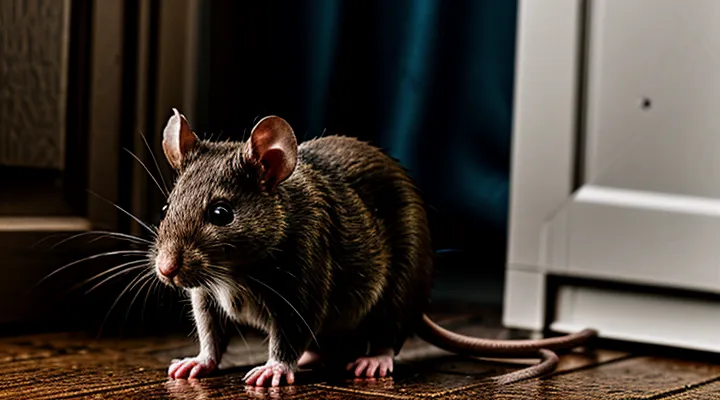
Understanding Dreams About Rats and Mice
General Interpretations of Rodent Dreams
Symbolism of Rats in Dreams
Rats appearing in sleep visions often signal underlying stress, hidden threats, or unresolved conflicts. Their presence can reflect feelings of vulnerability, especially when the dreamer perceives the animal as invasive or unclean. In many cultural frameworks, rats embody survival instincts, suggesting the subconscious is urging adaptability in a challenging environment.
Key symbolic associations of rats in dreams include:
- Deception or betrayal – scenarios where rats scurry away or hide may indicate fear of being misled by someone close.
- Loss of control – rapid, uncontrolled movement of rats can mirror situations where the dreamer feels overwhelmed by external forces.
- Resourcefulness – rats’ ability to thrive in adverse conditions may represent the dreamer’s capacity to navigate difficulties with ingenuity.
- Health concerns – recurring images of rats in dirty settings often point to anxieties about physical well‑being or hygiene.
When rats coexist with mice in the same vision, the contrast between the two rodents can highlight a spectrum of minor irritations (mice) versus more serious anxieties (rats). The dream’s emotional tone—fear, disgust, curiosity—provides additional clues for interpretation, directing attention to specific areas of life that require scrutiny or corrective action.
Symbolism of Mice in Dreams
Mice appearing in sleep visions often signal subtle anxieties tied to personal boundaries and resource management. Their small size highlights issues that feel insignificant yet persistently affect daily life.
- Feelings of vulnerability – The presence of a mouse can mirror a perceived lack of protection or a fear of being overlooked.
- Financial caution – Dreaming of mice scurrying through a pantry may warn of hidden expenses or the need to monitor spending.
- Hidden information – Mice moving unnoticed suggest undisclosed facts or secrets that could influence decisions.
- Adaptability – Observing a mouse navigating obstacles underscores the dreamer’s capacity to adjust to changing circumstances.
- Neglected responsibilities – A mouse nesting in an unclean area reflects tasks or relationships that have been ignored.
Cultural traditions associate mice with fertility and abundance, yet contemporary interpretations focus on the balance between minor concerns and larger life patterns. Recognizing the specific context—such as the mouse’s behavior, environment, and emotional response—refines the message and guides practical adjustments in waking life.
Common Dream Scenarios and Their Meanings
Dreaming of a Single Rat or Mouse
A White Rat or Mouse
A white rat or mouse appearing in a nocturnal vision signals a blend of purity and vulnerability. The animal’s color amplifies notions of innocence, while its small size highlights issues that feel marginal yet persistent.
- Purity and renewal – the white hue often denotes a fresh start, suggesting the dreamer is confronting a new phase that requires careful attention.
- Hidden anxieties – rodents are traditionally linked to concealed fears; a white specimen may point to worries about losing personal integrity or being judged for perceived frailty.
- Social dynamics – the creature’s presence can reflect feelings of being overlooked within a group, or a desire to assert influence despite a modest exterior.
- Health considerations – some interpret the appearance of a white rodent as a reminder to monitor one’s physical well‑being, particularly regarding infections or immune response.
Contextual factors shape the message. A calm interaction implies acceptance of change, whereas aggression or evasion signals resistance to the emerging transformation. Emotional tone—fear, curiosity, affection—modifies the intensity of the warning or encouragement embedded in the vision.
A Black Rat or Mouse
A black rat or mouse appearing in a dream signals concealed concerns that the dreamer may be avoiding. The animal’s dark coloration intensifies the association with hidden aspects of the psyche, suggesting that the source of anxiety is not fully acknowledged.
Psychological analysis links the presence of a black rodent to feelings of vulnerability and the instinct to protect personal boundaries. In Jungian terms, the creature functions as a shadow archetype, embodying repressed impulses that surface when the conscious mind encounters stress.
Cultural narratives reinforce the symbolism. Historically, black rats have represented disease and decay, while also embodying adaptability and survival under adverse conditions. Consequently, the dream may simultaneously warn of potential harm and acknowledge the dreamer’s capacity to endure hardship.
Interpretation depends on contextual details:
- Emotional tone – fear or calm influences whether the dream is a warning or a reminder of resilience.
- Interaction – being chased, killing, or caring for the animal alters the message; pursuit implies looming threat, while nurturing suggests integration of the shadow.
- Environment – a dirty setting amplifies concerns about contamination; a clean setting may highlight the ability to manage hidden issues.
When a black rat or mouse is present, assess personal stressors, examine areas where control feels lost, and consider steps to confront the underlying problem rather than ignore it.
A Dead Rat or Mouse
Dreams that feature a lifeless rat or mouse convey a distinct set of messages that differ from those associated with living rodents. The presence of death in the dream image signals an ending, a loss of vitality, or the termination of a problem that has been nagging the subconscious.
- Termination of a harmful habit or relationship that once seemed insignificant.
- Release of repressed anger or resentment toward a person who betrayed trust.
- Indication that a previously unnoticed threat has been neutralized.
- Symbolic representation of personal decline, such as dwindling confidence or health concerns.
Psychologists interpret the dead rodent as the mind’s method of processing anxiety about contamination, scarcity, or vulnerability. The animal’s size and perceived insignificance amplify feelings of helplessness, prompting the dreamer to confront minor yet persistent stressors. Cognitive‑behavioral frameworks link this imagery to unresolved conflicts that the conscious mind has dismissed, while Jungian analysis views the dead creature as an archetype of the “shadow” being acknowledged and integrated.
Cultural traditions assign varied meanings. In some Eastern folklore, a dead mouse foretells the end of a period of poverty, whereas certain Western superstitions associate it with the departure of deceitful influences. Historical literature often treats the slain rodent as a metaphor for the triumph over hidden dangers.
When the dream occurs, practical steps include:
- Identifying recent situations where feelings of betrayal, loss, or stagnation surfaced.
- Evaluating health habits, financial status, or interpersonal dynamics for signs of decline.
- Recording emotions experienced during the dream to trace connections to waking life stressors.
By examining these aspects, the individual can transform the unsettling image into a catalyst for conscious change and resolution.
Dreaming of Multiple Rats or Mice
An Infestation of Rodents
Dreams featuring a swarm of rats or mice often signal an internal sense of invasion. The sheer number of creatures suggests that a neglected issue has multiplied beyond manageable limits, creating pressure that feels uncontrollable.
The symbolism can be broken down into several core ideas:
- Overwhelming stress: a proliferation of rodents mirrors tasks, responsibilities, or emotions that have accumulated unchecked.
- Hidden threats: rodents hide in walls and corners; the dream may point to problems concealed in the subconscious, awaiting discovery.
- Loss of personal boundaries: an infestation implies that personal space has been breached, reflecting feelings of vulnerability or exploitation.
Cultural narratives frequently associate rodents with disease and decay. When the dream emphasizes infestation, it reinforces the notion of contamination—whether literal, such as unhealthy habits, or metaphorical, like toxic relationships.
To interpret the vision, examine recent circumstances that involve rapid growth or unnoticed deterioration. Identify areas where boundaries have eroded, and consider corrective actions such as setting limits, addressing unresolved conflicts, or simplifying an overburdened schedule. Addressing the root cause reduces the mental image of a relentless rodent surge.
Rodents in Your Home
Rodents appearing in a domestic setting often signal issues that have infiltrated personal boundaries. Their presence in the dream suggests hidden problems that have taken root within the household environment, such as financial strain, health concerns, or unresolved conflicts among family members.
A mouse or rat moving through rooms may represent anxiety about loss of control over daily routines. The animal’s small size emphasizes subtle, persistent disturbances, while its ability to hide reflects aspects of life that remain unnoticed until they surface in the subconscious.
Common symbolic meanings associated with indoor rodents include:
- Accumulated stress from clutter or disorganization.
- Fear of infestation, indicating neglect of personal or relational boundaries.
- Concerns about hygiene, suggesting a need to address unhealthy habits.
- Unacknowledged guilt or shame related to family responsibilities.
Addressing these themes involves practical steps: declutter living spaces, establish clear household rules, and confront lingering tensions. By resolving the underlying issues that the dream highlights, the unsettling imagery of rats and mice can lose its power to disturb the sleeper’s mindset.
Rodents Chasing You
Dreams in which rats or mice chase the dreamer signal underlying tension between personal boundaries and perceived threats. The relentless pursuit reflects anxiety about small, seemingly insignificant problems that accumulate into a sense of being overwhelmed. When the rodents are aggressive, the mind emphasizes feelings of vulnerability and loss of control in daily life.
Key interpretations include:
- Unresolved irritations – Minor conflicts or habits that the subconscious labels as pests, demanding attention.
- Financial pressure – Symbolic representation of dwindling resources, as rodents are often linked to scarcity and waste.
- Health concerns – Association with disease‑carrying animals suggests subconscious worries about physical well‑being.
- Social dynamics – The chase may mirror experiences of being pursued or judged by peers, especially in competitive environments.
The emotional tone of the chase refines the message. Fear or panic points to acute stress, whereas a calm pursuit may indicate a rational assessment of minor inconveniences. Repeated encounters with chasing rodents amplify the urgency to address the underlying issues before they become more disruptive.
Interacting with Rats or Mice in Dreams
Killing Rats or Mice
Dreams in which a person kills rats or mice convey a clear signal of confronting undesirable aspects of life. The act of elimination represents an attempt to remove threats, anxieties, or habits that undermine personal stability. In psychological analysis, such imagery is linked to the suppression of instincts, hidden fears, or toxic relationships that the dreamer perceives as parasitic.
The specific focus on rodents adds nuance. Rats often symbolize deceit, betrayal, or disease, while mice may indicate petty worries, minor irritations, or feelings of insignificance. When the dreamer actively destroys these creatures, the subconscious registers a decisive effort to regain control over these negative influences.
Typical interpretations include:
- Assertion of power over manipulative people or situations.
- Resolution of lingering guilt associated with past compromises.
- Clearance of unhealthy habits that drain energy.
- Reinforcement of personal boundaries against subtle threats.
Consistent occurrence of this motif suggests a sustained need for decisive action. Addressing the underlying issues in waking life—through direct confrontation, boundary setting, or behavioral change—aligns the dream’s message with tangible progress.
Being Bitten by a Rat or Mouse
Dreams featuring rats or mice often highlight issues of insecurity, hidden threats, or feelings of being undermined. When the dream includes a bite from one of these rodents, the symbolism sharpens, pointing to personal boundaries being breached and unresolved anxieties surfacing.
- A bite signals an immediate sense of violation; it reflects a situation where you feel attacked or taken advantage of by someone perceived as insignificant or deceptive.
- The animal’s size emphasizes the disproportionate impact of a minor conflict, suggesting that small, seemingly harmless interactions may cause disproportionate stress.
- Physical pain in the dream mirrors emotional discomfort, indicating repressed resentment or fear of contagion—psychological or social—that needs acknowledgment.
- The bite’s location on the body often corresponds to the area of life most affected: a hand bite may relate to work or creative endeavors, a foot bite to mobility and progress, a throat bite to communication.
Interpreting this image requires assessing current relationships and personal habits. Identify any recent encounters where a colleague, acquaintance, or family member acted covertly or dismissed your concerns. Consider whether you have allowed trivial matters to erode confidence or whether you are ignoring subtle warning signs.
Practical steps:
- Review recent interactions for patterns of manipulation or neglect.
- Establish clear boundaries; articulate limits directly to parties involved.
- Address lingering guilt or fear by journaling the specific emotions triggered by the bite.
- Seek professional guidance if the dream recurs, indicating deeper unresolved conflict.
The bite functions as a warning signal, urging vigilance against minor threats that could compromise well‑being if left unchecked. Recognizing and responding to this cue can restore equilibrium and prevent escalation.
Feeding Rats or Mice
Dreams that involve providing food to rodents often signal a desire to nurture aspects of yourself that you consider undesirable or hidden. The act of feeding rats or mice reflects an unconscious willingness to sustain thoughts, habits, or relationships that you might normally suppress. By offering sustenance, the dreamer acknowledges the persistence of these elements and may be preparing to confront their influence.
The symbolic meaning of feeding rodents can be broken down into several key points:
- Acceptance of the unwanted: Supplying nourishment suggests an implicit agreement with the presence of the unwanted, indicating a need to recognize rather than reject it.
- Control over anxiety: Providing food may represent an attempt to manage fear or discomfort associated with the creatures, turning dread into a manageable task.
- Resource allocation: The dream may highlight how personal energy is being directed toward low‑value or harmful pursuits, prompting a reassessment of priorities.
In practical terms, the dream advises the individual to examine what “rodents” represent in waking life—such as nagging thoughts, petty conflicts, or unhealthy habits—and to decide whether continued support is constructive. If the feeding feels pleasant, it may signal a healthy integration of shadow aspects; if it feels repulsive, it could be a warning to cease reinforcing detrimental patterns.
Psychological Perspectives on Rodent Dreams
Subconscious Fears and Anxieties
Dreams that feature rats or mice frequently act as a mirror for hidden apprehensions. The presence of these small, often unwanted creatures points to concerns that the mind prefers to keep out of everyday awareness.
Typical associations include fear of contamination, anxiety about loss of personal boundaries, and dread of being overlooked or dismissed. The scurrying motion of rodents can symbolize a feeling of being chased by unresolved stressors, while their nocturnal habits may reflect hidden aspects of self that resist illumination.
Common subconscious worries revealed by such dreams are:
- Persistent stress from work or relationships that feels invasive.
- Perceived threats to health or hygiene, especially after illness or exposure to germs.
- Insecurity about social standing, stemming from experiences of ridicule or marginalization.
- Fear of betrayal, linked to the reputation of rodents as covert carriers of danger.
When the dream evokes strong disgust or panic, it signals that the underlying anxiety is acute. Identifying recent events that echo these themes helps clarify the source. Noting the emotional tone—whether shame, anger, or helplessness—provides clues for further analysis.
Practical steps for processing the content include recording the dream immediately, comparing its details with current life pressures, and exploring the symbolism through guided reflection or therapy. Cognitive‑behavioral techniques that challenge irrational fears and exposure exercises that reduce aversion to the represented animal can diminish the recurring impact of the dream.
Feelings of Helplessness or Being Overwhelmed
Dreams featuring rats or mice often signal a perception of powerlessness. The small, scurrying creatures embody situations that feel uncontrollable, prompting the dreamer to confront a sense of being swamped by details or responsibilities.
When the animal appears in a chaotic setting—such as a crowded kitchen, a cluttered attic, or a dark tunnel—the mind translates the visual overload into an emotional cue. The dreamer may interpret the relentless movement as a metaphor for relentless pressures in waking life.
Key aspects to consider:
- Quantity of animals – large swarms amplify the feeling of being besieged; solitary rodents suggest a focused source of anxiety.
- Interaction with the rodent – being chased or bitten intensifies the impression of vulnerability; observing without threat points to passive awareness of stress.
- Environment – cramped or filthy surroundings reinforce the notion of entrapment and loss of control.
The emotional tone in the dream often mirrors the waking experience of helplessness. A sudden surge of fear, panic, or resignation while the rodents multiply reflects an internal alarm that current demands exceed personal capacity. Recognizing this pattern can guide the dreamer to assess real‑world stressors, prioritize tasks, and seek strategies that restore a sense of agency.
In summary, rat and mouse imagery serves as a symbolic alert to feelings of overwhelm. The dream’s details—number, behavior, setting—provide clues about the specific areas where the individual perceives a loss of control, encouraging a focused response to re‑establish balance.
Hidden Problems or Betrayal
Dreams that feature rats or mice often point to concealed issues within personal or professional relationships. The presence of these small rodents suggests that something undesirable is being hidden, ignored, or deliberately suppressed.
The animals’ reputation for stealth and opportunism translates into a warning about deceit. When the dreamer observes rodents scurrying unnoticed, the subconscious may be alerting them to a betrayal that is not yet apparent. The following signs commonly accompany such dreams:
- Sudden changes in a colleague’s behavior that lack clear explanation.
- Unexplained tension or distance in a close friendship.
- Discovery of secret communications, such as hidden messages or undisclosed meetings.
- Feelings of unease after receiving vague promises or half‑hearted agreements.
Psychologically, rats and mice embody the “shadow” aspect of the psyche—traits that the dreamer refuses to acknowledge. The dream may be urging the individual to examine overlooked habits, financial irregularities, or ethical compromises that could undermine trust.
Culturally, these rodents have long been associated with infestation and disease, reinforcing the notion that hidden problems can spread if left unchecked. The dream therefore serves as a prompt to investigate sources of contamination—whether literal, such as a workplace environment, or metaphorical, such as toxic dynamics in a team.
Practical steps after experiencing such a dream include:
- List recent interactions that felt off‑balance or secretive.
- Verify facts behind any vague statements or promises.
- Confront the suspected source with clear, non‑accusatory questions.
- Document findings to prevent recurrence of concealed misconduct.
By treating the dream as a diagnostic signal, the dreamer can uncover and address betrayal before it escalates into larger conflict.
Cultural and Historical Interpretations
Rodents in Folklore and Mythology
Rodents appear repeatedly in mythic narratives, serving as carriers of moral, ecological, and supernatural messages that echo in contemporary dream analysis. Their small size and adaptability allow storytellers to assign a range of meanings, from warning signs to protective symbols.
- Greek myth: plague of rats in the story of Aeschylus’ The Persians signals divine retribution.
- Norse legend: the mouse that gnaws the roots of Yggdrasil represents hidden decay threatening the world tree.
- Chinese folklore: the mouse is a herald of abundance, linked to the zodiac’s first sign and the promise of wealth.
- Native American tradition: the prairie mouse is a trickster figure, teaching humility through its evasive behavior.
- European fairy tales: rats dwell in castles as omens of betrayal or disease, as seen in the Grimm story of “The Mouse‑King”.
Across cultures, rodents embody several core symbols. They often denote contamination or illness, reflecting their real‑world role as disease vectors. Simultaneously, their prolific breeding suggests fertility and resourcefulness. Their nocturnal habits associate them with the hidden or subconscious realm, while their capacity to infiltrate human spaces conveys themes of intrusion and secrecy.
When a dream features rats or mice, the ancient symbolism provides a framework for interpretation. The presence of a rodent may point to concerns about personal health, unnoticed problems, or a need for strategic adaptability. Conversely, a benign or abundant mouse scene can signal forthcoming prosperity or the emergence of hidden talents. Recognizing the mythic backdrop sharpens the reader’s ability to decode the subconscious message.
Regional Beliefs About Rats and Mice in Dreams
Dreams featuring rats or mice attract distinct interpretations across cultures, reflecting local symbolism, folklore, and religious beliefs.
In East Asian societies, particularly China and Japan, rodents often symbolize wealth and abundance. A sudden appearance of mice in a dream may be linked to unexpected financial gain, while rats can represent hidden resources or the need to address neglected responsibilities.
South Asian traditions, especially within Hindu and Buddhist contexts, associate rats with the deity Ganesha, who rides a mouse. Consequently, a mouse in a dream may suggest divine guidance, the removal of obstacles, or a reminder to cultivate humility.
Middle Eastern folklore frequently portrays rats as harbingers of disease or moral decay. Dreaming of rats may signal concerns about personal health, social contamination, or the presence of deceitful individuals in one’s environment.
European folklore presents a dual perspective. In medieval England, rats were linked to plague and misfortune, whereas in some Celtic tales, mice embodied cleverness and the ability to uncover hidden truths. A dream of mice could therefore indicate a need for careful observation or an upcoming revelation.
Indigenous cultures of the Americas often view rodents as trickster figures. A mouse dream might convey lessons about adaptability, resourcefulness, or the consequences of underestimating small forces.
African tribal narratives vary widely. In certain West African societies, rats symbolize resilience and survival in harsh conditions, while in other regions they represent greed or the intrusion of unwanted influences.
Key regional motifs can be summarized:
- East Asia: prosperity, hidden assets, responsibility
- South Asia: divine assistance, obstacle removal, humility
- Middle East: health threats, moral contamination, deceit
- Europe: plague warning, clever insight, revelation
- Indigenous Americas: adaptability, trickster lessons, underestimation
- Africa: resilience, survival, potential greed
Understanding these cultural patterns provides a framework for interpreting rodent imagery within personal dream experiences.