
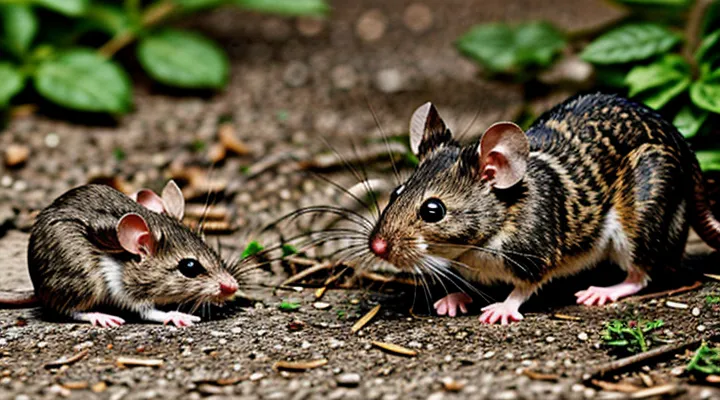
The Unmistakable Odor of Decomposition
The Chemical Composition of Decay
Volatile Organic Compounds (VOCs)
Volatile organic compounds (VOCs) released during the decomposition of a small rodent constitute the primary olfactory signature that attracts carnivorous and scavenging species. The breakdown of proteins and nucleic acids generates a predictable mixture of low‑molecular‑weight chemicals that diffuse rapidly through the surrounding air.
Key VOCs identified in post‑mortem rodent odor include:
- putrescine (1,4‑diamine)
- cadaverine (1,5‑diamine)
- indole
- skatole (3‑methyl‑indole)
- phenol
- dimethyl sulfide
- isovaleric acid
These compounds arise from microbial activity and enzymatic autolysis. Their relative concentrations evolve over time, with amines such as putrescine and cadaverine predominating in the early stages, while sulfur‑containing molecules increase as decomposition progresses. Predators possessing highly sensitive olfactory receptors, such as canids, mustelids, and certain avian raptors, detect these VOCs to locate carrion or prey. Reptilian hunters, including snakes, rely on analogous chemosensory pathways to track the same odor profile.
Detection thresholds for many of the listed VOCs fall within parts‑per‑billion ranges, enabling predators to discern a dead mouse from a distance of several meters. The consistency of this chemical bouquet across rodent species provides a reliable cue for foraging behavior, guiding predators toward nutrient‑rich resources while minimizing search effort.
Putrescine and Cadaverine: The Primary Culprits
Putrescine and Cadaverine are diamines produced during protein decomposition in a dead mouse. These compounds arise from the bacterial breakdown of amino acids—ornithine for putrescine and lysine for cadaverine. Their molecular structures contain two primary amine groups, conferring high basicity and volatility at low concentrations.
The odor profile of each compound is distinct yet synergistic. Putrescine emits a faint, sweetish smell reminiscent of rotting fish, while cadaverine contributes a strong, pungent note comparable to decaying flesh. Detection thresholds for mammals lie in the low parts‑per‑billion range, allowing predators to perceive the scent from considerable distances.
Predatory mammals and birds rely on olfactory receptors tuned to these amines. Binding of putrescine or cadaverine to specific G‑protein‑coupled receptors triggers neural pathways associated with carrion detection, prompting pursuit behavior. The combined presence of both amines amplifies the signal, enhancing the likelihood of successful location of the carcass.
Key characteristics:
- Chemical class: aliphatic diamines
- Primary sources: microbial decarboxylation of ornithine (putrescine) and lysine (cadaverine)
- Odor descriptors: sweet‑rotting (putrescine), foul‑decay (cadaverine)
- Sensory threshold: ≈ 10 ppb for mammals
- Ecological role: primary olfactory cues for scavengers and predators seeking dead rodents
Other Sulfur-Containing Compounds
Sulfur‑based volatiles released during rodent decomposition extend beyond the well‑known thiols. Dimethyl sulfide, produced by microbial breakdown of tissue, contributes a faint, sweetish odor detectable at low concentrations. Methanethiol, another common by‑product, emits a sharp, cabbage‑like scent that intensifies as decay progresses. Dimethyl disulfide and dimethyl trisulfide generate deeper, garlic‑type notes, persisting longer in the environment and enhancing the overall olfactory profile.
These compounds serve as chemical signals for scavengers and predators. Their volatility enables rapid diffusion through soil and air, creating a gradient that guides carnivores toward the source. The combined presence of dimethyl sulfide, methanethiol, and higher‑order sulfides forms a distinctive bouquet that differentiates rodent carrion from other organic matter, facilitating efficient foraging behavior.
Key sulfur compounds associated with mouse carcasses:
- Dimethyl sulfide
- Methanethiol
- Dimethyl disulfide
- Dimethyl trisulfide
Each contributes specific aromatic characteristics that, when mixed, produce the complex scentscape recognized by predatory species.
Factors Influencing the Scent's Intensity and Duration
Environmental Conditions: Temperature and Humidity
Temperature influences the rate at which volatile compounds from a dead rodent become airborne. Higher temperatures increase molecular motion, accelerating the evaporation of fatty acids, aldehydes, and sulfur‑containing substances that compose the characteristic odor. As a result, the scent plume expands more rapidly and reaches greater distances, improving detection by carnivorous mammals and avian predators.
Humidity determines the stability of odor molecules in the surrounding air. Elevated moisture content slows the diffusion of hydrophobic compounds, allowing them to linger near the source for extended periods. Conversely, low humidity promotes rapid dispersion but reduces the concentration of scent particles, potentially diminishing the signal strength received by predators with highly sensitive olfactory receptors.
Key effects of environmental conditions:
- Warm, humid environments: prolonged odor persistence, dense plume, optimal for predator tracking.
- Warm, dry environments: fast plume expansion, lower concentration, suitable for short‑range detection.
- Cool, humid environments: slow volatilization, limited plume size, reduced attractiveness to distance‑sensing predators.
- Cool, dry environments: minimal odor release, negligible attraction potential.
Understanding these dynamics assists researchers in predicting predator behavior around carrion and informs wildlife management strategies that rely on scent cues.
Size and Location of the Carcass
The dimensions of a mouse carcass determine the total amount of decomposing tissue available for bacterial activity. A larger body releases a greater volume of volatile organic compounds (VOCs), extending the detectable plume to distances measured in tens of meters under calm conditions. Conversely, a diminutive carcass generates a modest VOC output, limiting the scent radius to a few meters.
Placement of the remains dictates the rate of odor dispersion. Exposure on the ground’s surface accelerates drying and microbial breakdown, producing a rapid surge of sulfur‑containing and amine‑rich compounds. Subsurface burial, concealment under leaf litter, or placement within insulated cavities slows decomposition, resulting in a delayed but prolonged release of attractant chemicals. Ambient temperature, humidity, and airflow further modulate these processes, with warm, moist environments enhancing VOC production.
Key relationships between carcass characteristics and predator attraction:
- Larger mass → higher VOC concentration → increased detection probability for olfactory‑specialist hunters.
- Open, elevated locations → immediate VOC release → rapid predator response.
- Covered or buried sites → gradual VOC emission → sustained attraction over extended periods.
- Warm, humid microclimates → accelerated bacterial activity → stronger scent signatures.
Understanding these parameters clarifies how size and location shape the olfactory cues that guide predatory species toward a dead mouse.
Stage of Decomposition
The decay of a small rodent proceeds through identifiable phases, each emitting a distinct volatile profile that signals availability to carnivores and scavengers. Early breakdown releases molecules such as ammonia and sulfides, while later stages produce stronger putrefaction odors that travel greater distances.
- Fresh stage (0‑12 hours): skin and internal fluids emit a faint, metallic scent dominated by ammonia and low‑level sulfur compounds.
- Bloat stage (12‑48 hours): bacterial fermentation generates pronounced sulfurous notes, along with the emergence of «putrescine» and «cadaverine», creating a sharp, rancid odor.
- Active decay (2‑5 days): tissue liquefaction intensifies the release of nitrogenous amines and fatty acid breakdown products, producing a robust, fetid aroma detectable by olfactory specialists.
- Advanced decay (5‑10 days): desiccation reduces fluid release; remaining tissues emit a milder, earthy smell enriched with indole and phenol derivatives.
- Dry/remains stage (10+ days): skeletal fragments and dried tissue give off faint, musty odors, primarily from residual keratin breakdown.
Predators exploit these chemical cues. Mammalian hunters such as felids respond strongly to the bloat and active decay phases, where the concentration of amines peaks. Reptilian predators, including snakes, are attracted to the same volatile blend, while carrion‑feeding birds prefer the advanced decay stage, detecting the lingering indole and phenol signals from a distance. The progression of odor intensity and composition thus directly influences the timing and type of scavenger activity.
How Predators Detect and Respond to the Scent
Olfactory Sensitivity of Common Predators
Canids: Dogs, Foxes, and Coyotes
Canids such as domestic dogs, red foxes, and coyotes possess olfactory systems capable of detecting the volatile compounds released by decomposing rodents. The breakdown of proteins, fats, and nucleic acids generates a mixture of sulfur‑containing molecules (e.g., dimethyl sulfide, mercaptans), short‑chain fatty acids (e.g., butyric acid), and amines (e.g., putrescine, cadaverine). These chemicals disperse rapidly in the environment and serve as reliable indicators of carrion.
The sensitivity of canid noses allows detection of concentrations as low as parts per trillion. When a dead mouse is present, the following odorants are most influential in attracting canids:
- Dimethyl sulfide – sharp, garlic‑like scent
- Mercaptans – pungent, reminiscent of rotting eggs
- Putrescine – foul, decaying meat aroma
- Cadaverine – strong, ammonia‑like odor
- Butyric acid – rancid, butter‑like smell
Behavioral responses differ among species. Dogs often exhibit investigative sniffing, followed by a brief pause and potential consumption if food scarcity exists. Foxes display rapid approach, followed by caching behavior, where the carcass is buried for later retrieval. Coyotes tend to locate the source from a distance, then coordinate with pack members to exploit the resource efficiently.
Ecological impact includes reinforcement of scavenging pathways, nutrient recycling, and regulation of small‑mammal populations. The detection of mouse carrion thus integrates sensory physiology with predator foraging strategies across the canid family.
Felines: Cats and Other Carnivores
Felines possess an exceptionally acute olfactory system that detects volatile compounds released during the decomposition of small rodents. The breakdown of protein and fat yields amines such as putrescine and cadaverine, along with sulfur‑containing molecules like dimethyl sulfide. These chemicals disperse rapidly in the environment, forming a scent plume that signals the presence of a potential food source.
When a dead mouse is present, domestic cats and wild carnivores respond with heightened investigative behavior. The scent triggers neural pathways associated with hunting, prompting tracking, pouncing, or scavenging actions. This response is consistent across species that rely on smell to locate prey remnants.
Key olfactory cues and typical feline reactions:
- Putrescine and cadaverine – immediate investigation, often followed by gentle pawing.
- Dimethyl sulfide – rapid approach, increased sniffing frequency.
- Fatty acid derivatives – sustained interest, possible consumption of the carcass.
The detection range extends several meters, allowing predators to locate a concealed carcass without visual confirmation. This capability supports efficient energy acquisition and influences territorial dynamics among carnivorous mammals.
Birds of Prey and Scavengers
The decomposition of a mouse releases volatile organic compounds (VOCs) such as cadaverine, putrescine, and indole. These chemicals create a distinctive, pungent odor that spreads rapidly in the surrounding environment. Predatory birds detect this scent through highly developed olfactory receptors located in the nasal cavity and, in some species, the oral cavity.
Birds of prey rely on a combination of visual acuity and olfactory sensitivity to locate carrion. Raptors such as the turkey vulture possess a nasal cavity enlarged by pneumatic sinuses, allowing detection of trace amounts of VOCs from distances of several hundred meters. The bald eagle, while primarily a visual hunter, can supplement sight with scent cues when soaring over open fields where ground-level odor plumes accumulate.
Scavenging birds also exploit mouse odor. Species including the common raven, black‑kite, and carrion‑crow exhibit the following adaptations:
- Enlarged olfactory bulbs relative to brain size, enhancing odor discrimination.
- Feathered facial bristles that channel airflow toward nasal openings.
- Behavioral patterns of circling over potential carcasses to assess scent intensity before landing.
These physiological and behavioral traits enable predatory and scavenging avians to locate dead rodents efficiently, converting chemical signals into opportunities for feeding.
Behavioral Responses to the Scent
Attraction and Investigation
A deceased rodent emits a blend of volatile organic compounds that function as a chemical beacon for carnivorous and avian predators. The odor profile includes decompositional aldehydes, putrescine, cadaverine, and fatty acid derivatives, each contributing to a distinctive, repellent‑to‑humans but attractive scent for scavengers.
Key odorants:
- Hexanal and heptanal – short‑chain aldehydes signaling tissue breakdown.
- Putrescine and cadaverine – biogenic amines produced by bacterial activity.
- Phenolic compounds – byproducts of protein degradation, enhancing olfactory contrast.
Predator attraction relies on highly sensitive olfactory receptors tuned to these molecules. Mammalian carnivores detect concentrations as low as parts per billion, triggering pursuit behavior. Birds of prey employ similar detection mechanisms, often following scent plumes to locate carrion sources.
Investigation of this chemical communication employs multiple techniques:
- Gas chromatography–mass spectrometry (GC‑MS) for quantitative analysis of emitted volatiles.
- Electro‑olfactogram recordings to assess receptor responses in predator species.
- Field experiments with bait stations containing synthetic odor blends to measure attraction rates.
- Stable isotope labeling to trace metabolic pathways of decomposition compounds.
These methods collectively elucidate the role of scent in predator–prey dynamics and support forensic applications involving rodent mortality.
Foraging and Scavenging Behavior
The decomposition of a small rodent releases a specific blend of volatile compounds that serve as a reliable indicator of carrion for opportunistic feeders. Primary chemicals include cadaverine, putrescine, indole, and various sulfur‑containing molecules; together they create a distinctive odor profile detectable over considerable distances.
Mammalian and avian scavengers possess olfactory receptors tuned to these compounds. Sensory thresholds allow detection of concentrations as low as a few parts per billion, enabling predators to locate food sources without visual cues. Neural pathways prioritize these signals, triggering directed movement toward the source.
Typical predators and scavengers that respond to the odor of dead rodents include:
- Red‑tailed hawks
- Barn owls
- Striped skunks
- Raccoons
- Foxes
These species incorporate carrion into their diet when fresh prey is scarce, reducing competition for live prey and contributing to nutrient recycling. The presence of rodent carcasses thus influences foraging patterns, habitat use, and interspecific interactions within ecosystems.
Predation vs. Opportunistic Feeding
The decomposition of a small rodent releases volatile compounds that signal carrion to a wide range of carnivores. These olfactory cues trigger two distinct feeding strategies: active hunting of live prey and opportunistic consumption of dead material.
- Predation relies on the detection of movement, heat, and subtle scent trails generated by living animals; the predator engages in pursuit, capture, and immediate killing.
- Opportunistic feeding activates when the scent of decay reaches a threshold that indicates an easy, low‑effort resource; the animal approaches the source, evaluates freshness, and consumes without the need for chase.
Both strategies exploit the same chemical landscape, yet the decision pathway differs. Predators with high metabolic demand prioritize live captures, while scavengers and flexible hunters shift to carrion when the odor intensity suggests abundant, low‑risk nourishment. This dual use of scent underscores the adaptive value of olfactory information in mammalian foraging ecology.
Health Risks Associated with Decomposing Rodents
Bacterial and Viral Contamination
Hantavirus and Leptospirosis
The odor released by a decomposing rodent contains chemical cues that can attract carnivorous mammals and birds. Among these cues, bacterial and viral agents present in the carcass pose significant health risks to scavengers and humans who handle the remains.
«Hantavirus» is transmitted primarily through inhalation of aerosolized particles from rodent urine, feces, or saliva that become incorporated into the decay process. Predators that ingest contaminated tissue may experience acute respiratory distress, while secondary exposure to humans can occur when cleaning contaminated environments.
«Leptospirosis» spreads via spirochetes shed in the urine of infected rodents. During decomposition, the pathogen can persist in moist tissues and be absorbed through skin abrasions or mucous membranes of animals that feed on the corpse. Human infection follows similar routes, often after contact with contaminated water or soil where the dead mouse has decomposed.
Both pathogens underscore the importance of protective equipment and hygiene practices for individuals handling rodent carcasses, as the scent that draws predators also signals the presence of disease‑bearing agents.
Salmonella and Other Foodborne Pathogens
The odor released by a deceased rodent contains volatile compounds that signal potential food sources to carnivorous species. When a mouse dies in a kitchen or storage area, bacterial contamination often accompanies the decomposition. Salmonella, a gram‑negative bacterium, can proliferate in the surrounding environment, especially where moisture and organic material are present. Its presence increases the risk of foodborne illness for humans and animals that ingest contaminated food or water.
Other pathogens commonly associated with rodent carcasses include:
- Campylobacter jejuni, causing gastrointestinal infection; - Listeria monocytogenes, capable of surviving low temperatures and persisting on surfaces; - Yersinia pestis, the agent of plague, transmissible through direct contact with infected tissue; - Hantavirus, released from rodent excreta and inhaled as aerosolized particles.
These microorganisms survive long enough to be detected by the olfactory systems of predators, which rely on scent cues to locate prey. The same chemical signals that attract carnivores also serve as indicators of microbial activity, reinforcing the ecological link between decomposition odors and pathogen dissemination. Effective sanitation and prompt removal of dead rodents mitigate the spread of these foodborne hazards.
Attracting Other Pests
Flies and Maggots
Flies are among the first insects to detect the volatile compounds released by a decaying rodent. Compounds such as putrescine, cadaverine, indole and phenol create a distinctive odor profile that activates olfactory receptors in dipteran species. This chemical signal triggers rapid colonization, often within minutes of death.
- Housefly (Musca domestica) responds to low‑molecular‑weight amines, locating the carcass for oviposition.
- Blowfly (Calliphora spp.) targets sulfur‑containing volatiles, laying eggs on the surface of the tissue.
- Flesh fly (Sarcophaga spp.) prefers a later stage of decomposition, attracted by the buildup of fatty acids.
Eggs deposited by these flies hatch into maggots, which become the primary agents of tissue breakdown. Maggots secrete proteolytic enzymes that liquefy protein, facilitating nutrient absorption and accelerating decomposition. Their activity also modifies the odor composition, increasing the release of short‑chain fatty acids that attract secondary scavengers, including small mammals and predatory birds.
The presence of flies and maggots therefore serves a dual ecological function: it provides a rapid food source for opportunistic predators and it enhances the dispersal of decomposition cues, ensuring that the carcass remains detectable throughout the decay process.
Beetles and Other Scavenging Insects
Beetles and other scavenging insects locate a dead rodent through the volatile organic compounds released during decomposition. Compounds such as cadaverine, putrescine, indole, and various fatty acids form a distinctive odor profile that signals a nutrient source. Insects equipped with highly sensitive olfactory receptors detect these chemicals at low concentrations, allowing rapid colonization of the carcass.
The primary beetle families involved in carrion consumption include:
- Silphidae (carrion beetles) – feed on soft tissues and lay eggs directly on the carcass.
- Staphylinidae (rove beetles) – specialize in consuming maggots and other soft‑bodied invertebrates.
- Histeridae (clown beetles) – act as predators of fly larvae and other small scavengers.
- Dermestidae (skin beetles) – process dried tissues and fur after initial decay stages.
Flies, especially blowflies, arrive first, providing a food source for beetles that prey on their larvae. Ants may also exploit the resource, transporting fragments to the nest for communal feeding. Wasps occasionally scavenge or parasitize larvae present on the carcass.
The activity of these insects accelerates tissue breakdown, reduces the persistence of the odor, and facilitates nutrient return to the ecosystem. By consuming the remains and competing with larger predators, scavenging insects play a critical role in the decomposition process and in the transfer of energy through the food web.
Mitigation and Removal Strategies
Locating the Source of the Odor
Visual Inspection and Olfactory Tracking
Visual inspection provides immediate information about the decomposition stage of a rodent carcass. Fresh tissue appears pink‑white, while early decay produces a gray‑green hue and slight swelling of the abdomen. As autolysis progresses, skin loosens, fur detaches, and internal organs become visible through the body wall. Advanced decomposition is marked by extensive discoloration, liquefaction of tissues, and the presence of maggots or other scavenger activity.
Olfactory tracking relies on volatile organic compounds released during decay. Key odorants include:
- Cadaverine and putrescine, responsible for the characteristic foul smell of protein breakdown.
- Dimethyl sulfide and other sulfur‑containing compounds, which attract avian predators and certain reptiles.
- Fatty acid derivatives such as butyric acid, detectable by mammalian carnivores.
These chemicals disperse in a gradient that predators follow to locate prey. Sensory receptors in birds of prey, snakes, and small carnivores are tuned to detect low concentrations of these volatiles, enabling efficient foraging on carrion.
Combining visual cues with odor profiles enhances the accuracy of field assessments. Observers note external changes while simultaneously sampling air for specific compounds, allowing rapid identification of carcass condition and the likelihood of predator attraction. This integrated approach supports ecological studies and forensic investigations alike.
Using UV Light for Detection
UV illumination provides a rapid method for locating the remnants of a deceased rodent whose odor attracts carnivorous species. When exposed to ultraviolet light, biological tissues emit fluorescence due to the presence of organic compounds such as tryptophan and collagen. This fluorescence highlights the animal’s body, fecal deposits, and urine stains that otherwise remain invisible under ambient lighting.
The procedure for field detection includes:
- Selecting a UV source with a wavelength between 365 nm and 395 nm to maximize fluorescence while minimizing eye strain.
- Scanning the suspected area in a systematic grid pattern to ensure full coverage.
- Recording the position of each fluorescent hotspot with GPS coordinates for later analysis.
- Collecting samples from illuminated spots for laboratory confirmation of chemical composition.
Fluorescence intensity correlates with the concentration of nitrogen‑rich metabolites that contribute to the characteristic smell perceived by predators. Higher intensity often indicates recent decomposition, which releases stronger attractant cues. Consequently, UV detection assists wildlife managers in assessing predation risk and in implementing mitigation strategies, such as removing carcasses before they emit potent olfactory signals.
Limitations of the technique involve environmental factors: sunlight or moonlight can reduce contrast, and wet surfaces may scatter UV radiation, obscuring fluorescence. Protective eyewear and calibrated exposure times are essential to maintain observer safety and data reliability.
Safe Removal and Disposal
Protective Equipment and Sanitation
Handling a deceased rodent releases volatile compounds that can attract carnivorous species. Direct contact with these compounds poses health risks and may facilitate the spread of pathogens. Appropriate barriers and hygiene practices minimize exposure and prevent secondary attraction of predators.
Protective equipment includes:
- Disposable nitrile gloves to prevent skin absorption.
- N95 or higher‑efficiency respirators equipped with activated‑carbon filters for inhalation protection.
- Safety goggles or face shields to guard mucous membranes.
- Fluid‑resistant disposable coveralls with sealed seams for full‑body coverage.
Sanitation measures focus on containment, decontamination, and disposal:
- Conduct work in a well‑ventilated area; employ local exhaust ventilation to remove odorous air.
- Apply an EPA‑registered disinfectant to surfaces and tools after handling the carcass.
- Seal the remains in a double‑layered biohazard bag before transport to a licensed waste facility.
- Perform a final wipe‑down of the work zone with a neutralizing agent that reduces lingering scent cues.
Adhering to these protocols protects personnel, limits pathogen transmission, and reduces the likelihood that predator‑attracting odors persist in the environment.
Disinfection of Affected Areas
Dead‑mouse incidents require immediate sanitation to prevent secondary health risks. The decomposition process releases volatile organic compounds that attract carnivorous mammals and birds, while also fostering bacterial growth. Prompt disinfection eliminates these attractants and protects occupants from pathogen exposure.
Effective sanitation proceeds in three stages:
- Remove the carcass with disposable gloves, place it in a sealed plastic bag, and discard according to local regulations.
- Apply an EPA‑registered disinfectant to all surfaces that contacted the animal or its fluids. Follow the manufacturer’s contact time to ensure microbial inactivation.
- Ventilate the area for at least 30 minutes using fans or open windows, then clean air filters and replace them if necessary.
Documentation of the procedure, including product names, concentrations, and exposure times, supports compliance with occupational safety standards and facilitates future inspections.
Preventing Future Infestations
Rodent Control Measures
The presence of a decomposing rodent releases volatile compounds such as cadaverine, putrescine and sulfur‑containing molecules that signal carrion to natural predators. These olfactory cues can attract cats, birds of prey and other scavengers, creating a secondary risk for indoor environments. Effective rodent control therefore incorporates strategies that eliminate the source of the odor, disrupt the scent trail, and prevent re‑infestation.
Sanitation measures focus on immediate removal of carcasses and thorough cleaning of affected areas. Disinfectants containing enzymatic cleaners break down proteinaceous residues, reducing the concentration of attractant chemicals. Ventilation systems equipped with activated carbon filters capture airborne odor particles, limiting their dispersion throughout the building.
Physical barriers and exclusion techniques limit rodent entry and reduce the likelihood of mortality incidents inside structures. Seal gaps larger than ¼ inch, install door sweeps, and maintain landscaping to remove sheltering vegetation. Regular inspection of utility penetrations and pipe sleeves prevents hidden access points.
Integrated pest management (IPM) protocols combine monitoring, habitat modification, and targeted interventions. Recommended actions include:
- Placement of snap traps or electronic devices in high‑traffic zones identified by droppings or gnaw marks.
- Use of bait stations containing anticoagulant rodenticides, applied according to regulatory guidelines to avoid secondary poisoning of predators.
- Deployment of ultrasonic repellents that emit frequencies uncomfortable to rodents, disrupting nesting behavior and reducing mortality events.
- Implementation of predator‑friendly landscaping, such as installing perches for owls, to encourage natural predation while maintaining control over carcass accumulation.
Documentation of all control activities, including dates of carcass removal, cleaning agents used, and trap counts, supports compliance with health regulations and facilitates ongoing evaluation of program effectiveness. Continuous monitoring of odor levels, using portable gas detectors calibrated for cadaverine and putrescine, provides quantitative feedback on the success of mitigation efforts.
Sealing Entry Points
Sealing openings that allow rodents to enter buildings eliminates the source of decay‑related odors, which are known to draw birds of prey and other carnivores. By preventing a dead mouse from reaching hidden cavities, the scent cannot spread to exterior environments where it would act as a lure.
Typical ingress sites include:
- Cracks around foundation walls and floor joists
- Gaps surrounding pipes, cables, and vent ducts
- Unsealed spaces under doors and windows
- Openings in attic or roof access panels
Effective sealing follows a systematic approach:
- Conduct a thorough visual inspection of interior and exterior perimeters.
- Remove debris, droppings, and any carcasses discovered during inspection.
- Apply appropriate sealants—expandable foam, steel wool, silicone caulk, or metal flashing—to fill each gap.
- Verify integrity by probing sealed areas with a thin rod or flashlight.
Materials selected should resist rodent chewing and weathering; stainless‑steel mesh and rigid polyurethane foam provide long‑term durability.
Implementing comprehensive sealing reduces predator attraction, limits potential disease transmission, and maintains structural integrity without reliance on chemical repellents. «Preventing access eliminates the odor pathway, thereby removing the primary cue that predators follow».