
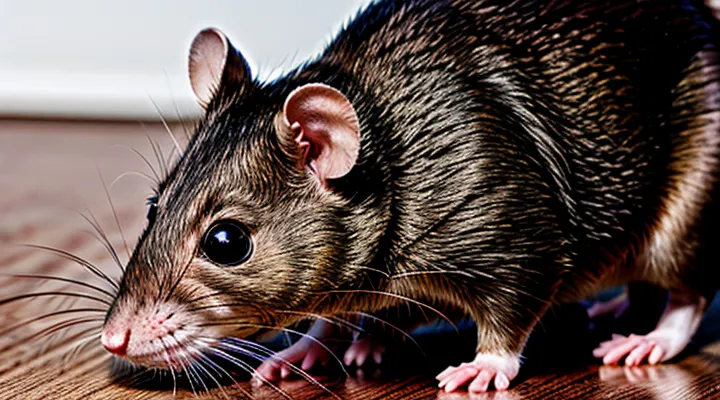
«The Anatomy of Rat Teeth»
«Incisors: The Gnawing Tools»
«Color and Composition»
Rat incisors exhibit a distinctive two‑tone coloration that reflects their structural layers. The outermost enamel appears bright orange‑yellow, while the underlying dentin displays a softer, grayish hue. This contrast results from the composition of each layer and the presence of iron pigments within the enamel.
- Enamel: Highly mineralized, composed primarily of hydroxyapatite crystals. Iron oxide particles integrate during development, producing the characteristic orange‑brown shade. Enamel thickness varies along the crown, thickening near the tip to resist wear.
- Dentin: Forms the bulk of the tooth, consisting of collagen fibers and hydroxyapatite in a less dense arrangement. Its lower mineral content yields a paler, gray‑white color. Dentin tubules extend toward the enamel–dentin junction, facilitating nutrient transport.
- Pulp cavity: Central chamber containing blood vessels and nerves. The pulp tissue is reddish due to vascularization but remains concealed beneath dentin and enamel.
The color gradient serves as a visual indicator of tooth health. Uniform enamel coloration suggests normal iron deposition, while discoloration, such as excessive darkening or loss of the orange tone, may signal mineral deficiencies or disease. Dentin translucency, when altered, can reveal internal decay or trauma. Monitoring these visual cues allows researchers and veterinarians to assess the physiological condition of rat incisors without invasive procedures.
«Continuous Growth and Self-Sharpening»
Rats possess a pair of continuously erupting incisors in each jaw. The enamel layer covers only the labial (outer) surface, while the lingual (inner) side consists of exposed dentin. This asymmetrical composition creates a self‑sharpening mechanism: as the animal gnaws, the softer dentin wears faster than the hard enamel, maintaining a chisel‑like edge.
The growth process is driven by stem cells in the dental pulp. These cells generate dentin and enamel at a rate that matches the average wear incurred during daily feeding. Because the incisors lack true roots, they are not anchored in bone; instead, they are suspended by periodontal ligaments that allow unrestricted vertical movement.
Key characteristics of this system include:
- Continuous eruption of approximately 0.5 mm per week.
- Enamel thickness limited to the front 1–2 mm, ensuring a sharp cutting edge.
- Differential wear rates: dentin erodes 2–3 times faster than enamel.
- Automatic alignment: the opposing incisors form a precise occlusal plane without muscular adjustment.
Failure of any component—stem‑cell activity, enamel deposition, or adequate wear—leads to malocclusion, overgrowth, and potential health complications such as oral injuries or impaired feeding. The rat’s dental architecture therefore exemplifies a biologically engineered solution for relentless gnawing demands.
«Molars: Grinding for Digestion»
«Location and Function»
Rats possess a single pair of continuously growing incisors in each jaw, positioned at the front of the oral cavity. These incisors dominate the dental arch, extending outward beyond the cheek teeth. Behind them lie three premolars and three molars on each side of the upper and lower jaws, arranged in a compact row that occupies the posterior segment of the mouth.
- Incisors: gnawing and cutting solid materials, creating a self‑sharpening edge through differential wear of enamel and dentin.
- Premolars: crushing and grinding coarse food particles, facilitating breakdown before ingestion.
- Molars: finely grinding a variety of textures, aiding digestion and nutrient extraction.
The spatial arrangement enables rats to process food efficiently: incisors initiate intake, while premolars and molars complete mechanical digestion before the material passes to the esophagus. This configuration also supports dental health, as continuous wear prevents overgrowth that could impair feeding or cause injury.
«Lack of Continuous Growth»
Rats possess ever‑growing incisors that compensate for constant wear from gnawing. When the growth cycle halts, the teeth fail to replace lost enamel, leading to shortening and uneven surfaces. This interruption often stems from nutritional deficiencies, hormonal imbalances, or genetic mutations that affect the stem‑cell niche in the dental lamina.
Consequences of arrested incisor development include:
- Difficulty in acquiring food, resulting in weight loss.
- Malocclusion as the remaining teeth shift, creating abnormal bite angles.
- Increased risk of oral infections due to exposed dentin and plaque accumulation.
Diagnostic assessment relies on visual inspection of tooth length and shape, supplemented by radiographic imaging to evaluate root formation. Laboratory analysis may reveal deficiencies in calcium, phosphorus, or vitamin D, which are critical for dentin mineralization and enamel maintenance.
Therapeutic measures focus on restoring growth potential and managing symptoms:
- Adjust diet to provide balanced minerals and vitamins.
- Administer hormonal therapy if endocrine disorders are identified.
- Perform dental trimming to correct malocclusion and prevent trauma.
- Monitor progress with periodic imaging to ensure resumed incisor elongation.
Understanding the mechanisms that suppress continuous growth enables targeted interventions, preserving oral function and overall health in rodents.
«Common Dental Issues in Rats»
«Malocclusion: Misalignment Problems»
«Causes of Malocclusion»
Rats possess continuously growing incisors that require regular wear to maintain proper occlusion. When the balance between eruption and abrasion is disrupted, malocclusion develops, compromising chewing efficiency and overall health.
- Genetic predisposition – hereditary traits can produce abnormal tooth size, shape, or alignment, leading to uneven wear patterns.
- Dietary composition – soft, processed foods provide insufficient abrasion, while overly hard items can cause excessive wear on one side of the dental arcade.
- Imbalanced chewing forces – favoring one side during mastication creates differential tooth shortening, resulting in misalignment.
- Trauma – fractures or displacement from bites, cage injuries, or handling can alter tooth position and impede normal eruption.
- Dental disease – infections, abscesses, or periodontal inflammation damage supporting structures, permitting teeth to drift.
- Environmental factors – inadequate cage enrichment, lack of gnawing substrates, or overcrowding increase stress and alter normal chewing behavior.
- Improper breeding practices – selection of individuals with known dental anomalies propagates malocclusion within a colony.
Unchecked malocclusion leads to overgrown incisors, difficulty ingesting food, weight loss, and secondary systemic issues. Early detection through regular oral examinations and provision of appropriate gnawing materials mitigates these risks and supports optimal dental function in rats.
«Signs and Symptoms»
Rats depend on continuously growing incisors for effective gnawing and food processing. When dental development deviates from normal, observable signs emerge quickly.
Typical manifestations of dental problems include:
- Excessively long or curved incisors that protrude beyond the lips.
- Visible misalignment of the front teeth, creating a “shark‑tooth” appearance.
- Persistent drooling, especially when the animal attempts to chew.
- Reluctance to eat solid food or preference for soft, soaked diet.
- Noticeable weight loss despite normal activity levels.
- Facial swelling or pus discharge near the jaw.
- Excessive gnawing on cage bars, toys, or other objects as a compensatory behavior.
- Reduced grooming, leading to a scruffy coat.
- Irritability or aggression when the mouth is handled.
These symptoms often indicate malocclusion, overgrowth, or infection. Prompt veterinary assessment is essential to prevent progression to severe pain, systemic illness, or mortality. Early detection, based on the outlined signs, enables timely intervention such as tooth trimming, dietary adjustment, or antibiotic therapy.
«Treatment and Management»
Effective care for a rat’s dentition hinges on regular assessment, appropriate nutrition, and timely veterinary intervention. Healthy incisors grow continuously; without wear, they become overgrown, causing pain, difficulty eating, and secondary infections. Management strategies include:
- Routine visual checks: Examine the front of the mouth weekly for signs of uneven growth, discoloration, or cracks. Use a gentle light source and a soft-tipped instrument to lift the lips without stressing the animal.
- Dietary regulation: Provide chewable items such as untreated wood blocks, mineral-rich chew sticks, and fresh vegetables. These stimulate natural grinding, maintaining proper tooth length and enamel integrity.
- Environmental enrichment: Incorporate tunnels, gnawing toys, and textured surfaces that encourage constant oral activity, reducing the risk of malocclusion.
- Professional trimming: When overgrowth is detected, a veterinarian must file or cut the incisors under anesthesia. The procedure restores correct alignment and prevents self‑injury.
- Dental radiography: Periodic X‑rays reveal root abnormalities, abscesses, or fractures invisible to the naked eye. Early detection guides targeted treatment plans.
- Medication management: Antibiotics address bacterial infections associated with gum inflammation, while analgesics alleviate pain during recovery. Follow dosage guidelines strictly to avoid toxicity.
- Post‑procedure care: Offer soft, nutrient‑dense foods for 24‑48 hours after trimming or surgery. Monitor intake and behavior; any decline warrants immediate veterinary review.
Preventive measures reduce the frequency of emergency interventions, promote optimal mastication, and support overall health. Consistent application of these protocols ensures that a rat’s teeth remain functional and free from disease.
«Overgrown Teeth»
«Consequences of Overgrowth»
Overgrown incisors impair a rat’s ability to gnaw, leading to malocclusion that disrupts normal bite alignment. The resulting uneven pressure on the jaw can cause chronic pain, reduced food intake, and progressive weight loss. Dental overgrowth also predisposes the animal to oral infections; trapped food particles create a bacterial environment that may spread to surrounding tissues, producing abscesses and systemic illness. In severe cases, the enlarged teeth can fracture, producing sharp fragments that damage oral mucosa and increase the risk of hemorrhage.
Additional complications include:
- Impaired grooming, leading to fur deterioration and skin lesions.
- Reduced mobility due to discomfort while chewing, which may limit exploratory behavior and increase stress.
- Compromised respiratory function if overgrown teeth press against the nasal passages or sinuses.
Prompt veterinary intervention, typically involving trimming or extraction, is essential to prevent these outcomes and restore normal dental function. Regular monitoring of tooth length and provision of appropriate chew materials are effective preventive measures.
«Prevention Strategies»
Effective prevention of dental disorders in rats relies on consistent management of diet, oral wear, and health monitoring. A balanced diet low in excess sugars and high in fiber encourages natural tooth grinding, reducing the risk of overgrowth. Providing safe, durable chew objects supplies continuous abrasion, maintaining proper occlusion.
- Offer fresh vegetables, whole grains, and limited fruit as primary food sources.
- Supply untreated wood blocks, mineral chews, or nylon toys designed for rodents.
- Conduct visual inspections of incisors and molars weekly; look for misalignment, uneven length, or discoloration.
- Schedule veterinary dental examinations at least twice yearly; include radiographic assessment when indicated.
- Keep cages clean and free of sharp objects that could damage enamel.
Implementing these measures minimizes the likelihood of malocclusion, enamel wear, and associated infections, supporting overall oral health and longevity in pet rats.
«Dental Fractures and Abscesses»
«Causes of Injury»
Rat incisors are continuously growing, making them vulnerable to injury when growth outpaces wear. Excessive length creates sharp edges that can damage surrounding tissues, leading to ulceration and infection. Insufficient abrasion from an inappropriate diet results in uneven wear, causing the teeth to bite into the cheek or palate. Direct trauma, such as bites from cage mates or accidental impact with hard objects, can fracture or displace teeth, compromising chewing efficiency and overall health. Systemic conditions, including vitamin D deficiency, calcium imbalance, or hormonal disorders, weaken enamel and dentin, predisposing teeth to cracks and decay. Parasites and bacterial infections infiltrate the periodontal area, eroding supporting structures and precipitating tooth loss.
Common contributors to dental injury include:
- High‑fat, low‑fiber feed that fails to stimulate natural grinding
- Improper cage enrichment with sharp metal bars or chew toys
- Overcrowding or aggressive hierarchies among group‑housed rats
- Inadequate calcium or vitamin D intake
- Underlying metabolic or endocrine diseases
Preventive measures focus on providing a fibrous diet, regular dental examinations, and a safe environment free of hazardous objects. Early detection of abnormal tooth length or misalignment allows timely intervention, reducing the risk of severe injury and preserving oral function.
«Symptoms and Veterinary Intervention»
Rats rely on continuously growing incisors; any deviation from normal eruption produces observable distress. Owners often detect problems before clinical evaluation.
Typical manifestations include:
- Excessive gnawing on cage bars or objects
- Drooling or wetness around the mouth
- Difficulty handling food, leading to reduced intake
- Visible malocclusion, such as overgrown or misaligned incisors
- Facial swelling or nasal discharge
- Behavioral changes, including lethargy or aggression when handled
Veterinarians assess dental health through:
- Visual inspection of the oral cavity using a speculum and illumination
- Palpation of the mandible and maxilla to detect abnormal pressure points
- Radiographic imaging to evaluate root structure and bone integrity
- Assessment of weight trends and feed consumption records
- Evaluation of overall systemic signs that may accompany oral disease
Interventions focus on restoring functional occlusion and preventing recurrence:
- Manual trimming of overgrown incisors under anesthesia to achieve proper alignment
- Extraction of severely damaged or infected teeth when preservation is impossible
- Prescription of analgesics and anti‑inflammatory medication to manage pain
- Antibiotic therapy for secondary infections, selected based on culture results when available
- Dietary adjustments, such as providing chew blocks and soft foods, to reduce strain during healing
- Scheduled re‑examinations, typically every 2–4 weeks initially, to monitor regrowth and adjust treatment
Prompt identification of these signs and immediate veterinary care minimize complications, preserve nutrition, and maintain the rat’s quality of life.
«Maintaining Optimal Rat Dental Health»
«Dietary Considerations»
«Importance of Abrasive Foods»
Abrasive foods are a primary factor in maintaining the proper length and shape of a rat’s continuously growing incisors. The incisors consist of enamel on the outer surface and dentin beneath; without sufficient wear, the enamel‑dentin interface becomes exposed, leading to malocclusion, difficulty chewing, and secondary infections.
When a rat gnaws on hard or fibrous material, the mechanical action removes excess enamel, promotes a self‑sharpening edge, and stimulates periodontal health. The resulting wear pattern mirrors the natural diet of wild rodents, which includes seeds, bark, and tough plant fibers. Domestic rats receiving only soft chow develop overgrown teeth that curve inward, potentially puncturing the palate or causing facial deformities.
Key abrasive items commonly recommended for laboratory and pet rats include:
- Raw, unsalted nuts (e.g., almonds, walnuts)
- Dried legumes (e.g., chickpeas, lentils)
- Whole grains (e.g., barley, oats)
- Fresh vegetables with fibrous stems (e.g., celery, carrot tops)
- Commercial chew blocks formulated with wood fibers and mineral content
Regular provision of these foods ensures continuous enamel attrition, aligns the occlusal surfaces, and reduces the need for veterinary trimming. Additionally, the chewing activity strengthens the jaw musculature, supports blood flow to the periodontal ligament, and promotes overall oral hygiene.
Neglecting abrasive components in a rat’s diet accelerates dental pathology, increases veterinary intervention frequency, and compromises the animal’s ability to process food efficiently. Incorporating a balanced selection of hard, fibrous foods directly addresses the anatomical demands of continuously erupting incisors, thereby sustaining dental health and preventing secondary complications.
«Appropriate Chew Toys»
Rats possess continuously growing incisors that require regular abrasion to prevent malocclusion and associated health problems. Providing objects that stimulate natural gnawing behavior maintains proper tooth length and promotes oral tissue health.
Effective chew toys share several attributes: hardness sufficient to wear down enamel without fracturing teeth, non‑toxic composition, and size that allows safe handling. Toys should be free of splinterable components and easy to clean to reduce bacterial buildup.
- Untreated natural wood blocks (e.g., apple, maple, birch) – dense, safe, and readily worn down.
- Compressed cellulose sticks – firm yet digestible, encouraging frequent gnawing.
- Mineral‑based chew rods – high calcium content supports dental strength.
- Food‑grade silicone tubes – durable, dishwasher‑safe, and resistant to chewing damage.
- Hemp rope bundles – fibrous, promotes dental wear while offering tactile enrichment.
Regular inspection for cracks, sharp edges, or mold ensures continued safety. Replace toys promptly when wear reaches a point where fragments could be ingested. Cleaning with mild soap and hot water, followed by thorough drying, prevents pathogen proliferation. Selecting appropriate gnawing implements aligns dental mechanics with overall physiological well‑being.
«Regular Veterinary Check-ups»
«Early Detection of Issues»
Rat incisors grow continuously, requiring constant wear through gnawing. The enamel‑rich front edge and softer dentin behind create a sharp, self‑sharpening edge that can be inspected for abnormalities. Early detection hinges on visual and behavioral cues that reveal deviations from normal wear patterns.
Observable indicators include:
- Visible cracks, chips, or discoloration on the incisor surface.
- Uneven length between left and right incisors, producing a misaligned bite.
- Excessive drooling or blood stains around the mouth.
- Reluctance to gnaw, reduced food intake, or altered chewing sounds.
- Swelling or redness in the gum tissue adjacent to the teeth.
Prompt veterinary assessment should follow any of these signs. Radiographic imaging confirms root or pulp involvement, while dental cleaning and filing restore proper occlusion. Regular examinations, ideally monthly for laboratory or pet rats, prevent progression to infection, malocclusion, or systemic complications.
«Professional Trimming and Care»
Rats possess continuously growing incisors that extend beyond the lips, with a sharp, chisel‑like edge on the front and a flatter grinding surface on the back. Enamel covers only the outer front half, while dentin occupies the inner portion, causing the teeth to self‑sharpen as they gnaw. This unique architecture demands regular wear to prevent overgrowth, which can impair feeding and cause facial deformities.
Professional trimming addresses excessive length that cannot be corrected by natural gnawing alone. Veterinarians employ sterile instruments to trim precisely, reducing the risk of accidental pulp exposure, infection, or improper bite alignment. The procedure is performed under mild sedation or anesthesia to ensure the animal remains still and stress‑free.
Typical protocol for professional rat tooth care
- Assessment: Visual inspection and measurement of incisor length; radiographs if pulp involvement is suspected.
- Preparation: Sterilized high‑speed dental handpiece with a fine carbide bur; protective eyewear for the practitioner; a small animal‑specific mouth gag.
- Anesthesia: Inhalant (isoflurane) or injectable (ketamine‑xylazine) agents, dosed according to body weight.
- Trimming: Gradual removal of enamel in 0.5 mm increments, maintaining the natural curvature; constant irrigation to prevent heat buildup.
- Polishing: Fine abrasive paste applied to smooth the cut surface, reducing plaque accumulation.
- Recovery: Monitoring of respiration and temperature until normal activity resumes; analgesics administered as needed.
After the session, owners should provide chewable enrichment (hard wood blocks, mineral rods) to promote natural wear, and schedule follow‑up examinations every six to eight weeks. Indicators of dental distress—drooling, reduced food intake, facial swelling, or abnormal gnawing behavior—require immediate veterinary attention. Consistent professional oversight, combined with appropriate environmental enrichment, sustains optimal rat dental health.
«Environmental Enrichment»
«Promoting Natural Gnawing Behaviors»
Rats possess incisors that grow throughout life; the enamel on the front edge is harder than the dentin behind, creating a self‑sharpening edge when the teeth are worn down by gnawing. Continuous wear prevents overgrowth, maintains proper alignment, and reduces the risk of malocclusion.
Natural gnawing satisfies the mechanical requirement for dental wear and stimulates oral muscles. When rats engage with appropriate objects, the bite force is distributed evenly across the incisors, promoting balanced enamel abrasion and preventing excessive chipping.
- Provide untreated hardwood blocks, pine cones, or natural branches for regular chewing.
- Rotate chew items weekly to maintain interest and avoid habituation.
- Include fiber‑rich foods such as celery, carrot sticks, and raw beetroot that require biting and tearing.
- Ensure cage bars are spaced to allow safe gnawing without entrapment.
- Monitor chewing activity; reduced engagement may indicate dental discomfort or environmental stress.
Consistent access to suitable gnawing materials preserves incisor length, supports proper occlusion, and minimizes veterinary intervention. Maintaining these conditions aligns dental anatomy with the animal’s innate behavior, resulting in healthier, more active rodents.