
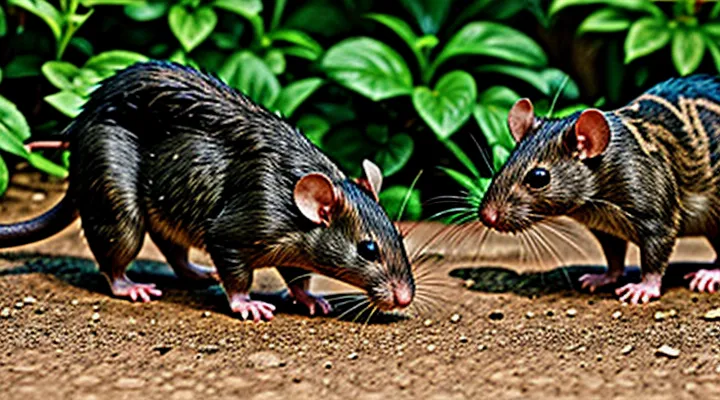
Understanding Dambo Rat Dietary Needs
Essential Nutritional Requirements
Protein Sources
Protein is essential for the growth, tissue repair, and immune function of dambo rats. A balanced diet must include high‑quality animal and plant proteins that are digestible and free of excess fat or additives.
- Cooked lean chicken breast – shredded, unseasoned; 1–2 g per 100 g body weight daily.
- Boiled egg whites – scrambled or chopped; 0.5 g per 100 g body weight daily, avoid yolk due to high cholesterol.
- Low‑fat cottage cheese – small cubes; 1 g per 100 g body weight, provides calcium and casein.
- Soybean meal (toasted) – finely ground; 0.8 g per 100 g body weight, monitor for soy intolerance.
- Mealworms (live or dried) – 2–3 worms per feeding; rich in chitin, suitable as occasional treat.
- Fish fillet (white, boneless, cooked) – flaked; 1 g per 100 g body weight, limit to avoid oil accumulation.
Each protein source should be introduced gradually to observe tolerance. Combine multiple items to achieve a complete amino‑acid profile while maintaining overall calorie control.
Fat Sources
Dambo rats require dietary fat for energy, skin health, and hormone production. Fat should be included in small, controlled portions to prevent obesity and digestive upset.
Suitable sources include:
- Unsalted almonds, peanuts, and walnuts, finely chopped.
- Sunflower, pumpkin, and chia seeds, offered in limited quantities.
- Cooked chicken skin or small pieces of lean fish, free of seasoning.
- Hard‑boiled egg yolk, no more than one teaspoon per week.
- Low‑fat cheese or plain yogurt, plain and unsweetened.
- Avocado flesh, very small amounts, due to high fat content.
- Coconut oil or olive oil, a few drops mixed into fresh food.
Animal‑derived fats provide essential fatty acids, while plant‑based options supply omega‑6 and omega‑3 precursors. Introduce each source gradually, observing the animal’s tolerance and weight. Avoid processed oils, butter, and any fat containing added salt, sugar, or artificial additives. Regular monitoring of body condition ensures the fat component supports health without excess.
Carbohydrate Sources
Carbohydrate intake is essential for maintaining energy balance in Dambo rats. Suitable sources should be low‑glycemic, free of additives, and offered in limited quantities to prevent obesity and digestive upset.
Common carbohydrate options include:
- Fresh fruits such as apple (seed‑free), banana, and berries; serve in small pieces.
- Cooked grains like oatmeal, barley, and rice; provide a tablespoon of cooled, plain preparation.
- Starchy vegetables including sweet potato and carrot; steam or bake without oil, then cut into bite‑size cubes.
- Whole‑grain cereals, unsweetened and low‑salt; crumble a few grams onto the regular diet.
- Legume‑based treats such as cooked lentils or split peas; offer sparingly due to protein content.
When introducing any new carbohydrate, monitor weight and fecal consistency. Replace a portion of the standard pellet diet rather than adding extra calories. Ensure all items are fresh, free of pesticides, and free from sugary coatings or artificial flavors.
Vitamins and Minerals
Dambo rats require a balanced intake of vitamins and minerals to maintain metabolic health, skeletal strength, and immune function. Deficiencies manifest as poor growth, bone abnormalities, skin lesions, or reduced fertility. Providing appropriate nutrients through diet eliminates the need for excessive supplementation.
Key vitamins for dambo rats include:
- Vitamin A – supports vision and epithelial tissue; found in carrots, sweet potatoes, and fortified pellets.
- Vitamin D3 – regulates calcium absorption; supplied by exposure to natural sunlight or UV‑B lighting, and present in fortified rodent feed.
- Vitamin E – antioxidant protecting cell membranes; sources are sunflower seeds, wheat germ, and commercial mixes.
- B‑complex (B1, B2, B6, B12) – essential for energy metabolism; available in whole grains, legumes, and balanced feed formulas.
- Vitamin C – not synthesized by rodents; required for collagen formation; offered via fresh citrus, strawberries, or fortified treats.
Important minerals include:
- Calcium – crucial for bone development and nerve transmission; provided by calcium carbonate powder, cuttlefish bone, or dairy‑free fortified diets.
- Phosphorus – works with calcium to maintain skeletal integrity; present in fish meal, eggs, and whole‑grain cereals.
- Magnesium – involved in enzymatic reactions and muscle function; sourced from leafy greens, nuts, and mineral blocks.
- Potassium – regulates fluid balance and nerve impulses; supplied by bananas, pumpkin, and low‑salt vegetables.
- Iron – necessary for hemoglobin synthesis; offered through lean meat, lentils, and iron‑enriched feed.
- Zinc – supports immune response and skin health; found in meat, seeds, and zinc‑supplemented pellets.
Guidelines for feeding:
- Choose a high‑quality commercial rat diet formulated to meet the complete vitamin and mineral profile; this should constitute the primary portion of the daily ration.
- Supplement with fresh vegetables and fruits to provide natural sources of vitamins A, C, and B‑complex; limit fruit to 5 % of total intake to avoid excess sugars.
- Offer a calibrated calcium‑phosphorus ratio of approximately 2:1; adjust with calcium powder or mineral blocks if the diet is grain‑heavy.
- Monitor body condition and coat quality; intervene with targeted supplementation only when laboratory analysis confirms a deficiency.
- Rotate protein sources (e.g., boiled egg, cooked chicken, insects) to diversify B‑vitamin and mineral intake without exceeding caloric limits.
Regular veterinary checks, including blood panels, verify that vitamin and mineral levels remain within optimal ranges, ensuring long‑term health and reproductive success for dambo rats.
Safe and Recommended Food Items
Commercial Dambo Rat Pellets
Benefits of Commercial Diets
Commercially formulated diets provide a reliable source of nutrition for dambo rats. Manufacturers balance protein, fat, fiber, vitamins, and minerals to meet the species’ specific metabolic requirements, reducing the risk of deficiencies that can arise from inconsistent homemade mixes.
The products undergo rigorous quality control, ensuring each batch contains the intended nutrient profile and is free from contaminants. Shelf‑stable packaging protects the feed from moisture and pests, extending usability and simplifying storage for owners.
Key advantages include:
- Consistent nutrient ratios that support growth, reproduction, and immune function.
- Precise calcium‑phosphorus balance that promotes healthy bone development.
- Inclusion of essential fatty acids that aid skin health and coat condition.
- Fortification with antioxidants and vitamins that mitigate oxidative stress.
- Convenience of ready‑to‑serve portions, minimizing preparation time and measurement errors.
Adopting a commercial diet streamlines husbandry, enhances animal welfare, and aligns feeding practices with established veterinary recommendations.
Choosing the Right Brand
Selecting a suitable commercial diet for Dambo rats requires attention to ingredient quality, nutritional balance, and brand reliability. High‑quality protein sources such as chicken meal, fish meal, or soy isolate should dominate the formula, while excessive fillers like corn, wheat, or soy hulls should be minimal. A balanced profile of vitamins and minerals, particularly calcium, phosphorus, and B‑complex vitamins, supports skeletal health and metabolic function.
Key criteria for evaluating a brand include:
- Ingredient transparency: Full list of components, with percentages disclosed.
- Protein content: 18‑22 % minimum, derived from animal or high‑quality plant sources.
- Fiber level: 3‑5 % to aid digestion without causing gastrointestinal upset.
- Absence of artificial colors, flavors, and preservatives: Reduces risk of allergic reactions and long‑term health issues.
- Reputable manufacturing standards: Compliance with GMP, third‑party testing, or certifications such as AAFCO.
Consistency in formulation ensures that rats receive the same nutrient ratios daily, preventing deficiencies or excesses. Brands that conduct regular batch testing and provide safety data sheets demonstrate commitment to product integrity.
When comparing options, prioritize those that meet the outlined criteria, have positive feedback from rodent specialists, and offer clear storage instructions to maintain freshness. Choosing a brand that adheres to these standards promotes optimal growth, immune resilience, and overall well‑being for Dambo rats.
Fresh Vegetables and Fruits
Approved Vegetables
Dambo rats thrive on a diet that includes a variety of safe, nutrient‑rich vegetables. Fresh produce supplies essential vitamins, minerals, and fiber that support healthy digestion and coat condition.
- Bell peppers (red, yellow, orange) – high in vitamin C and antioxidants.
- Carrots – source of beta‑carotene, provided in small, bite‑size pieces.
- Kale – rich in calcium and vitamin K; offer only a few leaves daily.
- Zucchini – low‑calorie option with moisture content; serve raw or lightly steamed.
- Spinach – contains iron and folate; limit to moderate amounts to avoid oxalate buildup.
- Broccoli – provides vitamin C and fiber; chop finely to prevent choking.
- Cucumber – high water content; feed in thin slices.
Vegetables should be washed thoroughly, free of pesticides, and presented without added salts or sauces. Offer no more than 10 % of the total daily intake as vegetables; the remainder consists of high‑quality rat pellets and occasional protein sources. Replace uneaten produce each day to prevent spoilage.
Approved Fruits
Dambo rats thrive on a varied diet that includes specific fruits safe for regular consumption. These fruits supply essential vitamins, antioxidants, and natural sugars without posing health risks when offered correctly.
- Apple (core removed, skin optional)
- Blueberries
- Strawberries (hull removed)
- Raspberries
- Blackberries
- Pear (seedless, core removed)
- Kiwi (peeled)
- Mango (seed removed)
- Papaya (seedless)
- Grapes (seedless, limited quantity)
Each fruit should be presented in small, bite‑size pieces to prevent choking. Offer fruit no more than two to three times per week, limiting total fruit intake to approximately 10 % of the daily diet. Wash all fruit thoroughly to eliminate pesticide residues. Remove pits, seeds, and skins that may contain toxic compounds or sharp edges. Rotate selections to provide nutritional diversity and monitor for any adverse reactions.
Preparation Guidelines
When preparing meals for dambo rats, follow a systematic approach to ensure nutritional adequacy and safety.
Select appropriate ingredients. Choose high‑quality commercial rat pellets as the staple component. Supplement with fresh vegetables such as carrots, broccoli, and leafy greens, and occasional protein sources like cooked chicken, boiled egg, or mealworms. Avoid toxic foods—onions, garlic, citrus peels, and raw beans.
Clean all fresh produce thoroughly. Rinse vegetables under running water, scrub if necessary, and pat dry. Remove stems, seeds, or any parts that could pose a choking hazard. Cook protein items to an internal temperature of at least 165 °F (74 °C) and allow to cool before serving.
Measure portions accurately. A typical adult dambo rat requires 1 – 1.5 cups of pellet mix per day, divided into two feedings. Add ¼ cup of vegetables and a ½ ‑ 1 ounce protein portion to each feeding. Adjust amounts based on the animal’s weight, activity level, and health status.
Store leftovers safely. Place uneaten fresh food in a sealed container in the refrigerator and discard after 24 hours. Keep dry pellets in a cool, dry environment, sealed to prevent moisture absorption and pest infestation.
Maintain a consistent feeding schedule. Offer food at the same times each day, preferably morning and early evening, to align with the rats’ natural foraging behavior. Remove any uneaten fresh items after a few hours to prevent spoilage.
Inspect each meal before presentation. Verify that the temperature is safe for consumption, that no mold or discoloration is present, and that all pieces are appropriately sized for the animal’s dentition.
By adhering to these steps, caregivers provide a balanced diet while minimizing health risks associated with improper preparation.
Safe Grains and Seeds
Suitable Grains
Dambo rats thrive on a varied diet that includes several grain types offering essential carbohydrates, protein, and fiber.
- Millet – small seeds easy to chew; high in energy and low in fat.
- Oats – rolled or whole; provide soluble fiber and moderate protein.
- Barley – hulled or cracked; rich in beta‑glucan, supporting digestive health.
- Rice – plain, cooked; source of quick‑release carbohydrates; avoid seasoned varieties.
- Quinoa – cooked; complete protein profile and high mineral content.
- Wheat berries – whole grains; supply complex carbs and B‑vitamins; must be offered in small portions to prevent over‑consumption.
Grains should be introduced gradually, mixed with fresh vegetables or a protein supplement, and kept dry to prevent mold growth. Limit total grain intake to no more than 20 % of the daily ration to maintain balanced nutrition.
Suitable Seeds
Dambo rats thrive on a diet that includes a variety of seeds, each offering specific nutrients essential for their health. Selecting appropriate seeds helps maintain weight, supports dental wear, and provides energy for active rodents.
- Millet (white or yellow): high in carbohydrates, easy to digest, suitable as a daily staple.
- Sunflower seed kernels (unsalted, shelled): rich in fats and vitamin E, limited to 5‑10 % of the total mix to prevent excess fat.
- Safflower seeds (unsalted, shelled): similar to sunflower but lower in saturated fat, useful for variety.
- Canary seed (white): moderate protein, low fat, safe for regular inclusion.
- Hemp seeds (unsalted, hulled): source of omega‑3 and omega‑6 fatty acids, added sparingly (2‑3 % of the diet).
- Flaxseed (ground, unsalted): provides fiber and essential fatty acids, limited to 1‑2 % to avoid digestive issues.
When forming a seed blend, balance the components to achieve approximately 70‑80 % low‑fat seeds (millet, canary, safflower) and 20‑30 % higher‑fat seeds (sunflower, hemp, flax). Avoid seeds treated with pesticides, flavored, or coated with sugar. Store seeds in airtight containers at cool temperatures to preserve freshness and prevent mold growth. Complement the seed mix with occasional protein sources such as mealworms or boiled egg, and ensure constant access to clean water.
Occasional Treats
Small Amounts of Cooked Meat
Cooked meat can be incorporated into a dambo rat’s diet, but only in limited quantities. The protein supplement should complement a staple of high‑fiber pellets, fresh vegetables, and occasional fruit.
- Acceptable meats: chicken breast, turkey, lean beef, rabbit, and fish such as salmon or whitefish.
- Preparation: boil or steam until fully cooked; avoid seasoning, oil, butter, or sauces.
- Portion size: no more than 5–7 g per 100 g of body weight, offered 1–2 times per week.
- Storage: cool to room temperature, serve within two hours, discard leftovers.
Excessive meat introduces excess fat and can disrupt the delicate balance of calcium‑phosphorus ratios, leading to urinary stones or renal stress. Regular monitoring of weight and stool consistency helps detect adverse reactions early. If any signs of diarrhea, lethargy, or loss of appetite appear, discontinue meat and consult a veterinarian.
Boiled Eggs
Boiled eggs are a protein‑rich supplement that can be incorporated into the diet of Dambo rats. The egg white provides essential amino acids, while the yolk supplies fat, vitamins A, D, E, and minerals such as iron and selenium. Cooking eliminates the risk of salmonella and makes the egg easier for the animal to digest.
When offering boiled eggs, follow these guidelines:
- Use only fully cooked, unseasoned eggs; avoid added salt, butter, or spices.
- Remove the shell completely to prevent choking hazards.
- Offer a small portion, roughly one‑quarter of a boiled egg for a medium‑sized adult, split into several bites throughout the day.
- Limit the frequency to no more than two servings per week to maintain a balanced diet and prevent excessive fat intake.
- Observe the rat for any signs of digestive upset; discontinue if vomiting, diarrhea, or reduced appetite occurs.
Boiled eggs should complement a varied diet that includes fresh vegetables, fruits, grains, and a high‑quality rodent pellet. Proper portion control and regular monitoring ensure the supplement enhances nutrition without compromising health.
Foods to Avoid
Toxic and Harmful Items
Human Foods to Restrict
Feeding dambo rats a balanced diet reduces health risks, but several common human foods must be excluded. These items can cause acute toxicity, digestive upset, or long‑term metabolic problems.
- Chocolate and cocoa products – contain theobromine, which is lethal to rodents.
- Caffeine‑containing beverages or foods – stimulate the heart and can lead to arrhythmia.
- Alcohol – depresses the central nervous system and may be fatal even in small doses.
- Avocado (especially the skin and pit) – harbors persin, a toxin that damages heart and respiratory tissues.
- Citrus peels and large quantities of citrus juice – high acidity irritates the gastrointestinal tract.
- Processed meats, salty snacks, and cured foods – excess sodium and preservatives strain kidneys and raise blood pressure.
- Sugary candies, baked goods, and fruit juices – cause rapid blood‑sugar spikes, leading to obesity and dental disease.
- Raw beans, especially kidney beans – contain lectins that interfere with nutrient absorption and can be poisonous when uncooked.
- Onions, garlic, and related Allium species – cause hemolytic anemia by damaging red blood cells.
- High‑fat dairy products (e.g., cheese, whole milk) – predispose to fatty liver disease and pancreatitis.
Avoiding these foods helps maintain optimal weight, dental health, and organ function in dambo rats. Replace prohibited items with appropriate rodent pellets, fresh vegetables, limited fruits, and occasional protein sources such as boiled egg or cooked lean meat, ensuring each addition complies with nutritional guidelines for small herbivorous rodents.
Plants to Avoid
Dambo rats require a diet free of toxic vegetation. The following plants are known to cause severe health problems and must be excluded from any feeding regimen.
- Oleander (Nerium oleander) – contains cardiac glycosides that can lead to arrhythmia and death.
- Rhododendron and azalea species – high in grayanotoxins; ingestion produces vomiting, weakness, and potentially fatal cardiac effects.
- Lily of the valley (Convallaria majalis) – harbors convallatoxin, causing gastrointestinal distress and cardiac disruption.
- Foxglove (Digitalis purpurea) – source of digitalis compounds; ingestion results in heart rhythm abnormalities.
- Sago palm (Cycas revoluta) – all parts contain cycasin, a potent hepatotoxin that can cause liver failure.
- Yew (Taxus spp.) – contains taxine alkaloids, leading to respiratory depression and cardiac arrest.
- Castor bean (Ricinus communis) – seeds hold ricin, a lethal protein that damages multiple organ systems.
- Daffodil (Narcissus spp.) – bulbs contain lycorine, producing vomiting, diarrhea, and convulsions.
- Tulip (Tulipa spp.) – bulbs contain tulipalin A, which can cause irritation of the gastrointestinal tract and central nervous system.
- English ivy (Hedera helix) – leaves and berries contain saponins that irritate the digestive system and may lead to respiratory distress.
Removing these species from the enclosure and any foraging opportunities eliminates a primary source of poisoning. Continuous monitoring of food sources ensures that only safe, nutritionally appropriate items reach the rat’s diet.
Dairy Products
Dambo rats can incorporate dairy products into their diet, but selection and quantity require careful management to avoid health issues. Milk, cheese, and yogurt provide calcium, protein, and beneficial bacteria, yet the high lactose content of many dairy items can cause digestive upset in rodents that lack sufficient lactase enzymes.
- Plain, unsweetened yogurt (full‑fat) – 1–2 teaspoons per adult rat, three times per week; serves as a probiotic source and gentle calcium supplement.
- Hard cheese (e.g., cheddar, gouda) – small cube, approximately 0.5 g, offered once weekly; delivers calcium and protein without excessive moisture.
- Low‑lactose milk alternatives (e.g., goat milk, lactose‑free cow’s milk) – 1 ml occasional treat; lower lactose reduces risk of diarrhea.
Avoid flavored or sweetened dairy, processed cheese spreads, and high‑fat varieties that can contribute to obesity and liver strain. Introduce any new dairy item gradually, monitoring for signs of soft stool or reduced appetite. If adverse reactions appear, discontinue the product immediately. Balanced inclusion of the listed items can enhance nutritional variety while maintaining the overall health of Dambo rats.
Foods High in Sugar or Fat
Candies and Sweets
Candies and sweets are high‑sugar products that do not meet the nutritional requirements of dambo rats. Their natural diet consists of vegetables, fruits, grains, and protein sources; excessive sugar can disrupt digestive balance and lead to obesity, dental decay, and metabolic disorders.
When considering treats, limit sugar content to the lowest possible level. Safe options include:
- Fresh fruit pieces (e.g., apple, blueberry) without added sugar; offer no more than one small bite per week.
- Unsweetened, plain yogurt in minimal quantities; provides probiotic benefits without excessive sugar.
- Small amounts of unsalted, plain popcorn; low in calories and free of sugar.
Avoid the following categories:
- Hard candies, gummy bears, and jelly beans; contain concentrated sucrose and artificial flavors.
- Chocolate products; toxic to many rodents due to theobromine and caffeine.
- Processed pastries, cakes, and cookies; high in fat, sugar, and preservatives.
If a dambo rat ingests sugary material accidentally, monitor for signs of diarrhea, lethargy, or abnormal behavior. Provide fresh water and contact a veterinarian if symptoms persist. Regular diet should remain the primary source of nutrition; treats should never replace balanced meals.
Processed Snacks
Processed snacks can be incorporated into a dambo rat’s diet when they meet specific nutritional and safety criteria. Acceptable options include:
- Small pieces of low‑fat, unsalted cheese; provides protein and calcium in moderate amounts.
- Plain, baked whole‑grain crackers; supplies carbohydrates without added sugars or artificial flavors.
- Dehydrated vegetable chips (e.g., kale or carrot); offers fiber and vitamins while remaining low in sodium.
- Commercial rodent treats formulated without chocolate, caffeine, or excessive sweeteners; these products are balanced for small mammals.
When selecting processed snacks, observe the following guidelines:
- Portion size must not exceed 5 % of the total daily intake; excess calories lead to obesity and metabolic disorders.
- Ingredients list should be free of added sugars, salts, and artificial preservatives; these compounds can cause renal strain and digestive upset.
- Texture should be soft enough for a dambo rat’s delicate teeth; hard or crunchy items risk dental injury.
- Introduce new snacks gradually, monitoring for signs of intolerance such as diarrhea or reduced appetite.
Avoid processed foods containing chocolate, caffeine, xylitol, high levels of sodium, or strong spices. These substances are toxic to rodents and can result in severe health complications. Regularly rotate approved snacks to prevent nutritional imbalances while maintaining variety in the diet.
Feeding Practices and Schedules
Frequency of Feeding
Feeding dambo rats requires a consistent routine to maintain health and prevent obesity. Provide fresh, nutritionally balanced food each day, and keep water available at all times.
Offer a primary portion of high‑quality lab block or pellet diet once in the morning. Supplement with fresh vegetables, fruits, or protein treats in the afternoon, limiting these additions to 10‑15 % of the total diet. Remove uneaten fresh food after 4 hours to avoid spoilage.
- Juvenile (under 4 weeks): 3 small meals per day, spaced 4‑5 hours apart.
- Adult (4 weeks – 12 months): 2 meals per day, morning and early evening, with a consistent interval of 8‑10 hours.
- Senior (over 12 months): 2 meals per day; monitor intake and reduce portion size if weight gain occurs.
Adjust frequency for breeding pairs by adding an extra small meal after birth to support lactation. During illness, increase feeding frequency to 3‑4 small meals, focusing on easily digestible foods such as boiled chicken or soft canned rat diet, while maintaining hydration.
Consistency in timing, portion control, and monitoring of body condition are the key factors for optimal feeding schedules.
Portion Control
Portion control is a critical component of a balanced diet for dambo rats, preventing obesity, digestive upset, and nutritional deficiencies. Accurate measurement ensures each animal receives sufficient calories and essential nutrients without excess.
- Fresh vegetables (e.g., kale, bell pepper, carrot): 1–2 cm³ per 100 g body weight, offered daily in small batches.
- Fresh fruits (e.g., apple, berries): 0.5 cm³ per 100 g body weight, limited to two servings per week due to sugar content.
- Protein sources (e.g., cooked egg white, lean cooked chicken, mealworms): 0.2 cm³ per 100 g body weight, provided 3–4 times weekly.
- Commercial rodent pellets: 2–3 g per 100 g body weight, supplied daily as the staple component.
- Water: fresh, clean supply available at all times; replace daily.
Portion sizes should be weighed with a digital scale before presentation. Offer the measured amount in a clean dish, remove uneaten food after 30 minutes to avoid spoilage. Adjust quantities gradually when an animal gains or loses weight, monitoring body condition scores weekly. Consistent record‑keeping of daily intake supports timely adjustments and promotes long‑term health.
Water Requirements
Types of Water Dispensers
Providing clean, readily available water is a critical component of a dambo rat’s diet. The choice of dispenser influences water quality, consumption frequency, and hygiene, all of which affect the animal’s health.
- Gravity‑fed bottle: hangs from the cage, delivers water through a valve that opens when the animal licks the spout; easy to refill, minimal leak risk.
- Automatic drip system: connects to a reservoir and releases a measured flow; ensures constant supply, reduces waste, requires power source.
- Ceramic bowl: heavy, non‑porous, resistant to bacterial growth; must be cleaned regularly, may tip if the rat pushes it.
- Stainless‑steel bowl: durable, easy to sterilize, lightweight; prone to slipping on smooth surfaces, may develop scratches that harbor microbes.
- Drip tray: shallow dish placed beneath a bottle or fountain; collects excess water, simplifies cleaning, limited capacity for large colonies.
- Water fountain: circulates water through a pump, preventing stagnation; provides aerated water, higher initial cost, needs periodic filter replacement.
Gravity‑fed bottles and automatic drip systems minimize contamination by limiting exposure to cage debris. Ceramic and stainless‑steel bowls are suitable for short‑term use when frequent cleaning is feasible. Drip trays complement any primary dispenser by catching spills, preserving bedding dryness. Water fountains are advantageous for large groups where water turnover must remain high.
Select a dispenser that matches cage design, colony size, and maintenance routine. For single or small groups, a gravity‑fed bottle paired with a ceramic bowl offers reliable access and straightforward upkeep. Larger setups benefit from an automatic drip system combined with a drip tray to manage volume and reduce cleaning frequency. Regular inspection of seals, valves, and surfaces prevents leaks and bacterial growth, ensuring the dambo rats receive safe hydration throughout their feeding regimen.
Water Quality and Changes
Maintaining optimal water quality is essential when providing a diet to dambo rats, as the aquatic environment directly influences nutrient absorption, digestion efficiency, and overall health. Poor water conditions can impair the rat’s ability to process food, leading to reduced growth rates and increased susceptibility to disease. Therefore, regular monitoring and adjustment of water parameters should accompany any feeding regimen.
Key water quality factors that affect feeding outcomes include:
- Temperature: Ideal range 22–26 °C (71–79 °F). Consistent temperature supports enzymatic activity in the gut and prevents stress‑induced appetite loss.
- pH: Target 6.5–7.5. Extreme acidity or alkalinity can damage mucosal lining, hindering nutrient uptake.
- Hardness: Moderate hardness (50–150 mg/L CaCO₃) stabilizes electrolyte balance, aiding metabolic processes tied to digestion.
- Ammonia and Nitrite Levels: Must remain below 0.25 ppm and 0.5 ppm respectively. Elevated toxins impair liver function, reducing the animal’s capacity to metabolize proteins and fats.
- Dissolved Oxygen: Minimum 5 mg/L. Adequate oxygen prevents hypoxia, which can suppress feeding drive and slow gastrointestinal motility.
Water quality fluctuations, even brief, can alter the palatability of food. For instance, a sudden rise in nitrate concentration may cause a metallic taste that deters consumption, while a drop in temperature can slow metabolic rate, prompting the rat to eat less. To mitigate these effects, implement the following practices:
- Perform daily visual checks for cloudiness, fouling, or surface film.
- Test water parameters with calibrated kits at least twice weekly; increase frequency during temperature changes or after adding new food items.
- Conduct partial water changes (20–30 %) every 48 hours to dilute accumulating waste products without shocking the system.
- Use a reliable filtration system sized for the tank volume; maintain filter media according to manufacturer guidelines.
By integrating strict water management with the chosen dietary components, caretakers ensure that dambo rats receive the full nutritional benefit of their feed, supporting robust growth, reproductive success, and long‑term vitality.
Monitoring Dietary Health
Signs of Malnutrition
Proper nutrition is essential for dambo rats; visible health changes often reveal insufficient diet. Recognizing these changes prevents long‑term complications.
Typical indicators of malnutrition include:
- Noticeable weight loss or failure to gain weight despite adequate age.
- Dull, sparse, or patchy fur that lacks the usual glossy appearance.
- Reduced activity, lethargy, or reluctance to explore the enclosure.
- Swollen or protruding joints, especially in the hind limbs.
- Persistent diarrhea or abnormal stool consistency.
- Darkened eyes, sunken eye sockets, or visible ribs and spine.
- Poor wound healing or frequent skin lesions.
When any of these signs appear, evaluate the current feed mixture, ensure fresh water is always available, and adjust portions to meet the species’ protein, fat, and fiber requirements. Immediate dietary correction, supplemented by veterinary consultation, restores health and supports normal growth.
Signs of Overfeeding
Overfeeding Dambo rats manifests through observable physical and behavioral changes. Excess weight gain is the most immediate indicator; a rat whose body appears rounded and lacks the typical slender profile is likely receiving too many calories. The fur may become dull and prone to shedding, reflecting metabolic stress. Lethargy replaces the usual active demeanor, with the animal spending extended periods resting and showing reduced interest in climbing or exploring.
Digestive disturbances provide further evidence. Frequent, loose stools or occasional diarrhea suggest the gastrointestinal system is overwhelmed. Loss of appetite can paradoxically follow a period of overeating, as the stomach stretches and signals satiety inaccurately. Respiratory strain may develop, evident in shallow breathing or audible wheezing, especially when the rat carries excess abdominal fat that restricts lung expansion.
Key signs to monitor include:
- Visible increase in body mass and rounded abdomen
- Dull, patchy coat with increased shedding
- Decreased activity and prolonged inactivity
- Irregular stool consistency, including diarrhea
- Reduced food intake after an initial surge
- Shallow or labored breathing
Prompt adjustment of portion sizes and a balanced diet composition can prevent these outcomes and support optimal health for Dambo rats. Regular weighing and observation of the listed symptoms enable early detection and corrective feeding strategies.
Special Considerations
Feeding Young Dambo Rats
Weaning and Solid Foods
Weaning dambo rats typically begins at three to four weeks of age, when pups can tolerate solid intake alongside mother’s milk. Introduce food gradually to avoid digestive upset and to encourage independent feeding.
Suitable solid foods include:
- Fresh leafy greens (e.g., romaine lettuce, kale, collard greens) – finely chopped.
- Non‑citrus vegetables (e.g., carrots, bell peppers, cucumber) – peeled and diced.
- Small pieces of fruit (e.g., apple, pear, banana) – limited to prevent sugar overload.
- High‑protein pellets formulated for small rodents – offered in low quantities.
- Cooked, unseasoned legumes (e.g., lentils, chickpeas) – mashed for easy consumption.
- Whole grains (e.g., rolled oats, quinoa) – softened with water or broth.
Provide fresh water at all times and replace uneaten food each day. Limit treats to no more than 10 % of the total diet to maintain a balanced nutrient profile. Monitor body condition and fecal consistency; adjust portions if weight gain stalls or stools become loose.
Transition to a fully solid diet should be complete by eight weeks, at which point the mother’s milk is no longer required. Regularly assess diet variety to prevent deficiencies and support optimal growth.
Dietary Needs of Pregnant or Nursing Dambo Rats
Increased Nutritional Requirements
Dambo rats experience a measurable rise in nutrient demand as they progress from juvenile to adult stages. Their bodies require greater quantities of protein, essential fatty acids, and specific micronutrients to sustain rapid growth, muscle development, and metabolic activity.
- Protein: 20–25 % of total diet; sources include high‑quality rodent pellets, cooked eggs, and lean cooked meat.
- Fat: 5–8 % of diet; provide energy and support skin health; options are sunflower seeds (unsalted), flaxseed, and small portions of nuts.
- Fiber: 15–20 % of diet; promote gastrointestinal motility; offer timothy hay, oat hay, and shredded wheat.
- Vitamins & Minerals: Adequate levels of vitamin C, B‑complex, calcium, phosphorus, and magnesium are critical; fortified pellet mixes and occasional fresh vegetables (e.g., kale, broccoli) meet these needs.
Breeding pairs and lactating females exhibit the highest nutritional load. Their diets should be enriched with additional protein (up to 30 % of intake) and calcium to support milk production. Illness or stress further elevate requirements; veterinary guidance recommends temporary supplementation with electrolyte solutions and immune‑supporting nutrients.
Effective feeding programs adjust portion sizes and ingredient composition weekly, aligning with weight measurements and health assessments. Monitoring body condition scores ensures that increased demands are met without over‑feeding, preserving optimal health and longevity for Dambo rats.
Addressing Picky Eaters
Introducing New Foods
Expanding the diet of dambo rats enhances nutrition and encourages natural foraging behavior. New items should be presented one at a time, allowing at least seven days before adding another, to identify adverse reactions.
- Offer a small portion (approximately 1 cm³) on a clean surface.
- Observe for signs of illness, such as diarrhea, lethargy, or loss of appetite.
- Remove uneaten food after 24 hours to prevent spoilage.
Safe introductions include:
- Fresh leafy greens: romaine lettuce, kale, parsley.
- Vegetables: carrots (shredded), bell peppers, zucchini.
- Fruits (limited): apple slices (seedless), blueberries, mango chunks.
- Protein sources: boiled egg white, cooked chicken breast (unseasoned), mealworms (live or dried).
Preparation guidelines:
- Wash all produce thoroughly to eliminate pesticide residues.
- Trim tough stems and remove seeds that may be toxic.
- Cut foods into bite‑size pieces to facilitate chewing.
- Offer foods at room temperature; avoid chilled or frozen items.
Monitor intake daily. If an animal rejects a new item repeatedly, discontinue its use. Document each addition to maintain a clear record of tolerated foods. Regular rotation of approved items prevents monotony and supports a balanced nutrient profile.
Managing Food Allergies or Sensitivities
Feeding dambo rats requires vigilance for food‑related reactions. Allergic responses manifest as skin irritation, respiratory distress, gastrointestinal upset, or changes in activity. Early detection prevents chronic health issues and supports optimal nutrition.
Common triggers include:
- Commercial pellets containing soy, wheat, or corn gluten.
- Fresh fruits with high citric acid content, such as oranges or grapefruits.
- Nuts and seeds with elevated fat levels, especially peanuts and sunflower seeds.
- Processed treats with artificial flavorings or preservatives.
Management protocol:
- Conduct an elimination trial by offering a single, proven‑safe food for 7‑10 days; observe for adverse signs.
- Re‑introduce suspect items individually, maintaining a 3‑day observation period after each addition.
- Record reactions in a log, noting food type, quantity, and symptom onset.
- Replace problematic ingredients with hypoallergenic alternatives, such as plain cooked chicken, boiled eggs, or specially formulated grain‑free pellets.
- Consult a veterinarian experienced with exotic rodents for diagnostic testing and tailored dietary plans.
Regular monitoring of weight, coat condition, and behavior confirms that the selected diet meets nutritional requirements without provoking sensitivities. Adjustments should be made promptly when new symptoms arise.