
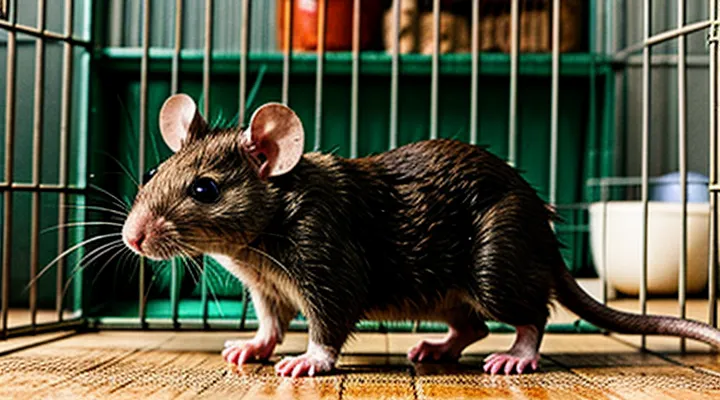
Understanding Dumbo Rats' Needs
Why Cage Size Matters
Impact on Health and Well-being
Choosing a suitable enclosure directly influences a dambo rat’s physical health and mental stability. Adequate space prevents musculoskeletal strain, promotes natural locomotion, and reduces the likelihood of obesity. A minimum floor area of 0.5 square meters per animal allows for unrestricted movement, while vertical height of at least 30 cm accommodates climbing behavior. Insufficient space forces repetitive pacing, which can lead to stress‑induced immunosuppression.
Material selection affects respiratory health and injury risk. Solid, non‑porous substrates such as stainless steel or coated glass resist bacterial colonization and simplify disinfection. Wire flooring should be avoided because it creates pressure points on delicate footpads, increasing ulcer formation. Ventilation openings must be sized to ensure airflow without generating drafts that could lower body temperature.
Environmental enrichment supports cognitive function and reduces stereotypic behaviors. Incorporate:
- chew‑safe wooden blocks or untreated hardwood toys,
- tunnels and hideouts that mimic burrow conditions,
- climbing structures with textured surfaces,
- rotating objects to sustain novelty.
Regular cleaning schedules maintain hygiene and prevent pathogen buildup. Daily spot cleaning removes waste, while a thorough weekly wash with mild, rodent‑safe detergent eliminates residual odors. Replace bedding material with dust‑free options such as paper pulp to minimize respiratory irritation.
Temperature regulation is essential; ambient temperature should remain between 20 °C and 24 °C. Fluctuations beyond this range trigger thermoregulatory stress, compromising metabolic efficiency. Position the enclosure away from direct sunlight, drafts, and heating vents to maintain stability.
In summary, a well‑designed cage provides sufficient space, safe materials, proper ventilation, consistent temperature, and enrichment. These factors collectively sustain optimal health metrics, lower stress markers, and promote a balanced, thriving dambo rat.
Preventing Behavioral Issues
A suitable enclosure is essential to minimize stress‑induced behaviors in Dambo rats. Inadequate space, lack of hiding places, and monotony trigger aggression, excessive grooming, and stereotypic movements.
- Minimum floor area: 1 ft² per adult; larger for groups.
- Height: at least 12 in to allow vertical climbing.
- Bar spacing: no more than ½ in to prevent escape.
- Material: stainless steel or powder‑coated wire; avoid untreated wood that can splinter.
- Bedding: deep, absorbent substrate such as paper‑based pellets; replace weekly.
Enrichment directly reduces problem behaviors. Provide a rotating selection of chew toys, tunnels, and climbing structures. Include at least two shelters per cage to satisfy natural hiding instincts. Offer daily foraging opportunities using food puzzles or scattered treats.
Consistent husbandry supports behavioral stability. Clean the cage fully every two weeks; spot‑clean waste daily. Maintain a fixed feeding schedule and keep ambient temperature between 68–75 °F with 40–60 % relative humidity. Limit loud noises and abrupt lighting changes; use a dimmable light source on a 12‑hour cycle.
Social interaction prevents isolation‑driven aggression. House compatible individuals together, monitoring introductions for signs of dominance. Separate aggressive animals promptly to avoid injury. Regular handling, performed calmly for 5–10 minutes each session, habituates rats to human contact and reduces fear‑based biting.
Key Considerations for Cage Selection
Minimum Dimensions
A dambo rat requires a cage that provides sufficient floor area for movement, exercise, and enrichment. The smallest acceptable enclosure must meet the following minimum specifications:
- Floor space: at least 24 inches × 24 inches (61 cm × 61 cm) per adult rat; larger space is preferable for multiple animals.
- Height: minimum 12 inches (30 cm) to accommodate climbing accessories and bedding depth.
- Bar spacing: no more than ½ inch (1.3 cm) to prevent escape and injury.
- Material: non‑porous, easy‑to‑clean surfaces; solid bottom rather than wire mesh.
These dimensions ensure the rat can exhibit natural behaviors such as foraging, climbing, and social interaction while maintaining health and safety standards. Adjustments upward are advisable for breeding groups, highly active individuals, or when additional enrichment items are installed.
Bar Spacing Requirements
When selecting an enclosure for a Dambo rat, the spacing between vertical bars is a critical safety factor. Bars set too far apart allow the animal to slip through or become trapped, while overly narrow spacing can cause stress and impede natural movement.
- Minimum opening: 0.5 cm (0.20 in). This dimension prevents the rat’s head from passing through.
- Recommended opening: 0.75 cm (0.30 in). Provides a comfortable margin while maintaining security.
- Maximum opening: 1.0 cm (0.40 in). Larger gaps increase the risk of escape and injury.
Bar diameter influences structural integrity and visibility. A diameter of 6 mm (0.24 in) or greater offers sufficient strength without obstructing the rat’s view of its environment.
The spacing should be uniform across the entire cage to avoid weak points. Reinforce corners and door frames with additional bars or mesh to maintain consistent spacing. For cages with removable panels, verify that the panel’s bar spacing matches the primary enclosure specifications before assembly.
Proper bar spacing, combined with appropriate cage dimensions and ventilation, creates a secure habitat that supports the Dambo rat’s health and behavior.
Ventilation Needs
When selecting housing for a Dambo rat, adequate airflow is essential to prevent respiratory disease and maintain temperature stability. The enclosure must allow fresh air to circulate without creating drafts that could chill the animal.
- Minimum of 4–6 air changes per hour, measured by a simple flow meter.
- Mesh or perforated panels covering at least 30 % of side and rear walls.
- Adjustable vents positioned near the top of the cage to release warm, humid air.
- Filters capable of removing dust and ammonia particles; replace every 30 days.
- Sealable openings that can be closed during cleaning to prevent accidental exposure.
Continuous monitoring of humidity (40–60 %) and temperature (68–75 °F) ensures that ventilation does not compromise comfort. Installing a small, low‑noise fan can assist in achieving the required air turnover, provided the airflow speed does not exceed 0.5 m/s at the animal’s level. Proper ventilation, combined with regular cage cleaning, supports the health and longevity of a Dambo rat.
Types of Cages and Materials
Wire Cages
Advantages
Choosing an appropriately sized, well‑ventilated enclosure for a Dambo rat yields measurable benefits for the animal’s health and behavior.
- Spacious interior prevents overcrowding, reduces stress, and supports natural activity patterns.
- Solid base and secure mesh protect against injury and escape while allowing easy cleaning.
- Adjustable shelving and enrichment accessories promote exploration, mental stimulation, and muscular development.
- Proper ventilation maintains air quality, limiting respiratory issues common in small mammals.
- Durable construction resists gnawing, extending the lifespan of the cage and minimizing replacement costs.
A cage that meets these criteria enhances welfare, simplifies husbandry, and aligns with best practices for responsible rodent care.
Disadvantages
Choosing a cage for a Dambo rat involves trade‑offs that can affect the animal’s health and the keeper’s maintenance routine. The most common disadvantages are listed below.
- Wire enclosures: poor insulation leads to temperature fluctuations; thin bars can cause paw injuries or allow escape if the rat learns to squeeze through gaps; cleaning requires disassembly, increasing labor.
- Plastic containers: limited ventilation promotes humidity buildup, encouraging respiratory issues; low durability makes them prone to cracking under chewing pressure; small dimensions restrict enrichment placement.
- Glass aquariums: lack of airflow creates condensation on walls, fostering fungal growth; heavy weight complicates relocation; opening mechanisms often lack secure latches, raising escape risk.
- Inadequate size: cages that meet minimum dimensions still restrict natural foraging and climbing behaviors, resulting in stress‑induced aggression or stereotypic movements; reduced floor space limits bedding depth, affecting waste absorption.
- Complex modular systems: multiple chambers increase cleaning time; joints and connectors become points of wear, potentially exposing sharp edges that can injure the rat.
Each disadvantage directly influences the well‑being of the Dambo rat and the practicality of long‑term care. Selecting a cage therefore requires balancing these drawbacks against the benefits of any given design.
Plastic Cages
Advantages
Choosing an enclosure that meets the specific needs of a Dambo rat provides measurable benefits for the animal’s health and the keeper’s management tasks.
- Enhanced safety – sturdy construction prevents escape and protects against accidental injuries.
- Improved hygiene – smooth, non‑porous surfaces simplify cleaning and reduce bacterial buildup.
- Adequate space – dimensions that allow natural movement decrease stress and support muscular development.
- Effective ventilation – adjustable airflow maintains optimal temperature and humidity without creating drafts.
- Durability – high‑quality materials resist chewing and wear, extending the cage’s usable life.
- Easy observation – clear panels enable routine health checks without disturbing the rat.
- Enrichment compatibility – modular design accommodates hiding spots, climbing structures, and toys, promoting mental stimulation.
Disadvantages
Choosing an enclosure for a dambo rat involves trade‑offs that can affect the animal’s health and the owner’s responsibilities. The primary drawbacks of common cage options include:
- Insufficient floor space – Small cages restrict movement, leading to stress, reduced exercise, and a higher incidence of musculoskeletal problems.
- Inadequate ventilation – Poor airflow creates humidity spikes, encouraging respiratory infections and mold growth on bedding.
- Unsuitable material – Wire cages with narrow gaps allow foot injuries and can cause paw pad lesions; plastic cages may warp under heat, creating sharp edges.
- Complex cleaning – Multi‑level designs with hidden chambers increase cleaning time and the risk of unnoticed waste accumulation, which can attract parasites.
- Elevated cost – Large, solid‑bottom cages with secure locks often exceed budget constraints, limiting accessibility for hobbyists.
- Limited enrichment integration – Standard cages lack built‑in platforms or tunnels, requiring additional purchases that may not fit securely, compromising safety.
These disadvantages highlight the need for careful assessment of cage dimensions, material durability, ventilation capacity, and maintenance demands before selecting an enclosure for a dambo rat.
DIY Cage Options
Safety Precautions
When selecting an enclosure for a Dambo rat, prioritize structural integrity, ventilation, and material safety. The cage must resist chewing, support the animal’s weight, and prevent escape.
- Use bars spaced no wider than ½ inch to avoid entrapment or passage.
- Choose stainless steel or powder‑coated metal; avoid painted wood that can chip or release toxins.
- Ensure all corners and seams are smooth; eliminate sharp edges that could cause injury.
- Provide at least 1 sq ft of floor space per rat; overcrowding increases stress and risk of disease.
- Install a secure latch that cannot be opened by the rat’s paws or teeth.
- Position the cage away from direct sunlight, drafts, and extreme temperatures; maintain ambient temperature between 65–75 °F (18–24 °C).
- Provide a solid base or platform to prevent bedding from spilling through the floor and to support wheel attachment.
- Regularly inspect wiring, hinges, and accessories for wear; replace any compromised components immediately.
Implementing these measures reduces the likelihood of injury, escape, and health complications, ensuring a safe environment for the animal.
Recommended Materials
A suitable enclosure for a Dambo Rat must be built from materials that resist gnawing, prevent escape, and allow thorough sanitation. Choose components that combine strength, non‑toxicity, and ease of maintenance.
- Stainless‑steel framing and panels – corrosion‑resistant, chew‑proof, and dishwasher‑safe.
- Coated wire mesh (e.g., powder‑coated steel) – provides ventilation while remaining bite‑resistant; ensure coating is free of lead and zinc.
- Acrylic or polycarbonate solid panels – suitable for the front and back of the cage; clear for observation, shatter‑resistant, and easy to wipe down.
- Solid floor inserts – use high‑density polyethylene (HDPE) or tempered glass; both are impermeable to urine and easy to disinfect.
- Untreated hardwood (e.g., birch, maple) for accessories – safe for perches and climbing structures when sealed with a non‑toxic water‑based finish.
Avoid painted or pressure‑treated wood, PVC that can release harmful fumes, and cheap plastic that cracks under bite pressure. Select materials that meet these criteria to ensure a durable, hygienic habitat for the rat.
Essential Cage Accessories
Bedding and Substrate
Safe and Unsafe Options
When selecting a cage for a Dambo rat, prioritize structural integrity, ventilation, and escape prevention.
Safe options
- Solid‑frame cages made of stainless steel or heavy‑gauge aluminum, with no gaps larger than ½ inch.
- Wire cages featuring a mesh size no larger than ¼ inch, covered on the top and sides with a secure, chew‑resistant lid.
- Modular habitats constructed from acrylic panels reinforced with metal brackets, provided the panels are thick enough to resist gnawing.
- Cages equipped with removable, metal or high‑density polyethylene trays for easy cleaning and waste management.
Unsafe options
- Plastic or thin glass containers that can crack under chewing pressure.
- Wire cages with mesh larger than ¼ inch, allowing teeth to slip through.
- Enclosures lacking a secure locking mechanism, permitting accidental escape.
- Cages with exposed painted surfaces or coatings that may peel and be ingested.
Choosing a cage that meets the safe criteria eliminates health hazards and reduces the risk of injury or escape.
Recommended Depth
The cage floor must provide sufficient vertical space for a Dambo rat to move comfortably, dig, and exhibit natural behaviors. Research on similar rodent species indicates that a minimum interior depth of 30 cm (12 in) prevents stress and injury, while a depth of 45 cm (18 in) allows full expression of climbing and burrowing activities.
- Minimum depth: 30 cm (12 in) – ensures basic mobility and safe standing height.
- Preferred depth for enrichment: 45 cm (18 in) – accommodates tunnels, platforms, and climbing structures.
- Maximum practical depth: 60 cm (24 in) – useful for large enclosures where vertical complexity enhances welfare.
Depth should be measured from the cage floor to the top of any solid barrier that limits upward movement. Transparent or mesh side panels must not reduce usable depth; they should be positioned at least the recommended distance above the floor. Maintaining the suggested dimensions reduces the risk of musculoskeletal problems and supports natural activity patterns.
Food and Water Dishes
Types and Placement
Choosing an enclosure for a Dambo rat requires a structure that prevents escape, supports climbing, and allows easy cleaning. The most reliable options are:
- Glass aquariums – clear walls, secure lids, and smooth surfaces reduce injury risk. Minimum size 10 gallons for a single adult.
- Acrylic tanks – lighter than glass, comparable visibility, same lid requirements. Recommended thickness ¼ inch for durability.
- Wire cages with solid flooring – metal frames with a solid base prevent chewing through bars. Include a removable plastic tray for substrate.
- Modular plastic habitats – interlocking panels create custom layouts, suitable for breeding groups. Ensure panels lock tightly to avoid gaps.
Placement considerations directly affect health and behavior:
- Position the enclosure away from direct sunlight and drafts to maintain stable temperature (20‑25 °C) and humidity (40‑60 %).
- Provide a quiet corner of the room, away from loud appliances, to reduce stress.
- Ensure the cage sits on a stable, level surface; use a sturdy table or a dedicated stand with a non‑slipping mat.
- Install a ventilation system or keep the lid slightly ajar if the design allows, preventing condensation while preserving security.
- Locate the enclosure within sight but not in high‑traffic areas, facilitating observation without disturbance.
Maintaining Hygiene
A dambo rat requires a cage that supports strict hygiene to prevent disease and maintain health. Choose a cage with smooth, non‑porous surfaces that can be disinfected regularly. Provide a removable bottom tray for easy cleaning, and ensure the cage size allows sufficient space for substrate changes without overcrowding.
Key hygiene practices:
- Clean the cage weekly with a mild, reptile‑safe disinfectant; rinse thoroughly to eliminate residue.
- Replace substrate every 7‑10 days, using a material that absorbs moisture but does not harbor bacteria, such as paper‑based bedding.
- Wash water dishes and feeding bowls daily with hot, soapy water; rinse and sterilize weekly.
- Inspect and clean ventilation openings to prevent dust buildup and ensure proper airflow.
- Monitor the cage for signs of mold, ammonia odor, or droppings accumulation; address issues immediately.
Consistent implementation of these steps sustains a sanitary environment, reduces stress for the dambo rat, and promotes optimal growth and longevity.
Enrichment and Toys
Tunnels and Tubes
A Dambo rat thrives when its enclosure includes a network of tunnels and tubes that replicate the burrowing environment found in the wild. The cage must accommodate at least three separate tunnel sections, each measuring a minimum internal diameter of 1.5 inches (38 mm) to allow unrestricted movement. Lengths should range from 6 inches to 12 inches (15–30 cm), providing enough space for the rat to explore without feeling cramped.
Materials such as high‑density polyethylene or acrylic resist chewing and maintain structural integrity. Connections between sections should be secured with snap‑fit joints or removable clamps, enabling easy cleaning and reconfiguration. Transparent sections facilitate observation while opaque portions offer privacy and reduce stress.
Ventilation is achieved by integrating perforated sections or mesh sleeves at regular intervals along the tunnel walls. This design prevents humidity buildup and promotes airflow without exposing the rat to drafts. Placement of tunnels at varying heights—ground level, mid‑cage, and near the top—encourages vertical movement and exercise.
A practical checklist for tunnel installation:
- Minimum internal diameter: 1.5 inches (38 mm)
- Length per section: 6–12 inches (15–30 cm)
- Material: chew‑resistant polyethylene or acrylic
- Joint type: snap‑fit or removable clamps
- Ventilation: perforated or mesh sections every 4 inches (10 cm)
- Configuration: at least three levels (low, medium, high)
Properly designed tunnels and tubes enhance natural foraging behavior, support musculoskeletal health, and reduce stereotypic actions. Incorporating these elements into the cage fulfills the essential spatial and enrichment requirements for a Dambo rat.
Chewing Items
A Dambo rat’s enclosure must contain objects that satisfy its constant need to gnaw, prevent dental overgrowth, and provide mental stimulation. Selecting appropriate chewable materials reduces the risk of damage to cage components and promotes healthy behavior.
Recommended chew items include:
- Unfinished hardwood blocks (e.g., willow, apple, or poplar) sized to fit the cage floor without obstructing movement.
- Natural mineral chews such as calcium-rich limestone or mineral rods, placed on a stable platform.
- Safe, untreated apple wood branches, trimmed to remove thorns and leaves, anchored to prevent tipping.
- Commercially manufactured rodent chew sticks made from compressed wood fibers, free of added sugars or artificial flavors.
- Sisal rope or woven hemp strips, secured to the cage’s sidebars, offering a flexible texture for gnawing.
Each item should be inspected daily for wear, splintering, or contamination. Replace damaged pieces promptly to maintain a hygienic environment. Providing a rotating selection of chewables prevents habituation and encourages exploration, contributing to overall welfare.
Hiding Spots
A suitable enclosure for a Dambo rat must contain multiple secure hiding spots to reduce stress and support natural behaviors. Hiding places should be placed at different heights and locations to allow the animal to retreat from visual stimuli and establish personal territory.
- Solid wooden tunnels with rounded edges; dimensions no smaller than 4 × 4 cm to accommodate the rat’s body.
- Closed PVC or acrylic tubes; length of 15–20 cm provides a linear refuge and encourages exploration.
- Ceramic or ceramic-coated hide boxes; interior volume of at least 100 cm³ prevents overheating and offers a cool retreat.
- Fabric pouches sewn from breathable, non‑woven material; attach with a metal clip to the cage wall to keep the pouch stable.
- Live‑plant clusters or artificial foliage; dense foliage creates a naturalistic cover and adds humidity control.
Placement considerations:
- Anchor each hiding spot to a solid cage element to prevent wobbling.
- Distribute shelters evenly across the cage floor and upper levels to promote vertical movement.
- Ensure at least one hide is positioned away from the main feeding area to allow private rest.
Regular inspection of all hiding structures is essential. Replace any damaged components promptly to maintain a safe environment and preserve the rat’s sense of security.
Hammocks and Sleeping Areas
A suitable enclosure for a dambo rat must include dedicated hammocks and sleeping zones that meet the species’ natural behaviors. Hammocks provide elevated perch space, encouraging climbing and offering a secure retreat from ground activity. Sleeping areas should be insulated, quiet, and positioned away from high‑traffic zones to promote rest.
- Hammock material: natural fibers such as untreated cotton or hemp, free of dyes and chemicals; thickness of 1–2 cm prevents sagging under the animal’s weight.
- Securing method: stainless‑steel clips or woven loops attached to cage bars; avoid plastic ties that can chew through.
- Size: minimum surface area of 15 × 10 cm per individual; larger groups require proportional expansion to prevent overcrowding.
- Placement: positioned at mid‑height of the cage, allowing easy access from both floor and upper levels; maintain a clearance of at least 5 cm from the cage roof to avoid injury.
Sleeping compartments should incorporate:
- Bedding: low‑dust, absorbent substrate such as paper‑based pellets; replace weekly to maintain hygiene.
- Enclosure: a closed hideout made from solid wood or acrylic with ventilation slits; interior dimensions of at least 12 × 12 cm provide sufficient space for a dambo rat to curl fully.
- Temperature control: ambient range of 18–24 °C; avoid drafts that can chill the animal during sleep.
Integrating these elements into the cage design ensures that dambo rats have safe, comfortable environments for climbing, resting, and thermoregulation, supporting overall health and natural activity patterns.
Cage Placement and Environment
Ideal Location in the Home
Avoiding Drafts and Direct Sunlight
When choosing an enclosure for a Dambo rat, controlling airflow and exposure to sunlight is essential for health and comfort. Drafts can lower body temperature rapidly, leading to respiratory stress, while direct sunlight can cause overheating and skin irritation.
To protect the animal, the cage should be positioned away from windows, air vents, and doors that open to the outside. Use solid walls or opaque panels on the side facing any source of wind. Ensure the interior temperature remains stable, ideally between 68 °F and 75 °F (20 °C‑24 °C).
Practical steps:
- Place the cage in a room with indirect, filtered light; avoid windows that receive direct sun for most of the day.
- Install a breathable but wind‑blocking cover on any ventilation openings.
- Use a thermostat‑controlled heater or fan to maintain consistent temperature if ambient conditions fluctuate.
- Provide shaded areas within the cage using solid barriers or hide boxes, allowing the rat to retreat from any accidental light exposure.
By following these measures, the enclosure will minimize harmful drafts and prevent direct sunlight, creating a stable environment that supports the Dambo rat’s well‑being.
Temperature and Humidity
A suitable enclosure for a Dambo rat must maintain a stable thermal environment. Ideal ambient temperature falls between 68 °F and 78 °F (20 °C–26 °C). Temperatures below 60 °F (15 °C) can suppress activity and impair immune function, while exceeding 80 °F (27 °C) increases the risk of heat stress and dehydration.
Relative humidity should be kept in the range of 40 %–60 %. Lower humidity accelerates water loss through the skin and respiratory tract, leading to dry‑mouth symptoms. Higher humidity encourages mold growth on bedding and promotes respiratory infections.
To achieve these conditions, consider the following measures:
- Place the cage away from direct sunlight, drafts, and heating vents.
- Use a digital thermometer and hygrometer to monitor fluctuations at least twice daily.
- Provide ventilation slots that allow airflow without creating drafts.
- Add a small water dish with fresh water; replace it daily to maintain moisture balance.
- Select bedding with low dust content and replace it regularly to prevent excess moisture accumulation.
Consistent monitoring and prompt adjustment of temperature and humidity are essential for the health and longevity of a Dambo rat within its habitat.
Cleaning and Maintenance
Daily Spot Cleaning
Daily spot cleaning maintains a healthy environment for a dambo rat and directly influences the suitability of its enclosure. A cage that allows easy access to all areas simplifies this routine, reducing stress on the animal and preventing the buildup of waste and odor.
Effective daily spot cleaning includes:
- Removing soiled bedding from corners, tunnels, and hideouts.
- Wiping surfaces with a non‑toxic, rodent‑safe disinfectant.
- Replacing any wet food or water dishes that have become contaminated.
- Inspecting enrichment items for droppings or mold and cleaning them as needed.
Choosing a cage with removable trays, slide‑out doors, and smooth interior surfaces accelerates each step. Materials such as stainless steel or powder‑coated metal resist corrosion and can be sanitized without damage.
Consistent execution of these tasks preserves air quality, protects the dambo rat’s respiratory health, and extends the lifespan of the enclosure. The routine also provides an opportunity to monitor the animal for signs of illness or injury during the cleaning process.
Weekly Deep Cleaning
A dambo rat’s enclosure must be maintained with a structured weekly deep‑cleaning routine to preserve health, prevent odor, and protect equipment. The process includes removal, disinfection, and restoration of all cage components.
- Empty the cage: Transfer the animal to a secure temporary habitat. Remove all accessories, tubes, and food dishes.
- Scrape and rinse: Eliminate solid waste from the base and walls. Rinse with warm water to dissolve residue.
- Disinfect: Apply a reptile‑safe disinfectant, ensuring full coverage of surfaces, corners, and mesh. Allow the recommended contact time.
- Rinse again: Thoroughly flush the cage to remove chemical traces that could harm the rat.
- Dry completely: Use clean towels or air‑dry until no moisture remains; lingering dampness encourages bacterial growth.
- Inspect and replace: Check for wear on hideaways, chew toys, and water bottles. Replace any damaged items before reassembly.
- Reassemble and restock: Reinstall all components, refill water, and add fresh substrate. Return the rat to the cleaned enclosure.
Consistent weekly execution of these steps sustains a hygienic environment, reduces the risk of respiratory and skin infections, and extends the lifespan of the cage’s structural elements.
Disinfection Protocols
When selecting a cage for a dambo rat, the disinfection protocol determines the health of the animal and the safety of personnel. A suitable enclosure must allow thorough cleaning, resist corrosive agents, and prevent bacterial colonisation.
Begin each cleaning cycle by removing all bedding, food, and accessories. Submerge removable components in a 10 % bleach solution (sodium hypochlorite) for at least ten minutes. Rinse with potable water until no odor remains, then immerse in a 2 % quaternary ammonium disinfectant for five minutes. Dry components with a lint‑free cloth before reassembly.
For the cage body, spray the interior and exterior surfaces with a ready‑to‑use virucidal disinfectant approved for rodent use. Ensure coverage of corners, hinges, and lock mechanisms. Allow the contact time specified by the manufacturer (typically five to ten minutes). Follow with a thorough rinse using distilled water to eliminate residue that could irritate the animal’s respiratory system.
After each disinfection, perform a visual inspection for scratches, rust, or degraded sealants. Replace any compromised parts immediately, as damaged surfaces can harbour microbes despite chemical treatment.
Maintain a documented schedule:
- Daily spot cleaning of visible waste.
- Weekly full disinfection as described above.
- Monthly deep inspection and replacement of corroded components.
Record the date, disinfectant batch number, and personnel responsible for each cycle. This log provides traceability and supports compliance with institutional animal‑care standards.