
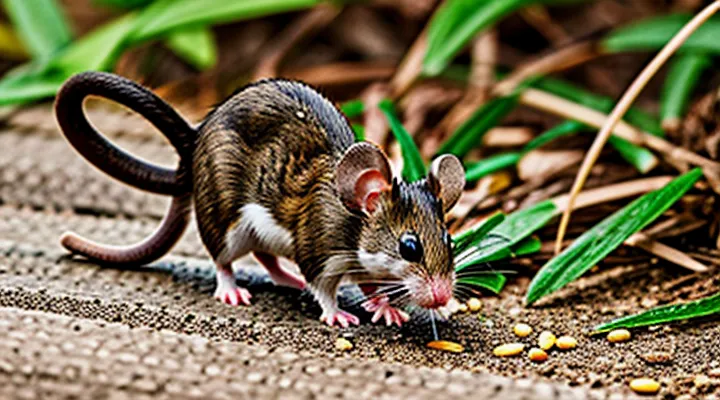
Understanding Mouse Behavior and Diet
Why Mice are Attracted to Food
Scent as a Primary Attractor
Scent governs mouse foraging decisions, directing individuals toward potential food sources. Their olfactory receptors detect volatile compounds at concentrations as low as parts per billion, allowing rapid identification of nutritionally rich items.
Mice exhibit strong preferences for odors associated with high carbohydrate or protein content. The following scents consistently generate the highest capture rates:
- Peanut butter and other nut‑based extracts
- Grain‑derived aromas such as cornmeal, wheat germ, and oats
- Sweet fruit essences, especially apple and raisin
- Meat‑derived odors, including dried fish and bacon fat
- Cheese volatiles, notably aged cheddar and blue varieties
Effective bait preparation involves coating a small amount of the chosen attractant onto a non‑absorbent carrier (e.g., cotton ball, wooden block) and securing it within a trap. Placement should target travel corridors, wall voids, and areas where droppings or gnaw marks are present. Maintain bait freshness; volatile compounds degrade within hours, reducing lure potency.
Avoid introducing competing odors from cleaning agents, chemicals, or pet food, as they can mask or dilute the target scent. Store unused bait in airtight containers at low temperature to preserve aromatic integrity.
Nutritional Needs and Survival Instincts
Mice survive by locating food that satisfies immediate energy demands and longer‑term nutritional balance. Carbohydrate‑rich items deliver rapid glucose, supporting high metabolic rates and nocturnal activity. Protein sources provide essential amino acids for tissue repair and reproduction. Fats supply dense calories, extending periods between foraging trips. Micronutrients—especially calcium, phosphorus, and B‑vitamins—prevent deficiencies that impair growth and immune function. Water is equally critical; moisture‑laden foods reduce the need for separate drinking sources.
Survival instincts sharpen the search for foods that combine these elements in a readily consumable form. The following categories align with the physiological drivers that make a bait attractive:
- Grains and seeds – high in starch and modest protein; examples: wheat, corn, sunflower seeds.
- Nuts and nut‑based pastes – rich in fats and protein; examples: peanut butter, almond pieces.
- Sugary or fermented substances – provide immediate glucose and volatile compounds that signal ripeness; examples: honey, dried fruit, yeast‑laden dough.
- Protein concentrates – address amino‑acid needs; examples: dried fish, meat scraps, soy pellets.
- Moisture‑rich foods – supply water and electrolytes; examples: canned pet food, soaked bread, gelatinous baits.
Baits that incorporate multiple nutrient groups exploit both the short‑term craving for quick energy and the long‑term requirement for balanced nutrition, thereby maximizing attraction and consumption rates.
Top Food Baits for Mice
Sweet and Sugary Foods
Chocolate and Candy
Chocolate and candy are among the most compelling attractants for rodents, particularly when used as part of a baiting strategy. The high sugar content, combined with fat and aromatic compounds, triggers the mouse’s gustatory and olfactory receptors, prompting rapid investigation and consumption. Laboratory observations confirm that mice will prioritize these sweet substances over many grain‑based options when both are presented simultaneously.
Key characteristics that influence the effectiveness of chocolate and candy as bait include:
- Sugar concentration – concentrations above 30 % reliably stimulate feeding behavior.
- Fat content – cocoa butter and other lipids enhance scent diffusion and provide caloric appeal.
- Texture – soft or meltable forms allow quick ingestion, reducing the chance of bait abandonment.
- Aroma volatility – strong, volatile aromas such as vanilla or caramel increase detection distance.
- Shelf stability – products with low moisture content resist mold, maintaining attractiveness over longer periods.
When deploying these baits, place small, bite‑sized portions in areas of known mouse activity, ensuring that the bait is protected from non‑target species while remaining accessible to rodents. Continuous monitoring and replacement of depleted pieces sustain the lure’s potency.
Jams and Jellies
Jams and jellies are among the most effective attractants for rodents due to their high sugar concentration, strong aromatic profile, and viscous texture that encourages prolonged feeding. The sweet compounds stimulate the olfactory receptors of mice, while the sticky consistency limits rapid consumption and reduces waste.
Key characteristics that make these spreads suitable as bait:
- Sugar content: Typically 30‑55 % sucrose or fructose, providing immediate energy and a strong scent trail.
- Aroma compounds: Fruit‑derived esters and volatile oils create a pronounced odor detectable at distances of up to 10 meters.
- Viscosity: Gelatinous matrix adheres to trap surfaces, preventing quick removal by the animal.
- Shelf stability: High sugar levels inhibit microbial growth, allowing storage for several months without refrigeration.
Practical recommendations for using jams and jellies in rodent control:
- Select fruit varieties with intense fragrance, such as raspberry, strawberry, or grape.
- Apply a thin layer (approximately 0.5 cm) to the bait station or trap platform to ensure visibility while maintaining stickiness.
- Combine with a protein source (e.g., peanut butter) to increase nutritional appeal and reduce bait shyness.
- Replace the bait every 5‑7 days or after heavy rain, as moisture can dilute the scent and alter consistency.
- Store unused portions in airtight containers at temperatures below 20 °C to preserve potency.
Potential drawbacks include attraction of non‑target species and the possibility of rapid spoilage if exposed to high humidity. Mitigation measures involve placing bait stations in enclosed locations and using sealed trap designs.
Overall, jams and jellies deliver a reliable combination of olfactory lure and feeding incentive, making them a preferred component of bait formulations aimed at reducing mouse populations.
Fruits
Fruits serve as a highly effective category of mouse bait due to their natural sugars, moisture content, and strong aromatic compounds. Mice are drawn to the rapid energy source provided by simple carbohydrates, while the volatile esters emitted by ripe fruit enhance detection over short distances. The combination of sweetness and scent creates a reliable feeding stimulus that surpasses many dry or protein‑based options.
Key attributes that increase fruit attractiveness:
- High glucose and fructose concentrations supply immediate caloric intake.
- Soft texture allows easy gnawing, reducing the effort required to access the interior.
- Volatile organic compounds, such as ethyl acetate and isoamyl acetate, produce strong olfactory cues.
- Moisture level prevents desiccation, maintaining palatability for extended periods.
Fruits most frequently reported to trigger mouse activity:
- Apple slices: strong sweet aroma, retains juiciness for several days.
- Banana pieces: high sugar density, soft flesh facilitates rapid consumption.
- Grapes (seedless): concentrated sugar, natural skin fragrance.
- Berries (strawberries, blueberries): intense scent profile, bright color attracts visual attention.
- Pear wedges: moderate sweetness, firm yet tender texture.
When deploying fruit baits, follow these practices:
- Cut fruit into bite‑size pieces to expose interior surfaces.
- Position bait near known pathways, behind appliances, or within concealed trap chambers.
- Replace fruit every 24–48 hours to prevent mold growth and maintain scent potency.
- Combine fruit with a protein source, such as peanut butter, to broaden appeal and increase catch rates.
- Use a non‑toxic adhesive or snap trap that secures the fruit without allowing escape.
These guidelines maximize the likelihood of mouse capture while minimizing bait degradation and environmental contamination.
Grains and Seeds
Peanut Butter
Peanut butter ranks among the most effective attractants for mice because it combines a powerful scent, high fat content, and a sweet taste that matches the species’ dietary preferences. The dense, oily texture adheres well to traps, reducing the likelihood of premature removal.
Mice respond to peanut butter for several physiological reasons:
- Olfactory receptors detect the volatile compounds released by roasted peanuts, triggering a rapid foraging response.
- The high caloric density satisfies the animal’s need for quick energy, especially during colder months.
- The sweet‑savory flavor profile aligns with the natural inclination of rodents toward carbohydrate‑rich foods.
When deploying peanut butter as bait, follow these practical steps:
- Apply a pea‑sized amount directly to the trap trigger mechanism; excess material can be wasted and may attract non‑target species.
- Position traps along walls, behind appliances, or near visible droppings, where mice commonly travel.
- Replace the bait every 3–5 days to maintain potency, as exposure to air gradually diminishes aroma.
- Store unused peanut butter in a sealed container at room temperature to prevent spoilage.
Safety considerations include keeping the bait out of reach of children and pets, and using unsalted, plain varieties to avoid unnecessary sodium intake for the captured animal. Proper application of peanut butter maximizes capture rates while minimizing effort.
Oats and Cereals
Oats and a variety of cereals rank among the most effective rodent lures because they combine high carbohydrate content with a texture that mice can easily gnaw. The natural sweetness of grains appeals to the species’ innate preference for energy‑dense foods, while the low fat level reduces the risk of rapid spoilage in trap settings.
Key characteristics that make oats and cereals reliable bait:
- Palatability: Sweetness and mild flavor attract both wild and domestic mice.
- Moisture retention: Grains hold enough moisture to remain appetizing without becoming soggy.
- Ease of handling: Loose kernels or rolled oats can be packed tightly into traps, ensuring consistent exposure.
- Versatility: Can be used alone or mixed with protein sources such as peanut butter to enhance allure.
For optimal performance, keep the bait dry, store it in airtight containers, and refresh the supply every few days to prevent mold development. When deploying, place a small amount directly on the trigger mechanism to encourage immediate contact and increase capture rates.
Nuts
Nuts attract mice because they combine high fat, protein, and sugar levels, which satisfy the animal’s short‑term energy needs and long‑term nutritional requirements. The strong aroma of roasted or fresh nuts further enhances detection by the rodent’s keen olfactory system.
- Peanut pieces: rich in oil, quickly detected, works well in traps placed near walls.
- Almond slivers: firm texture resists rapid degradation, appealing to mice that prefer crunchy foods.
- Walnuts: high caloric density, strong scent, effective for long‑lasting bait stations.
- Hazelnuts: moderate fat content, attractive to mice that favor milder flavors.
- Mixed nut blends: provide variety, increase the likelihood of engagement across different mouse preferences.
Effective deployment requires minimal size—approximately ¼‑inch cubes—to allow easy consumption and prevent trap blockage. For snap traps, embed a single piece directly on the trigger mechanism; for live‑catch cages, scatter several pieces across the floor. Coating nuts with a thin layer of peanut butter or honey intensifies scent and creates a sticky surface that discourages premature removal by non‑target animals.
Advantages:
- High palatability ensures rapid approach.
- Natural product, no synthetic chemicals.
- Low toxicity, safe for households with children and pets when used in sealed traps.
Disadvantages:
- Susceptible to spoilage; rancidity reduces effectiveness after a few days.
- Small fragments can be carried away, requiring frequent replenishment.
- Potential attraction of other wildlife, such as squirrels or birds.
Store nuts in airtight containers at cool temperatures to maintain freshness. Rotate bait every 48‑72 hours to preserve potency and limit mold growth. When using in indoor settings, place traps on insulated surfaces to prevent condensation that could soften the bait.
Protein and Fatty Foods
Cheese (Myth vs. Reality)
Cheese is commonly portrayed as the preferred mouse snack, yet scientific observations and field studies contradict this image. Mice are opportunistic omnivores; their diet consists mainly of grains, seeds, fruits, and insects. Laboratory experiments show that when presented with a choice between standard cheese and a grain-based bait, mice select the grain in over 80 % of trials. The attraction to cheese originates from cultural narratives rather than measurable olfactory or nutritional cues.
Research on trap efficacy confirms that cheese yields low capture rates. In commercial bait formulations, cheese‑based attractants rank near the bottom of performance charts. The limited success stems from cheese’s strong odor masking the more subtle scents that mice associate with high‑energy foods. Moreover, many cheese varieties contain lactose, a sugar mice cannot digest efficiently, reducing its appeal.
For reliable mouse control, prioritize baits that mimic natural food sources. Effective options include:
- Whole grain cereals (e.g., wheat, oats)
- Peanut butter or crushed peanuts
- Sunflower seeds or crushed seed mixes
- Fresh fruit pieces (e.g., apple, banana)
When selecting a bait, consider factors such as moisture content, scent intensity, and ease of placement in trap mechanisms. Combining a high‑energy attractant with a small amount of protein (e.g., a peanut‑butter coating) often maximizes capture rates.
In summary, cheese serves more as a cultural symbol than a practical lure. Empirical data support grain‑based and nut‑based baits as superior choices for attracting and trapping mice.
Bacon and Meat Scraps
Bacon and meat scraps rank among the most compelling rodent attractants because they emit strong, protein‑rich odors that mice detect at great distances. The combination of fat, salt, and amino acids triggers the species’ innate foraging response, leading to rapid investigation and consumption.
The scent profile of cured pork and raw meat contains volatile compounds such as aldehydes, ketones, and short‑chain fatty acids. These chemicals diffuse quickly through bedding material and reach the olfactory receptors of mice, overriding other environmental cues. The high caloric value also satisfies the animal’s immediate energy requirements, reinforcing repeated visits to the bait source.
Effective deployment requires fresh, unspoiled pieces to maintain scent potency. Small, bite‑size fragments placed near walls, behind appliances, or within insulated gaps increase the likelihood of contact. Avoiding excessive moisture prevents mold growth, which can deter mice and compromise trap hygiene. Secure storage in airtight containers preserves aroma between applications.
Advantages and disadvantages
- Pros
- Intense odor attracts mice from several meters away.
- High protein and fat content provide immediate nutritional reward.
- Readily available in most households and commercial settings.
- Cons
- Rapid spoilage demands frequent replacement.
- Strong scent may also draw non‑target species, such as cats or raccoons.
- Residual grease can create slip hazards on trap surfaces.
Lard and Suet
Lard and suet are animal fats with high caloric density, making them exceptionally attractive to rodents. Their rich, oily texture releases strong scent cues that mice detect at considerable distances, prompting rapid investigation and consumption.
The primary factors that enhance their effectiveness are:
- High fat content – supplies immediate energy, encouraging repeated visits.
- Low moisture – prolongs bait longevity by resisting spoilage.
- Strong odor – penetrates bedding and crevices, drawing mice from hidden areas.
Application guidelines ensure optimal results. Place small, pea‑sized portions on traps or in bait stations, positioning them along established runways, near walls, and close to food sources. Refresh baits every 48 hours in warm climates to prevent rancidity. Store unused lard or suet in airtight containers at refrigeration temperatures; freeze for long‑term preservation.
Compared with grain‑based or protein baits, lard and suet produce higher capture rates in environments where mice have access to alternative food sources. Their simplicity eliminates the need for additives, reducing the risk of accidental poisoning of non‑target species when used in enclosed traps.
Effective Baiting Strategies
Bait Placement Considerations
High-Traffic Areas
Mice concentrate movement along routes that provide easy access to food, water, and shelter. These routes—often found behind refrigerators, under sinks, inside wall cavities, and along baseboards—constitute the most frequented pathways in a building. Placing bait within these corridors maximizes the likelihood of contact because rodents naturally travel these paths while foraging.
Key attributes of high‑traffic zones include:
- Proximity to stored food or waste containers
- Presence of moisture sources such as leaky pipes or condensation
- Structural gaps that allow entry from exterior or adjacent rooms
- Concealed spaces where predators cannot easily reach
Effective bait deployment follows a systematic pattern. Position attractive food lures a few inches from the wall, directly in the line of travel, and secure them to prevent displacement by cleaning activities. Use multiple stations spaced 10‑15 feet apart to cover the entire corridor. In kitchens, place baits behind appliances and inside cabinets where crumbs accumulate. In basements, set stations near utility lines and drainage traps. For attic or crawl‑space infestations, locate bait within insulation gaps and near ventilation openings.
When selecting the bait, choose high‑protein or high‑fat options—such as peanut butter, sunflower seeds, or processed meat—because these nutrients stimulate the strongest response in rodents. Combine the attractant with a slow‑acting rodenticide that remains effective after brief exposure, ensuring that mice ingest a lethal dose after repeated visits.
Safety measures require securing bait stations out of reach of children and pets while maintaining accessibility for mice. Use tamper‑resistant containers and label them clearly. Regularly inspect stations for consumption, replenish as needed, and replace any compromised units to sustain consistent pressure on the population.
Hidden and Secure Locations
Effective bait performance depends on placement within concealed, protected sites where mice naturally travel. Selecting locations that shield the lure from predators, weather, and human disturbance increases encounter rates and reduces bait loss.
Ideal spots share three traits: limited visibility, restricted access for non‑target animals, and proximity to mouse pathways such as walls, baseboards, or utility lines. Positioning lures in these environments concentrates rodent activity while preserving bait integrity.
- Behind appliances (refrigerator, stove) where gaps exist between floor and wall.
- Inside wall voids accessed through small inspection holes.
- Under cabinets or pantry shelves, tucked behind stored items.
- Within crawl spaces, secured to joists or insulation panels.
- At the intersection of concealed ducts and floor openings, using a protective cover.
Regularly inspect each site, replace depleted bait, and rotate locations to prevent habituation. Maintain cleanliness around the areas to avoid competing food sources that could divert mice from the intended lure.
Freshness and Replenishment
Importance of Fresh Bait
Fresh bait provides the strongest olfactory signal, which mice detect at distances of several feet. Once exposed to air, volatile compounds dissipate, and the scent intensity drops sharply. A bait that has been stored for days or weeks loses the aromatic profile that triggers a feeding response, reducing the likelihood that a mouse will investigate the trap.
Key effects of using recently prepared bait:
- Immediate detection: peak aroma draws mice quickly, increasing encounter rates with the trap.
- Sustained interest: fresh food maintains palatability, preventing early abandonment of the bait.
- Lower aversion: stale or oxidized ingredients develop off‑flavors that mice avoid, whereas fresh bait remains appealing.
- Consistent performance: regular replacement of bait eliminates variability caused by degradation, ensuring reliable capture data.
Maintaining a schedule for bait renewal—ideally every 24–48 hours—maximizes the attraction power of any food lure and directly improves trap success.
Frequency of Bait Replacement
Effective rodent control depends on maintaining bait potency. Mice quickly lose interest in stale or contaminated food, so regular replacement is essential for sustained attraction.
- Fresh bait should be placed no longer than 24 hours in high‑traffic areas.
- In low‑activity zones, replace every 48 hours.
- If moisture or debris is observed, replace immediately regardless of schedule.
- Seasonal temperature spikes accelerate degradation; increase replacement frequency by 50 % during warm months.
Monitoring bait condition and adhering to these intervals prevents loss of effectiveness and reduces the likelihood of bait avoidance.
Avoiding Common Mistakes
Over-Baiting
Over‑baiting occurs when too many food lures are placed in a single trap or across a treatment area. Excessive bait saturates the environment, reducing the scent gradient that mice rely on to locate a source. When the odor becomes uniform, rodents lose the incentive to investigate individual stations, leading to lower capture rates.
Key consequences of excessive bait include:
- Diminished trap effectiveness: mice may encounter multiple baits without a clear cue, causing hesitation or avoidance.
- Increased waste: surplus food attracts non‑target species and can create secondary pest problems.
- Higher costs: more bait consumption without proportional gains in captures.
To prevent over‑baiting, follow these guidelines:
- Limit bait to a pea‑sized amount per trap; this amount is sufficient to emit a detectable scent without overwhelming the area.
- Space traps 2–3 feet apart, allowing each station to maintain a distinct odor plume.
- Rotate bait types weekly to preserve novelty and prevent habituation.
- Monitor trap performance daily; reduce bait quantity if capture rates plateau or decline.
Proper bait management preserves the chemical signal that draws rodents, ensuring that each lure remains an effective attractant without compromising overall trap success.
Using Expired or Contaminated Bait
Expired or contaminated bait can alter the chemical profile that draws mice, reducing its effectiveness. Decomposition produces off‑flavors and strong odors that mice typically avoid, while microbial growth may generate toxins that deter feeding.
Key consequences of using compromised bait:
- Diminished palatability leads to lower capture rates.
- Increased risk of secondary contamination in traps or monitoring stations.
- Potential health hazards for non‑target animals that might ingest the bait.
- Shortened shelf life further accelerates loss of attractiveness.
Best practice recommends discarding any bait past its expiration date or showing signs of spoilage. If a stockpile shows moisture, mold, or discoloration, replace it with fresh material. Store new bait in airtight containers, keep it in a cool, dry environment, and label packages with receipt dates to ensure timely rotation.
When selecting food items for mouse attraction, prioritize fresh, high‑protein or high‑fat options such as peanut butter, cheese, or dried fruit. Maintain strict inventory control to prevent the introduction of stale or contaminated substances that could compromise control efforts.
Other Attractors Beyond Food
Water Sources
Leaking Pipes
Leaking pipes increase ambient humidity, creating an environment where stored food becomes softer and more palatable for rodents. Moisture penetrates packaging, causing grains, cereals, and dried fruits to swell, which draws mice toward these compromised supplies.
The constant presence of water also supports bacterial growth on food residues, producing odors that further entice mice. As rodents investigate the source, they often encounter bait stations placed nearby, improving the effectiveness of food-based lures.
Key implications for bait placement include:
- Position traps or bait stations adjacent to the leak, where mice travel to access moisture‑rich food.
- Repair or seal leaks promptly to reduce humidity and limit the degradation of stored products.
- Use dry, high‑protein baits in areas unaffected by moisture to maintain attractiveness when leaks are resolved.
By addressing pipe leaks, property owners remove a primary factor that enhances the appeal of typical mouse food sources, thereby increasing the overall success of baiting strategies.
Condensation
Condensation forms when warm, moist air contacts a cooler surface, causing water vapor to transition into liquid droplets. In environments where rodents seek food, the presence of moisture can alter the texture and scent profile of bait, making it more palatable to mice.
Moist environments affect bait in several ways:
- Dampening dry food particles releases volatile compounds that mice detect at lower concentrations.
- Softened texture enables easier chewing, reducing the effort required to access nutrients.
- Elevated humidity around bait slows desiccation, extending the period during which the lure remains attractive.
To maximize bait performance in areas prone to condensation, follow these steps:
- Place bait on insulated platforms that limit direct contact with cold surfaces, reducing premature moisture accumulation.
- Incorporate a modest amount of liquid component, such as a few drops of broth or oil, to mimic the moisture levels created by natural condensation.
- Monitor ambient temperature gradients; adjust placement to avoid extreme cold spots where excess condensation could cause bait to become soggy and unappealing.
Understanding how moisture generated by condensation interacts with food lures allows pest control practitioners to select and position bait with precision, ensuring sustained attraction and higher capture rates.
Shelter and Nesting Materials
Cardboard and Paper
Cardboard and paper are common materials that draw mice because they serve both as food carriers and as nesting substrates. Mice gnaw on these items to access embedded crumbs, oils, or residues, and they also use torn fibers to construct shelters. The porous structure holds moisture and scent, extending the appeal of any attached bait.
Key characteristics that increase the attractiveness of cardboard and paper:
- Absorbent surface retains food odors longer than smooth plastics.
- Easily shredded, providing material for nest building.
- Low cost and readily available for placement in traps or along travel routes.
- Flexible shape allows concealment of grain, nuts, or peanut butter within folds.
When deploying these materials, position them near known mouse pathways, ensure they are slightly damp to enhance scent diffusion, and replace them regularly to prevent loss of potency. Proper use of cardboard or paper can significantly boost the effectiveness of food-based trapping strategies.
Fabric and Insulation
Fabric and insulation materials influence mouse behavior by providing scent retention, concealment, and structural support for food bait placement. Natural fibers such as cotton, wool, and linen absorb moisture and odor, extending the detectable range of bait aromas. Synthetic fabrics (polyester, nylon) repel moisture, limiting scent diffusion but offering durability for bait stations that must withstand handling. Insulation types affect bait efficacy through temperature regulation and nest‑building potential. Fiberglass and mineral wool maintain ambient warmth, encouraging mice to linger near bait, while spray‑foam creates airtight cavities that trap scent and protect bait from external disturbances.
- Cotton or wool cloth: high odor absorption, easy to cut for bait pockets.
- Polyester mesh: low moisture absorption, suitable for reusable bait containers.
- Fiberglass insulation: retains warmth, enhances scent persistence.
- Spray‑foam panels: form sealed chambers, prevent bait contamination.
- Cellulose insulation: biodegradable, integrates with nesting material, increasing bait appeal.
Select fabric and insulation combinations that match the bait’s moisture level and the target area’s temperature. Secure fabric wraps around bait to concentrate odor, and position insulation blocks adjacent to bait stations to create microhabitats that attract rodents without compromising bait integrity.