
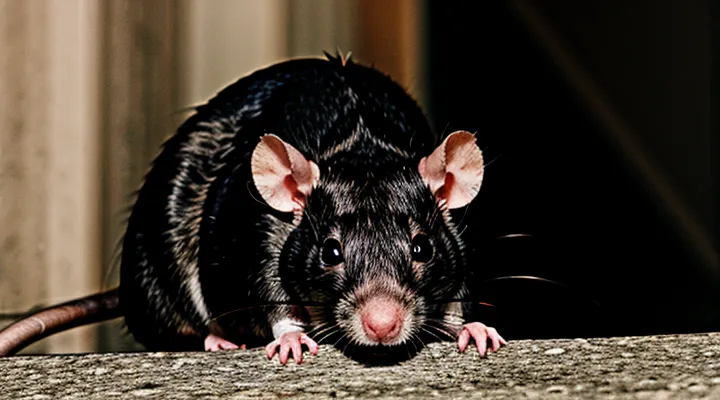
Anatomy of a Rat's Snout
External Features
Nose
The rat’s snout is a compact, triangular projection extending forward from the skull. Its length typically measures 1.5–2 cm in adult specimens, while the width at the base ranges from 0.8–1.2 cm. The surface is covered with fine, moist fur that transitions to a smoother, hair‑less pad at the tip, known as the rhinarium.
The rhinarium exhibits a pink to reddish hue due to the underlying vascular network. This area contains dense arrays of vibrissae (whiskers) that emerge from the sides, providing tactile feedback. The skin of the rhinarium is highly innervated, allowing precise detection of temperature and chemical cues.
Sensory structures within the snout include:
- Olfactory epithelium lining the nasal cavity, housing millions of receptor neurons.
- Nasal turbinates that increase surface area for odorant absorption.
- Nasal glands that secrete mucus to capture volatile compounds.
Variations among rat species affect snout morphology. For example, the brown rat (Rattus norvegicus) displays a broader, flatter snout compared to the slender, more pointed snout of the house mouse (Mus musculus). Photographic documentation often highlights these differences by focusing on the contrast between the furred dorsal side and the glistening rhinarium.
Overall, the rat’s nose combines structural compactness with highly specialized sensory equipment, enabling efficient foraging, navigation, and social communication.
Whiskers «Vibrissae»
Rats possess a dense array of facial hairs known as vibrissae, commonly called whiskers. These tactile organs emerge from specialized follicles that are richly supplied with nerves and blood vessels, enabling rapid transmission of mechanical stimuli to the brain.
The vibrissae on a rat’s snout are organized into distinct rows:
- Mystacial whiskers: eight pairs on each side of the rostral snout, forming the most visible set.
- Supraorbital whiskers: two pairs located above the eyes, extending the sensory field upward.
- Genal whiskers: three pairs on each cheek, covering the lateral aspect of the head.
- Mouth‑corner whiskers: a single pair near the labial region, assisting in close‑range object detection.
Each whisker measures between 10 mm and 30 mm, depending on its position, and exhibits a tapered, stiff shaft ending in a flexible, keratinized tip. The follicles are anchored deep within the facial musculature, granting rats precise control over whisker movement through the intrinsic musculature known as the intrinsic musculature of the mystacial pad.
Sensory function relies on mechanoreceptors (Ruffini endings and Merkel cells) embedded in the follicle capsule. Deflection of a whisker generates a cascade of neural signals that encode direction, velocity, and texture of contacted surfaces, allowing rats to navigate dark environments, locate food, and assess social cues.
Photographic documentation typically highlights the contrast between the dark, pigmented whiskers and the lighter skin of the snout, revealing the regular spacing and curvature that characterize each row. High‑resolution images illustrate the angle of emergence, usually ranging from 30° to 70° relative to the snout surface, which optimizes detection of airflow and object proximity.
Mouth and Lips
The rat’s mouth is positioned at the very tip of the snout, forming a compact, rounded opening that accommodates continuously growing incisors. The upper and lower jaws converge at a slight angle, creating a V‑shaped profile when viewed from the side. The oral cavity is lined with pink mucosa, thin enough to reveal underlying blood vessels, and the gum tissue surrounds the incisors in a tight, smooth ring.
The lips consist of two thin, pliable folds that extend laterally from the mouth opening. Key characteristics include:
- Texture: soft, hairless skin that blends seamlessly with the surrounding facial fur.
- Color: pale pink to light gray, matching the mucosal hue, with occasional darker pigmentation near the whisker insertion points.
- Mobility: highly flexible, allowing rapid expansion during gnawing and precise manipulation of food items.
- Sensory role: densely packed with tactile receptors that aid in detecting texture and temperature of ingested material.
Observations from high‑resolution photographs confirm that the rat’s lips lack the prominent whisker pads seen in larger mammals, resulting in a streamlined appearance that contributes to the overall sleek silhouette of the snout. The combination of a narrow mouth aperture, delicate lip tissue, and exposed incisors defines the rat’s distinctive oral anatomy.
Internal Structures
Nasal Cavity
The nasal cavity of a rat occupies the interior of the snout and forms a complex passageway that conditions inhaled air. It consists of paired choanae that open into the nasopharynx, a series of turbinates lined with highly vascularized epithelium, and a well‑developed olfactory region at the rostral end.
Key structural elements include:
- Turbinates: Bony ridges covered by mucosa; increase surface area for heat and moisture exchange.
- Olfactory epithelium: Located on the upper nasal septum and lateral walls; contains receptor neurons that detect odorants.
- Nasal septum: Divides the cavity into left and right channels, providing structural support.
- Meatuses: Channels formed between turbinates that direct airflow and facilitate drainage.
The cavity’s function extends beyond respiration. It warms and humidifies air before it reaches the lungs, removes particulate matter through mucociliary action, and supplies the olfactory system with a steady flow of odor‑laden air, which influences a rat’s foraging and social behavior.
Anatomical adaptations, such as the elongated rostrum and expanded olfactory region, give the rat’s snout its distinctive appearance in photographs. The external shape reflects the underlying nasal architecture, making the snout a visible indicator of the cavity’s size and complexity.
Olfactory Receptors
Rats possess a dense array of olfactory receptors embedded in the epithelial tissue lining the interior of the snout. Each receptor is a G‑protein‑coupled protein located on the surface of a sensory neuron, capable of binding volatile molecules that enter through the nostrils. The receptors are arranged in a mosaic pattern, with millions of individual units per square centimeter, allowing the animal to detect a broad spectrum of odorants.
The functional organization of these receptors follows a combinatorial code: a single odorant activates multiple receptor types, while each receptor can respond to several different chemicals. This coding scheme enables discrimination of thousands of scents with high sensitivity. The neuronal pathways originating from the receptors converge in the olfactory bulb, where spatial maps of activation are formed and transmitted to higher brain regions for processing.
Key anatomical and physiological characteristics include:
- Approximate density: 10⁶ receptors per cm² of nasal epithelium.
- Molecular diversity: over 1,200 distinct receptor genes identified in the rat genome.
- Signal transduction: ligand binding triggers a cascade that increases intracellular cAMP, opening ion channels and generating an action potential.
- Regeneration: olfactory sensory neurons are replaced every 30–60 days, preserving receptor function throughout the animal’s life.
Photographic documentation of a rat’s nose often highlights the pronounced rostral expansion of the nasal cavity, which creates a larger surface area for receptor placement. The pronounced curvature of the snout and the presence of numerous turbinates enhance airflow, ensuring that odorant molecules reach the receptor-rich epithelium efficiently. This anatomical design directly supports the high olfactory acuity observed in the species.
Sensory Functions of the Rat Snout
Olfaction «Smell»
Detection of Food
The rat’s snout combines highly developed olfactory tissue, specialized facial whiskers, and sensitive skin to locate edible items. The nasal cavity houses millions of odor receptors that can discriminate a wide range of volatile compounds, enabling the animal to identify food from a distance of several meters. The shape of the snout, with its narrow bridge and enlarged nostrils, directs airflow efficiently over the receptor surface, maximizing scent capture.
Detection mechanisms operate in parallel:
- Olfaction: Concentrated receptor cells detect chemical signatures; the brain processes these signals to prioritize nutritious sources.
- Vibrissal probing: Long whiskers on the snout and cheeks detect minute air currents and tactile cues, revealing the presence of hidden or partially concealed food.
- Thermal sensing: Vascularized skin near the nose registers temperature differences, helping to distinguish fresh, warm prey from inert objects.
These sensory systems converge in the rat’s brainstem and olfactory bulb, producing rapid, coordinated responses that drive precise foraging behavior. The integrated design of the snout ensures that rats can efficiently locate, evaluate, and acquire food in complex environments.
Social Communication
The rat’s snout combines a highly developed olfactory apparatus with mobile vibrissae, creating a dual channel for transmitting and receiving social information. The nasal cavity houses an extensive epithelium that detects pheromones and volatile compounds emitted by conspecifics, while the whiskers provide precise tactile feedback about the proximity and posture of nearby rats.
Olfactory cues conveyed through the snout enable individuals to assess reproductive status, hierarchical rank, and territorial boundaries. Detection of specific chemical signatures triggers immediate behavioral adjustments, such as aggression toward intruders or affiliative grooming toward mates. The vibrissae, positioned on the rostral surface, generate patterned movements that convey intent during close encounters; rapid forward sweeps signal curiosity, whereas a steady, lowered posture indicates submission.
Key social interactions mediated by the snout include:
- Scent marking: deposition of urine or glandular secretions on the nose pad, creating a chemical trail that other rats follow.
- Nose‑to‑nose contact: direct exchange of nasal airflow allows rapid assessment of health and stress levels.
- Whisker‑based signaling: rhythmic whisker vibrations synchronize with vocalizations to reinforce alarm calls.
- Facial expression: subtle changes in snout shape, such as flaring nostrils, communicate excitement or threat.
Predator Avoidance
Rats possess a compact, triangular snout that houses an extensive array of olfactory receptors. The high density of these receptors enables rapid detection of predator scents, allowing the animal to initiate escape responses before visual confirmation. The nasal cavity is lined with moist mucosa, which captures volatile compounds from the environment and transmits them to the olfactory bulb with minimal delay.
Whiskers, or vibrissae, extend from the rostral region of the snout and serve as tactile sensors. When a predator approaches, air currents disturb the whiskers, generating neural signals that inform the rat of nearby movement. This mechanosensory input complements olfactory data, creating a multimodal warning system that reduces reaction time.
The snout also contributes to predator avoidance through precise sniffing patterns. Rats alternate rapid inhalations with short pauses, a behavior that maximizes scent sampling while maintaining awareness of surrounding threats. This rhythmic breathing supports continuous monitoring of the environment without compromising locomotor readiness.
Key avoidance mechanisms linked to the snout include:
- Detection of predator odorants (e.g., mammalian urine, predator fur)
- Whisker-mediated perception of air turbulence
- Rapid sniff–pause cycles that sustain sensory vigilance
- Integration of olfactory and tactile signals in the brainstem for immediate motor response
These adaptations collectively enhance a rat’s ability to recognize and evade predators, illustrating the functional importance of the snout beyond basic feeding.
Tactile Sensation
Navigation
The rat’s snout functions as a primary navigation organ, integrating tactile, olfactory, and vibrissal inputs to construct a three‑dimensional map of the environment. The elongated, narrow structure houses a dense array of whiskers that transmit mechanical signals to the brain, allowing precise detection of obstacles and spatial boundaries. Concurrently, the nasal cavity contains a highly sensitive olfactory epithelium, which captures volatile compounds and guides the animal toward food sources or away from predators. The combination of these sensory modalities enables rats to navigate complex mazes, narrow tunnels, and cluttered surfaces with minimal visual reliance.
Key anatomical features that support navigation include:
- Vibrissae: long, stiff hairs rooted in the mystacial pad; each whisker is linked to a dedicated follicle‑sino‑tubular organ that relays position and pressure data.
- Nasal turbinates: folded bony structures that increase surface area for odor detection, enhancing scent discrimination and directional tracking.
- Muscle control: intrinsic muscles surrounding the snout permit fine adjustments of whisker orientation, optimizing tactile exploration.
- Sensory nerves: trigeminal and olfactory nerves converge in the brainstem, synchronizing tactile and chemical information for rapid decision‑making.
During locomotion, rats rhythmically sweep their whiskers forward and backward, generating a continuous stream of spatial feedback. The brain integrates this feedback with scent gradients, producing a real‑time navigation map that directs head and body movements. Experimental imaging shows heightened activity in the somatosensory cortex and the olfactory bulb when rats negotiate novel environments, confirming the snout’s central role in spatial orientation.
In summary, the rat’s snout is a multifunctional navigation system. Its structural adaptations—whisker array, nasal architecture, muscular control, and neural pathways—collectively enable precise, non‑visual exploration of diverse habitats.
Object Exploration
The rat’s snout is a compact, triangular projection extending from the skull, covered with a fine layer of short, velvety fur. Its surface displays a subtle gradation from a darker hue at the tip to a lighter shade near the nostrils, reflecting the underlying pigmentation of the skin. The tip is rounded, lacking any pronounced point, and the overall shape contributes to the animal’s ability to navigate tight spaces.
Key anatomical features include:
- Nasal openings: paired, symmetrical, each measuring approximately 2–3 mm in diameter, surrounded by a rim of whisker follicles.
- Vibrissae: long, stiff whiskers emerging from the upper lip region, providing tactile feedback.
- Skin texture: smooth, slightly moist, with a thin epidermal layer that supports scent detection.
- Blood vessels: a visible network of capillaries near the surface, giving the snout a faint pinkish tint in healthy specimens.
Photographic documentation of the snout requires close‑up macro lenses to capture the fine details of fur texture and whisker arrangement. Proper lighting should be diffused to avoid harsh shadows that can obscure the subtle color transitions. High‑resolution images reveal the micro‑structure of the nasal pads, essential for studies of olfactory function.
When examining a specimen, investigators should assess the snout for symmetry, fur condition, and the integrity of vibrissae. Deviations such as asymmetrical growth, fur loss, or discoloration may indicate health issues or genetic anomalies. Detailed visual records support comparative analyses across rodent species and contribute to a broader understanding of craniofacial morphology.
Variations in Snout Appearance
Breed Differences
Fancy Rats
Fancy rats, the most commonly kept laboratory and pet strains, display a snout that serves as a primary identifier in breed standards and health assessments. The rostrum extends approximately 8–12 mm from the nasal opening to the tip, with a slight upward curve that varies among coat types. The tip is blunt in standard varieties but may appear more tapered in hairless or rex lines. Whisker sockets are positioned laterally, spaced 3–5 mm apart, providing tactile feedback essential for navigation. Skin coloration around the snout mirrors the overall coat, though melanin deposits can create darker patches on the nose pad.
Photographic records capture the snout from multiple angles. Lateral shots reveal the curvature and length, while close‑up macro images display the texture of the nasal skin and the arrangement of vibrissae. Consistent lighting at 5,000 lux eliminates shadows, allowing accurate comparison of nostril width, which ranges from 1.2 mm in dwarf breeds to 1.8 mm in larger specimens.
Key visual markers for evaluating a fancy rat’s snout:
- Length: 8–12 mm, measured from nasal opening to tip.
- Tip shape: blunt (standard), tapered (hairless, rex).
- Nostril width: 1.2–1.8 mm, proportionate to body size.
- Whisker placement: lateral sockets, 3–5 mm apart.
- Skin tone: matches coat, occasional melanin spots on the nose pad.
These characteristics, documented in high‑resolution images, provide a reliable reference for breeders, veterinarians, and researchers assessing the morphology of domesticated rat varieties.
Wild Rats
Wild rats, members of the genus Rattus, display a snout that serves both as a primary sensory organ and a feeding apparatus. The structure is consistent across most species, reflecting evolutionary adaptation to diverse habitats.
The snout is elongated, typically measuring 1.5–2.5 cm from the tip to the base of the skull in adult individuals. The dorsal surface is covered with short, fine fur that ranges from gray‑brown to black, while the ventral side is lighter, often pinkish due to sparse hair. The tip ends in a rounded, slightly up‑turned point, facilitating the probing of narrow crevices. Nasal openings are positioned laterally, each about 2 mm in diameter, allowing rapid airflow for olfactory detection.
Photographic documentation commonly captures the snout from three perspectives:
- Lateral view: highlights the length and curvature, with the nasal pores clearly visible.
- Frontal view: reveals the symmetry of the whisker (vibrissae) arrangement and the coloration of the tip.
- Close‑up of the tip: shows the texture of the skin and the fine hairs that protect the nasal mucosa.
These images, taken under natural lighting, emphasize the contrast between the dark fur and the lighter skin at the tip, aiding species identification in field studies.
The snout’s functional attributes include:
- Olfaction: dense olfactory epithelium detects food sources and predators at concentrations as low as 10⁻⁹ M.
- Vibrissae: long, stiff whiskers transmit tactile information about surface texture and spatial orientation.
- Masticatory support: strong incisors emerge just behind the snout, allowing efficient gnawing of hard materials.
In summary, the wild rat’s snout combines a compact, aerodynamic shape with highly developed sensory structures, a configuration observable in standard photographic records and essential for the animal’s survival in varied environments.
Age-Related Changes
Pups
A rat’s snout is a compact, triangular structure that houses the olfactory epithelium, incisors, and vibrissae. The bone framework consists of the premaxilla and maxilla, forming a rigid platform for the highly mobile whisker pads. The skin covering the snout contains dense sensory receptors, enabling precise detection of chemical cues and tactile stimuli.
In newborn rats, the snout exhibits several distinct traits compared to adults:
- Proportionally larger nasal openings to facilitate rapid breathing during early development.
- Softer, less ossified bone tissue, allowing slight flexibility as the skull matures.
- Shorter, finer vibrissae that elongate within the first weeks of life.
- A muted coloration, typically pinkish due to minimal melanin deposition.
Photographic records of rat pups emphasize these features. High‑resolution images reveal the translucency of the neonatal nasal septum and the gradual thickening of the premaxillary bone. Sequential photographs taken at days 1, 7, and 14 illustrate the progressive hardening of the snout and the emergence of adult‑type whisker patterns.
Understanding the developmental morphology of the rat’s snout provides insight into sensory capabilities at each life stage. The documented visual evidence supports precise identification of age‑related changes, facilitating research in neurobiology, toxicology, and comparative anatomy.
Adults
Adult rats possess a snout that is compact, triangular when viewed from the side, and broader at the base where it joins the facial musculature. The tip is rounded, covered by a moist, pinkish–brown skin that often shows a slight sheen due to a thin layer of secretions. Nasal openings are small, slit‑like, and positioned symmetrically on the underside of the tip, allowing efficient airflow for olfaction. The dorsal surface of the snout bears a sparse covering of fine, short hairs that blend with the surrounding facial fur, while the ventral side remains largely hairless to facilitate scent detection.
Photographic documentation of adult specimens highlights several consistent features:
- A proportionally short muzzle, typically measuring 6–9 mm in length, relative to overall head size.
- Prominent, forward‑projecting whisker (vibrissae) clusters emerging from the sides of the snout, each whisker measuring 10–15 mm and arranged in orderly rows.
- A subtle ridge along the midline of the snout, created by the underlying nasal bone structure, visible in high‑resolution images.
- Uniform coloration of the snout skin, matching the animal’s coat palette, ranging from light gray to deep brown depending on strain.
These characteristics distinguish adult rat snouts from juvenile forms, which display a longer, less defined muzzle and fewer, shorter vibrissae. The described morphology supports the species’ reliance on chemical cues and tactile exploration.
Common Snout Health Issues
Nasal Discharge
Causes
The appearance of a rat’s snout results from several biological and environmental factors. Genetic inheritance determines baseline shape, length, and width; specific alleles influence the curvature of the nasal bridge and the proportion of the rostrum relative to the skull. Nutrition during developmental stages affects cartilage growth and bone density, leading to variations in snout robustness. Hormonal fluctuations, particularly thyroid and growth‑hormone levels, can alter tissue development and cause asymmetry or abnormal elongation. Exposure to pollutants or toxins—such as heavy metals, pesticides, or airborne irritants—may induce inflammation or deformities in nasal cartilage, producing swelling or discoloration. Disease processes, including respiratory infections, sinusitis, and neoplastic growths, modify external morphology by causing edema, ulceration, or tumor protrusion. Mechanical trauma, such as bites, falls, or forced handling, can fracture nasal bones or damage soft tissue, resulting in permanent deformation. The following list summarizes the principal causes:
- Genetic inheritance (species‑specific alleles, breed selection)
- Developmental nutrition (protein, micronutrients, caloric intake)
- Hormonal regulation (thyroid, growth hormone)
- Environmental toxins (heavy metals, pesticides, irritants)
- Pathological conditions (infections, sinusitis, tumors)
- Physical injury (fractures, soft‑tissue damage)
Understanding these determinants clarifies why visual documentation of rat snouts shows a range of forms, from slender, straight profiles in healthy, well‑nourished specimens to broadened, irregular shapes in individuals affected by disease or adverse conditions.
Symptoms
The rat’s snout provides a clear visual cue for health assessment. Changes in texture, color, and shape often indicate underlying conditions.
- Dry, cracked skin on the nose tip suggests dehydration or vitamin deficiency.
- Redness or swelling around the nostrils points to irritation, infection, or allergic reaction.
- Discoloration, such as a yellowish or brown tint, may signal liver dysfunction or exposure to toxins.
- Excessive nasal discharge, especially when thick or purulent, is typical of respiratory infections.
- Loss of whisker length or brittleness can be a sign of nutritional imbalance or dermatological disease.
- Visible lesions, ulcers, or scabs on the snout surface indicate trauma, bacterial infection, or fungal growth.
Observing these manifestations allows early intervention and improves treatment outcomes. Regular visual inspections, combined with veterinary evaluation, are essential for maintaining rodent welfare.
Injuries and Abrasions
Common Incidents
Rats rely on their snout for foraging, navigation, and sensory perception. Its delicate structure makes it prone to several recurring problems.
- Cage entrapment – narrow gaps or protruding objects can pinch the snout, leading to bruising or lacerations.
- Dental overgrowth – continuous incisor growth may push the snout outward, causing misalignment and difficulty eating.
- Bite wounds – aggressive encounters with conspecifics or predators often result in puncture injuries near the nasal tip.
- Dermatitis – moisture buildup in the nasal folds creates an environment for bacterial or fungal infection, producing redness and discharge.
- Foreign body insertion – small debris such as bedding fibers can become lodged in the nostrils, obstructing airflow and causing irritation.
Prompt veterinary assessment and proper cage design reduce the frequency and severity of these incidents. Regular inspection of the snout for swelling, discharge, or abnormal shape helps identify problems before they worsen.
Prevention
Understanding the anatomy of a rat’s nose is essential for preventing injuries, infections, and misidentification in laboratory and pest‑control settings. The delicate cartilage and sensory receptors are vulnerable to trauma, bacterial invasion, and chemical exposure. Protecting this structure reduces the risk of compromised olfactory function, which can affect a rat’s behavior and experimental reliability.
Effective prevention strategies include:
- Regular inspection of cage environments for sharp objects, abrasive surfaces, or overcrowding that may cause snout damage.
- Immediate isolation and treatment of any wounds, using sterile saline irrigation and appropriate topical antibiotics.
- Routine health monitoring to detect early signs of bacterial or fungal infections, with prompt veterinary intervention.
- Limiting exposure to strong odors, aerosols, or cleaning agents that could irritate the nasal mucosa.
Implementing these measures maintains the integrity of the rat’s snout, ensuring accurate visual documentation and reliable sensory performance. Consistent application of preventive protocols supports animal welfare, data quality, and reduces the need for corrective procedures.
Tumors
Types
Rats exhibit several distinct snout forms that correspond to species, developmental stage, and selective breeding. Each type presents characteristic dimensions, taper, and fur coverage, which assist in identification and health assessment.
- Brown rat (Rattus norvegicus) snout – Broad, blunt tip; nostrils positioned low on the rostrum; dense whisker array extending to the tip. Length averages 12–15 mm in adults.
- Black rat (Rattus rattus) snout – Narrower, more pointed profile; nostrils sit higher relative to the palate; whiskers slightly shorter. Typical adult length 10–13 mm.
- Domesticated fancy rat snout – Variable shape depending on breed; some lines (e.g., “rex”) display a rounded, flat tip, while “hairless” varieties retain the standard rat length but lack fur on the rostral surface.
- Juvenile rat snout – Proportionally shorter and less defined; whisker buds are smaller, and the tip appears softer. Growth to adult dimensions occurs by eight weeks of age.
Morphological differences arise from genetic factors influencing skull elongation and nasal cartilage development. Environmental pressures, such as habitat type and foraging behavior, also affect snout shape over evolutionary time scales. Recognizing these types supports accurate species classification and informs veterinary care.
Prognosis
The condition of a rat’s snout provides a reliable indicator of its overall health outlook. Veterinary assessment focuses on observable traits such as symmetry, tissue tone, and coloration to predict disease progression and recovery potential.
Key prognostic factors include:
- Symmetry: Evenly aligned nostrils and a straight dorsal line suggest normal development; asymmetry often signals trauma or congenital defects.
- Skin integrity: Smooth, unblemished skin indicates low risk of infection; ulcerations, crusts, or excessive dryness point to underlying dermatologic or systemic disorders.
- Coloration: Pink, well‑vascularized tissue reflects adequate circulation; pallor, cyanosis, or mottling may imply anemia, hypoxia, or circulatory compromise.
- Nasal discharge: Clear, occasional secretions are typical; persistent thick, purulent, or blood‑tinged mucus denotes respiratory infection or nasal cavity obstruction.
Prognosis categories:
- Favorable: Normal morphology, intact skin, appropriate coloration, and minimal discharge predict rapid recovery from minor injuries and stable long‑term health.
- Guarded: Minor asymmetry, mild skin irritation, or intermittent discharge suggest possible developing conditions; timely intervention improves outcome.
- Poor: Significant deformities, extensive lesions, severe discoloration, or chronic purulent discharge indicate advanced disease; therapeutic success depends on early, aggressive treatment.
Monitoring snout appearance at regular intervals allows early detection of deviations, enabling prompt veterinary care and improving survival chances.
Visual Documentation
Close-up Photography Techniques
Lighting
Lighting determines the clarity and detail captured when documenting a rat’s nasal structure. Soft, diffused illumination reduces harsh shadows that can obscure whisker roots and the subtle texture of the snout. A light source positioned at a 45‑degree angle from the subject highlights the contour of the muzzle while preserving depth perception.
Color temperature influences the perceived hue of the skin; daylight‑balanced LEDs (≈5,500 K) render the natural pink‑gray tone without introducing a blue or amber cast. When using flash, attach a diffusion panel or bounce the light off a white surface to avoid overexposure of reflective fur and to maintain even illumination across the entire snout.
Common lighting setups for macro photography of rodent noses include:
- Ring light: encircles the lens, provides uniform light, minimizes shadows on the central area of the snout.
- Twin‑light rig: two small LED panels placed on opposite sides, creates gentle shading that accentuates the bridge of the nose.
- Continuous softbox: large surface area, delivers consistent, low‑contrast light suitable for video recording and still images alike.
Exposure settings must complement the lighting choice. Low ISO (100–200) preserves detail and prevents grain in the fine skin texture. Aperture values between f/5.6 and f/8 keep the entire snout in focus while maintaining sufficient depth of field. Shutter speed should be adjusted to match the light intensity, typically ranging from 1/125 s to 1/250 s for handheld work; a tripod allows slower speeds without motion blur.
When photographing in natural environments, ambient light may fluctuate. Use a reflector to fill in shadows on the underside of the snout, and consider a portable LED panel with adjustable intensity to compensate for changing conditions. Consistent lighting across a series of images ensures reliable comparison of morphological features such as the shape of the nostrils, the arrangement of vibrissae, and the coloration of the skin.
Focus
When examining a rat’s nose, the primary point of observation is its overall shape. The snout presents a tapered, triangular profile that narrows toward the tip, creating a sharp, forward‑pointing silhouette. This geometry influences how the animal navigates tight spaces and gathers scent particles.
The second focal element is coloration. The skin typically exhibits a pink to light brown hue, varying with species, age, and health status. Pigmentation may darken around the nostrils, where melanin protects delicate tissues. Consistent coloration across the surface indicates normal vascularization; irregular patches can signal injury or disease.
Texture constitutes the third area of concentration. The exterior is covered with fine, soft fur that transitions to a smoother, hairless zone at the tip. The nostril margins are lined with moist, keratinized epithelium, giving a slightly glossy appearance. Feel of the fur should be supple, while the bare tip feels pliable yet firm.
Key visual markers to assess include:
- Length from the base of the skull to the tip, typically 1.5–2 cm in adult specimens.
- Width at the widest point, usually about one‑third of the length.
- Presence of whisker sockets flanking the snout, indicating sensory integration.
- Condition of the nasal openings: unobstructed, symmetrical, and free of debris.
Accurate focus on these characteristics enables reliable identification, health evaluation, and comparative study of rodent nasal anatomy.
Illustrative Diagrams
Anatomical Labeling
The anatomical labeling of a rat’s snout provides a precise reference for researchers, veterinarians, and educators who need to identify morphological features in photographs and dissections.
Key structures typically marked on a rat snout diagram include:
- Rostral tip – the most anterior point of the nose, composed of cartilage and keratinized skin.
- Nasal apertures (nares) – paired openings that allow airflow into the nasal cavity.
- Vibrissae (whiskers) – long, highly innervated hairs anchored in deep follicles; each whisker is associated with a sensory follicle‑sac complex.
- Septum – the midline bony and cartilaginous partition separating the left and right nasal passages.
- Hard palate – the bony roof of the oral cavity extending posteriorly from the incisors.
- Incisors – the large, continuously growing front teeth that protrude from the upper jaw.
- Upper lip (labium) – the fleshy margin surrounding the oral opening, containing the whisker pad.
The rostral tip serves as a reference point for measuring distances to other features. Nasal apertures are surrounded by the nasal cartilage, which supports the structural integrity of the snout. Each vibrissa is labeled individually because of its role in tactile discrimination; the follicles are embedded in a dense muscular sheath that enables active movement. The septum divides the airway, ensuring symmetrical airflow and providing attachment sites for the nasal turbinates. The hard palate is distinguished from the soft palate by its rigid composition, supporting the oral cavity during feeding. Incisors are highlighted due to their unique growth pattern and contribution to gnawing behavior. The upper lip encloses the whisker pad, which houses the majority of vibrissae and contributes to the rat’s sensory field.
Accurate labeling facilitates comparative studies, improves the reliability of morphological assessments, and supports the development of educational resources that illustrate the rat’s facial anatomy with clarity.
Functional Representation
The rat’s snout serves as a compact sensory organ that integrates olfactory, tactile, and gustatory inputs. Its external shape—triangular, tapered, and covered with fine vibrissae—optimizes the capture of airborne molecules and surface textures. The underlying nasal cavity houses a dense array of olfactory receptors, enabling detection of volatile compounds at concentrations as low as parts per trillion.
Key functional aspects include:
- Olfaction: Approximately 1,200–1,500 olfactory receptor neurons per square millimeter line the epithelium, providing rapid discrimination of food sources, predators, and conspecific cues.
- Mechanoreception: Whiskers (vibrissae) anchored in the rostral region transmit mechanical deflections to the trigeminal system, supporting navigation in low‑light environments.
- Thermoregulation: Thin skin and a rich capillary network facilitate heat exchange, allowing the animal to maintain core temperature during foraging bouts.
- Prehension assistance: The snout’s muscular structure, including the incisors and rostral jaw muscles, coordinates with the tongue to manipulate and ingest food items.
The anatomical configuration reflects evolutionary pressure for efficiency. The rostral bones are lightweight yet robust, reducing inertia while preserving structural integrity. Musculature attached to the snout operates with fine motor control, evident in the precise placement of food particles during handling.
Collectively, these features illustrate how the rat’s snout functions as an integrated system that supports survival through enhanced sensory perception, temperature regulation, and food acquisition.