
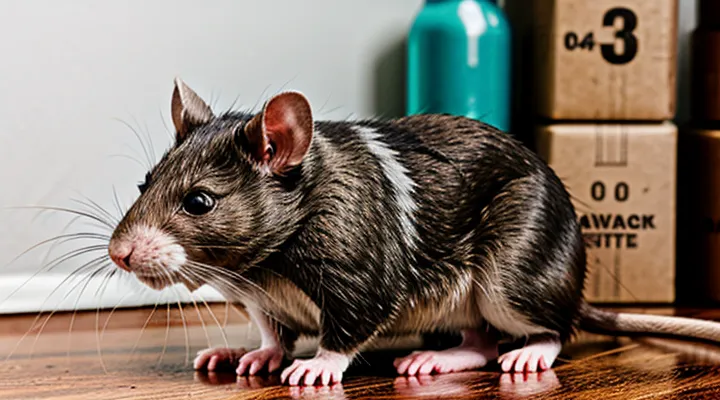
Understanding Domestic Rats: A Brief Overview
Domestic rats (Rattus norvegicus domestica) are the most common laboratory and companion rodents worldwide. They descend from the brown rat and have been selectively bred for temperament, coat color, and size. Typical physical dimensions include a head‑to‑body length of 20–25 cm, a tail of similar length, and a compact, muscular build.
Average adult mass ranges from 300 g to 500 g, with females generally lighter than males. Environmental factors such as diet, housing temperature, and activity level can shift individual weights by up to 20 % from the median value. Reliable mass estimates derive from repeated measurements of healthy, fully grown specimens under standard husbandry conditions.
Key biological traits relevant to weight assessment:
- Short digestive tract optimized for omnivorous diets, allowing rapid nutrient absorption.
- High metabolic rate; resting energy expenditure approximates 70 kcal kg⁻¹ day⁻¹.
- Seasonal breeding cycles that influence body condition and fat deposition.
- Strong skeletal musculature supporting climbing, chewing, and social interaction.
Understanding these characteristics provides a solid foundation for interpreting weight data, comparing breed variations, and establishing appropriate care standards for pet rats.
Average Weight Range of Domestic Rats
Factors Influencing Rat Weight
Age and Developmental Stages
Domestic rats exhibit predictable growth patterns, allowing reliable weight estimates when age and developmental stage are known.
- Neonate (0–7 days): body mass 5–8 g; rapid increase during the first week.
- Weanling (8–21 days): 30–50 g; transition from milk to solid food accelerates growth.
- Juvenile (22–60 days): 80–150 g; skeletal development and muscle mass expand steadily.
- Adult (61–300 days): 250–350 g for typical laboratory strains; larger pet breeds may reach 450 g.
- Senior (over 300 days): 200–300 g; gradual weight loss often accompanies reduced activity and metabolic changes.
Sexual dimorphism influences the upper range, with males generally heavier than females by 10–20 %. Strain differences can shift averages by ±30 g; for example, dwarf varieties remain below 200 g throughout adulthood. Nutrition quality and housing conditions also affect growth velocity and final mass.
When estimating a rat’s average body mass, select the appropriate developmental interval, apply the corresponding weight range, and adjust for sex, strain, and husbandry variables. This approach yields accurate mass predictions essential for dosing, experimental design, and health monitoring.
Sex Differences in Mass
Domestic rats typically weigh between 250 g and 500 g when fully mature, with the exact value depending on strain, diet, and housing conditions.
Males consistently exceed females in body mass across most laboratory and pet strains. Reported differences arise from skeletal muscle development, hormonal influences, and fat distribution patterns.
- Adult male weight: 300 g – 500 g (average ≈ 380 g).
- Adult female weight: 250 g – 400 g (average ≈ 320 g).
- Mean male‑female mass gap: 15 % – 20 % of female weight.
The magnitude of the gap varies with:
- Strain – larger breeds (e.g., Sprague‑Dawley) show greater absolute differences than smaller breeds (e.g., dwarf).
- Age – divergence widens after sexual maturity (≈ 8 weeks).
- Nutritional regime – high‑calorie diets amplify male mass advantage due to increased lean tissue.
Researchers must account for sex‑specific weight when designing dosing protocols, calculating metabolic rates, and interpreting growth curves. Failure to adjust for these differences can introduce systematic error into experimental outcomes.
Breed and Genetic Predisposition
The genetic makeup of a pet rat determines its typical mass more strongly than environmental factors. Distinct breeds exhibit consistent weight ranges that reflect selective breeding for size, coat type, and body conformation.
- Standard (or “Fancy”) Rats: 300–500 g; most common in hobbyist collections.
- Dumbo Rats: 350–550 g; larger ears and slightly broader skulls correlate with increased body mass.
- Hooded Rats: 280–460 g; coloration does not affect weight, but the breed’s lineage often aligns with the standard range.
- Rex Rats: 300–500 g; curly fur results from a single‑gene mutation without measurable impact on mass.
- Hairless (Satin) Rats: 250–450 g; reduced fur may slightly lower insulation needs, but average weight remains within the standard spectrum.
Genetic predisposition influences growth rate and final size. Rats carrying alleles for larger body frames reach peak weight earlier and maintain higher adult mass, while those with dwarfism‑related mutations remain consistently lighter. Breeding programs that emphasize size, such as those producing “giant” variants, can shift average mass upward by 20–30 % compared with the baseline population.
Selective breeding for specific traits—coat texture, ear shape, or coloration—does not inherently alter weight, but the associated lineage often carries auxiliary genes that affect metabolism and skeletal development. Consequently, accurate mass estimates for any domestic rat must account for breed identification and known genetic lines.
Diet and Nutritional Intake
Domestic rats typically weigh between 300 g and 500 g, a range strongly influenced by dietary composition and caloric density. Nutrient balance determines lean mass development and fat accumulation, directly affecting the mass estimate used in laboratory and pet‑care settings.
A balanced rat diet supplies protein, fat, carbohydrates, vitamins, and minerals in proportions that support growth, reproduction, and maintenance. Protein should constitute 18–22 % of total calories, sourced from soy, casein, or animal meal. Fat contributes 5–8 % of calories, providing essential fatty acids and energy. Carbohydrates supply the remaining energy, primarily from grains and tubers. Micronutrients—vitamin A, D, E, B‑complex, calcium, phosphorus, and trace elements—must meet established rodent nutritional guidelines to prevent deficiencies that alter body composition.
Typical daily intake for a 350 g adult rat ranges from 15 g to 20 g of mixed feed, divided into two to three meals. Water availability is continuous; dehydration accelerates weight loss and impairs metabolic function.
Common feed components:
- Commercial laboratory rat chow (pelleted, nutritionally complete)
- Fresh vegetables (broccoli, carrots, leafy greens) – limited to 10 % of total intake
- Small fruit pieces (apple, banana) – occasional, 2–3 % of diet
- Protein treats (hard‑boiled egg, cooked chicken) – supplement, not exceed 5 % of calories
- Fiber sources (oats, wheat bran) – support gastrointestinal health, 5 % of diet
Adhering to these nutritional parameters yields consistent body mass within the expected average range, facilitating reliable weight assessments for research and pet management.
Environmental Conditions and Lifestyle
Domestic rats typically reach a mature body mass that reflects the conditions in which they are kept. Temperature, humidity, cage size, and diet quality directly influence the weight range observed in household populations.
- Ambient temperature between 18 °C and 24 °C supports normal growth; prolonged exposure to colder environments induces higher metabolic rates and may reduce body mass.
- Relative humidity of 40 %–60 % prevents respiratory stress that could affect feeding behavior and, consequently, weight.
- Cage dimensions that allow at least 0.5 m² of floor space per pair encourage regular activity, preventing excessive fat accumulation.
- Protein‑rich diets containing 18 %–20 % protein and balanced micronutrients sustain lean tissue development; low‑calorie or high‑fat feeds shift the average toward the upper end of the weight spectrum.
- Access to enrichment items (tunnels, chew toys) promotes locomotion, which moderates weight gain.
Lifestyle factors such as social grouping and exercise routine also shape the mass profile. Rats housed in stable pairs or small groups exhibit consistent growth patterns, while solitary individuals may experience stress‑related appetite fluctuations. Daily handling sessions of 5–10 minutes reduce anxiety, encouraging regular food intake and stable weight.
When estimating the typical adult mass for a pet rat, researchers combine data from controlled breeding facilities with field observations of home environments. The resulting average falls between 300 g and 500 g, with deviations attributable to the environmental and lifestyle variables outlined above. Accurate assessments therefore require documentation of housing temperature, humidity, cage space, diet composition, and social arrangement.
How to Measure a Rat’s Weight Accurately
Tools and Techniques for Measurement
Accurate determination of a domestic rat’s mass requires reliable instrumentation and standardized procedures. Digital laboratory balances with a capacity of 0.5 kg and a resolution of 0.01 g provide the most precise readings for individual animals. Mechanical spring scales, calibrated to the same range, serve as a portable alternative when field conditions prevent the use of electronic devices. For groups of rats, platform scales equipped with a low‑profile pan allow simultaneous weighing while minimizing stress.
Key measurement techniques include:
- Tare correction: Zero the balance with the holding container or cage before each weighing.
- Consistent handling: Use gentle restraint or a brief anesthetic protocol to prevent movement that could affect the reading.
- Environmental control: Conduct measurements at a stable room temperature (20 ± 2 °C) and humidity (45–55 %) to reduce variability caused by thermal expansion of the scale’s components.
- Repeated trials: Record three consecutive measurements per animal and calculate the arithmetic mean to mitigate random error.
Data integrity depends on regular calibration of the scale with certified weights traceable to national standards. Calibration checks should be performed daily for digital balances and weekly for mechanical devices. Document each measurement with the animal’s identification number, date, time, and the observer’s initials to ensure traceability.
Statistical analysis of the collected data typically employs descriptive metrics such as mean, standard deviation, and confidence intervals. When aggregating results across multiple litters or strains, apply analysis of variance (ANOVA) to assess significant differences, ensuring that sample sizes meet the power requirements for the intended inference.
Tips for Stress-Free Weighing
Weighing a pet rat accurately requires minimizing stress to obtain reliable data. Use a quiet, familiar environment; place the scale on a stable surface away from loud appliances or sudden movements. Allow the animal to acclimate for several minutes before handling.
Select a scale with a low detection threshold (ideally 1 g) and a smooth, non‑slippery platform. A shallow container or a custom‑shaped weighing dish prevents the rat from slipping and encourages natural posture. Keep the container empty of bedding or food to avoid extra weight.
Practical steps
- Approach the rat calmly, using a gentle hand‑hold or a soft cloth tunnel to guide it onto the platform.
- Record the reading quickly, then return the animal to its cage immediately.
- Clean the weighing surface between sessions to eliminate residue that could affect measurements.
- Conduct weigh‑ins at the same time of day to reduce variability caused by feeding cycles.
Implementing these measures reduces agitation, improves repeatability, and yields a more accurate estimate of a domestic rat’s average mass.
Comparing Domestic Rats to Wild Rats
Size and Weight Discrepancies
Domestic rats exhibit considerable variation in body dimensions, leading to frequent mismatches between reported length and measured mass. Such inconsistencies arise from genetic diversity, developmental stage, and environmental influences that alter growth patterns.
Key contributors to size‑weight disparity include:
- Strain differences – laboratory lines (e.g., Sprague‑Dawley) often reach 300–350 g, whereas pet varieties such as the Dumbo or Rex may remain under 250 g despite similar body lengths.
- Sexual dimorphism – males typically exceed females by 15–20 % in weight, while length differences are modest.
- Age range – juveniles display rapid length gain before substantial fat accumulation, producing low‑weight, long‑bodied specimens.
- Dietary regime – high‑calorie feed promotes adipose tissue growth, increasing mass without proportionate length change.
- Measurement technique – live‑weight readings can fluctuate with gut content, whereas post‑mortem or anesthetized measurements provide more stable values.
Researchers estimating the typical mass of a pet rat must account for these variables. Standard practice involves sampling a balanced cohort across strains, sexes, and ages, then applying statistical weighting to isolate the central tendency. Ignoring size‑weight mismatches inflates confidence intervals and reduces the predictive utility of the resulting average mass figure.
Reasons for Observable Differences
Domestic rats display a noticeable range of body masses despite being classified under a single species. This variability stems from several biological and environmental factors that influence growth and composition.
- Genetic lineage determines baseline size potential; selective breeding for laboratory or pet traits produces distinct weight profiles.
- Age progression accounts for rapid weight gain during juvenile stages and gradual decline in senior individuals.
- Sex differences result in males typically achieving higher body mass than females due to hormonal influences on muscle development.
- Nutritional intake directly alters fat and lean tissue accumulation; diet quality and quantity create measurable weight shifts.
- Housing conditions, including cage size and enrichment, affect activity levels, thereby modulating muscle mass and adiposity.
- Health status, such as parasitic infection or chronic disease, can cause weight loss or abnormal gain.
- Seasonal temperature fluctuations trigger metabolic adjustments, with colder periods prompting increased body fat for insulation.
Understanding these determinants clarifies why average mass estimates for domestic rats must incorporate a range rather than a single figure. Accurate assessments rely on accounting for genetic background, age, sex, diet, environment, health, and climate when evaluating weight data.
Health Implications of Rat Weight
Underweight Rats: Causes and Concerns
Malnutrition and Illnesses
Domestic rats typically weigh between 300 g and 500 g under normal feeding conditions. Malnutrition reduces this range, often resulting in body masses below 250 g. Insufficient protein or caloric intake impairs muscle development, leading to a leaner body composition and lower overall weight.
Illnesses also depress average mass. Common health problems include:
- Respiratory infections – cause reduced appetite and rapid weight loss.
- Gastrointestinal parasites – interfere with nutrient absorption, decreasing body mass.
- Metabolic disorders (e.g., diabetes) – alter energy utilization, producing fluctuating weight patterns.
- Chronic skin conditions – increase stress and decrease food intake, contributing to weight decline.
Both malnutrition and disease can bias weight surveys. Researchers estimating typical domestic rat mass must screen subjects for nutritional status and health indicators, excluding individuals exhibiting severe weight loss or overt clinical signs. Adjusting data sets in this manner yields a more accurate representation of the species’ average body weight.
Behavioral Indicators of Low Weight
Domestic rats typically weigh between 300 and 500 g, with variations reflecting genetics, diet, and health status. When an individual falls below the expected range, observable behaviors often signal inadequate body mass.
- Reduced activity levels; the rat spends extended periods resting or hiding.
- Decreased food intake despite the presence of familiar feed.
- Lethargic grooming; fur appears dull and unkempt.
- Lowered responsiveness to environmental stimuli, such as delayed reactions to handling.
- Increased susceptibility to cold; the animal seeks warmth more frequently than peers.
These signs, recorded consistently across laboratory and pet populations, provide reliable markers for early identification of underweight conditions, prompting timely nutritional or veterinary intervention.
Overweight Rats: Risks and Management
Obesity-Related Health Problems
Domestic rats typically weigh between 250 g and 500 g, with variations reflecting diet, genetics, and activity level. Excess body mass in this range signals obesity, a condition that triggers several physiological disturbances.
- Elevated blood glucose and insulin resistance indicate a heightened risk of type 2 diabetes.
- Increased adipose tissue raises circulating cholesterol and triglycerides, fostering atherosclerotic changes in arterial walls.
- Excess weight strains musculoskeletal joints, leading to osteoarthritis and reduced mobility.
- Respiratory efficiency declines as fat deposits accumulate around the thorax, predisposing rats to dyspnea and hypoxia.
- Hormonal imbalances, particularly in leptin and adiponectin, disrupt appetite regulation and exacerbate metabolic dysfunction.
- Immunological competence diminishes, making obese rats more susceptible to infections and slower to recover from injury.
These health issues shorten lifespan and compromise breeding performance. Monitoring weight against established average values enables early detection of obesity, allowing dietary adjustment and increased physical enrichment to mitigate adverse outcomes.
Dietary Adjustments for Weight Control
Domestic rats typically weigh between 300 g and 600 g, with variations driven by genetics, age, and diet. Maintaining weight within this range requires precise nutritional management.
Key dietary adjustments for weight control:
- Reduce overall caloric density by selecting pellets formulated for 12 kcal g⁻¹ instead of high‑energy variants.
- Limit fat content to ≤ 5 % of the diet; replace animal fats with modest amounts of plant‑based oil when necessary.
- Ensure protein supplies 15–20 % of total calories; excess protein does not compensate for excess calories and may increase nitrogen waste.
- Increase insoluble fiber to 2–3 % of the diet to promote satiety and gastrointestinal motility.
- Schedule two measured feedings per day; avoid ad libitum access that encourages overeating.
- Restrict high‑sugar treats to no more than 5 % of weekly caloric intake; opt for small pieces of fresh vegetable as occasional enrichment.
- Provide constant access to clean water; monitor intake for signs of dehydration or overconsumption.
Monitor body condition weekly by palpating the rib cage and assessing the lumbar region. Adjust portions by 5–10 % if weight deviates from the target range. Consistent application of these adjustments stabilizes mass and supports overall health.
Exercise and Enrichment for Healthy Weight
Maintaining a healthy body mass in pet rats depends on consistent physical activity and environmental stimulation. Regular movement increases muscle tone, supports metabolic function, and helps prevent excess fat accumulation.
- Provide a solid‑bottom wheel of appropriate size (minimum 12 inches in diameter) for daily running; aim for 30–45 minutes of voluntary use.
- Install vertical climbing structures such as ropes, branches, or ladders; encourage 10–15 minutes of climbing several times a day.
- Offer a network of tunnels and hideouts; allow free exploration for at least 20 minutes each daylight period.
- Incorporate foraging opportunities with scattered seed mixes or hidden treats; allocate 5–10 minutes per session to stimulate natural searching behavior.
Enrichment objects that require manipulation further promote activity:
- Puzzle feeders that release food only after a specific action.
- Chewable blocks made from safe wood or cardboard, encouraging gnawing and jaw exercise.
- Rotating toys that introduce novel textures and shapes, preventing habituation.
Social interaction contributes to movement as well. Group housing of compatible individuals facilitates mutual play and grooming, resulting in additional activity without direct handling.
Weight monitoring should accompany the exercise program. Record body mass weekly; adjust activity duration or enrichment complexity if measurements deviate from the species‑specific average range (approximately 250–450 g for adult domestic rats). Consistent observation ensures that the regimen remains effective in maintaining optimal weight.
Maintaining a Healthy Weight for Your Domestic Rat
Nutritional Guidelines for Optimal Mass
Domestic rats typically weigh between 300 and 500 g, with variations driven largely by diet quality and quantity. Maintaining a target mass requires a balanced nutritional program that supplies sufficient energy while supporting growth, reproduction, and health.
Key dietary components:
- Energy: 60–70 kcal per 100 g body weight daily. Provide this through a mix of commercial rat pellets (≈ 3.5 kcal g⁻¹) and measured portions of fresh vegetables.
- Protein: 18–22 % of total diet by weight. Include high‑quality sources such as soy, whey, or insect meal; ensure amino‑acid profile meets rat requirements for lean tissue maintenance.
- Fat: 5–7 % of diet. Favor unsaturated fats from seeds (e.g., sunflower, flax) to support coat condition and hormone synthesis.
- Fiber: 4–6 % of diet. Incorporate coarse bedding material and leafy greens to promote gastrointestinal motility.
- Vitamins & Minerals: Supply a complete vitamin‑mineral premix at levels recommended for laboratory rodents (e.g., vitamin E ≥ 30 IU kg⁻¹, calcium ≈ 0.5 %, phosphorus ≈ 0.4 %). Monitor calcium‑phosphorus ratio to prevent metabolic bone disease.
- Water: Unlimited access to clean, fresh water. Use sipper bottles to reduce contamination risk.
Feeding schedule:
- Offer measured portions twice daily to prevent overeating.
- Record body weight weekly; adjust caloric intake by ± 5 % if weight deviates more than 10 % from target.
- Limit high‑sugar treats (e.g., fruit pieces) to ≤ 5 % of total caloric intake to avoid rapid fat accumulation.
Monitoring:
- Weigh rats at consistent times, preferably in the morning before feeding.
- Observe coat quality, activity level, and fecal consistency as indirect indicators of nutritional adequacy.
- Conduct periodic blood panels (e.g., glucose, triglycerides) for early detection of metabolic imbalance.
By adhering to these guidelines, caretakers can sustain optimal mass in domestic rats, ensuring both physiological stability and longevity.
Recommended Feeding Schedules
Domestic rats typically weigh between 300 g and 500 g when fully grown. Feeding schedules should align with this mass range to sustain healthy body condition and support accurate weight assessments.
A practical feeding plan includes:
- Morning portion: 15 g of high‑quality rodent pellets, calibrated to provide approximately 10 % of the rat’s daily caloric requirement.
- Midday supplement: 5 g of fresh vegetables (e.g., carrots, broccoli) or a small piece of fruit, offering essential vitamins and fiber.
- Evening portion: 10 g of pellets combined with a protein source such as boiled egg white or a few mealworms, ensuring adequate amino acid intake for tissue maintenance.
- Water: Unlimited access to clean, fresh water; replace daily to prevent contamination.
Adjustments:
- Juvenile rats (under 8 weeks): Increase total food volume by 20 % and divide into three equal feedings to accommodate rapid growth.
- Overweight individuals (exceeding 500 g): Reduce pellet amount by 10 % and replace part of the evening protein with low‑calorie leafy greens; monitor weight weekly.
- Pregnant or lactating females: Add 5 g of protein‑rich supplement per day and increase overall caloric intake by 15 % to meet reproductive demands.
Consistent measurement of food portions with a digital scale minimizes variance and contributes to reliable weight tracking across the population. Regular observation of body condition, coupled with the schedule above, ensures that domestic rats maintain a stable mass within the expected adult range.
The Importance of Regular Vet Check-ups
Domestic rats commonly weigh between 250 g and 500 g, with variations reflecting age, sex, and diet. Accurate weight data serve as a primary indicator of physiological status.
Regular veterinary examinations verify that an individual’s mass aligns with healthy growth curves. They also identify conditions that alter weight, such as metabolic disorders, dental malocclusion, or respiratory infections. Early intervention prevents secondary complications and supports optimal breeding performance.
- Detection of obesity or under‑weight conditions before organ strain develops.
- Assessment of dental health, which directly influences food intake and weight stability.
- Screening for respiratory and gastrointestinal pathogens that cause weight loss.
- Evaluation of parasite load and administration of preventive treatments.
- Updating immunization schedules to reduce disease‑related weight fluctuations.
Failure to schedule consistent check‑ups obscures the relationship between weight measurements and underlying health problems, leading to misdiagnosis and delayed treatment. Maintaining a routine veterinary schedule ensures that weight estimates remain a reliable metric for the rat’s overall well‑being.