
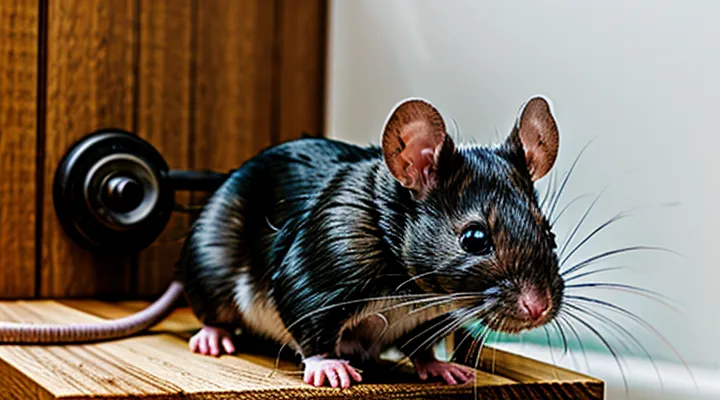
The Importance of Veterinary Care for Pet Rats
Understanding Your Rat's Health
Normal Behavior and Appearance
Rats display high activity levels, especially during the dark phase. Typical patterns include rapid darting, climbing, and brief pauses to sniff or groom. When housed with companions, they engage in mutual grooming, nose‑to‑nose contact, and occasional play wrestling. A solitary rat may be less active but should still explore its environment regularly.
Physical appearance offers reliable indicators of health. Normal fur is smooth, evenly colored, and free of bald patches. Skin should be pink or lightly pigmented, without lesions, scabs, or excessive oil. Eyes are bright and clear; any cloudiness, discharge, or redness signals a problem. Ears are upright, clean, and free of crust or swelling.
Dental condition is critical. Incisors should be sharp, evenly aligned, and visible only as the tips when the mouth is closed. Overgrown or misaligned teeth cause difficulty eating and may lead to weight loss. Weight stability reflects adequate nutrition; a healthy adult rat typically weighs between 250 g and 350 g, depending on strain and sex.
Key signs of normal behavior and appearance:
- Active movement and exploration during nighttime.
- Frequent self‑grooming and occasional social grooming with cage mates.
- Smooth, full coat without bald spots.
- Pink, moist skin without lesions.
- Clear, bright eyes with no discharge.
- Upright, clean ears.
- Properly trimmed, sharp incisors.
- Stable body weight within the expected range.
Deviations from these standards—reduced activity, aggression, fur loss, ocular discharge, ear swelling, dental overgrowth, or weight fluctuation—warrant prompt professional evaluation.
Common Health Issues in Rats
Rats frequently develop respiratory infections, gastrointestinal disturbances, skin disorders, and dental problems. Early detection relies on observing changes in behavior, appetite, or physical condition.
- Respiratory infection: sneezing, nasal discharge, labored breathing, lethargy. Rapid progression may lead to pneumonia.
- Gastrointestinal upset: diarrhea, constipation, bloating, reduced food intake. Persistent symptoms can cause dehydration and electrolyte imbalance.
- Skin disorder: hair loss, scabs, redness, excessive scratching. Underlying causes include mites, fungal infections, or allergic reactions.
- Dental abnormality: overgrown incisors, misaligned teeth, difficulty chewing. Untreated dental issues result in weight loss and oral wounds.
- Tumors: abdominal masses, enlarged lymph nodes, unexplained weight gain or loss. Rats are prone to mammary and pituitary tumors.
Consult a qualified small‑animal veterinarian promptly when any of these signs appear, especially if they worsen within 24‑48 hours or are accompanied by bleeding, severe lethargy, or loss of coordination. Timely professional assessment improves treatment outcomes and reduces the risk of chronic complications.
Recognizing When Your Rat Needs Professional Help
Urgent Symptoms Requiring Immediate Veterinary Attention
Respiratory Distress
Respiratory distress in pet rats signals a potentially life‑threatening condition that requires prompt professional evaluation. Rapid identification of symptoms can prevent deterioration and improve outcomes.
Common indicators include:
- Open‑mouth breathing or audible wheezing
- Nasal discharge that is thick, colored, or foul‑smelling
- Labored or shallow breaths, especially when the rat is at rest
- Reduced activity, lethargy, or difficulty climbing
- Cyanotic gums or skin, visible as a bluish tint
Immediate veterinary consultation is warranted when any of these signs appear, because respiratory compromise can progress within hours. Delayed treatment may lead to irreversible damage to the lungs, heart, or nervous system.
Owners should keep the rat in a warm, quiet environment while arranging transport. Avoid handling that stresses the animal; gently support the body to prevent collapse. If the rat stops breathing, administer brief, gentle pressure to the chest to stimulate inhalation, but seek professional help without delay.
Frequent causes of respiratory distress in rats encompass bacterial infections such as Mycoplasma pulmonis, viral agents like Sendai virus, and environmental factors including poor ventilation, high ammonia levels, and sudden temperature changes. Recognizing these risk factors aids in preventive care and informs the veterinarian’s diagnostic approach.
Lethargy and Anorexia
Lethargy and anorexia are immediate indicators that a rat’s health is compromised. A rat that moves sluggishly, spends most of the day resting, or shows a marked reduction in activity should be examined promptly. Concurrent loss of appetite, refusal of familiar foods, or a sudden decrease in water intake intensify the urgency.
Potential causes include gastrointestinal obstruction, respiratory infection, metabolic disorders, or acute pain. Distinguishing between transient stress responses and serious pathology requires professional evaluation. Delay can lead to dehydration, weight loss, and organ failure.
Signs that warrant veterinary consultation
- Persistent inactivity lasting more than 12 hours
- Complete refusal of food and water for 24 hours
- Rapid weight loss or visible emaciation
- Labored breathing, nasal discharge, or wheezing
- Abnormal posture, tremors, or convulsions
- Blood in stool or urine, or any discharge from the eyes or nose
A qualified rat veterinarian will conduct a physical examination, assess hydration status, and may order diagnostic imaging or laboratory tests to identify underlying conditions. Early intervention improves prognosis and reduces the risk of irreversible damage.
Acute Swellings or Lumps
Acute swellings or lumps on a rat can indicate infection, abscess, tumor, or traumatic injury. Immediate veterinary assessment is warranted if the mass appears rapidly, is painful to the touch, or is accompanied by fever, lethargy, loss of appetite, or respiratory distress. Persistent growth, ulceration, or discharge from the lesion also require prompt professional evaluation.
Key indicators for seeking expert care include:
- Sudden appearance of a firm or fluctuant swelling
- Redness, heat, or swelling that worsens within hours
- Signs of systemic illness such as shivering, rapid breathing, or weight loss
- Inability to groom or eat normally due to the mass
- Bleeding, pus, or foul odor from the site
Diagnostic steps a veterinarian may employ are physical examination, fine‑needle aspiration for cytology, radiography, or ultrasound to determine the nature of the lesion. Treatment options range from antibiotics and drainage for infections to surgical removal for neoplastic growths, often combined with pain management and supportive care. Early intervention improves prognosis and reduces the risk of complications.
Bleeding or Trauma
Rats can suffer rapid blood loss from cuts, punctures, or internal injuries, and the small size of the animal makes early detection critical. Any visible bleeding, swelling, or abnormal behavior warrants prompt professional evaluation.
- Persistent external bleeding that does not stop within a few minutes
- Blood seeping from the mouth, nose, or anus
- Sudden limping, inability to move a limb, or visible bruising
- Signs of shock: pale gums, rapid breathing, lethargy, or unresponsiveness
- Unexplained collapse or seizure activity
If bleeding is minor, apply gentle pressure with a sterile gauze for no longer than two minutes while preparing transport. Keep the rat warm, limit handling, and avoid giving food or water until a veterinarian assesses the situation.
Regular cage inspection, safe enrichment, and careful handling reduce trauma risk. Immediate veterinary consultation remains the safest response to any sign of uncontrolled bleeding or severe injury.
Non-Urgent but Concerning Symptoms
Chronic Coughing or Sneezing
Chronic coughing or sneezing in pet rats indicates persistent irritation of the respiratory tract. Continuous nasal discharge, audible wheeze, or a dry, hacking cough lasting more than a few days suggests an underlying infection, allergic reaction, or environmental issue that will not resolve without medical intervention.
Potential causes include bacterial or viral pneumonia, Mycoplasma infection, allergic responses to bedding or dust, and exposure to ammonia from soiled cages. Poor ventilation, high humidity, and overcrowding exacerbate these conditions and can quickly lead to severe respiratory distress.
Immediate veterinary assessment is warranted when any of the following signs appear:
- Cough or sneeze persists beyond 48 hours
- Nasal or ocular discharge is thick, colored, or foul‑smelling
- Breathing becomes labored, rapid, or noisy
- The rat shows reduced activity, loss of appetite, or weight loss
- Symptoms worsen after cleaning, bedding changes, or temperature shifts
A qualified rodent practitioner will perform a physical examination, possibly request radiographs, and may prescribe antibiotics, anti‑inflammatory medication, or supportive care such as humidified air and cage adjustments. Early professional involvement reduces the risk of permanent lung damage and improves survival rates.
Weight Loss or Gain
Rats that lose weight rapidly or gain excess fat may be experiencing underlying health problems. A sudden drop of more than 10 % of body mass within a week, persistent lack of appetite, or visible muscle wasting warrants immediate veterinary evaluation. Conversely, a steady increase in body condition score despite unchanged diet suggests metabolic or hormonal disturbances that also require professional assessment.
Key indicators that justify a consultation include:
- Persistent refusal to eat or drink for more than 24 hours.
- Visible reduction in fur quality and skin elasticity.
- Abdominal distension, especially if accompanied by lethargy.
- Rapid accumulation of adipose tissue, leading to difficulty moving or grooming.
- Changes in stool consistency, frequency, or presence of blood.
When these signs appear, a veterinarian can perform diagnostic tests such as blood work, fecal examination, and imaging to identify infections, organ disease, parasites, or endocrine disorders. Early intervention improves prognosis and helps maintain optimal body condition for the pet rat.
Changes in Fur Coat or Skin
Changes in a rat’s fur or skin often signal underlying health issues. Visible alterations such as thinning patches, bald spots, scabs, crusts, discoloration, or persistent scratching require prompt evaluation.
Common causes include external parasites (mites, lice), fungal infections, bacterial dermatitis, nutritional deficiencies, hormonal imbalances, and allergic reactions. Each condition produces a distinct pattern:
- Parasites: Small, moving specks or clusters; fur may appear ragged, and the skin may be inflamed.
- Fungal infection: Circular, hair‑loss zones with a dry or scaly surface.
- Bacterial dermatitis: Red, moist lesions that may ooze pus.
- Nutritional deficiency: Uniform dullness of coat, loss of sheen, and brittle hair.
- Allergy or irritation: Localized redness, swelling, and frequent grooming.
Immediate veterinary consultation is warranted when any of the following occur:
- Sudden or rapid fur loss covering more than a few centimeters.
- Open wounds, ulceration, or pus‑filled sores.
- Persistent scratching or self‑trauma leading to damage.
- Persistent odor or greasy skin texture.
- Signs of systemic illness accompanying skin changes, such as lethargy, weight loss, or reduced appetite.
Early professional assessment enables accurate diagnosis, targeted treatment, and prevention of complications. Delay increases the risk of infection spread, secondary injuries, and prolonged discomfort for the animal.
Behavioral Changes
Rats exhibit subtle cues that often precede serious illness; vigilant observation is essential for timely veterinary intervention.
- Sudden lethargy or prolonged inactivity
- Loss of appetite or refusal to eat familiar foods
- Aggressive or unusually fearful reactions toward handlers
- Excessive grooming that results in hair loss or skin lesions
- Repetitive pacing, circling, or self‑mutilation behaviors
- Vocalizations that differ markedly from normal squeaks, especially continuous whining or high‑pitched cries
- Withdrawal from social interaction with cage mates, including isolation in a corner
Each of these alterations can signal underlying problems such as respiratory infection, gastrointestinal blockage, dental disease, neurological disorders, or pain from internal injuries. Lethargy often accompanies respiratory distress; loss of appetite may indicate gastrointestinal upset or dental malocclusion; aggression can be a response to pain or neurological irritation; excessive grooming may reflect dermatological infection or parasitic infestation; repetitive pacing frequently accompanies stress, pain, or neurological impairment; abnormal vocalizations may denote respiratory compromise or distress; social withdrawal commonly reflects systemic illness or discomfort.
Owners should record the onset, duration, and frequency of any abnormal behavior, noting accompanying physical signs such as discharge, weight loss, or changes in stool. Providing this information to the veterinarian enables focused examination, accurate diagnosis, and appropriate treatment planning. Prompt consultation when any of the listed behaviors emerge reduces the risk of disease progression and improves the rat’s chances of recovery.
Preventative Care and Routine Check-ups
Annual Wellness Exams
Annual wellness examinations are the cornerstone of preventive care for pet rats. A veterinarian conducts a systematic assessment that includes physical inspection, weight measurement, dental evaluation, and examination of the skin, fur, eyes, ears, and respiratory system. The clinician also reviews the animal’s diet, housing conditions, and behavior to identify potential health risks early.
Key components of the exam:
- Measurement of body weight and comparison with breed standards.
- Palpation of the abdomen to detect organ enlargement or masses.
- Inspection of the oral cavity for overgrown incisors, gum inflammation, or lesions.
- Evaluation of the coat for signs of parasites, alopecia, or dermatitis.
- Auscultation of heart and lungs to identify abnormal sounds.
- Assessment of mobility and gait to uncover musculoskeletal issues.
- Review of vaccination status and discussion of parasite prevention protocols.
Routine exams allow the veterinarian to detect conditions such as respiratory infections, gastrointestinal disorders, and neoplasia before symptoms become severe. Early intervention reduces treatment complexity and improves recovery rates. Owners should schedule the examination at least once per year, ideally during the cooler months when rats are less prone to heat stress. Maintaining a record of weight trends and clinical findings supports ongoing health monitoring and informs timely decisions about additional diagnostic testing or therapeutic measures.
Nutritional Guidance
Rats require a balanced diet that mirrors their natural foraging behavior while meeting the nutritional demands of a captive environment. Commercially formulated rat blocks provide essential protein, fiber, and vitamins, but they should be supplemented with fresh foods to prevent deficiencies and promote dental health.
Key dietary components include:
- High‑quality rat block or pellet as the staple (minimum 15 % protein, 3–5 % fat).
- Fresh vegetables such as kale, broccoli, and carrots, offered in small portions daily.
- Limited fruits (e.g., apple, banana) for enrichment; avoid citrus and high‑sugar varieties.
- Small amounts of whole‑grain cereals or cooked legumes for additional fiber.
- Clean, fresh water available at all times; replace daily.
Monitor body condition, coat quality, and stool consistency. Weight loss, a rough coat, or persistent diarrhea indicate possible nutritional imbalance. If these signs persist despite dietary adjustments, professional evaluation is warranted. A veterinarian experienced with rodents can assess nutrient absorption, recommend specialized formulas, and rule out underlying health issues that mimic dietary problems. Prompt consultation prevents chronic deficiencies and supports long‑term well‑being.
Environmental Enrichment and Husbandry Advice
Providing a stimulating environment reduces stress, prevents behavioral problems, and supports the physiological health of pet rats. Cage size should allow at least 2 sq ft of floor space per animal, with multiple levels, tunnels, and climbing structures constructed from safe, untreated wood or solid plastic. Regularly rotate toys and rearrange the layout to maintain novelty and encourage exploration.
A balanced husbandry routine includes:
- Daily fresh water in a sealed bottle; check for leaks each morning.
- Fresh vegetables and a measured portion of high‑quality rat pellets; remove uneaten food within two hours to avoid spoilage.
- Bedding made from paper or aspen shavings; replace at least twice weekly and clean the entire cage monthly.
- Nesting material such as shredded paper; provide a secluded corner for nesting and breeding.
- Weekly health inspection: examine ears, eyes, teeth, and fur for signs of infection, overgrowth, or parasites.
When any of the following observations arise, professional veterinary assessment is warranted:
- Persistent nasal discharge, wheezing, or labored breathing.
- Redness, swelling, or ulceration around the eyes, nose, or genital area.
- Rapid weight loss despite adequate food intake.
- Unusual lethargy, aggression, or loss of interest in enrichment items.
- Dental abnormalities such as misalignment or inability to gnaw.
Implementing the outlined enrichment and husbandry practices establishes a stable baseline, allowing early detection of health deviations and facilitating timely consultation with a qualified rat veterinarian.
What to Expect at the Vet Visit
Preparing for Your Appointment
Gathering Information
Before contacting a rat health specialist, collect precise details to enable accurate assessment. Record observations promptly and organize them systematically.
- Physical signs: fur condition, skin lesions, swelling, discharge, wounds, abnormal coloration.
- Behavioral changes: lethargy, aggression, excessive grooming, altered nesting habits, loss of appetite, changes in drinking or urination patterns.
- Dietary information: current feed type, recent changes, treats, any accidental ingestion of toxic substances.
- Environmental factors: cage size, substrate type, temperature, humidity, recent cleaning products, presence of other animals.
- Medical background: previous diagnoses, vaccinations, parasite treatments, surgeries, medication dosages, dates of last veterinary visits.
- Timeline: exact onset of symptoms, progression rate, any events coinciding with the change (new cage, stressors, diet alteration).
Present this data to the veterinarian clearly, either in written form or verbally, to facilitate prompt and targeted care.
Transporting Your Rat Safely
Transporting a rat requires a secure carrier, proper ventilation, and temperature control. Choose a plastic or metal cage with a lockable door, a solid floor, and a removable tray for waste. Line the interior with a soft, washable material that will not shift during movement.
- Place a familiar nesting material inside to reduce stress.
- Secure the carrier with a strap or handle to prevent accidental opening.
- Keep the carrier upright; avoid placing it on its side or upside down.
Before travel, ensure the rat is healthy. Conduct a brief visual inspection for injuries, respiratory issues, or signs of illness. If any abnormalities are observed, seek professional veterinary advice before proceeding.
During transport, maintain a quiet environment. Limit exposure to loud noises, strong odors, and bright lights. Offer water in a spill‑proof bottle if the journey exceeds one hour; avoid feeding solid food to prevent gastrointestinal upset.
If the rat shows signs of distress—rapid breathing, excessive vocalization, or loss of balance—stop the vehicle safely, open the carrier briefly, and assess the animal. Contact a veterinarian experienced with small rodents immediately if symptoms persist.
After arrival, allow the rat to acclimate in a calm, familiar area. Monitor behavior for several hours, checking for normal activity, appetite, and stool consistency. Clean the carrier thoroughly before the next use.
Diagnostic Procedures
Physical Examination
A thorough physical examination is the first step in determining whether a rat requires professional veterinary attention. The veterinarian assesses the animal’s weight, body condition, and coat quality, noting any signs of emaciation, obesity, or fur loss. Palpation of the abdomen reveals organ enlargement, fluid accumulation, or pain response. The practitioner checks the eyes, ears, and nose for discharge, swelling, or lesions, and inspects the teeth and gums for overgrowth, misalignment, or ulceration. Respiratory sounds are auscultated to detect wheezing, crackles, or abnormal breath patterns. The examiner evaluates limb mobility, joint swelling, and paw pads for injuries or infections. Skin inspection includes checking for parasites, wounds, or abnormal coloration.
Key indicators that the examination should trigger an immediate appointment include:
- Sudden weight loss or gain exceeding 10 % of normal body mass.
- Persistent sneezing, coughing, or labored breathing.
- Discharge from eyes, ears, or nose that does not resolve within 24 hours.
- Visible sores, abscesses, or ulcerated areas on the skin.
- Dental abnormalities causing difficulty eating.
- Lethargy, tremors, or uncoordinated movement.
When these findings are present, the veterinarian may order diagnostic tests such as blood panels, radiographs, or microbiological cultures to identify underlying conditions. Prompt consultation based on the physical exam findings can prevent disease progression and improve the rat’s prognosis.
Imaging and Laboratory Tests
Imaging and laboratory diagnostics are essential tools for evaluating rat health problems that warrant professional veterinary attention. Radiographs reveal skeletal fractures, dental overgrowth, lung infiltrates, and foreign bodies; they are indicated when a rat shows respiratory distress, visible swelling, or sudden locomotor impairment. Ultrasound provides real‑time assessment of abdominal organs, detecting masses, fluid accumulation, or reproductive issues; it is appropriate for unexplained weight loss, palpable abdominal enlargement, or irregular estrous cycles. Computed tomography and magnetic resonance imaging deliver high‑resolution cross‑sectional views, reserved for complex neurological signs, deep tissue tumors, or when conventional imaging fails to explain persistent clinical signs.
Laboratory tests complement imaging by identifying systemic abnormalities. A complete blood count evaluates anemia, infection, or leukemic processes, and is ordered for lethargy, pale mucous membranes, or unexplained fever. Serum chemistry panels measure liver and kidney function, electrolytes, and glucose, guiding treatment of metabolic disorders, toxin exposure, or organ failure; they are indicated by polyuria, polydipsia, or sudden changes in activity. Urinalysis detects urinary tract infection, crystalluria, or renal disease, and should be performed when dysuria, hematuria, or abnormal urine volume occurs. Fecal examinations identify parasitic infestations and bacterial overgrowth, relevant for chronic diarrhea or weight loss. Culture and sensitivity testing target bacterial infections unresponsive to empirical therapy, especially in cases of skin lesions, abscesses, or respiratory discharge.
Typical scenarios for imaging and lab work:
- Respiratory noise, coughing, or nasal discharge → thoracic radiographs, CBC, and chemistry.
- Swollen abdomen, palpable mass, or sudden weight loss → abdominal ultrasound, CBC, chemistry, fecal exam.
- Limb weakness, ataxia, or seizures → skull radiographs or CT, CBC, chemistry, urinalysis.
- Persistent diarrhea, blood in stool, or poor coat condition → fecal exam, CBC, chemistry, urinalysis.
Prompt referral to a qualified exotic‑animal veterinarian ensures appropriate selection, execution, and interpretation of these diagnostic procedures, facilitating accurate diagnosis and effective treatment planning.
Treatment Options
Medications
When a pet rat shows signs of illness, appropriate medication can be decisive for recovery. Over‑the‑counter products are rarely suitable; most effective treatments require a prescription from a qualified animal health professional.
Common categories of rat medication include:
- Antibiotics – prescribed for bacterial infections such as respiratory disease or skin abscesses. Selection depends on culture results and susceptibility testing.
- Antiparasitics – used to eliminate internal parasites (e.g., pinworms, coccidia) and external infestations (mites, lice). Dosage must be calculated per kilogram of body weight.
- Analgesics and anti‑inflammatories – indicated for postoperative pain or traumatic injury. Non‑steroidal options are preferred, but dosage intervals differ from those for larger mammals.
- Supportive agents – fluids, electrolytes, and nutritional supplements administered to counter dehydration, hypoglycemia, or malnutrition.
Veterinary consultation is warranted under the following circumstances:
- Persistent sneezing, nasal discharge, or labored breathing.
- Visible wounds, swelling, or discharge that does not resolve within 24‑48 hours.
- Diarrhea, blood in stool, or sudden weight loss.
- Signs of pain, such as reluctance to move or abnormal posture.
- Unexplained lethargy, tremors, or seizures.
The veterinarian will perform a physical examination, request diagnostic samples, and determine the precise medication regimen. Adjustments to dosage, duration, or drug choice may be necessary based on the rat’s response and any adverse reactions. Failure to seek professional guidance can result in ineffective treatment, drug toxicity, or worsening of the condition.
Surgical Interventions
Surgical procedures in pet rats are typically reserved for conditions that cannot be resolved with medication or supportive care. Common operations include tumor excision, intestinal obstruction relief, and correction of congenital defects such as cleft palate. These interventions require anesthesia protocols tailored to the rat’s small size and high metabolic rate, with close monitoring of body temperature and respiratory function.
Veterinary consultation becomes necessary when any of the following signs appear:
- Persistent vomiting or lack of fecal output
- Rapidly growing mass or swelling
- Visible bleeding or non‑healing wound
- Respiratory distress unresponsive to inhaled therapy
- Severe lameness or joint instability
The decision to operate hinges on the animal’s overall health, age, and the likelihood of postoperative recovery. A qualified rat veterinarian will assess diagnostic imaging, laboratory results, and the owner’s capacity to provide intensive after‑care before recommending surgery.
Supportive Care
Supportive care is essential for maintaining the health of pet rats and can often prevent the need for emergency veterinary intervention. Proper nutrition, environmental enrichment, and routine monitoring of weight, coat condition, and behavior form the foundation of a preventive regimen.
A balanced diet should include high‑quality commercial rat pellets supplemented with fresh vegetables, limited fruits, and occasional protein sources such as cooked egg or mealworms. Fresh water must be available at all times; automatic dispensers reduce contamination risk.
Environmental management reduces stress and disease transmission. Provide a spacious cage with multi‑level platforms, nesting material, and chewable items to satisfy natural instincts. Maintain a temperature range of 68–74 °F (20–23 °C) and a humidity level below 60 %. Clean the cage weekly, replacing bedding and disinfecting food dishes.
Regular health checks enable early detection of problems. Observe the following indicators daily:
- Body condition score (smooth, rounded abdomen; no obvious weight loss)
- Fur quality (smooth, glossy, free of bald patches)
- Respiratory sounds (no wheezing, sneezing, or nasal discharge)
- Gastrointestinal function (normal fecal shape, consistency, and frequency)
- Activity level (prompt, curious movement; no lethargy)
If any abnormality persists for more than 24 hours, or if acute symptoms such as labored breathing, hemorrhagic discharge, severe diarrhea, or sudden paralysis appear, immediate professional assessment is warranted. Early consultation improves outcomes by allowing timely administration of fluids, antibiotics, analgesics, or other supportive therapies.
Finding the Right Veterinarian
Criteria for Choosing a Rat-Savvy Vet
Experience with Exotic Animals
Veterinarians who routinely treat exotic species bring valuable insight to rat health, allowing owners to recognize problems that differ from standard rodent care. Their experience with diverse physiologies informs diagnostic choices, medication dosing, and handling techniques that reduce stress for both animal and caretaker.
Common rat conditions that require professional assessment include respiratory infections, gastrointestinal blockage, dental overgrowth, skin lesions, and sudden weight loss. These issues often present subtly, and misidentifying them can lead to rapid deterioration.
Indicators that a veterinarian visit is warranted
- Nasal discharge, sneezing, or labored breathing
- Abnormal stool consistency, blood, or refusal to eat
- Visible overgrown incisors or difficulty chewing
- Ulcers, abscesses, or unexplained skin discoloration
- Lethargy, tremors, or loss of coordination
A practitioner skilled in exotic animal medicine will conduct a thorough physical exam, employ appropriate imaging or laboratory tests, and prescribe treatments calibrated to the rat’s small size and unique metabolism. They also advise on environmental enrichment, nutrition, and preventive health measures tailored to exotic pet owners.
When selecting a veterinarian, verify credentials such as board certification in exotic animal practice, documented case experience with rodents, and familiarity with small‑animal anesthesia protocols. Contact local veterinary colleges or professional societies for referrals, and confirm that the clinic maintains equipment suitable for miniature patients.
Relying on a veterinarian with proven exotic animal expertise ensures timely intervention, minimizes complications, and supports the long‑term wellbeing of pet rats.
Recommendations and Reviews
Rats require veterinary attention when health indicators deviate from normal. Prompt consultation reduces suffering and prevents complications.
Typical situations that warrant professional care include:
- Sudden weight loss or failure to gain weight in growing juveniles.
- Persistent nasal discharge, sneezing, or difficulty breathing.
- Ongoing diarrhea, blood in stool, or marked changes in fecal consistency.
- Visible sores, abscesses, or skin lesions that do not heal within 48 hours.
- Unexplained lethargy, loss of coordination, or seizures.
- Abnormal grooming behavior, such as excessive licking of a single area.
- Signs of dental problems: drooling, difficulty chewing, or malformed incisors.
- Reproductive issues: prolonged estrus, dystocia, or abnormal discharge.
When selecting a veterinarian for rats, consider the following criteria:
- Experience with exotic small mammals, confirmed by case history or certifications.
- Availability of appropriate diagnostic tools, such as radiography and laboratory testing suited for rodents.
- Familiarity with rat-specific pharmacology and dosage calculations.
- Clear communication about treatment plans, costs, and follow‑up schedules.
- Positive client feedback regarding bedside manner and follow‑through.
Owners should maintain a health log documenting daily observations, diet, and environmental conditions. Providing this record during the appointment enables accurate assessment and targeted recommendations. Regular preventative check‑ups, at least annually, support early detection of hidden disorders and reinforce optimal husbandry practices.
Questions to Ask Potential Veterinarians
When selecting a veterinary professional for rat health, direct inquiry clarifies expertise, services, and expectations. Precise questions eliminate uncertainty and ensure appropriate care.
- Does the practice treat small rodents routinely, specifically rats?
- What qualifications, certifications, or continuing‑education courses relate to exotic‑pet medicine?
- How many rat patients have been examined or treated in the past year?
- What diagnostic tools are available for common rat ailments (e.g., respiratory disease, dental issues)?
- Which preventive measures (vaccinations, parasite control, diet recommendations) does the clinic provide?
- What are the emergency hours and procedures for urgent rat conditions?
- How are treatment costs estimated and communicated before procedures?
- Are there policies for follow‑up appointments and post‑treatment monitoring?
- Can the veterinarian prescribe medications suitable for rats, and are they familiar with appropriate dosages?
- What records are kept, and how is confidentiality maintained for pet health information?
Answers to these items reveal the practitioner’s competence, accessibility, and approach to rat health, enabling an informed decision.