
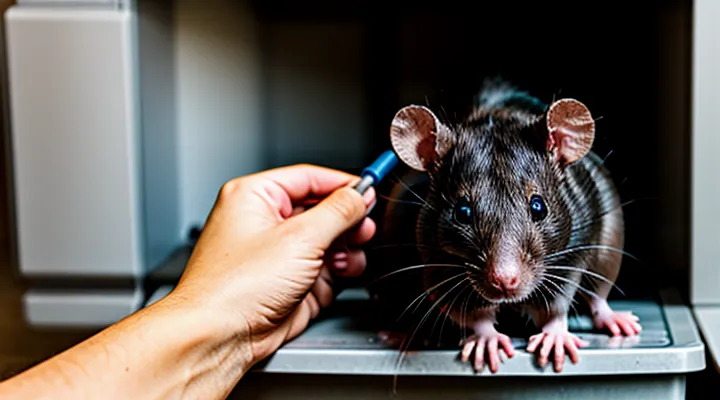
The Importance of a Rat-Savvy Veterinarian
Why General Vets Aren't Always Enough
Rats require veterinary care that addresses species‑specific anatomy, physiology, and disease patterns. General practitioners often lack the depth of experience needed to diagnose and treat conditions unique to rodents.
- Limited exposure to rat patients reduces diagnostic accuracy.
- Anatomical differences, such as delicate skeletal structure and small organ size, demand precise techniques unavailable in standard practice.
- Common rat ailments (e.g., chronic respiratory disease, neoplastic growths, dental malocclusion) are rarely encountered by broad‑spectrum veterinarians, leading to delayed or inappropriate treatment.
- Medication dosages for rats differ markedly from those for larger animals; miscalculations can cause toxicity.
- Specialized equipment (e.g., micro‑ultrasound probes, rodent‑sized surgical instruments) is typically absent in general clinics.
- Behavioral handling of rats requires specific restraint methods to minimize stress and injury, a skill set most generalists do not possess.
Owners seeking optimal health outcomes for their pets should prioritize veterinarians who focus exclusively on small mammals, especially rats, to ensure accurate assessment, safe interventions, and effective disease management.
Understanding Rat-Specific Health Needs
Rats require veterinary care that addresses species‑specific anatomical and physiological traits. Their continuously growing incisors demand regular monitoring; overgrowth leads to malocclusion, difficulty eating, and secondary infections. Dental examinations should include visual inspection and, when needed, radiographs to assess root development.
Respiratory health is a primary concern because rats are prone to bacterial and viral infections such as Mycoplasma pulmonis and Sendai virus. A specialist must be able to perform nasal swabs, culture samples, and interpret chest radiographs to identify early signs of pneumonia or chronic respiratory disease.
Nutritional requirements differ from those of other small mammals. A balanced diet consists of a high‑quality pellet base, limited fresh vegetables, and occasional protein treats. Excessive sugary or fatty foods accelerate obesity and hepatic lipidosis. Veterinary guidance should include portion calculations based on weight and activity level.
Parasite control involves both external (mites, fleas) and internal (cestodes, pinworms) agents. Effective management relies on species‑appropriate dewormers and ectoparasiticides, with dosing intervals tailored to the rat’s metabolic rate.
Common clinical presentations include:
- Nasal discharge or sneezing
- Weight loss despite adequate feeding
- Hair loss or skin lesions
- Lethargy and reduced grooming
- Abnormal stool consistency
Accurate diagnosis of these signs requires familiarity with rat blood chemistry ranges, urinalysis parameters, and the ability to perform minimally invasive sampling. A qualified practitioner will maintain up‑to‑date knowledge of rat‑specific reference values and interpret results within the context of the animal’s age and strain.
Behavioral health intersects with physical well‑being. Stress‑induced conditions such as ulcerative dermatitis emerge in overcrowded or poorly enriched environments. Specialists should advise owners on cage size, enrichment items, and social housing practices that mitigate chronic stress.
When selecting a veterinarian for rats, verify that the clinician has documented experience with rodent patients, possesses appropriate diagnostic equipment (e.g., small‑animal radiography, anesthesia protocols for tiny mammals), and follows evidence‑based treatment guidelines. These criteria ensure that the rat’s unique health needs receive comprehensive, species‑focused care.
Identifying a Qualified Exotic Vet
Researching Veterinary Practices
Online Search and Directories
Finding a qualified rat veterinarian through the internet requires a systematic approach. Search engines, professional association sites, and specialized animal‑care directories provide the most reliable entry points.
- Begin with specific keywords: “rat veterinarian,” “exotic pet vet,” plus your city or ZIP code.
- Review the first three pages of results; reputable practices appear consistently across multiple sources.
- Identify listings on recognized directories such as the American Veterinary Medical Association’s “Find a Vet” tool, the Exotic Animal Veterinary Society, or regional pet‑health portals.
Examine each entry for essential data: clinic name, address, phone number, and most importantly, the veterinarian’s credentials. Verify that the practitioner holds a license for exotic animals and has documented experience with rodents. Look for certifications, continuing‑education courses, or affiliations with academic institutions that focus on small‑animal medicine.
Read client feedback directly on the directory or on independent review platforms. Prioritize comments that mention rat‑specific care, postoperative monitoring, and handling expertise. Cross‑reference positive reviews with the clinic’s own website to confirm consistency.
After narrowing the list, contact the practice. Ask about the veterinarian’s experience with rats, typical treatment protocols, and emergency availability. Document the responses; the information gathered will support an informed decision without relying on anecdotal recommendations.
Recommendations from Other Rat Owners
Veterinarians who treat rats differ in experience, equipment, and approach. Owners who have successfully navigated this process share practical criteria that can guide a selection.
- Verify the clinic’s accreditation for exotic or small‑animal practice; certificates are usually displayed online or on the office wall.
- Ask whether the veterinarian has performed routine rat procedures, such as dental trims, tumor excisions, and gastrointestinal assessments.
- Request references from current rat owners; personal testimonies often reveal the clinician’s bedside manner and willingness to discuss preventive care.
- Confirm that the practice maintains a clean, low‑stress environment, with separate cages or cages with solid bottoms to prevent escape.
- Evaluate the cost structure for common rat services; transparent pricing reduces surprise expenses.
- Ensure the veterinarian offers emergency contact options or a clear referral network for urgent cases.
Owners also recommend visiting the clinic before committing. Observe how staff handle a rat, note the level of containment, and assess the overall humidity and temperature control, which affect a rat’s health. A brief consultation can reveal the practitioner’s familiarity with species‑specific signs, such as nasal discharge, weight loss, or dental overgrowth.
Finally, consider the continuity of care. A vet who documents each visit, provides written instructions, and follows up on treatment outcomes contributes to long‑term well‑being. Selecting a specialist based on these concrete factors aligns with the experiences of rat owners who have achieved consistent, high‑quality health management for their pets.
Key Questions to Ask Prospective Vets
Experience with Rats
When selecting a veterinarian for rats, the practitioner’s hands‑on experience with this species directly influences diagnostic accuracy and treatment success. A vet who has routinely handled rat patients will recognize subtle signs of disease, understand species‑specific anatomy, and apply appropriate restraint techniques that minimize stress.
Key indicators of relevant experience include:
- Number of rat patients treated annually. A higher volume suggests familiarity with common and rare conditions.
- Documented procedures performed on rats, such as tumor excision, dental work, and surgical sterilization.
- Continuing education focused on exotic or small‑animal practice, evidenced by recent courses or certifications.
- Positive feedback from rat owners, especially comments about thorough examinations and effective communication.
Veterinary clinics that advertise dedicated small‑animal or exotic animal sections often allocate specific time slots for rat appointments, ensuring the practitioner is not rushed and can devote attention to detailed assessments. Confirming that the clinic maintains appropriate equipment—such as micro‑surgical instruments and low‑temperature anesthesia machines—further validates the practice’s commitment to rat care.
Before committing, request a brief summary of the vet’s rat‑related case history and inquire about the protocols used for routine health checks, emergency interventions, and preventive measures. This information enables an objective comparison and supports an informed decision based on proven expertise.
Diagnostic Capabilities for Small Animals
When evaluating a practitioner for pet rats, verify that the clinic offers diagnostic tools specifically adapted to the size and physiology of small rodents. Essential capabilities include:
- High‑resolution digital radiography that can capture skeletal and thoracic structures without excessive radiation exposure.
- Ultrasonography with micro‑probe transducers for assessing abdominal organs, reproductive status, and soft‑tissue masses.
- Hematology and biochemistry panels calibrated for low blood volumes, providing accurate reference ranges for rats.
- Fecal flotation and parasite identification methods sensitive enough to detect protozoa and helminths in minimal sample quantities.
- Microbial cultures and antimicrobial susceptibility testing performed under aseptic conditions suitable for small‑animal specimens.
- Endoscopic equipment with miniature optics for visualizing the gastrointestinal tract, nasal passages, and urinary system.
Additional considerations:
- Availability of in‑house pathology services to interpret tissue biopsies promptly.
- Use of anesthetic protocols that minimize stress and maintain physiological stability during diagnostic procedures.
- Record‑keeping systems that track longitudinal health data, facilitating early detection of chronic conditions.
Confirm that the veterinarian demonstrates proficiency with these modalities, as they directly influence the accuracy of diagnoses and the effectiveness of subsequent treatment plans for rats.
Emergency Care Protocols
When a rat experiences a sudden health crisis, the veterinarian’s emergency protocol determines the outcome. A qualified practitioner should have a written plan that addresses immediate stabilization, diagnostic assessment, and short‑term treatment. The plan must be accessible to staff and owners, ensuring rapid execution without hesitation.
Key elements of an effective emergency protocol include:
- Initial assessment: Check airway, breathing, and circulation within the first minute. Record heart rate, respiratory rate, and mucous membrane color.
- Stabilization measures: Provide supplemental oxygen if respiration is compromised, maintain body temperature with a heating pad, and establish intravenous access for fluid therapy.
- Diagnostic actions: Perform a quick physical exam, collect blood for a basic panel, and consider radiographs or ultrasound if trauma is suspected.
- Pain management: Administer appropriate analgesics based on weight and species guidelines.
- Owner communication: Explain findings, outline immediate steps, and discuss prognosis before proceeding with advanced interventions.
A specialist clinic should demonstrate readiness through regular drills, stocked emergency drugs, and equipment calibrated for small mammals. Documentation of past emergencies, including outcome metrics, offers insight into the practice’s competence. When evaluating potential veterinarians, verify that their emergency protocol aligns with these standards and that they can perform the procedures without delay.
What to Expect During a Vet Visit
The Initial Consultation
Physical Examination
A thorough physical examination is the first objective measure of a rat’s health and a reliable indicator of a veterinarian’s competence. During the appointment, the practitioner should systematically assess the following areas:
- Body weight and condition score to detect under‑ or overweight status.
- Coat and skin for signs of parasites, alopecia, lesions, or dermatitis.
- Eyes for clarity, discharge, cataracts, or redness.
- Ears for wax buildup, mites, or inflammation.
- Nose and nasal passages for discharge or crusting.
- Oral cavity, including teeth alignment, gum color, and presence of ulcers.
- Respiratory rate and effort, listening for wheezes or crackles.
- Heart rate and rhythm through auscultation.
- Abdominal palpation to evaluate organ size, tenderness, or masses.
- Musculoskeletal integrity, checking gait, limb strength, and joint mobility.
- Neurological response, noting reflexes, coordination, and alertness.
A competent specialist will explain each finding, relate it to the rat’s normal physiology, and outline any required diagnostics or treatments. Observing the vet’s methodical approach, communication clarity, and willingness to answer questions provides practical insight into their expertise and suitability for ongoing care.
Discussion of Diet and Husbandry
When evaluating a veterinarian for pet rats, prioritize the professional’s expertise in nutrition and husbandry. A specialist who demonstrates detailed knowledge of rat dietary requirements can prevent common health issues such as obesity, dental disease, and metabolic disorders.
Key dietary competencies include:
- Identification of species‑appropriate protein levels (typically 14–18 % of the diet).
- Guidance on balanced fiber sources to promote gastrointestinal motility.
- Recommendations for commercial feed formulations versus supplemental fresh foods.
- Awareness of toxic substances, including certain fruits, vegetables, and human foods.
- Strategies for managing weight in breeding or neutered individuals.
Equally critical is the veterinarian’s understanding of proper husbandry practices. Competence in this area ensures a safe, stress‑free environment that supports optimal health.
Essential husbandry knowledge covers:
- Cage design that provides adequate space, ventilation, and enrichment.
- Substrate selection that minimizes respiratory irritation while allowing natural digging behavior.
- Cleaning protocols that balance hygiene with the preservation of beneficial microbiota.
- Temperature and humidity ranges that prevent heat stress and respiratory infections.
- Social housing guidelines that recognize the species’ preference for group living and hierarchy formation.
A practitioner who can articulate these specifics demonstrates the capacity to address both preventive care and acute medical concerns. Selecting such a veterinarian reduces the likelihood of misdiagnosis, improves treatment outcomes, and supports the long‑term welfare of pet rats.
Common Rat Ailments and Treatments
Respiratory Issues
When assessing a veterinarian for rats, focus on the practitioner’s experience with respiratory disorders. Look for documented cases involving common conditions such as Mycoplasma pulmonis infection, bacterial pneumonia, and chronic airway inflammation. Verify that the clinic routinely performs precise diagnostics, including thoracic radiography, nasal swabs for culture, and bronchoalveolar lavage when indicated.
Key indicators of competence include:
- Certification or additional training in exotic animal medicine, with specific reference to small rodents.
- Availability of a dedicated laboratory for microbiological analysis of respiratory samples.
- Established protocols for antimicrobial susceptibility testing to guide targeted therapy.
- Access to supportive care equipment, such as humidified oxygen delivery systems and nebulizers suitable for miniature patients.
- Positive client testimonials that mention successful management of rat respiratory illnesses.
Confirm that the veterinarian maintains up‑to‑date knowledge of emerging pathogens and resistance patterns. Request a brief overview of the clinic’s approach to preventive measures, such as quarantine procedures for new arrivals and routine health screenings that detect early respiratory signs. A specialist who meets these criteria will be equipped to diagnose, treat, and mitigate respiratory problems effectively, ensuring optimal health outcomes for pet rats.
Tumors and Cysts
Rats develop both neoplastic growths and fluid‑filled sacs that can compromise health rapidly. Common malignant tumors include mammary adenocarcinoma, lymphoma, and sarcoma; benign lesions often appear as fibromas or lipomas. Cysts arise from blocked sebaceous glands, reproductive organs, or the respiratory tract, presenting as palpable swellings or respiratory distress.
Clinical signs such as sudden weight loss, abdominal distension, difficulty breathing, or visible masses warrant immediate veterinary assessment. Accurate diagnosis relies on physical examination, imaging (radiography, ultrasound, or computed tomography), and histopathology obtained via fine‑needle aspiration or surgical biopsy.
Effective treatment options vary: surgical excision remains first‑line for accessible tumors and cysts; chemotherapy may be indicated for aggressive neoplasms; drainage or sclerotherapy addresses certain cystic formations. Post‑operative monitoring includes pain management, wound care, and regular imaging to detect recurrence.
When selecting a rat health specialist, consider the following criteria:
- Demonstrated experience with small‑rodent oncology and cyst management.
- Access to advanced diagnostic equipment (ultrasound, CT, histology lab).
- Ability to perform microsurgical techniques and administer rodent‑appropriate chemotherapy protocols.
- Established record of postoperative follow‑up and client communication.
- Membership in professional societies focused on exotic animal medicine.
Choosing a practitioner who meets these standards increases the likelihood of early detection, appropriate intervention, and improved prognosis for rats affected by tumors or cysts.
Parasites
When evaluating a rat veterinarian, confirm the practitioner’s experience with parasitic infestations. Rat parasites include internal nematodes such as Hymenolepis nana and pinworms, external ectoparasites like fur mites (Myobia musculi) and fleas, and protozoa such as Giardia. A specialist should be able to:
- Identify symptoms: weight loss, ruffled fur, excessive scratching, diarrhea, or visible motile organisms.
- Perform diagnostic tests: fecal flotation, tape tests for eggs, skin scrapings, and PCR for protozoal DNA.
- Prescribe appropriate treatments: anthelmintics (e.g., fenbendazole), acaricides (e.g., selamectin), or antiparasitic medications approved for rodents.
- Advise on prevention: regular cage cleaning, quarantine of new arrivals, routine fecal examinations, and use of approved environmental controls.
Ask the veterinarian about their protocol for parasite monitoring, the drugs they employ, and any record of successful outcomes in rat patients. Verify that the clinic follows strict hygiene standards to minimize reinfestation risk. Choose a practitioner who demonstrates clear competence in diagnosing and managing rat parasites while maintaining a safe, low‑stress environment for the animal.
Maintaining Your Rat's Health
Preventive Care Strategies
Regular Check-ups
Regular veterinary examinations are essential for maintaining the health of pet rats. Early detection of dental overgrowth, respiratory infections, and skin conditions prevents severe complications and reduces the need for emergency interventions.
A typical rat health visit includes:
- Physical assessment of body condition, coat quality, and gait.
- Oral inspection to identify malocclusion or tartar buildup.
- Respiratory evaluation through auscultation and observation of breathing patterns.
- Screening for common parasites such as mites and pinworms.
- Discussion of diet, enrichment, and breeding considerations, if applicable.
When selecting a practitioner, prioritize clinics that demonstrate experience with small rodents. Verify that the veterinarian has completed specific training or certification in exotic animal care, and request references from other rat owners. Facilities should provide appropriate containment equipment and have protocols for minimizing stress during handling.
Scheduling check-ups every three to six months aligns with the rapid life cycle of rats. Consistent appointments allow the veterinarian to track weight trends, monitor reproductive health, and adjust preventive care plans as the animal ages.
Proper Nutrition
Proper nutrition is a primary criterion when evaluating a rat veterinarian. A specialist should demonstrate familiarity with the specific dietary requirements of pet rats, including the balance of protein, fiber, and essential micronutrients. During the consultation, the vet must be able to assess the current diet, identify deficiencies, and recommend appropriate commercial or homemade formulations.
Key nutritional elements for rats:
- Protein: 14‑20 % of the diet, sourced from high‑quality rodent pellets or lean animal products.
- Fiber: 15‑20 % to promote gut motility; achieved through whole‑grain cereals, hay, and fresh vegetables.
- Vitamins and minerals: Adequate levels of vitamin C, B‑complex, calcium, and phosphorus; the vet should verify that the chosen feed meets established standards.
- Water: Constant access to fresh, clean water; the specialist should advise on suitable dispensers and hygiene practices.
- Treats: Limited to ≤10 % of total intake; the vet must counsel on safe options and portion control.
When selecting a practitioner, verify credentials that include experience with small‑animal nutrition, publications on rodent dietetics, or continuing‑education courses focused on exotic pet feeding. Request evidence of dietary assessments performed during routine examinations, such as body condition scoring and fecal analysis. A veterinarian who integrates nutrition into preventive care will provide guidance on diet transitions, weight management, and disease‑related dietary modifications, ensuring optimal health outcomes for the rat.
Environmental Enrichment
When evaluating a veterinarian for pet rats, assess the practitioner’s approach to environmental enrichment. Effective enrichment reduces stress, promotes natural behaviors, and supports physiological health, all of which influence diagnostic accuracy and treatment outcomes.
A qualified specialist will:
- Recommend cage dimensions that allow climbing, burrowing, and exploration.
- Suggest a rotation of toys, tunnels, and chewable materials to prevent habituation.
- Advise on substrate choices that are safe, dust‑free, and facilitate nesting.
- Provide guidance on social housing strategies that respect hierarchy while preventing aggression.
- Incorporate enrichment assessments into routine examinations, noting changes in activity patterns or interaction with objects.
Understanding a vet’s commitment to enrichment helps owners ensure that their rats receive comprehensive care that extends beyond medical interventions to include a stimulating living environment.
Recognizing Signs of Illness
Behavioral Changes
Rats often display subtle shifts in activity, social interaction, and grooming that signal underlying health problems. A professional experienced with rodents can differentiate normal exploratory behavior from signs of pain, stress, or disease.
Key behavioral indicators to monitor include:
- Decreased nocturnal movement or prolonged periods of inactivity.
- Aggressive or unusually withdrawn responses during handling.
- Excessive self‑grooming that results in hair loss or skin lesions.
- Repetitive circling, head bobbing, or pacing in a confined space.
- Altered feeding patterns, such as refusal of familiar foods or hoarding.
When evaluating these changes, a qualified rat veterinarian will conduct a focused physical examination, observe the animal in a quiet environment, and may request video documentation to assess patterns over time. Diagnostic tools such as fecal analysis, blood work, and radiography are employed to correlate behavioral observations with physiological conditions.
Choosing the appropriate specialist involves verifying the practitioner’s experience with exotic small mammals, confirming access to appropriate diagnostic equipment, and ensuring familiarity with rat-specific reference ranges. Reviews from reputable rodent owners, membership in veterinary societies dedicated to exotic pets, and a clear protocol for emergency care further indicate competence.
By recognizing abnormal behavior early and consulting a veterinarian with proven expertise in rat health, owners can intervene promptly, reducing the risk of progression to severe illness.
Physical Symptoms
When evaluating a rat’s health, observable physical signs guide the decision to consult a qualified veterinarian. Recognizing these indicators helps owners select a professional experienced in rodent medicine.
Common physical manifestations include:
- Respiratory distress: rapid breathing, wheezing, nasal discharge, or open‑mouth breathing.
- Skin abnormalities: hair loss, scabbing, redness, or excessive scratching.
- Ocular changes: swollen or watery eyes, discharge, or cloudiness.
- Gastrointestinal signs: diarrhea, constipation, bloating, or visible abdominal tension.
- Locomotor issues: limping, tremors, loss of balance, or difficulty climbing.
- Weight fluctuations: rapid loss or gain, palpable fat deposits, or emaciation.
Each symptom reflects underlying conditions that demand specific expertise. A practitioner with a background in exotic or small‑animal care is more likely to diagnose and treat rat‑specific diseases, such as respiratory infections, dental malocclusion, or neoplasia. Selecting a specialist who routinely handles these presentations ensures accurate assessment, appropriate diagnostics, and tailored therapy.
Financial Considerations
Understanding Costs
Consultation Fees
When evaluating potential rat veterinarians, the cost of the initial consultation is a primary metric. Prices vary widely, typically ranging from $30 to $100 for a standard office visit. Specialized clinics that focus exclusively on small rodents often charge higher rates due to equipment and expertise. Urban practices may add a location premium, while rural offices frequently offer lower fees.
Factors that influence consultation fees include:
- Species expertise: Practitioners with advanced training in rodent medicine command higher prices.
- Diagnostic services: Inclusion of basic lab work (e.g., fecal analysis, blood smear) raises the total charge.
- Appointment length: Extended examinations for complex cases are billed at a higher hourly rate.
- Facility overhead: Clinics equipped with dedicated rat handling rooms and isolation units incorporate those costs into the fee schedule.
Transparency is essential for budgeting. Request a detailed price list before scheduling. Confirm whether the quoted amount covers:
- Physical examination.
- Preliminary diagnostics.
- Follow‑up instructions.
If additional services are required—imaging, anesthesia, or prescription medication—ensure they are itemized separately. Some practices offer package rates for routine wellness exams that include vaccinations and microchipping, providing cost savings over single‑service billing.
Pet insurance policies may reimburse a portion of the consultation fee. Verify the insurer’s accepted provider network and any pre‑authorization requirements. When cash payment is possible, ask about discounts for direct settlement, as many clinics reduce fees for immediate payment.
By comparing these elements—baseline price, included services, and potential reimbursements—owners can select a rat veterinary specialist whose consultation fees align with both the animal’s medical needs and the owner’s financial expectations.
Treatment Expenses
When evaluating a rat veterinarian, the budget for treatment must be clear from the outset. Initial consultation fees typically range from $50 to $100, reflecting the specialist’s expertise and the time required to assess a small‑animal patient. Diagnostic procedures add measurable costs: basic blood work costs $30‑$60 per panel, while imaging such as X‑rays or ultrasound can exceed $150 per session.
Medication expenses vary with the condition; a course of antibiotics or analgesics usually falls between $15 and $40, whereas specialty drugs for chronic illnesses may reach $100 or more per prescription. Surgical interventions represent the highest predictable expense: minor procedures (e.g., tumor excision) start around $300, while complex abdominal surgery can surpass $1,000, excluding anesthesia and postoperative care.
Follow‑up visits are billed similarly to initial consultations, but many practices offer discounted rates for repeat appointments, often $30‑$70. Emergency care incurs premium rates, frequently $150‑$250 for after‑hours triage, plus any diagnostics or treatments performed.
Additional financial considerations include:
- Geographic variation: urban clinics generally charge higher fees than rural practices.
- Payment options: some veterinarians provide installment plans or accept pet health insurance reimbursements.
- Preventive care packages: bundled services (vaccination, wellness exam, parasite control) may reduce overall spending by 10‑15 %.
Understanding these cost components enables owners to compare specialists objectively and allocate resources for the rat’s health needs without unexpected financial strain.
Insurance Options for Exotic Pets
When caring for a pet rat, financial protection against unexpected medical expenses is a practical consideration. Insurance reduces the impact of costly diagnostics, surgeries, and ongoing treatments that are common in exotic animal practice.
Typical coverage options include:
- Specialized exotic‑pet policies – designed for species such as rats, ferrets, and reptiles; they often cover routine exams, vaccinations, and species‑specific illnesses.
- Comprehensive pet plans with an exotic rider – standard pet insurance supplemented by an add‑on that extends coverage to non‑traditional pets.
- Accident‑only coverage – limited to injuries from trauma; useful for owners seeking lower premiums.
- Wellness add‑ons – optional modules that reimburse preventive care, grooming, and dental services.
Key factors for evaluating a policy are:
- Coverage limits – maximum payout per incident and per year.
- Exclusions – conditions, treatments, or pre‑existing illnesses not reimbursed.
- Veterinarian network – whether the insurer works with clinics experienced in rat care.
- Claim turnaround – typical processing time and required documentation.
- Premium structure – monthly versus annual payment, and any deductible amount.
To secure appropriate protection, compare providers, read policy documents carefully, confirm that rat‑specific procedures are included, and complete enrollment before the first veterinary appointment. This approach ensures that financial barriers do not delay essential care for your exotic companion.