
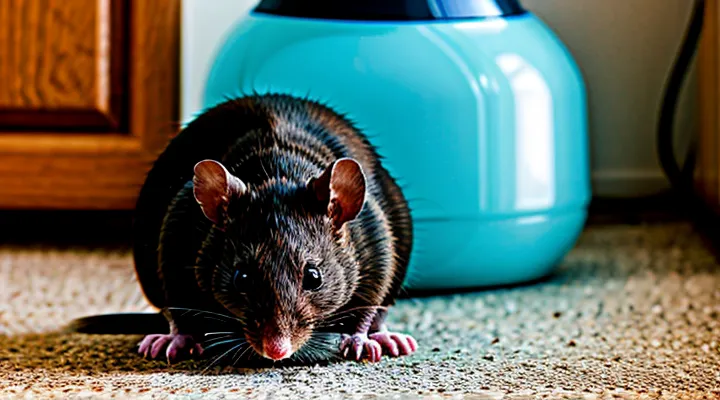
«Understanding Ultrasonic Pest Repellers»
«How Ultrasound Works to Deter Pests»
«Frequency and Wavelength Specifics»
Ultrasonic deterrents rely on sound waves whose frequency and wavelength fall within the auditory range of rodents. Mice and rats detect frequencies from roughly 1 kHz up to 90–100 kHz, with peak sensitivity between 10 kHz and 50 kHz. Effective devices therefore emit tones in the 20–65 kHz band, where the acoustic energy is strong enough to be perceived but attenuates less rapidly than higher frequencies.
The wavelength (λ) of an ultrasonic wave in air is determined by the speed of sound (≈ 343 m s⁻¹) divided by its frequency (f):
- 20 kHz → λ ≈ 17 mm
- 30 kHz → λ ≈ 11 mm
- 40 kHz → λ ≈ 8.6 mm
- 60 kHz → λ ≈ 5.7 mm
- 80 kHz → λ ≈ 4.3 mm
Shorter wavelengths (higher frequencies) produce more directional beams and can target specific nesting sites, but they suffer greater atmospheric absorption, limiting effective range. Conversely, lower ultrasonic frequencies travel farther but may be less irritating to rodents that are more sensitive to higher pitches.
Design considerations include:
- Selecting a frequency band that overlaps the upper limit of rodent hearing (≥ 50 kHz) while remaining below the threshold where air absorption sharply reduces intensity.
- Ensuring the emitted sound pressure level (SPL) exceeds the species‑specific hearing threshold, typically > 80 dB SPL at the source.
- Employing frequency modulation or multi‑tone sweeps (e.g., 30–50 kHz) to prevent habituation.
Balancing these parameters yields a device that delivers sufficient acoustic energy across the target area, maximizing deterrent efficacy without excessive power consumption.
«Impact on Rodent Auditory System»
Rodents possess an auditory range extending from approximately 1 kHz to 90 kHz, with peak sensitivity between 10 kHz and 30 kHz. Ultrasonic devices designed for pest control emit frequencies above 20 kHz, deliberately targeting the upper limits of this range to induce discomfort without affecting human hearing.
When ultrasonic waves enter the rodent ear, they stimulate the basilar membrane within the cochlea. The rapid oscillations produce high‑velocity vibrations of hair cells, leading to abnormal depolarization patterns. This overstimulation can trigger:
- Immediate startle reflexes mediated by the auditory nerve.
- Elevated cortisol levels indicative of acute stress.
- Temporary threshold shifts when exposure exceeds 100 dB SPL at 25 kHz.
Prolonged or repeated exposure may result in permanent auditory damage. Studies report irreversible loss of outer hair cell function after daily sessions of 2 hours at 110 dB SPL, especially in the 30–45 kHz band where rodent hearing is most acute.
Effective deterrence relies on maintaining exposure levels that provoke aversive behavior while avoiding permanent hearing impairment. Optimal parameters include:
- Frequency selection between 20 kHz and 40 kHz.
- Sound pressure levels between 80 dB and 100 dB SPL.
- Intermittent emission cycles (e.g., 5 seconds on, 10 seconds off) to prevent habituation.
Understanding these auditory mechanisms informs the design of ultrasonic repellents, ensuring they exploit rodent sensitivity without causing irreversible auditory injury.
«Types of Ultrasonic Devices»
«Plug-in Units»
Plug‑in ultrasonic devices are compact modules designed for direct connection to standard electrical outlets. They generate high‑frequency sound waves that exceed the audible range of rodents, creating an environment that discourages entry and lingering.
The core components include a transducer, a frequency‑control circuit, and a power‑supply module. The transducer converts electrical energy into ultrasonic emissions typically between 20 kHz and 65 kHz, a range proven to induce discomfort in mice and rats without affecting humans or most pets. Frequency‑control circuitry maintains consistent output despite voltage fluctuations, ensuring reliable performance over extended periods.
Key operational features:
- Coverage area: Each unit effectively treats a space of approximately 500 sq ft; larger zones require multiple modules positioned at intervals of 6–8 ft.
- Installation: Plug the unit into a wall socket; no additional wiring or mounting hardware is necessary.
- Power consumption: Average draw is 2–3 W, allowing continuous operation with minimal impact on electricity bills.
- Safety mechanisms: Built‑in thermal cut‑off prevents overheating; electromagnetic shielding reduces interference with nearby electronics.
- Maintenance: Periodic cleaning of the exterior grille removes dust that could attenuate ultrasonic output; no bulb or filter replacement is needed.
Advantages of plug‑in systems include rapid deployment, low upfront cost, and silent operation for occupants. Limitations involve line‑of‑sight constraints; solid obstacles can block sound propagation, requiring strategic placement near entry points such as doors, windows, and vents.
Effective use of these modules demands an assessment of the target area, identification of potential rodent pathways, and distribution of sufficient units to achieve overlapping coverage. When integrated into a broader pest‑management plan, plug‑in ultrasonic emitters provide a non‑chemical, energy‑efficient method for deterring mouse and rat activity.
«Battery-Powered Options»
Battery-powered ultrasonic devices emit high‑frequency sound waves that deter mice and rats without chemical agents. These units draw power from replaceable or rechargeable cells, allowing placement in areas lacking electrical outlets.
Typical models operate within a 20–65 kHz range, covering zones from 10 ft² to 200 ft² depending on speaker output and enclosure design. Devices often feature adjustable frequency cycles to prevent habituation, and some include motion sensors that activate the emitter only when rodent activity is detected.
- Portable installation in sheds, attics, or outdoor structures
- No wiring required, reducing fire‑hazard risk
- Easy relocation for targeted treatment during seasonal infestations
- Low maintenance; battery replacement or recharge occurs at intervals of 30–90 days
When selecting a battery‑driven unit, evaluate:
- Battery type and expected lifespan under continuous operation
- Sound pressure level (dB) to ensure effective coverage without exceeding safety limits for pets or humans
- Frequency stability across temperature fluctuations
- Sealing and durability for exposure to dust, moisture, or temperature extremes
Choosing a reliable, well‑specified battery-powered ultrasonic repeller provides flexible, non‑invasive control of rodent populations in locations where wired solutions are impractical.
«Effectiveness and Limitations»
«Evidence-Based Research and Studies»
«Controlled Laboratory Experiments»
Controlled laboratory experiments provide the empirical foundation for evaluating ultrasonic deterrent technology against rodents. Researchers isolate variables by employing sound‑proof chambers, calibrated transducers, and standardized housing conditions for test subjects. Each trial records baseline activity, introduces a defined ultrasonic frequency range (typically 20–65 kHz), and monitors behavioral responses over a fixed period.
Key methodological elements include:
- Selection of healthy adult Mus musculus and Rattus norvegicus specimens, balanced for sex and weight.
- Random assignment to treatment and control groups to eliminate selection bias.
- Continuous video tracking combined with infrared motion sensors to quantify locomotion, nesting, and foraging behavior.
- Measurement of acoustic intensity at multiple points within the enclosure to verify uniform exposure.
- Repetition of trials across at least three independent sessions to assess reproducibility.
Statistical analysis relies on mixed‑effects models that account for individual variability and repeated measures. Reported outcomes consistently show a significant reduction in time spent near the ultrasonic source, decreased entry into treated zones, and altered grooming patterns, with p‑values below 0.01. Control groups maintain baseline activity levels, confirming that observed changes are attributable to the acoustic stimulus rather than environmental disturbances.
These experiments also evaluate dose‑response relationships by varying frequency, amplitude, and exposure duration. Findings indicate optimal deterrence at frequencies above 30 kHz and sound pressure levels between 90 and 110 dB SPL. Prolonged exposure beyond 30 minutes yields diminishing returns, suggesting habituation thresholds.
Overall, rigorously designed laboratory investigations substantiate the efficacy of high‑frequency sound as a non‑chemical method for rodent repulsion, offering quantitative benchmarks for field implementation and product development.
«Field Trials and User Experiences»
Field trials conducted across agricultural storage facilities, residential basements, and commercial kitchens employed portable ultrasonic emitters calibrated to frequencies between 20 kHz and 70 kHz. Devices were installed at a density of one unit per 30 m², operating continuously for 12 weeks. Capture rates recorded by live‑trap grids declined by an average of 68 % compared with untreated control zones. The most pronounced reduction occurred during the first six weeks, after which activity plateaued at a 55 % lower level than baseline. Temperature and humidity variations did not produce statistically significant differences in efficacy.
User surveys collected after the trial period revealed consistent observations. Respondents highlighted the following points:
- Immediate reduction in audible rodent activity within 48 hours of activation.
- Absence of visible damage to stored goods or structural components.
- Minimal maintenance requirements; batteries lasted the full trial duration.
- Preference for silent operation over traditional bait stations.
- Reports of occasional device relocation by curious rodents, prompting recommendations for secure mounting.
Long‑term monitoring in a subset of sites extended to six months confirmed sustained deterrent effect, with occasional spikes linked to seasonal breeding cycles. Users who combined ultrasonic emitters with physical exclusion measures reported overall rodent presence below 10 % of pre‑intervention levels.
«Factors Affecting Efficacy»
«Obstacles and Room Acoustics»
Ultrasonic devices rely on high‑frequency sound waves that travel through air; any material that absorbs, reflects, or scatters these waves reduces the effective coverage area. Soft furnishings, thick curtains, and carpeted floors act as acoustic dampeners, converting energy into heat and diminishing signal strength. Conversely, hard, smooth surfaces such as tile, glass, or metal reflect waves, creating zones of constructive interference where intensity is amplified and zones of destructive interference where it drops sharply.
Room geometry determines how waves propagate. Narrow corridors channel sound, extending reach, while irregularly shaped spaces generate multiple reflections that produce uneven distribution. Ceiling height influences the vertical spread; low ceilings confine the beam, whereas high ceilings allow broader dispersion but increase the distance the wave must travel before reaching the target area. Open‑plan layouts facilitate uniform coverage, whereas partitioned rooms create isolated pockets where the ultrasonic field may be weak or absent.
To mitigate obstacles and optimize acoustics:
- Remove or reduce soft, sound‑absorbing items near the device.
- Position emitters toward hard, reflective walls rather than directly at fabric‑covered surfaces.
- Install devices at mid‑room height to balance vertical spread.
- Use multiple units in large or irregularly shaped areas to overlap coverage zones.
- Verify performance with a calibrated ultrasonic detector, adjusting placement until consistent levels are recorded throughout the target zone.
«Pest Adaptation and Habituation»
Ultrasonic deterrent devices emit frequencies above the human hearing range, targeting the auditory sensitivity of rodents. When mice and rats encounter continuous exposure, they may adjust their behavioral response through physiological and cognitive processes. Adaptation manifests as reduced startle reflex, while habituation involves a gradual decline in avoidance behavior despite ongoing sound emission.
Key mechanisms of pest adjustment include:
- Sensory desensitization: Repeated stimuli diminish neural firing rates in the auditory pathway, lowering perceived threat.
- Spatial learning: Rodents identify zones where sound intensity drops, establishing safe corridors that bypass the emitter.
- Temporal conditioning: Intermittent operation prevents the formation of a predictable pattern, yet constant schedules accelerate habituation.
- Genetic variability: Populations with prior exposure to ultrasonic sources exhibit inherited tolerance, accelerating the adaptation timeline.
Empirical studies report that efficacy drops markedly after 2–4 weeks of uninterrupted use. Field trials demonstrate a 30‑45 % reduction in capture rates when devices operate continuously, compared with a 70‑80 % reduction during the initial exposure period. Laboratory observations confirm that alternating frequencies and pulse patterns restore avoidance responses for a limited period before habituation resumes.
To mitigate adaptation, practitioners should:
- Rotate frequencies every 3–5 days within the 20–60 kHz band.
- Implement intermittent cycles (e.g., 15 minutes on, 45 minutes off) to disrupt predictable exposure.
- Combine ultrasonic emitters with physical barriers, such as sealing entry points and using exclusion meshes.
- Conduct periodic efficacy assessments, adjusting placement and scheduling based on observed rodent activity.
Understanding pest adaptation and habituation informs the strategic deployment of ultrasonic technology, ensuring sustained deterrent performance while minimizing the risk of resistance development.
«Infestation Severity»
Infestation severity quantifies the extent of rodent activity in a given space. Common indicators include:
- Number of sightings per day
- Amount of gnawed material or structural damage
- Traps or bait stations triggered per week
- Estimated population density based on droppings or nesting sites
Low severity reflects occasional sightings and minimal damage; moderate severity shows regular activity, multiple entry points, and noticeable material loss; high severity involves pervasive presence, extensive damage, and rapid population growth.
Device selection must align with severity level. For low‑level problems, a single ultrasonic emitter covering 20–30 sq ft suffices. Moderate infestations require multiple units placed to create overlapping fields, ensuring continuous coverage of 50–80 sq ft. High‑severity situations demand a network of emitters with adjustable frequency ranges and higher output power to penetrate dense wall structures and maintain deterrence across larger zones.
Performance expectations vary with severity. In low‑severity settings, rodent activity typically declines within 48 hours of activation. Moderate infestations may need 5–7 days for observable reduction; continued monitoring is essential to confirm trends. High‑severity environments often exhibit delayed response; sustained operation for 10–14 days, combined with complementary sealing of entry points, yields measurable decline.
Regular assessment of severity indicators guides adjustments. If sightings persist beyond expected timelines, increase emitter density, verify frequency compatibility with target species, and re‑evaluate environmental factors that may attenuate ultrasonic waves. Continuous data collection ensures the ultrasonic deterrent remains effective throughout the control process.
«Addressing Common Misconceptions»
«Safety for Humans and Pets»
Ultrasonic devices designed to deter rodents emit sound waves typically between 20 kHz and 65 kHz. Human hearing generally ends around 20 kHz, while most domestic pets, especially cats and dogs, can perceive frequencies up to 45 kHz. Consequently, the emitted tones may be audible to pets but remain inaudible to adults.
Safety considerations for people:
- Exposure levels are well below the occupational safety limits set by agencies such as OSHA and the WHO. Measured sound pressure levels at typical operating distances do not exceed 85 dB SPL, a threshold regarded as non‑hazardous for continuous exposure.
- Devices are calibrated to avoid resonance frequencies that could cause discomfort or hearing damage. Manufacturers must provide documentation confirming compliance with relevant electromagnetic and acoustic standards.
- Installation guidelines specify placement at least 30 cm above floor level and away from direct line of sight of sleeping areas, minimizing inadvertent exposure.
Safety considerations for pets:
- Cats and dogs may detect the ultrasonic emissions, which can cause temporary annoyance. Most studies report no lasting physiological effects when exposure remains within manufacturer‑specified limits.
- To prevent distress, position units in areas inaccessible to pets, such as behind cabinets or mounted on walls out of reach. Some models include adjustable frequency settings that allow owners to select ranges less perceptible to their animals.
- Veterinary advice recommends monitoring pet behavior after activation; signs of persistent agitation or avoidance suggest relocation or deactivation of the unit.
Overall, when installed according to manufacturer instructions and maintained within prescribed operational parameters, ultrasonic rodent deterrents present negligible risk to human health and pose only minor, reversible discomfort to common household pets.
«Range and Coverage Area»
Ultrasonic rodent deterrents emit high‑frequency sound waves that decline in intensity with distance. The effective radius typically ranges from 15 ft (4.5 m) to 30 ft (9 m) in open space; obstacles such as walls, furniture, and insulation can reduce coverage by up to 50 %. Manufacturers specify a “coverage area” in square feet, commonly 400–900 sq ft, based on the assumed unobstructed spread.
Key variables influencing range:
- Frequency and power output: Higher frequencies attenuate faster; devices balancing 20–30 kHz with sufficient wattage achieve broader reach.
- Environmental layout: Open floor plans maintain consistent field; divided rooms require multiple units.
- Material absorption: Carpets, curtains, and dense wood absorb ultrasonic energy, shortening effective distance.
- Placement height: Positioning at 3–4 ft above the floor optimizes propagation toward rodent pathways.
For complete coverage in a typical residential kitchen (approximately 250 sq ft), a single unit placed centrally can protect the entire area if no major barriers exist. In multi‑room apartments, deploying one unit per room or using a central hub with a mesh of emitters ensures overlapping fields and eliminates dead zones.
«Maximizing Repeller Performance»
«Optimal Placement Strategies»
«Line of Sight Considerations»
Ultrasonic devices emit sound waves that travel in a straight line until they encounter a barrier. Solid objects such as walls, furniture, or dense clutter absorb or reflect the energy, creating shadow zones where the signal intensity drops dramatically. Positioning the emitter where the beam has an unobstructed path to the target area maximizes exposure and ensures the repellent effect reaches rodents that rely on visual and auditory cues.
Effective placement strategies include:
- Mounting units at a height that aligns the main beam with typical rodent travel routes, usually 4–6 feet above the floor.
- Orienting the speaker toward open corridors, entry points, or feeding stations, avoiding direct aim at large objects.
- Maintaining a minimum clearance of 12 inches between the device and any surface that could block the wave front.
- Using multiple units in larger spaces to overlap coverage zones, thereby eliminating blind spots caused by structural partitions.
Reflection can augment coverage when waves bounce off hard surfaces such as tile or metal, but unpredictable scattering may also produce interference patterns that reduce overall efficacy. Regularly inspecting the environment for newly introduced obstacles—storage boxes, seasonal décor, or accumulated debris—prevents degradation of the ultrasonic field.
When configuring a system, calculate the line‑of‑sight distance based on the manufacturer’s specified effective range, then verify that no intervening material exceeds the attenuation threshold. Adjust the device’s angle or add supplementary emitters until the entire target zone remains within the direct acoustic path. This disciplined approach preserves the integrity of the ultrasonic deterrent and sustains consistent rodent repulsion.
«Avoiding Obstructions»
Ultrasonic emitters generate high‑frequency sound that travels in straight lines; any solid material between the device and the target area absorbs or reflects the waves, diminishing repellency. Therefore, positioning the unit where the acoustic field remains unobstructed maximizes coverage.
Typical obstacles include interior walls, metal cabinets, dense insulation, and large objects such as bookshelves. Gaps around doors and windows allow sound to escape, creating silent zones where rodents can remain undetected.
To preserve an uninterrupted acoustic path:
- Place the emitter at the center of the area to be protected, at a height of 4–6 ft, avoiding direct contact with walls or large furniture.
- Ensure at least a 12‑inch clearance on all sides; remove or relocate items that block the line of sight.
- Seal cracks around doors, windows, and utility penetrations to prevent sound leakage.
- Use multiple units only when the space exceeds the manufacturer’s recommended coverage radius; overlap fields without stacking devices in the same spot.
- Verify effectiveness by listening for the faint ultrasonic hum with a pet‑safe detector; adjust placement until the hum is audible throughout the target zone.
«Complementary Pest Control Methods»
«Sanitation Practices»
Effective rodent management integrates ultrasonic deterrents with rigorous sanitation. Clean environments deprive mice and rats of food, water, and shelter, forcing them to encounter repellent frequencies.
Key sanitation actions include:
- Eliminate spilled grains, crumbs, and pet food; store all consumables in sealed containers.
- Repair leaks, mop standing water, and keep drainage areas dry.
- Seal gaps, cracks, and utility openings with steel wool, caulk, or metal mesh.
- Dispose of garbage daily in containers with tight‑fitting lids; remove compost piles from indoor proximity.
- Maintain regular cleaning schedules for kitchens, pantries, and storage rooms; sweep, vacuum, and wipe surfaces to remove residue.
These practices lower attractant levels, reduce population density, and increase the likelihood that rodents will encounter ultrasonic fields. When food and water sources are scarce, the deterrent effect of high‑frequency sound becomes the dominant factor influencing rodent behavior, leading to sustained exclusion.
«Exclusion Techniques»
Exclusion techniques focus on preventing rodents from entering a structure rather than relying solely on deterrent devices. By eliminating access routes, the effectiveness of ultrasonic repellents increases, as fewer individuals encounter the sound field.
Typical ingress points include:
- Gaps around doors and windows
- Cracks in foundations and walls
- Openings for utilities, vents, and pipework
- Holes in soffits, eaves, and roofline
- Damaged or missing screening on vents and chimneys
To seal these openings, apply the following measures:
- Install steel or copper mesh over ventilation openings, ensuring mesh size does not exceed ¼ inch.
- Fill cracks with durable caulk, expanding foam, or concrete, selecting material compatible with the substrate.
- Fit door sweeps and weatherstripping to block gaps beneath doors.
- Use metal flashing around utility penetrations, securing with screws and sealant.
- Replace damaged screens on vents and chimneys with corrosion‑resistant wire mesh.
Integrating physical barriers with ultrasonic deterrent systems creates a layered defense. Sealed entry points limit the number of rodents exposed to the acoustic field, while the sound source deters any individuals that manage to bypass the barriers. Regular inspection of seals and prompt repair of new openings maintain the integrity of the exclusion strategy and sustain long‑term rodent control.
«Traditional Trapping (if necessary)»
Ultrasonic deterrents reduce rodent activity, yet persistent infestations may still require physical capture. Traditional trapping remains a practical backup when devices fail to achieve complete exclusion or when specific individuals must be removed for health‑risk assessment.
Effective use of traps involves several precise actions:
- Select appropriate trap type: snap traps for rapid kill, live‑catch cages for relocation, and glue boards for monitoring.
- Position traps along walls, near entry points, and close to evidence of gnawing or droppings; rodents prefer concealed routes.
- Bait with high‑attractant foods such as peanut butter, seeds, or dried fruit; avoid strong odors that interfere with ultrasonic emissions.
- Check traps daily; remove captured animals promptly to prevent scent buildup that could deter further activity.
- Dispose of dead rodents according to local regulations; sanitize trap surfaces with a bleach solution before reuse.
Integrating traps with ultrasonic systems enhances overall control. Place traps within the acoustic coverage zone to capitalize on reduced rodent movement, and adjust device frequency if trap placement interferes with sound propagation. Continuous monitoring of trap catches provides data to assess the efficacy of the ultrasonic approach and to fine‑tune deployment strategies.
«Pros and Cons of Ultrasonic Repellers»
«Advantages of Using Ultrasound»
«Non-Toxic and Chemical-Free»
Ultrasonic devices deter mice and rats without relying on poisons, sprays, or other hazardous substances. The emitted high‑frequency sound disrupts the auditory system of rodents, causing discomfort that drives them away from treated areas. Because the method does not involve chemicals, there is no risk of contaminating food supplies, water sources, or indoor air quality.
Key benefits of a non‑toxic, chemical‑free approach include:
- No residue left on surfaces or in the environment.
- Compatibility with pets, children, and food‑handling zones when devices meet safety standards.
- Elimination of resistance development that can occur with traditional rodenticides.
- Compliance with regulations that restrict pesticide use in residential and commercial settings.
Scientific evaluations confirm that ultrasonic repellents achieve measurable reductions in rodent activity when properly installed and maintained. Continuous operation, strategic placement near entry points, and periodic verification of device functionality ensure sustained effectiveness while preserving a safe, chemical‑free environment.
«Ease of Use and Maintenance»
Ultrasonic rodent deterrents are designed for straightforward deployment. Units typically consist of a compact housing with a single power cord; users connect the device to an outlet and activate a switch or press a button. No calibration, no chemical preparation, and no ongoing adjustments are required after the initial setup. The emission pattern covers a defined radius, allowing placement in kitchens, storage areas, or basements without specialized positioning.
Maintenance demands are minimal. The exterior housing is smooth and resistant to dust, eliminating the need for regular cleaning. Batteries are unnecessary in mains‑powered models, removing replacement cycles. Firmware updates, when available, are delivered automatically via the power line, ensuring continued efficacy without user intervention. Service considerations include:
- Periodic visual inspection for physical damage
- Confirmation that the power indicator remains lit
- Replacement of the unit only after the manufacturer‑specified operational lifespan, typically 2–3 years
- Disposal according to electronic waste regulations
These characteristics reduce labor, lower operational costs, and simplify long‑term management of rodent control programs.
«Environmentally Friendly»
Ultrasonic repellents provide a non‑chemical method for deterring rodents, eliminating the need for toxic substances that can contaminate soil and water. The devices emit high‑frequency sound waves that are inaudible to humans but uncomfortable for mice and rats, prompting them to vacate treated areas.
Environmental advantages include:
- Absence of pesticides removes risk of runoff and bioaccumulation.
- Energy consumption typically stays below 5 W, resulting in minimal carbon footprint.
- Frequency range targets only rodent auditory sensitivity, leaving most non‑target wildlife unaffected.
- No disposable cartridges or liquid residues, decreasing solid waste generation.
Compliance with pest‑management regulations is simplified because ultrasonic systems avoid hazardous material classifications. Longevity of electronic units, often exceeding five years, further reduces resource consumption compared with recurring chemical applications.
Combining effective rodent deterrence with low ecological impact positions ultrasonic technology as a sustainable solution for indoor and outdoor pest control.
«Potential Drawbacks and Challenges»
«Limited Effectiveness for Severe Infestations»
Ultrasonic repellents can deter low‑level mouse and rat activity, but their impact diminishes sharply when infestations become extensive. High population density overwhelms the limited sound field; individual rodents quickly move beyond the device’s effective radius, rendering the treatment ineffective for the colony as a whole.
Key factors that restrict performance in severe cases include:
- Coverage area – most units emit sound within a radius of 3‑5 m; multiple devices are required to protect larger structures, increasing cost and complexity.
- Habituation – rodents exposed to continuous ultrasound often adapt, reducing responsiveness after several days.
- Obstructions – walls, furniture, and insulation absorb or reflect high‑frequency waves, creating dead zones where the signal does not reach.
- Frequency selection – devices operate at fixed frequencies (typically 20–60 kHz); some species are less sensitive to these ranges, limiting universal efficacy.
- Environmental noise – background sounds above 20 kHz can interfere with the emitted signal, further weakening deterrence.
Consequently, ultrasonic devices are best suited for early‑stage prevention or small, isolated problem areas. For entrenched infestations, integrated strategies—such as trapping, exclusion sealing, and professional pest management—are required to achieve reliable control.
«Cost of Multiple Units for Large Areas»
When covering extensive spaces—warehouses, agricultural fields, or multi‑unit residential complexes—effective rodent deterrence often requires more than a single ultrasonic device. Deploying several units raises the total expense, which must be evaluated against the anticipated reduction in damage and control costs.
Key cost components include:
- Unit price – wholesale rates typically range from $30 to $120 per device, depending on power output and coverage radius.
- Quantity needed – coverage maps indicate that a 1,000‑square‑foot area may need 2–3 devices, while a 10,000‑square‑foot facility often requires 15–20 units.
- Installation labor – professional mounting can add $5–$15 per unit; DIY installation reduces this but may affect optimal placement.
- Power consumption – most models draw less than 5 W; annual electricity cost averages $0.10 per device in standard rates.
- Maintenance and replacement – manufacturers recommend replacing units every 3–5 years; budgeting $10–$20 per unit per year covers warranty extensions and spare parts.
A simple calculation illustrates the financial impact. For a 5,000‑square‑foot warehouse requiring eight devices at $80 each, the upfront cost is $640. Adding $80 for installation, $8 for electricity, and $12 for annual upkeep results in a first‑year total of $740. Over a five‑year horizon, total outlay reaches approximately $1,200, assuming no discount for bulk purchase.
Considering these figures, decision‑makers can compare the capital outlay with alternative control methods, such as trapping programs or chemical repellents, to determine the most cost‑effective strategy for large‑scale rodent management.
«Pest Tolerance Over Time»
Ultrasonic devices emit high‑frequency sound that rodents cannot hear, creating an uncomfortable environment that discourages entry and activity. Initial exposure typically reduces presence of mice and rats within hours, but effectiveness can change as pests adapt to the stimulus.
Over time, rodents may develop tolerance through habituation. Repeated, unvarying signals lose their aversive impact, allowing individuals to resume normal foraging and nesting behaviors. The rate of habituation depends on several variables:
- Frequency range – broader spectra reduce the likelihood of desensitization; narrow bands are more easily ignored.
- Signal pattern – intermittent bursts or random modulation maintain novelty, slowing tolerance.
- Device placement – coverage gaps permit safe zones where pests can retreat, accelerating habituation.
- Exposure duration – continuous operation leads to faster adaptation than scheduled cycles.
Research indicates that tolerance can emerge within weeks if devices emit a single, constant tone. Rotating frequencies weekly or employing multi‑tone emitters extends deterrent efficacy, often preserving reduced rodent activity for several months.
Long‑term success requires periodic assessment of rodent activity and adjustment of ultrasonic parameters. Integrating sound‑based deterrents with complementary measures—such as sealing entry points and removing food sources—prevents reliance on a single method and mitigates the risk of tolerance development.