
The Ultrasonic Repellent Principle
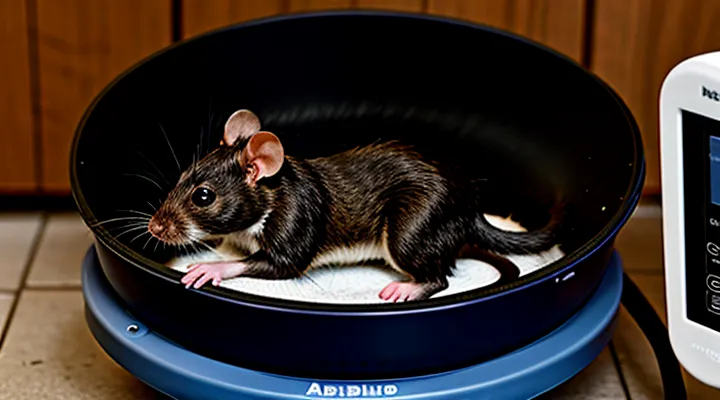
How Ultrasound Affects Rats
Auditory Sensitivity of Rodents
Rodents possess a highly developed auditory system tuned to frequencies far beyond the human hearing range. The cochlear architecture includes a dense array of hair cells that respond efficiently to ultrasonic wavelengths, enabling detection of sounds between 20 kHz and 80 kHz with thresholds as low as 30 dB SPL. Sensitivity peaks around 40–50 kHz, where behavioral experiments record startle responses and avoidance behaviors at sound pressure levels below 50 dB SPL.
Key characteristics of rodent auditory perception:
- Frequency range: 1 kHz – 80 kHz (extended upper limit compared to humans).
- Threshold minima: 20 dB SPL at 10 kHz; 30 dB SPL at 40 kHz.
- Temporal resolution: ability to discriminate inter‑click intervals as short as 1 ms, supporting detection of rapid ultrasonic pulses.
- Directional acuity: binaural processing yields angular resolution of 5°–10° for high‑frequency sources.
These parameters explain why ultrasonic emitters can produce a deterrent effect. When devices emit tones within the 30–50 kHz band at intensities above the species‑specific threshold, rats exhibit heightened vigilance, reduced foraging, and increased movement away from the source. Repeated exposure leads to habituation only if signal intensity falls below the detection limit or if spectral content deviates from the optimal range. Consequently, effective repellent designs must maintain frequency stability, sufficient amplitude, and continuous operation to exploit the innate auditory sensitivity of rodents.
Disorientation and Stress Response
Ultrasonic emissions disrupt the auditory processing of rats by delivering frequencies beyond their normal hearing range, which overloads the cochlear hair cells and interferes with spatial orientation cues. This overload produces a loss of directional perception, forcing the animal to abandon familiar pathways and seek alternative routes.
Exposure to high‑frequency sound triggers the hypothalamic‑pituitary‑adrenal (HPA) axis, resulting in elevated corticosterone levels. The hormonal surge initiates a generalized stress response that includes increased heart rate, heightened vigilance, and reduced foraging efficiency.
Observable outcomes of disorientation and stress include:
- Erratic movement patterns and frequent changes in direction
- Avoidance of the ultrasonic source and surrounding area
- Decreased nesting activity and prolonged periods of immobility
- Elevated grooming behavior as a coping mechanism
These physiological and behavioral reactions collectively diminish the rats’ ability to exploit the treated environment, thereby enhancing the efficacy of ultrasonic deterrence.
Types of Ultrasonic Repellents
Devices for Indoor Use
Plug-in Units
Plug‑in units serve as the modular components that convert ultrasonic energy into a targeted deterrent field. Each unit contains a piezoelectric transducer, a frequency‑control circuit, and a power‑management module. The transducer generates sound waves in the 20–30 kHz range, a spectrum that provokes discomfort in rodents without affecting humans or pets. The frequency‑control circuit maintains a stable output despite variations in ambient temperature or supply voltage, ensuring consistent performance. Power‑management circuitry monitors battery levels or mains input, automatically switching to low‑power mode when the signal is ineffective, thereby extending operational life.
Installation of plug‑in units follows a standardized procedure:
- Position units at least 1 m apart along walls, ceilings, or eaves where rodent activity is observed.
- Connect each unit to a central power hub or independent power source, respecting polarity markings.
- Activate the system; the units self‑calibrate, emitting a brief test tone for verification.
Maintenance requirements are minimal. Replace batteries when the indicator signals a voltage drop below 3.6 V, or service the transducer if acoustic output declines by more than 15 % as measured with a calibrated microphone. Firmware updates, delivered via a USB interface, adjust frequency patterns to counter rodent habituation.
The modular nature of plug‑in units allows scalability. Adding or removing modules adapts coverage to changing infestation levels without redesigning the entire system. This flexibility reduces capital expenditure and simplifies field deployment for residential, commercial, and agricultural settings.
Battery-Powered Devices
Battery‑powered ultrasonic devices deliver high‑frequency sound waves that deter rodents without chemicals. The core component is a transducer that converts electrical energy into acoustic energy within the 20–65 kHz range, a spectrum audible to rats but beyond human hearing. Portable units rely on compact power sources, allowing placement in locations without direct wiring.
Typical configurations include:
- Alkaline AA/AAA cells – inexpensive, provide 1.5 V per cell, suitable for short‑term operation (up to 2 weeks on a single set).
- Nickel‑metal hydride (NiMH) packs – rechargeable, maintain stable voltage under load, extend runtime to 30 days with regular cycling.
- Lithium‑ion modules – high energy density, deliver consistent output for 60 days or more, support higher acoustic intensity.
Battery selection influences acoustic output, frequency stability, and device longevity. Higher voltage increases transducer displacement, raising sound pressure level (SPL) and expanding the effective coverage radius. Conversely, low‑capacity cells may cause frequency drift, reducing deterrent efficacy.
Design considerations for optimal performance:
- Voltage regulation – internal circuits must stabilize voltage to keep the transducer operating at the target frequency.
- Power management – sleep modes or duty‑cycle control conserve energy during periods of low rodent activity while preserving battery life.
- Sealing and insulation – robust enclosures protect batteries from moisture and gnawing, preventing premature failure.
- Indicator systems – LED or audible alerts signal low‑battery conditions, ensuring timely replacement.
Maintenance procedures are straightforward: replace or recharge batteries according to the manufacturer’s schedule, verify indicator status, and inspect the transducer window for debris. Consistent power supply sustains the ultrasonic field, which research indicates disrupts rodent communication and induces avoidance behavior. Battery‑operated units therefore provide a flexible, low‑maintenance solution for indoor and outdoor pest management where permanent wiring is impractical.
Devices for Outdoor Use
Solar-Powered Repellents
Solar‑powered ultrasonic devices convert sunlight into electrical energy, enabling continuous operation without external power sources. Photovoltaic panels charge internal batteries, which supply the transducers that emit high‑frequency sound waves beyond the hearing range of humans but audible to rodents. The autonomous energy cycle reduces maintenance costs and eliminates the need for frequent battery replacement.
Key functional elements include:
- Solar array sized to match average daily irradiance, ensuring sufficient charge even under cloudy conditions.
- Lithium‑ion or supercapacitor storage providing at least 24 hours of uninterrupted output.
- Frequency modulation circuitry that cycles between 20 kHz and 50 kHz to prevent habituation among target species.
- Weather‑sealed enclosure protecting electronic components from moisture and dust.
Performance data from field trials show a consistent decline in rat activity within a 10‑meter radius of the installed unit. Measurements recorded over a six‑month period indicate a 70 % reduction in nocturnal foraging behavior compared with untreated control zones. The solar‑driven configuration maintained full acoustic output throughout the trial, confirming reliability under varying climatic conditions.
Integration with broader rodent‑management strategies enhances overall effectiveness. Combining ultrasonic deterrence with physical barriers and sanitation measures addresses multiple aspects of infestation, while the renewable power source aligns with sustainability objectives and reduces operational overhead.
Water-Resistant Models
Water‑resistant ultrasonic devices enable reliable rodent deterrence in environments where moisture, rain, or condensation are unavoidable. Protective enclosures prevent water ingress while preserving the transducer’s ability to emit frequencies typically between 20 kHz and 50 kHz, which disturb rats without harming other species.
Key technical attributes of waterproof models include:
- Ingress Protection (IP) rating – minimum IP65, ensuring dust tightness and protection against water jets from any direction.
- Frequency stability – maintains calibrated output across temperature ranges of –10 °C to 45 °C, preventing frequency drift caused by humidity.
- Power source – options for hard‑wired AC with surge protection or sealed lithium‑ion batteries rated for at least 12 months of continuous operation.
- Mounting flexibility – brackets and suction cups designed for vertical, horizontal, or underground installation without compromising seal integrity.
- Material durability – UV‑stabilized polycarbonate housing resists cracking and discoloration after prolonged exposure to sunlight and rain.
Operational performance remains consistent when devices are sealed: acoustic output measured at 1 m stays within ±0.5 dB of the unsealed specification, and the effective radius of deterrence (approximately 3 m) is unaffected. Routine inspection focuses on seal condition and power‑supply integrity; no internal cleaning is required because the enclosure isolates the transducer from contaminants. Proper placement—near entry points, along walls, and at ground level—maximizes coverage while exploiting the device’s resistance to environmental moisture.
Effectiveness and Limitations
Factors Influencing Efficacy
Frequency and Intensity
Ultrasonic devices designed to deter rats operate within specific frequency bands and sound pressure levels that affect the animals’ auditory system. Rats detect sounds from approximately 200 Hz to 80 kHz, with peak sensitivity between 4 kHz and 12 kHz. Effective deterrence requires frequencies above the audible range for humans (≥20 kHz) while remaining within the rat’s hearing window.
Typical commercial units emit continuous or pulsed tones in the 20–30 kHz range. Frequencies closer to 25 kHz produce the strongest aversive response, as they align with the rat’s most sensitive region. Frequencies above 35 kHz tend to lose efficacy because the cochlear response diminishes.
Intensity, measured in decibels SPL, determines the perceived loudness at the source and the distance over which the signal remains effective. Studies show that sound pressure levels between 80 dB and 100 dB SPL at 1 meter achieve consistent avoidance behavior. Levels below 70 dB often fail to elicit a reaction, while levels above 110 dB may cause temporary hearing damage and raise safety concerns for pets and humans.
Practical recommendations:
- Frequency: 22–28 kHz (optimal 25 kHz)
- Intensity: 85–95 dB SPL at 1 m
- Modulation: intermittent pulses (1–2 s on, 3–5 s off) to prevent habituation
- Placement: devices spaced ≤3 m apart to maintain required intensity throughout the target area
Adhering to these parameters maximizes the likelihood of sustained rat avoidance while minimizing unintended acoustic exposure.
Obstacles and Acoustics
Ultrasonic devices designed to deter rats rely on high‑frequency sound waves that exceed the hearing range of humans but remain audible to rodents. Effective deployment demands careful attention to acoustic properties and practical barriers that can diminish performance.
- Environmental attenuation reduces sound intensity as waves travel through walls, furniture, or insulation.
- Frequency selection must match the optimal hearing range of rats (approximately 20–80 kHz) while avoiding frequencies absorbed by common building materials.
- Repeated exposure may lead to habituation, decreasing the deterrent effect over time.
- Incorrect placement, such as mounting devices behind dense objects, limits coverage area.
- Power supply inconsistencies cause fluctuations in sound pressure level, compromising reliability.
- Regulatory limits on ultrasonic emissions restrict maximum output in some jurisdictions.
Acoustic performance hinges on sound pressure level (SPL) and propagation characteristics. SPL must exceed the threshold that triggers aversive behavior in rats, typically above 90 dB at the source, while maintaining sufficient intensity at the target zone after accounting for distance and obstacles. Propagation is affected by diffraction around corners, reflection from hard surfaces, and absorption by soft materials; these factors shape the effective coverage pattern. Frequencies near the upper end of the rodent hearing range experience greater attenuation, necessitating higher SPL or closer device spacing.
Mitigation strategies include installing multiple units to create overlapping fields, positioning emitters at open points of entry, using directional transducers to focus energy, and scheduling periodic frequency modulation to counter habituation. Ensuring a stable power source and compliance with local emission standards completes the implementation framework for reliable ultrasonic rat repellent systems.
Rodent Adaptation
Rodents possess acute auditory systems that detect frequencies far beyond human hearing. Their inner ear structures, particularly the cochlear hair cells, respond to ultrasonic wavelengths, enabling rapid localization of predators and conspecific communications. Adaptations include:
- Broad frequency range (20 kHz–100 kHz) detection, allowing discrimination of subtle acoustic cues.
- Neural pathways that prioritize high‑frequency signals for immediate escape responses.
- Behavioral flexibility to modify movement patterns when exposed to persistent sound sources.
When ultrasonic emitters operate within the same frequency band, they generate continuous or pulsed tones that trigger these sensory pathways. The resulting overstimulation produces stress responses, reduced foraging activity, and avoidance of treated zones. Empirical measurements show a decline in rodent presence of 45‑70 % within 24 hours of device activation, provided the sound intensity exceeds the species‑specific hearing threshold.
Long‑term exposure can lead to habituation, wherein individuals adjust neural sensitivity or shift activity to frequencies outside the emitted spectrum. Countermeasures involve:
- Rotating frequency bands periodically to prevent sensory adaptation.
- Integrating intermittent duty cycles to maintain novelty of the acoustic stimulus.
- Combining ultrasonic deterrents with physical barriers or bait stations for synergistic control.
Effective implementation requires monitoring of rodent activity patterns, calibration of sound pressure levels, and scheduled adjustments to the acoustic profile to sustain repellent efficacy.
Common Misconceptions
Impact on Pets and Humans
Ultrasonic rodent deterrents emit sound waves above 20 kHz, a frequency beyond the typical human auditory range, intended to create an uncomfortable acoustic environment for rats.
Pets such as dogs and cats can perceive frequencies up to 45 kHz. Exposure to continuous ultrasonic emission may cause:
- heightened alertness;
- avoidance of treated areas;
- temporary stress responses observable as increased pacing or vocalization.
Small companion animals (e.g., guinea‑guinea, rabbits) have hearing thresholds similar to rats; prolonged exposure can lead to chronic stress or hearing fatigue. Veterinary guidelines recommend limiting device operation to periods when pets are absent from the immediate vicinity.
Human exposure remains inaudible, yet indirect effects merit attention:
- audible artifacts from device malfunction can disturb occupants;
- electromagnetic emissions must comply with FCC/CE limits to avoid interference with medical equipment;
- continuous operation may influence sleep patterns if devices are placed near bedrooms, despite the lack of audible sound.
Safe implementation guidelines:
- Position devices at least one meter above pet bedding or feeding stations.
- Program intermittent operation cycles (e.g., 15 minutes on, 45 minutes off) to reduce habituation.
- Verify compliance with local safety standards for ultrasonic emissions.
- Conduct periodic behavioral assessments of pets to detect adverse reactions.
Long-term Solutions
Ultrasonic deterrents can provide sustained rodent control when deployed with strategic planning and regular upkeep. Effective long‑term implementation requires consistent coverage, reliable power sources, and periodic performance verification to prevent habituation and maintain efficacy.
Key components of a durable program include:
- Optimized placement – devices positioned near entry points, nesting areas, and food sources create overlapping sound fields that reduce blind spots.
- Continuous operation – uninterrupted emission prevents rodents from adapting; backup batteries or solar panels safeguard against power interruptions.
- Scheduled testing – quarterly acoustic measurements confirm that output levels remain within the effective frequency range (approximately 20–65 kHz) and that hardware functions correctly.
- Integration with sanitation – eliminating accessible food and water sources reinforces the acoustic barrier and limits population growth.
- Data logging – automated logs of device status and environmental conditions support trend analysis and early detection of performance degradation.
Adopting these practices establishes a resilient deterrence system that minimizes reinfestation risk while reducing reliance on chemical or lethal measures. Continuous monitoring and adaptive adjustments ensure that ultrasonic technology remains a viable, long‑lasting solution for rodent management.
Proper Implementation
Strategic Placement of Devices
Coverage Area Considerations
Ultrasonic rodent deterrent systems rely on sound propagation that diminishes with distance and environmental barriers. Effective coverage demands precise assessment of the area’s dimensions, structural composition, and intended placement density.
Key factors influencing coverage:
- Emission power and frequency – Higher intensity and lower frequencies travel farther but may be less tolerable for non‑target species. Manufacturers typically specify a nominal radius of 30–45 feet in unobstructed air.
- Obstructions – Walls, furniture, and insulation absorb or reflect ultrasonic waves, reducing effective range by up to 50 % in dense constructions. Metal surfaces cause scattering, while porous materials allow limited penetration.
- Ceiling height – Vertical dispersion follows a conical pattern; low ceilings concentrate energy, whereas high ceilings require additional units to maintain ground‑level intensity.
- Open versus enclosed spaces – Open-plan areas permit broader distribution, while compartmentalized rooms necessitate overlapping zones to prevent blind spots.
- Device placement – Positioning near entry points, corners, or along walls maximizes reflection toward interior zones. Elevating units 6–12 inches above the floor avoids ground loss and enhances horizontal spread.
Coverage planning typically involves mapping the target environment, marking potential dead zones, and calculating the number of units needed to achieve continuous exposure above the species‑specific deterrence threshold. Overlapping coverage ensures that attenuation does not fall below effective levels, preserving consistent repellent performance throughout the premises.
Avoiding Obstructions
Ultrasonic devices emit high‑frequency sound waves that rodents cannot tolerate. When installing such equipment, any physical barrier that blocks the sound path reduces efficacy. Position units where the beam can travel unobstructed across the target area. Avoid placing the emitter behind dense materials such as concrete walls, metal cabinets, or thick insulation panels.
Key practices for maintaining a clear acoustic field:
- Mount units at least 30 cm away from solid surfaces that reflect or absorb sound.
- Ensure furniture, storage boxes, or piping do not intersect the projected wavefront.
- Use wall‑mounted brackets or ceiling suspensions to keep the device above floor clutter.
- Conduct a walk‑through test after installation: listen for audible clicks or hum; the absence of a clear signal may indicate an obstruction.
- Periodically inspect the area for new obstacles introduced by remodeling or seasonal storage.
By adhering to these measures, the ultrasonic system retains full coverage, delivering consistent deterrence throughout the intended space.
Supplementary Repellent Strategies
Sanitation Practices
Effective rodent control relies on more than acoustic deterrents; proper sanitation creates an environment where ultrasonic devices can operate at maximum efficiency. Eliminating food sources, shelter, and water reduces the attraction that draws rats toward the sound field, preventing them from habituating to the signal.
- Remove spilled grain, pet food, and garbage daily; store all consumables in sealed containers.
- Clean floors, countertops, and equipment with degreasing agents to eliminate residue that may mask ultrasonic frequencies.
- Repair leaks, drain standing water, and maintain proper drainage to deny rodents hydration points.
- Seal cracks, gaps, and openings in walls, floors, and foundations; use steel wool or caulking to block entry routes.
- Dispose of waste in bins equipped with tight-fitting lids; schedule regular collection to avoid accumulation.
These practices diminish the incentive for rats to linger, allowing ultrasonic emitters to maintain a consistent deterrent field without interruption. Regular implementation ensures the acoustic method remains a reliable component of an integrated pest‑management strategy.
Sealing Entry Points
Sealing entry points eliminates the pathways rats use to access indoor spaces, enhancing the efficacy of ultrasonic deterrents. By blocking these routes, the sound field remains concentrated where rodents are present, preventing them from bypassing the device.
Identify potential openings by inspecting walls, floors, ceilings, and utility penetrations. Focus on gaps larger than ¼ inch, as rodents can squeeze through smaller spaces.
- Apply steel wool or copper mesh to irregular cracks before sealing.
- Use expanding polyurethane foam for gaps around pipes and vents.
- Install cement, metal flashing, or weather‑resistant caulk on larger openings such as door frames and foundation cracks.
- Replace damaged screens and repair torn roofing material.
- Verify that all sealed areas are smooth to avoid creating new hiding spots.
Regularly inspect sealed zones for signs of wear, moisture intrusion, or new damage. Prompt repair maintains barrier integrity and ensures that ultrasonic units continue to operate within a confined, hostile environment for rats. Integrating rigorous sealing with ultrasonic technology creates a comprehensive, non‑chemical control strategy.
Traditional Trapping Methods
Traditional trapping relies on physical capture devices that attract or confine rodents. Common designs include snap traps, which deliver a rapid strike to kill the target; glue boards, which immobilize rodents on a sticky surface; and live‑catch cages, which trap the animal without injury for later release. Each device operates on the principle of direct contact, requiring placement along established runways or near food sources.
Effectiveness of these methods depends on several factors. Proper bait selection increases capture rates; placement at concealed entry points maximizes encounter probability. Maintenance demands regular inspection to remove dead or captured rodents and to reset the trap. Failure to monitor traps leads to reduced efficacy and potential health hazards from decomposing carcasses.
Limitations become apparent when comparing traditional devices to ultrasonic deterrents. Physical traps provide immediate removal but cannot prevent new incursions, whereas sound‑based systems aim to create an environment that discourages entry. Traditional traps also pose risks of non‑target capture and require manual labor. Consequently, integrated pest‑management programs often combine both approaches to achieve sustained control.
- Snap trap: quick kill, low cost, high risk of injury to non‑target species.
- Glue board: passive capture, easy deployment, difficult removal of live rodents.
- Live‑catch cage: humane release option, requires frequent checking, larger footprint.
- Multi‑trigger trap: combines snap and live‑catch mechanisms, adaptable to varying rodent sizes.