
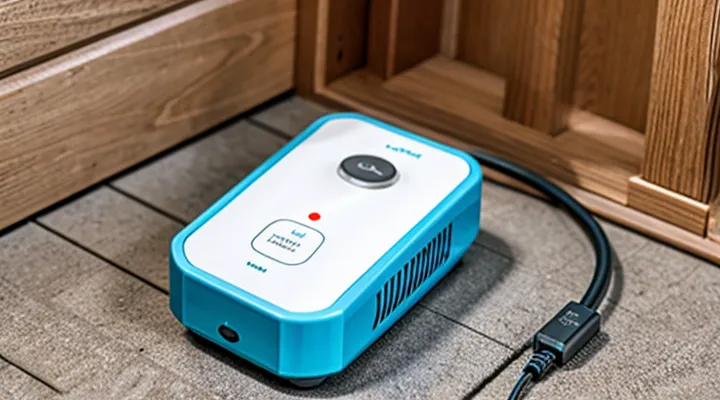
Understanding Ultrasonic Pest Repellers
What is Ultrasonic Sound?
Frequency Range and Human Perception
Ultrasonic devices designed to deter rodents operate primarily within the 20 kHz to 65 kHz band. Frequencies below 20 kHz are audible to humans and many domestic animals, while the upper limit approaches the threshold of human hearing. Most commercial units emit pulses in the 30 kHz‑45 kHz range, a zone where mice and rats exhibit heightened sensitivity yet remain beyond typical human perception.
Human auditory thresholds decline sharply after 20 kHz. Average adults detect sounds up to approximately 18 kHz; individuals with exceptional hearing may perceive frequencies marginally above this limit, but detection becomes inconsistent. Consequently, ultrasonic emissions intended for pest control are unlikely to be consciously heard, reducing the risk of discomfort or annoyance for occupants.
Key characteristics of the frequency spectrum relevant to rodent deterrence:
- 20 kHz‑25 kHz: partially audible, may cause mild irritation in sensitive listeners.
- 25 kHz‑30 kHz: largely inaudible, still within the hearing range of some small mammals.
- 30 kHz‑45 kHz: optimal for targeting mouse and rat auditory systems, virtually silent to humans.
- 45 kHz‑65 kHz: increasingly attenuated by air, effectiveness diminishes with distance.
The perception gap between humans and rodents underpins the practical application of ultrasonic repellent technology. Devices calibrated to emit within the 30 kHz‑45 kHz window maximize rodent response while maintaining acoustic invisibility for people sharing the environment.
How Ultrasonic Devices Work
Ultrasonic pest‑control devices generate acoustic energy at frequencies above the human hearing threshold, typically ranging from 20 kHz to 65 kHz. A piezoelectric transducer converts electrical voltage into rapid mechanical vibrations, producing sound waves that propagate through air and building structures. The emitted signal is often modulated, alternating between frequencies or employing pulse‑width variation to prevent habituation by target rodents.
Key technical elements include:
- Power supply delivering a stable voltage to the transducer.
- Frequency‑control circuitry that selects and varies output tones.
- Amplifier stage boosting the signal to achieve sufficient sound pressure level.
- Protective housing that directs acoustic energy toward occupied spaces while shielding electronic components.
The sound pressure level (SPL) required for deterrence generally exceeds 90 dB at the source, diminishing with distance according to the inverse‑square law. Effective coverage depends on room geometry, material absorption, and placement height; optimal positioning is near ceiling corners where sound can disperse evenly.
When a mouse or rat detects an ultrasonic tone, its auditory system registers the stimulus as a threat, triggering avoidance behavior. Continuous exposure leads to stress responses that discourage habitation. Devices designed for residential use often incorporate timers or motion sensors to activate only when occupancy is detected, reducing energy consumption and limiting unnecessary acoustic emissions.
Common Claims and Marketing
Manufacturer Promises
Manufacturers of ultrasonic rodent deterrent devices commonly assert several specific performance attributes. Claims focus on the ability of emitted high‑frequency sound to create an inhospitable environment for mice and rats, thereby reducing infestation levels without chemical intervention.
Typical promises include:
- «Coverage of up to 200 m²», indicating the spatial range within which the device maintains audible intensity.
- «Continuous operation for 24 hours», suggesting uninterrupted emission regardless of ambient conditions.
- «Safety for humans, pets, and non‑target wildlife», emphasizing non‑lethal, non‑contact functionality.
- «Warranty of three years», reflecting confidence in component durability and long‑term reliability.
- «Effectiveness verified by independent laboratory testing», implying objective validation of repellent efficacy.
These statements serve to differentiate products in a competitive market, providing prospective buyers with measurable criteria for evaluation.
Consumer Expectations
Consumer expectations for ultrasonic rodent deterrents focus on measurable outcomes, reliability, and safety. Buyers require evidence that devices produce frequencies beyond human hearing yet disruptive to rodent auditory systems. They anticipate clear specifications of frequency range, power output, and coverage area, allowing comparison across products.
Key expectations include:
- Demonstrated reduction in rodent activity within a defined period, supported by independent testing or peer‑reviewed studies.
- Continuous operation without degradation of acoustic intensity, confirmed by durability data and warranty terms.
- Compatibility with household environments, meaning low electromagnetic interference, silent operation for humans, and compliance with safety regulations.
- Transparent pricing that reflects performance claims, avoiding inflated costs for unverified technology.
Consumers also expect straightforward installation guidelines and minimal maintenance. Documentation should outline optimal placement, required power source, and troubleshooting steps. Warranty coverage and responsive customer support reinforce confidence in the product’s efficacy and long‑term value.
Scientific Evidence and Research
Studies on Effectiveness
Laboratory vs. Field Trials
Laboratory investigations provide controlled environments where ultrasonic emitters can be positioned at precise distances from test rodents, allowing measurement of immediate behavioral responses such as avoidance, startle, and reduced activity. Variables such as frequency range, amplitude, and exposure duration are systematically altered, producing reproducible data on device efficacy under ideal conditions. Results often show high levels of short‑term deterrence, with rodents exhibiting rapid cessation of feeding and increased locomotion away from the source.
Field evaluations introduce complex variables absent in the laboratory, including structural acoustics of buildings, ambient noise, and heterogeneous rodent populations. Devices are installed in typical infestation sites—basements, attics, and storage areas—where effectiveness is assessed over weeks or months. Observations frequently reveal diminished performance compared to laboratory settings, attributed to factors such as sound attenuation by building materials, habituation of rodents, and interference from other ultrasonic sources.
Key distinctions between controlled experiments and real‑world deployments include:
- Environmental control: laboratory tests eliminate external noise; field trials contend with variable acoustic environments.
- Population dynamics: laboratory subjects are limited in number and species; field sites host mixed, often larger populations.
- Duration of observation: laboratory sessions last minutes to hours; field monitoring extends across weeks, capturing long‑term habituation.
- Measurement metrics: laboratory studies focus on immediate behavioral indices; field studies rely on indirect indicators such as trap capture rates and damage assessments.
Understanding these differences informs the interpretation of efficacy data and guides the development of ultrasonic deterrent systems that remain reliable outside the laboratory.
Targeted Pests: Mice vs. Rats
Ultrasonic repellents operate within a frequency band that exceeds the audible range of most mammals. Mice and rats share a rodent classification but differ in auditory sensitivity, habitat preferences, and behavioral patterns, which influences the efficacy of acoustic deterrents.
Mice possess a hearing range extending up to approximately 90 kHz, with peak sensitivity around 30–40 kHz. Devices calibrated to emit frequencies between 20 kHz and 50 kHz can generate a discomfort response, prompting avoidance of treated zones. Rats exhibit a lower upper limit, typically around 70 kHz, and show reduced sensitivity to frequencies above 40 kHz. Consequently, ultrasonic emitters that prioritize higher frequencies may have diminished impact on rat populations.
Key distinctions affecting repellent performance:
- Frequency alignment – Mice respond to a broader high‑frequency spectrum; rats require lower‑frequency emphasis for optimal deterrence.
- Size and body mass – Larger body mass of rats reduces the relative intensity of perceived acoustic pressure, demanding higher sound pressure levels for comparable effect.
- Habitat utilization – Mice favor concealed indoor niches (e.g., wall voids, cabinets); ultrasonic waves attenuate rapidly through dense materials, limiting penetration. Rats often occupy open basements or crawl spaces where wave propagation is less obstructed.
- Social behavior – Mice display heightened wariness to novel stimuli, leading to rapid displacement. Rats, as more exploratory animals, may habituate to constant ultrasonic exposure, diminishing long‑term efficacy.
Empirical assessments indicate that devices offering adjustable frequency ranges and sufficient sound pressure can achieve measurable reduction of mouse activity within enclosed environments. For rat control, success rates improve when ultrasonic output is combined with complementary methods such as mechanical barriers or bait stations, addressing the species’ lower acoustic sensitivity and propensity for habituation.
Overall, the differential auditory thresholds and ecological habits of mice and rats necessitate tailored ultrasonic settings and, in many cases, integrated pest‑management strategies to sustain deterrent effectiveness.
Factors Influencing Efficacy
Sound Intensity and Range
Effective pest deterrence using high‑frequency acoustic emission depends on two measurable parameters: «sound intensity» and «range». Both determine whether target rodents perceive the signal as aversive.
Typical devices emit frequencies between 20 kHz and 65 kHz at peak levels of 85 dB SPL to 100 dB SPL measured at one metre from the source. Laboratory data indicate that values below 80 dB SPL rarely produce a measurable avoidance response, while levels above 95 dB SPL increase the likelihood of habituation in non‑target species.
Propagation of «ultrasonic» waves diminishes rapidly with distance due to atmospheric absorption and surface reflections. At 25 °C and 50 % relative humidity, attenuation averages 1 dB per metre for 30 kHz and rises to 2 dB per metre for 50 kHz. Obstacles such as walls, furniture, and flooring can add 3 dB to 6 dB of loss per barrier, reducing effective coverage to a radius of 1 m – 2 m in cluttered environments.
Practical deployment guidelines:
- Position emitters at least 30 cm above the floor to minimize ground‑absorption losses.
- Align devices toward open pathways rather than enclosed corners to preserve acoustic energy.
- Use multiple units spaced 1.5 m apart in large rooms to maintain overlapping fields above the 85 dB SPL threshold.
- Verify field strength with a calibrated SPL meter before sealing the installation.
Adhering to these intensity and range specifications maximizes the probability of sustained rodent avoidance while limiting exposure to non‑target fauna.
Obstructions and Absorption
Ultrasonic devices emit frequencies above 20 kHz, a range inaudible to humans but detectable by rodents. Physical barriers such as walls, furniture, and insulation disrupt the propagation path, causing attenuation and creating shadow zones where the signal strength falls below the threshold required to elicit a deterrent response. Materials with high density or moisture content—concrete, brick, glass, and water‑laden drywall—reflect and scatter ultrasonic waves, reducing coverage area.
Absorption further diminishes effectiveness. Fibrous substrates (carpet, acoustic panels) convert acoustic energy into heat, lowering the amplitude of the transmitted signal. Open‑cell foams and porous plastics exhibit similar behavior, especially at higher frequencies where absorption coefficients increase sharply. Consequently, the audible field contracts, leaving pockets of reduced intensity that rodents can inhabit without exposure.
Key considerations for optimal deployment:
- Position emitters at central locations, away from large solid objects.
- Elevate devices to avoid floor‑level absorption by carpets and rugs.
- Maintain a clear line of sight between the source and target zones; avoid placing units behind cabinets or inside enclosed cavities.
- Select frequencies in the lower ultrasonic band (20–30 kHz) when structural absorption is high, as lower frequencies penetrate obstacles more effectively.
- Conduct periodic field measurements using calibrated ultrasonic detectors to verify that signal levels exceed the deterrent threshold throughout the intended area.
Understanding how obstacles and material properties attenuate ultrasonic energy enables informed placement strategies, ensuring that the repellent system operates within its designed performance envelope.
Acclimatization and Habituation
Acclimatization describes the period during which rodents adjust to the presence of an ultrasonic device before any measurable behavioral change occurs. Initial exposure often triggers temporary avoidance, but the response may diminish as the animals become accustomed to the sound frequency and intensity. Effective repellent strategies therefore incorporate a pre‑deployment phase lasting several days, allowing the target species to experience the acoustic stimulus under controlled conditions.
Habituation refers to the learned reduction in response after repeated, non‑threatening exposure. When ultrasonic emissions remain constant and lack accompanying aversive cues, mice and rats may disregard the sound, rendering the device ineffective. Counteracting habituation requires periodic modulation of frequency, amplitude, or emission pattern to maintain novelty and prevent desensitization.
Key practices to manage acclimatization and habituation:
- Implement a ramp‑up schedule that gradually increases sound intensity over the initial 48‑72 hours.
- Rotate between multiple ultrasonic frequencies within the 20–65 kHz range to disrupt pattern recognition.
- Introduce intermittent silence intervals of 10–15 minutes every hour to avoid continuous exposure.
- Combine acoustic deterrence with complementary methods such as physical barriers or scent repellents for reinforced effect.
Practical Considerations for Use
Device Placement and Coverage
Optimal Locations
Optimal placement of ultrasonic emitters determines the degree of rodent deterrence. Devices must be positioned where sound waves can travel unobstructed and reach typical rodent pathways.
• Near entry points such as gaps under doors, vents, and foundation cracks.
• Along walls adjacent to stored food, pantry shelves, and waste containers.
• In concealed areas where rodents nest, including attic corners, crawl‑space junctions, and basement utility rooms.
• At heights of 12–18 inches (30–45 cm) above the floor, matching the average rodent flight path.
Avoid locations with dense furnishings, thick curtains, or metal cabinets that absorb ultrasonic frequencies. Ceiling‑mounted units lose efficacy because sound disperses upward, away from ground‑level activity. Open‑space environments, such as garage aisles or open‑plan storage rooms, allow maximal propagation.
Multiple units may be required in large structures; spacing of 15–20 ft (4.5–6 m) ensures overlapping coverage without dead zones. Power sources should be within reach of wall outlets to maintain continuous operation, and units must be mounted securely to prevent displacement by animal movement.
Regular inspection of placement points guarantees that devices remain functional and correctly oriented, preserving the intended repellent effect.
Area Limitations
Ultrasonic devices designed to deter rodents operate within a limited spatial envelope. Typical units emit frequencies at intensities that lose effectiveness beyond a radius of 20–30 feet, depending on model specifications. Obstacles such as walls, furniture, and insulation absorb or reflect sound waves, creating dead zones where the signal fails to reach the target area. Consequently, placement strategies must account for line‑of‑sight pathways and avoid enclosing the emitter within dense material.
Key considerations for optimal coverage:
- Effective radius – manufacturers list a maximum range; real‑world performance often falls 10–20 % short of that figure.
- Barrier impact – concrete, metal, and thick wood diminish transmission; open‑plan layouts sustain longer propagation.
- Multiple units – overlapping fields compensate for shadowed zones; spacing should ensure continuous exposure without excessive redundancy.
- Ceiling and floor integration – mounting devices at mid‑height reduces ground‑level absorption and improves horizontal dispersion.
- Environmental noise – ambient ultrasonic sources (e.g., electronic equipment) can interfere, lowering perceived efficacy.
Measurements taken in controlled environments confirm that a single emitter rarely achieves uniform coverage in rooms exceeding 300 sq ft. Deploying additional units in larger spaces restores consistent exposure, provided that each unit’s coverage zones are verified for overlap. Manufacturers often cite the use of «wide‑area» models, but specifications still reflect the same physical constraints imposed by sound attenuation.
Complementary Pest Control Methods
Trapping and Baiting
Ultrasonic devices are commonly employed to discourage rodent activity, yet their impact on conventional capture methods warrants careful assessment. Evidence indicates that ultrasonic emissions can reduce the frequency of mouse and rat visits, thereby limiting the opportunities for traps and bait stations to be encountered. When rodents are less likely to traverse an area, the probability of successful capture declines, suggesting that ultrasonic deterrents may diminish the overall efficacy of physical control measures.
Integration of ultrasonic deterrence with trapping and baiting requires strategic placement. Devices should be positioned to complement, rather than replace, traditional tools. Recommended practices include:
- Locate ultrasonic emitters at a minimum distance of 3 feet from snap traps to avoid interference with the trap’s trigger mechanism.
- Position bait stations at least 4 feet away from active emitters to ensure rodents can detect and approach the lure without being repelled.
- Use a combination of passive traps (e.g., live‑catch cages) and active ultrasonic units in high‑traffic zones to maintain capture rates while reducing population pressure.
Monitoring outcomes is essential for determining the balance between deterrence and capture. Conduct baseline counts of trapped rodents before installing ultrasonic devices, then compare post‑installation data over a defined period. Adjust emitter intensity or relocate units based on observed changes in capture numbers, ensuring that ultrasonic use supports, rather than undermines, overall rodent management objectives.
Exclusion and Sanitation
Effective ultrasonic deterrence relies on an environment that prevents rodents from entering and eliminates factors that attract them. Exclusion measures focus on sealing all potential ingress points. Typical actions include installing metal flashing around utility penetrations, fitting tight-fitting door sweeps, and repairing gaps in foundation walls. Each opening larger than ¼ inch should be treated as a breach.
Sanitation reduces the availability of food, water, and shelter. Practices involve storing grain and pet food in sealed containers, promptly cleaning spills, and maintaining waste bins with tight lids. Regular removal of debris, vegetation, and compost piles near structures diminishes hiding places.
Implementing exclusion and sanitation alongside ultrasonic devices follows a logical sequence:
- Conduct a comprehensive inspection to identify structural vulnerabilities.
- Apply sealing materials (steel wool, silicone caulk, metal mesh) to all identified gaps.
- Establish a cleaning schedule that addresses food residues and moisture sources.
- Position ultrasonic emitters in areas where residual activity may persist, ensuring unobstructed sound propagation.
Consistent application of these steps creates conditions where ultrasonic technology can function at maximum efficiency, limiting rodent populations without reliance on chemical controls.
Potential Drawbacks and Limitations
Cost of Devices
Ultrasonic rodent deterrent devices vary widely in price, reflecting differences in technology, coverage area, and additional features.
Key cost components include:
- «Device power output»: higher decibel levels and broader frequency ranges increase manufacturing complexity and price.
- «Coverage radius»: models designed for large warehouses or multi‑room residential use require more powerful transducers, raising cost.
- «Power source»: battery‑operated units often carry a premium for rechargeable cells, whereas plug‑in models are typically lower priced.
- «Smart integration»: products with Wi‑Fi connectivity, mobile app control, or sensor‑based activation add to the overall expense.
Typical price brackets are:
- Basic units: $20–$40, limited to single‑room coverage, modest power output, no connectivity.
- Mid‑range models: $50–$100, cover multiple rooms, include adjustable frequency settings, and may offer basic remote control.
- Premium systems: $120–$250, provide extensive coverage, adaptive frequency modulation, and integrated smart‑home compatibility.
Additional considerations affect total cost of ownership. Warranty periods range from one to three years, influencing long‑term value. Replacement transducers or batteries can add $10–$30 per component. Bulk purchases for commercial facilities often qualify for volume discounts, reducing per‑unit expense by up to 15 %.
When evaluating budget options, compare initial purchase price against coverage specifications, durability, and support services to determine cost‑effectiveness for the intended environment.
Impact on Pets and Children
Ultrasonic devices designed to deter rodents emit high‑frequency sound waves that are inaudible to most adults but can be perceived by small mammals, including household pets. Studies indicate that cats and dogs may experience temporary discomfort, manifested as ear irritation or altered behavior, when exposed to frequencies overlapping their hearing range. The intensity of the emitted signal declines rapidly with distance, reducing the risk of chronic exposure for animals that remain outside the immediate coverage zone.
Children are less likely to detect ultrasonic emissions because their auditory threshold for frequencies above 20 kHz is similar to that of adults. Nevertheless, prolonged proximity to an active unit can produce subtle physiological responses, such as increased heart rate or mild stress markers, especially in infants whose auditory systems are still developing. Manufacturers typically recommend placement of devices at least one meter above floor level and away from sleeping areas to minimize inadvertent exposure.
Key considerations for families:
- Position units near entry points rather than in living spaces occupied by pets or children.
- Verify that the device’s frequency range (usually 20–70 kHz) does not intersect with the hearing sensitivity of the specific animal species present.
- Conduct a brief observation period after installation; discontinue use if pets display signs of distress, such as excessive ear scratching or avoidance behavior.
- Follow manufacturer safety guidelines regarding continuous operation time and recommended distance from occupied areas.
Alternative Pest Control Strategies
Non-Chemical Approaches
Traps and Barriers
High‑frequency acoustic devices create an environment that discourages rodent activity; physical controls such as traps and barriers enhance this effect by providing direct capture or exclusion mechanisms.
Traps compatible with ultrasonic deterrence include:
- Snap traps positioned within the audible range of the device, allowing immediate immobilization of intruders that ignore the sound field.
- Live‑capture cages equipped with entry funnels that guide rodents toward a containment chamber while the ultrasonic source remains active.
- Electronic traps that deliver a rapid voltage pulse upon contact, synchronized with the deterrent’s coverage area to reduce escape opportunities.
Barriers that reinforce acoustic exclusion focus on sealing potential entry points and maintaining a continuous sound envelope:
- Mesh screens installed over ventilation openings, sized to block rodents while permitting airflow and preserving ultrasonic propagation.
- Sealant strips applied to gaps around doors, windows, and utility penetrations, preventing bypass of the sound field.
- Structural inserts such as metal flashing or concrete lintels that obstruct burrowing routes, ensuring that rodents encounter the deterrent zone before reaching interior spaces.
Integrating traps and barriers with ultrasonic systems yields a multi‑layered approach: acoustic signals deter initial intrusion, while mechanical obstacles capture or block any individuals that persist, thereby increasing overall control efficacy.
Natural Repellents
Ultrasonic devices emit high‑frequency sound waves that mammals cannot hear but that cause discomfort, prompting mice and rats to vacate treated areas. Natural repellents offer an alternative or complementary approach, relying on substances that deter rodents through scent, taste, or physiological irritation.
Common natural repellents include:
- Essential oils such as peppermint, eucalyptus, and citronella, applied to cotton balls or spray solutions near entry points.
- Capsaicin extracts derived from chili peppers, incorporated into granules or liquid formulations.
- Predator urine or synthetic ferret scent, placed in strategic locations to simulate the presence of a threat.
- Plant‑based powders like dried rosemary or cloves, scattered along baseboards and corners.
Effectiveness of these agents varies with concentration, placement, and environmental conditions. Studies indicate that peppermint oil can reduce rodent activity by 30‑50 % when refreshed daily, while capsaicin formulations achieve similar reductions when applied to surfaces rodents frequently contact. Predator scent products often produce short‑term avoidance but may lose potency as rodents habituate.
Integrating natural repellents with ultrasonic emitters can enhance overall control. Ultrasonic waves provide continuous, non‑chemical deterrence, whereas natural substances supply periodic sensory cues that reinforce avoidance behavior. Optimal deployment involves:
- Installing ultrasonic units at ceiling height, covering the entire target zone.
- Positioning natural repellent sources at known travel routes, feeding stations, and potential nesting sites.
- Monitoring activity levels weekly, adjusting repellent concentrations or emitter placement as needed.
Consistent application and periodic replacement of natural agents are essential to maintain efficacy, as volatility and degradation diminish potency over time. Combining mechanical and botanical strategies yields a comprehensive, low‑toxicity solution for rodent management.
Professional Pest Management
When to Call an Exterminator
Ultrasonic emitters can deter rodents by creating an uncomfortable acoustic environment, yet they rarely eliminate established colonies. Effectiveness diminishes when animals adapt to the frequency, when devices are placed incorrectly, or when the infestation exceeds a few individuals.
Typical indicators that professional pest control is required include:
- Continuous gnawing on structural components, wiring, or stored food.
- Presence of droppings in multiple locations, especially near food preparation areas.
- Evidence of nesting material such as shredded paper, insulation, or fabric.
- Repeated detection of live rodents after two weeks of ultrasonic treatment.
- Damage to insulation or wiring that poses fire risk.
Before contacting an exterminator, verify that ultrasonic units are installed according to manufacturer guidelines: proper height, unobstructed line of sight, and coverage of all entry points. Replace batteries or power sources, and eliminate easy food sources by sealing containers and cleaning spills. Conduct a brief inspection for entry gaps larger than ¼ inch and seal them with steel wool or caulk.
When selecting a pest‑control provider, prioritize certification from a recognized authority, documented success with rodent cases, and a guarantee of follow‑up visits. Ask for a written plan that outlines inspection methods, treatment options, and preventive measures. «Professional intervention ensures complete eradication and reduces the risk of structural damage», confirming that reliance on ultrasonic devices alone is insufficient for severe infestations.
Integrated Pest Management (IPM)
Integrated Pest Management (IPM) treats ultrasonic rodent deterrents as one element among cultural, mechanical, biological, and chemical tactics. Evaluation of acoustic devices focuses on measurable outcomes such as reduced capture rates in traps, lower damage reports, and sustained absence of activity over monitoring periods. Data collection typically involves baseline surveys, deployment of ultrasonic units, and periodic inspections to compare rodent indices before and after implementation.
Effectiveness assessment incorporates several criteria. First, frequency range and output power must align with the auditory sensitivity of mice and rats; devices operating below 20 kHz are ineffective, while those emitting broadband signals between 20 kHz and 60 kHz achieve higher repellency. Second, spatial coverage is quantified by the radius of audible field; overlapping zones ensure continuous protection in larger facilities. Third, durability of response is monitored, recognizing that rodents may habituate to constant signals; rotating frequencies or integrating intermittent operation mitigates adaptation.
Key components of an IPM program that includes ultrasonic technology:
- Regular inspection of structural entry points and sealing of gaps.
- Placement of ultrasonic emitters in high‑risk zones, calibrated to maintain target sound pressure levels.
- Use of snap traps or live‑capture devices to verify population trends.
- Documentation of damage levels and trap counts to guide adjustments.
- Combination with sanitation measures that remove food sources and nesting materials.
When integrated with complementary controls, ultrasonic devices contribute to a systematic reduction of rodent pressure, providing a non‑chemical option that aligns with regulatory and environmental objectives. Continuous monitoring and adaptive management sustain efficacy and prevent reliance on a single method.