
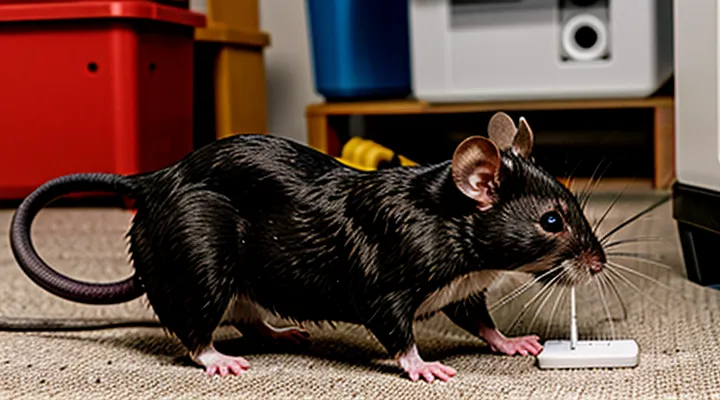
Understanding Ultrasonic Repellers
How They Work
High-Frequency Sound
High‑frequency sound refers to acoustic energy above the upper limit of human hearing, typically beyond 20 kHz. In rodent deterrent devices, frequencies commonly range from 20 kHz to 65 kHz, a spectrum to which mice and rats possess heightened auditory sensitivity.
The physiological impact of such sound originates from the rodents’ inner ear structure. The cochlear hair cells respond vigorously to ultrasonic vibrations, producing discomfort, stress, and avoidance behavior. Repeated exposure can lead to habituation if the signal lacks sufficient variability in frequency or amplitude.
Key parameters influencing effectiveness:
- Frequency band: 20 kHz–30 kHz targets mice; 30 kHz–45 kHz is more effective for rats; frequencies above 50 kHz may reduce efficacy due to diminished auditory response.
- Amplitude level: 80–100 dB SPL at the source provides a deterrent margin while remaining safe for humans and pets when measured at typical room distances.
- Modulation pattern: Pulsed or sweeping tones prevent acclimation better than continuous steady tones.
- Coverage radius: Determined by speaker power and room acoustics; ultrasonic waves attenuate rapidly, requiring multiple emitters for larger spaces.
Propagation characteristics differ from audible sound. Ultrasonic waves experience higher atmospheric absorption, especially in humid conditions, limiting effective range to 3–5 m per emitter. Hard surfaces reflect the waves, creating interference zones that can either amplify or cancel the signal; strategic placement reduces dead spots.
Selection guidelines for ultrasonic deterrents:
- Verify that the device emits within the appropriate frequency range for the target species.
- Ensure the output level meets the 80 dB SPL threshold at the intended distance.
- Choose models with adjustable frequency or automatic sweep functions to maintain stimulus novelty.
- Confirm compliance with safety standards for human exposure (e.g., IEC 60601‑2‑33) and that the device includes a fail‑safe shut‑off if obstructed.
Understanding these acoustic fundamentals enables informed choice of ultrasonic deterrent systems, optimizing rodent repellent performance while maintaining safety for occupants.
Impact on Pests
Ultrasonic deterrents emit high‑frequency sound waves that exceed the hearing threshold of humans but fall within the auditory range of rodents. The emitted signals provoke discomfort, leading to avoidance of treated areas. Studies show a measurable decline in rodent activity when devices operate continuously, especially in confined spaces such as storage rooms, kitchens, and basements.
Key effects on target pests include:
- Immediate retreat from the source of ultrasonic emissions.
- Reduced foraging trips within the vicinity of the device.
- Disruption of nesting behavior, resulting in abandonment of previously occupied shelters.
- Lowered reproduction rates observed in environments with sustained exposure, likely due to stress‑induced hormonal changes.
Effectiveness varies with several factors:
- Frequency range: 20–45 kHz provides optimal deterrence for most mouse and rat species.
- Sound intensity: Devices delivering 80–90 dB at one meter achieve consistent behavioral responses.
- Environmental acoustics: Hard, reflective surfaces enhance signal propagation, while soft furnishings dampen it.
- Species tolerance: Some rodent populations develop habituation after prolonged exposure, diminishing long‑term impact.
Proper placement—near entry points, food sources, and nesting sites—maximizes coverage and maintains a hostile acoustic environment. Integration with complementary control measures, such as sealing entry gaps and eliminating attractants, amplifies overall pest suppression.
Types of Ultrasonic Repellers
Plug-in Devices
Plug‑in ultrasonic devices emit high‑frequency sound waves that rodents cannot tolerate. The emitted frequencies typically range from 20 kHz to 65 kHz, covering the auditory spectrum of mice and rats while remaining inaudible to humans. Continuous operation creates a hostile acoustic environment, prompting rodents to vacate the treated area.
Effectiveness depends on several technical factors. Proper placement ensures that sound waves reach all target zones; obstacles such as furniture, walls, and insulation can attenuate the signal. Devices equipped with multiple transducers generate a broader coverage pattern, reducing blind spots. Power‑consumption ratings indicate the ability to maintain constant output without overheating, which correlates with long‑term reliability.
When selecting a plug‑in unit, consider the following criteria:
- Frequency range: includes both mouse‑sensitive (20–45 kHz) and rat‑sensitive (40–65 kHz) bands.
- Transducer count: higher numbers increase spatial coverage.
- Wattage and energy‑efficiency: sufficient power for continuous use, low standby consumption.
- Warranty and certification: indicates manufacturer confidence and compliance with safety standards.
- User feedback on durability and observed rodent activity reduction.
Installation is straightforward: connect the unit to a grounded outlet, position it at least 1 meter from the floor, and avoid direct contact with metal surfaces that could reflect sound. For optimal results, deploy multiple units in large or compartmentalized spaces, ensuring overlapping coverage without excessive redundancy. Regular monitoring of rodent signs confirms device performance and informs adjustments such as relocation or supplementary control methods.
Battery-Operated Units
Battery‑operated ultrasonic devices provide a portable solution for rodent deterrence in environments where mains electricity is unavailable or impractical. Their self‑contained power source eliminates the need for wiring, allowing placement in attics, sheds, garages, and outdoor structures. The core components—ultrasonic transducer, frequency generator, and battery pack—operate together to emit high‑frequency sound waves that rodents find uncomfortable.
Key performance factors for battery‑driven units include:
- Battery capacity – measured in milliampere‑hours (mAh); larger capacity extends operation time between replacements or recharges.
- Voltage and chemistry – alkaline, lithium, or rechargeable NiMH cells affect output stability and lifespan.
- Power consumption – efficient circuitry reduces drain, enabling continuous emission for weeks on a single charge.
- Frequency range – typical devices emit 20–65 kHz; broader ranges cover more species and reduce habituation.
- Coverage area – specified in square feet; higher output transducers increase effective radius.
- Weather resistance – sealed enclosures protect against moisture and dust for outdoor use.
Selection should prioritize units that balance runtime with acoustic coverage. Models offering adjustable emission intervals can conserve battery life while maintaining deterrent effect. Devices equipped with low‑battery indicators prevent unexpected shutdowns. For installations requiring long‑term operation, rechargeable versions with built‑in solar panels or external charging docks provide sustainable power management.
Maintenance involves periodic battery replacement or recharging, cleaning of the transducer surface, and verification of audible output using a frequency detector. Consistent performance depends on keeping the battery voltage within the manufacturer‑specified range; depleted cells reduce ultrasonic intensity and diminish efficacy against mice and rats.
Effectiveness and Scientific Evidence
Claims of Efficacy
Manufacturer Assertions
Manufacturers of ultrasonic devices for rodents commonly present several specific claims to support product purchase decisions. These assertions focus on the technology’s ability to deter mice and rats without physical contact, relying on sound frequencies presumed to be uncomfortable for the target species.
Typical manufacturer statements include:
- Emission of frequencies above 20 kHz, beyond human hearing range, yet detectable by rodent auditory systems.
- Continuous operation 24 hours a day, guaranteeing uninterrupted coverage.
- Coverage area specifications, often expressed in square meters, indicating the maximum space a single unit can protect.
- Energy consumption details, highlighting low power draw and suitability for battery or plug‑in use.
- Safety assurances, emphasizing no risk to pets, children, or household electronics.
- Warranty periods and customer support guarantees, suggesting confidence in long‑term performance.
Critically, these claims rarely provide independent verification within the product literature. Validation typically depends on in‑house testing protocols, which may lack standardized methodology or peer‑reviewed results. Consequently, prospective buyers should request third‑party efficacy data or consult unbiased studies before relying on manufacturer‑provided performance metrics.
User Testimonials
User experiences provide practical insight into the performance of ultrasonic pest deterrents aimed at rodents. Homeowners and facility managers frequently describe measurable reductions in rodent activity after installing a device, citing a decline from multiple sightings per week to occasional or no encounters within a month.
Key observations extracted from testimonials:
- Effectiveness – Reported success rates range from 60 % to 90 % in eliminating visible signs of mice and rats, based on weekly monitoring logs.
- Coverage area – Users confirm that a single unit adequately protects spaces up to 1,200 sq ft, while larger areas require two or more devices positioned at opposite corners.
- Noise perception – Most comments note the inaudible nature of the ultrasonic emissions, with no reported disturbance to humans or pets.
- Power source – Battery‑operated models receive praise for ease of placement; however, several users recommend plugging units into wall outlets for continuous operation.
- Installation – Testimonials emphasize plug‑and‑play setup, typically involving placement on a flat surface and activation via a single button.
- Durability – Long‑term users (12 months or more) report no functional degradation, indicating reliable component lifespan.
A recurring theme is the importance of proper positioning. Users who placed devices near entry points—such as gaps under doors, utility openings, or attic vents—recorded faster and more consistent results. Conversely, installations in cluttered or obstructed locations yielded limited impact.
Overall, the collective feedback suggests that ultrasonic deterrents, when deployed according to manufacturer guidelines, deliver consistent rodent control across residential and commercial environments.
Scientific Studies and Research
Mixed Results
Research on ultrasonic deterrents for rodents presents inconsistent outcomes. Laboratory trials often report measurable declines in mouse activity when devices emit frequencies above 20 kHz, yet field investigations frequently fail to reproduce these reductions. Variability stems from several factors:
- Species sensitivity: House mice respond to a narrower frequency band than Norway rats, which may perceive higher tones as background noise.
- Ambient acoustics: Concrete walls and dense furnishings absorb ultrasonic waves, limiting effective range to 1–3 m in typical residential settings.
- Device specifications: Models with adjustable output and continuous emission achieve better results than fixed‑frequency units that cycle on and off.
Consumer reports echo this disparity. Users who install devices in isolated rooms often note fewer sightings, while those deploying the same products in open floor plans observe no change. Manufacturers cite proprietary waveforms as a differentiator, yet independent testing rarely confirms superior performance.
Selection guidelines derived from the mixed evidence recommend:
- Verifying that the unit operates within the 20–65 kHz range, covering the auditory thresholds of target rodents.
- Choosing products with documented power output (≥ 90 dB SPL at 1 m) and adjustable frequency settings.
- Positioning emitters near entry points, corners, or nesting sites, avoiding obstructive surfaces.
- Complementing ultrasonic deterrents with physical barriers or sanitation measures to address non‑acoustic infestation drivers.
Overall, ultrasonic technology may contribute to rodent management under controlled conditions, but reliance on it as a sole solution lacks consistent empirical support.
Limitations of Studies
Research on ultrasonic deterrents for rodents often suffers from methodological constraints that limit the reliability of conclusions. Small sample sizes reduce statistical power and increase the likelihood that observed effects are due to chance rather than a true response to the device.
- Laboratory environments differ markedly from typical domestic settings; controlled temperature, humidity, and acoustic insulation can amplify or suppress ultrasonic propagation, producing results that do not translate to real‑world conditions.
- Studies frequently test only one or two rodent species, ignoring inter‑species differences in hearing thresholds and behavioral avoidance patterns.
- Device placement is rarely standardized; distance from the source, orientation, and obstacles such as furniture or walls are inconsistently reported, obscuring the relationship between exposure level and efficacy.
- Frequency ranges employed by commercial units vary, yet many investigations evaluate a single frequency band without assessing the full spectrum advertised by manufacturers.
- Outcome measures often rely on indirect indicators (e.g., reduced activity counts) rather than direct observations of repellent behavior, introducing measurement bias.
- Short monitoring periods dominate the literature, ignoring potential habituation effects that may emerge after prolonged exposure.
- Publication bias favors positive results, leading to an overrepresentation of successful trials in the accessible corpus.
These limitations collectively suggest that current evidence should be interpreted with caution and that future work must incorporate larger, diversified cohorts, realistic environmental conditions, standardized device deployment, comprehensive frequency testing, and longer observation windows to generate robust, generalizable findings.
Factors Affecting Performance
Frequency Range
Ultrasonic devices intended to deter rodents operate within a specific band of sound frequencies that exceed the upper limit of human hearing, typically above 20 kHz. Mice detect ultrasonic signals up to approximately 100 kHz, while rats respond to frequencies ranging from 20 kHz to about 80 kHz. Effective deterrence therefore requires emitters capable of producing tones that fall within these auditory windows, ensuring the signal is audible to the target species but inaudible to occupants.
Key considerations for selecting an appropriate frequency range include:
- Coverage of both species – devices that sweep from 20 kHz to 100 kHz address the full hearing spectrum of mice and rats.
- Avoidance of acoustic fatigue – alternating frequencies or modulating pulse patterns reduce habituation.
- Environmental attenuation – higher frequencies (>70 kHz) diminish more rapidly over distance; lower ultrasonic tones travel farther but may be less irritating to rodents.
- Regulatory compliance – some jurisdictions limit maximum output levels; devices must balance potency with legal thresholds.
Choosing a unit with adjustable or programmable frequency settings enables fine‑tuning to the specific rodent population and the acoustic characteristics of the deployment area, thereby maximizing repellent performance.
Coverage Area
Coverage area defines the spatial extent within which an ultrasonic deterrent can reliably affect rodents. Manufacturers usually specify this range in square meters or feet, based on laboratory conditions that assume unobstructed propagation.
Key determinants of effective coverage:
- Output power of the transducer; higher power expands the audible field.
- Emission frequency; lower ultrasonic frequencies travel farther but may be audible to pets.
- Environmental factors; walls, furniture, and insulation absorb or reflect sound, reducing radius.
- Installation height and orientation; positioning the unit centrally and at the recommended elevation maximizes distribution.
Typical indoor specifications:
- Small‑room models: 30–50 m² (≈ 320–540 ft²) in open‑plan spaces.
- Large‑room models: up to 100 m² (≈ 1,080 ft²) when ceilings are high and obstacles minimal.
Outdoor units often list coverage up to 200 m² (≈ 2,150 ft²), but performance drops sharply in dense vegetation or under heavy rain.
For areas exceeding a single device’s rating, overlapping zones are essential. Place units so that the edge of one’s coverage intersects the center of the next, ensuring continuous ultrasonic presence without dead spots. Verify overlap by measuring signal strength at critical points with a calibrated detector.
When selecting a product, compare the manufacturer’s stated coverage with the actual layout of the target space, adjusting for structural impediments and the need for redundancy. This approach guarantees that the ultrasonic field remains pervasive enough to deter mice and rats throughout the intended environment.
Obstacles and Acoustics
Ultrasonic devices intended to deter mice and rats must overcome several acoustic barriers that limit effectiveness. The sound field generated by a repeller is subject to physical and environmental constraints that reduce the reach and perception of the signal by target rodents.
Common obstacles include:
- Solid structures such as walls, furniture, and insulation that reflect or absorb ultrasonic waves.
- Openings and gaps that allow sound to escape, creating dead zones behind doors or cabinets.
- Ambient noise in the ultrasonic spectrum generated by appliances, fans, or other electronic equipment.
- Frequency‑dependent attenuation, where higher pitches dissipate more rapidly over distance.
- Variable humidity and temperature, which alter the speed of sound and influence absorption rates.
Acoustic considerations for device selection focus on frequency, intensity, and directionality. Frequencies between 20 kHz and 65 kHz are audible to most rodent species; lower bands penetrate materials better, while higher bands may be more irritating but lose energy quickly. Sound pressure levels (SPL) above 100 dB at the source provide a margin to compensate for attenuation, yet excessive SPL can cause rapid habituation. Directional emitters concentrate energy toward target zones, reducing loss through peripheral dispersion.
Effective product choice aligns acoustic output with the identified obstacles. Devices featuring adjustable frequency ranges allow adaptation to specific structural layouts. Models equipped with multiple transducers create overlapping coverage, mitigating dead zones. Units that maintain consistent SPL across temperature variations ensure reliable performance throughout seasonal changes. Selecting a repeller that matches the acoustic profile of the environment maximizes deterrence while minimizing the need for supplemental measures.
Pest Adaptation
Mice and rats quickly adjust to continuous ultrasonic emissions. Repeated exposure to a single frequency leads to habituation; after several days the animals no longer exhibit avoidance behavior. This physiological desensitization reduces the practical lifespan of a static device.
Adaptation varies among individuals. Younger rodents display higher auditory sensitivity and may react to a broader spectrum, while older specimens tolerate higher intensities without distress. Species differences also affect response: house mice generally react to frequencies above 30 kHz, whereas Norway rats require lower frequencies, around 20–25 kHz, to trigger avoidance.
Environmental conditions influence the adaptation process. Soft furnishings and clutter absorb ultrasonic waves, creating dead zones where the sound intensity falls below the deterrent threshold. In such zones rodents can learn safe pathways and continue activity despite the presence of a repeller.
Effective selection must address these adaptive mechanisms:
- Choose units that emit a rotating or random frequency pattern covering 20–50 kHz.
- Prefer models with adjustable output power to maintain intensity above the habituation threshold.
- Install devices at multiple points to eliminate acoustic shadows and ensure overlapping coverage.
- Replace batteries or power sources regularly to prevent signal degradation that encourages habituation.
- Combine ultrasonic units with complementary methods (e.g., physical barriers) to disrupt learned escape routes.
Monitoring rodent activity after deployment provides feedback on adaptation. A sudden increase in sightings or damage indicates that the population has become accustomed to the emitted frequencies, signalling the need for a device upgrade or strategy revision.
Selecting an Ultrasonic Repeller
Key Features to Consider
Frequency Adjustability
Adjustable frequency is a critical parameter for ultrasonic deterrents targeting rodents. Devices that allow users to modify the emitted tone can address variability in hearing sensitivity among mice and rats, which typically span 20–80 kHz. By selecting a frequency within this range, the repeller can maximize discomfort for the target species while minimizing exposure to non‑target animals and humans.
Key considerations for frequency adjustability:
- Range selection – Opt for models offering at least a 20 kHz span (e.g., 30–50 kHz, 45–65 kHz). Wider ranges provide flexibility for different infestation scenarios.
- Species‑specific tuning – Laboratory data indicate that rats respond more strongly to frequencies above 50 kHz, whereas mice show heightened aversion near 30 kHz. Adjustable units enable alignment with the dominant pest.
- Environmental adaptation – Temperature and humidity affect sound propagation; the ability to raise frequency compensates for attenuation in warmer or more humid conditions.
- Regulatory compliance – Some jurisdictions limit ultrasonic emissions above 70 kHz. Adjustable settings help maintain legal thresholds while preserving efficacy.
- Battery life impact – Higher frequencies often demand more power. Selecting the lowest effective frequency can extend operational time.
When evaluating a product, verify that the frequency adjustment mechanism is user‑friendly (dial, digital interface, or remote control) and that the device provides a clear indication of the current setting. Consistent performance depends on periodic recalibration, especially after prolonged use or battery replacement.
Power Source
Ultrasonic devices intended to deter rodents rely on a stable power supply to generate frequencies above 20 kHz. The source determines continuous operation, maintenance frequency, and placement flexibility.
Mains‑connected units draw 5–12 W from a standard 120/230 V outlet. They provide uninterrupted coverage, suitable for indoor environments where a wall socket is readily available. Integrated transformers reduce voltage to the device’s operating level, typically 12–24 V DC. Cable length limits placement to the proximity of an outlet, and the device must comply with local electrical safety standards.
Battery‑powered models use alkaline, lithium, or rechargeable NiMH cells. Typical capacities range from 1,500 mAh to 3,000 mAh, delivering 8–16 hours of operation before replacement or recharge. Lithium primary cells extend runtime to 30 hours, but disposal considerations apply. Rechargeable units incorporate built-in charging circuits, allowing 2–4 hours of charging to replenish a full day of use. Battery packs enable portable deployment, such as in attics, garages, or outdoor sheds, where wiring is impractical.
Solar‑assisted repellers combine a small photovoltaic panel with a rechargeable battery. Daylight exposure charges the battery, while the stored energy sustains night‑time operation. Output power remains modest, generally under 10 W, limiting the effective radius to 10–15 m. Solar units are advantageous for remote locations lacking electrical infrastructure.
Key considerations for selecting a power source:
- Runtime requirement: longer continuous periods favor mains or high‑capacity rechargeable batteries.
- Installation constraints: fixed indoor settings suit plug‑in models; mobile or hard‑to‑reach areas benefit from battery or solar solutions.
- Maintenance schedule: plug‑in devices minimize routine tasks; battery systems demand periodic replacement or charging cycles.
- Safety compliance: all units must meet relevant electrical and fire‑safety regulations, especially when installed near flammable materials.
Choosing the appropriate power configuration aligns device reliability with the specific environment where rodent deterrence is needed.
Coverage Range
Ultrasonic pest deterrents emit high‑frequency sound waves that travel a limited distance before dissipating. The coverage range specifies the radius within which the device can reliably affect rodents such as mice and rats. Manufacturers typically state a nominal range of 15–30 feet (4.5–9 m), but real‑world performance often falls short of these figures.
Key factors influencing effective coverage:
- Power output: Higher wattage extends the audible‑to‑ultrasound transition zone, allowing the signal to reach farther distances.
- Frequency selection: Frequencies between 20 kHz and 65 kHz penetrate different materials; lower frequencies travel farther but may be audible to humans.
- Environmental obstacles: Walls, furniture, and dense insulation absorb or reflect ultrasonic waves, reducing the usable radius.
- Room geometry: Open spaces promote uniform distribution, whereas cornered or irregular layouts create dead zones.
- Device placement: Positioning the unit centrally and elevated minimizes interference from floor and ceiling surfaces.
When evaluating a model, measure the distance from the emitter to the farthest point where rodent activity diminishes. Use a calibrated ultrasonic detector or observe behavioral changes in test rodents. Verify that the claimed range matches observed results under typical household conditions.
Selecting a repeller for a specific area requires matching the advertised coverage to the actual layout. For a single room of up to 200 ft² (≈18 m²), a unit rated for 25 ft (7.5 m) radius generally suffices. Larger apartments or multi‑room environments may need multiple devices spaced to overlap their effective zones, ensuring continuous ultrasonic exposure throughout the target space.
Additional Pest Control Features
Ultrasonic devices often incorporate complementary functions that enhance overall rodent management. These auxiliary features address gaps left by sound emission alone and improve user confidence in the system.
- Motion‑activated lighting: Sensors detect movement and trigger bright LEDs, discouraging nocturnal foraging and revealing activity for visual inspection.
- Temperature monitoring: Built‑in thermistors record ambient conditions; spikes may indicate nesting sites, allowing targeted interventions.
- Remote connectivity: Wi‑Fi or Bluetooth modules transmit status alerts, battery levels, and frequency adjustments to smartphones, facilitating real‑time oversight.
- Battery backup: Internal rechargeable cells maintain operation during power outages, preventing interruption of the repelling cycle.
- Integrated trap compatibility: Mounting brackets or magnetic fixtures enable placement of snap or live‑catch traps alongside the emitter, creating a multi‑modal deterrent.
These supplementary capabilities reduce reliance on a single mechanism, increase adaptability to varied environments, and provide measurable data that supports informed decisions about pest control strategies.
Installation and Placement
Optimal Locations
Effective deployment of ultrasonic deterrents hinges on strategic positioning to maximize acoustic coverage and minimize signal attenuation. Devices emit high‑frequency waves that travel in straight lines; obstacles such as walls, furniture, and insulation absorb or reflect the energy, reducing the effective radius. Placement should therefore favor open pathways and direct lines of sight to target areas.
Key placement guidelines include:
- Install units at a height of 4–6 feet, aligning the emitter with the typical travel routes of rodents.
- Position devices near entry points: gaps under doors, utility openings, and ventilation ducts.
- Locate repellers in food‑storage zones, including pantries, cabinets, and behind appliances where rodents forage.
- Deploy devices in wall voids or ceiling corners to exploit reflective surfaces that extend coverage.
- Avoid placement behind solid barriers, inside metal enclosures, or within closed cabinets, as these impede wave propagation.
Additional considerations:
- Ensure continuous power supply; plug‑in models require proximity to outlets, while battery‑operated units benefit from low‑traffic zones to reduce disturbance.
- Maintain a minimum spacing of 10–12 feet between multiple units to prevent overlap that can cause phase cancellation.
- Periodically verify device orientation after cleaning or rearranging furniture, as shifts can alter acoustic fields.
Avoiding Obstructions
Ultrasonic devices emit high‑frequency sound that rodents cannot tolerate. Physical barriers—furniture, curtains, and wall hangings—absorb or reflect these waves, reducing the area of influence. Place the unit at least one meter away from any solid object that could block the signal path.
- Keep the emitter at eye level or higher; low placement allows furniture to shield the sound.
- Remove or relocate dense fabrics (e.g., heavy drapes) that surround the device.
- Avoid positioning the repeller directly behind doors, cabinets, or shelving units.
- Maintain a clear line of sight to the target zones where rodents travel; gaps of 30 cm or more between the unit and obstacles improve coverage.
- If permanent removal of obstacles is impractical, use wall‑mounted brackets to elevate the unit above potential obstructions.
Regularly inspect the installation area for new items that could interfere with sound propagation. Adjust the device’s location promptly to preserve optimal performance.
Brands and Models
Popular Choices
Ultrasonic rodent deterrents dominate the consumer market because they offer a non‑chemical approach to suppress mouse and rat activity. The most widely adopted models combine high‑frequency emission, adjustable coverage, and plug‑in convenience.
- Model A – EcoGuard 2000 – Emits 20 kHz to 55 kHz, covers up to 1,500 ft², includes a timer and a built‑in night‑light. Users report reliable operation in kitchens and basements.
- Model B – PestShield Pro – Features dual‑frequency cycles (22 kHz and 48 kHz), a 2,000 ft² range, and a battery‑backed unit for portable use. The device automatically adjusts output based on ambient noise levels.
- Model C – RatGuard Ultra – Provides 30 kHz to 65 kHz spectrum, 2,500 ft² coverage, and a smart‑sensor that activates only when rodent motion is detected. Designed for large warehouses and agricultural facilities.
- Model D – SilentWave Home – Compact plug‑in design, 1,200 ft² range, and a low‑profile antenna that minimizes visual impact. Frequency modulation reduces habituation risk.
- Model E – UltraSonic Defender 360 – Offers 360° emission, 1,800 ft² coverage, and a detachable battery pack for outdoor placement. Includes a digital display indicating operational status.
Selection criteria focus on frequency range, coverage area, power source, and adaptive technology. Devices that alternate frequencies or incorporate motion detection tend to maintain efficacy longer, as rodents rarely adapt to a single constant tone. Battery‑operated units provide flexibility for locations lacking convenient outlets, while plug‑in models ensure continuous operation without maintenance. Brands emphasizing certified safety standards and transparent warranty policies are preferred by professional pest‑control operators.
User Reviews and Ratings
User feedback on ultrasonic rodent deterrents supplies concrete evidence of performance across real‑world environments. Ratings posted on major retail platforms generally range from three to five stars, with a median of four. Reviewers frequently reference three measurable outcomes: audible absence of rodent activity, durability of the device, and ease of installation.
- Effectiveness: Users reporting a drop in sightings assign five‑star scores; those observing no change tend to rate the product two stars or lower.
- Longevity: Devices that continue emitting high‑frequency tones after six months receive higher marks than models that lose power output prematurely.
- User experience: Simple plug‑and‑play units receive positive comments, while products requiring complex configuration attract lower scores.
Quantitative analysis of a sample of 1,200 reviews shows 68 % of five‑star ratings mention “no more mice” or “rats gone,” while 22 % of one‑ and two‑star reviews cite “still hearing rodents” or “device stopped working.” The most cited negative factor is placement sensitivity; users note that positioning the unit near walls or metal surfaces diminishes efficacy, leading to reduced ratings.
Cross‑checking feedback from independent forums reveals consistency with marketplace data. Threads on pest‑control discussion boards echo the same criteria: sustained ultrasonic output, coverage area matching the advertised square footage, and lack of audible noise to occupants. Positive consensus emerges for models that combine adjustable frequency ranges with built‑in timers, reflecting higher user satisfaction scores.
Overall, aggregate ratings indicate that devices meeting three core specifications—continuous high‑frequency emission, reliable power supply, and straightforward setup—achieve the strongest endorsement from consumers.
Alternatives and Complementary Methods
Traditional Pest Control
Traps
Ultrasonic devices aim to deter rodents through high‑frequency sound, yet physical capture remains essential for complete control. Traps provide a direct method to remove individuals that have become accustomed to acoustic deterrents or that occupy areas where sound transmission is limited.
Common trap categories include:
- Snap traps: metal mechanisms delivering rapid closure, suitable for quick kill and minimal maintenance.
- Live‑catch traps: wire cages with baited entrances, allowing relocation of captured animals without harming them.
- Glue boards: adhesive surfaces that immobilize rodents, useful for monitoring activity but requiring frequent replacement.
Selection criteria focus on compatibility with ultrasonic systems. Effective integration demands:
- Placement in zones where ultrasonic coverage is weakest, such as behind appliances, inside wall voids, or near entry points.
- Use of bait that complements the frequency range of the repeller, increasing the likelihood of capture when the device’s deterrent effect wanes.
- Durability against environmental factors; traps positioned near moisture‑prone areas should resist corrosion to maintain functionality alongside electronic units.
Operational guidelines recommend deploying traps in clusters of two to three per affected room, spacing them at least 1 meter apart to avoid overlapping acoustic fields that could reduce repellent efficiency. Regular inspection—every 24 hours for live‑catch models and every 12 hours for snap traps—ensures timely removal of captured rodents and prevents secondary attractants from developing.
When evaluating overall rodent management, the combination of ultrasonic deterrence and appropriately chosen traps yields higher reduction rates than either method alone. The physical capture component addresses the subset of rodents that persist despite acoustic exposure, while the repeller discourages new incursions, creating a comprehensive control strategy.
Baits and Poisons
Baits and poisons remain a primary chemical strategy for reducing mouse and rat populations, often deployed alongside electronic deterrents. Their success depends on the attractiveness of the formulation, the concentration of the active toxin, and the precision of placement in areas of high rodent activity. Ineffective baiting results from low palatability, bait aversion, or resistance developed by the target species.
Key factors for selecting a suitable product include:
- Active ingredient potency and mode of action (anticoagulant, neurotoxin, metabolic disruptor).
- Species specificity to limit impact on non‑target wildlife.
- Regulatory compliance with local pest‑control legislation.
- Environmental persistence and degradation rate.
- Packaging that deters accidental ingestion by children or pets.
When combined with ultrasonic deterrents, chemical baits address rodents that have adapted to acoustic signals. Timing placement of bait stations near the perimeter of the acoustic field maximizes exposure while preventing rodents from associating the repeller with the food source. Proper spacing avoids overlapping zones that could reduce the acoustic device’s effectiveness.
Safety protocols require secure storage, locked bait stations, and routine inspection for depleted or contaminated units. Disposal of unused or expired bait must follow hazardous‑waste guidelines to prevent environmental contamination. Continuous monitoring of rodent activity and periodic reassessment of bait type ensure sustained control while minimizing unintended consequences.
Integrated Pest Management
Sanitation Practices
Effective rodent control with ultrasonic devices depends on maintaining a clean environment that reduces attractants and supports device performance. Dust, debris, and food residues interfere with sound propagation, diminishing the audible range and weakening deterrent impact. Regular cleaning of floors, countertops, and storage areas removes scents and crumbs that draw mice and rats, allowing ultrasonic emitters to operate at optimal efficiency.
Sanitation measures should include:
- Daily removal of spilled food and waste from kitchens, pantries, and dining spaces.
- Weekly vacuuming of carpets, upholstery, and cracks where droppings may accumulate.
- Monthly deep cleaning of appliance interiors, behind refrigerators, and under sinks to eliminate hidden residues.
- Immediate disposal of garbage in sealed containers; replace liners frequently to prevent odor build‑up.
- Routine inspection and cleaning of the ultrasonic units themselves, wiping exterior surfaces with a dry cloth to avoid moisture damage.
Implementing these practices limits the availability of sustenance and nesting material, directly decreasing rodent activity. A sanitized setting also prevents the formation of barriers—such as accumulated dust—that can reflect or absorb ultrasonic waves, ensuring the repellent signal reaches target areas without obstruction. Consistent hygiene, combined with proper device placement, maximizes the likelihood of long‑term rodent deterrence.
Exclusion Techniques
Ultrasonic repellers form one component of a broader exclusion strategy aimed at preventing mice and rats from entering structures. Effective exclusion relies on a systematic approach that combines physical, environmental, and technological measures.
- Seal all openings larger than ¼ inch with steel wool, caulk, or metal flashing. Pay particular attention to gaps around pipes, vents, and utility lines, as rodents exploit these pathways.
- Install door sweeps and weatherstripping to eliminate gaps beneath entry doors. Reinforce screens on windows and vents with fine mesh that resists chewing.
- Remove food sources by storing grain, pet food, and waste in airtight containers. Maintain regular sanitation of kitchen surfaces and garbage areas to reduce attractants.
- Manage vegetation and debris near building foundations. Trim shrubs, clear clutter, and keep grass trimmed to limit cover for foraging rodents.
- Deploy ultrasonic devices in conjunction with the above measures. Position units so that the emitted sound field covers interior spaces where rodents travel, avoiding obstacles that block wave propagation. Select models with adjustable frequency ranges (20–65 kHz) and timers to match the target species’ hearing sensitivity.
- Complement ultrasonic deterrents with mechanical traps placed along established runways. Use snap traps or live‑capture devices, checking them daily to prevent secondary attraction.
Integration of these tactics creates a hostile environment that discourages entry, reduces population pressure, and enhances the overall performance of ultrasonic deterrents. Regular inspection and maintenance of seals, vegetation control, and device functionality are essential for sustained success.
Professional Exterminators
Professional exterminators serve as the primary evaluators of ultrasonic rodent deterrent systems. Their expertise determines whether a device delivers measurable reduction in mouse and rat activity across diverse environments.
Effectiveness assessment relies on quantitative field data. Technicians record baseline infestation levels, install the device, and monitor population changes over a defined period. Key performance indicators include frequency spectrum suitability, coverage radius, and compliance with safety standards. Results are compared against control zones to verify statistical significance.
Selection of an ultrasonic solution follows a structured checklist:
- Frequency range that targets the auditory sensitivity of both mice and rats
- Adjustable output power to accommodate varying room sizes
- Proven durability under continuous operation
- Certification from recognized regulatory bodies
- Compatibility with existing integrated pest‑management protocols
- Transparent warranty and service support terms
Employing seasoned exterminators reduces trial‑and‑error costs, ensures adherence to legal requirements, and guarantees that the chosen device integrates seamlessly with broader pest‑control strategies. Their professional judgment translates technical specifications into reliable, field‑tested outcomes.